
Few places on Earth test the limits of biology quite like the Arctic tundra, Antarctic ice shelves, or the frozen boreal forests that lock down for months each year. Temperatures plunge far below anything most of us will ever experience, food becomes scarce, and the wind cuts through everything. Yet life doesn’t just persist in these conditions. It thrives.
Wildlife have lived through extreme weather conditions for hundreds of thousands of years, evolving behavioral and physical adaptations to survive. The solutions nature has arrived at are sometimes elegant, sometimes strange, and occasionally verge on the impossible. Here are eleven of the most remarkable.
1. The Wood Frog’s Ability to Freeze Solid
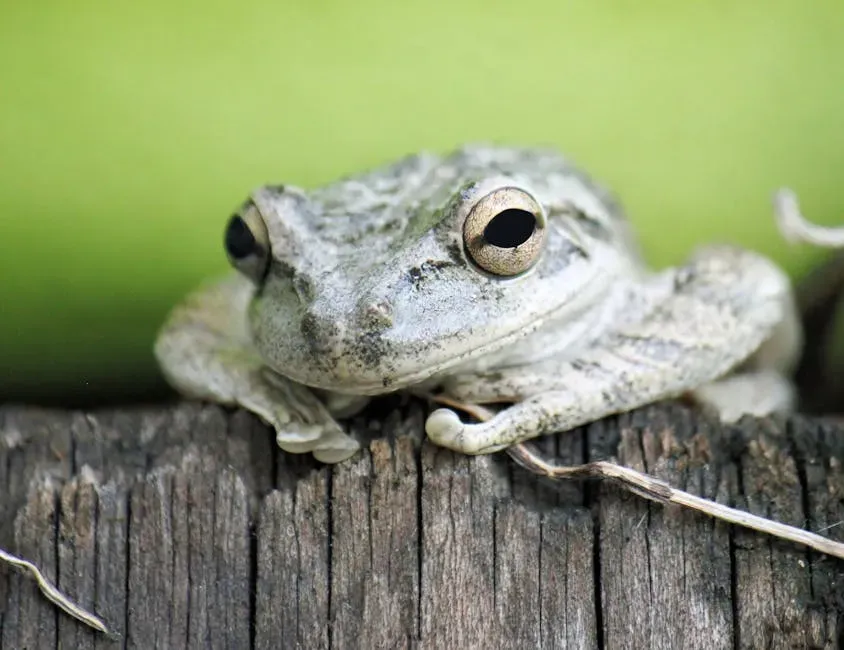
For most animals, freezing solid would be fatal, but the wood frog has adapted to survive in this state. Wood frogs live in Alaska, Canada and the northeastern USA. What happens to them each winter is genuinely extraordinary.
As the temperature drops, these hardy amphibians nestle down in leaf litter on the forest floor to protect themselves from the elements. As the chilly weather draws in, the body of the frog freezes. Low temperatures cause ice crystals to form within its blood vessels and internal organs.
To protect against cellular damage, the frog’s liver releases large amounts of glucose, which acts as an antifreeze, preventing the cells from completely freezing and becoming damaged or punctured by large ice crystals. Come spring, the frog simply thaws out and resumes life as if nothing happened.
2. The Polar Bear’s Layered Insulation System
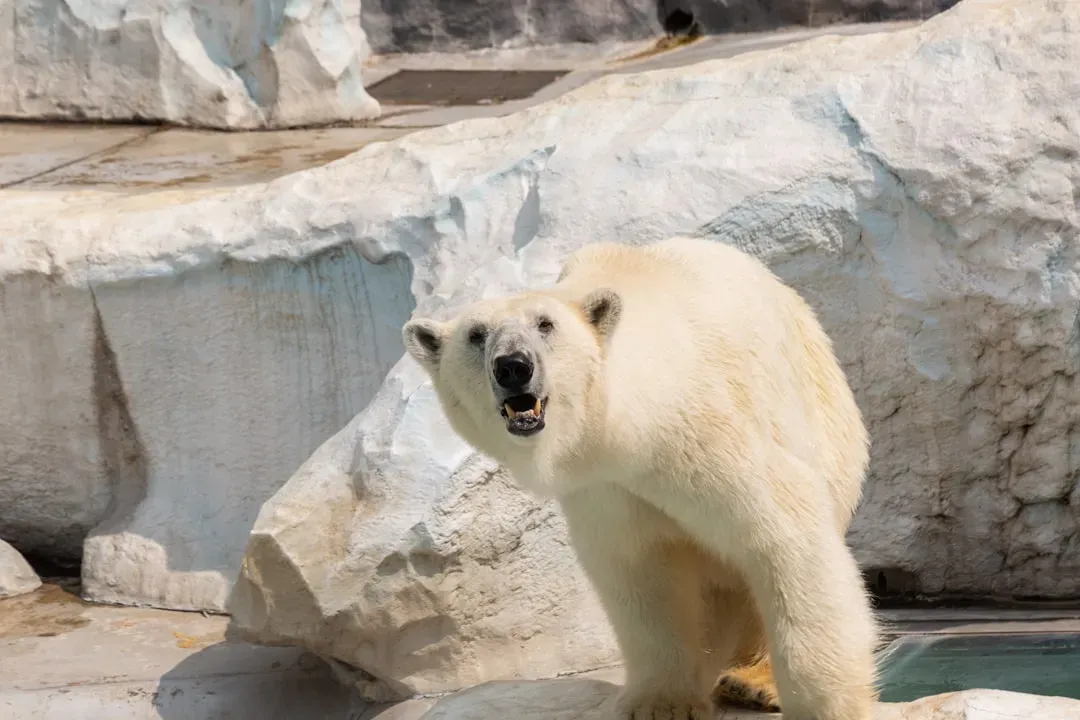
The polar bear, an Arctic inhabitant, is exceptionally well-insulated. It has two layers of fur: a thick undercoat and longer guard hairs for waterproofing and insulation. A substantial blubber layer, up to 11.4 cm thick, serves as insulation and an energy reserve. These features help polar bears maintain a stable body temperature even at -50°F (-45°C).
Thanks to their large paws, they can walk on ice and hunt seals, their primary food source. The combination of insulation, body size, and behavioral flexibility makes the polar bear one of the most complete cold-weather survival packages in the animal kingdom.
3. The Arctic Fox’s Countercurrent Heat Exchange
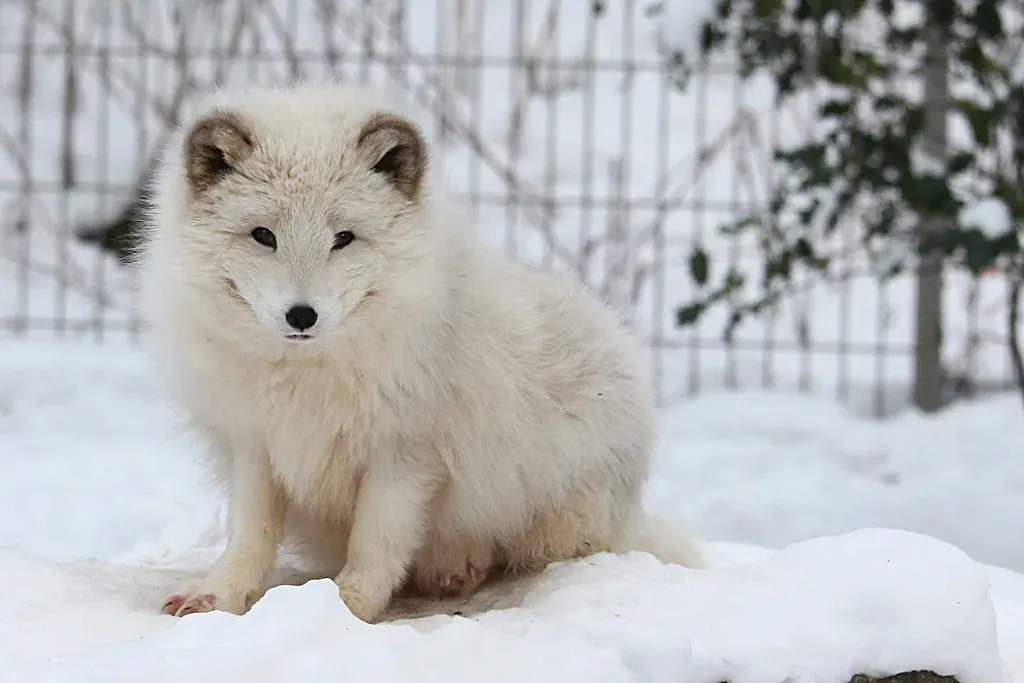
Arctic foxes thrive in temperatures as low as -70°C without shivering. Their dense winter fur, which is far thicker than their summer coat, provides exceptional insulation. Fur on their paw pads protects their feet and aids traction. Their compact body shape, small ears, and short muzzle minimize heat loss.
In the Arctic fox, the arteries and veins carrying blood down to their feet and back up to their core are quite close together, so heat from the blood actually warms the returning blood before it ever gets a chance to cool the body’s core. It’s essentially a built-in heating loop.
Their wide, furry paws are filled with polyunsaturated fats that don’t harden at extremely low temperatures, and unique membranes also help prevent tissue damage. Two separate mechanisms, working together to keep frostbite at bay entirely.
4. Emperor Penguin Huddling Behavior
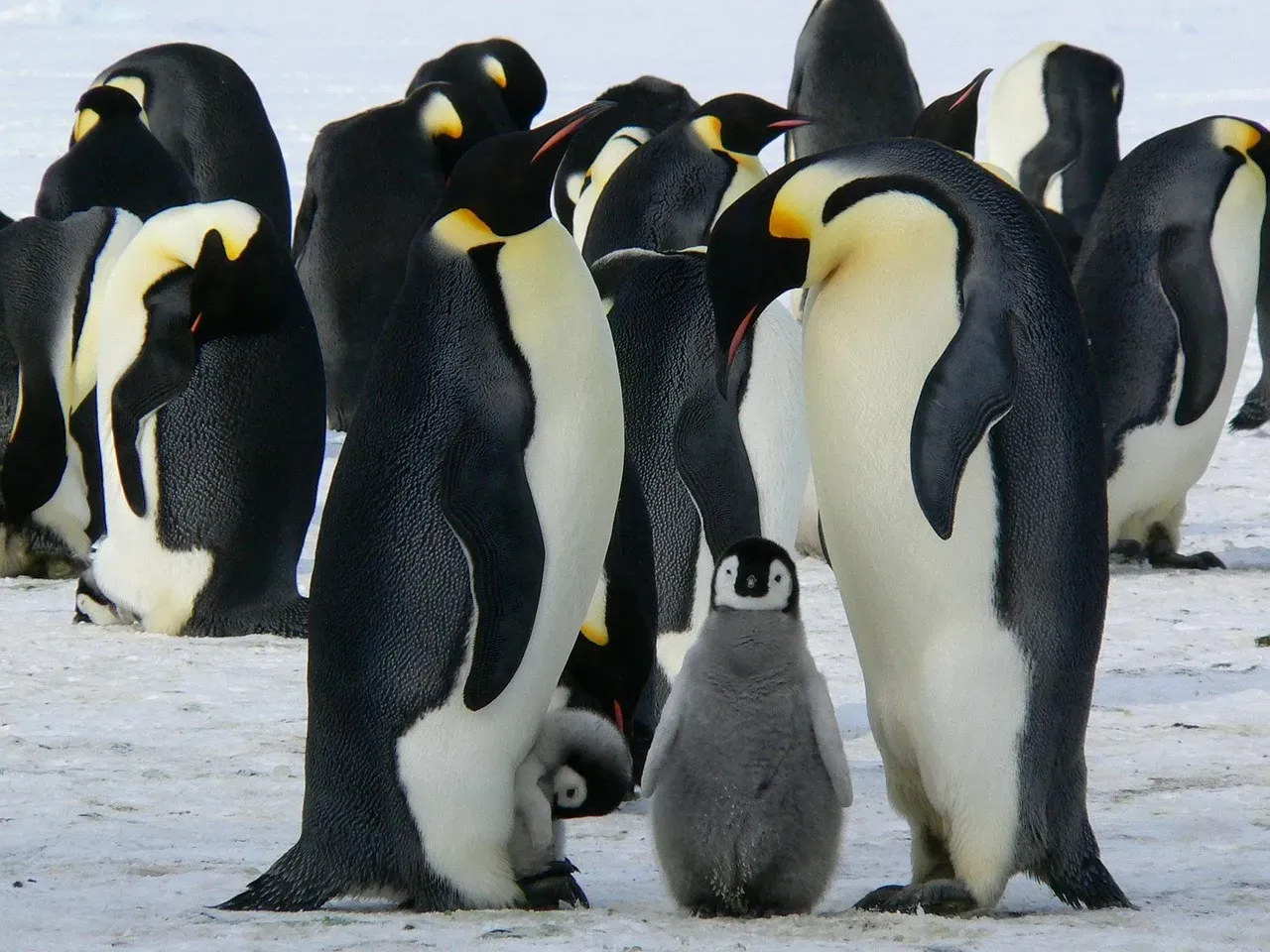
When it comes to withstanding the cold, emperor penguins are among the world’s hardiest birds. They’re uniquely adapted to live in environments where little else can survive. They’re the only species of penguin that breeds during the Antarctic winter. This means they must endure temperatures as low as -50°C and extreme wind speeds of up to 200 kilometres per hour.
The colony survives such life-threatening cold by gathering together in a huge group to share warmth and minimize individual exposure to the elements. At regular intervals, the penguins at the outer fringes of the huddle are brought into the middle so every member is given the opportunity to warm up.
Emperor penguins also have special nasal chambers which recover heat lost through breathing. They also have closely aligned veins and arteries. These adaptations enable emperor penguins to recycle their own body heat.
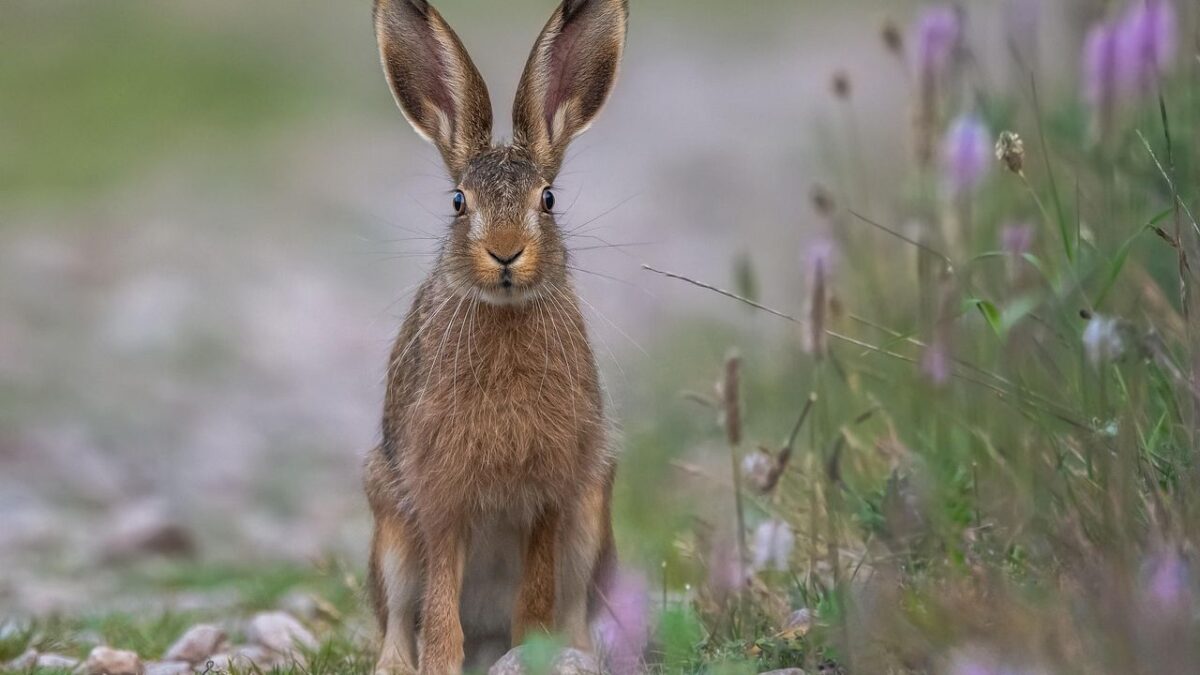
5. The Snowshoe Hare’s Seasonal Coat Change
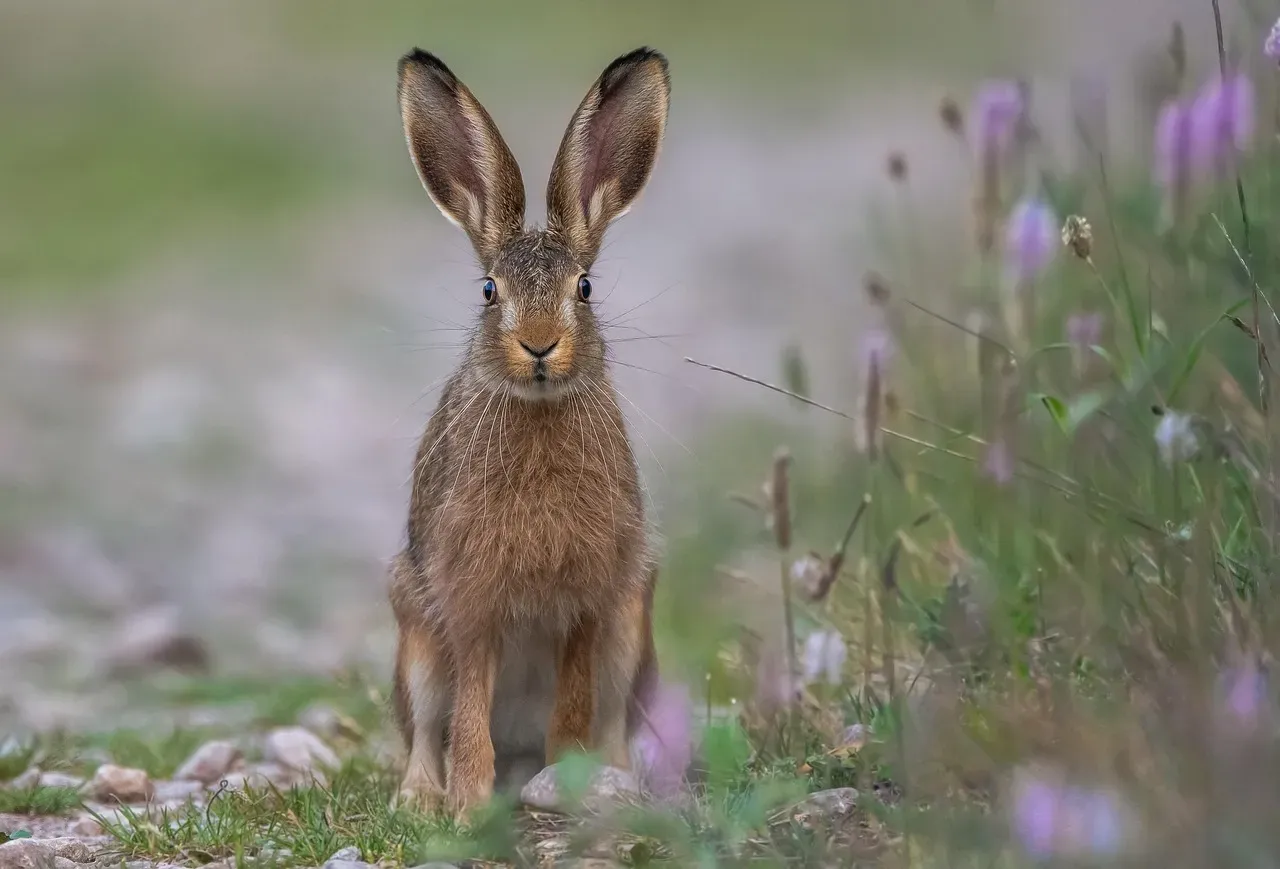
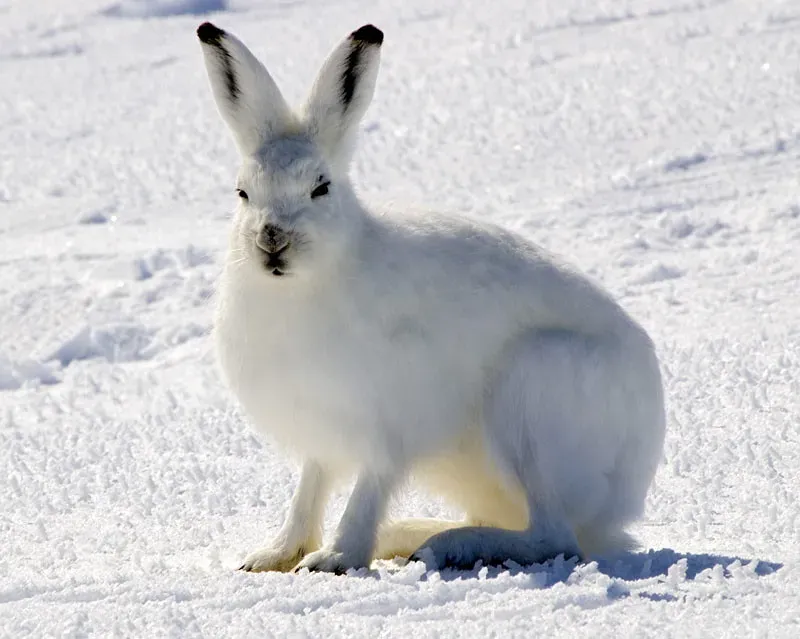
Snowshoe hares change color as winter approaches. Their fur changes from brown to white, which provides two major advantages: the new fur is thicker and acts as a better insulator than the brown summer coat, and the color change allows these animals to be camouflaged in the snow to avoid predators and hunt prey.
Snowshoe hares get their name from their big feet that, like snowshoes, help them bound around on top of the snow instead of sinking into it. Their ears are also smaller than most hares and help them retain body heat.
The timing of this coat switch, however, is tied to daylight length rather than temperature. The color change is triggered by the sun, not the weather, which means as winters shorten, their coats aren’t always catching up with actual conditions. It’s a reminder that even elegant adaptations have their limits.
6. The Musk Ox’s Wind-Defying Double Coat
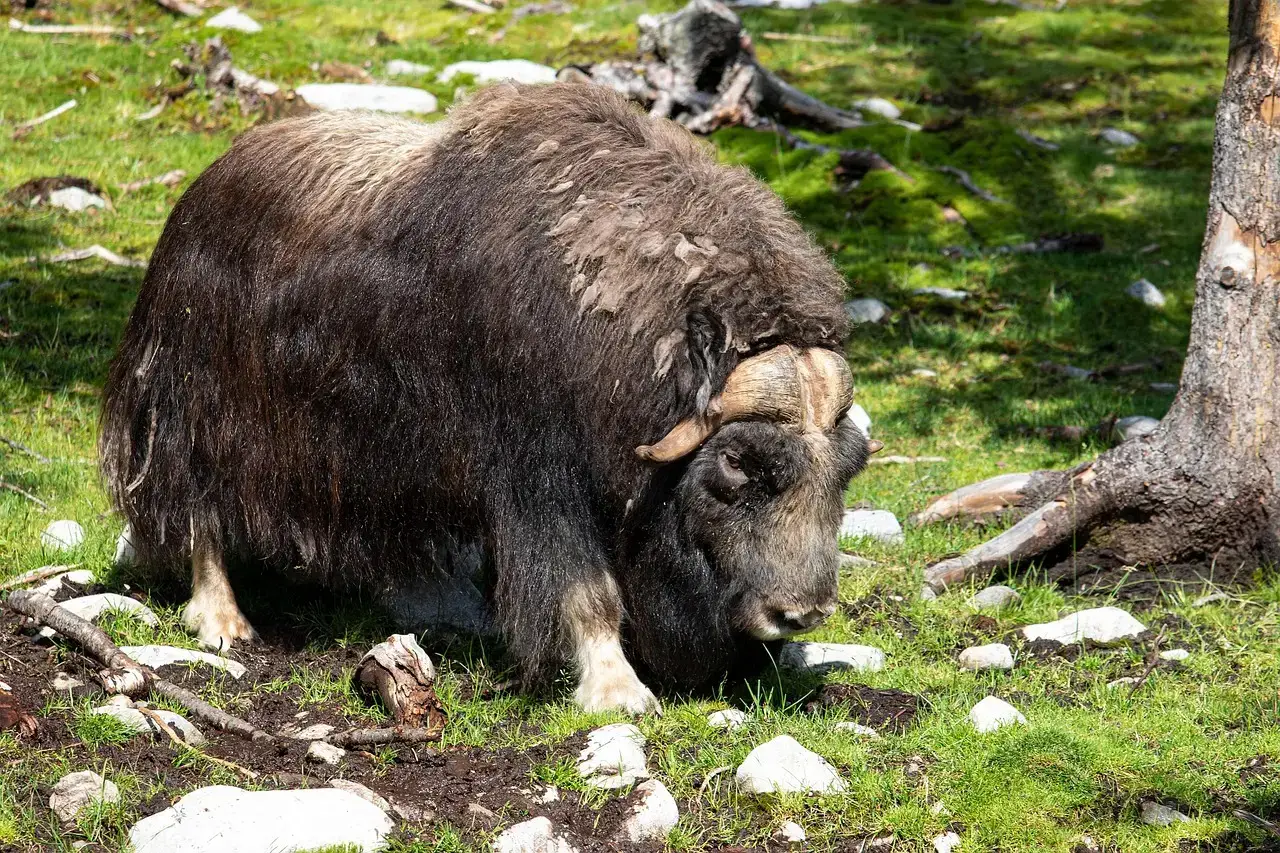
Many animals rely on having thick coats that provide insulation by trapping warm air close to their bodies. The musk ox’s long, shaggy hair has enabled the species to survive in the Arctic for thousands of years.
Mountain goats offer a similar principle: they have very heavy wool undercoats and hollow hairs that keep air trapped close to the body, keeping the cold and wetness out. The musk ox takes this further with an outer layer called “guard hair” that can reach nearly a metre in length, acting as a windbreak over a dense, soft undercoat called qiviut.
The layers overlap each other to form good protection from the wind, even in blizzard conditions. Qiviut is actually considered one of the finest natural fibers in the world, which says something about just how effective this animal’s coat really is.
7. Antarctic Icefish and Their Antifreeze Blood
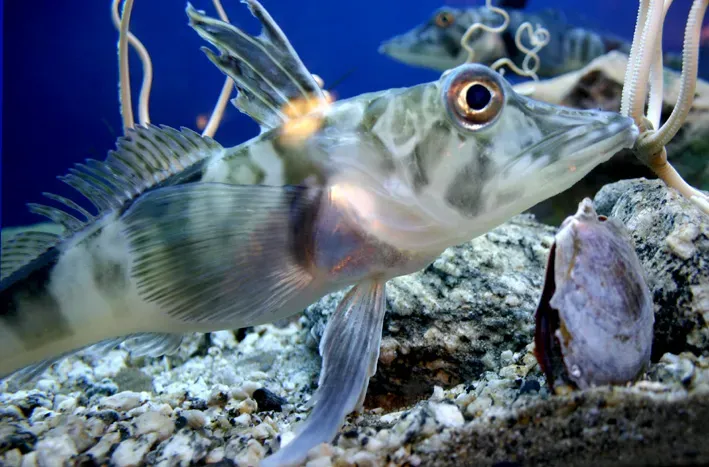
In the icy waters around Antarctica, icefish employ a special skill to avoid freezing. They harness special antifreeze proteins that stick to ice crystals and stop them from expanding.
These tough fish also have relatively thin blood that can keep flowing in the cold because they don’t produce hemoglobin or red blood cells. This allows blood and oxygen to reach their tissues and ups the odds of survival. This adaptation gives their cells and tissues a translucent appearance.
The result is a fish that is, quite literally, see-through, and one that can live comfortably in water just barely above freezing. Antifreeze proteins in the blood of some fish and insects prevent ice crystals from growing, while supercooling allows body fluids to remain liquid below their freezing point without forming ice.
8. The Tardigrade’s Near-Indestructible Cryptobiosis
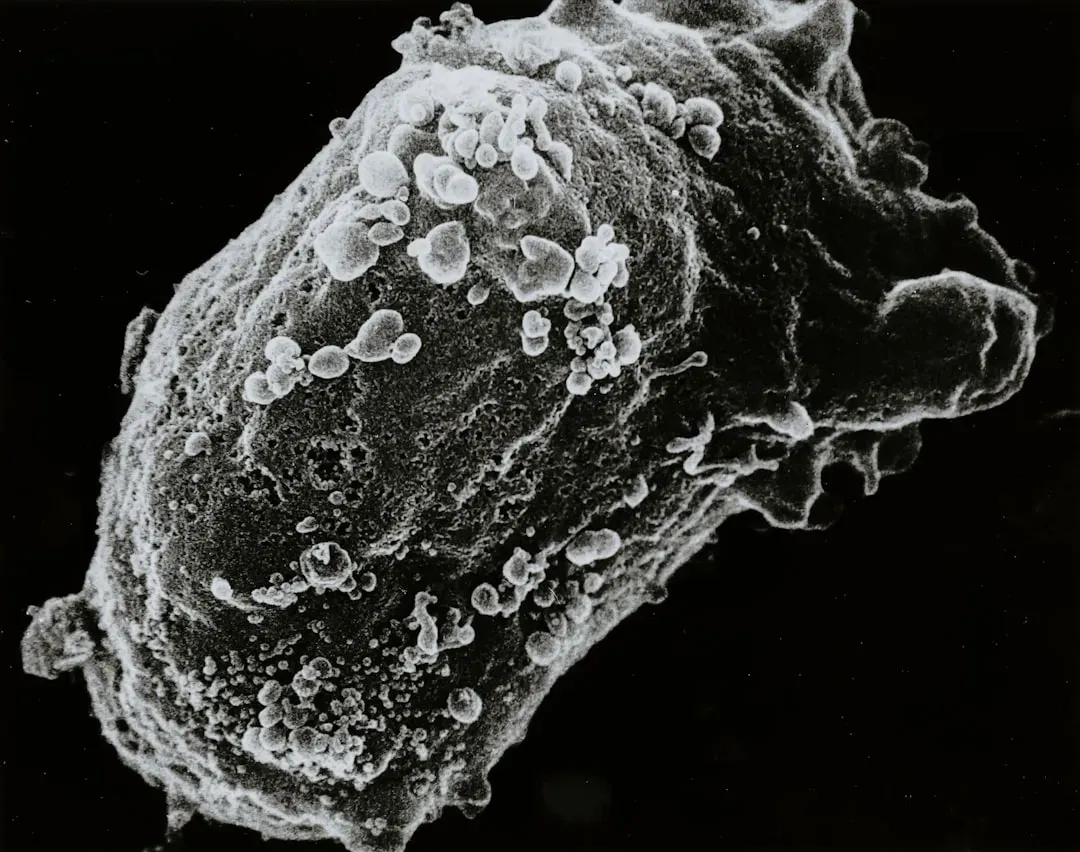
These amazing microscopic organisms have yet to find an environment they can’t survive. Also known as water bears, the bizarre eight-legged creatures have been found in deserts, glaciers, and hot springs and at the top of the world’s highest mountains.
Tardigrades can endure temperatures as low as -272°C for short periods. Their survival mechanisms involve complex molecular adaptations, with some studies suggesting specific proteins protect cellular structures and DNA during freezing and thawing.
In such extreme conditions, they curl up into a ball, dry up, and enter a dormant state to help them weather the elements. This state, called cryptobiosis, essentially pauses all biological activity. It’s as close to suspended animation as anything in the natural world gets.
9. The Saiga Antelope’s Remarkable Nose
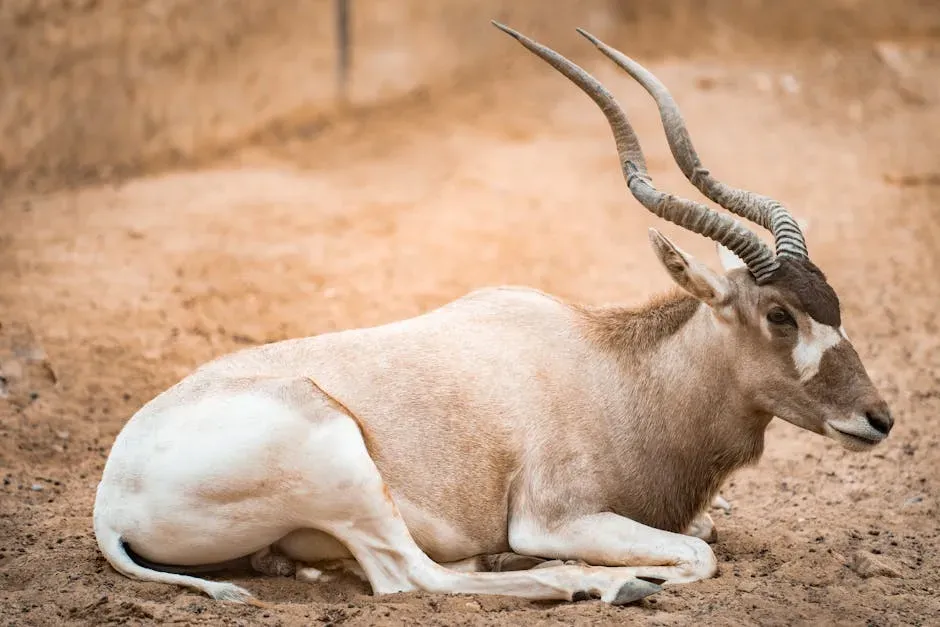
Some animals, such as the saiga antelope, have to cope with both cold and warm weather. This antelope is an ice age survivor that once lived alongside woolly mammoths on the northern grasslands.
This environment is prone to extreme seasonal temperature swings, so the antelopes have to be well adapted to freezing cold winters and hot, dry summers. Their most striking feature, a large, bulbous, drooping nose, is the key to managing both extremes.
The saiga’s nose contains large chambers that help filter out dust and cool the air when it’s hot. When it’s cold, these chambers warm the air up before it reaches the lungs. It’s a dual-purpose biological air conditioning and heating system built right into the face.
10. True Hibernators and the Art of Near-Death Dormancy
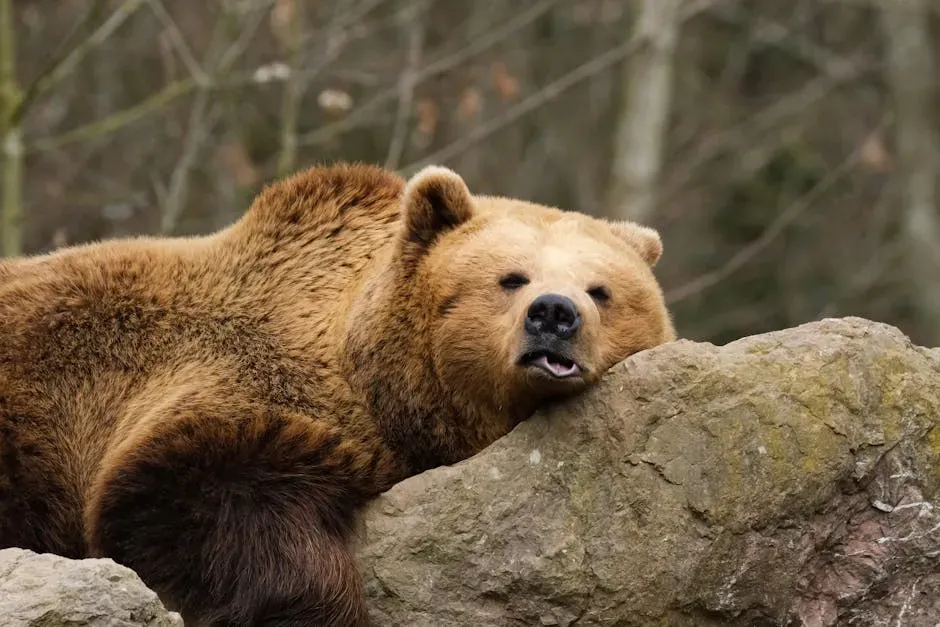
True hibernators such as Columbian ground squirrels and marmots experience an extreme body temperature drop from around 90 degrees Fahrenheit normally down to 39 degrees Fahrenheit while hibernating, along with very slow respiration of only one breath every four to six minutes.
Hibernation is a physical state where an animal’s body function slows down in order to conserve energy through a season of no food and water, and cold temperatures. This slower body function is characterized by a decrease in body temperature and reduced respiration.
Some animals will increase their food intake to build up fat reserves, allowing them to survive with a decreased food supply. Others, such as beavers or red squirrels, create a food cache, collecting extra food when it’s available and storing it for the winter. Preparation, it turns out, is its own kind of adaptation.
11. Antarctic Krill’s Strategy of Shrinking to Survive
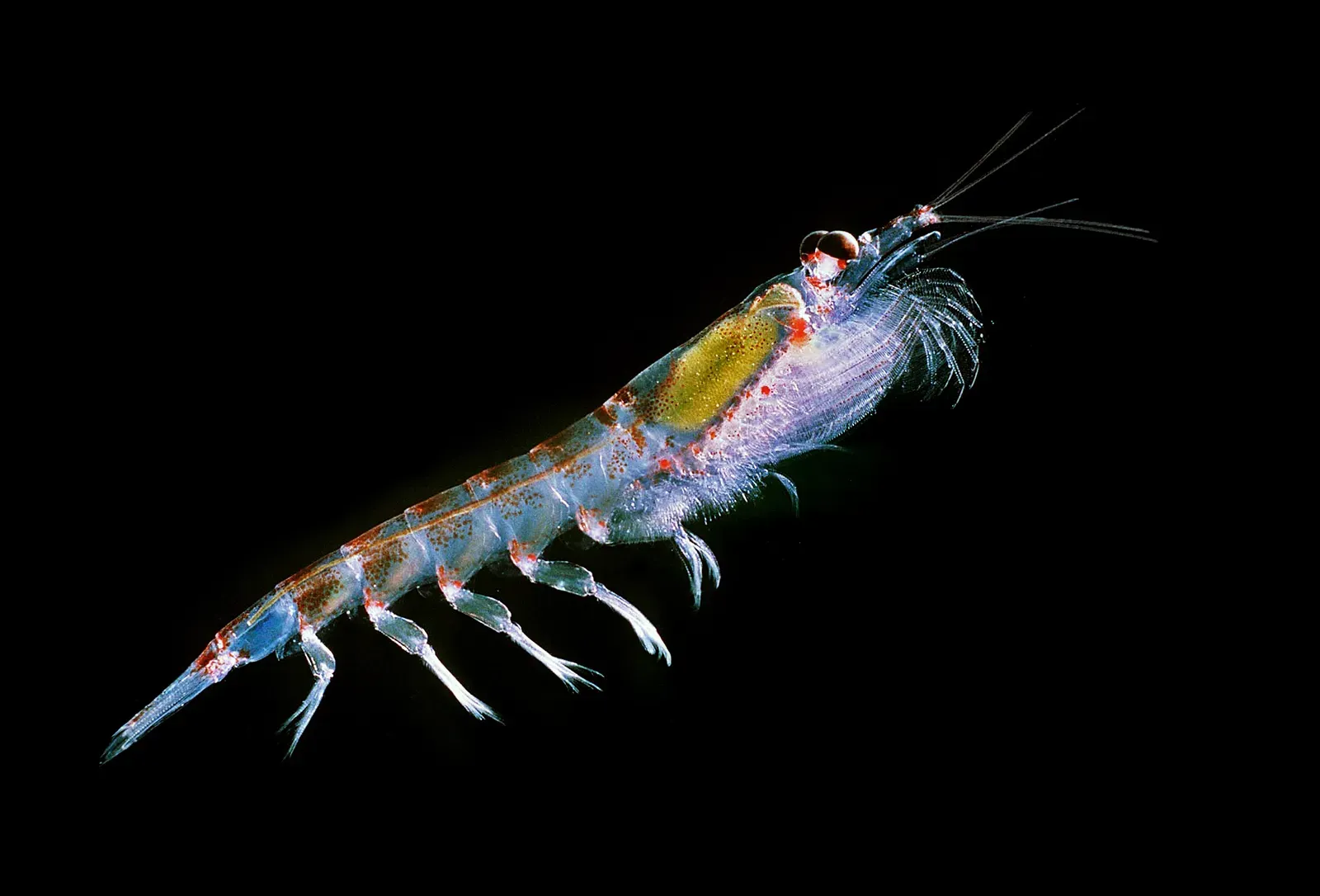
Antarctic krill must survive the dark winter months when food is scarce. They do this very successfully, surviving more than 200 days of starvation. They do this by shrinking their body size. This “downsizing” enables Antarctic krill to use their own body proteins as a source of fuel.
It’s one of the more counterintuitive strategies in the animal world. Rather than storing extra resources, krill actually become smaller, reducing their metabolic demands to match the available energy.
The Antarctic Ocean has been at its near-freezing temperature for around 20 million years, giving plenty of time for plants and animals that live there to become adapted to life in temperatures that would cause most aquatic animals to simply slow down to a state of near torpidity. The krill’s shrinking trick is a product of that very long evolutionary conversation.
Conclusion: Evolution’s Cold-Weather Masterclass
What’s striking across all eleven of these adaptations is the sheer variety of solutions. Freezing solid, recycling body heat, building antifreeze proteins, shrinking the body, huddling in rotating formations. Nature has never settled on one answer to the cold because the cold itself takes so many different forms.
No single adaptation suffices for all environments. Cold resistance requires a combination of physiology, behavior, and biochemistry tailored to each species’ niche. That specificity is both what makes these adaptations so impressive and what makes them potentially fragile.
While Arctic animals are experts at surviving in cold conditions, they’re not well-equipped to cope with rapid environmental changes. Shifting ice patterns, warming temperatures, and habitat disruptions are reshaping the region faster than these species can adapt.
Understanding how these animals work, at a biological level, is worth something beyond curiosity. It reminds us that the world’s coldest places are not empty voids. They’re full of life that took millions of years to figure out how to be there.

- Has Your Rescue Dog Finally Chosen You? 14 Signs It Sees You as Home. - July 22, 2026
- 8 of the World’s Rarest Raptors and Where You Might See Them - July 22, 2026
- The Rarest Bird in North America – Can It Still Be Saved? - July 22, 2026