
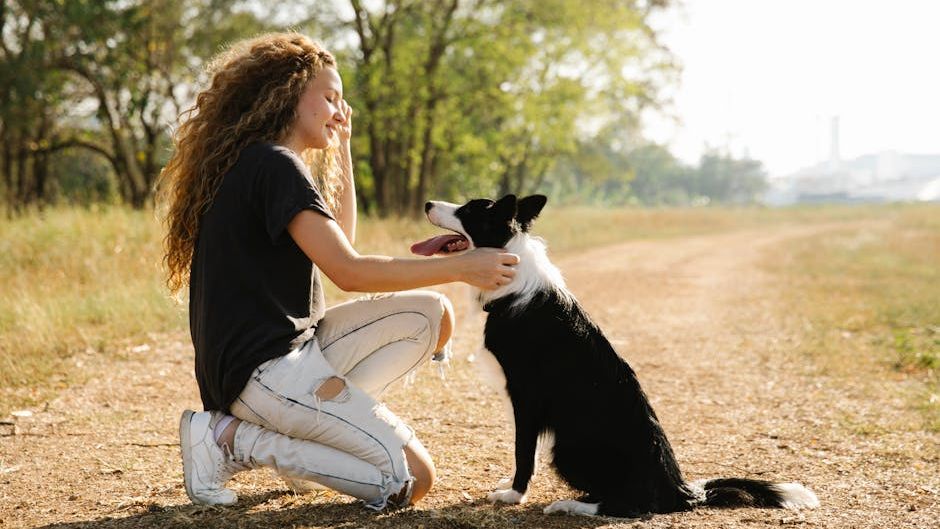
There’s a particular kind of heartbreak that comes not from a bad dog, but from the wrong dog. You did your homework, fell in love with the idea, brought home what seemed like a dream, and then reality arrived at roughly 3 a.m. with chewed furniture and a chorus of howling. It happens more often than most dog owners admit, and it almost always starts the same way: a beautiful photo, a glowing breed description, and the quiet assumption that love alone will be enough.
The truth is, some breeds are genuinely wonderful on paper. They’re stunning, loyal, intelligent, or endlessly charming. Yet those same traits, when mismatched with the wrong household, can quietly erode the relationship between owner and dog over months or years. This list isn’t about bad dogs. It’s about breeds that deserve more honesty in their marketing.
#1. Siberian Husky
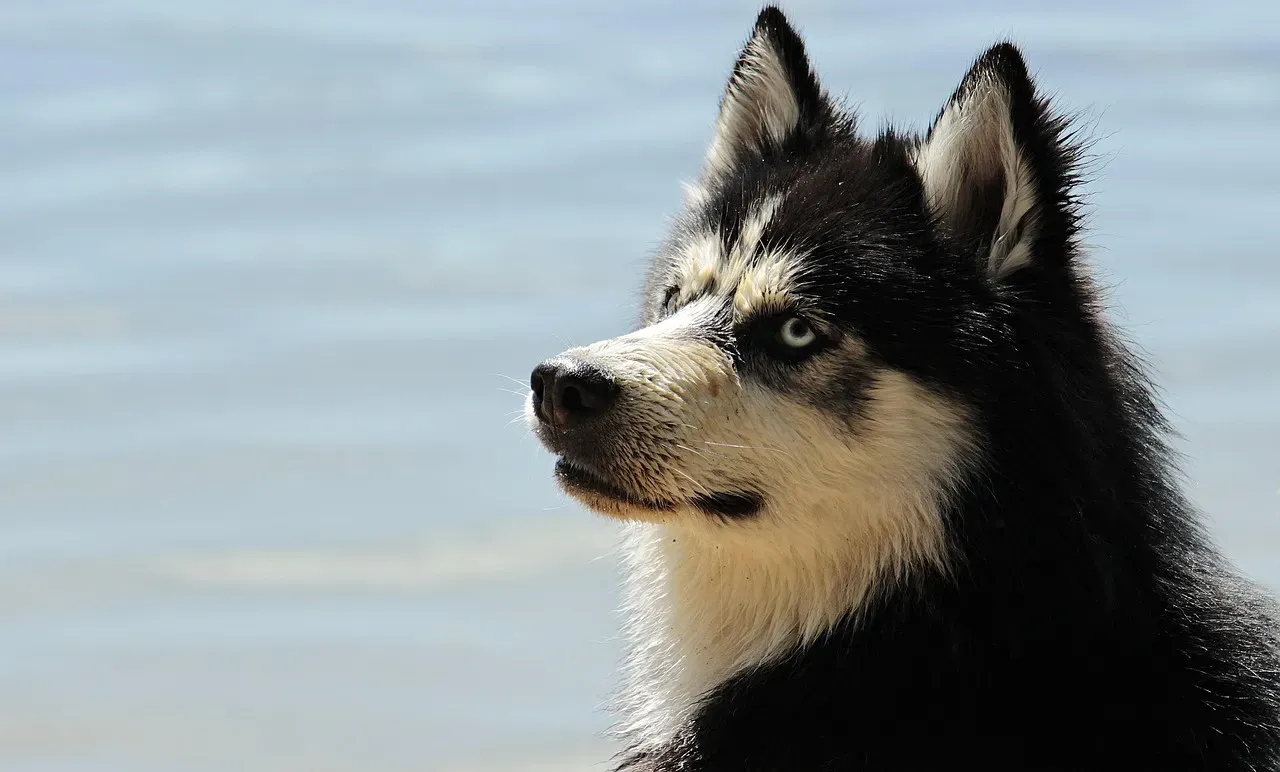
Few breeds generate as much admiration at first glance as the Siberian Husky. Those ice-blue eyes, that wolf-like coat, and that dignified gait make them practically irresistible. While their beauty and grace can certainly pique any dog lover’s interest, it’s important to know that these dogs are not well-suited for inexperienced owners.
Huskies are high-energy working dogs, most commonly used for sled pulling, and are built for frigid temperatures. Known to pull sleds for up to 100 miles in 24 hours, these dogs have incredible endurance and can literally run all day. Most households simply cannot match that demand.
It’s very difficult to meet their intense exercise and mental stimulation needs, and they are often destructive when those needs aren’t met. Huskies have a very high prey drive and aren’t the ideal breed for a home with small animals like cats. They are also well known for being escape artists and will stop at nothing to explore. In addition, they have terrible recall so they should never be allowed off-leash.
#2. Border Collie

The Border Collie sits at the very top of most canine intelligence rankings, and that reputation draws in owners who see a highly trainable, eager-to-please companion. What they often don’t see coming is what that intelligence actually costs on a daily basis.
Border Collies are brilliant problem solvers with tireless stamina and laser focus. Bred for herding, they read movement and try to control anything that runs, including kids and other pets. Without structured outlets, that intelligence becomes mischief, obsessive spinning, or compulsive shadow chasing.
Without adequate outlets for their energy and smarts, Border Collies “will be prone to nipping and developing destructive and aberrant behaviors.” Many dog owners have reported their Border Collies breaking house training, chewing furniture, and scratching walls. This is a breed that needs a job, not just a yard.
#3. Belgian Malinois
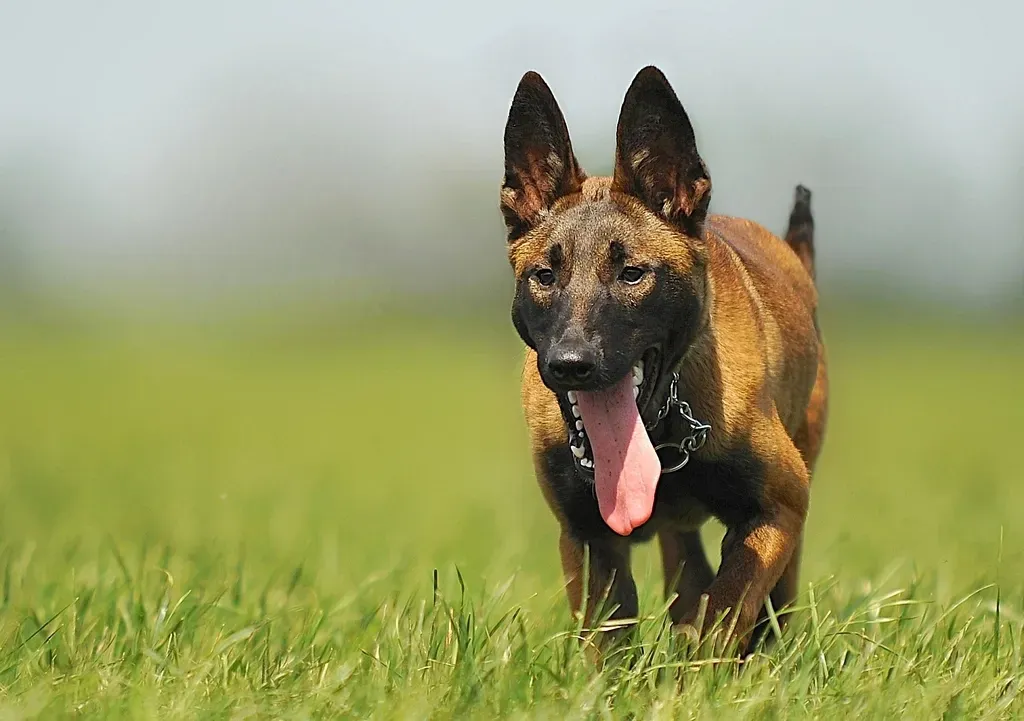
Thanks to viral videos of Malinois performing jaw-dropping police and military work, this breed has surged in popularity among civilians. The problem is that what looks thrilling on screen is absolutely exhausting to live with at home.
Originally bred as herding dogs, the Belgian Malinois is an impressive breed with a drive that goes unmatched. These dogs require a highly skilled and experienced trainer and need a job to do. Their keen intelligence, coupled with their unparalleled athleticism, has led the breed to many duties within law enforcement and military work.
Belgian Malinois are stunning, high-drive athletes built for work, not quiet couches. Their energy seems endless, and they demand intense daily exercise plus complex training to stay balanced. Without a job, they invent one, which can mean herding kids, chasing bikes, or dismantling furniture. Many high-drive Belgian Malinois wind up in shelters because their working drive is too over the top for normal people in a home environment.
#4. Dalmatian
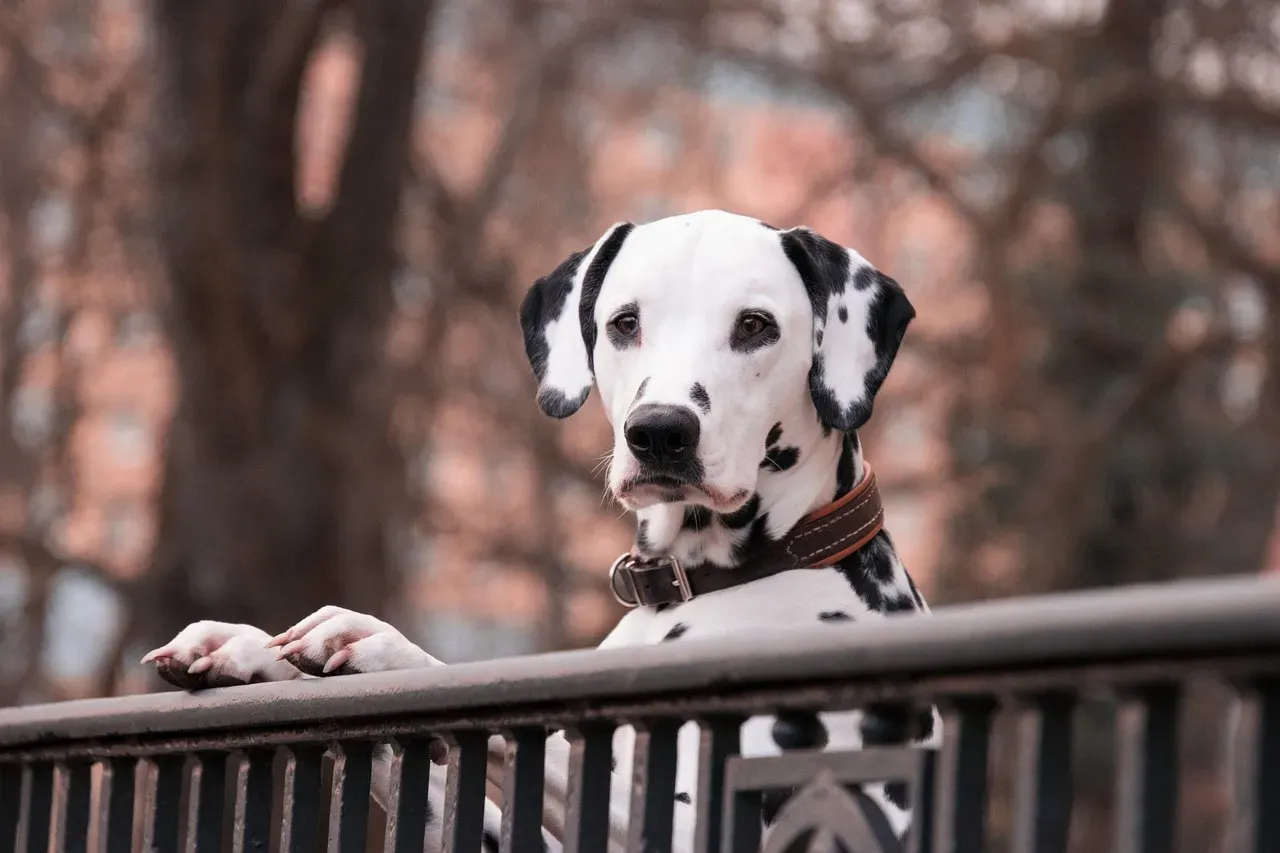
The Dalmatian is one of the most visually iconic breeds in the world. That spotted coat is instantly recognizable, and the breed’s film legacy has made it a longtime favorite among families with children. Expectations and reality, though, tend to diverge quickly after the puppy arrives.
Dalmatians are working dogs packed with loads of energy. They were bred to run, making them one of the fastest breeds. In fact, they used to run alongside horses and fire engines. Their energy levels make them quite a challenge for dog owners. Dalmatians can become destructive and bark endlessly when not given the desired stimulation.
The elegant Dalmatian with its striking spots and playful personality can make a great addition to households that can match their endless energy, but they may leave some owners feeling overwhelmed. These pups love exercise and mental stimulation. Despite having a short coat, Dalmatians still shed heavily, so you might have to use a vacuum cleaner often. The package deal surprises a lot of people.
#5. Chow Chow
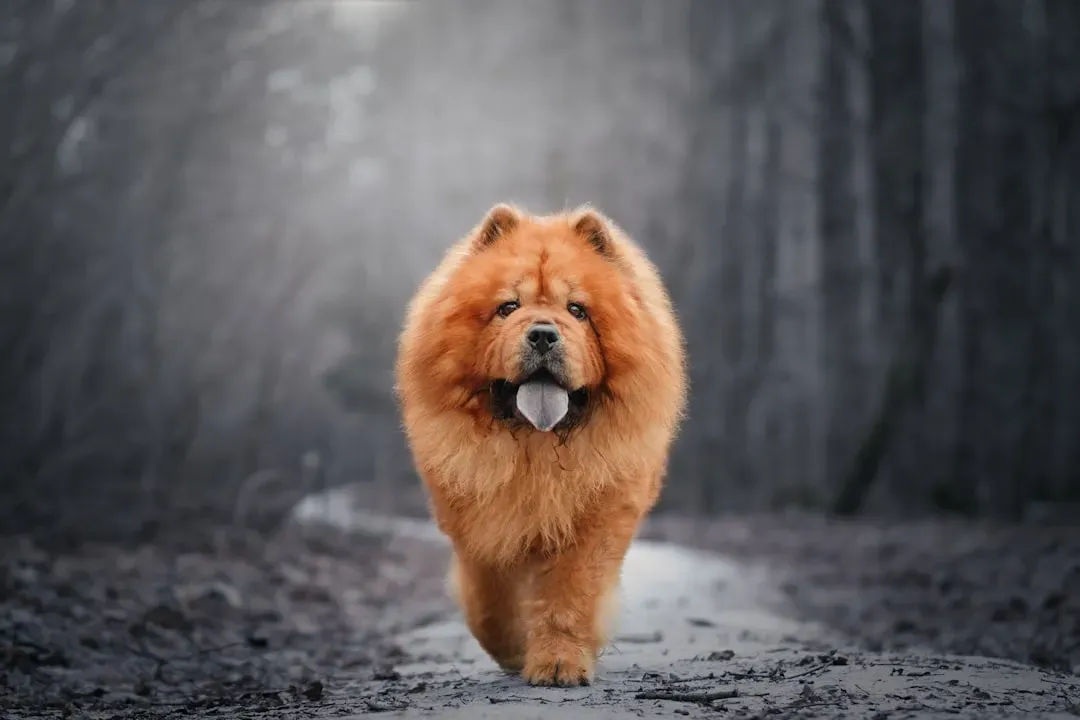
A Chow Chow looks like a living teddy bear. That dense, plush mane and that proud, almost noble bearing make them one of the most photographed breeds on social media. Buying one based on that image alone is where things begin to go wrong.
Despite looking like teddy bears, Chow Chows don’t act like them. Their adorable face and purple tongue stand out among other breeds. A Chow Chow is not the smartest of all the breeds and may require 80 to 100 repetitions to learn a command.
Chow Chows are not a fan of strangers. They may show aggression toward other animals, including dogs. They don’t need more than an hour of exercise daily but require more training than most breeds. The major downside of owning a Chow Chow is that it can be dangerous and irritating in new hands. Patience and consistency are non-negotiable with this breed.
#6. Afghan Hound
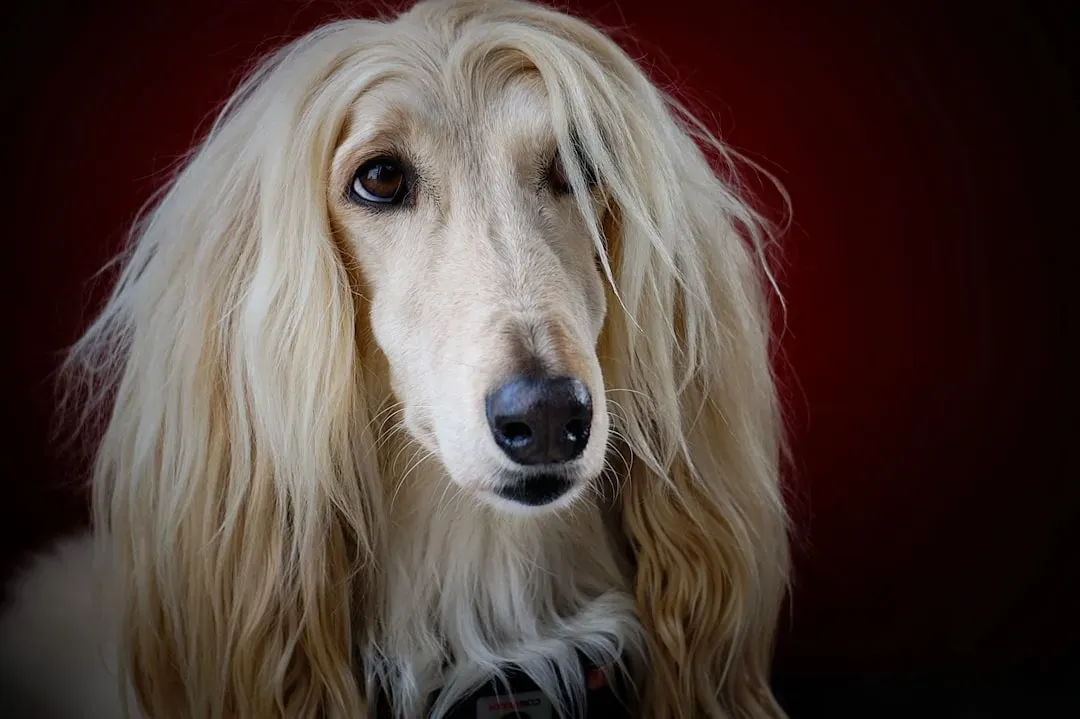
In terms of sheer visual splendor, the Afghan Hound may have no equal in the dog world. That silky, flowing coat and aristocratic profile genuinely stops people in their tracks. It also obscures a temperament that many first-time owners simply aren’t prepared for.
The Afghan Hound is known for its elegant appearance and independent nature. While they can be affectionate with their family, they tend to be aloof and reserved, especially around strangers. Afghan Hounds are not particularly playful and may not tolerate rough handling, making them less suitable for households with young children. They also have a high prey drive and can be challenging to train due to their independent streak.
Their grooming needs are also high, requiring regular maintenance to keep their long, flowing coat in good condition. The Afghan Hound may need up to 80 repetitions to grasp a new command. Their beauty is genuine. Their difficulty is equally genuine.
#7. Akita
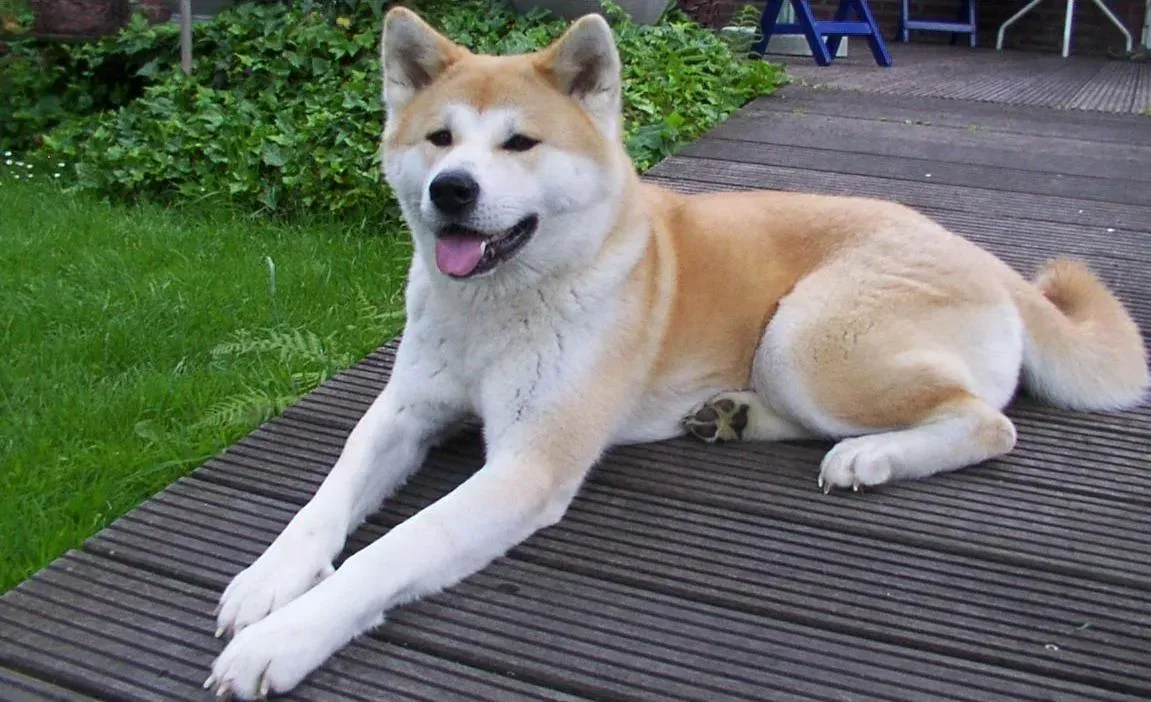
The Akita carries tremendous cultural weight. Stories of their loyalty have inspired books, films, and a deep reverence in Japan. That mythology draws owners in, but the day-to-day reality of owning one is considerably more demanding than any legend suggests.
Akitas were bred to hunt big game, so they have a strong prey drive and can be aggressive if not adequately socialized and trained. Highly protective by nature, these dogs are often wary of strangers and do not always get along with other dogs. It takes an experienced pet parent to keep Akitas grounded and trained.
Akitas are dignified guardians with deep loyalty and serious independence. Their stoic nature reads as aloof, and they tolerate little nonsense from strangers or pushy dogs. Early socialization is essential, yet even then many Akitas prefer a calm, predictable home. Strength, size, and strong opinions mean beginners struggle with handling and resource guarding. Same-sex aggression is common, and off-leash reliability is rare.
#8. Alaskan Malamute
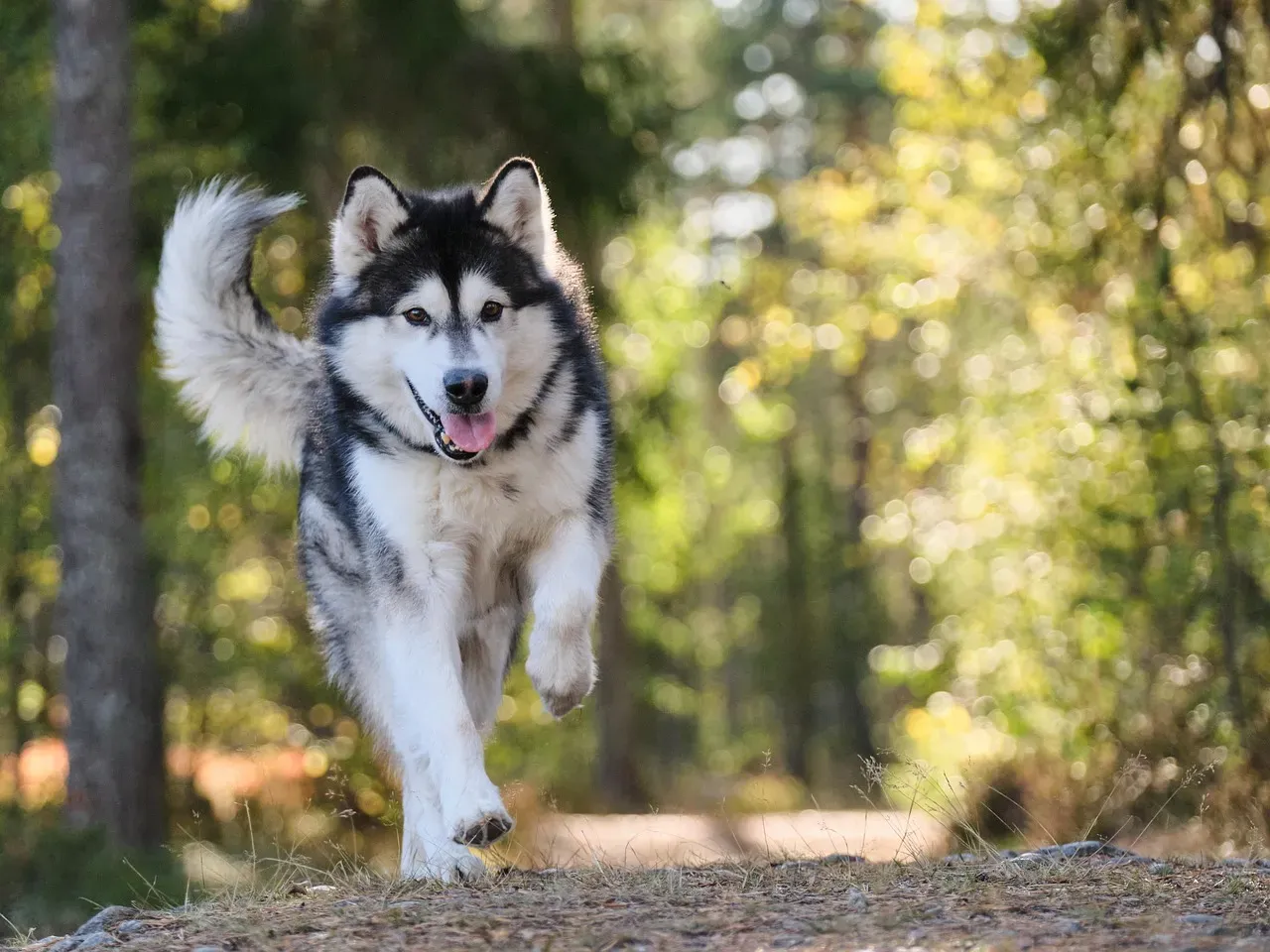
The Alaskan Malamute is everything a dog enthusiast could want visually. Enormous, wolf-like, powerful, and strikingly beautiful, they photograph like something out of a nature documentary. Living with one is a very different story.
Traditionally bred as sled dogs, Alaskan Malamutes are high energy and shed heavily. They can be prone to pulling on the leash, which is a safety concern with such a large, strong dog. Similar to other high-energy breeds, these dogs require a lot of exercise and can easily become bored. They are escape artists and will run away given the opportunity.
The sheer scale of the commitment surprises many owners. Temperament plays a significant role in how well-suited a breed may be for a first-time owner. Without much experience, highly independent, task-oriented, stubborn, or anxious dogs can be very challenging and require intense training and attention. Malamutes check nearly every box on that challenging list.
#9. Rottweiler

Rottweilers have a long and genuine history as working and companion dogs, and at their best, they’re devoted, calm, and deeply loyal to their families. The issue is that “at their best” requires a considerable investment of time, experience, and consistent structure that many new owners underestimate.
The Rottweiler is a large, intelligent, and powerful breed with a very strong instinct for protection. While they were originally bred to herd livestock and pull carts, they are now commonly used as personal protection dogs and for military work. The Rottweiler’s size alone can be very overwhelming for a first-time dog owner, but they are also very strong-willed and have a reputation for aggression when not properly trained and socialized.
Without appropriate training and socialization, these dogs can be quite challenging for first-time owners or those not up for handling a powerful breed. Establishing clear boundaries and rules is vital, and so is providing them with mental and physical stimulation to keep them engaged. They’re deeply rewarding when matched with the right owner. That match isn’t always what people expect it to be.
#10. Weimaraner

The Weimaraner is known as the “Grey Ghost,” a nickname that hints at their sleek, silver-blue coat and those hauntingly pale eyes. They’re athletic, elegant, and striking in a way that makes them look like the perfect companion for an active lifestyle. For many households, though, that energy proves relentless.
The Weimaraner is a working breed that is very active. They’re loyal, affectionate, and bold and soon become completely devoted to their owners and family. They will do whatever you ask of them once well trained, though training can be slow from the start. They have a stubborn streak and may even try to take over if you don’t make it clear that you are in charge.
An untrained Weimaraner will be destructive. Their hunting nature truly comes out when on walks and you should be confident in their recall before letting them off lead. They need heaps of exercise and make for a good jogging or biking partner. Health problems that may affect Weimaraners include canine hip dysplasia, bloat, bone malformation, cancer, heart disease, eye diseases, and allergies.
#11. Australian Shepherd
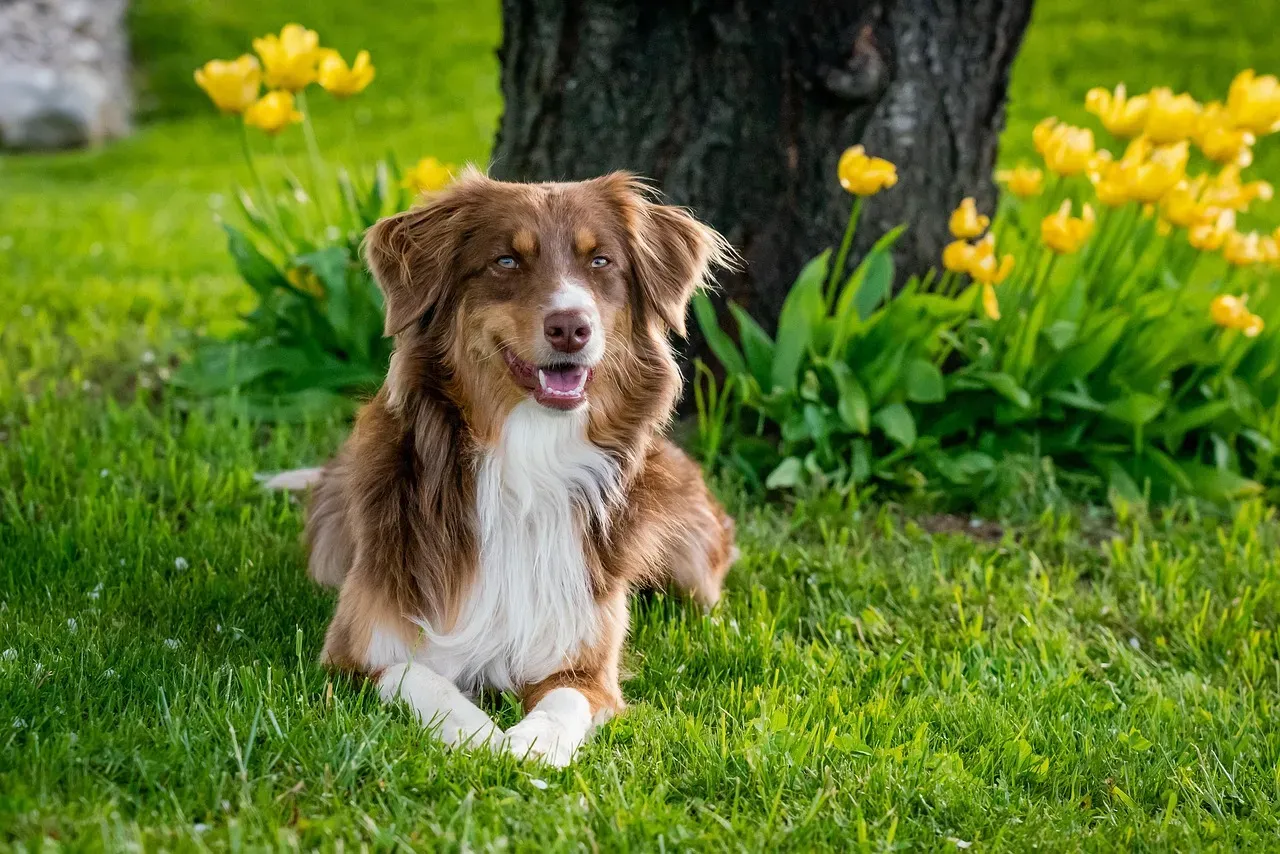
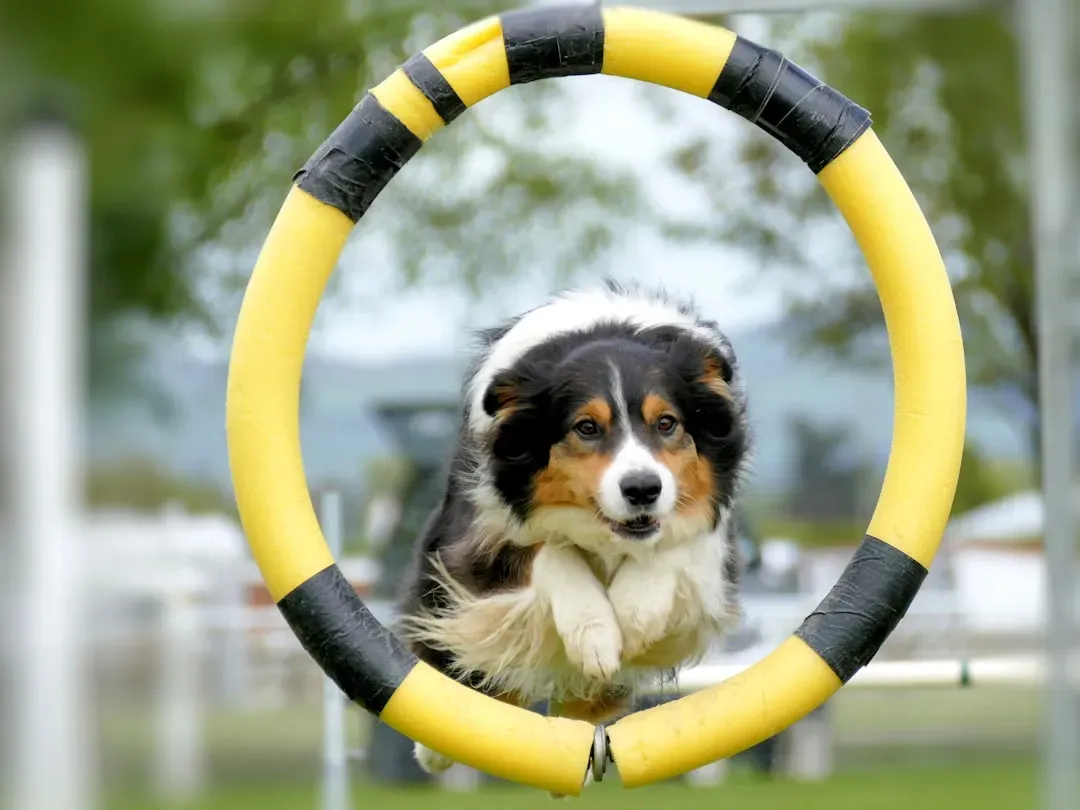
Aussies are beloved for their merle coats, their heterochromia eyes, and what is often described as an almost supernatural ability to read and respond to human emotion. Breeders promote them as devoted, intelligent, and family-oriented. All of that is true, and all of it comes with a demanding price tag.
As herding dogs, Australian Shepherds have very high energy levels and need large amounts of activity, stimulation, and interaction. Without proper training and activity outlets, they are prone to anxiety and destructive behaviors. First-timers rarely meet their needs.
Working breeds like the Australian Shepherd require high levels of mental and physical stimulation. They are typically intelligent and energetic and excel at tasks like herding or obedience. Without proper exercise and mental stimulation, they can become bored, develop behavioral issues, or exhibit destructive behaviors. The Instagram version of this breed and the 6 a.m. chewed-couch version are two very different dogs.
#12. Jack Russell Terrier
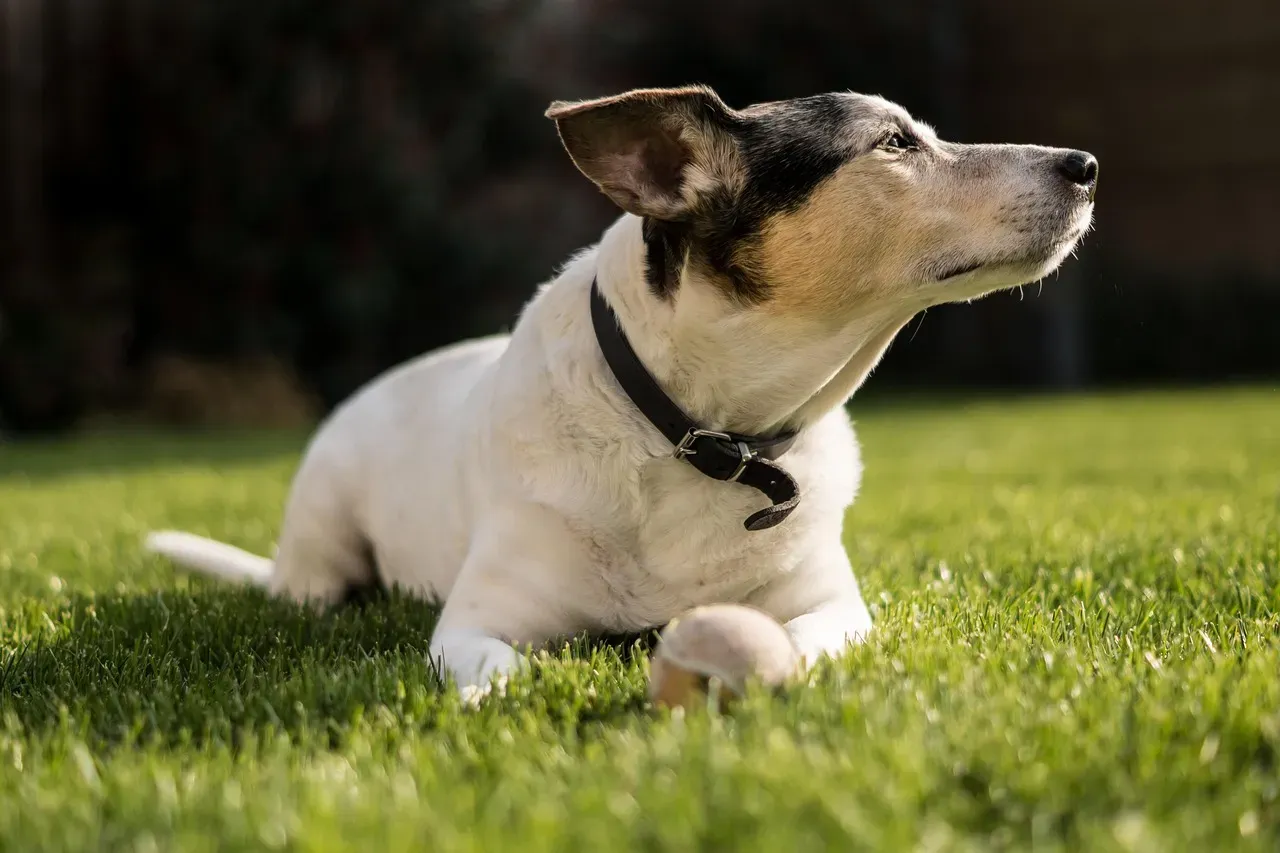
The Jack Russell Terrier is the kind of dog that gets cast in movies as the wisecracking sidekick. Compact, bright-eyed, and charismatic, they seem like the ideal small dog for any household. In practice, they carry the energy and attitude of a dog three times their size, and not everyone is ready for that.
Jack Russell Terriers are compact rockets with comical bravado and relentless drive. Bred for fox work, they dig, chase, and bark with single-minded focus. Apartment life without structured outlets turns that energy into destruction, shrieking, and boundary testing.
They thrive on agility, earthdog games, and nose work, not idle cuddles. Prey drive is significant, so small pets rarely coexist safely. If you love training puzzles, clear rules, and miles of movement, great, but if not, this hilarious firecracker will upend your schedule and patience. Daily fetch is not enough, and boredom breeds chaos.
#13. Beagle

Beagles sit consistently near the top of family-friendly breed lists. They’re compact, gentle-faced, and widely regarded as friendly, easygoing companions. That reputation draws in first-time owners by the thousands, many of whom discover the other side of that cheerful exterior fairly quickly.
Beagles are a family favorite, but that doesn’t mean they don’t have issues of their own. They can be “too smart,” “always getting dirty,” have “too much energy,” and are “escape artists.” They’re also loud, with one experienced daycare worker underlining “the HOWLING.”
The AKC notes that Beagles are “curious, clever, and energetic,” which could be a lot for some dog owners to keep up with. Their nose essentially overrides their brain the moment they catch an interesting scent, making recall unreliable and off-leash time genuinely risky. The sweet face remains, but so does the chaos.
#14. Cane Corso
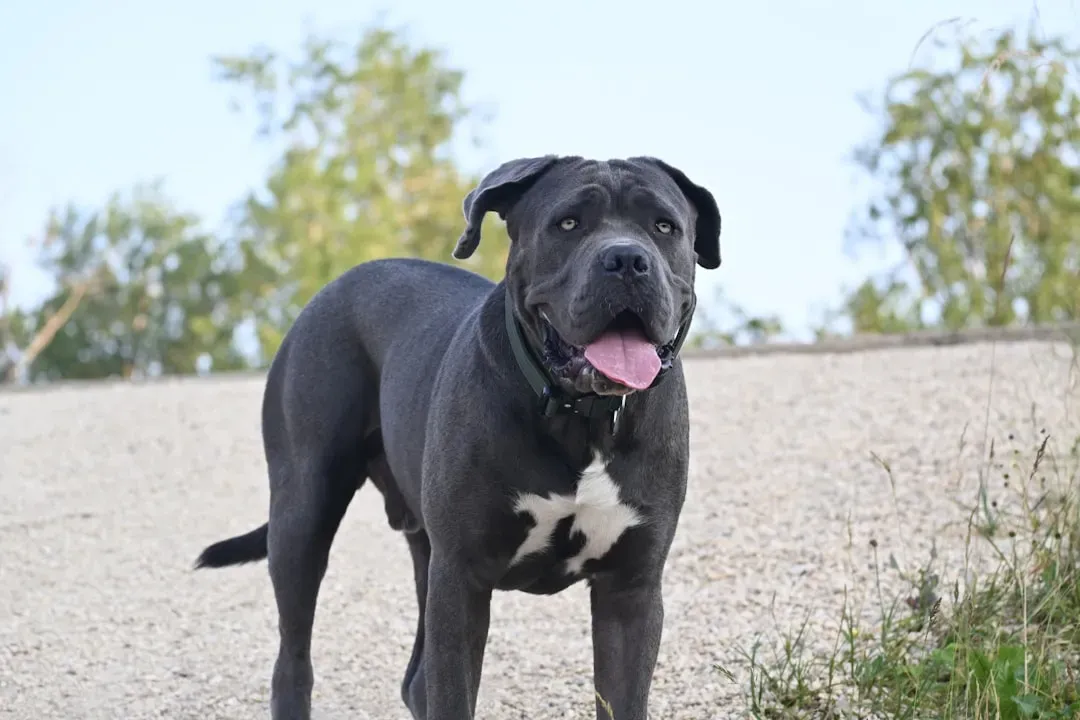
The Cane Corso has grown rapidly in popularity over the last decade, thanks to a commanding, muscular appearance and a reputation as a fiercely loyal guardian. For owners drawn to powerful breeds, they can seem like the complete package. The reality requires a level of commitment and experience that the marketing rarely emphasizes.
The Cane Corso is a large, strong dog that likes to be in charge of everything. They were bred to be protective dogs and can be pretty intimidating. They are highly suspicious of new people, so you may struggle to get along with them as a first-time owner. Cane Corsi can also become aggressive toward strangers, but guarding their owners is instinctual.
This Italian breed is best suited to an experienced dog parent committed to consistent training and socialization. The training, socialization, and exercise needs of this breed will keep you busy throughout their whole life. This is a working breed who was bred to be a guard dog. Underestimating that history rarely ends well for anyone in the household.
#15. Cavalier King Charles Spaniel
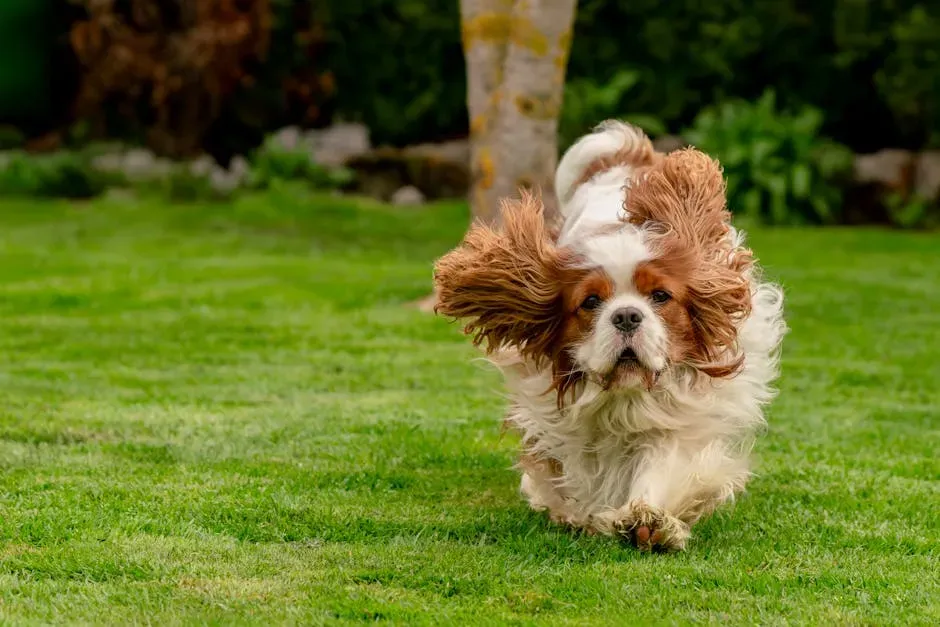
Of all the breeds on this list, the Cavalier King Charles Spaniel may be the most heartbreaking precisely because they are so genuinely sweet. Soft, affectionate, and emotionally attuned, they seem like the easiest possible choice for a family dog or companion. Their health realities, however, tell a far more complicated story.
Brachycephalic breeds like the Cavalier require intensive health management. Their anatomical issues commonly cause suffering and expenses that overwhelm novice owners. Proven health problems like mitral valve disease and syringomyelia can be greatly reduced through responsible breeding practices involving rigorous genetic testing.
Some Cavalier owners report heart murmurs developing as early as four years old, necessitating ongoing cardiac care. Establishing a partnership with a knowledgeable veterinarian experienced with Cavalier health is essential. Regular check-ups, early screenings, and prompt treatment interventions are necessary to improve the dog’s quality of life. They will love you completely and without reservation. The question is whether you’re prepared for the veterinary journey that often accompanies that love.
The Real Lesson Behind This List
Every single breed on this list has genuine, wonderful qualities. That’s precisely the point. The heartbreak doesn’t come from bad dogs; it comes from mismatched expectations. Not every dog is the right fit for every owner, and it’s possible that a first-time dog owner may find certain breeds more of a challenge than others.
Individual dogs within breeds can have unique temperaments and personalities. Early socialization, proper training, and providing adequate mental and physical stimulation are crucial for the well-being and overall behavior of any dog, regardless of breed. The good news is that with the right preparation, most of these challenges are manageable.
The honest conclusion here is this: breed descriptions are marketing, at least partly. A dog’s needs don’t negotiate. They don’t shrink to fit your schedule or calm down because you’re tired. Choosing a dog should feel less like falling in love with an idea and more like signing up for a long-term partnership, one where you’ve read every clause of the contract before putting pen to paper. The dogs on this list aren’t wrong for existing. They’re just frequently wrong for the people who choose them without fully understanding what they’re choosing.

- 12 Amazing Dog Breeds That Are Unbelievably Gentle with Children - July 30, 2026
- 12 US State Flowers and Their Hidden Meanings - July 30, 2026
- 7 Ways Your Dog Shows Affection Without Touch - July 30, 2026