
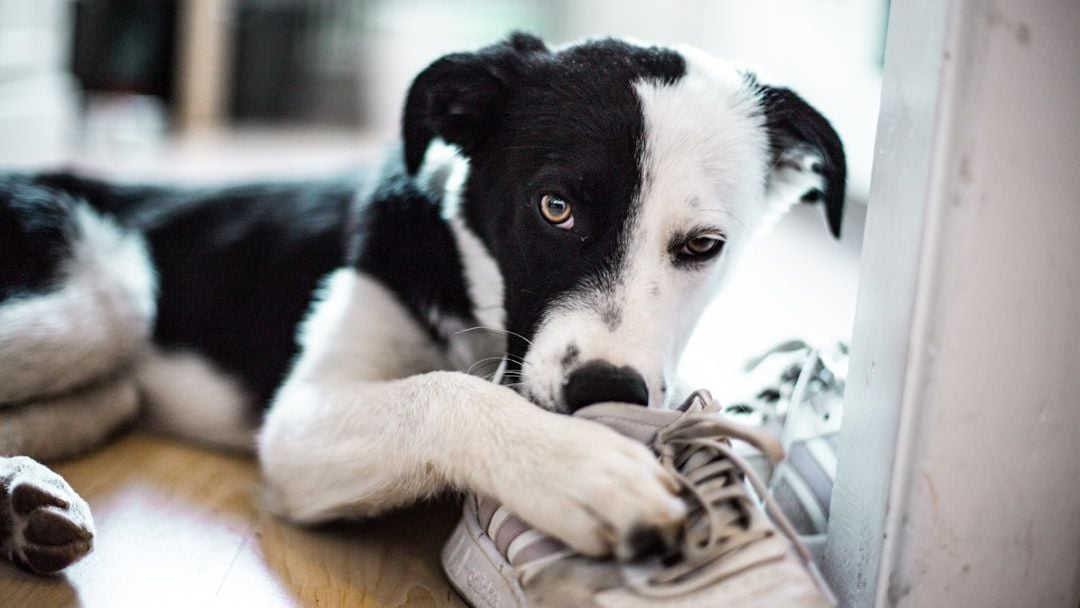
Most dog owners have been there. You ask your dog to come, and he looks right at you, then looks away. You assume he’s ignoring you on purpose. You’ve told him “no” three times and nothing changes. Frustration creeps in, and suddenly your beloved companion feels like a stubborn little rebel with no regard for your authority.
Trainers repeatedly note that many owners struggle to interpret canine communication and behavior without guidance, and that anthropomorphism often leads people to misread their dogs’ signals, instincts, and needs. The gap between what we think our dogs are doing and what they’re actually communicating is wider than most people realize.
Many dog owners assume that when a dog disobeys, it’s being willfully naughty or stubborn. In truth, dogs are not trying to challenge your authority; they’re trying to tell you something in the only way they know how. Since dogs don’t use words, they communicate through actions like barking, chewing, growling, or ignoring commands. These behaviors are signals, not signs of rebellion. Read on, because what you’re about to learn might completely change the way you see your dog.
#1: The “Guilty Look” After a Mess

You come home, spot the chewed-up remote, and your dog immediately drops his head, tucks his tail, and avoids eye contact. It looks like guilt. It feels like guilt. Many owners take it as proof that the dog knows exactly what he did wrong.
Trainers point out that anthropomorphism often leads owners to misread dogs’ signals. A dog’s “guilty look,” for example, is not evidence of wrongdoing but rather a stress response. Submissive or appeasement signals are frequently misinterpreted by owners as guilt following an undesirable behavior. In truth, dogs displaying these postures are likely responding to discernible human body language or past associations with punishment, and are attempting to lessen predictable forthcoming punishment based on previous experience.
That cowering posture isn’t confession. It’s self-protection. Your dog has learned to read your body language and tone when you enter a room, and he’s reacting to your mood, not to the crime scene on the floor. Punishing him at that point connects nothing meaningful in his mind.
#2: Leash Pulling on Walks
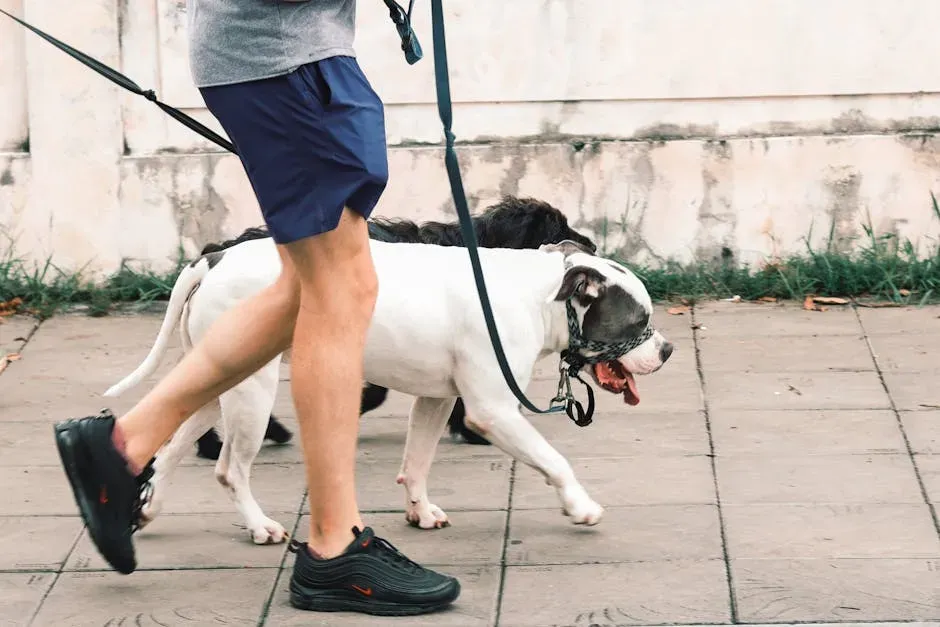
Leash pulling is one of the most universally frustrating things dog owners experience. Most interpret it as the dog being dominant, willful, or just plain rude. The assumption is that if the dog really wanted to listen, he’d walk nicely beside you.
Leash pulling is another behavior that frustrates many owners who interpret it as stubbornness. Trainers remind us that dogs naturally walk faster than us and that leashes are inherently unnatural, adding that dogs have an opposition reflex that causes them to pull harder the moment they feel resistance. When pulling results in forward movement, the behavior gets reinforced over and over.
It’s a physics problem wrapped in a behavioral one. The dog pulls, you follow, and the dog’s brain registers a win. There’s no defiance involved. Teaching loose-leash walking requires patience and a deliberate plan to stop reinforcing the forward motion every time tension hits the lead.
#3: Bolting Through the Front Door
The second the door opens, your dog is gone. He squeezes past your legs, rockets down the driveway, and you’re left standing there calling his name with increasing panic. Owners often read this as dominance or as the dog trying to escape their control.
When a dog bolts out the front door the moment it opens, most owners assume their pet is trying to escape or assert dominance. The real driver is simply excitement and impatience. If the dog still gets to go on a walk after the bolt, it quickly learns that rushing through the door is just part of the routine.
The dog isn’t making a power play. He’s excited about what’s on the other side of that door and has simply learned that bolting works. Changing the outcome changes the behavior. Teaching a calm “wait” at the door and refusing to open it further when the dog lunges is usually all it takes to reshape this habit over time.
#4: Zoomies Indoors
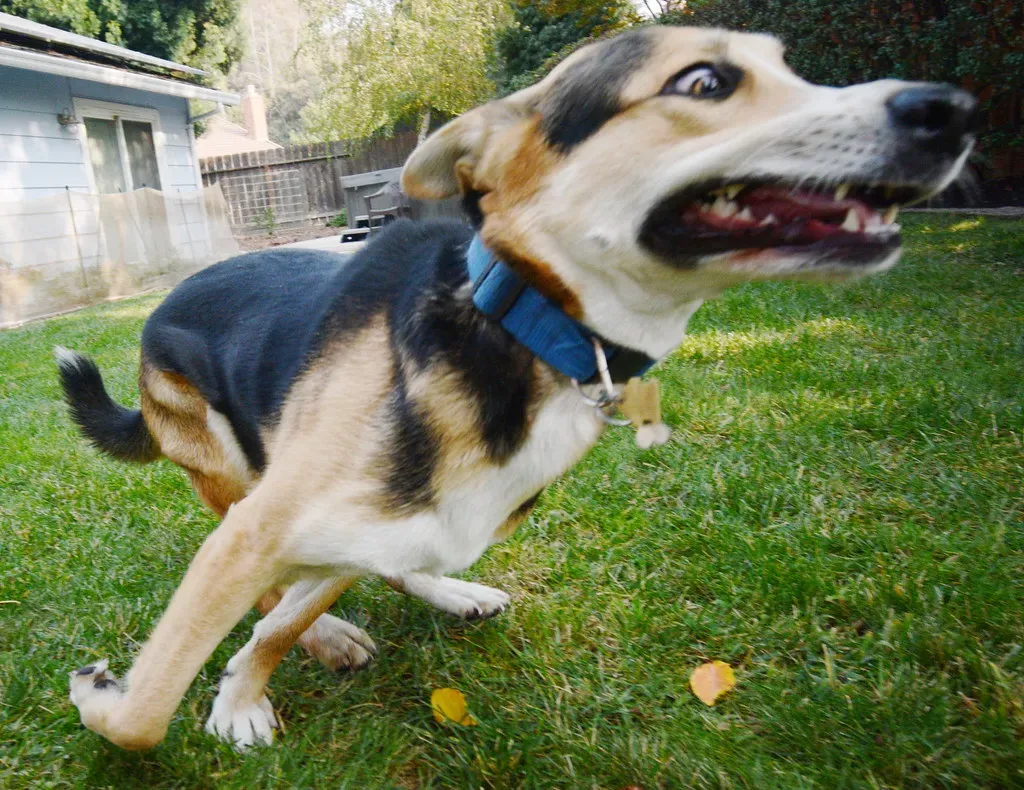
Your dog suddenly launches into a full sprint around the living room, bouncing off the sofa, skidding on the hardwood floors, circling back for another pass. It seems chaotic and out of nowhere. Owners sometimes interpret this as misbehavior or defiance of the calm environment they’ve set up.
Scientifically, dog zoomies are known as Frenetic Random Activity Periods, or FRAPs. During a FRAP, dogs engage in a sudden, intense burst of running, spinning, and often playful barking. It’s an explosion of energy that typically lasts only a few minutes before the dog collapses in a happy, panting heap. Think of it as the dog’s way of blowing off steam, an instinctual release of built-up energy or excitement.
Hyperactivity, zoomies, or wild behavior indoors can be mistaken for disobedience, but it is usually a sign that the dog has too much unused energy. Most dogs, especially working breeds, need physical and mental exercise daily. It’s not a disciplinary failure. It’s your dog’s nervous system doing exactly what it was built to do.
#5: Jumping Up to Greet People
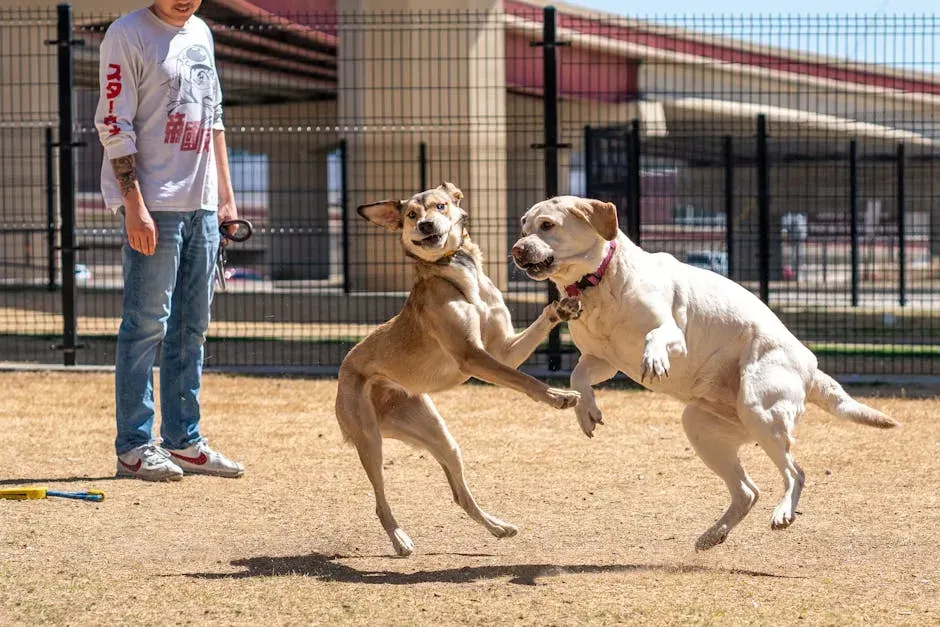
Your dog flings himself at every person who walks through the door, paws on chests, licking faces, tail spinning at a hundred miles per hour. It’s embarrassing, potentially dangerous for smaller guests, and no amount of scolding seems to stick. Owners often assume the dog is trying to dominate or simply doesn’t care about the rules.
Excited jumps are a behavior frequently misread as bad manners. Most dogs jump because they’re thrilled to see people and simply don’t know a calmer way to say hello. The truth is, dogs are not born knowing how to behave in a human environment. They need to be taught with patience and consistency.
The jump is a greeting ritual. In dog-to-dog communication, face-to-face contact is normal and friendly. Your dog is trying to reach your face because that’s what makes social sense to him. The fix isn’t punishment; it’s teaching an incompatible behavior, like sitting for greetings, and making sure every person who enters stops rewarding the jump by giving attention.
#6: Counter Surfing
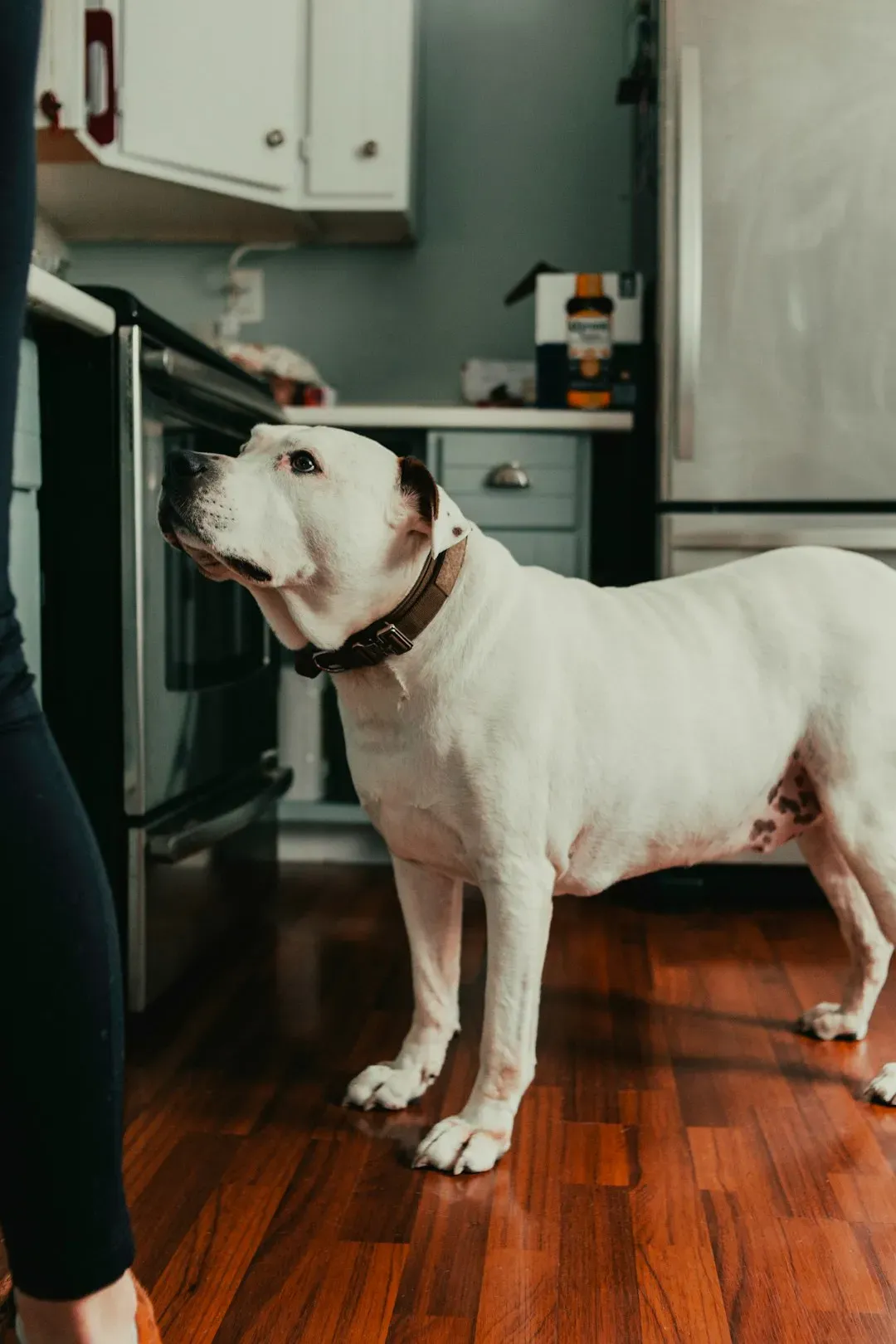
You turn your back for thirty seconds and the chicken breast you left on the counter is gone. Your dog sits nearby looking perfectly normal, and you feel personally betrayed. Counter surfing reads like calculated, deliberate theft.
Counter surfing is a commonly misread behavior. A dog jumping up to check out the kitchen counter isn’t acting out of spite toward its owner; it’s seizing a highly rewarding opportunity. Dogs may grab food from the counter or steal socks not out of spite, but because it is rewarding. Counter-surfing is self-reinforcing: if they get food once, they will try again.
Dogs are, at their core, opportunists. When your dog responds to a cue, he does so because past experience has taught him that the behavior is likely to be reinforced. The value of a given reinforcer is always relative. The counter paid off once, so it becomes a slot machine worth checking. Managing the environment, keeping counters clear, is more effective than repeated corrections after the fact.
#7: Ignoring Commands in New Environments
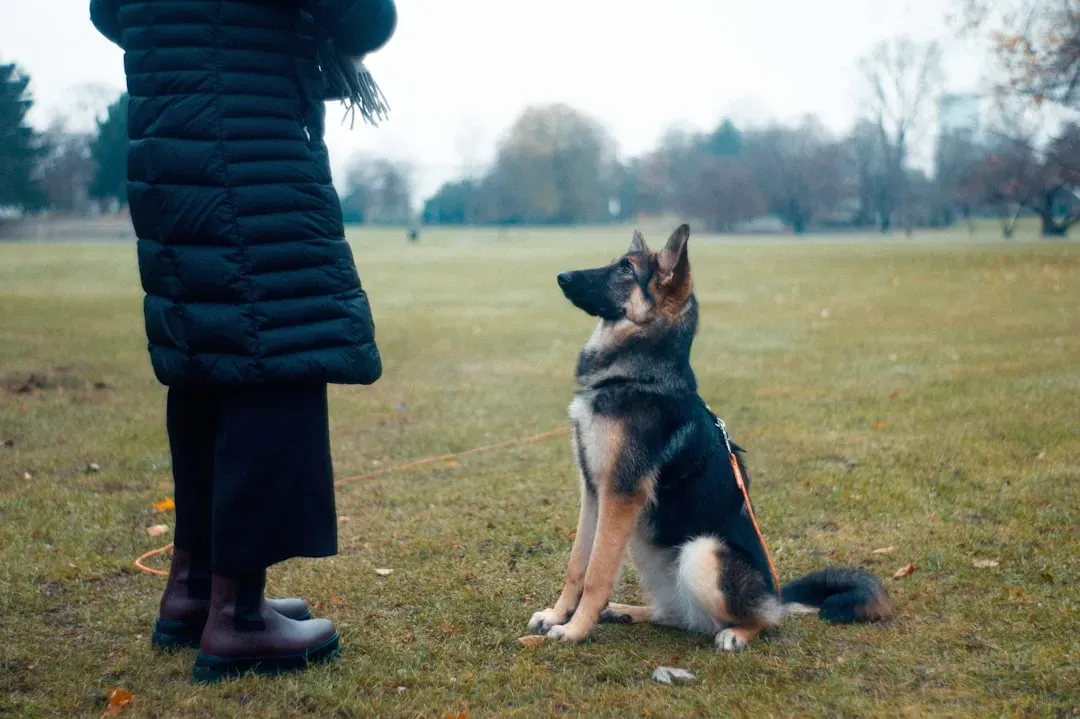
Your dog sits perfectly at home, every single time, without fail. Then you get to the park and it’s as if he’s never heard the word “sit” in his life. Owners take this as deliberate disobedience, sometimes as disrespect. The dog “knows better” and is just choosing not to comply.
Dogs aren’t born knowing what “no,” “sit,” or “leave it” mean. If a dog acts out, it could be because they genuinely don’t understand what’s expected of them. Mixed signals, inconsistent rules, or unclear training confuse dogs and make it harder for them to succeed. A command learned in the kitchen has not automatically been learned at a busy dog park.
Once you’ve taught a behavior, you’ll need to practice it and continue to reinforce it in incrementally more distracting circumstances. Just because a dog can sit in your kitchen doesn’t mean he can do it in a crowded, stimulating environment. Trainers call this “proofing,” and it takes time. The dog isn’t defying you at the park. He’s genuinely overwhelmed.
#8: Destructive Chewing

You come home to a demolished couch cushion or a shoe that’s been reduced to confetti. It feels personal, like your dog specifically chose your favorite things to destroy. Owners often discipline the dog long after the fact, certain that the dog knows it did something wrong.
Chewing is a natural behavior for dogs. From puppies to adults, chewing serves several purposes. It helps puppies relieve teething pain, provides mental stimulation, and helps adult dogs maintain healthy teeth and gums. However, when this behavior becomes destructive, it’s often due to boredom, anxiety, or a lack of proper training.
Another major cause of destructive chewing is anxiety. Dogs can experience separation anxiety when left alone, or they may chew to cope with other stressors like loud noises, new environments, or changes in their routine. If your dog chews excessively when you’re away or shows signs of distress, this could be a sign that anxiety is at the root of the problem. The chewing isn’t revenge. It’s coping.
#9: Excessive or Seemingly Random Barking
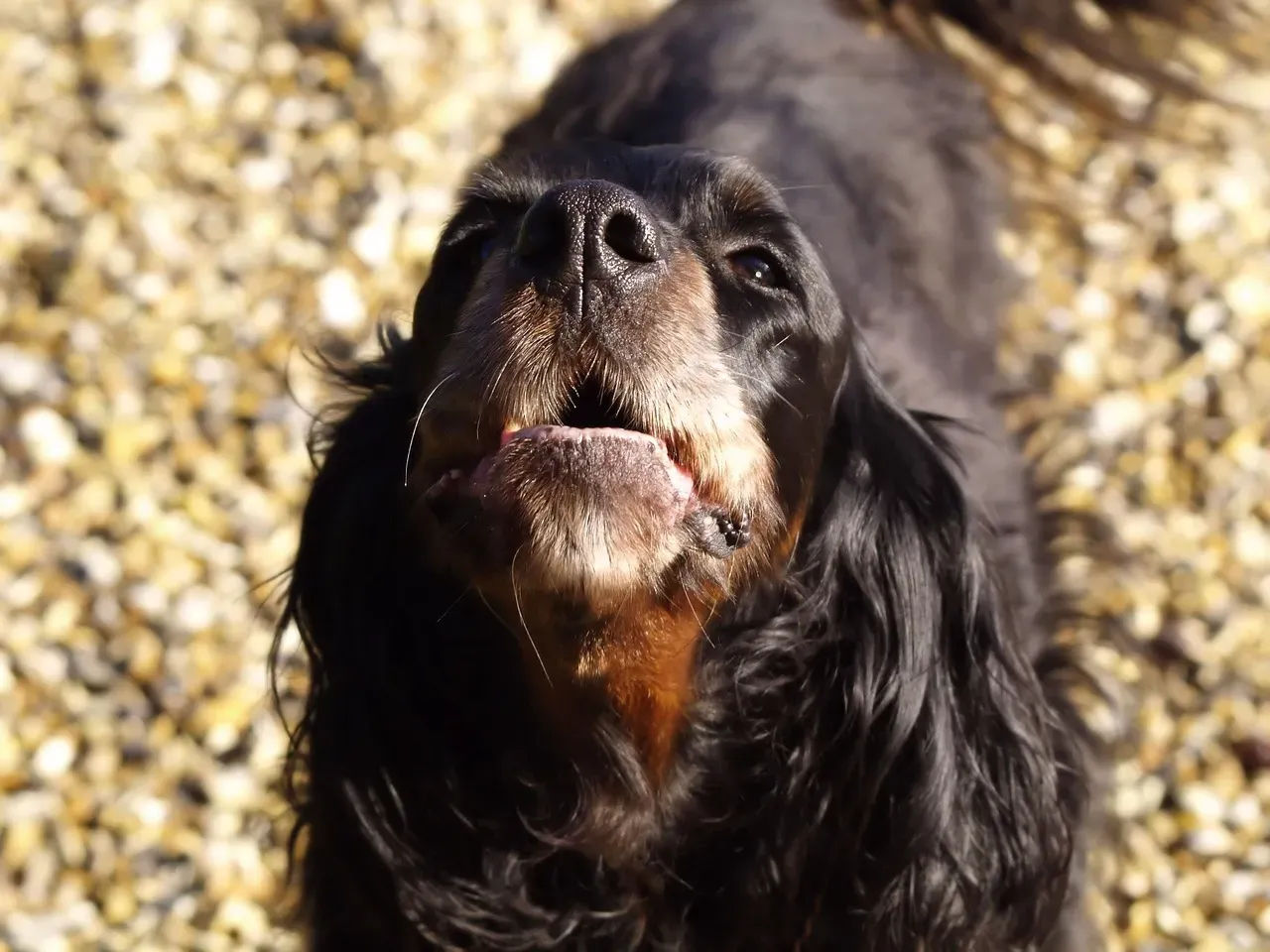
The dog barks at the window, barks at sounds you can’t even hear, barks at nothing at all. You shout at him to stop; he briefly pauses and then starts again. Owners frequently interpret this as the dog being difficult, attention-seeking, or just plain annoying on purpose.
Barking is a natural form of communication, but it is often misunderstood. While it can provide useful information, barking is usually the result of what has already been expressed through body language. Instead of focusing only on the sound, it’s important to consider the context and what the dog’s body is doing at the same time.
While constant barking can be annoying, it usually signals something deeper: boredom, fear, anxiety, or a need to alert. Dogs use barking as their main way to communicate. To reduce excessive barking, identify the cause and provide proper mental stimulation, training, or desensitization to triggers. Yelling back at a barking dog, incidentally, often reads to the dog as you joining in.
#10: Yawning During Training Sessions
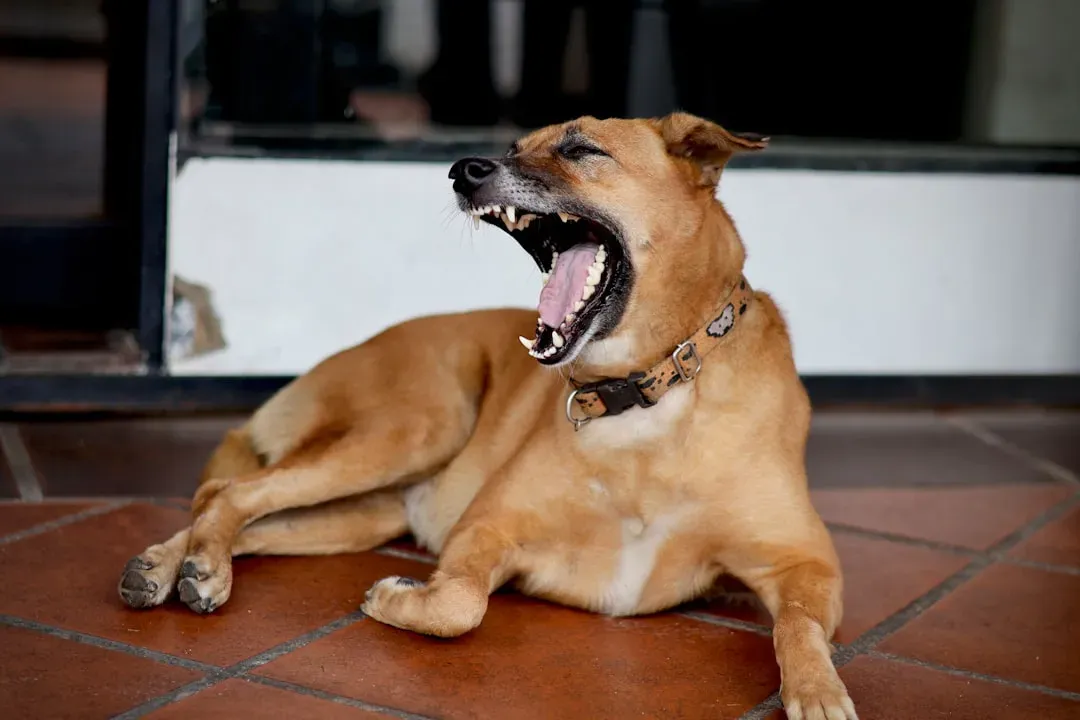
You’re mid-training session, going over a new command, and your dog lets out a big yawn. You’ve seen it as boredom, or worse, attitude. It seems dismissive, like your dog is checked out and couldn’t care less about what you’re trying to teach.
Consider yawning. People yawn when they’re tired or bored, but dogs yawn when they’re stressed. According to Turid Rugaas, author of “On Talking Terms With Dogs,” dogs use yawning to calm themselves in tense situations and to calm others, including their owners.
Yawning and nose-licking are considered to be ambivalent behaviors, meaning that the dog is cautious, concerned, stressed, anxious, or has the potential to respond with aggression if the situation escalates or persists. That yawn during training is your dog telling you he’s feeling the pressure. It’s a signal to slow down, not a reason to push harder.
#11: Not Coming When Called
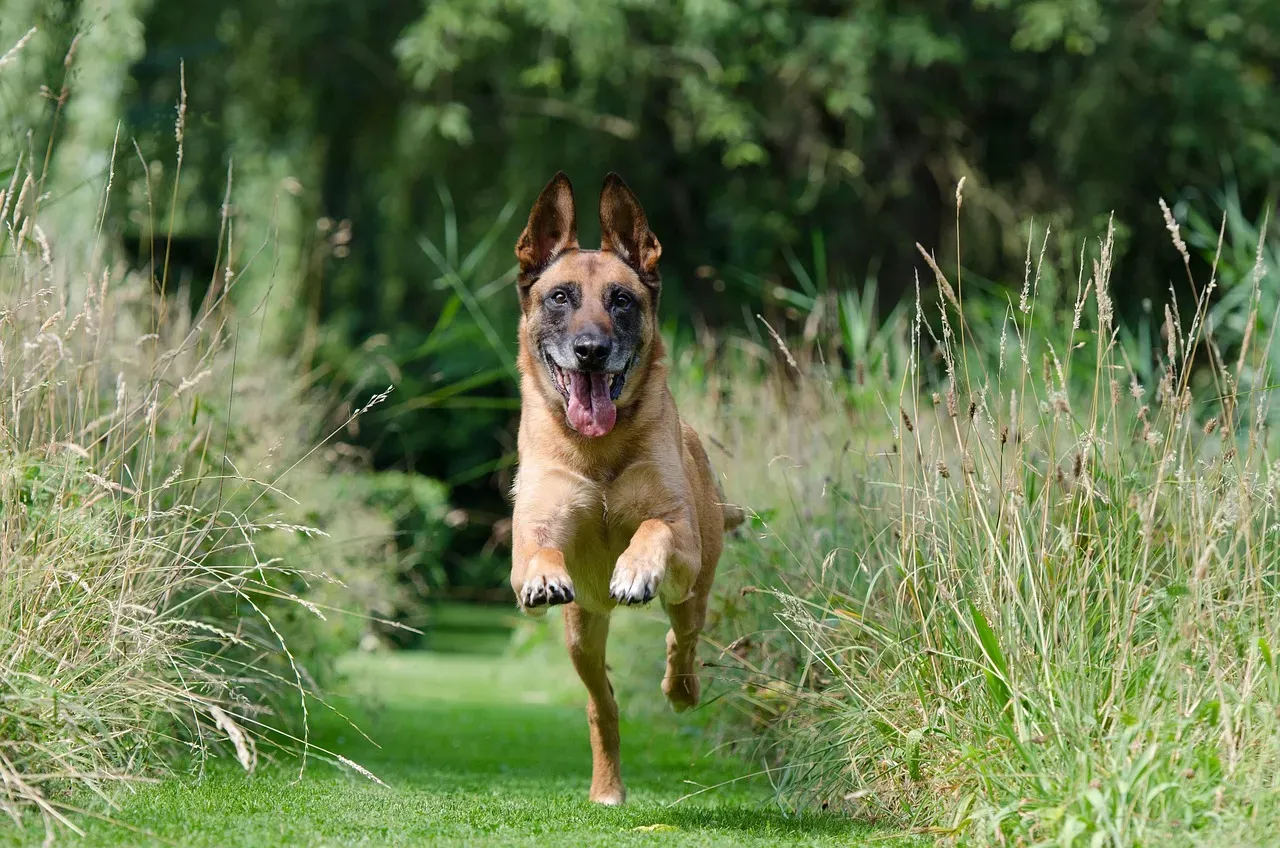
You call your dog’s name. He glances at you. He looks away. He trots off in the other direction. It feels like a direct, personal rejection of your authority. Owners often respond with frustration, repeated calling, or even chasing the dog, which makes everything worse.
A dog’s apparent disobedience is often the dog telling you either that he’s confused about what you want, or that something else is just more important right now. Sometimes it’s getting something he wants; sometimes it’s getting relief from something he doesn’t. Recall breaks down particularly when “come” has historically been followed by something unpleasant, like a bath or the end of playtime.
Does your dog’s recall cue usually mean the end of fun times in the yard or park? Does your dog’s name mean it’s time for nail trims? If “come” consistently predicts the end of good things, why would a dog hurry toward it? Building a strong, rewarding recall means making sure the dog always lands in something better than what he left behind.
#12: Digging in the Yard
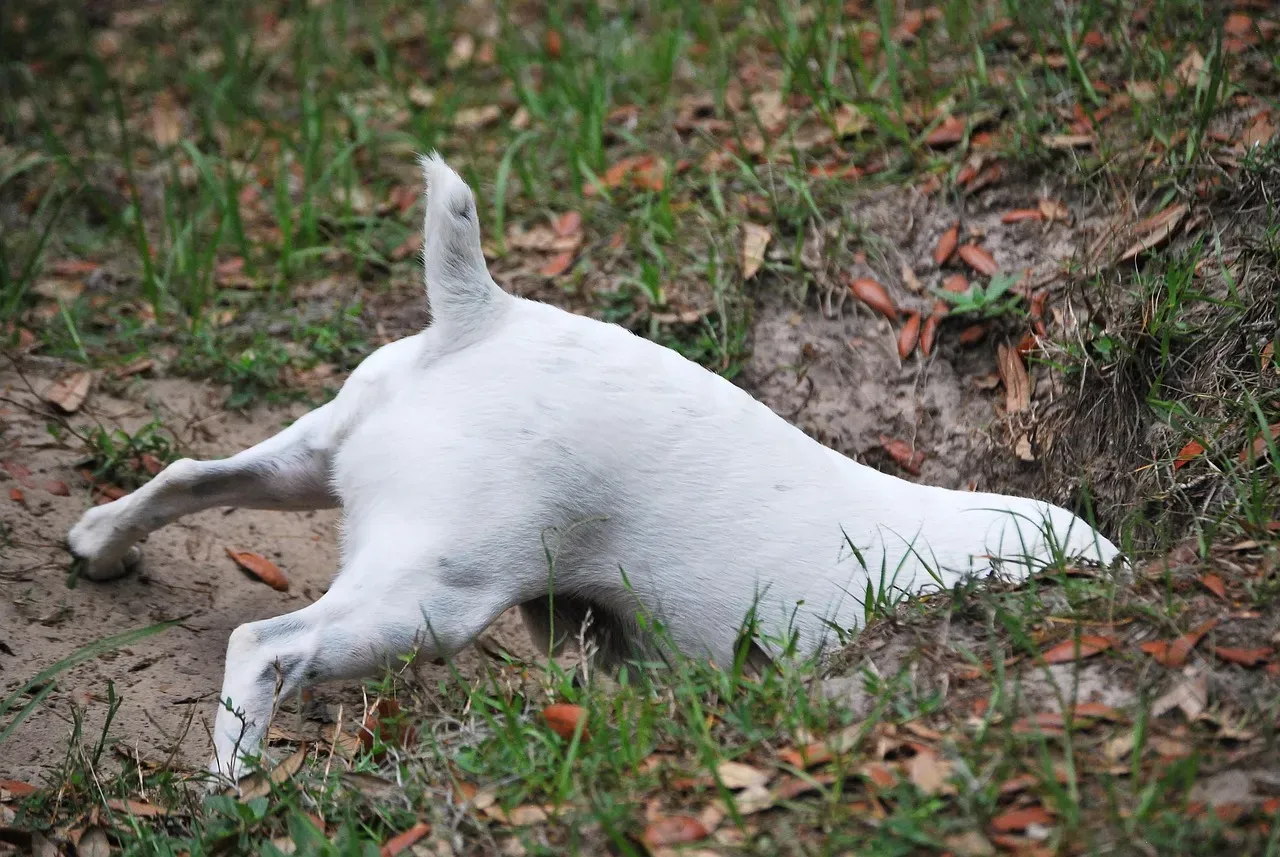
The garden looks like a small disaster zone. Holes everywhere, plants uprooted, dirt tracked onto the patio. Owners see deliberate destruction and assume their dog is acting out, testing limits, or simply not listening after being told to stop dozens of times.
Some dogs dig to cool off, hide food, or burn off extra energy. Breeds like terriers and huskies are especially prone to this behavior. Rather than seeing it as destruction, it helps to understand the root cause. Digging is, for many breeds, a deeply ingrained instinct that predates domestication by thousands of years.
Trainers emphasize the importance of owners understanding breed-specific traits and needs. Mismatches, such as pairing a high-drive dog with a sedentary lifestyle, are seen as common sources of frustration and behavioral issues. When a terrier digs, it’s doing exactly what generations of selective breeding have wired it to do. The solution is channeling the behavior, not eliminating it.
#13: House Accidents in a Trained Dog
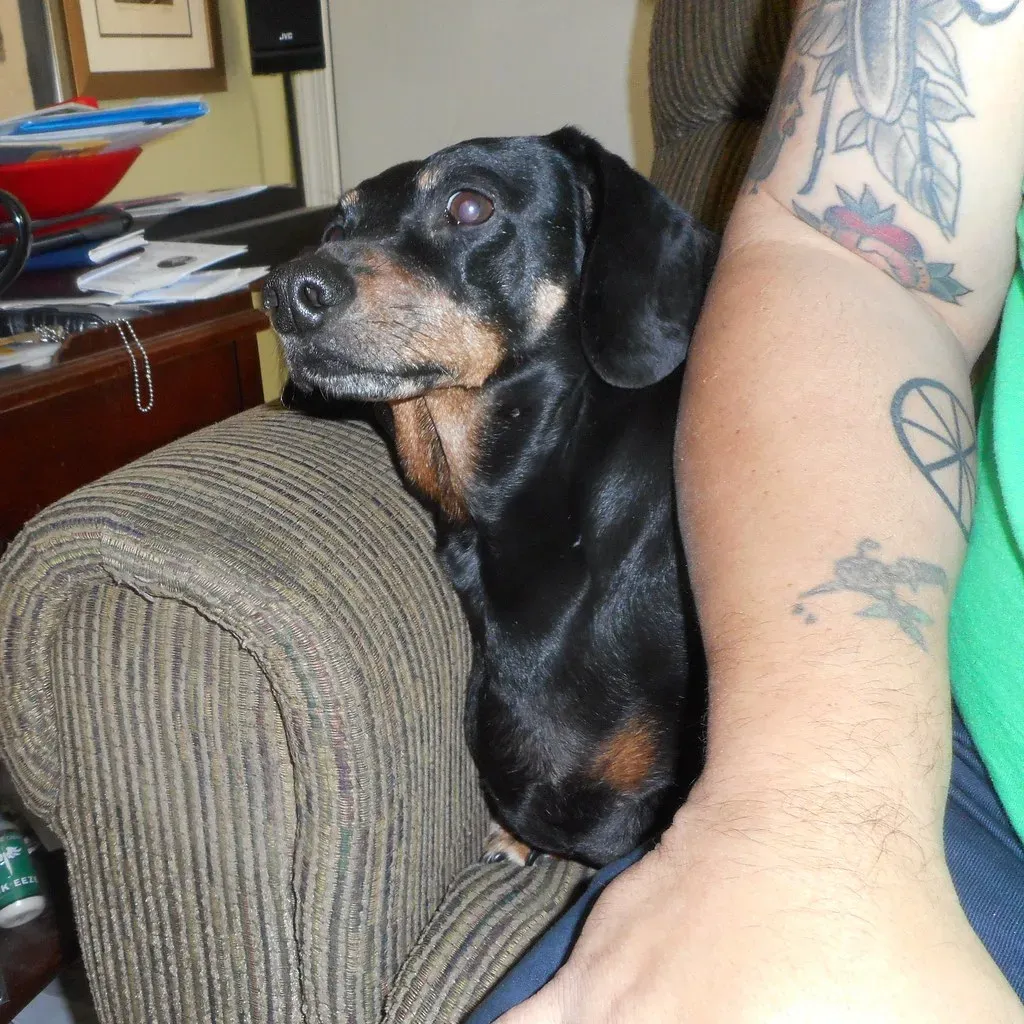
Your dog has been house-trained for months. Then suddenly, without apparent reason, there’s an accident inside. Owners often read this as spite, regression, or the dog “acting out” after a change in the household. Some even wonder if the dog is doing it on purpose to get back at them.
If a house-trained dog starts going potty indoors, it could be a sign of stress, a change in routine, or even a medical issue. Puppies and newly adopted dogs also need time and consistency. A dog’s physical health is a key puzzle piece to resolving certain behavior problems. An indoor accident in a previously reliable dog deserves a vet visit before it deserves a scolding.
Dogs don’t have the capacity to connect an indoor accident with passive revenge. What they do have is a body that responds to stress, illness, and environmental change. A move, a new baby, a change in schedule, or even a urinary tract infection can all undo house-training temporarily. The problem is medical or emotional, not moral.
#14: Lip Licking and Nose Licking Around People

Your dog starts licking his lips repeatedly when a guest sits next to him on the sofa, or when someone reaches down to pet him. Most people completely miss this signal, or if they notice it, they assume it means the dog wants a treat. It looks harmless and maybe even a little cute.
Lip-licking is a bit of dog body language that people often misinterpret. Just like people, dogs will lick their lips after a delicious meal, but they’ll also do it when they feel anxious. Stress signals in dogs are often overlooked or misunderstood. Subtle signs like lip licking, excessive yawning, avoiding eye contact, or turning away are not just random behaviors but clear indicators of discomfort. These signals frequently appear during training sessions or interactions when a dog feels overwhelmed or anxious.
Before a dog lunges, air snaps, or bites, they’ve already communicated their discomfort, often in ways that go unnoticed or misunderstood. Dogs rely on subtle changes in posture, movement, and expression to communicate how they’re feeling. When those signals are missed, communication escalates. By the time most guardians recognize there’s a problem, their dog has already moved from subtle cues to more obvious and often more concerning behavior.
#15: Refusing to Perform a Familiar Command
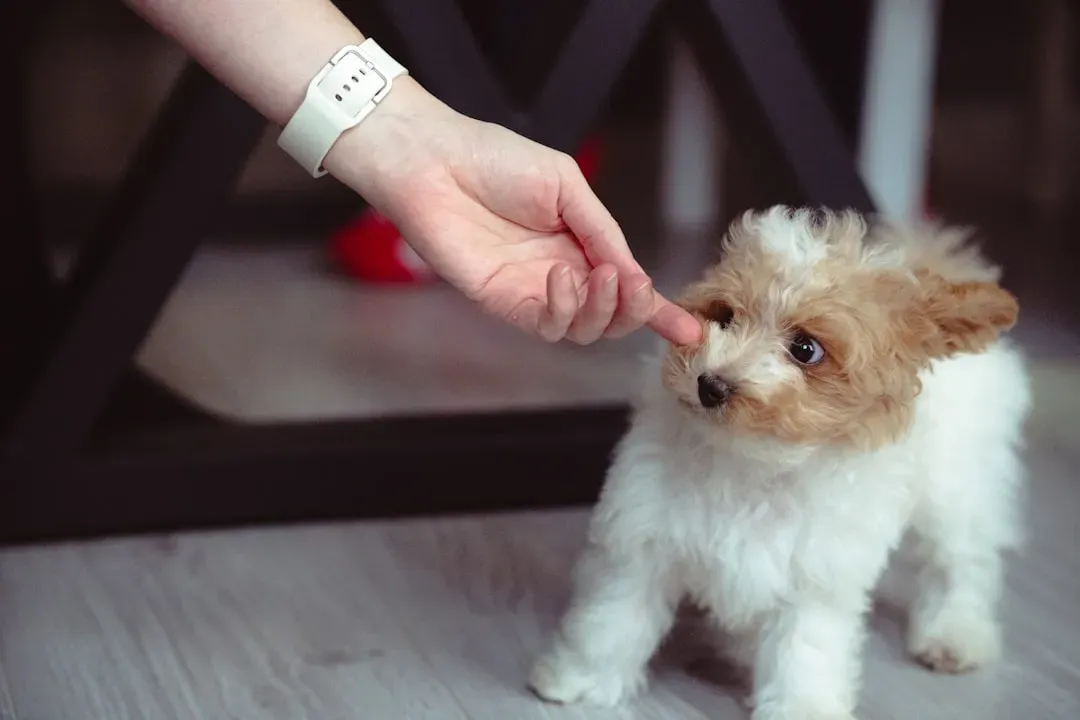
Your dog has been doing “sit” reliably for two years. One day, you ask, and he just stands there. You ask again, more firmly. Nothing. You assume defiance, stubbornness, or that the dog has simply decided not to bother. Some owners escalate to physical pressure to force the position.
What looks like “disobedience” can actually be more related to a dog’s physical health than any gaps in training. As training methods evolved toward positive reinforcement, owners got better about not forcing dogs into positions, but they still sometimes chalk noncompliance up to lack of motivation or training gaps, missing the full picture. A dog who suddenly won’t sit could be experiencing joint pain, muscle soreness, or early signs of a condition that makes the position uncomfortable.
As recognition of canine cognition expands, there is growing acceptance of the idea that if we understand why our dog may choose to decline to respond to our behavior requests, we can either respect that choice or figure out how to get the dog to willingly and happily comply, without the use of fear or coercion. A dog who refuses a familiar command is worth a closer look, not a louder voice.
The Bottom Line: Your Dog Is Talking. Are You Listening?
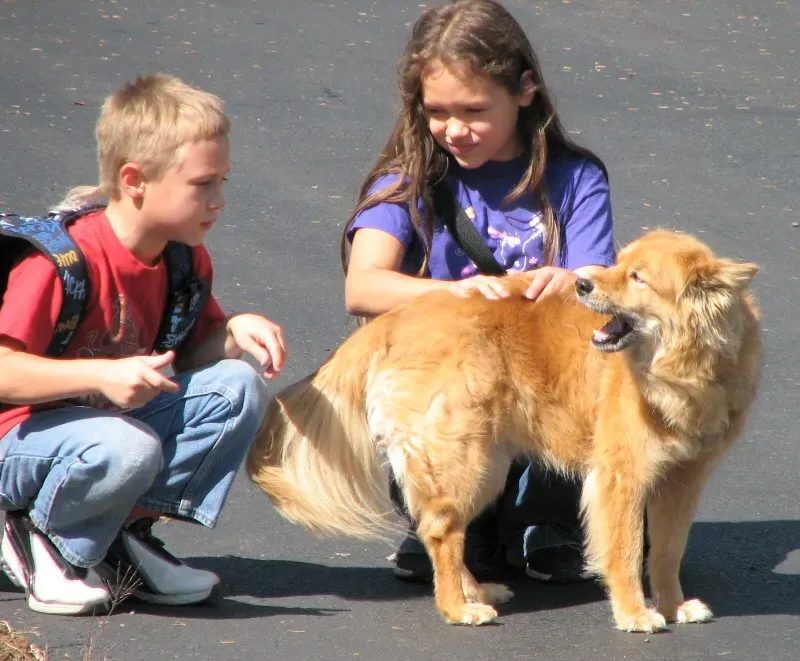
Dogs communicate primarily through body language, facial expressions, and vocalizations, and when we learn to read these signals, understanding them can become almost effortless. Even experienced guardians and trainers sometimes get it wrong. Canine communication can be extremely subtle, and recognizing these nuances is essential for a strong relationship based on accurate understanding.
Trainers describe educating owners in canine body language, the importance of daily structure, and the value of consistent communication as central to building a healthy human-dog bond. Several liken this process to parenting, requiring patience, empathy, and understanding rather than expecting automatic obedience.
The honest truth is that most owners who feel like they have a “disobedient” dog actually have a dog who hasn’t been fully understood. Trained dogs are generally happier. Training provides structure and mental stimulation and strengthens the bond between the dog and its owner. It reduces confusion and stress, as dogs understand what is expected of them. The relationship shifts completely when you stop asking “why won’t he listen?” and start asking “what is he trying to tell me?” That one question, honestly, is where good dog ownership begins.
