
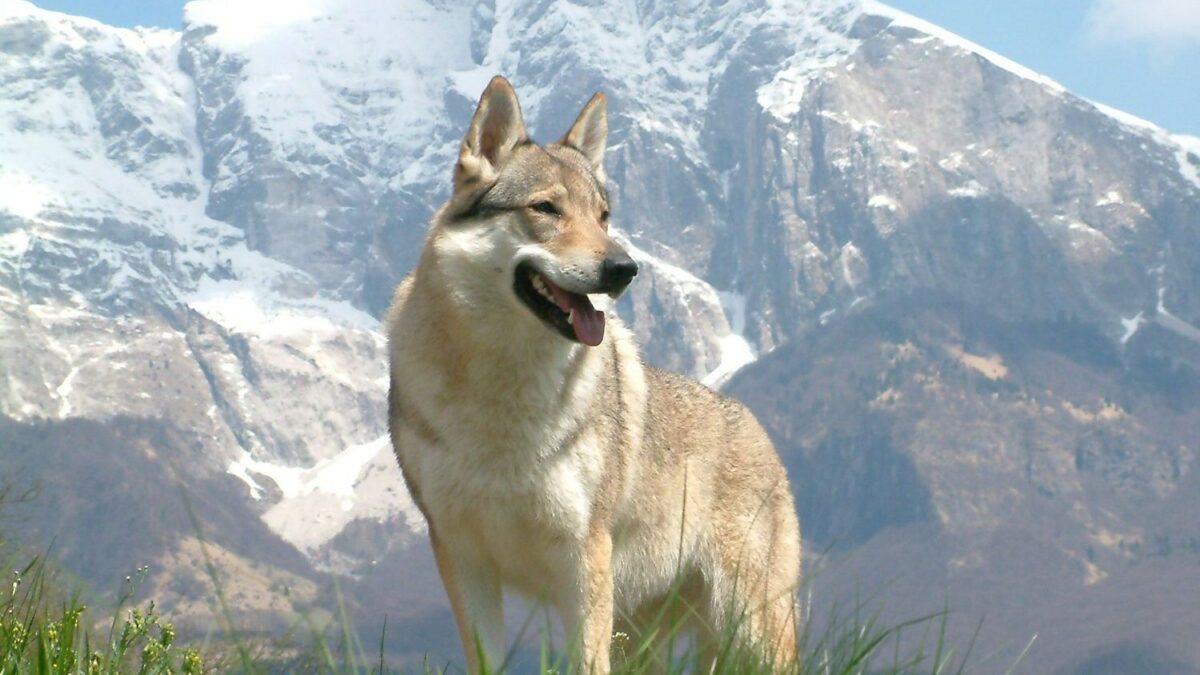
1. Siberian Husky: The Classic Wolf Lookalike
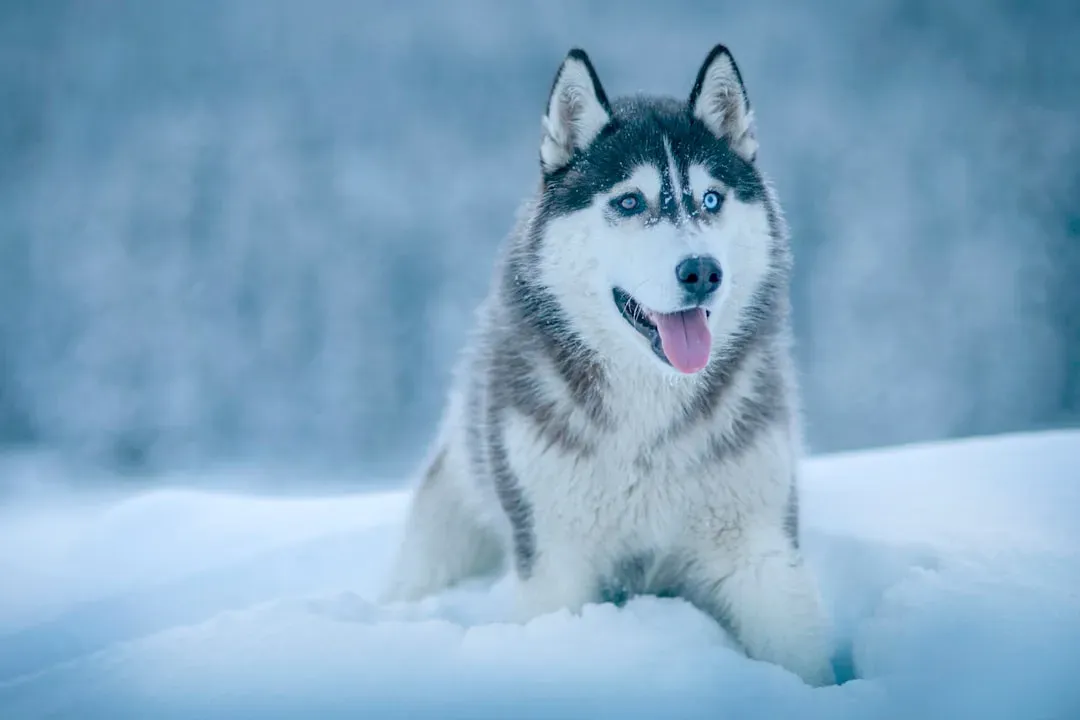
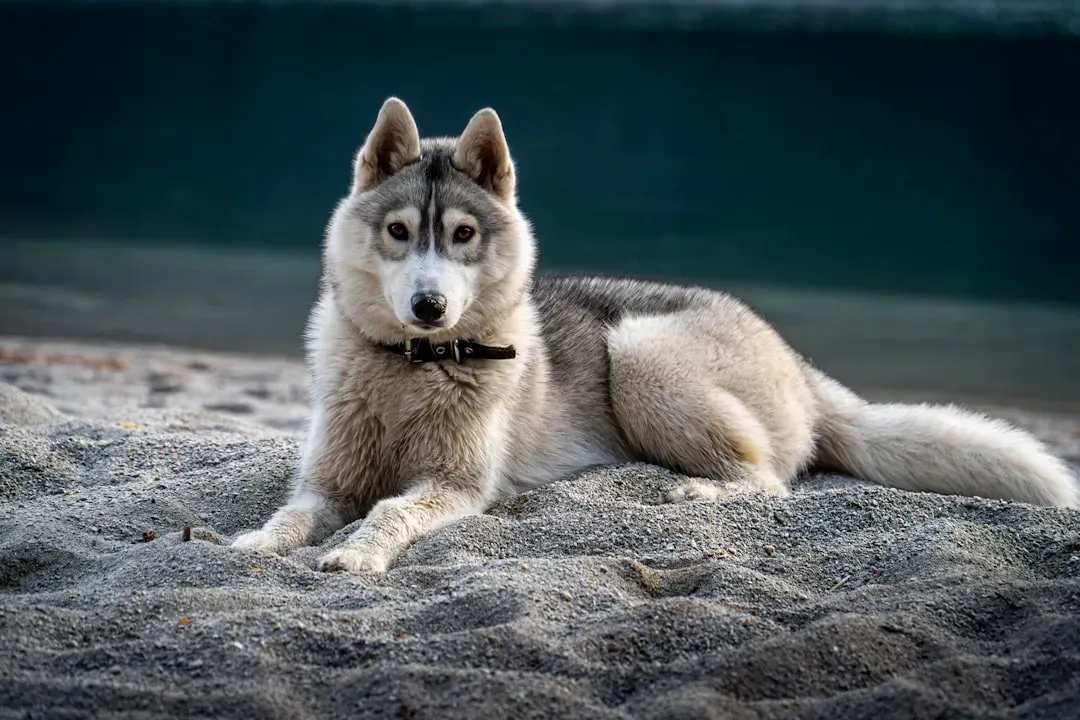
If you ask people what dog reminds them most of a wolf, the Siberian Husky is a routine response. There’s a reason for that. The most well-known and beloved of all the spitz breeds, their speed, stamina, and svelte lines made them popular sled racers when they came to North American shores in the early 20th century. The erect triangular ears, the striking multicolored eyes, the thick double coat in grays and whites – it all adds up to something strikingly lupine.
Huskies also share a wolf-like vocal range, known for their howls and “talking” behaviors. Siberian Huskies, who originated in Siberia, were trained to be sled dogs for work and competition purposes, which contributes to their active temperament, requiring one to two hours of daily exercise to fulfill their innate need to release energy. If you can’t put enough effort into exercise and education, a Husky, with its roaming, pack-life wolf traits, won’t be the pet for you – they’re well-suited to active families that can be with them most of the day.
2. Alaskan Malamute: The Gentle Giant of the North
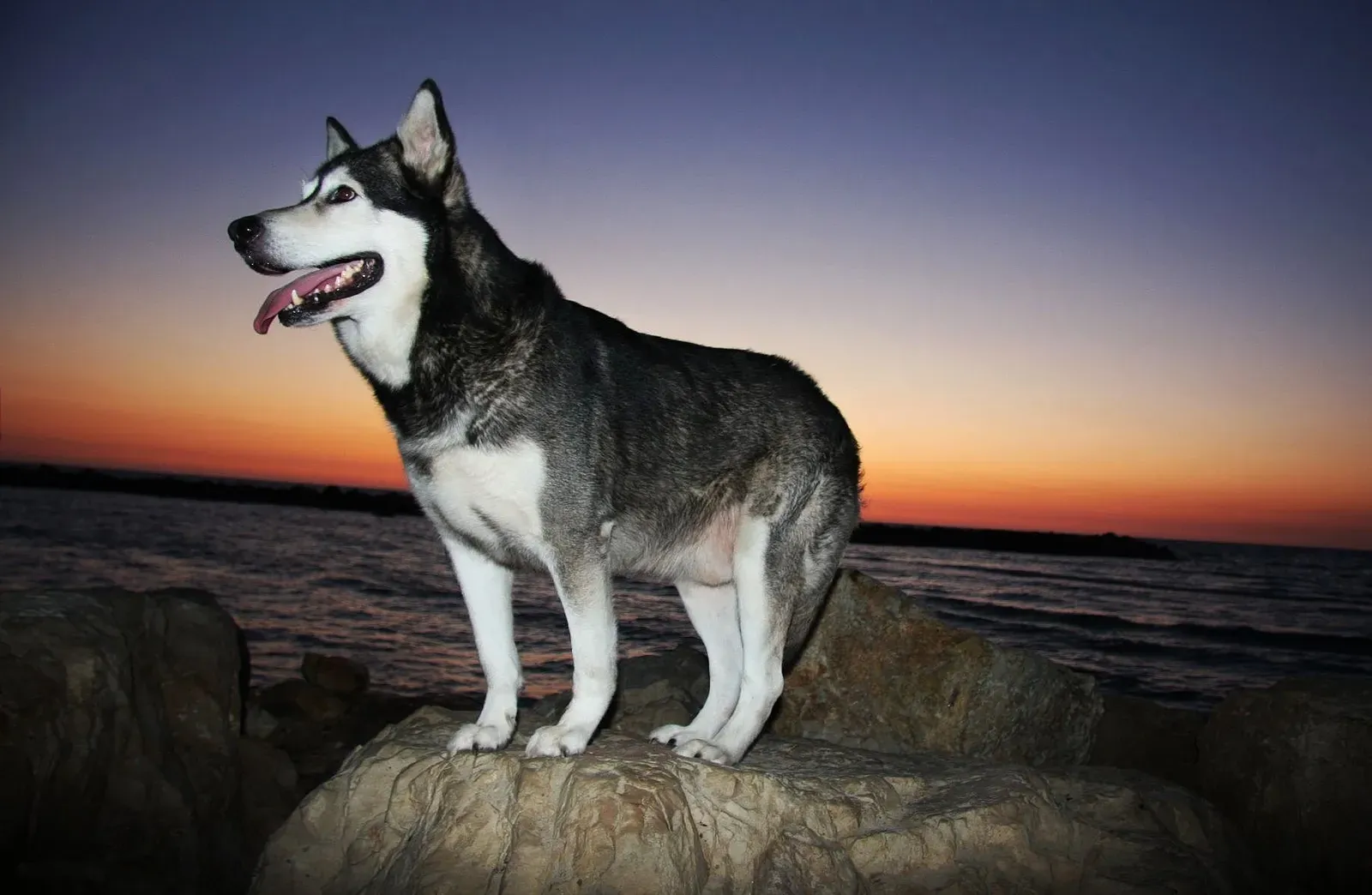
One of the oldest Arctic sled breeds, the Alaskan Malamute was developed by the Mahlemut Inuit to haul heavy loads over long distances, and their strength, endurance, and loyalty made them indispensable working partners in extreme northern climates. Wolf-like traits include a robust build, broad head, upright ears, and a thick coat in natural wolf-gray shades. Few dogs carry that wild grandeur quite as effortlessly.
Although Malamutes resemble wolves physically, they typically have a much more affectionate and people-oriented temperament, often forming deep bonds with their families. While they’re protective and affectionate, Alaskan Malamutes may partake in destructive behavior when left alone for a long time or if they don’t receive enough physical and mental stimulation. Give them the activity and companionship they crave, and they’re profoundly loyal animals with a remarkable presence.
3. Czechoslovakian Wolfdog: The Real Deal
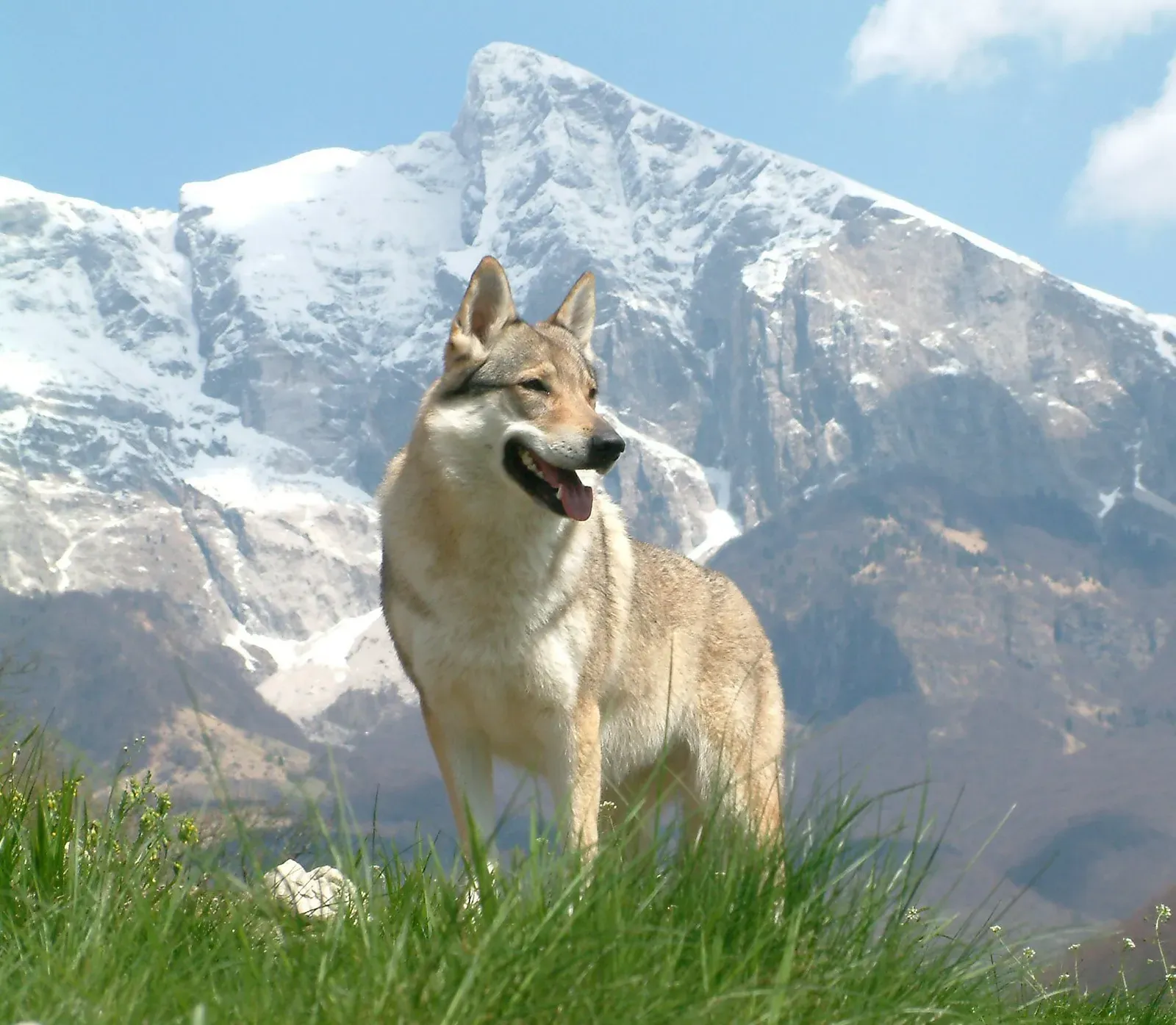
Developed in the 1950s by the Czech military, the Czechoslovakian Wolfdog originated from a cross between German Shepherds and Carpathian wolves, with the goal of creating a patrol dog with exceptional stamina, drive, and working ability. The breed is the outcome of a military hybridization attempt in former Czechoslovakia in 1958, designed to create a new line of dogs showing the positive traits of German Shepherds, such as temperament and trainability, but also some characteristics of the wolf, including health, strength, and night vision.
Amber eyes, erect ears, and a wolf-like gait characterize this breed, which is reserved with strangers but intensely loyal to family – and needs experienced owners only. While not a common breed, these dogs are known to be loyal, obedient, and versatile, though their intelligent, dominant, and independent nature means they require consistent training and would be best suited for active and experienced pet parents. Owning one is less like keeping a pet and more like earning the trust of something wilder.
4. Saarloos Wolfdog: Born From a Vision
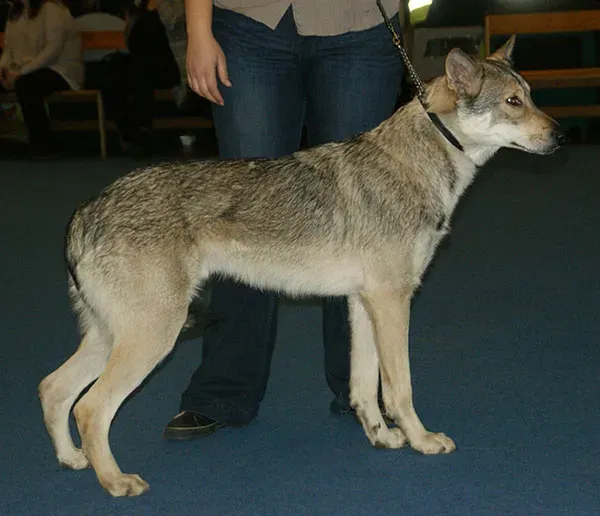
The Saarloos Wolfdog was created in the 1930s by Dutch breeder Leendert Saarloos, who crossed German Shepherds with European wolves to produce a more naturalistic, wolf-influenced working companion. Its original breeder wanted to revitalize canines’ primitive instincts in a German Shepherd-like dog – he believed working hounds had gotten too soft and wanted to reintroduce a bit of wolf. The ambition was as bold as it sounds.
Today, the breed retains many traits of its wolf ancestors, including heightened sensitivity and observant behavior, with an unmistakable wolf-like appearance – a long muzzle, high-set triangular ears, almond-shaped eyes, and a muted coat in natural wolf tones – all combined with a lean frame and fluid, effortless movement that resembles a wild European wolf in both silhouette and expression. The Saarloos wolfdog’s robust and vigorous nature means it has a ton of endurance, requiring a variety of daily exercises, and a home with a vast property to roam and run is essential.
5. German Shepherd: The Wolf in Working Clothes
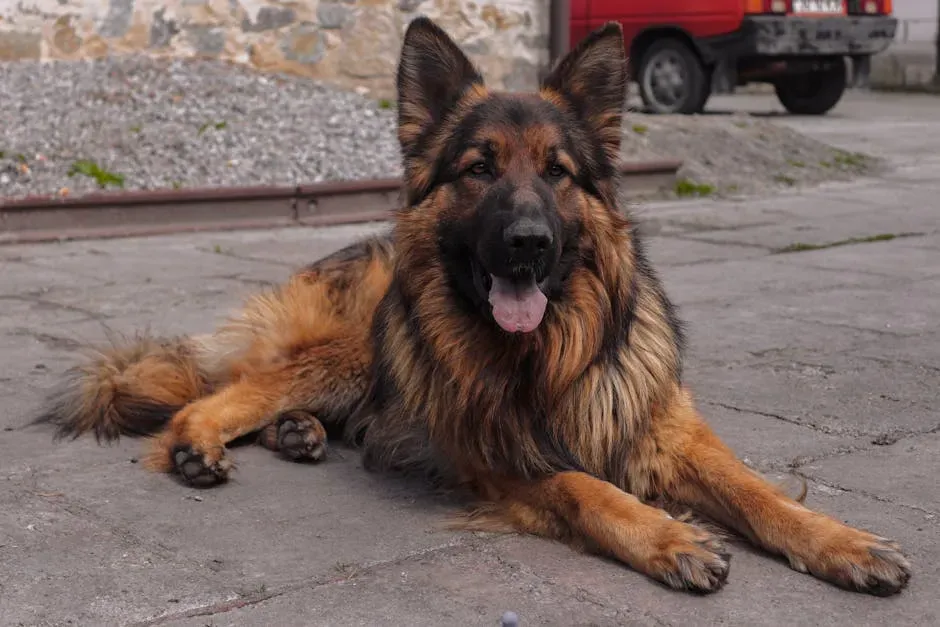
The German Shepherd Dog might not look quite as much like a wolf as some of the Nordic spitz-types on this list, but you can certainly see wolf-like aspects in this all-purpose worker’s appearance. The breed was developed in Germany in 1899, with early breeding programs specifically selecting for wolf-like traits including intelligence, loyalty, and physical prowess – and this strong genetic connection means German Shepherds retain many wolf-like features that can confuse untrained observers, with their erect ears, long muzzles, and powerful build creating a silhouette remarkably similar to wolves.
German Shepherds are renowned for their protective instincts and intelligence, exhibiting a confident demeanor that can appear aloof or reserved around strangers – a trait that, combined with their strong work ethic, makes them popular with police and military forces worldwide. As one of the top 10 most popular breeds in the United States year after year, with the right training, socialization, and exercise, this steady, smart, and stouthearted dog makes a wonderful family pet and guardian. For those who want wolf-like intelligence and loyalty in a more trainable package, the German Shepherd delivers consistently.
6. Northern Inuit Dog: The Dire Wolf’s Stand-In
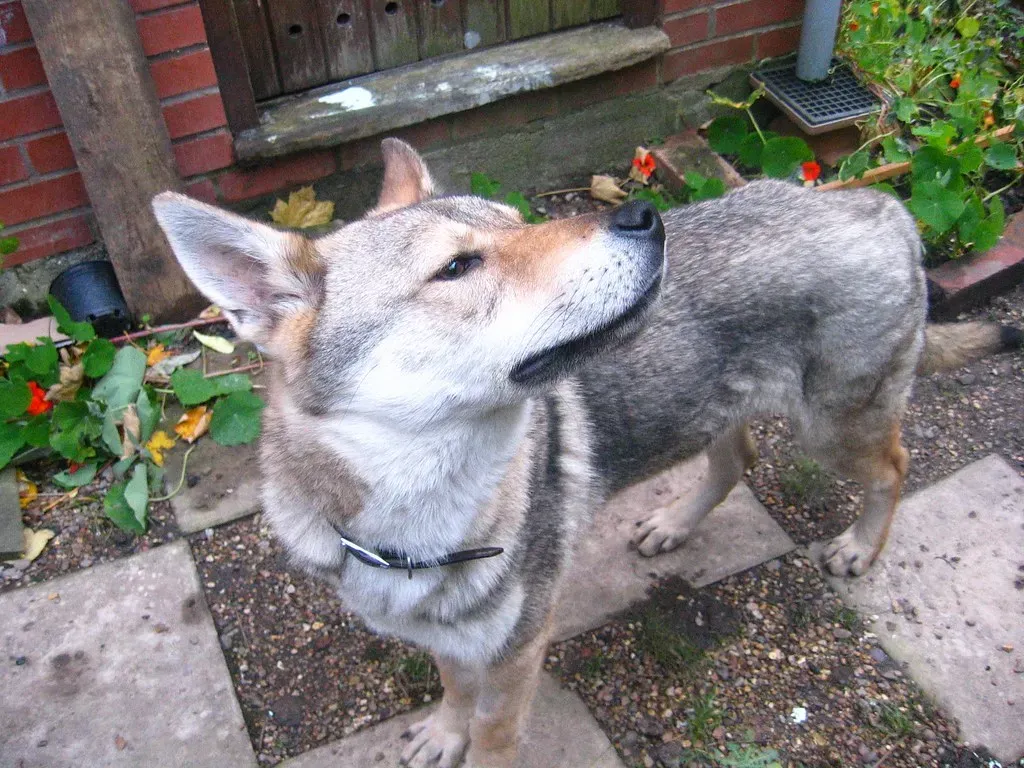
The Northern Inuit Dog is a modern domestic dog breed developed in the United Kingdom with the aim of producing a wolf-like appearance while retaining companion-dog temperament, derived from crosses among northern spitz-type and shepherd-type dogs, commonly cited as husky, malamute, and German Shepherd lines. Northern Inuit dogs were used in the filming of the television series Game of Thrones to portray dire wolves – which tells you everything you need to know about how convincing they look.
In reality, however, the Northern Inuit’s temperament is much closer to other companion breeds than to sledge dogs or hunting dogs – they are kind and gentle, showing affection to their owners, their families, and even to strangers, which makes them deceptively poor guard dogs. They may look tough and defensive, but they are loving and trusting of others. They don’t like to be left alone and can often suffer separation anxiety, and at these times they will destroy anything in the immediate vicinity – another dog as a companion is a good idea, as the Northern Inuit is a very sociable animal that loves the company of people or other dogs.
7. Tamaskan Dog: Mighty Wolf in Domestic Form
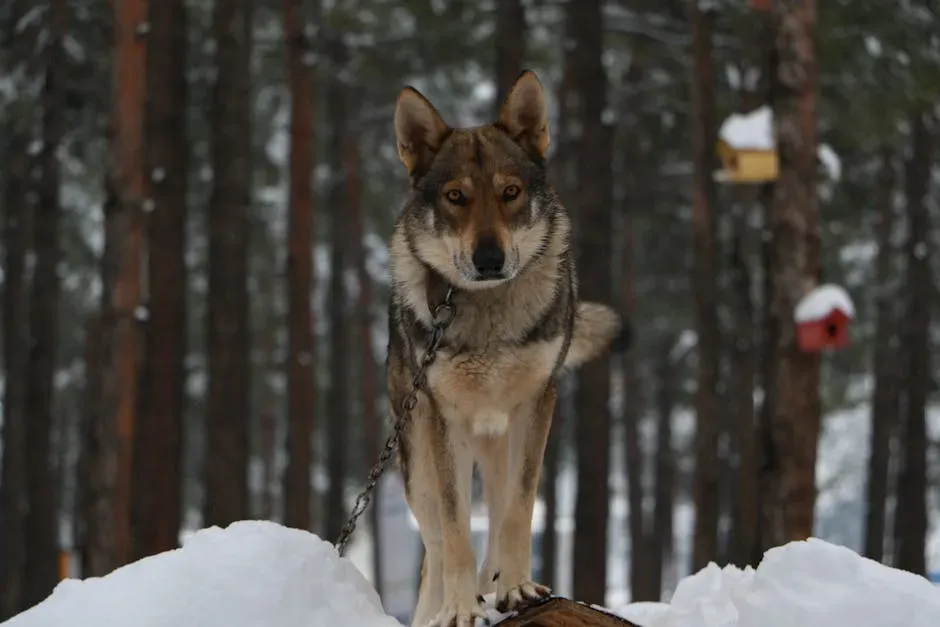
A result of crossing sled dogs like the Siberian Husky and Alaskan Malamute among others, the Tamaskan is a powerful, athletic breed with tons of stamina – their name literally translates to “mighty wolf” in Native American, and they need a ton of space and exercise to stay healthy and happy, looking astoundingly like a wolf, which was the aim of several breeders from the U.S., Canada, and Finland in their development in the 1980s.
The breed is still exceedingly rare, and there are thought to be only around 400 of them worldwide. Characteristics include a friendly, intelligent, and good-with-families nature, making Tamaskans versatile working dogs, and their wolf-like appearance closely mimics that of a wolf while they possess high endurance levels. These large and lanky dogs love physical challenges but are generally more laid-back than some other wolf dog breeds – except when left alone, as Tamaskans can suffer from separation anxiety if by themselves for more than a few hours, which can lead to destructive behavior.
8. Utonagan: Spirit of the Wolf in a Family Dog
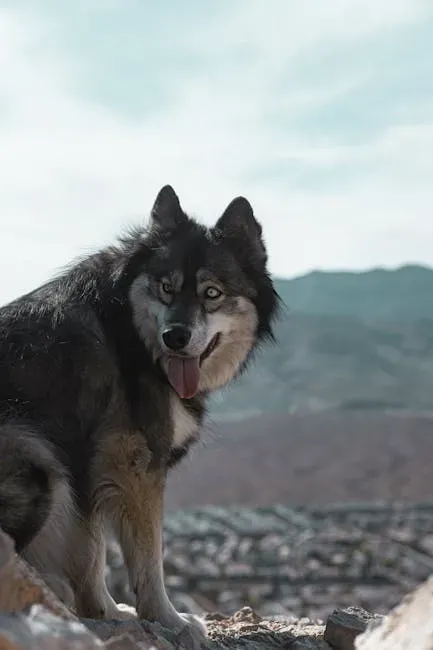
The name “Utonagan” translates to “spirit of the wolf” in Chinook Indian. Edwina Harrison wanted to create the best breed of dog that combined the wild appearance of a wolf with the non-aggressive temperament and character of a domestic dog, suitable as a family dog. Harrison created the breed by crossing five mixed-breed rescue dogs of unknown origin with Siberian Husky, German Shepherd, and Alaskan Malamutes. The result is genuinely striking.
The Utonagan is a large-sized mixed breed with a stocky yet athletic build, with no breed standard requiring any specific coat pattern, but frequently found in wolf-like colorations such as silver and white, brown and tan, and mixes of natural colors – to the untrained eye, they can look just like a wolf. Despite its wild appearance, the Utonagan was specifically bred to be a gentle, people-loving breed with a friendly, gentle temperament and a particular love for children, though they are prone to behavioral problems if they don’t get enough mental or physical exercise.
9. Samoyed: The White Arctic Wolf
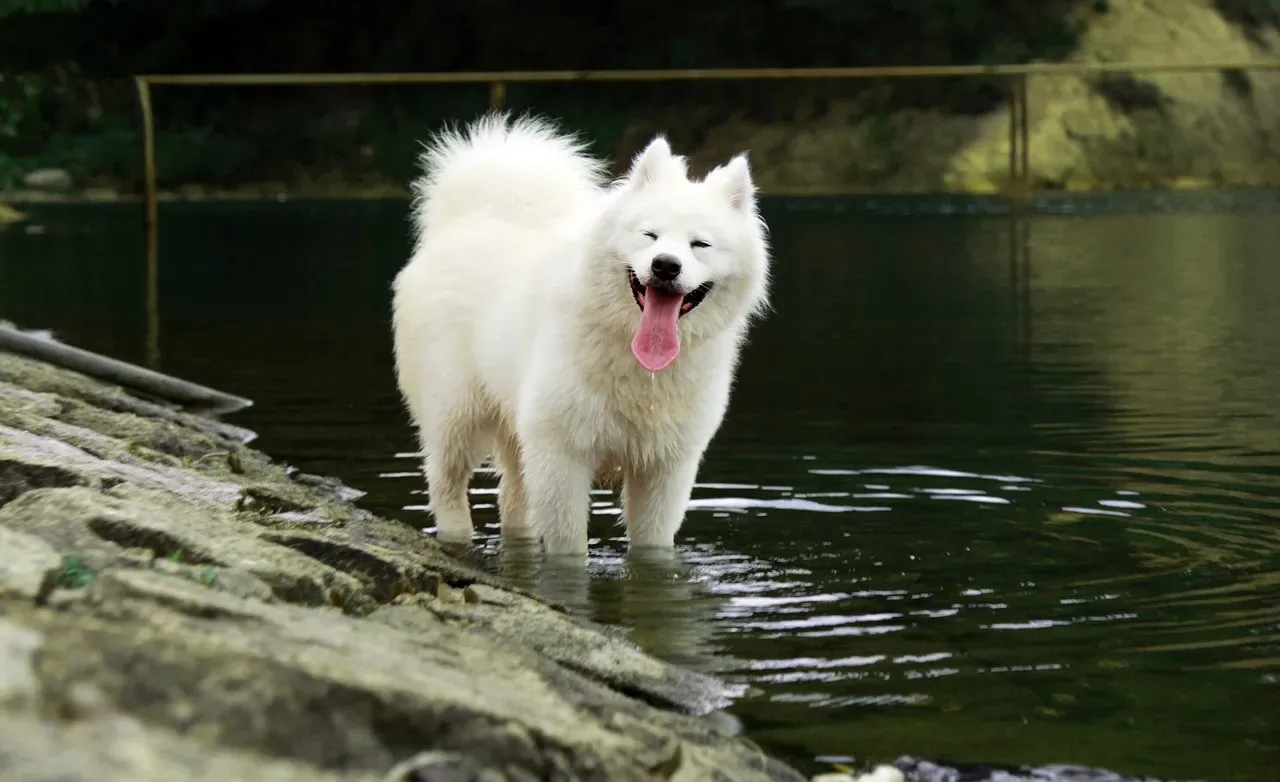
Another sled dog with a thick coat, enduring stamina, smarts, and a strong social side, the Samoyed could be mistaken for a fluffy, white-coated wolf from afar – and the Sammies’ famous smile might be a practical breed trait designed to prevent drool from turning to icicles on their face, but it fits in with their happy, friendly disposition and love of being in the center of their pack. There’s something both ethereal and wild about them.
Samoyeds, with their iconic fluffy white coats and wolf-like features, have a natural wild beauty, and were originally bred to herd reindeer and pull sleds, sharing traits with other sled dogs like the Siberian Husky. This social side is why Sammies suit best being part of a family they can be with most of the day, to prevent separation anxiety from rearing its head. They’re wolves at heart wrapped in the softest fur imaginable – a contradiction that suits them beautifully.
10. Canadian Eskimo Dog: The Rarest of the Pack
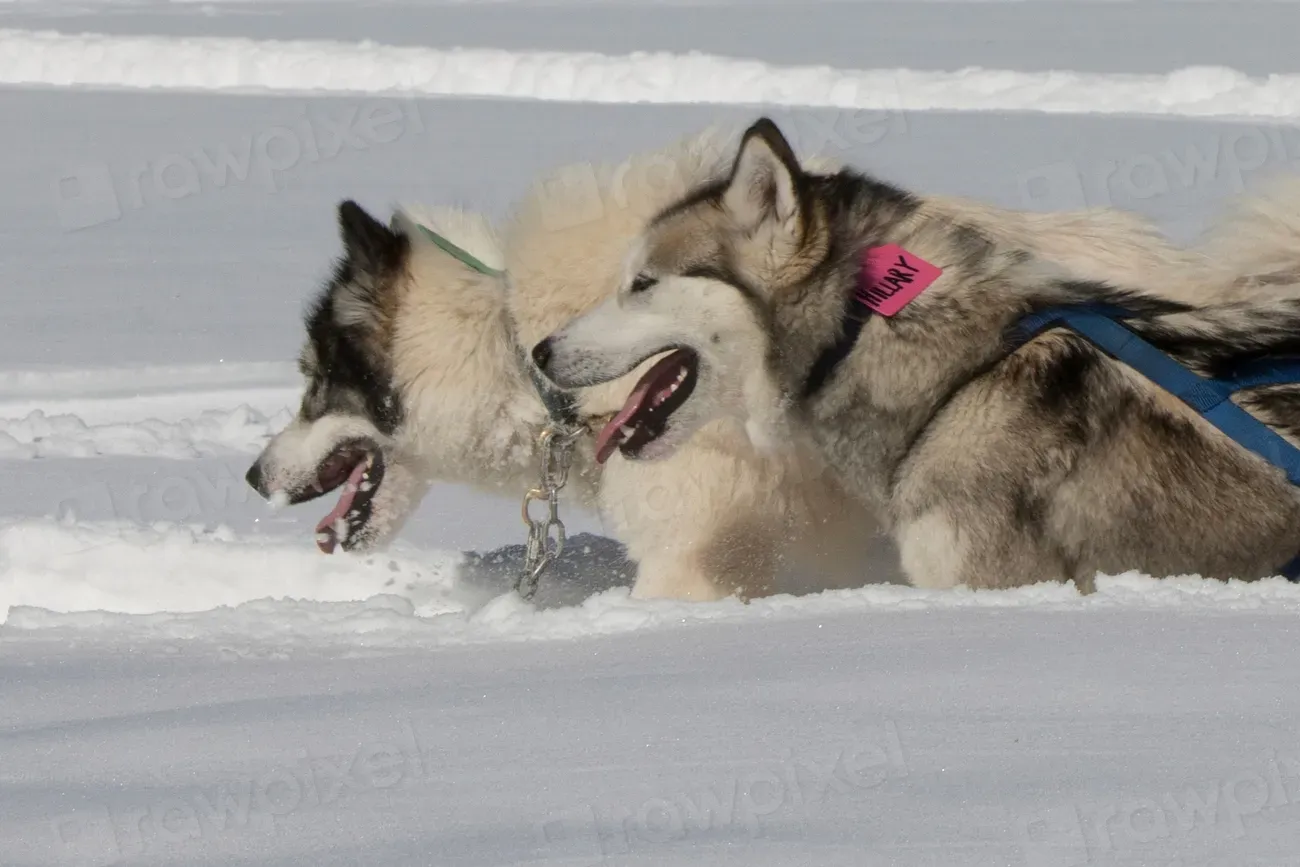
The Canadian Eskimo dog, also known as the Inuit sled dog, is strong, resilient, and disciplined after years of fending for itself in harsh Arctic environments – they belong to the hefty class of working sled breeds and require more activity than other dogs, and their predatory nature means supervision around young children and other pets is essential. Their wolf-like qualities come from their thick coat, erect ears, strong frame, and keen, alert expression – bred for endurance and toughness, giving them a rugged presence reminiscent of Arctic wolves.
If you come across a Canadian Eskimo dog, consider yourself lucky, as this is one of the rarest dog breeds, with fewer than 300 of them left in the world today. The breed’s misfortune is linked to a multi-decade culling initiative by the Royal Canadian Mounted Police, during which between 1950 and 1970 officers routinely killed Canadian Eskimo Dogs, with some estimates suggesting 20,000 dogs lost their lives during the period. Owning one today isn’t just a lifestyle choice – it’s a small act of preservation for a breed that nearly vanished entirely.
A Note on Ownership: These Breeds Demand More Than Most
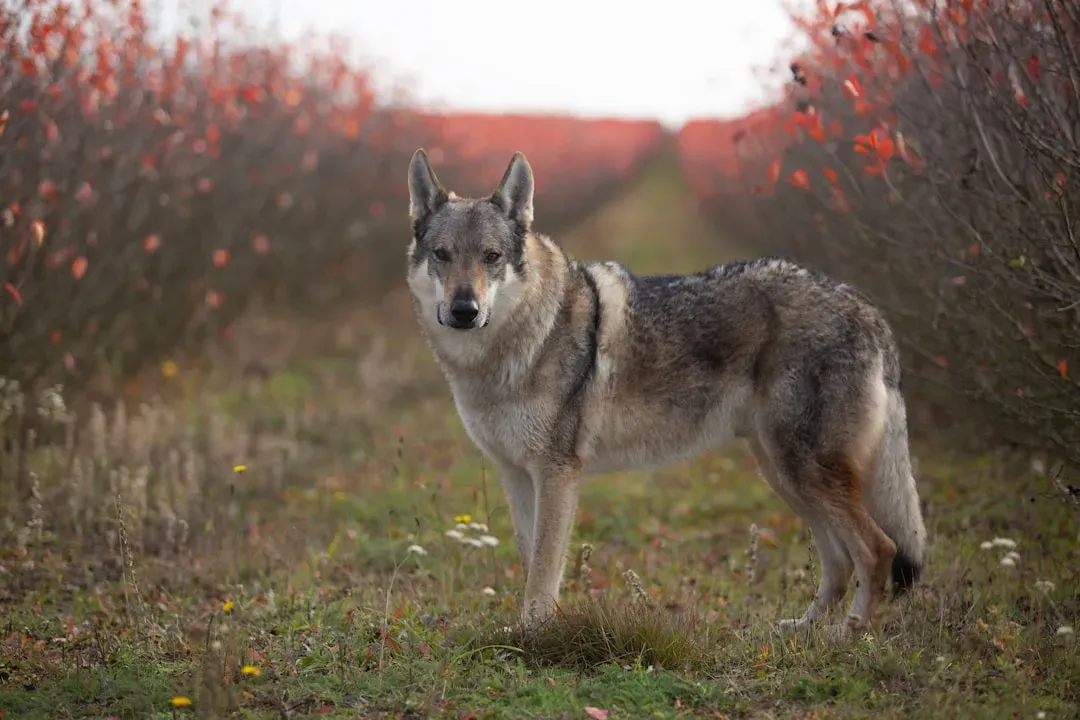
Most wolf-like breeds are not recommended for first-time dog owners due to their high energy levels, strong prey drive, and need for experienced handling – it’s worth considering starting with a more manageable breed to gain experience first. Wolf-like breeds can be more challenging to train due to their independent nature and strong instincts, and consistent positive reinforcement and early socialization are essential to establish obedience and trust, especially for breeds with close ties to their wild ancestors.
These breeds are generally not recommended for apartment living – they need substantial space and exercise that’s difficult to provide in apartment settings, and even with adequate daily exercise, confined living can lead to destructive behaviors and stress. The commitment is real. But for those who match their energy and can meet their needs, the bond formed with these breeds tends to be something uncommon and deeply felt.
Conclusion: Choose Your Pack Wisely
Every breed on this list carries something ancient in its bones – a shadow of the wilderness that no amount of selective breeding has fully erased. That’s precisely what draws certain people to them. Not everyone wants a dog that simply sits quietly on a mat. Some want a companion that feels like a co-adventurer, a creature with presence, instinct, and fire.
The honest opinion here is this: if you’re romanticizing wolf-like dogs from a distance, slow down. These are not decorative animals or status symbols. Wolf dog breeds stand out for their striking appearance, strength, and intelligence, but each breed requires experienced care, training, and commitment – and only with the right owner do these remarkable dogs become truly loyal and impressive companions.
Choose based on your lifestyle, your space, your experience, and your willingness to put in consistent work. If you truly have the spirit of the wolf, you’ll understand that a wolf never commits to a pack it isn’t prepared to show up for every single day. The same logic applies here.

- 12 Amazing Creatures Thriving in Unexpected Urban Environments - July 14, 2026
- America’s Most Dangerous Fault Lines You’ve Probably Never Heard Of - July 14, 2026
- Animal Psychology Says If You See a Large Gathering of Crows in Your Yard at Dawn It Is a Sign of Complex Social Behaviour – and the Cognitive Power Required for It Belongs to an Elite Group of Species - July 14, 2026