

1. Penicillin: The Mold That Changed Medicine Forever
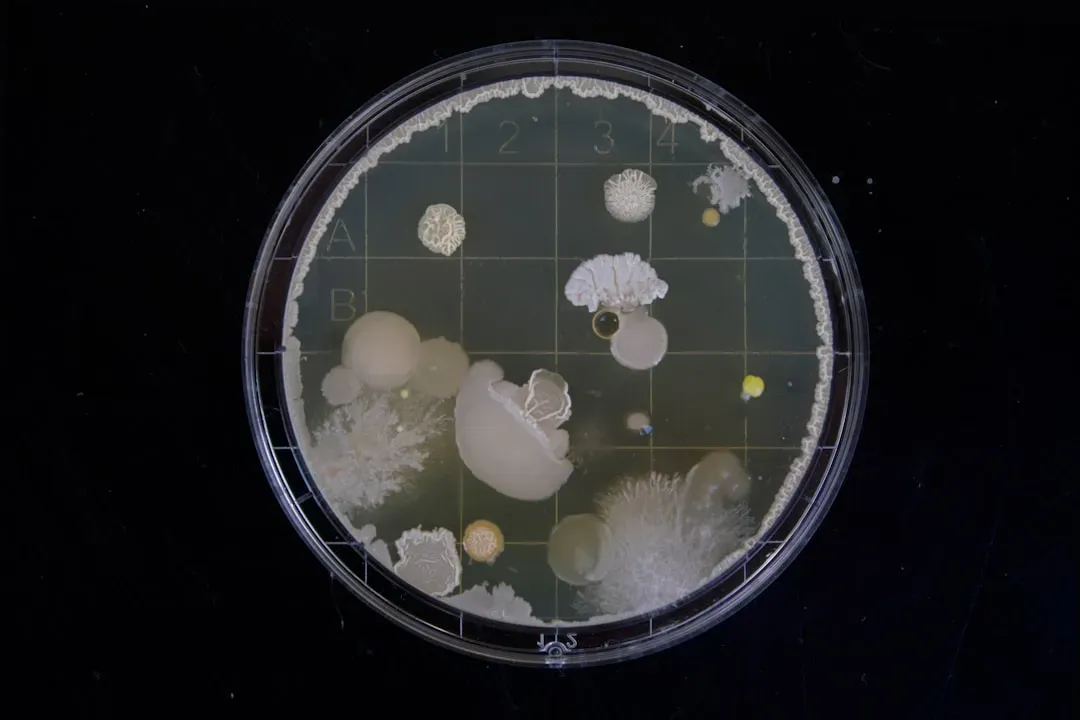
Of all science’s happy accidents, this one saved the most lives. Alexander Fleming, a bacteriologist in London, returned from a vacation in 1928 to discover that one of the petri dishes in his lab had mold growing on it. On closer inspection, he saw that the area around the mold was free of bacteria. Fleming named this bacteria-killing mold juice penicillin after the species of fungus, Penicillium notatum, and published a paper about his discovery in 1929.
Fleming had been investigating its antibacterial effect on many organisms and noticed that it affected bacteria such as staphylococci and many other Gram-positive pathogens that cause scarlet fever, pneumonia, meningitis, and diphtheria – not typhoid fever or paratyphoid fever, which are caused by Gram-negative bacteria, for which he was actually seeking a cure at the time. He wasn’t looking for a cure-all. He was looking for something else entirely.
A decade later, chemists at Oxford University read Fleming’s paper and took up the project of turning penicillin into viable medicine. It was first tested on a patient in 1940, and widespread use began in 1942. Penicillin is estimated to be responsible for saving over 500 million lives since its discovery, becoming the first successful and scalable way to effectively treat a bacterial infection.
2. X-Rays: Seeing the Invisible by Accident
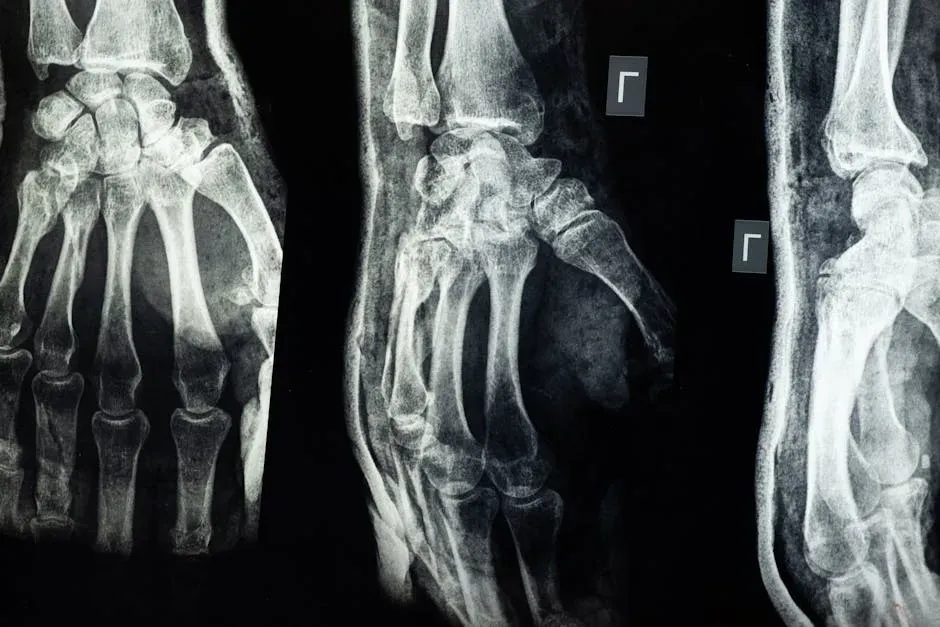
For most of human history, there was no way to see inside a person’s body without cutting it open. At the end of the 19th century, German physicist Wilhelm Conrad Röntgen discovered a type of radiation he labeled X-rays that could penetrate flesh and capture images of bones and organs. He wasn’t trying to revolutionize medicine. He was studying cathode rays.
In 1895, Röntgen was working in his laboratory in Würzburg, experimenting with a cathode-ray tube that he had covered with heavy black cardboard. He began to investigate these mysterious rays and discovered they could pass through most substances but left shadows of solid objects. In a moment that would change medical history, he placed his wife Anna’s hand in the path of the rays, with a photographic plate on the other side. When he developed the plate, he saw a ghostly image of her hand, showing the bones within, along with the ring on her finger. It was the world’s first X-ray image.
News of his discovery spread worldwide, and within a year, doctors in Europe and the United States were using X-rays to locate gunshots, bone fractures, kidney stones and swallowed objects. Honors for his work poured in, including the first Nobel Prize in physics in 1901. X-rays paved the way for the development of today’s broad spectrum of imaging techniques, including MRI, CT scans, ultrasound, and echocardiography.
3. Insulin: Flies Around a Dog’s Urine Led to a Lifesaving Hormone
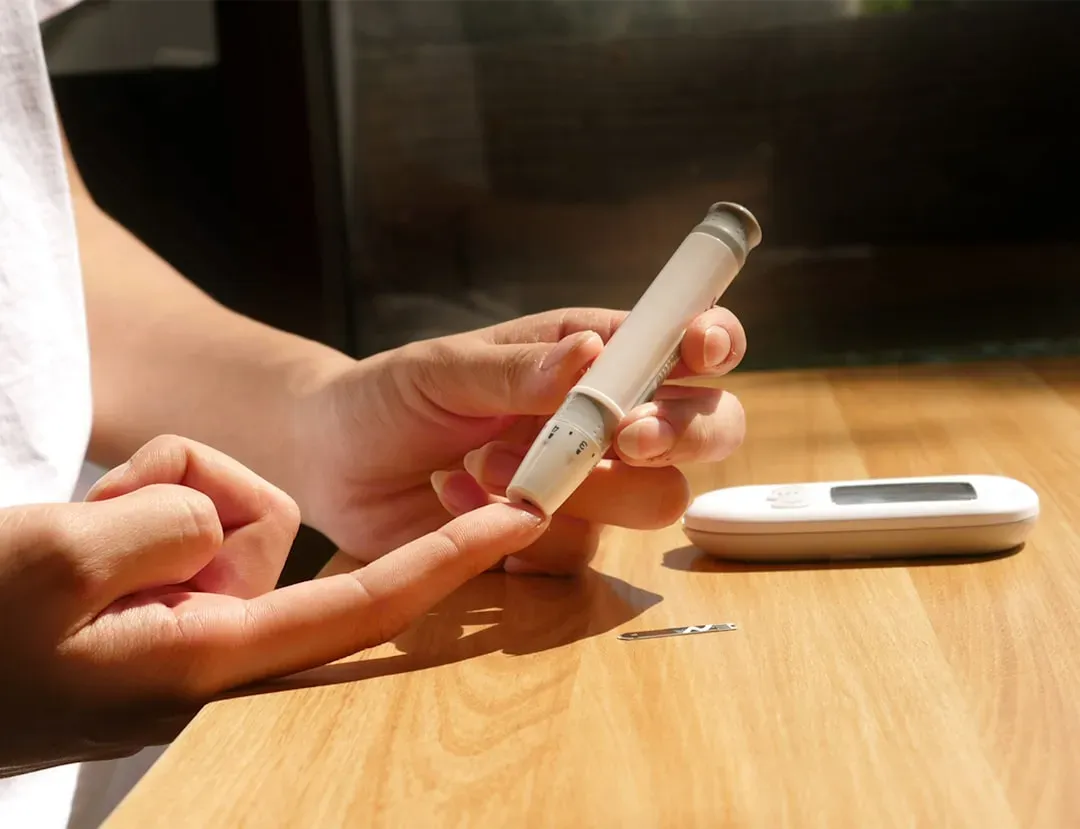
In 1889, two doctors at the University of Strasbourg, Oscar Minkowski and Josef von Mering, were trying to understand how the pancreas affected digestion, so they removed the organ from a healthy dog. A few days later, they noticed that flies were swarming around the dog’s urine, something abnormal and unexpected. They tested the urine and found sugar in it. They realized that by removing the pancreas, they had given the dog diabetes. Neither man had set out to study blood sugar at all.
The clue they uncovered sat largely unresolved for decades. During a series of experiments that occurred between 1920 and 1922, researchers at the University of Toronto were able to isolate a pancreatic secretion that they called insulin. Their team was awarded the Nobel Prize, and within a year, the pharmaceutical company Eli Lilly was making and selling insulin.
While trying to understand the role of the pancreas in digestion, Frederick Banting and Charles Best accidentally stumbled upon insulin in 1921. By tying off the pancreatic ducts of dogs to stop enzyme flow, they realized that the islets of Langerhans, which produce insulin, were unaffected and could be extracted, creating an anti-diabetic substance. This discovery has been life-saving for millions of diabetics worldwide.
4. The Microwave Oven: A Melted Chocolate Bar in a Radar Lab

During World War II, the development of radar technology was a top priority. Percy Spencer, a self-taught engineer working for the Raytheon Manufacturing Company, was a key figure in this effort, helping to build the magnetrons that generated the microwave radio signals for radar systems. One day in 1945, while testing a new high-powered magnetron, he noticed something strange. A chocolate bar in his pocket had silently melted.
Spencer’s curiosity led him to test the magnetron on popcorn kernels and an egg, with dramatic results. The kernels popped rapidly, and the egg exploded due to the rapid heating. These experiments laid the groundwork for the development of the microwave oven, a kitchen appliance that has become ubiquitous in modern homes.
Raytheon patented the technology, and the first commercial microwave oven, the “Radarange,” was born. It was bulky and expensive at first, but Spencer’s observation of a melted candy bar ultimately transformed kitchens around the world. Few inventions born in military research ended up quite so domestically useful.
5. Teflon: A New Refrigerant That Refused to Cooperate
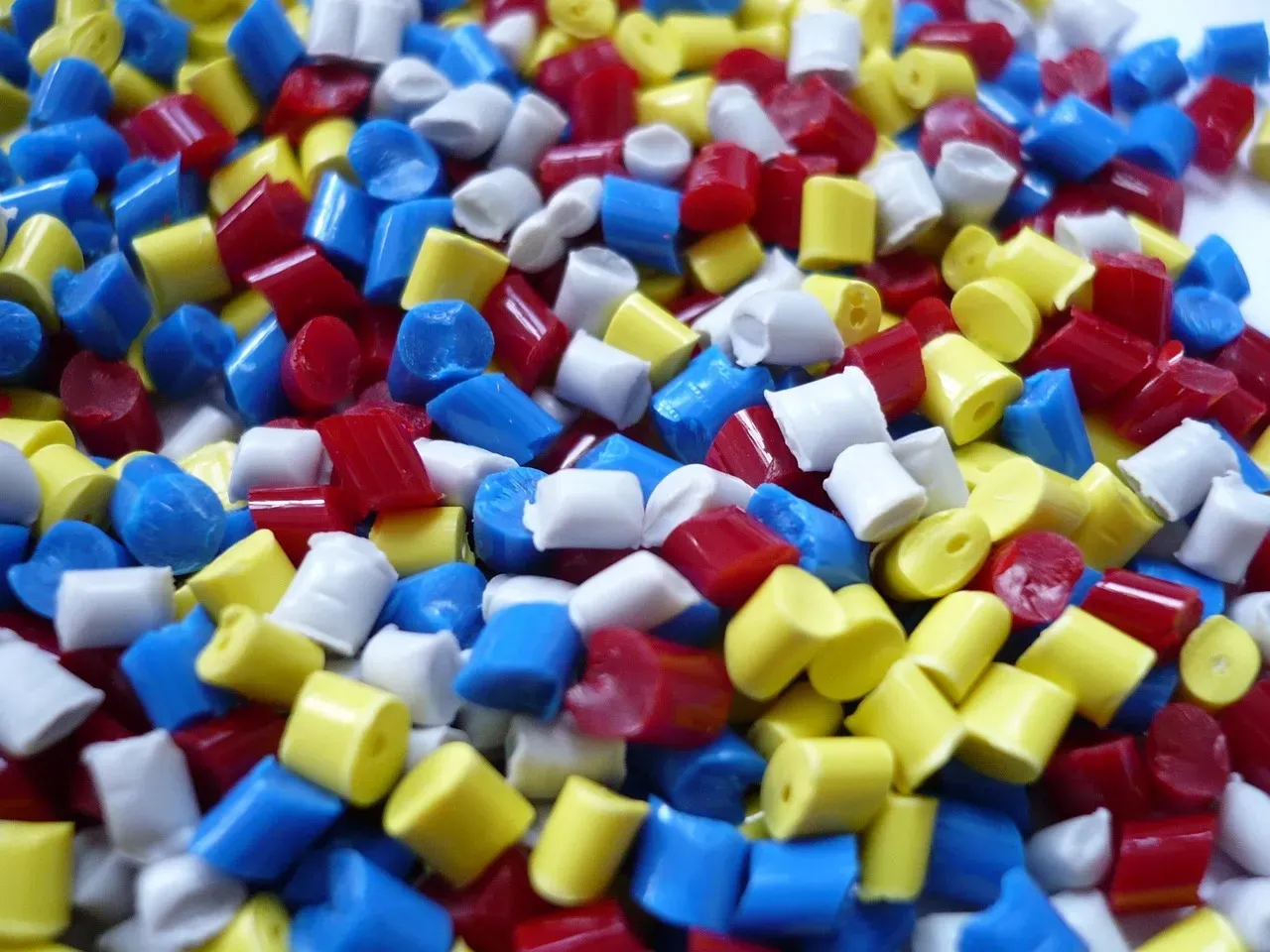
Roy Plunkett was an employee of the DuPont Company’s Jackson Laboratory in 1938 when he started researching new refrigerants. One substance Plunkett experimented with was tetrafluoroethylene gas. When he returned to open a cylinder he’d stored this gas in, he was surprised that the gas had polymerized to form a mysterious white powder inside the container. It wasn’t what he expected and definitely wasn’t the refrigerant he was after.
Plunkett soon realized this new material had remarkable properties. It was extremely inert, meaning it didn’t react with other chemicals, and had the lowest coefficient of friction of any solid yet discovered, making it incredibly slippery. Initially used for military applications, this accidental polymer was eventually branded as Teflon and went on to coat everything from frying pans to spacecraft.
Over time, it found applications in medical devices, space travel, and waterproof clothing. What started as an unintended byproduct is now one of the most versatile materials in the world. It’s a reminder that failure to find what you’re looking for doesn’t mean you’ve found nothing at all.
6. Cosmic Microwave Background Radiation: The Universe’s Leftover Signal

In 1964, Arno Penzias and Robert Wilson were working at Bell Labs, attempting to eliminate noise in their radio astronomy equipment. Instead, they stumbled upon a persistent signal that they could not explain. After ruling out various sources of interference, they realized they had discovered something extraordinary: the cosmic microwave background radiation. This ancient radiation, a remnant of the Big Bang, provided crucial evidence for the theory of the universe’s origins.
At first, they thought the strange heat being picked up was the fault of a family of pigeons that had settled inside their antenna. After removing them, the anomaly persisted. This accidental discovery provided compelling evidence for the Big Bang theory, predicted almost 20 years before by theoretical physicists, and shaped our modern understanding of the universe’s origins.
After ruling out interference from urban areas, nuclear testing, and pigeons, Wilson and Penzias came across astronomer Robert Dicke’s theory that radiation left over from a universe-forming Big Bang could now act as background cosmic radiation. Penzias and Wilson would go on to receive the Nobel Prize in 1978. They had set out to fix a technical nuisance and ended up confirming how the universe began.
7. Saccharin: When Forgetting to Wash Your Hands Pays Off
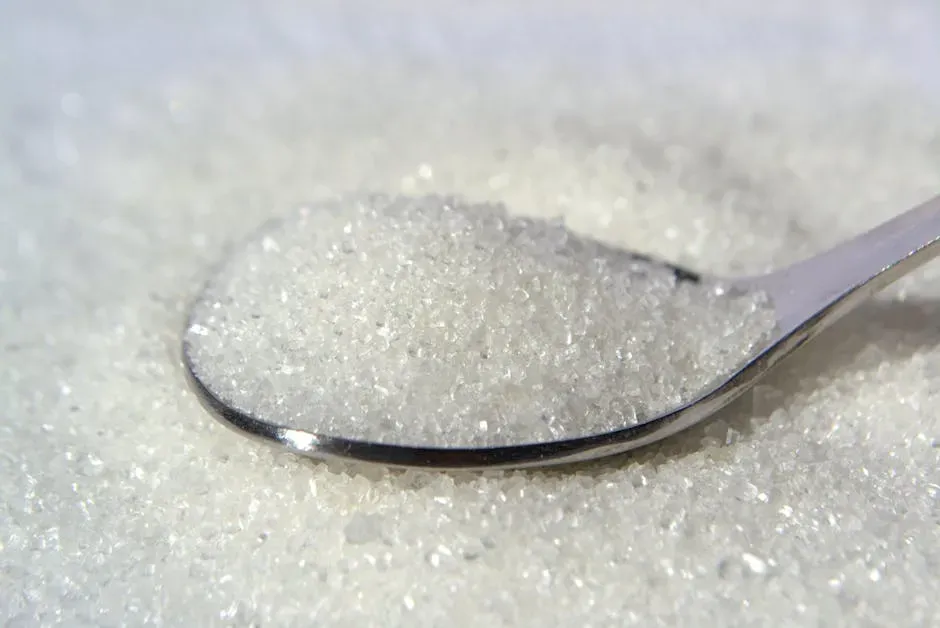
Saccharin, the artificial sweetener, is around 400 times sweeter than sugar. It was discovered in 1878 by Constantine Fahlberg, who was working on an analysis of coal tar at the Johns Hopkins University lab of Ira Remsen. After a long day in the lab, he forgot to wash his hands before eating dinner. He picked up a roll and noticed that it seemed sweet, as did everything else he touched. He went back to the lab and started tasting compounds until he found the results of an experiment combining o-sulfobenzoic acid with phosphorus chloride and ammonia.
It wasn’t a planned discovery in any sense. The sweetness came from residue left on his skin after a day’s work with industrial chemicals. Fahlberg patented saccharin in 1884 and began mass production. The artificial sweetener became widespread when sugar was rationed during World War I.
His accidental discovery revolutionized the food industry, giving rise to low-calorie sugar substitutes that remain commercially dominant to this day. It’s worth noting that tasting random laboratory chemicals is, to put it politely, not recommended practice.
8. Viagra: A Heart Drug That Had Other Ideas
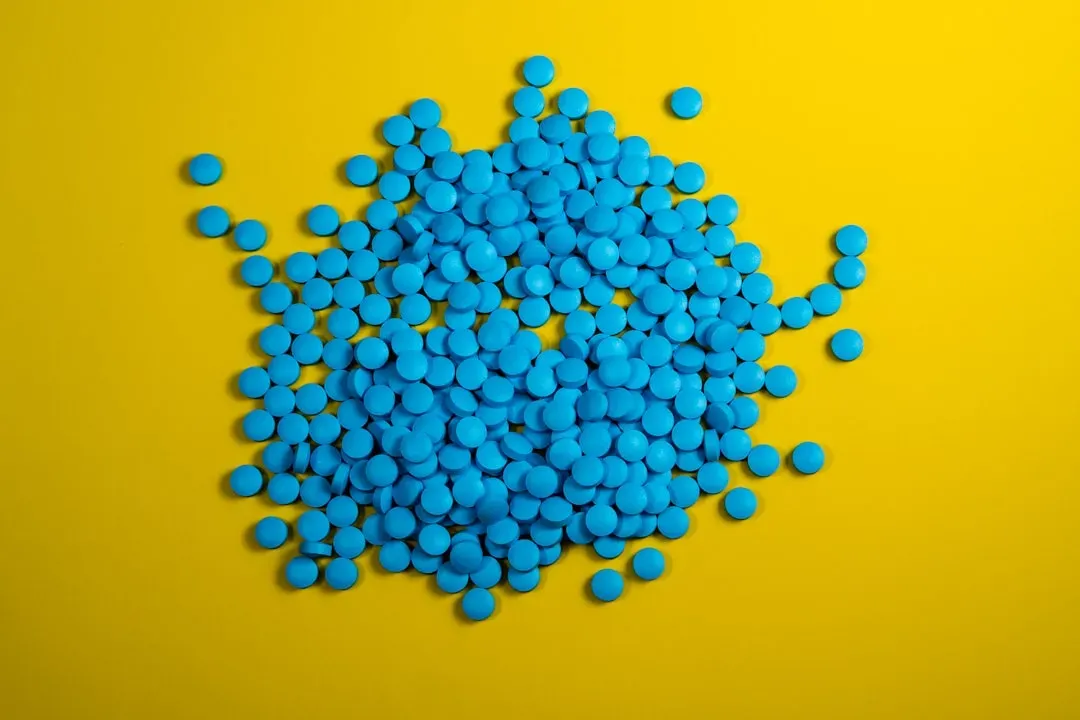
Despite today being widely known for its ability to help men with erectile dysfunction, Viagra was not originally designed for this purpose. The drug company Pfizer had initially hoped to develop a new treatment for angina, one that worked to reverse the constriction of blood vessels. However, clinical trials showed poor efficacy at treating the symptoms of angina. Nonetheless, it was highly effective in causing male recipients in the trial to develop and maintain erections.
Upon further investigation, it was identified that, rather than acting to relax the blood vessels supplying the heart, Viagra caused the penile blood vessels to relax, leading to increased blood flow and an erection. Following this unexpected discovery, Pfizer rebranded Viagra as an erectile dysfunction drug and launched it as such in 1998.
The trial participants themselves were the ones who flagged the side effect, which researchers then followed up on. Since its commercial release in 1998, it has been used to improve the sex lives of millions of men worldwide. Sometimes the patients notice what the scientists miss.
9. Warfarin: From Dying Cattle to a Blood Thinner That Saves Hearts
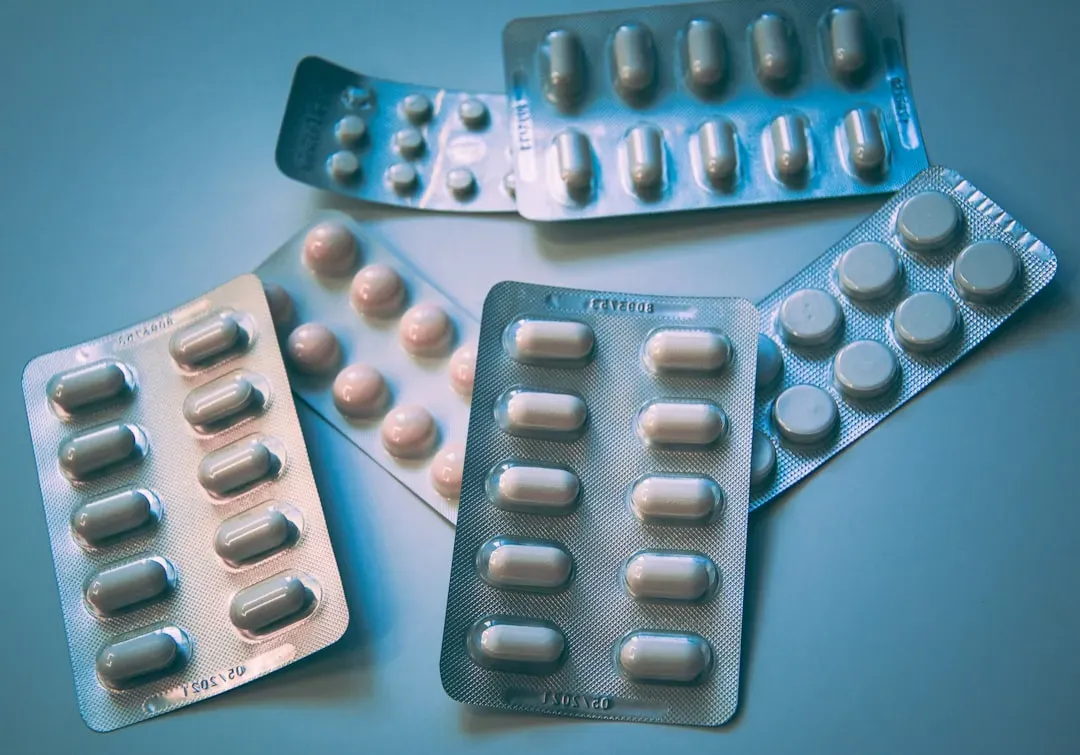
Warfarin, a common blood thinner, was discovered not in a lab but in a field, where livestock were dying from a mysterious disease. In the 1920s, cattle and sheep that grazed on moldy sweet clover hay began to suffer from internal bleeding. Many previously healthy animals also bled to death after simple veterinary procedures. A Canadian veterinarian, Frank Schofield, determined that the moldy hay contained an anticoagulant that was preventing their blood from clotting.
In 1940, scientists at the University of Wisconsin, led by biochemist Karl Link, had isolated the anticoagulant compound in the moldy hay. A particularly powerful derivative of the compound was patented as warfarin, named after the Wisconsin Alumni Research Foundation that funded its development.
Warfarin was initially developed as a rat poison in the 1940s, and only later found its place in human medicine as a blood thinner. Today, warfarin is the main blood thinner used in the treatment of blood clotting disorders, heart attacks, and strokes. The path from dying cows to one of the world’s most prescribed medications is not a straight one, but it got there.
10. The Pacemaker: A Wrong Resistor That Became a Lifesaver
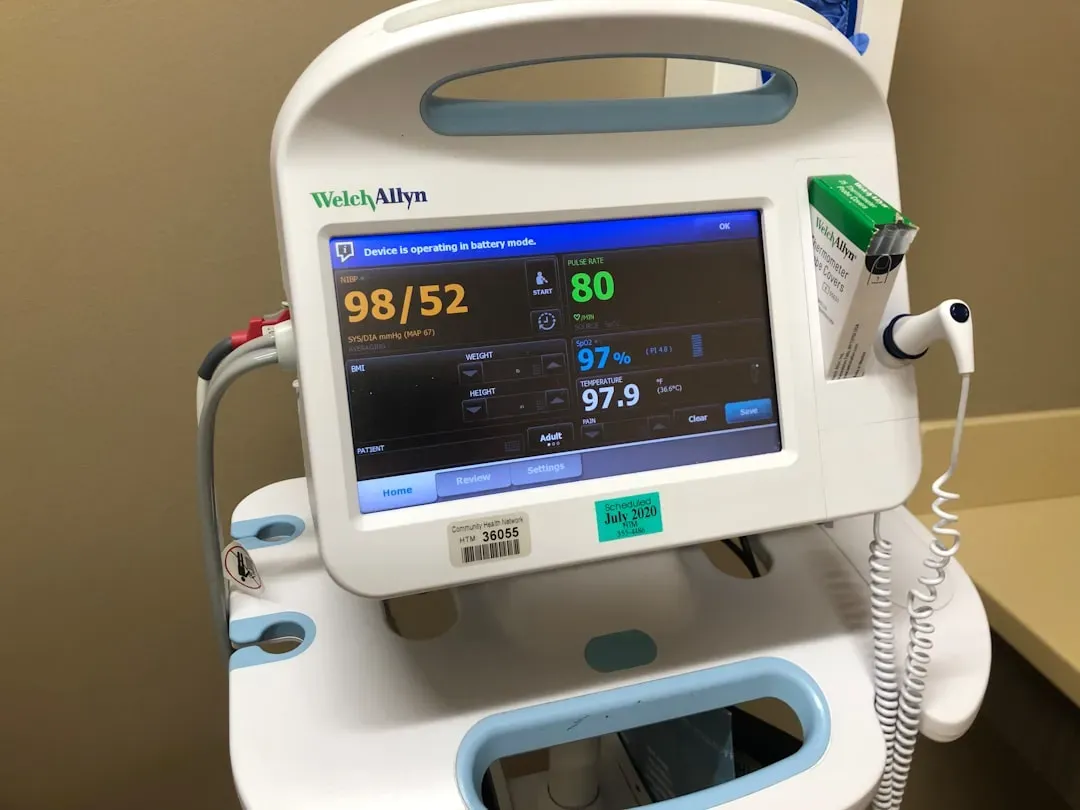
In 1956, Wilson Greatbatch was building a heart rhythm recording device. He reached into a box for a resistor to complete the circuitry, but pulled out the wrong one – it wasn’t quite the right size. He installed the ill-fitting resistor and noticed that the circuit emitted electrical pulses. It made him think of the timing of the heartbeat. He wasn’t trying to build an implantable device. He was simply trying to record one.
Greatbatch had previously thought that electrical stimulation might be able to stimulate the circuitry of the heart if there was some kind of breakdown there. This new device made him think it might be possible to create a version small enough to actually provide this stimulation. He began to shrink his device, and on May 7, 1958, a version of his pacemaker was successfully inserted into a dog.
Wilson Greatbatch invented the implantable pacemaker, but he didn’t mean to. The American engineer was attempting to build a device that recorded heart rhythms, but after he mis-assembled the contraption, he noticed that it was giving off a heartbeat-like pulse. Today, hundreds of thousands of pacemakers are implanted each year around the world, all because one engineer grabbed the wrong component from a box.
What Accidental Discovery Really Means for Science
There’s a tempting narrative here: that science is chaos, that preparation doesn’t matter, that lucky accidents do all the work. The reality is more nuanced. The thing about an accidental discovery is that the scientist still has to recognize that they’ve made one and see how their mistake might benefit humanity. This leads us to wonder how many accidental discoveries have gone undiscovered. It also points to the importance of keeping an open mind.
These discoveries exemplify how unexpected results can have profound implications, often revolutionizing fields such as medicine, materials science, and astronomy. The concept highlights the importance of critical thinking and openness to new ideas in scientific exploration, demonstrating that not all breakthroughs arise from planned experiments or hypotheses.
What unites every story on this list isn’t luck alone. It’s curiosity. Every researcher who stumbled onto something unexpected had to pause, notice, and ask: what is this, and does it matter? The ones who changed history were the ones who didn’t just shrug and move on. In science, as in life, the unexpected moment only becomes a discovery when someone is paying enough attention to recognize it for what it is. The world has been saved, healed, fed, and mapped by people who were technically looking the wrong way.

- 9 Touching Stories of Animal Loyalty That Redefine Family Bonds - July 25, 2026
- 8 Unique Dog Breeds That Are Perfect for Older Owners - July 25, 2026
- The Way You Pet Your Dog Can Make All the Difference to Their Comfort - July 25, 2026