
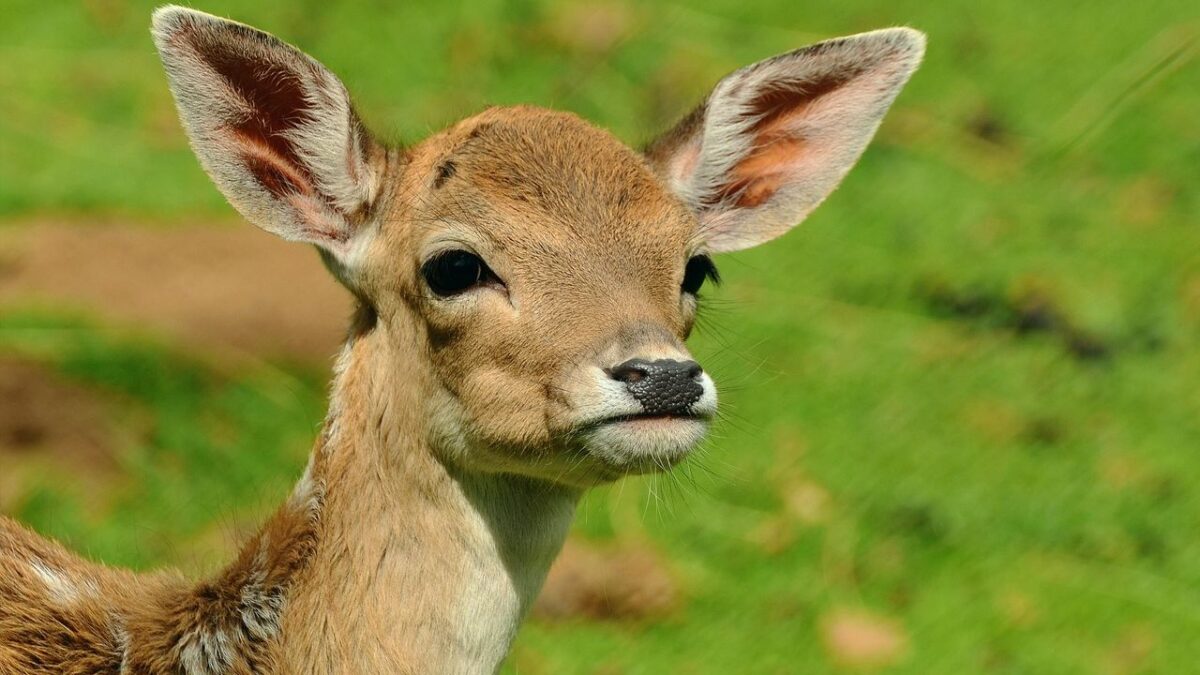
Most people think of the United States as a land of highways, cities, and national parks full of deer and squirrels. That’s not wrong, exactly. It’s just a fraction of the story. Buried inside this country’s borders are ecosystems so strange and so specialized that they feel like something from another planet entirely. Fish living in perpetual darkness. Miniature deer on isolated island chains. A marmot that exists nowhere else on Earth.
The United States is a rich tapestry of diverse habitats that provide refuge to some of the planet’s most unique and unusual wildlife. What makes it genuinely surprising isn’t the sheer size of the country, it’s the extremes. From boiling underground pools to underwater canyons deeper than the Grand Canyon, some of these habitats feel almost impossible. The fifteen places below are very real, and each one shelters life that would struggle to survive anywhere else on the map.
#1. Devils Hole, Nevada: A Cave With the World’s Most Isolated Fish
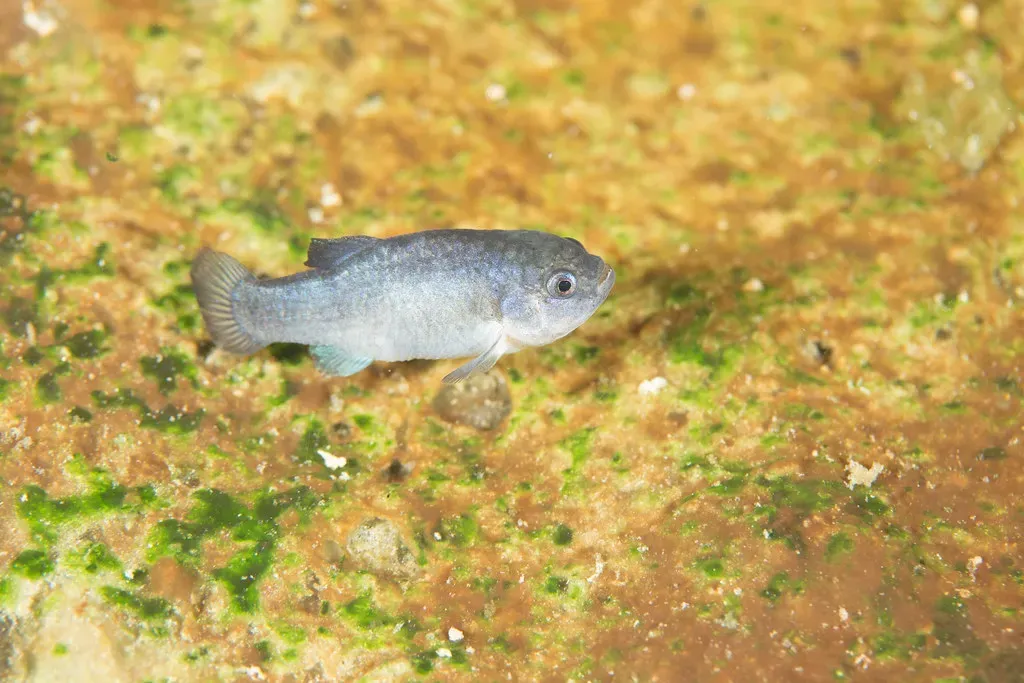
Tucked inside the Mojave Desert near the Nevada-California border lies a flooded limestone cavern that may be the most extreme animal habitat in the entire country. The driest national park in North America is home to what has been described as the world’s rarest fish. Death Valley National Park is home to tiny but extremely hardy pupfish species that are unique to the areas where they live, including the Devils Hole Pupfish, which is the only place in the world where this specific species is found.
The pupfish spawn on a single shallow rock shelf just under the water’s surface. This shelf is only about two meters wide by six meters long, not much larger than a medium-sized walk-in closet. It is often said that the Devils Hole pupfish has one of the most restricted habitats of any vertebrate species. The water inside the cave maintains a constant near-boiling temperature and holds almost no dissolved oxygen. Devils Hole is also unique in that it acts as an unexpected indicator of seismic activity around the world, with waves reacting to large earthquakes as far away as Japan, Indonesia, and China and demolishing the pupfish’s beloved shelf.
#2. The Florida Everglades: America’s Slow-Moving River of Grass
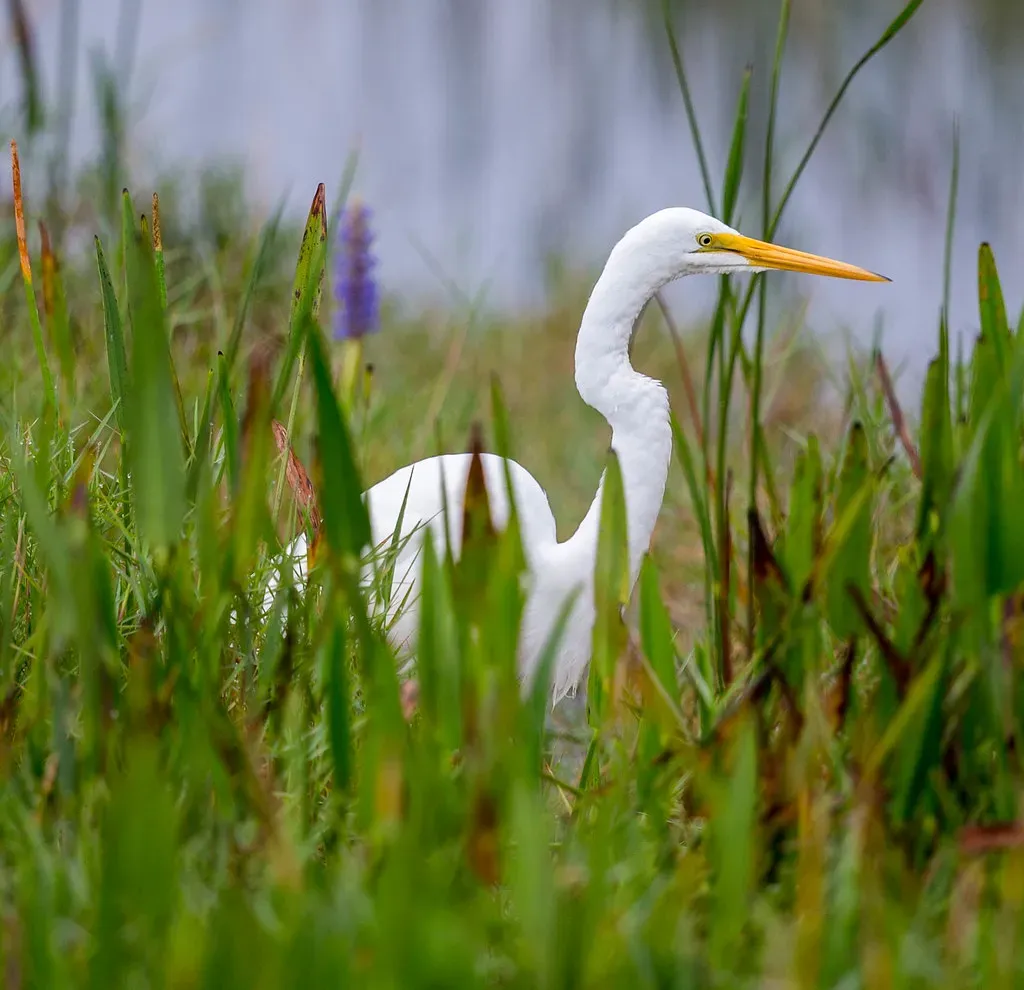
This UNESCO World Heritage Site encompasses one and a half million acres of wetlands and represents the largest subtropical wilderness in the United States. It doesn’t look like a river at first glance. It looks like a vast, flat grassland. But the entire landscape is actually a shallow sheet of water inching southward toward the sea, and the animals it harbors are extraordinary. The Everglades shelters over forty threatened or endangered species, including the critically endangered Florida panther, of which fewer than two hundred remain in the wild.
The park also shelters the American crocodile, a species that shares the wetlands with its more common alligator cousins. This is the only place in the continental United States where alligators and true crocodiles live side by side. The Anhinga Trail offers excellent opportunities to observe American alligators, while wading birds like the endangered wood stork and roseate spoonbill frequent the shallow waters. The Everglades also provides vital habitat for the West Indian manatee, best spotted during winter months when cooler temperatures drive these gentle giants into warmer waters.
#3. Channel Islands, California: The Galapagos of North America
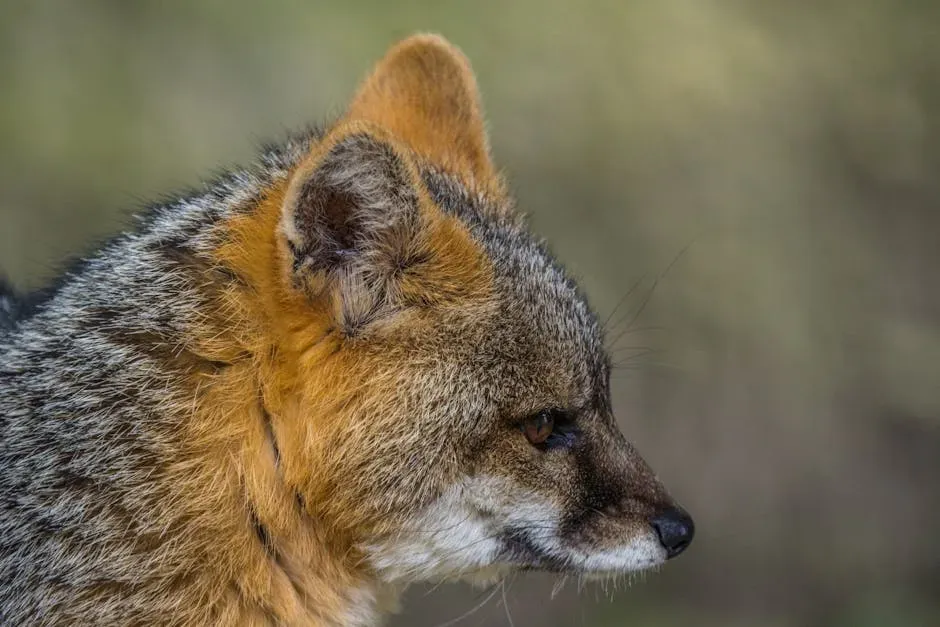
Often called the Galapagos of North America, this archipelago sits tantalizingly close to Los Angeles yet feels worlds apart. Five rugged islands rise from the Pacific just off the Southern California coast, and despite their proximity to one of the world’s largest cities, they remain genuinely wild. Channel Islands National Park has one of the state’s most unique coastal ecosystems, with populations of animals found nowhere else on Earth. The Channel Islands sit within Southern California’s coastal Mediterranean-esque ecosystem, at the convergence of two ocean currents, providing rich marine, coastal, and terrestrial habitats for a diverse abundance of animal life.
These five islands serve as critical habitat for a variety of vulnerable and recovering animals, including the island night lizard, the threatened Scripps’s murrelet, the snowy plover, and the park’s distinctive island fox, found nowhere else in the world. By 2016, the island fox recovered and was removed from the endangered species list, the fastest mammal recovery ever recorded. These miniature canids, weighing just four to five pounds, dart through coastal scrub looking for insects and berries.
#4. Olympic Peninsula, Washington: A Glacially Isolated Island on the Mainland
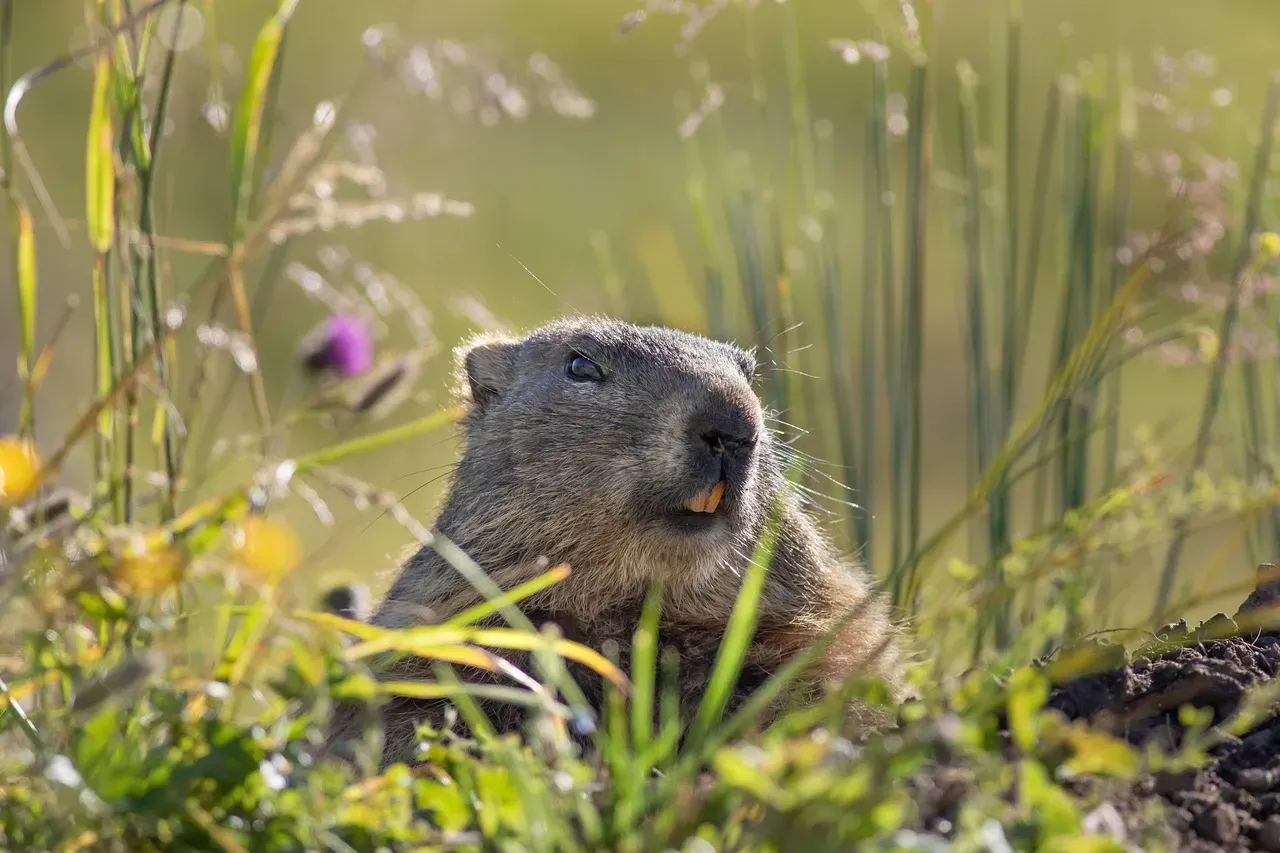
The Olympic Peninsula isn’t technically an island, but thousands of years of glacial isolation have made it behave like one. The Olympic Peninsula is home to a unique ecosystem that includes plants and animals that exist only there. There are eight endemic plants and fifteen endemic animals. These plants and animals do not live outside the Olympic Peninsula because it has been isolated from the rest of the United States for thousands of years.
Tucked away in the northwestern corner of Washington state, the Olympic Peninsula hosts one of America’s most distinctive endemic mammals, the Olympic marmot. Found nowhere else on Earth, these social, whistling rodents inhabit the subalpine meadows of Olympic National Park, primarily at elevations above four thousand feet. They spend up to eight months hibernating each year and then double their body weight during the summer. Coyotes were historically absent from the Olympic Peninsula, but moved in after wolves were eradicated from the area in the early twentieth century. That single predator shift has put the entire marmot population under pressure it was never designed to withstand.
#5. Monterey Bay, California: An Underwater Canyon Hiding Giants
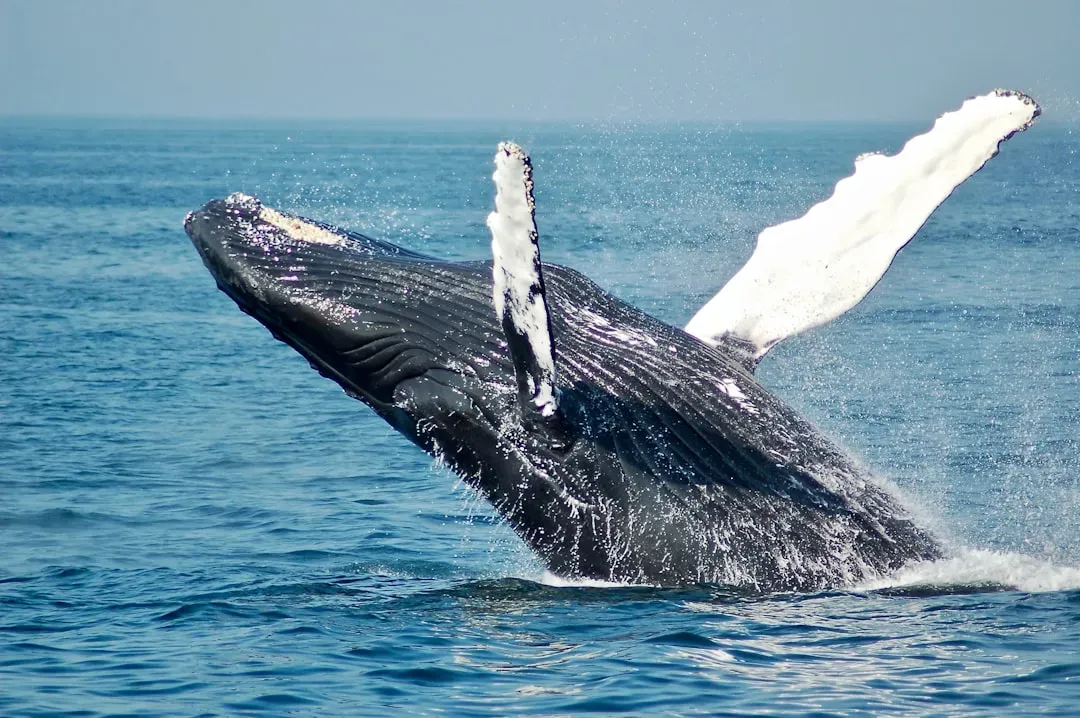
This underwater treasure encompasses 276 miles of spectacular California coastline and contains one of North America’s largest submarine canyons, deeper than the Grand Canyon. The sanctuary’s nutrient-rich waters support an extraordinary diversity of marine life, including rare and endangered species. Cold, upwelling currents from the deep canyon push nutrients toward the surface, creating an underwater feeding frenzy that draws some of the ocean’s largest animals to waters visible from shore.
The sanctuary’s waters provide critical habitat for thirty-six species of marine mammals, including blue whales, humpback whales, and the mysterious beaked whales, rarely seen due to their deep-diving behavior. Visitors can observe the threatened southern sea otter, with approximately three thousand individuals remaining along the California coast. These charismatic marine mammals can be spotted from shoreline lookouts at Point Lobos State Natural Reserve or while kayaking in Elkhorn Slough.
#6. The Greater Yellowstone Ecosystem, Wyoming: The Largest Intact Temperate Ecosystem on Earth
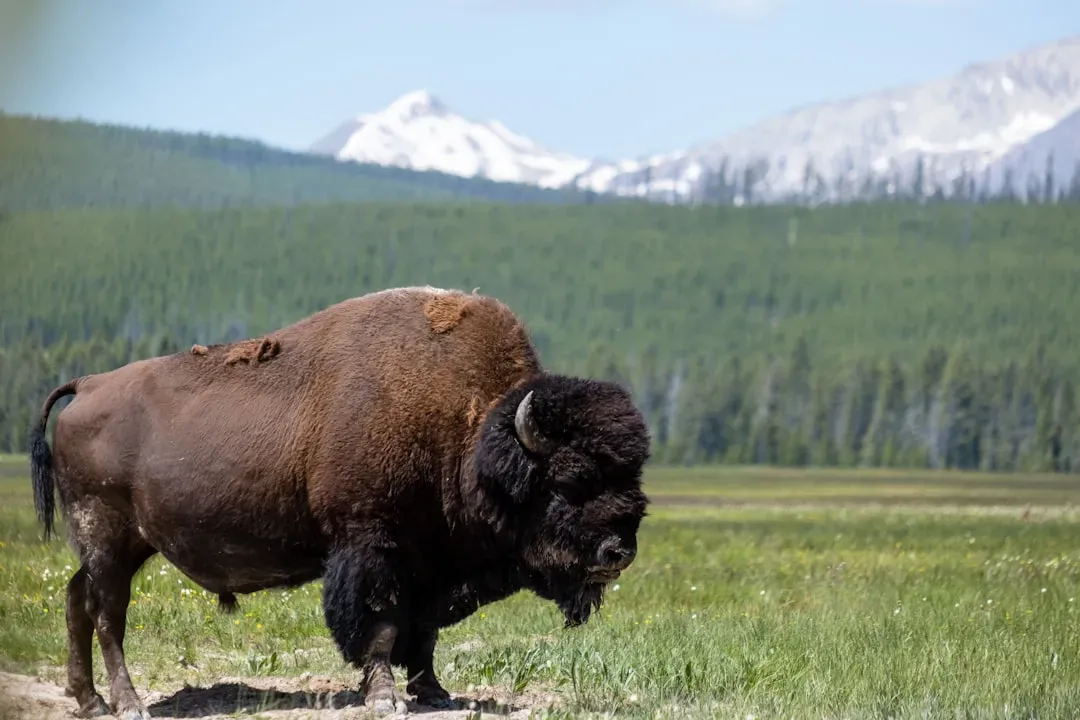
Yellowstone National Park is the most famous national park in the United States, partly because of its incredible diversity of wildlife. The Greater Yellowstone Ecosystem is one of the largest intact temperate-zone ecosystems on the planet, with an abundance of forests, mountains, and waterways to support a rich tapestry of plants and animals. What’s easy to forget is that its significance runs far deeper than its famous geysers. The ecosystem that surrounds and extends beyond the park boundaries is a functioning world unto itself.
Among Yellowstone’s most important animal populations is America’s largest bison herd. Although the American bison is today an emblematic symbol of the nation’s rugged spirit, bison populations faced near extinction just a century ago. The vast wilderness of Yellowstone and surrounding national forests comprises the core of the Greater Yellowstone Ecosystem, one of the few places in the lower 48 states where grizzly bears still roam. These massive omnivores once inhabited much of western North America but were reduced to less than two percent of their historic range by the mid-twentieth century.
#7. Mammoth Cave, Kentucky: A Living Underground World
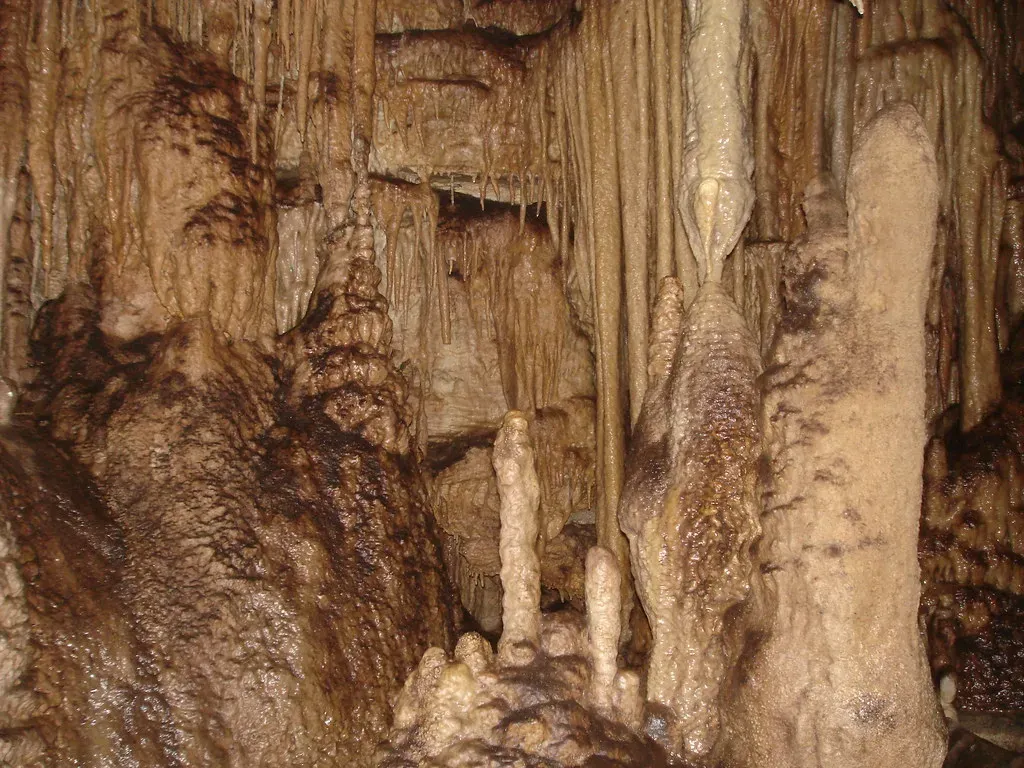
Caves are not empty rock formations but thriving habitats where life has found amazing ways to survive without light or traditional food sources. Mammoth Cave in Kentucky supports diverse ecosystems with blind fish and specialized bat colonies. Mammoth Cave is the world’s longest known cave system, with over 400 mapped miles of passages, and its deep, lightless corridors have given rise to creatures that have shed every biological feature they no longer need, including eyes and pigmentation.
Cave ecosystems operate differently from surface environments. They rely on nutrients from outside sources rather than sunlight and photosynthesis. These underground worlds host specialized animals that have evolved remarkable adaptations to survive in complete darkness, stable temperatures, and limited food sources. The eyeless cave fish and cave crayfish found here represent evolution in real time, creatures that have adapted so completely to the dark that reintroducing them to light would be lethal. This isn’t just a geological wonder. It’s a living laboratory.
#8. The Louisiana Bayous: North America’s Most Intricate Wetland Maze
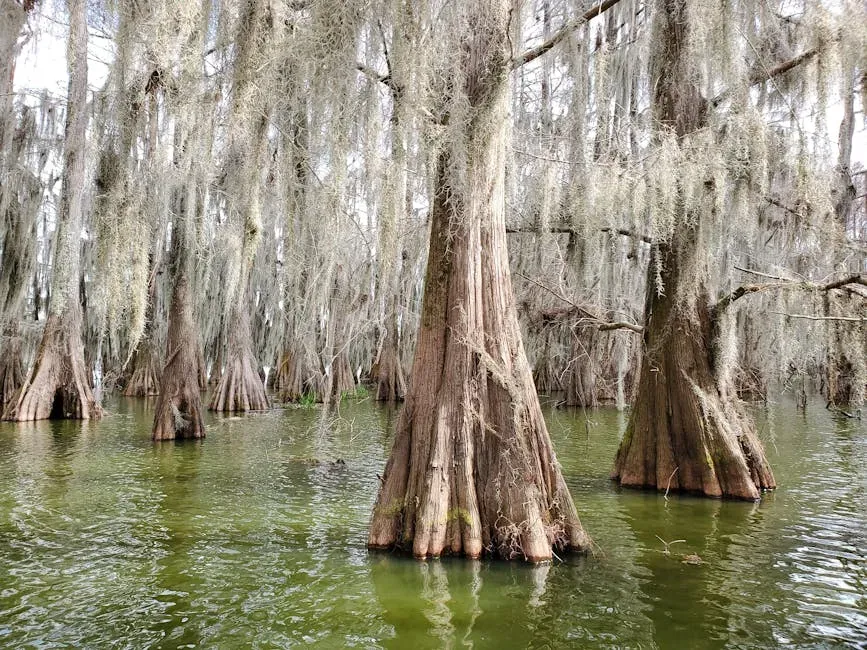
Louisiana’s rich bayous and wetlands provide an intricate ecosystem supporting a diverse array of species. The American alligator is ubiquitous in these parts, and the area’s swamplands are teeming with life, from amphibians to exotic bird species like the spoonbill. Additionally, the coastal region plays an essential role in nesting for sea turtles and nurseries for a multitude of aquatic creatures. The bayou landscape is genuinely difficult to categorize. It’s neither fully land nor fully water, which is precisely what makes it so productive.
The tangled root systems of cypress trees provide shelter for species that would struggle to exist anywhere else. Black bears, river otters, and the elusive swamp rabbit all navigate these waterlogged corridors that shift with the seasons. The bayous also function as a critical migratory corridor for hundreds of bird species traveling the Mississippi Flyway, making them far more internationally important than their regional reputation might suggest.
#9. The Okefenokee Swamp, Georgia and Florida: One of the Oldest Wetlands in America
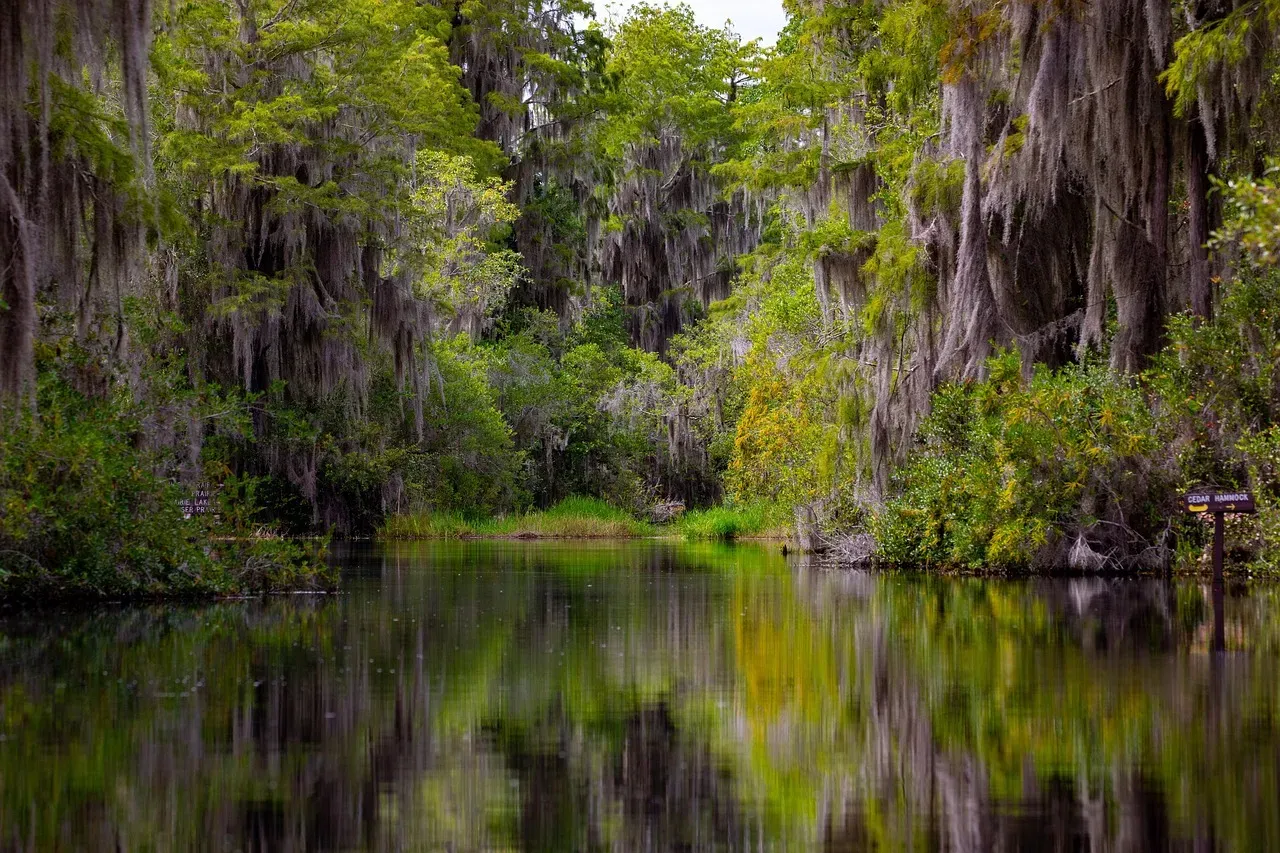
This vast 438,000-acre wetland represents one of the oldest and most well-preserved freshwater ecosystems in America. The Okefenokee sits like a dark mirror across the Georgia-Florida border, its tea-colored waters stained brown by decaying vegetation. The landscape is as prehistoric as it looks. American alligators move through the lily pads with an unhurried authority that makes it easy to believe the last major ice age wasn’t all that long ago.
The swamp functions as the headwaters for both the Suwannee River and the St. Marys River, meaning its ecological health directly influences hundreds of miles of downstream habitat. Sandhill cranes, black bears, and over two hundred bird species call this place home. Its isolation and relatively limited human access have kept it remarkably intact, which is a rare thing to be able to say about any large ecosystem in the modern eastern United States.
#10. The Ozark Highlands, Missouri and Arkansas: Home of the River Giants
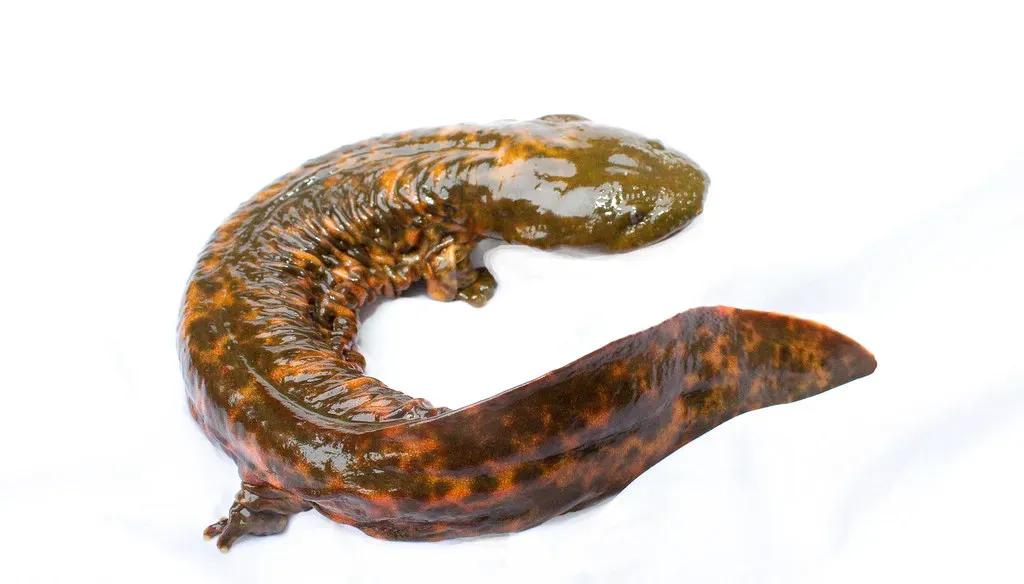
The clear, cool streams of the Ozark Highlands, particularly portions of the Current, Jacks Fork, and Eleven Point Rivers, harbor one of North America’s largest and most unusual salamanders, the Ozark hellbender. This creature is genuinely ancient-looking, a flat, wrinkled giant that can grow to two feet in length and breathes almost entirely through its skin. Unlike most salamanders, hellbenders breathe primarily through their skin, relying on oxygen-rich waters to survive. Their declining numbers highlight the importance of clean, unpolluted waterways.
The Ozark rivers that sustain hellbenders are among the clearest and coldest in the interior United States, fed by massive underground spring systems that bubble up through the limestone bedrock. These springs maintain consistent temperatures year-round, creating a stable microhabitat that has supported cold-water species for thousands of years. Montana’s rivers and lakes host the prehistoric-looking paddlefish, which can live over fifty years and weigh over one hundred pounds, using their specialized rostrum to detect electrical fields from prey animals – and the Ozark system supports similar ancient lineages of aquatic life that are found in few other places in North America.
#11. The Florida Keys: An Island Chain With Its Own Pocket-Sized Deer
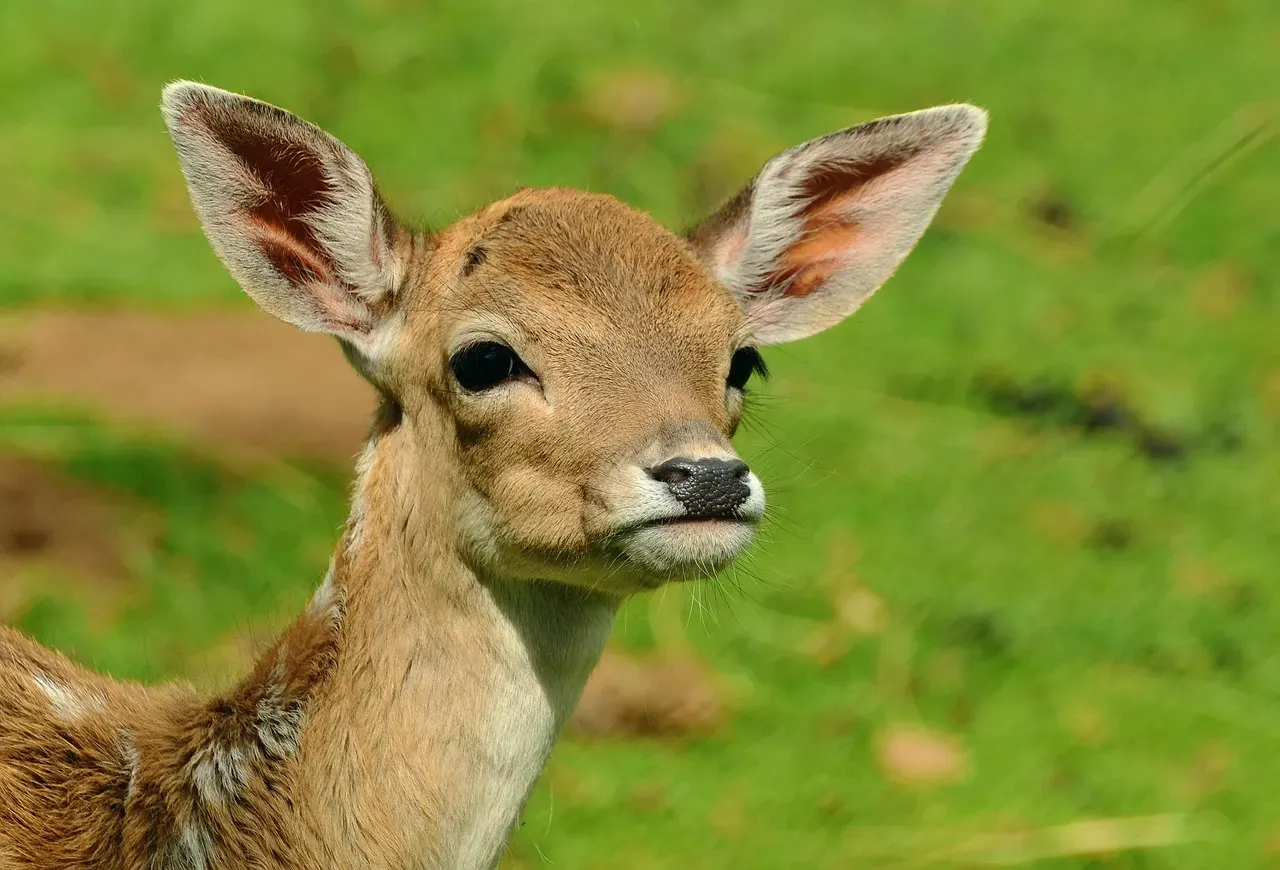
The Key Deer, a diminutive subspecies of the white-tailed deer, inhabits the Florida Keys. These deer are much smaller than their mainland relatives, standing at about thirty inches tall. Their small size is an adaptation to island life, allowing them to navigate the dense vegetation easily. Key Deer are a symbol of the unique biodiversity found in the Florida Keys. This island miniaturization phenomenon, known as insular dwarfism, has produced a deer population so small and tame they’re often spotted browsing in backyards on Big Pine Key.
The habitat they depend on, the pine rocklands and hardwood hammocks of the lower Keys, is one of the rarest ecosystems in North America, covering only a few thousand acres total. Salt marshes, mangrove forests, and freshwater lens ponds within this fragile system create multiple micro-habitats stacked on top of one another. Key Deer face threats due to habitat loss and vehicle collisions, making every protected acre of their remaining range genuinely irreplaceable.
#12. The Klamath-Siskiyou Region, Oregon and California: North America’s Biodiversity Hotspot
![#12. The Klamath-Siskiyou Region, Oregon and California: North America's Biodiversity Hotspot (By ForestWander Nature Photography (www.ForestWander.com) [1], CC BY-SA 3.0 us)](https://nvmwebsites-budwg5g9avh3epea.z03.azurefd.net/aatg/a9ad85626b3d448878e17415c144fcc2.webp)
Straddling the Oregon-California border, the Klamath-Siskiyou bioregion represents one of North America’s most biologically diverse temperate forest ecosystems. Here, the elusive fisher makes its home among ancient forests. With dark brown fur and a distinctive long body, fishers are agile tree-climbers that prey on small mammals, including porcupines, one of the few predators capable of hunting these spine-covered rodents.
Fishers faced near-extinction due to trapping and habitat loss, but recent reintroduction efforts have helped restore small populations to parts of their historic range. These nocturnal animals remain extremely difficult to spot, even for experienced wildlife watchers, but remote camera traps occasionally capture their movements through the region’s rugged terrain and old-growth forests. The sheer number of plant and animal species crammed into this convergence of mountain ranges is staggering, a product of the region sitting at the overlap of three major climate zones simultaneously.
#13. The North Cascades, Washington: The Last Truly Wild Range in the Lower 48
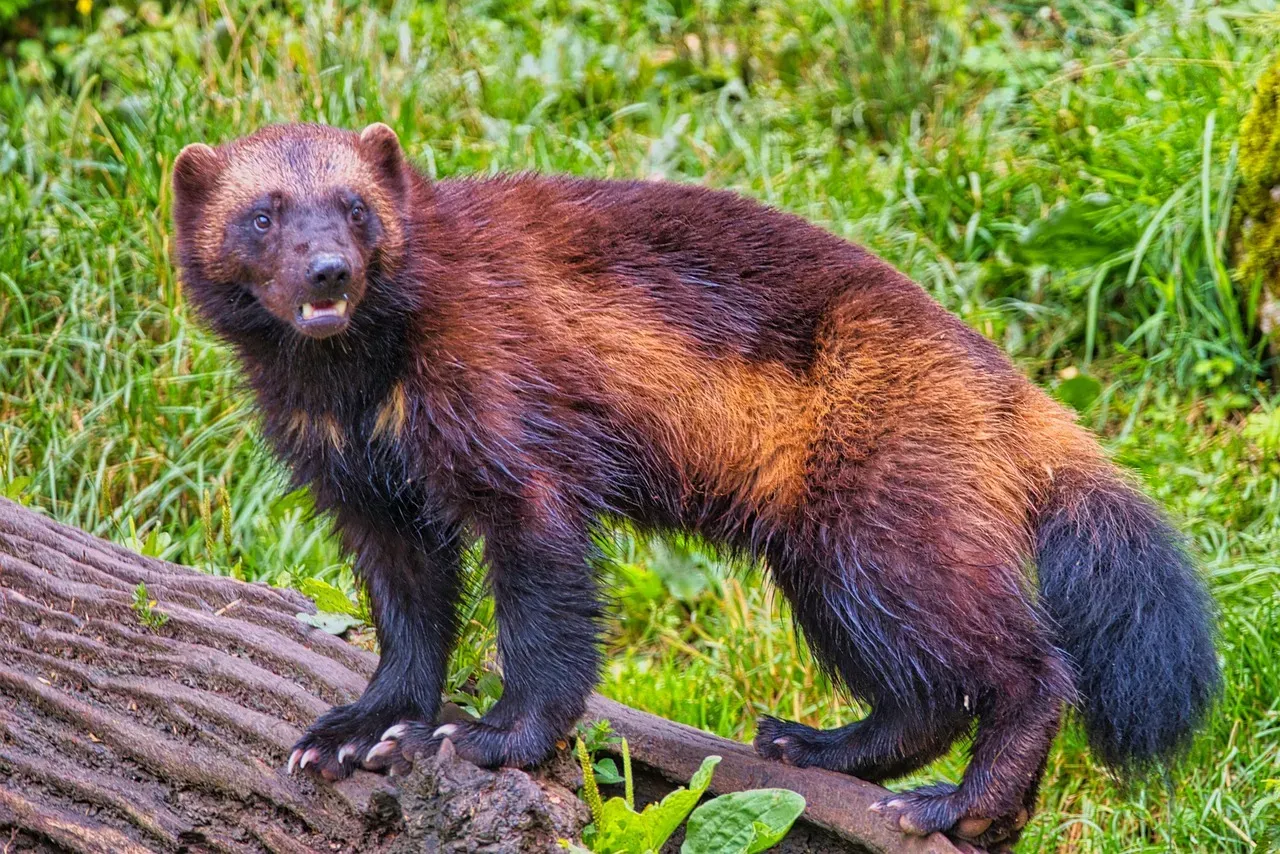
North Cascades is one of the wildest places left in the lower 48 states, a refuge for species that have disappeared from much of their former range, like wolves and wolverines. This rugged mountain wilderness receives relatively few visitors compared to its famous neighbors, yet it harbors incredible biodiversity. The park boasts one of the highest concentrations of glaciers in the contiguous United States. These glaciers feed river systems that sustain salmon runs, which in turn sustain everything from eagles to bears to the forests themselves.
Wolverines are one of the rarest and most elusive mammals in North America, seldom sighted in the park due to limited numbers and habitats in snowy high-altitude regions far removed from human encroachment. Grizzly bears roam alpine meadows while lynx stalk through dense forests. The park’s remoteness works in its favor, providing vast roadless areas where sensitive species can thrive without human interference.
#14. Hawaii’s Napali Coast and Remote Islands: An Oceanic Evolutionary Laboratory
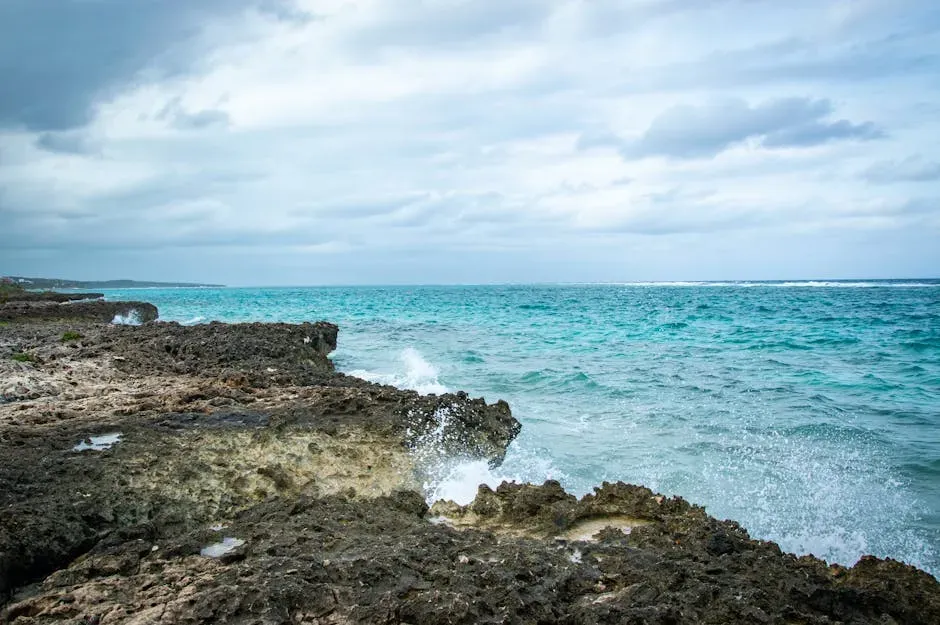
The dramatic cliffs and valleys of Kauai’s northwest shore provide critical habitat for some of Hawaii’s rarest and most endangered native birds. The remote Alakaʻi Wilderness Preserve offers intrepid hikers the chance to spot the ‘akeke’e and ‘akikiki, critically endangered honeycreepers with fewer than one thousand individuals remaining in the wild. These forest birds, found nowhere else on Earth, have adapted over millions of years to Hawaii’s unique ecosystem.
The coastal waters surrounding the Napali Coast also harbor Hawaiian monk seals, with a population of just fourteen hundred individuals, making them one of the most endangered marine mammals in the world. Hawaii’s volcanic landscapes and lush rainforests support rare birds like the ‘i’iwi and the ‘apapane, making it a birdwatcher’s paradise. Additionally, its surrounding ocean is a vital habitat for humpback whales and green sea turtles. Nowhere else in the US do geology, ocean isolation, and evolutionary time combine to produce something this ecologically singular.
#15. Texas’s Lower Rio Grande Valley: America’s Last Ocelot Stronghold
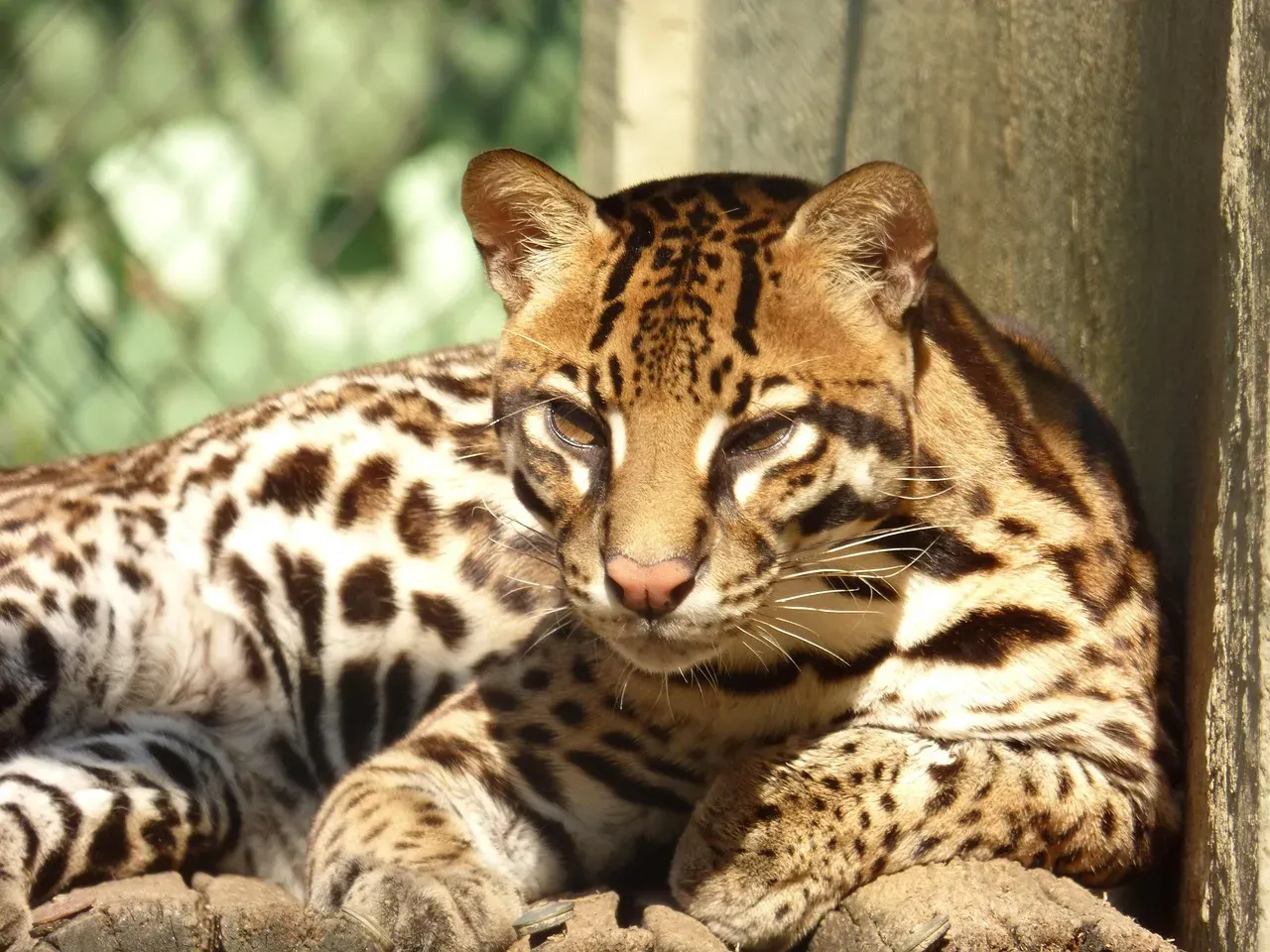
Though once ranging throughout much of the southern United States, the elegant ocelot now barely maintains a toehold in America, with fewer than fifty individuals remaining in Texas’s Lower Rio Grande Valley and surrounding areas. These medium-sized wild cats, adorned with distinctive rosettes and stripes on their golden coat, lead secretive lives in dense thornscrub habitat. Twice the size of a house cat but smaller than a bobcat, ocelots hunt primarily at night, using their exceptional vision and hearing to capture rabbits, rodents, birds, and lizards.
Habitat fragmentation represents their greatest threat, as roads and development divide their limited territory. Conservation efforts focus on protecting remaining habitat corridors and establishing wildlife crossings to help these rare felines move safely through their range. The thornscrub thickets of the Rio Grande delta are also home to the rare jaguarundi and over five hundred bird species that funnel through this narrow corridor between North and Central America. It’s one of the most biologically compressed habitats in the entire country.
A Final Thought Worth Sitting With
There is something quietly sobering about this list. Many of these habitats exist because they were too remote, too hostile, or too inconvenient for humans to develop. Devils Hole survives in part because it sits inside a national monument. The Channel Islands fox came back from the edge. The Everglades remains wet enough to function because of legal battles fought over decades.
The honest conclusion isn’t that America is bursting with untouched wilderness. It’s that what survives does so because people chose, sometimes barely in time, to protect it. From the alpine ridges of Washington to the subtropical wetlands of Florida and the coral-fringed shores of the Virgin Islands, the United States shelters an extraordinary range of endangered and elusive species. Each region is more than a destination. It is a refuge for creatures fighting for survival against the pressures of habitat loss, climate change, and human encroachment.
The most radical thing these fifteen habitats have in common isn’t their strangeness. It’s their fragility. And that’s worth more than a moment’s reflection.

- 10 Native Plants That Quietly Bring Fireflies Back - July 27, 2026
- 5 Animals You Can Only Find in Louisiana - July 27, 2026
- 5 US States With the Most Bulls - July 27, 2026