
They Seek Your Constant Presence
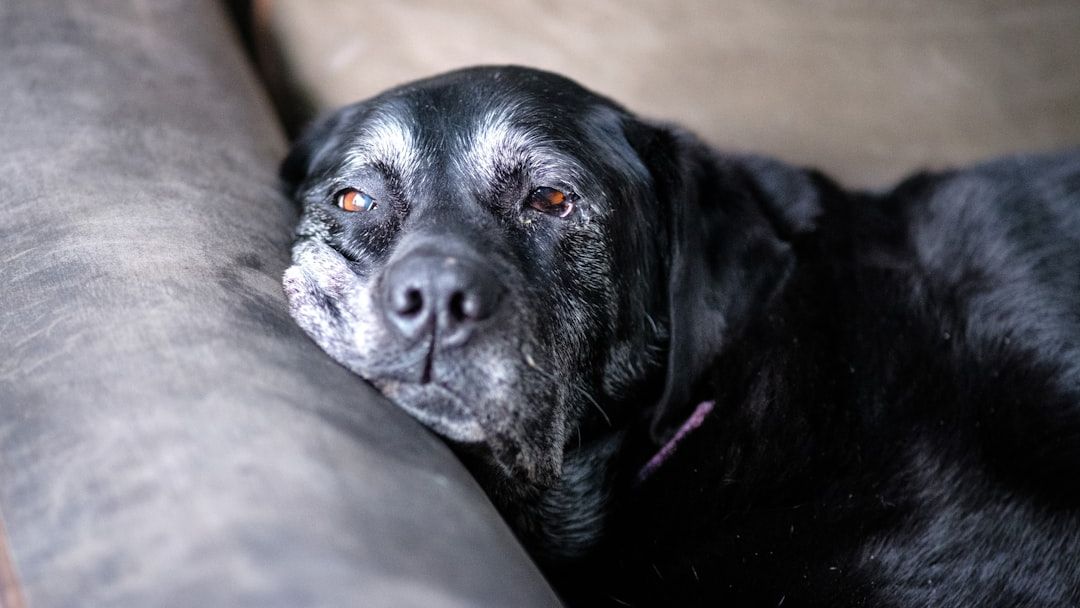
One of the most quietly heartbreaking things a dying dog can do is simply follow you everywhere. Some dogs become unusually clingy, seeking constant companionship and reassurance from their owners. This end-of-life behavior can be interpreted as a way of seeking comfort and expressing their bond. It’s instinctive and raw. They want to be near the people who have defined their whole world.
Many dogs get really snuggly at some point near the very end of their lives. They want to make absolutely sure that you know that you are loved before they are forced to leave you. It’s one of the most endearing qualities of the species, that even in their most vulnerable moments, their first instinct is to reassure you rather than themselves.
They Give You That Long, Lingering Gaze
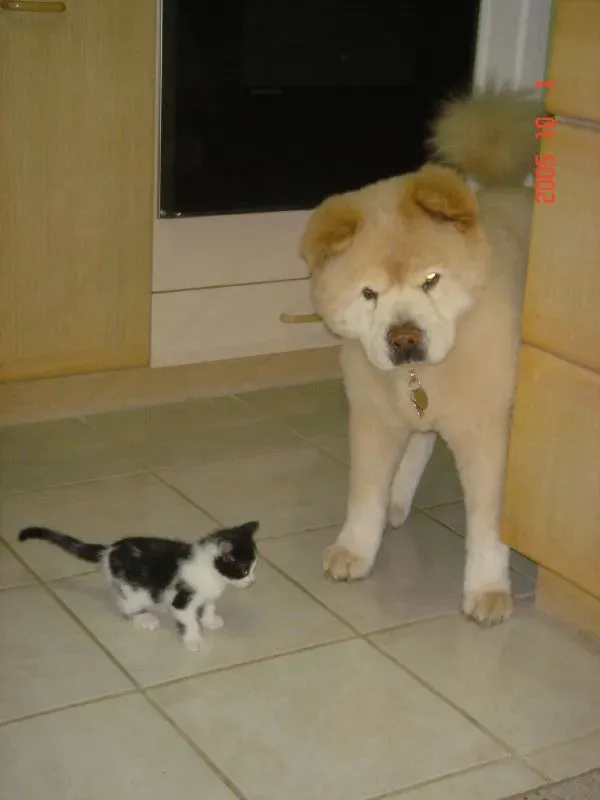
Many pet owners report that their dogs make prolonged eye contact as if trying to communicate something profound. This can be seen as a final connection or farewell. For those who’ve been on the receiving end of it, there’s almost no way to describe the feeling. It’s not a glance. It’s a whole conversation carried through the eyes alone.
If your dog is spending lots of time gazing at you with adoration, snuggling into your lap, or doing their best to request a belly rub given their limited movements, you might see that as a warning sign. A difficult sign to notice, but one that deserves to be recognized for exactly what it is: an act of devotion.
They Experience a Sudden, Unexpected Burst of Energy
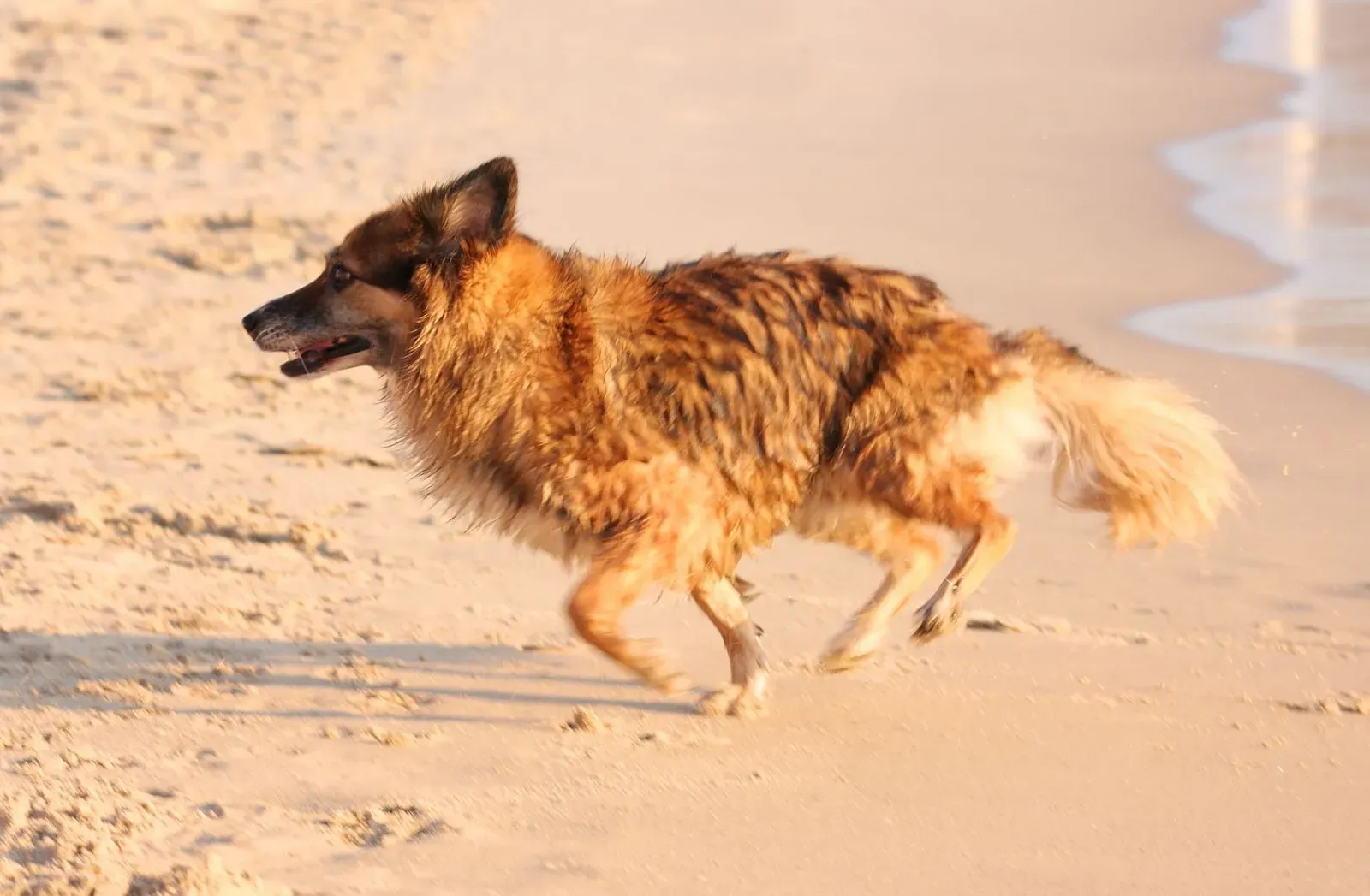
It’s not uncommon for dogs to have a sudden burst of energy before they pass away. This phenomenon, often called the “last bloom” or “rally,” can be confusing and misleading, giving pet owners false hope of recovery. The dog who hadn’t moved much in days might suddenly trot to the kitchen, wag their tail, or try to play with a toy they haven’t touched in weeks.
This rally, as heartwarming as it is, tends to be brief. It’s worth cherishing without clinging too tightly to it as a sign of recovery. These signs offer pet parents insight into their dog’s physical and emotional state during their final transition. In some ways, a final bloom feels like a dog using whatever reserves they have left to show you who they really are, one last time.
They Begin Seeking Quiet, Unusual Places to Rest

As their body temperature regulation changes or their urge to feel safer increases, dying dogs start seeking unusual places to rest. This could include under furniture, in closets, and in other secluded spots. Your dog may want to be away from the hustle and bustle of daily household activities. It can feel like rejection, but it isn’t.
Many aging dogs can sense when their time is coming and choose to withdraw from the family. Some canine behaviorists believe dogs isolate themselves at the time of their death as an instinct to not slow down the pack or cause unnecessary trauma for loved ones. Not everyone supports this theory, but social withdrawal often happens at the end of a dog’s life. Respecting that need for stillness is its own quiet form of love in return.
They Stop Eating, But Still Accept Your Offering
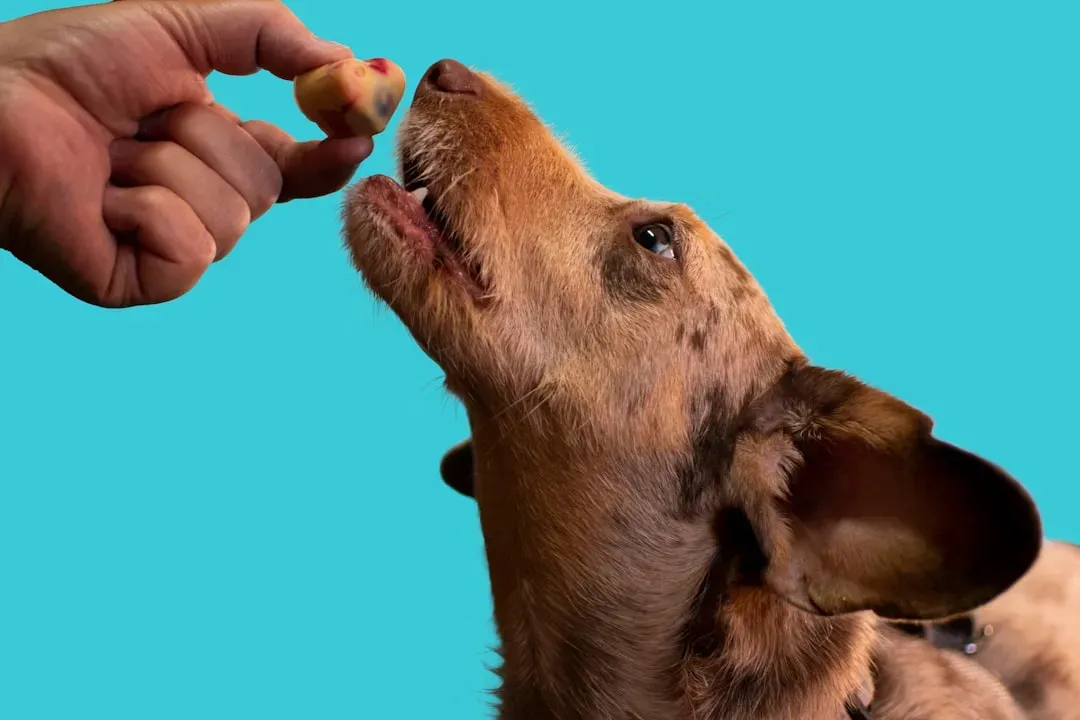
Pets may lose interest in food or water as vital organ functions begin to shut down. Your dog may be reluctant to approach their food bowl, but continue to take treats, or they may stop eating altogether. This shift in appetite can be gradual or seemingly sudden, and it’s one of the clearest physical signals that something has changed in the body’s rhythms.
The tender detail worth holding onto is this: even when food holds little appeal, many dogs will still accept a small piece of something offered directly from your hand. Refusing to eat even highly palatable foods or favorite treats indicates a general lack of enjoyment in things that once pleased them. When a dog still accepts that offered morsel, even reluctantly, it’s as though they’re accepting the love behind the gesture rather than the food itself.
They Lean Into Touch More Deeply Than Before
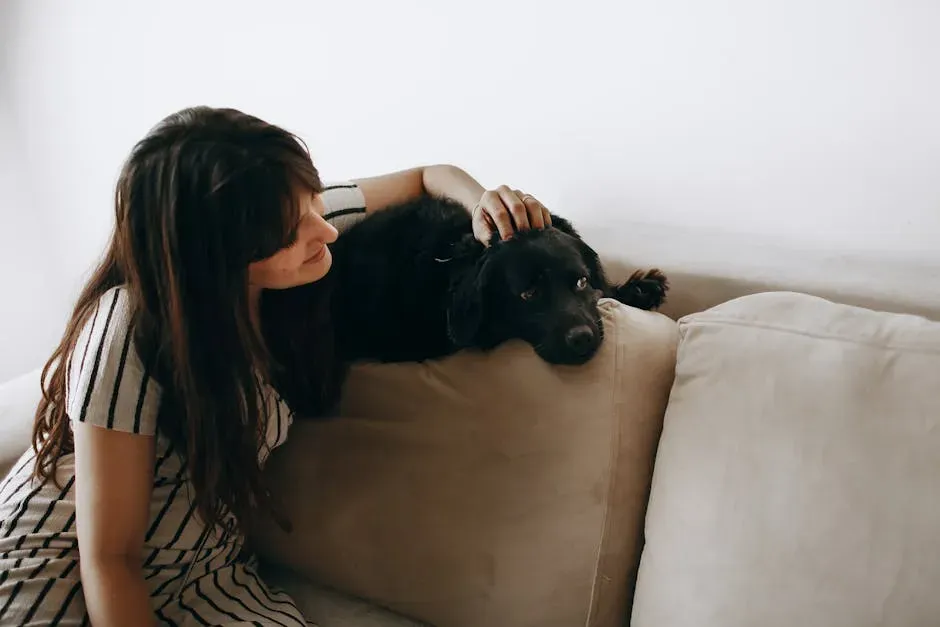
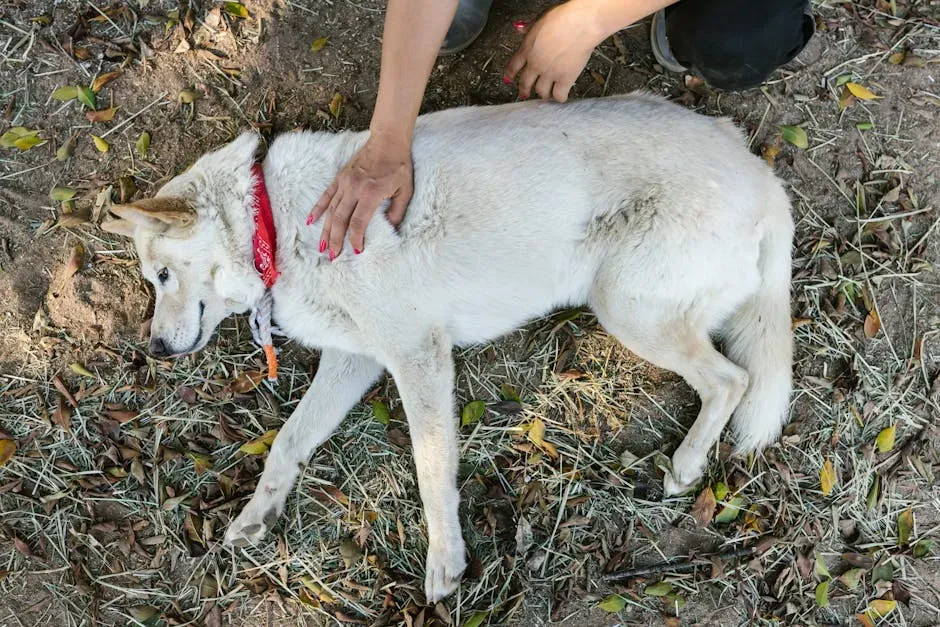
Whether it’s sharing a favorite snack, lying together in a quiet room, or simply holding your dog’s paws, these final moments are part of the bond you’ll carry forever. Touch becomes something different at the end of life. It’s no longer casual. It’s everything. Dogs often press themselves more deliberately into their person’s hands, as though they’re memorizing the feeling.
Spend time with your dog. Your presence can help keep your dog calm and know they are loved, even if it’s just sitting next to them. What’s striking is how bidirectional that comfort turns out to be. The hand that strokes a dying dog finds as much peace in the giving as the dog finds in the receiving. Those quiet moments are something neither party will forget.
They Become Uncharacteristically Still

One of the most difficult moments comes when a dog stops responding to those who love it. The pet that once lifted its head to a kind voice may lie still for hours. The paws that paced the floor might remain limp all day. This stillness can feel alarming to watch, especially if your dog was always energetic and expressive. It’s a hard adjustment for loving owners to make.
This calm state can be hard to understand, but it often arrives in those last days. It might be their way of easing into what comes next. There’s something almost meditative about a dog who has settled fully into the present moment. They aren’t fighting what’s happening. They’re simply resting inside it, which, in its own way, is a kind of grace worth witnessing.
They Show Changes in How They Vocalize
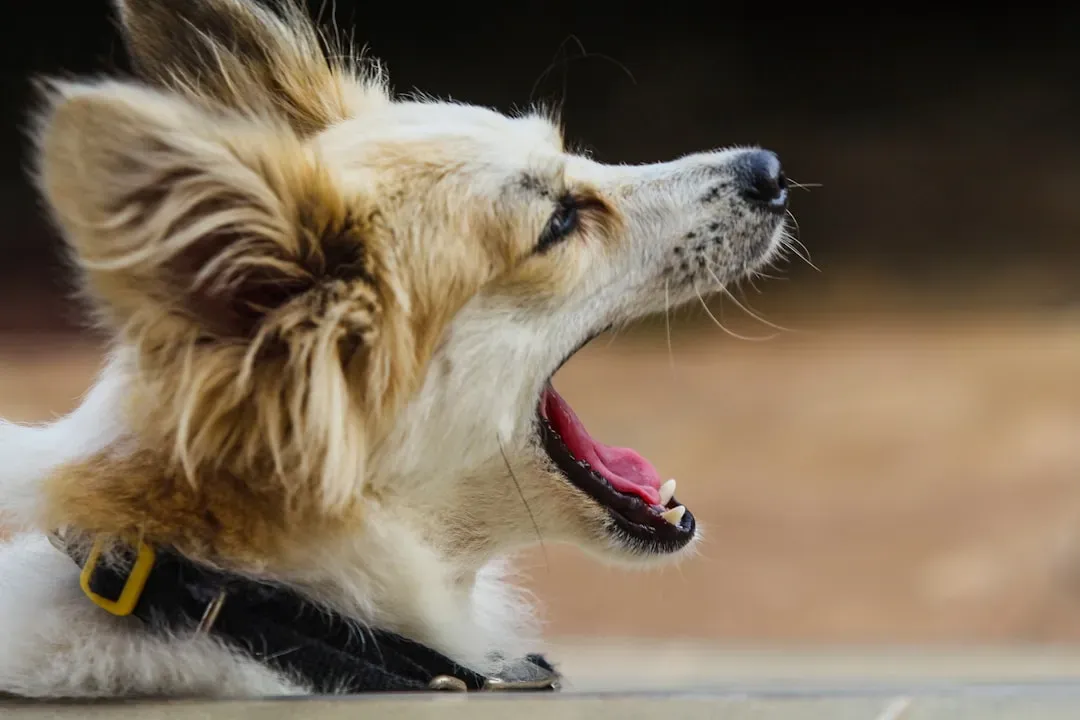
Vocal changes may occur as a dog nears the end of their life. You might notice a softening or reduction in barking, or occasional unusual vocalizations. These changes often reflect internal adjustments as they conserve energy and cope with discomfort. The dog who once barked at every passing car or doorbell may now barely stir. It’s one of the subtler signals, but it carries weight.
Occasionally, the opposite happens. Your dog might bark excessively, whine or, in some cases, stop barking altogether. Unusual vocalizations or a change in vocalization to a lower tone may indicate stress or pain. Whimpers or soft cries aren’t always signs of agony. Sometimes they seem closer to an expression of something the dog simply cannot hold silently anymore. Sitting with them through those moments, speaking softly and steadily, is one of the most meaningful things you can do.
They Follow Familiar Routines as Long as They’re Able
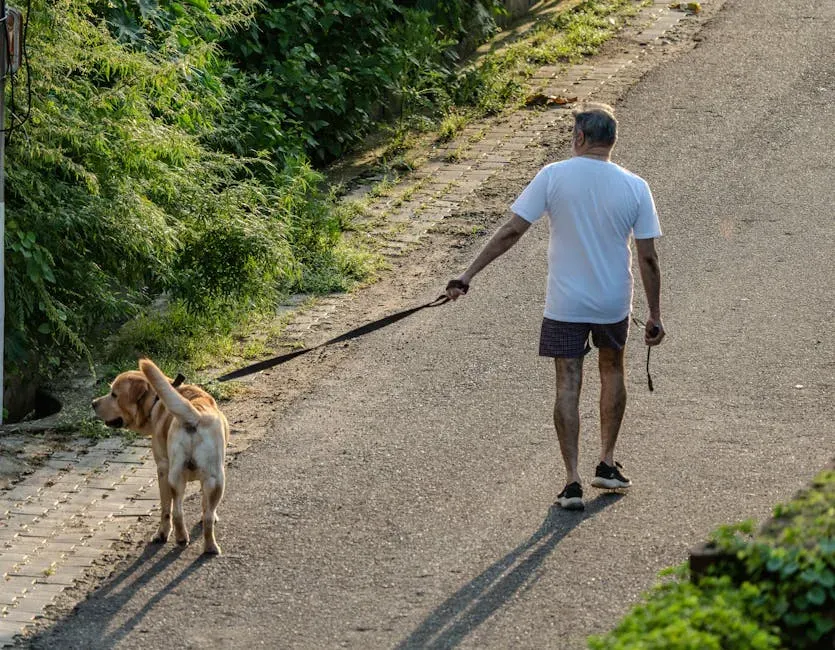
Familiar routines can help a dog manage anxiety and depression near the end of their life. Avoid big changes in your dog’s day-to-day activities and environment. What’s remarkable is that many dogs push through remarkable physical difficulty to participate in the routines that have defined their bond with their family. A slow walk to the favorite spot in the yard. Waiting by the door at the usual time. These aren’t accidents. They’re effort.
When dogs are nearing their final stage, they may lose interest in activities they once enjoyed. A friend that once tugged at the leash, ready to trot outside, might suddenly ignore the door, choose to rest instead of walk, or even decline a short stroll. This shift may indicate that the body is no longer functioning as it once did. The day a dog stops trying to keep up with a beloved routine is often one of the clearest indicators that their body is truly running out of time.
They Rest in the Spaces That Smell Like You
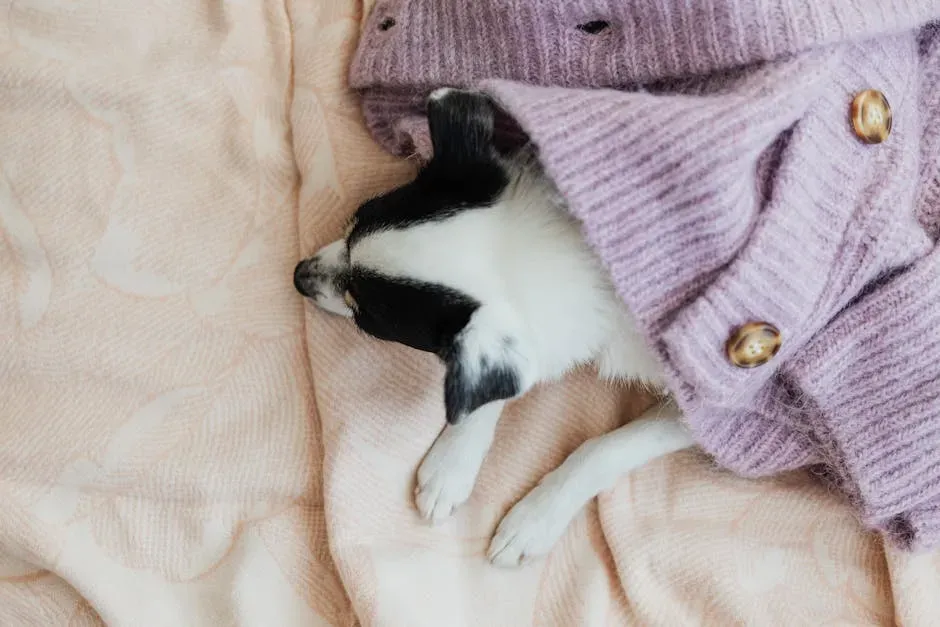
Dogs navigate the world primarily through scent, and in their final days, that instinct intensifies in a beautiful and bittersweet way. Signs can include seeking more alone time or resting in unusual places, or conversely, seeking extra attention and closeness with the family. Many owners notice their dogs gravitating to a worn sweater, a favorite chair, or a side of the bed that carries the owner’s scent most strongly. It’s deliberate.
Before dogs cross the rainbow bridge, you might notice odd behaviors and changes in how they react to their surroundings. As dogs approach the end of their lives, their senses may begin to decline, affecting how they perceive and interact with their environment. Even as sight and hearing fade, the sense of smell often remains strong longer. Choosing to rest where you smell the most isn’t random. It’s a dog anchoring themselves to the person who has been their whole world, one last time.
A Final Thought
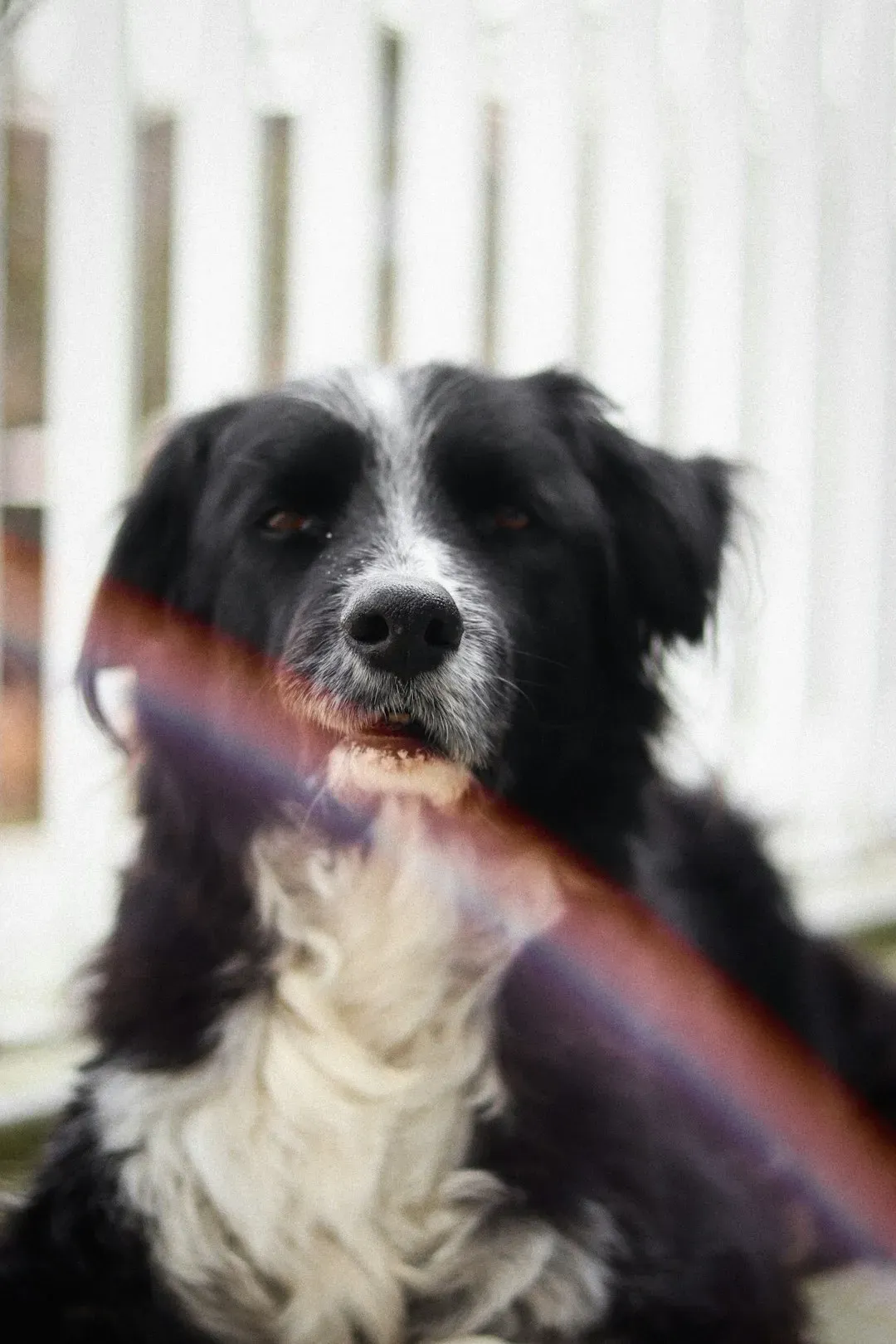
Grief over a dog isn’t a small thing, and it shouldn’t be treated as one. A dog’s companionship is measured by years of shared moments. Their exit from this world does not erase the times they greeted us at the door, made us smile when days were heavy, or curled up close when we felt alone. Those memories remain vivid, etched into our hearts, weaving a lasting bond.
The concept of the Rainbow Bridge stems from a comforting piece of modern folklore that helps pet owners cope with the death of a beloved animal. According to this narrative, when a pet dies, they cross a mythical bridge to a serene and beautiful meadow where they are restored to full health and vigor. Whatever you believe about what comes after, the love that passes between a person and a dog in those final days is as real as anything gets.
Recognizing these last acts of love won’t make the loss easier, but it can make the goodbye more meaningful. This end-of-life decision is never easy for a dog owner, but it can be your final gift of love, and your dog’s last moments can be free of fear and suffering. That, in the end, is what they’ve always deserved, and what they’ve always given us without condition. The least we can do is show up the same way.

- 12 Surprising Facts About Reindeer - July 30, 2026
- 10 Common Bird Feeder Mistakes That Could Harm Your Backyard Visitors - July 30, 2026
- How Beavers Are Naturally Restoring Wetlands and Preventing Flooding - July 30, 2026