
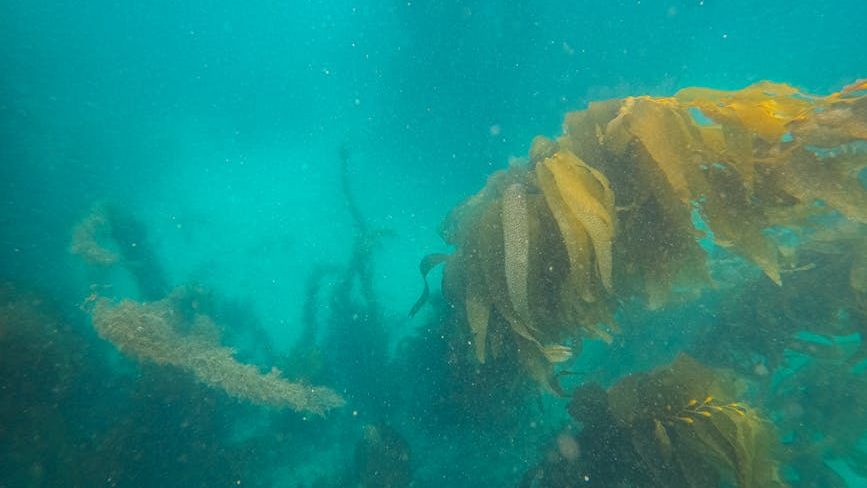
A World Swallowed by Rising Seas
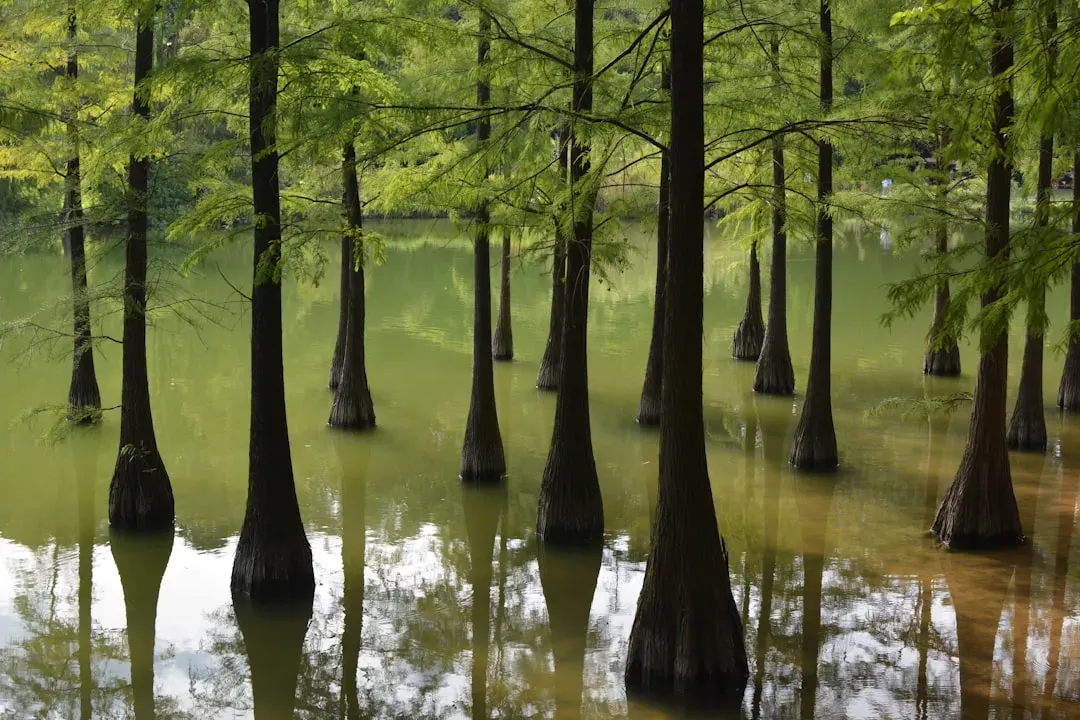
To understand why trees are sitting on the floor of the Gulf of Mexico, you have to go back a very long time. North America had a very different climate between roughly 50,000 and 80,000 years ago. During that time, a large portion of the continent was covered in glaciers, sea levels were much lower, and the land now submerged off the Alabama coast was not underwater at all.
During the last glacial period, sea levels were significantly lower, exposing vast areas of what is now the Gulf of Mexico. In this exposed land, cypress trees grew, forming a dense forest. As the glaciers melted and sea levels rose, the forest was gradually submerged, leaving behind a snapshot of a world that once existed above the waves.
The forest dates to an ice age more than 60,000 years ago, when sea levels were about 400 feet lower than they are today. That’s a staggering shift. The coastline that ancient animals and, possibly, early humans would have walked along no longer exists on any map.
Hurricane Ivan: The Storm That Revealed Everything
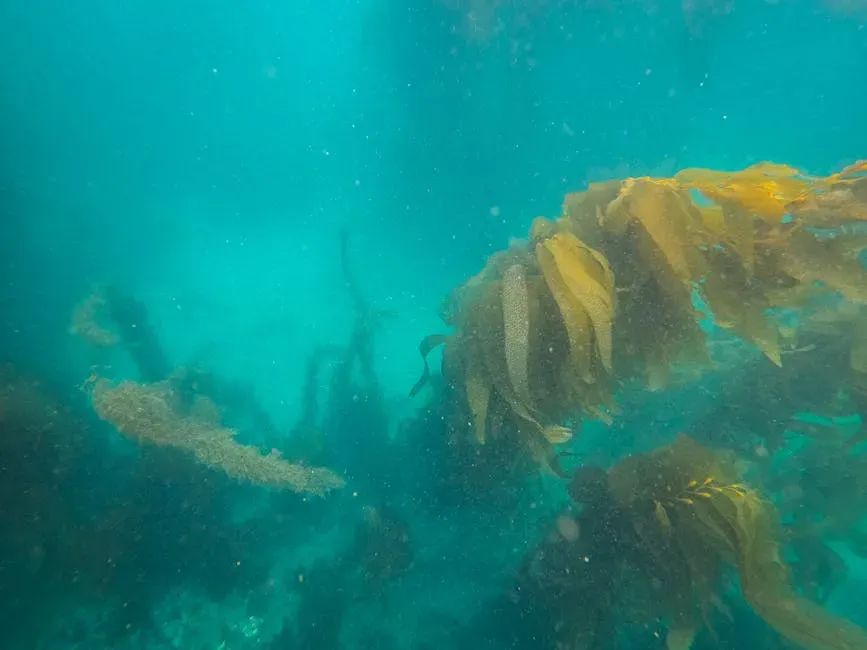
On the Gulf floor is what’s left of a massive cypress forest that grew during an ice age, when the shoreline was much farther south than it is now. The forest was lost to the rising sea and buried in mud for millennia, until the winds and waves of Hurricane Ivan unearthed the prehistoric site in 2004.
Scientists did not know the forest existed at all until Hurricane Ivan tore overhead in 2004. The passing storm shoved off the heavy blanket of sand that had preserved the trees for so long. After the storm, a fisherman was surprised to find an abundance of fish. He asked some diver friends to investigate, and they reported tree stumps scattered across the seafloor.
There’s something poetic about it, in a roundabout way. A catastrophic storm destroyed coastlines above the water while simultaneously uncovering one of the most significant natural sites ever found beneath it. While ocean water and waves normally erode coastal deposits, the Alabama Underwater Forest, as it’s become known, was quickly buried in low-oxygen muds and sediment, forming a protective layer that kept the wood in extraordinary condition for longer than modern humans have been on the planet.
The Discovery That Almost Stayed Secret
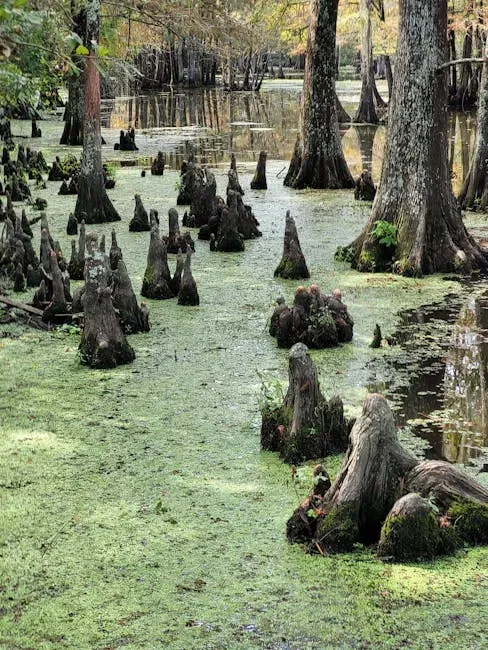
Because scuba divers often take artifacts from shipwrecks and other sites, the dive shop owner refused to disclose the location for many years. In 2012, the owner finally revealed the site’s location after swearing journalist Ben Raines to secrecy. Raines then did his own dive and discovered a primeval cypress swamp in pristine condition.
Raines went down the anchor line, and when he hit the bottom, there it was. The first stump was about as big around as a garbage can lid, but with that very distinctive irregular shape that a cypress trunk has. It was surrounded by knees – the characteristic protrusions cypress trees grow to anchor themselves and exchange gases – here on the bottom of the ocean.
He swam a few feet further and there was another stump, and a few feet more, another one, until he quickly realized they were all around him in every direction. What had been whispered about for years among a tight circle of local divers was suddenly, undeniably real.
What the Forest Actually Looks Like Down There
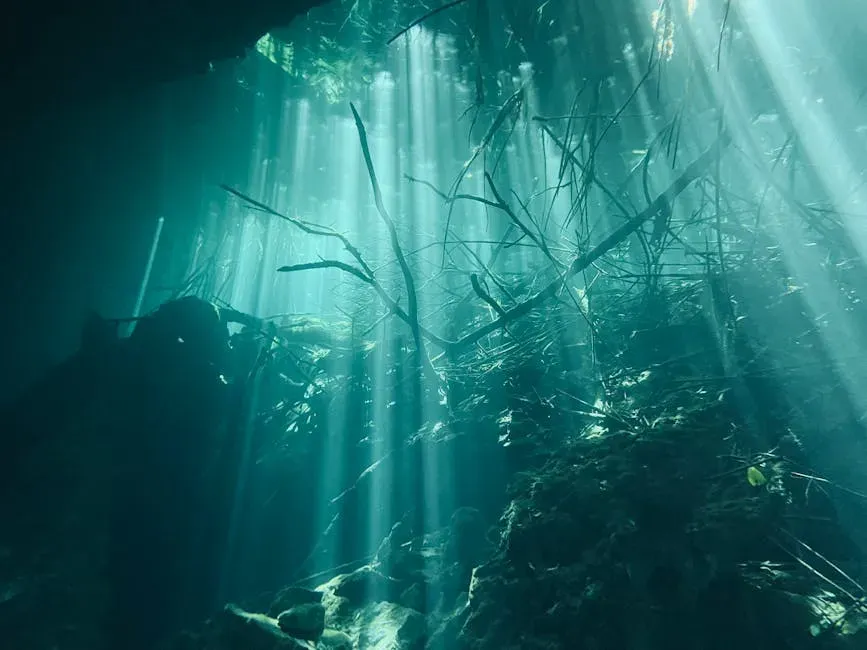
The forest contains trees so well-preserved that when they are cut, they still smell like fresh cypress sap. The stumps of the cypress trees span an area of at least half a square mile, several miles from the coast of Mobile, Alabama, and sit about 60 feet below the surface of the Gulf of Mexico.
The site has since been described as the equivalent of a coral reef in the tropics, with anemones growing on the tree stumps and attracting turtles, octopuses, eels, crabs, sharks and abundant fish of many species. It’s a genuine ecosystem built on top of a prehistoric one, two worlds layered on top of each other at the bottom of the sea.
There are large stumps, roots and logs from the ancient bald cypress forest about 60 feet below the surface. Some of those logs measure nearly eight feet in diameter. Standing next to one of these stumps underwater, you’d be looking at something that last saw sunlight when woolly mammoths still roamed the earth.
The Science Locked Inside the Wood
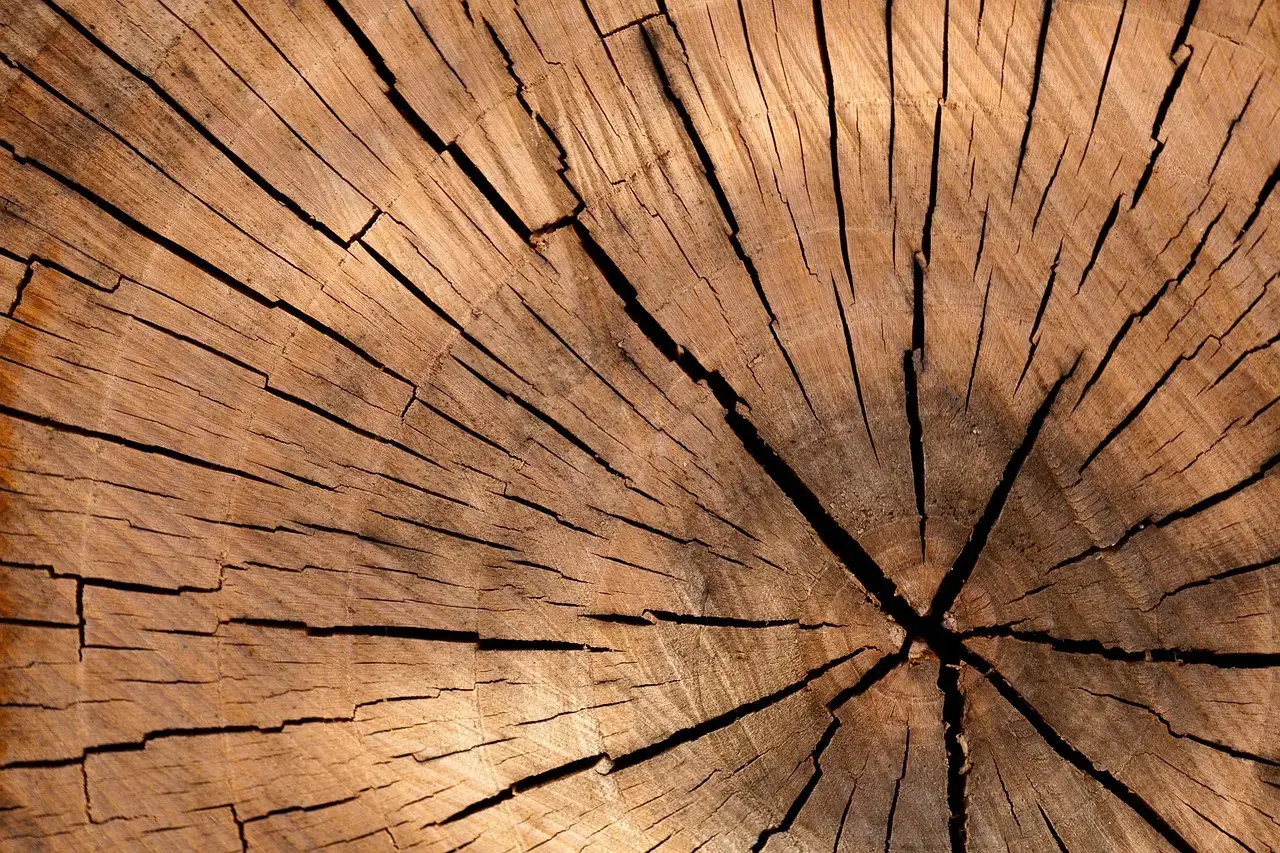
Associate Professor Grant Harley and his research team developed a 489-year tree-ring chronology using wood from the underwater forest. Using core samples taken from the drowned forest, the research shows the growth and sudden death of the forest after it was submerged by intense storm activity and sea-level changes that resulted from melting glaciers.
By analyzing growth rings and wood samples from the underwater cypress trees, scientists can reconstruct ancient climate patterns and environmental conditions. These findings reveal details about precipitation, temperature, and even wildfire frequency thousands of years ago. Such insights help researchers better understand how ecosystems responded to past climate shifts.
There is evidence that these trees were stressed and died around the same time, possibly as the result of rising sea levels. That’s a pattern that seems to be repeating today as Louisiana’s coastline erodes away. The forest isn’t just a relic. It’s a warning written in wood, and scientists are still learning to read it.
The Swamp Power That Preserved It All
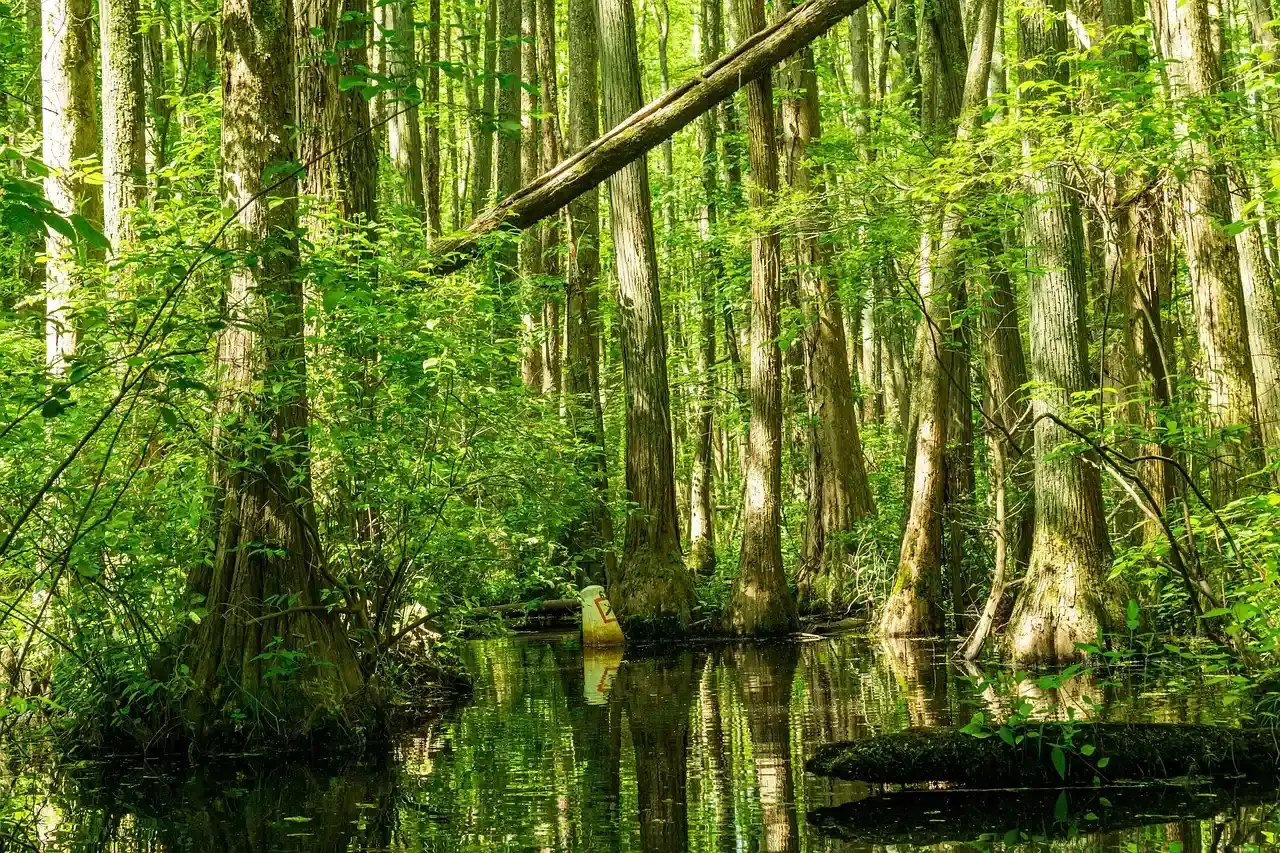
Chemical and pollen analyses found that the bald cypress trees were buried in sediment from swamp and marsh ecosystems, like those in the southeastern United States today. Such low-oxygen environments helped preserve the wood, which is more than 60,000 years old and grew on land at a time when sea levels were much lower than they are today.
Sedimentation processes played a pivotal role in the forest’s preservation. Layers of silt and sand carried by ocean currents and river outflows settled over the submerged trees, creating an anaerobic environment that shielded the wood from decomposition. This sedimentary blanket not only protected the forest but also acted as a geological archive, capturing the environmental changes that occurred over millennia.
That this forest was preserved intact implies “a rate of sea level rise that’s high enough that it allows for lots of sediment to bury that area really quickly,” according to Emily Elliott, a University of Alabama coastal geologist. In other words, the very flood that killed the forest also sealed it, like a natural time capsule laid down by geological accident.
Protecting What Remains Before It’s Gone
The forest is endangered by its own fame. Presumably interested in its novelty, one furniture company has already submitted requests to salvage the ancient wood. The idea of 60,000-year-old cypress being turned into coffee tables is, to put it plainly, the kind of thing that should outrage anyone with a basic sense of what this site represents.
One of the most critical aspects of the forest’s ongoing study is the closely guarded secret of its precise location. Researchers intentionally withhold the specific GPS coordinates to protect this invaluable natural treasure. DeLong says onlookers even tailed their scientific vessel when they undocked, hoping to find the hidden forest. To throw off curious boaters, they took a winding course at sea.
As DeLong has noted, understanding the conditions that led to the preservation of this ice age forest ecosystem will help resource managers, stakeholders, and scientists find other such locations on the continental shelves of our coasts. Scientists believe that other submerged forests or ancient landscapes may lie hidden beneath the waves, waiting to be uncovered. The Alabama site, remarkable as it is, may be just the first chapter.
Conclusion: What the Deep Knows That We’ve Forgotten
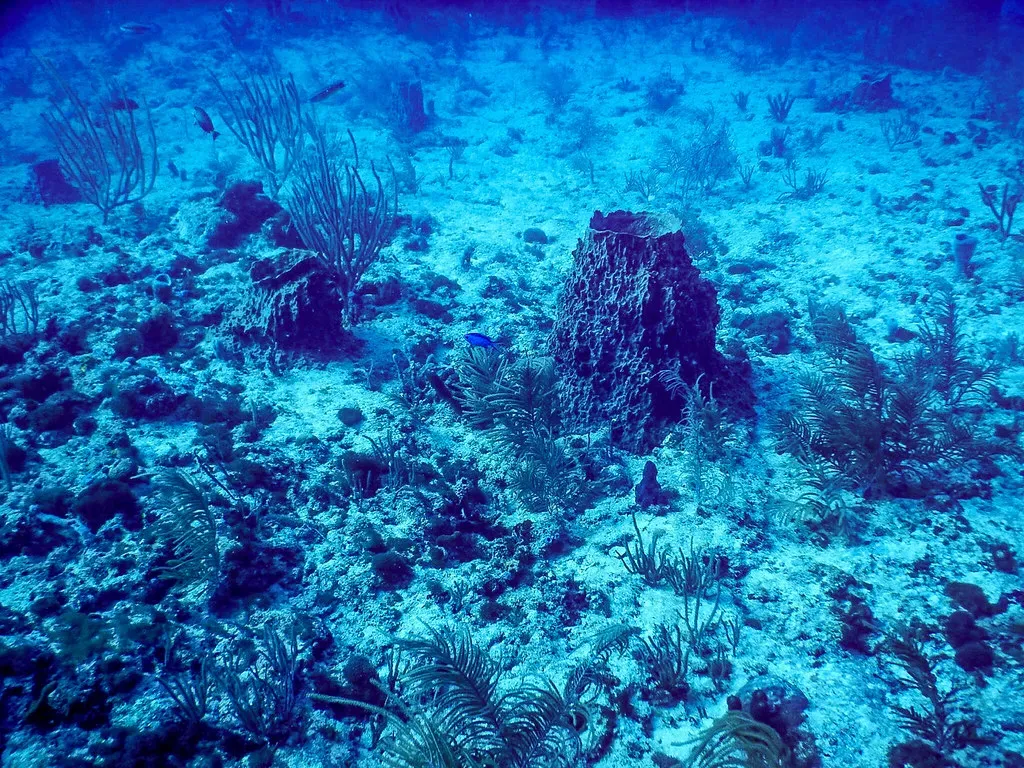
There’s a tendency to think of the ocean floor as empty, as a featureless desert below the productive surface world we study and photograph. The Alabama underwater forest breaks that assumption entirely. It tells us that the earth beneath our coastal waters is layered with history we haven’t begun to fully read.
What strikes me most about this story isn’t just the science, impressive as it is. It’s the fact that a fisherman noticing too many fish in one spot, a diver curious enough to follow a GPS coordinate, and a journalist willing to pester someone for years all played equally important roles in surfacing one of the most significant natural finds in American history. Discovery rarely announces itself cleanly.
The forest has survived storms, rising seas, millennia of darkness, and the slow creep of marine organisms eating at its edges. Whether it survives human curiosity and commercial appetite is a question that still doesn’t have a settled answer. That’s worth sitting with. Some things are worth protecting not because they’re useful to us, but because they existed long before we did – and deserve the chance to outlast us too.

- 10 Amazing Facts About Penguins - July 24, 2026
- 8 Ways to Create a Wildlife-Friendly Backyard Oasis for Local Critters - July 24, 2026
- How to Keep Your Pet Safe from Household Hazards - July 24, 2026