
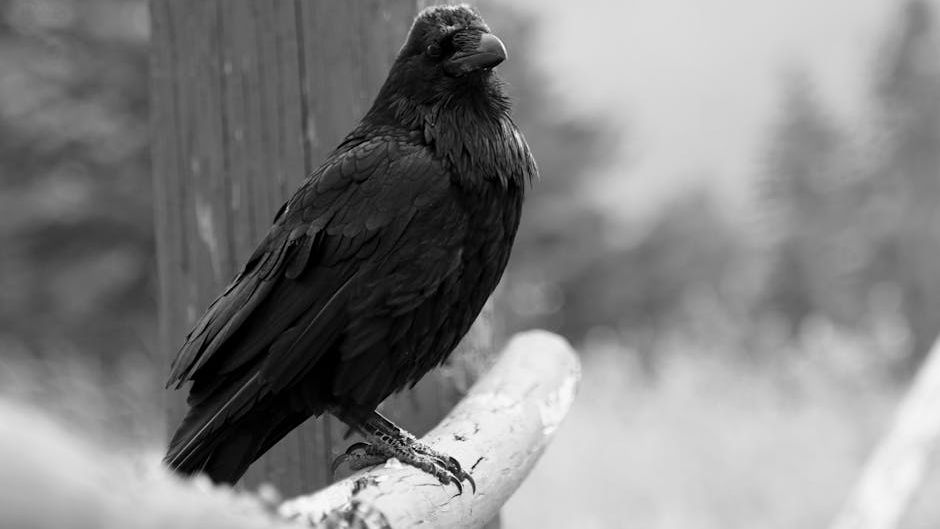
1. Young Ravens Match Adult Chimpanzees in Intelligence Tests
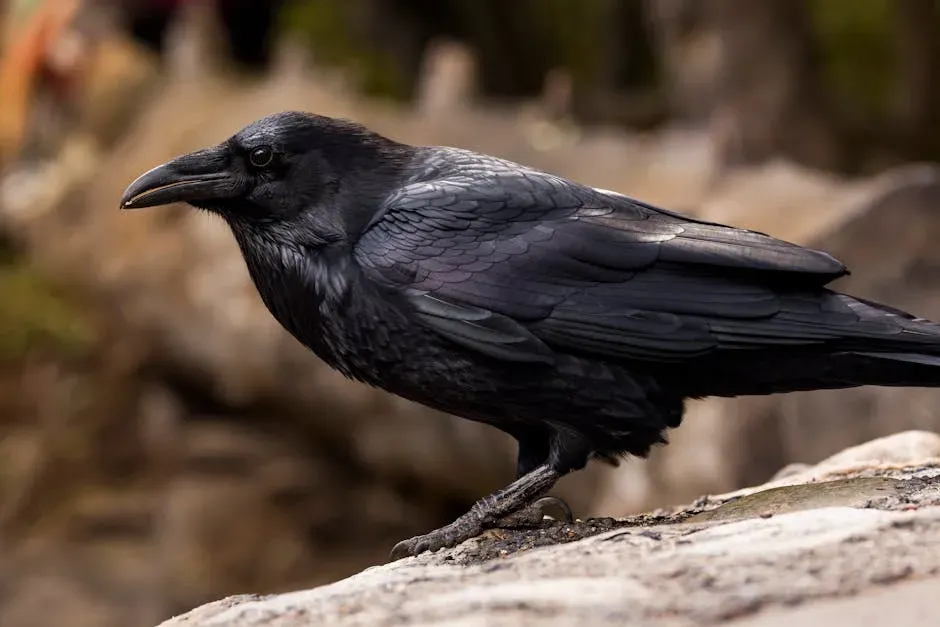
The comparison might sound like an exaggeration, but it’s backed by peer-reviewed science. Ravens performed just as well as chimpanzees and orangutans across a broad array of tasks designed to measure intelligence, with researchers concluding they have “very strong evidence” that ravens are cognitively “very similar to great apes.”
What makes this even more striking is the age factor. Researchers were surprised to find that by just four months old, the birds had mastered most tasks, with the young ravens’ results comparing similarly to those of adult chimpanzees and orangutans that had been previously tested. They’re not slow developers who eventually catch up. They arrive cognitively ready.
2. They Plan for the Future Like Humans Do
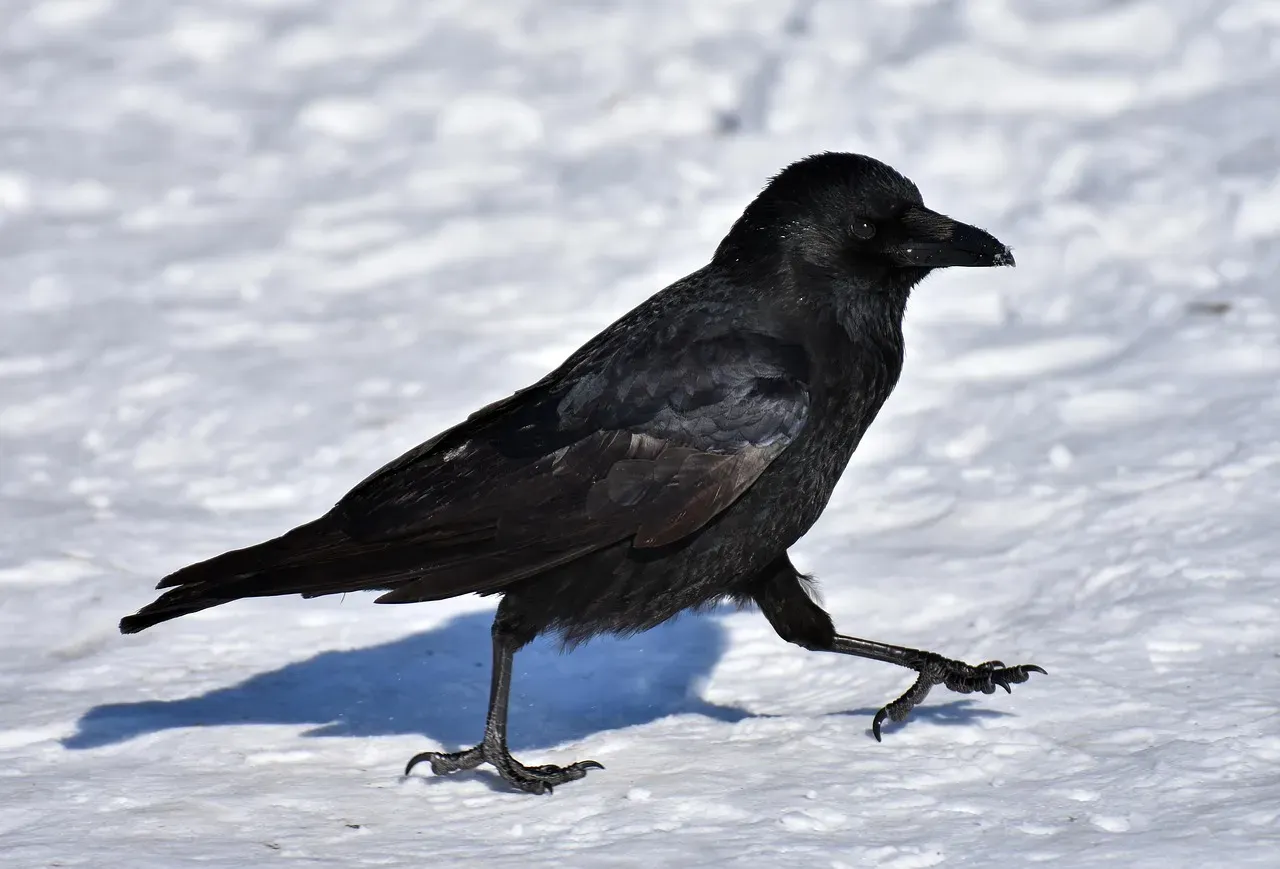
Future planning was long considered a distinctly human trait, one of those cognitive markers used to argue for our uniqueness as a species. Ravens disrupted that assumption. A trademark of being human is the flexibility to plan for future events, and scientists previously believed these behaviors were unique to hominids because no other animals were thought to have such abstract thinking skills. Ravens changed the conversation.
Researchers designed experiments where ravens were taught that placing a special tool into a box would release their favorite food. The box and tool were then taken away, and an hour later the ravens were offered a choice of objects. About 80 percent of the time, the ravens selected the correct tool and performed the task to get their treat. They weren’t reacting to the present. They were preparing for it.
3. Ravens Outperform Monkeys and Four-Year-Old Children
The planning experiments didn’t stop at great apes. Researchers pushed further, and the results were genuinely startling. Monkeys have not been able to solve similar tasks, and in almost identical experiments on four-year-olds, the ravens were technically more successful in planning ahead to open the reward box than toddlers.
Researchers also set up an experiment to test the birds’ bartering skills, instructing the ravens how to exchange tokens to get their favorite foods at a later time. The birds passed these tests with flying colors over 90 percent of the time. The ability to defer reward and engage in exchange behavior is remarkably complex, and ravens handle it almost routinely.
4. They Practice Tactical Deception
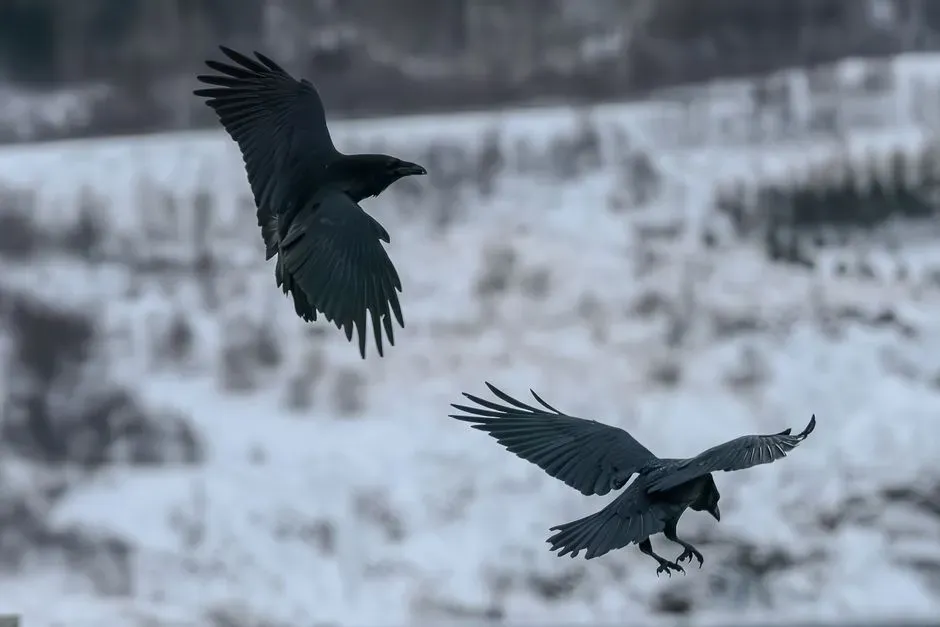
Ravens don’t just solve problems. They deceive. These birds possess a “theory of mind” and know when they’re being watched. If caching food under observation, a raven will fake hiding it in one spot while secretly stashing it elsewhere. That’s not instinct. That’s tactical deception.
When confronted with competitors, ravens will create “fake” caches to mislead observers, only storing their real treasures when they believe they’re unobserved. This requires understanding what another individual can and cannot see or know, a remarkably sophisticated cognitive feat. The deception is calculated, not accidental, which puts it in an entirely different category from most animal behavior.
5. Their Problem-Solving Skills Include Multi-Stage Puzzles
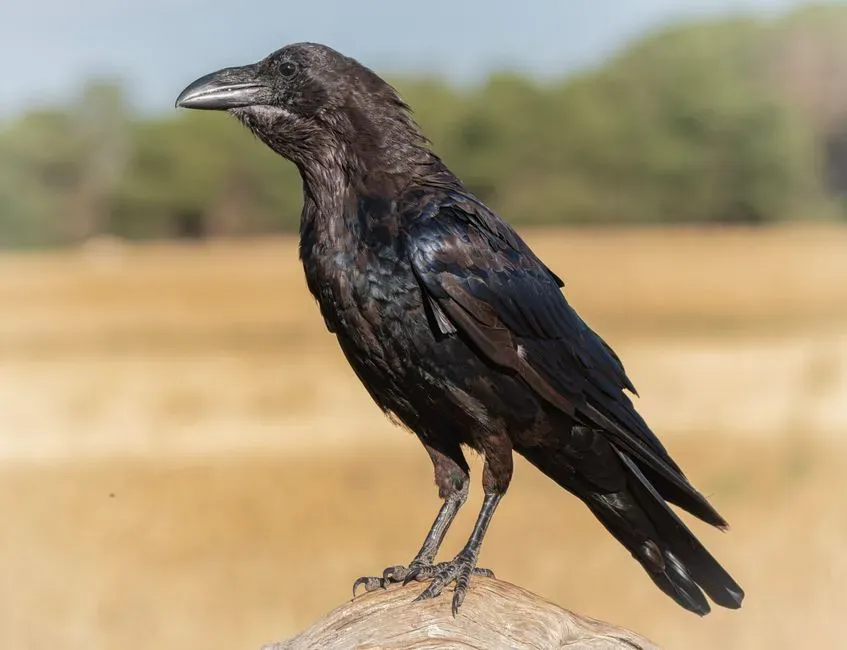
Tool use is impressive on its own. Multi-stage sequential problem solving is on another level entirely. Ravens have demonstrated an understanding of water displacement, dropping stones into a container to raise the water level and access a reward. One raven successfully completed an eight-stage puzzle in the correct order using various tools, highlighting their capacity for reasoning and adaptability.
In laboratory settings, ravens have been seen bending wire to create hooks to retrieve food, and in the wild they use sticks to extract insects from tree bark. They also drop nuts onto roads, allowing car tires to crack them open, and have been observed using bread as bait to catch fish. The variety of techniques is what stands out. These aren’t birds repeating one learned trick. They’re adapting their approach to the problem in front of them.
6. They Have a Rich and Complex Vocal Repertoire
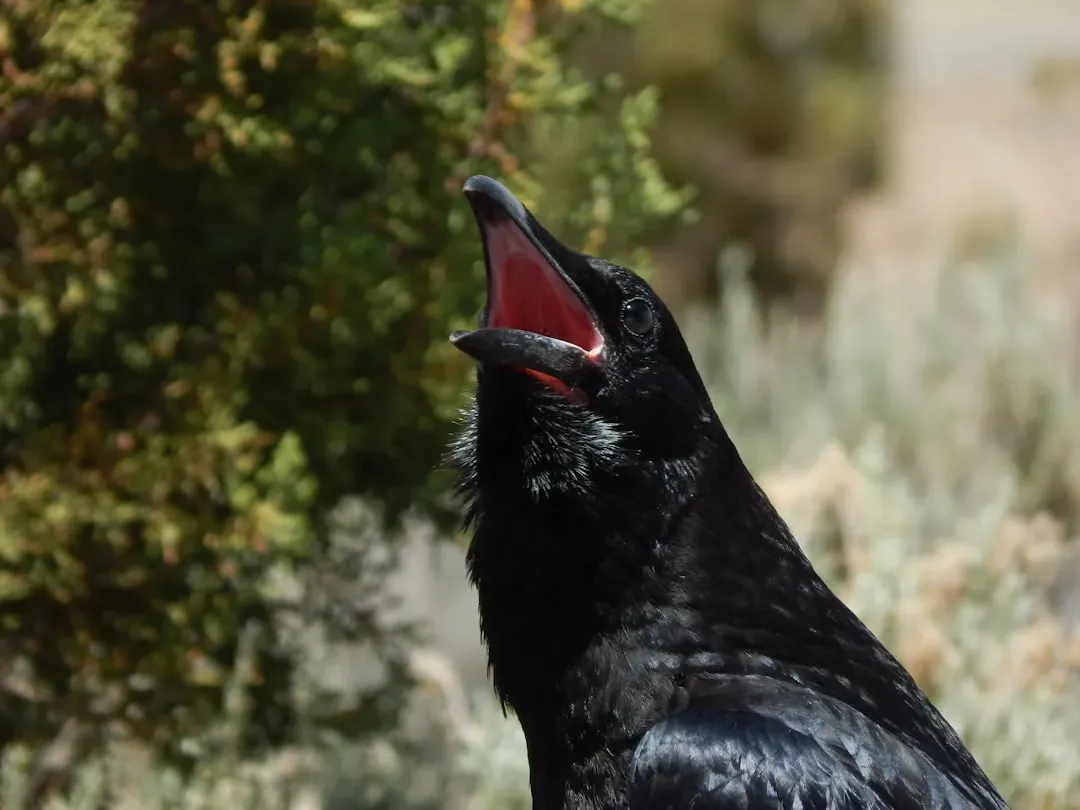
Ravens are often described as “croaking” birds, which dramatically undersells what they’re capable of. Ravens possess a rich and complex natural language for intraspecies communication, with scientists identifying as many as 33 different categories of raven calls. That breadth alone puts them among the most vocally complex birds on the planet.
Ravens excel at mimicry, reproducing human speech, animal sounds, and man-made noises, and their use of sophisticated gestures such as holding up objects to attract mates and “pointing” is a behavior primarily observed in humans and apes. Pointing as a communicative gesture was long considered uniquely primate. Ravens do it too, and researchers are still working out exactly what that means for our understanding of language evolution.
7. Their Episodic Memory Rivals That of Primates
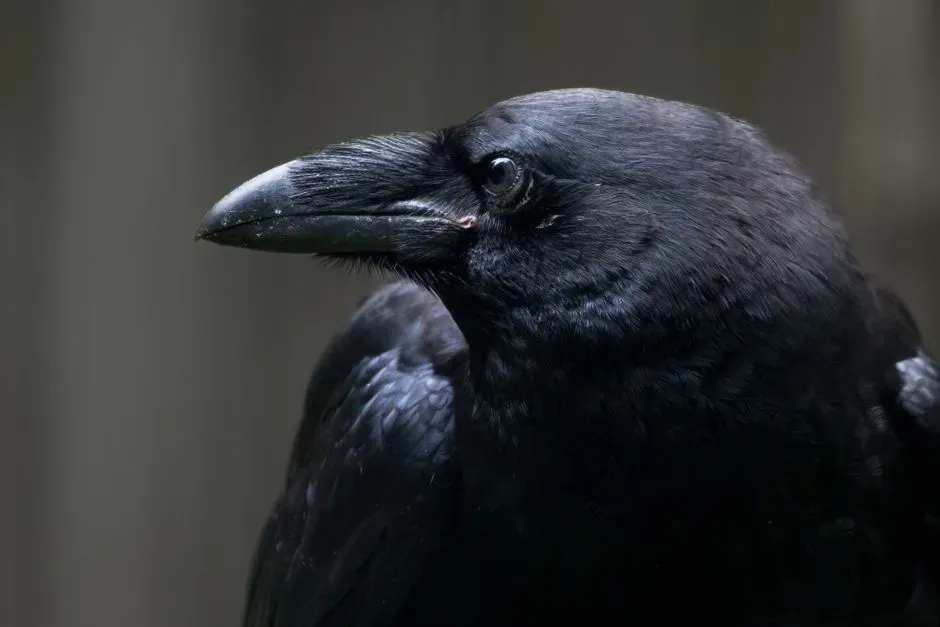
Memory in animals is often discussed in terms of conditioning, but episodic memory is different. It’s the ability to remember specific events, individuals, and the emotional context surrounding them. One of the most impressive facts about ravens is that they have what is called “episodic memory,” much like humans and other primates, allowing them to remember human faces and other characteristics, particularly in association with an emotion or event.
Ravens are known for their excellent facial recognition abilities and can differentiate between individual humans, associating specific behaviors with those individuals even after long periods of time. This ability is crucial for their social interactions. Studies suggest that ravens can remember negative experiences for at least several years. That kind of retention is not a reflex. It’s a biographical record.
8. They Hold Grudges and Reward Fairness
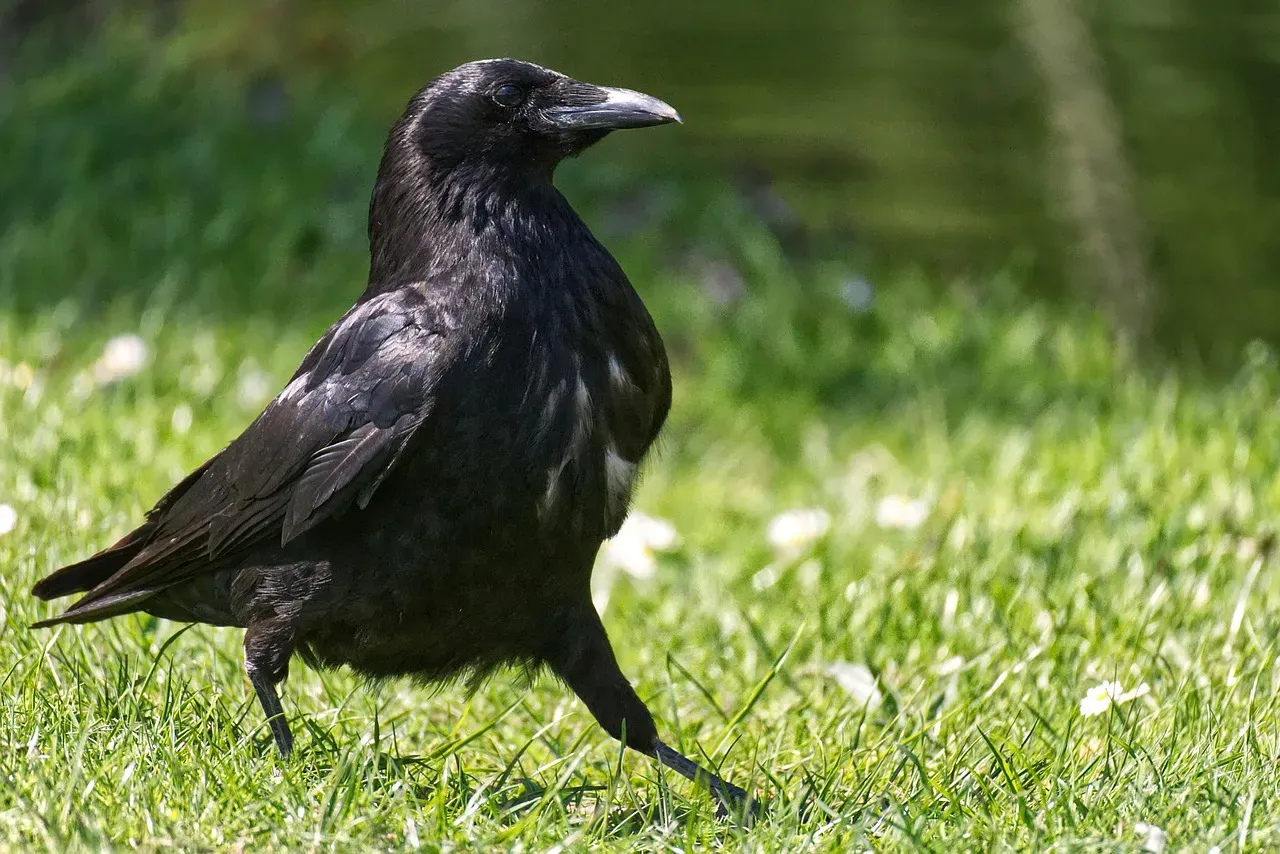
It’s one thing to remember a face. It’s another to act on that memory with clear social intention. Ravens hold grudges. Research has shown that a raven will remember the face of a human who has tricked or threatened them, and they will actively avoid or scold that person months or even years later.
Ravens are also capable of recognizing when they are given an unfair trade during reciprocal interactions with conspecifics or humans. It has been proven that ravens can hold a grudge for up to a month after a negative experience and will refuse to work with another raven that has harmed or betrayed them. The sense of fairness and social accountability in ravens is something researchers more typically associate with social mammals, not birds.
9. They Form Genuine Social Bonds and Show Empathy
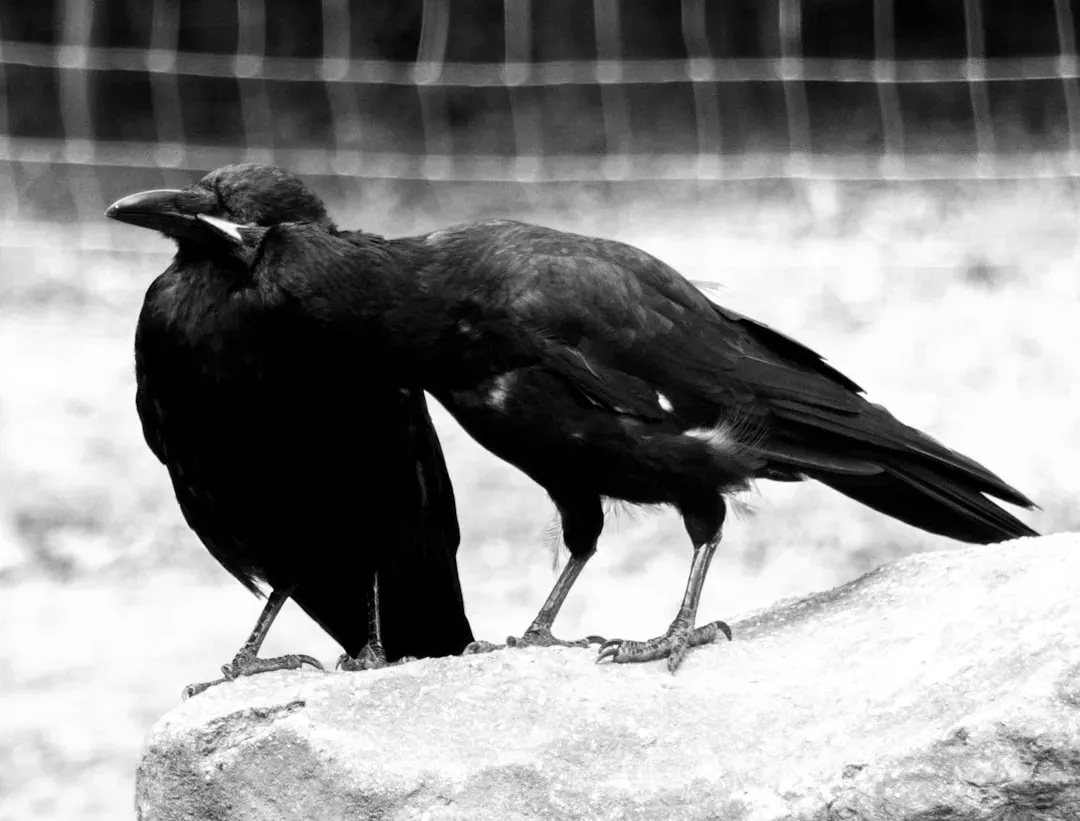
Ravens aren’t solitary loners despite the gothic reputation. Their social lives are layered and surprisingly warm. Despite their mischievous nature, ravens seem capable of feeling empathy. When a raven’s friend loses in a fight, they will console the losing bird. They also remember birds they like and will respond in a friendly way to certain birds for at least three years after seeing them.
In the wild, ravens form strong social bonds, and mated pairs often stay together for life. Ravens have been shown to reconcile with and console valuable partners, remember former group mates and their relationship with them over years, understand third-party relations, and use such understanding to prevent others from forming too strong alliances. That’s not just social behavior. That’s social strategy.
10. They Play, Invent Toys, and Experience Joy
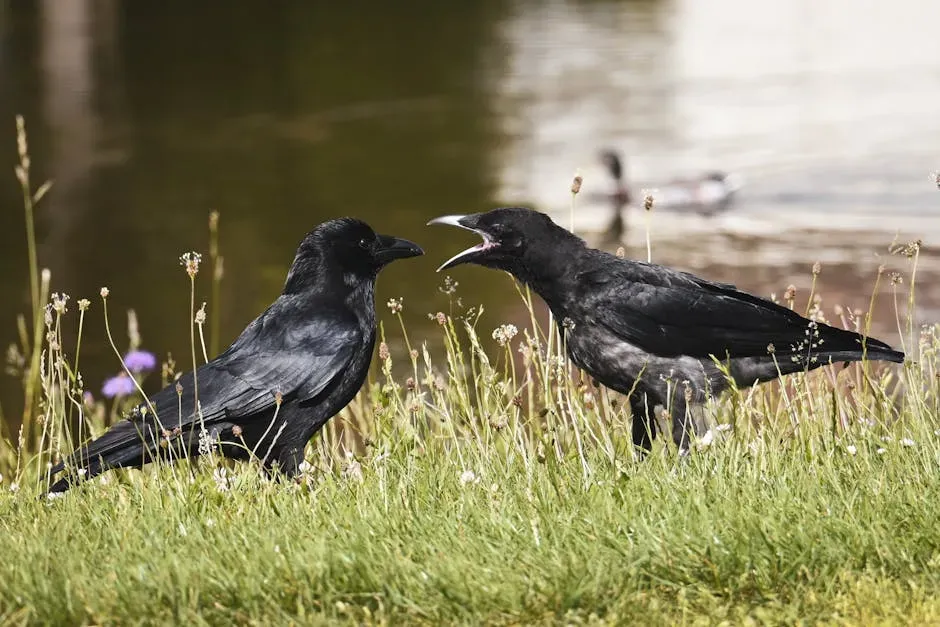
Play for its own sake, with no survival payoff attached, is one of those markers of higher cognition that researchers look for in animals. Ravens have it. Ravens are one of the few non-primate species known to make their own toys. They have been observed breaking off twigs to play drop-and-catch with each other in mid-air, and even sliding down snow-covered roofs on their backs purely for fun.
Ravens even make toys, a rare animal behavior, by using sticks, pinecones, golf balls, or rocks to play with each other or by themselves. The fact that they seek out objects and repurpose them for play suggests something beyond instinct. It suggests imagination, or at least the functional equivalent of it. For a bird, that’s genuinely extraordinary.
11. They Build Cross-Species Alliances with Wolves
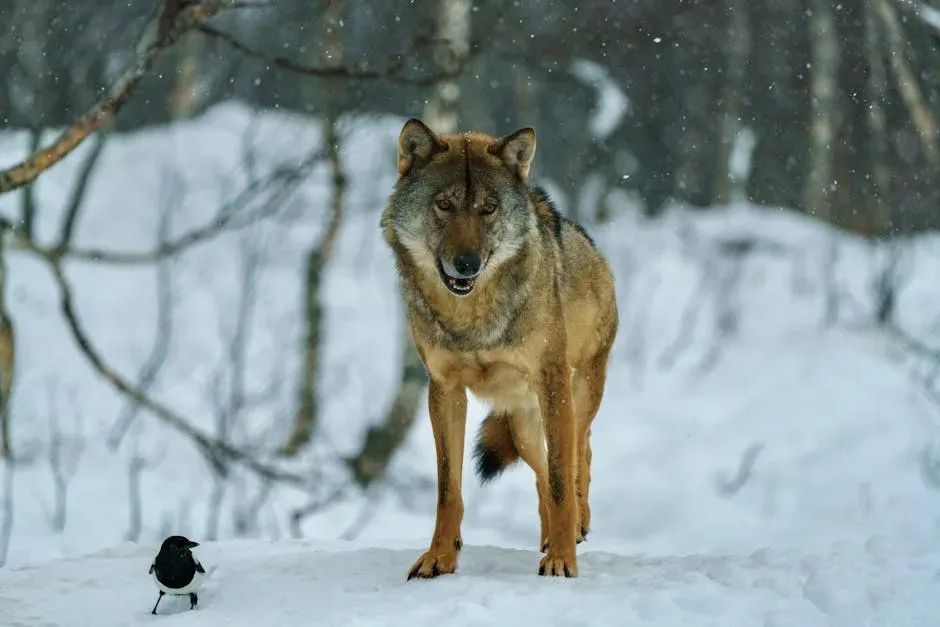
Interspecies cooperation, true voluntary alliance for mutual benefit, is rare in the animal kingdom. Ravens pull it off with wolves in one of nature’s more fascinating partnerships. Wild ravens maintain symbiotic relationships with wolves. Often called “wolf-birds,” they follow wolf packs to kills. The relationship isn’t accidental or incidental.
In the wild, ravens have been observed mimicking wolf howls to attract wolves to large carcasses, allowing them to feed on the leftovers. Evidence suggests ravens vocalize to lead wolves to carcasses they can’t open alone, and once wolves tear the hide, ravens claim their share. This cooperation demonstrates remarkable problem-solving across species. Finding another animal and strategically recruiting it to solve a problem you can’t solve alone takes a level of planning that very few animals ever demonstrate.
A Final Thought Worth Sitting With
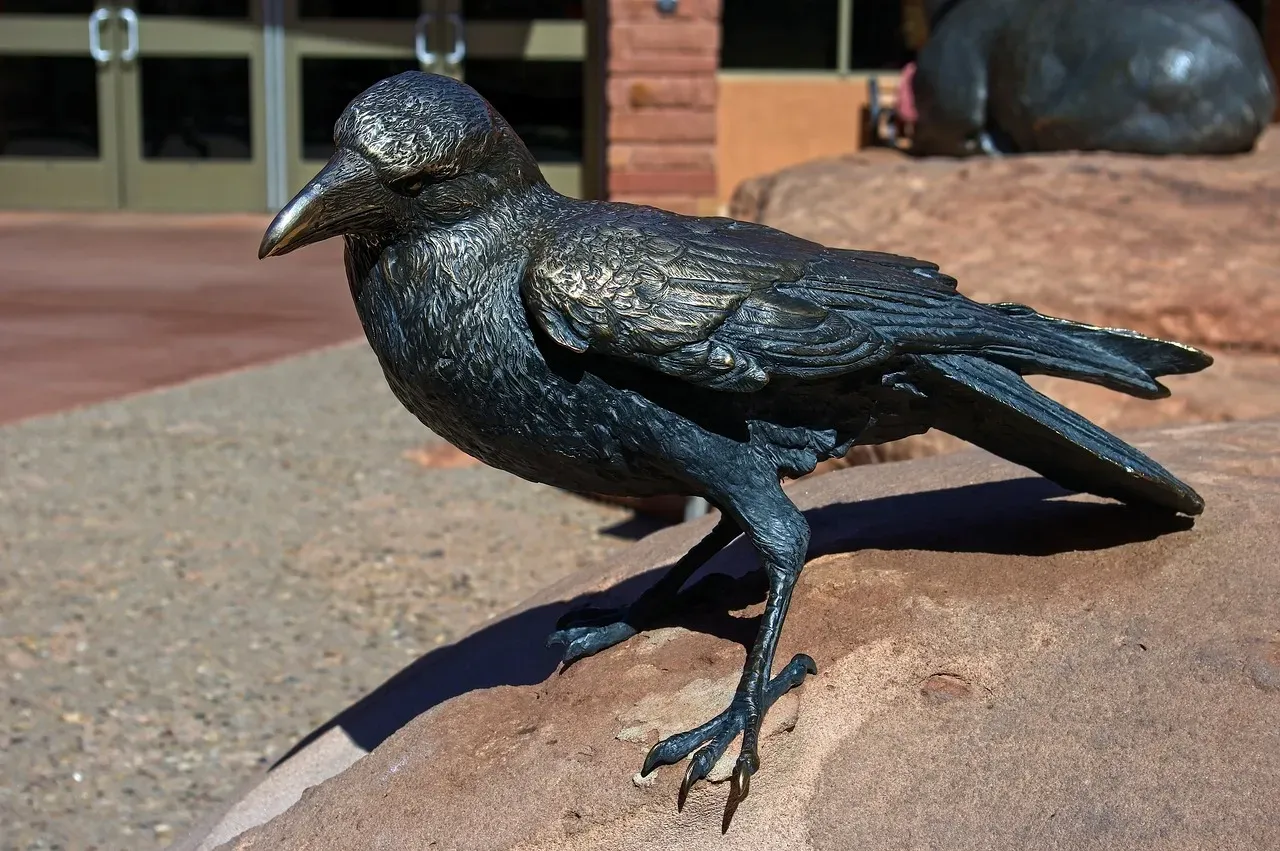
The raven has worn many masks throughout human history: omen, trickster, prophet, villain. Most of those were projections. What the science keeps uncovering is something more grounded and more interesting than mythology ever managed. These are animals that plan, remember, deceive, bond, grieve, play, and cooperate across species lines.
Experiments testing the problem-solving capabilities of ravens and their corvid kin have shown these birds have cognition on par with people and some other great apes. That comparison still unsettles some people, and perhaps it should. Not because ravens are threatening, but because intelligence, it turns out, doesn’t belong to any one branch of the evolutionary tree.
The next time a raven lands nearby and holds your gaze for just a beat too long, don’t dismiss it. There’s a very real chance it remembers you, has already figured out what you’re likely to do next, and has made its own decision about whether you’re worth trusting.

- 6 US States With the Most Wild Turkey - July 26, 2026
- 8 US Cities Reeling Under Flooding Problems - July 26, 2026
- The Secret Lives of Nocturnal Wonders: Animals That Thrive Under Moonlight - July 26, 2026