
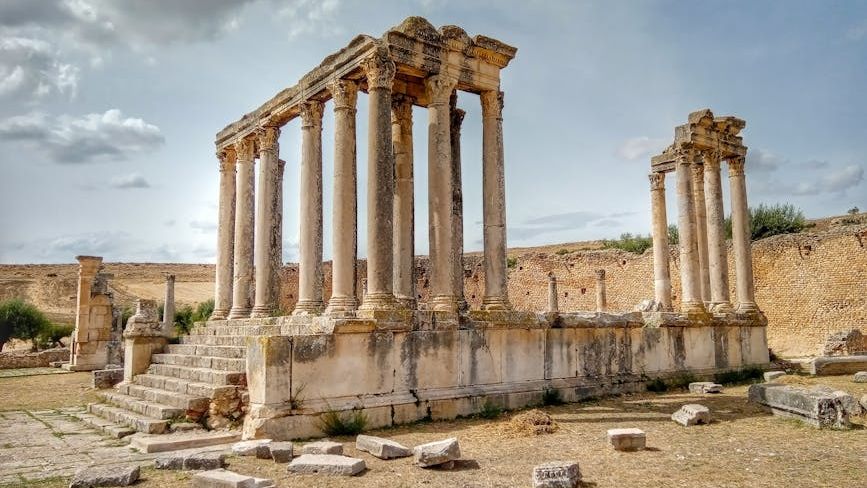
1. Ciudad Perdida (The Lost City), Colombia – The Green Hell of the Sierra Nevada
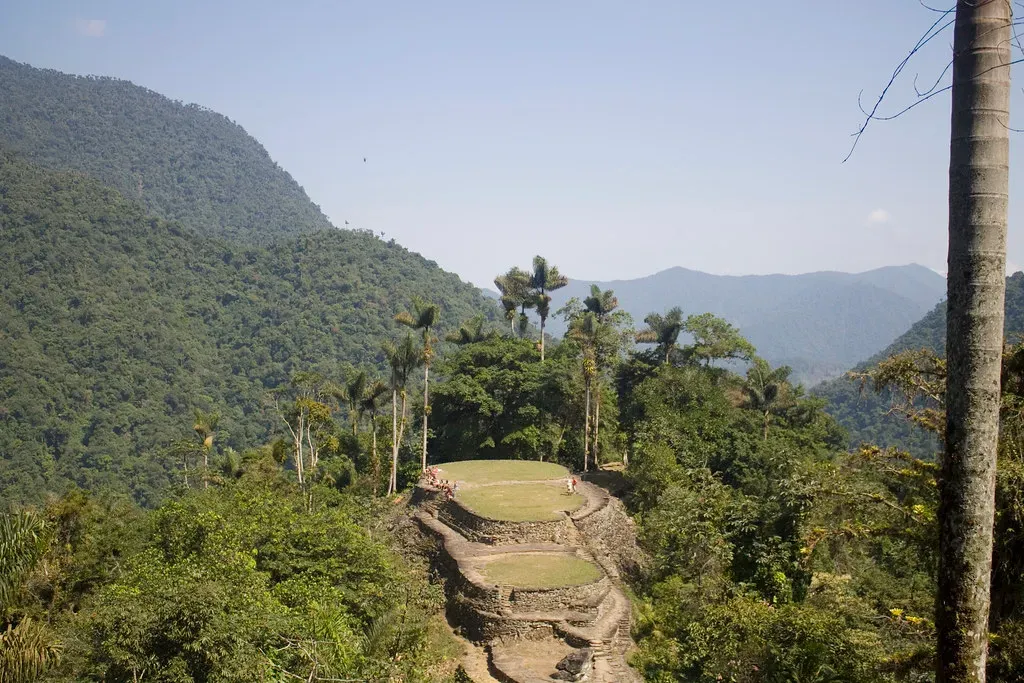
The Tayrona people built Ciudad Perdida high up in the wild Sierra Nevada de Santa Marta mountain range sometime around 800 CE, roughly 600 years before Machu Picchu. The archaeological site is marked by circular stone mosaic platforms that once held the foundations of homes, ceremonial and feasting areas, stone paths, canals, storehouses, and staircases. It was actively used until the Tayrona people mysteriously disappeared in the 1600s, and the site lay untouched until the 1970s, when tomb raiders found gold and ceramics whose plunder began surfacing on the black market.
There is a reason the guaqueros who rediscovered the site called it Infierno Verde – Green Hell. Slick with tree roots and mud, the path weaves through jungle and requires multiple crossings of the Río Buritaca, which can be particularly brutal when heavy rain swells its waters. Around ninety percent of the site continues to lie under thick jungle, making what you actually see feel like a small window into something far larger and far older. There are 169 circular terraces in total, and rocks on which maps were carved, all surrounded by the dense jungle that had hidden Teyuna for hundreds of years.
2. Choquequirao, Peru – The Cradle of Gold Above the Abyss
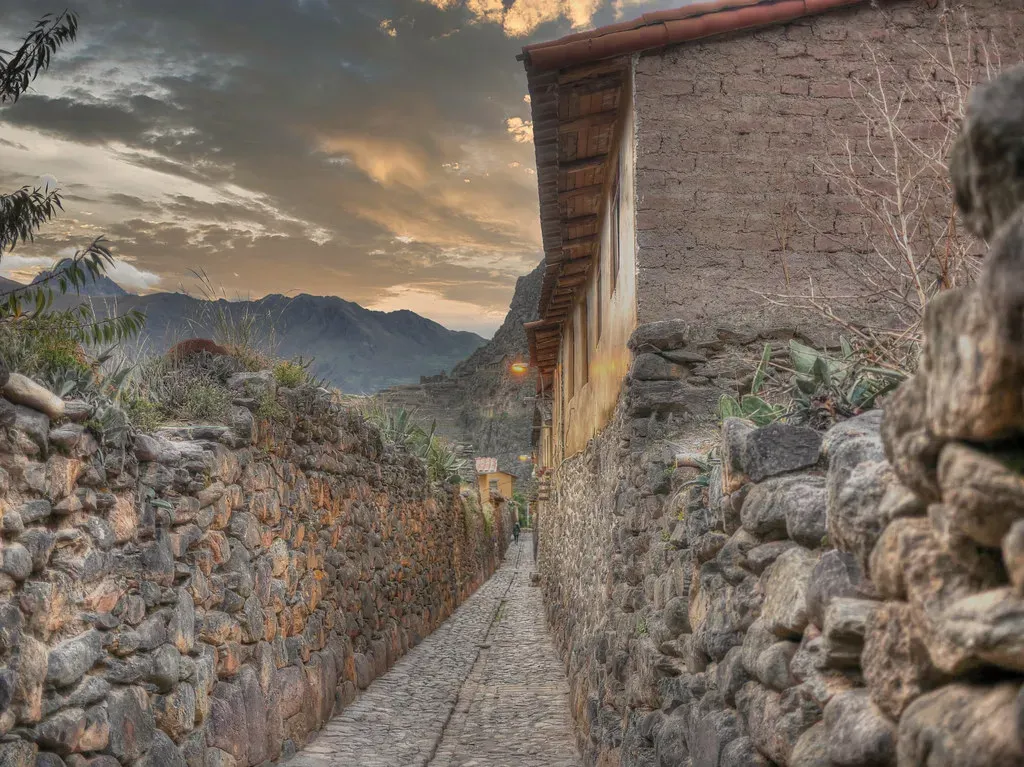
Ensconced within the Vilcabamba mountain range of southern Peru, Choquequirao, meaning “Cradle of Gold” in Quechua, sits at an altitude of approximately 9,840 feet and is often likened to Machu Picchu due to shared architectural styles and cultural significance. It was constructed during the 15th century under the rule of Inca Emperor Pachacuti, functioning as a royal estate, an administrative hub, and possibly a sanctuary during the Spanish conquest. The site occupies seven square miles, three times the size of Machu Picchu, of which only thirty percent has been cleared of vegetation.
The trek to Choquequirao takes you through mountain passes, cloud forests, and dry valleys. The rugged terrain and altitude fluctuations are physically demanding, requiring solid fitness and time to acclimatize. The route involves steep ascents and descents, as well as crossing the Apurímac River on footbridges or makeshift cable cars. Notable highlights include a ceremonial complex entered through a double-jamb doorway, two grand plazas, sacred temples, and agricultural terraces decorated with 22 symbolic stone figures called the “Llamas of the Sun,” all pointing toward the snowcapped Quory Hauyrachina peak.
3. Masada, Israel – A Fortress Perched on the Edge of the Judean Desert
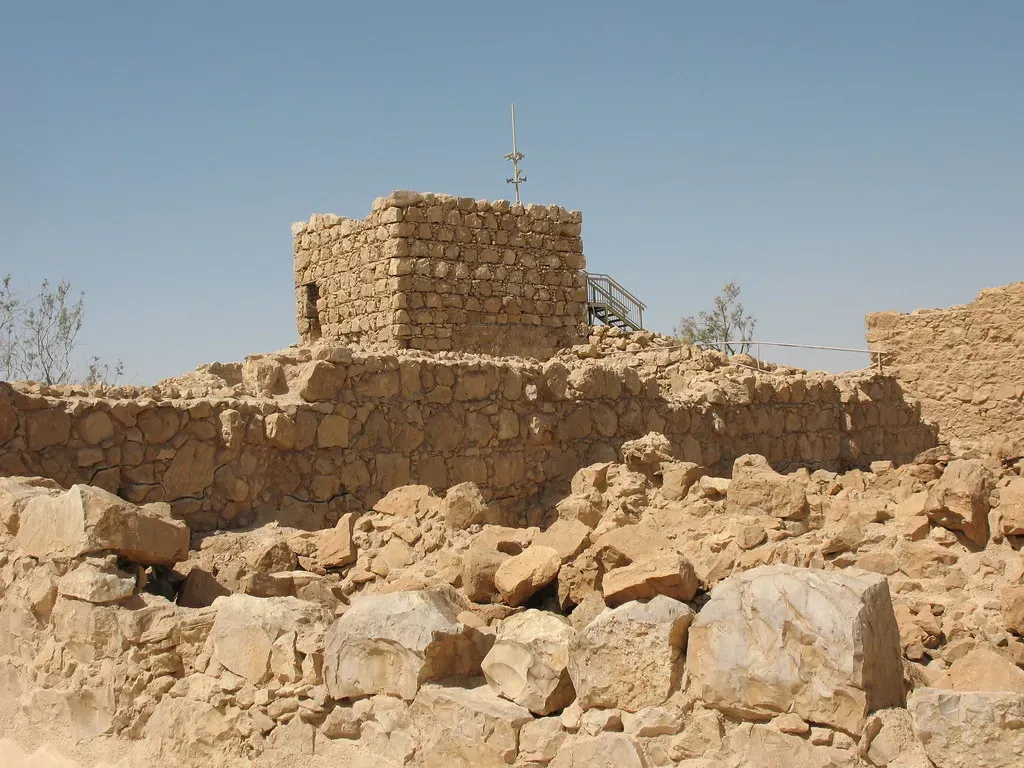
Herod the Great chose a more dramatic site for his palace and stronghold, atop a cliff on the edge of the Judean Desert. When he built it in the 1st century BC, partly as protection from potential Egyptian invasion, he couldn’t have known Masada would become the Jewish people’s last line of defense against the Romans, who stormed it in 73 AD. The plateau rises nearly 1,300 feet above the Dead Sea shoreline, and the isolation is immediate and total once you begin the ascent.
Scholars still debate the official account of events by 1st-century historian Josephus, but Masada’s ingenious engineering is indisputable, from the grand palace to the 2,000-plus-year-old system designed to capture rainwater for drinking, bathing, and irrigation. Reaching the summit on foot via the ancient Snake Path requires navigating steep, exposed switchbacks, where a single misstep on loose rock and blazing desert heat can quickly remind you that you are very far from civilization. The landscape is stunning in the way that extreme places always are: spare, unforgiving, and absolutely unforgettable.
4. Skellig Michael, Ireland – A Monastery on a Razor-Sharp Atlantic Rock
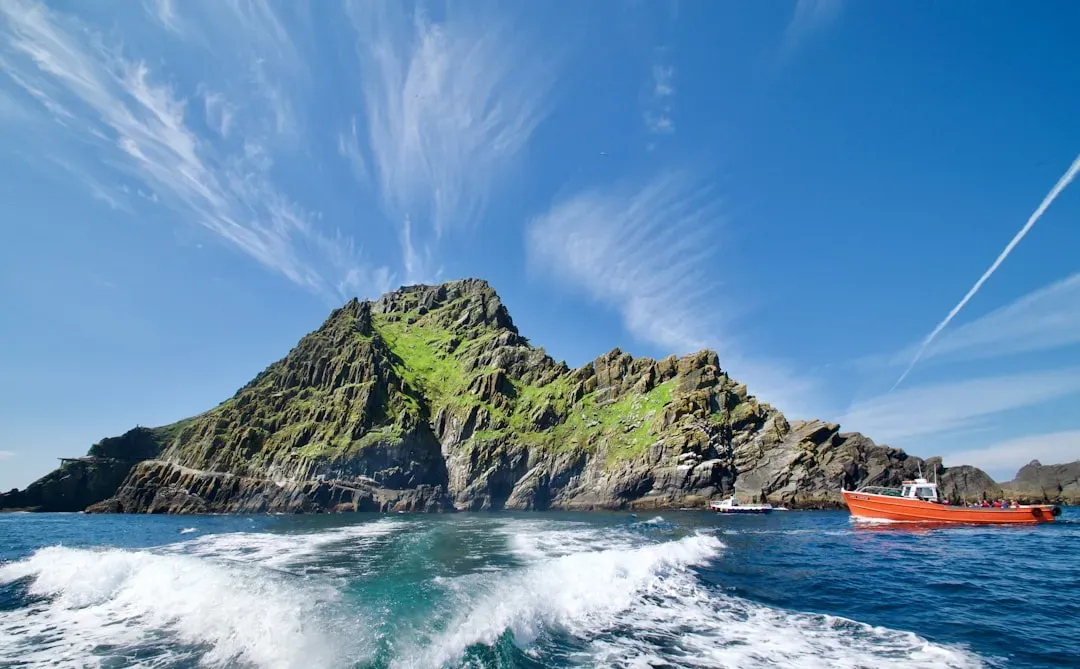
Skellig Michael is a remote island off the coast of County Kerry, Ireland, known for its early Christian monastery dating back to the 6th century CE. It is famous for the unusual aesthetic of distinctive beehive-shaped stone huts where monks lived, which later earned it a role as a filming location for the Star Wars franchise. The island itself is a jagged volcanic spike that rises sharply from the Atlantic, a place where wind and ocean swell dictate whether any boat can land on any given day.
Getting there requires crossing notoriously rough seas, and the crossing is regularly cancelled due to dangerous conditions. Once ashore, visitors must climb over 600 uneven stone steps carved directly into the exposed cliff face, with no railings and sheer drops to the ocean below. Skellig Michael is also well-known for its wildlife, including puffins and one of the largest gannet colonies in the region, as well as grey seals. The monks who built this monastery chose the most remote, storm-battered rock in the North Atlantic. Whether that was an act of extraordinary faith or extraordinary stubbornness, it remains one of the most haunting places in Europe.
5. Tikal, Guatemala – Mayan Pyramids Lost in Jaguar Country
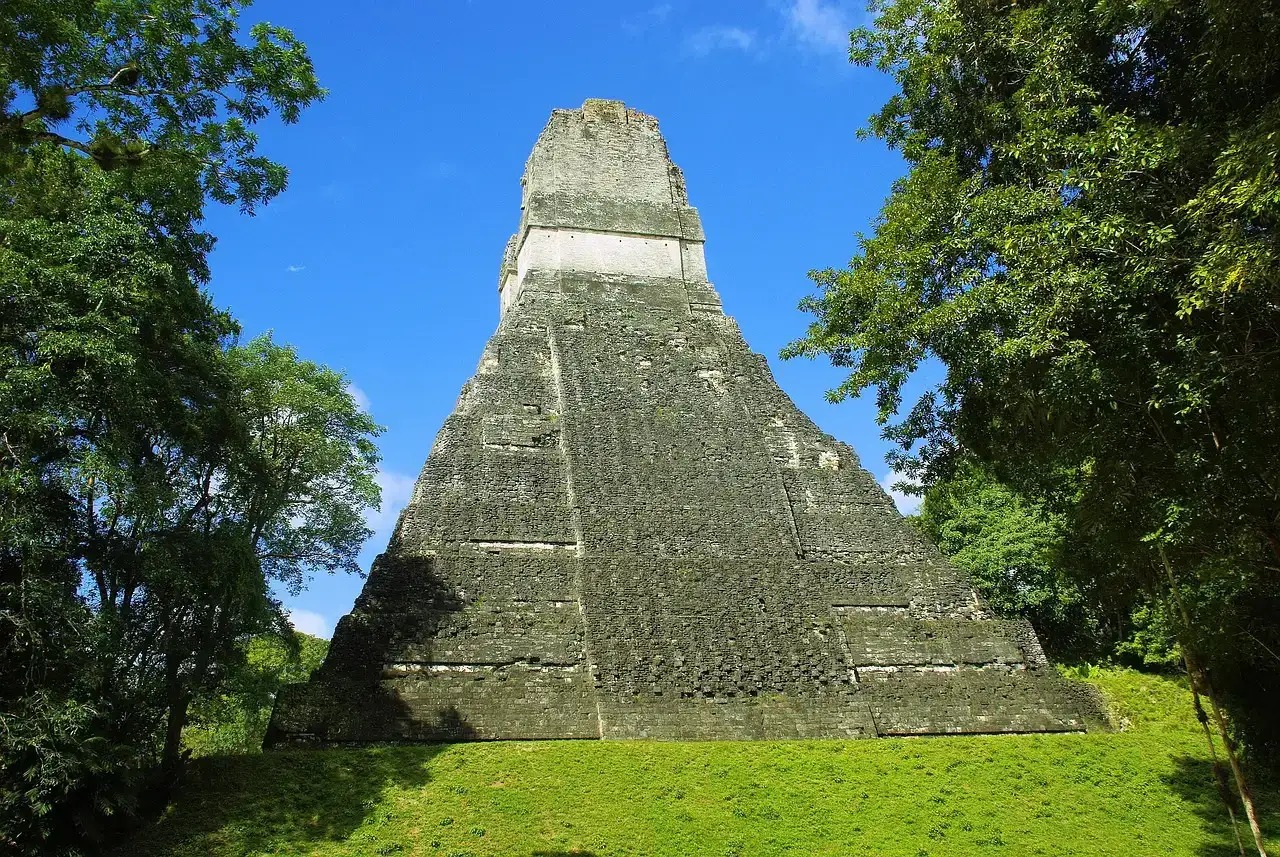
The ancient city of Tikal in Central America is part of the Tikal National Park, which consists of thousands of ruined structures across hundreds of square meters of tropical rainforest. Dating back as far as the 4th century CE, the ancient city is home to ceremonial pyramids, funerary acropolises, temples, and palaces, and was one of the most powerful kingdoms of the ancient Maya. The ancient capital city may have had as many as 90,000 residents at its peak.
Deep in Guatemala’s jungle, Tikal’s towering ruins whisper stories of the Maya’s fall. Scientists found that deforestation and drought combined to make survival impossible, and its people eventually left, abandoning a once-vibrant city now remembered as one of the Maya world’s greatest centers. The jungle here is not passive: it growls and rustles with howler monkeys, venomous snakes share the trails, and flash flooding during rainy season can make certain routes genuinely treacherous. Once-busy streets fell silent, and over time, vines and roots quietly swallowed what remained of their world.
6. Göbekli Tepe, Turkey – The World’s Oldest Temple, Buried in Isolation
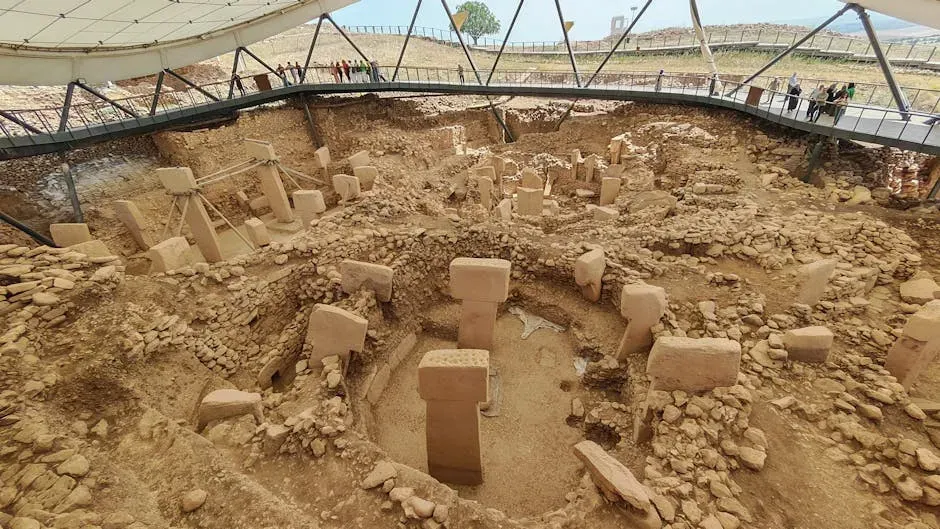
Göbekli Tepe is over 11,000 years old, making it the oldest known monumental site. Massive stone pillars with animal carvings were built before farming or cities existed, and no one fully understands who built it or why, though its complexity suggests an advanced social structure for the time. Göbekli Tepe has been dated to 10,000 BC, and it would be almost 7,500 more years before the pyramids were built. We are closer in time today to the construction of the pyramids than the pyramids are to Göbekli Tepe.
The site sits atop an arid ridge in southeastern Turkey, in an area that is dusty, remote, and exposed to extreme heat for much of the year. The surrounding plateau is barren in a way that feels ancient rather than empty, a landscape that hasn’t changed much since Neolithic people hauled 10-to-20-ton limestone pillars up this hill. The large carved stones were eventually buried near 7,000 BC, which, paradoxically, is part of why they survived. Whoever built them deliberately covered them, preserving the site for thousands of years. That decision, made by people with no written language, is perhaps the strangest mystery of all.
7. Puma Punku, Bolivia – Precision Stonework on a Wind-Scoured Plateau
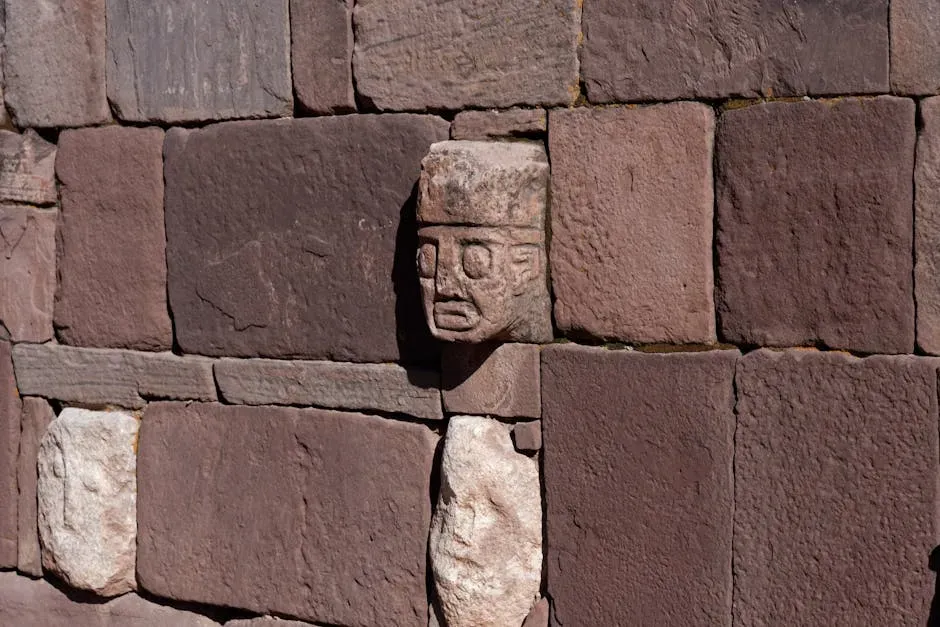
Pumapunku is part of the Tiwanaku temple complex dating to around 536 CE. It lies near Illimani mountain, a sacred peak that the Tiwanaku believed to be home to the spirits of their dead. Puma Punku is known for its precisely cut stone blocks, some weighing hundreds of tons. The stones fit together so perfectly that no mortar was needed, and the methods used to shape and move them are still unknown. The site’s advanced craftsmanship leaves archaeologists actively debating its origins and the technology used to create it.
The mystery deepens when you consider that the builders of Pumapunku calculated and cut such precise stonework using only stone tools. Their craftsmanship is so regular that some historians have suggested they may have mass-produced temple parts like building blocks. The site sits at an altitude of roughly 12,500 feet on the Bolivian altiplano, a high plateau regularly battered by freezing winds, intense UV radiation, and dramatically thin air. Altitude sickness is a real risk for anyone arriving from lower elevations, and the exposed, windswept terrain gives the ruins a raw, almost lunar quality that no photograph fully captures.
8. Leptis Magna, Libya – A Roman City Swallowed by Desert and Instability
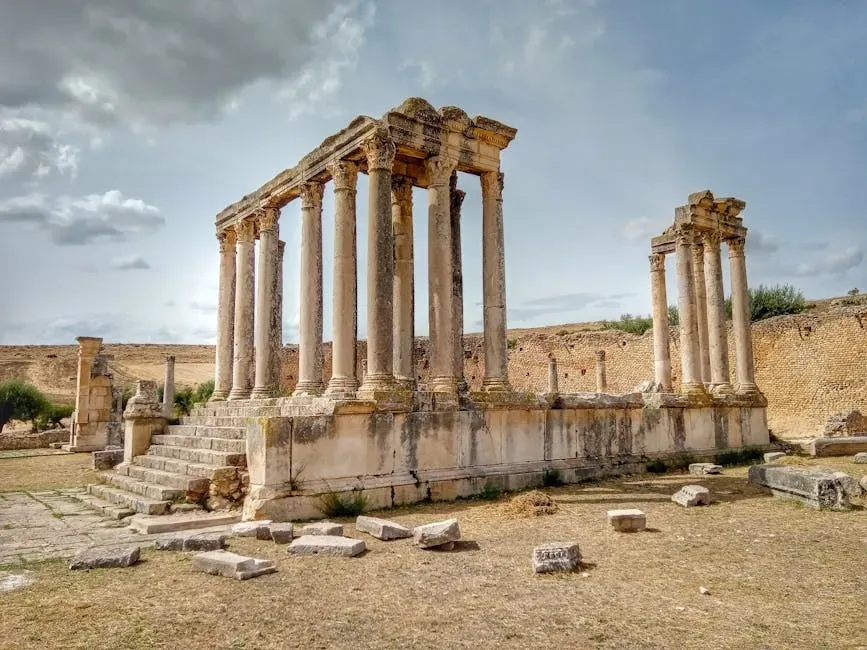
Considered one of the best-preserved Roman cities globally, Leptis Magna lies along Libya’s Mediterranean coast. The site features grandiose ruins including an amphitheatre, a basilica, and intricate mosaics. At its peak, the city was one of the most important in the Roman Empire, and the scale of the surviving structures is genuinely staggering. Marble columns, triumphal arches, and forum complexes remain largely intact precisely because the desert buried much of the site for centuries.
The danger here is modern rather than geological. Libya’s ongoing instability has made Leptis Magna one of the most difficult ancient sites to safely visit in the world today. In Syria, terrestrial LiDAR has been used to document ruins before and after destruction, creating blueprints for potential reconstruction, and similar concerns hang over Leptis Magna. The site’s isolation in its desert setting lends it an untouched feel, allowing those rare visitors who do reach it to delve into its history without the usual tourist crowds, but that isolation cuts both ways in a country with few stable travel routes.
9. Ani, Eastern Turkey – The Ruined City on the Edge of a Dramatic Gorge
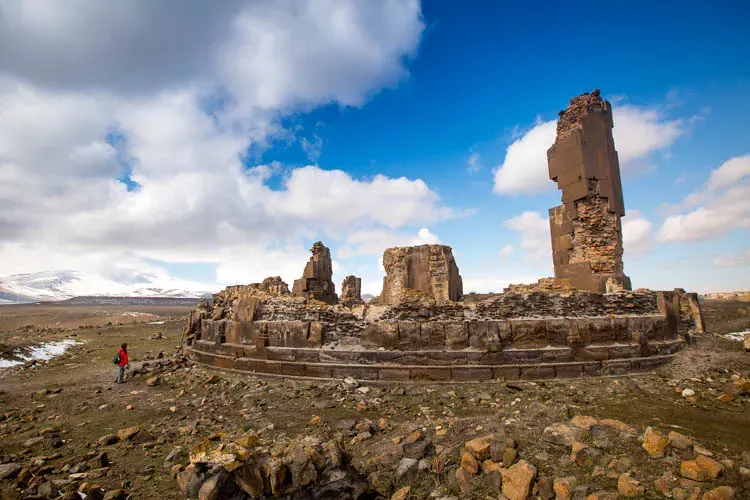
Once the thriving capital of the medieval Armenian Kingdom, Ani now stands in ruins near Turkey’s eastern border. Known as the “City of 1,001 Churches,” it features stunning ecclesiastical architecture, fortified walls, and remnants of palaces. The hauntingly beautiful landscape, combined with the site’s rich history, offers a poignant glimpse into a bygone era. Ani was once a bustling medieval city on the Silk Road, and its architectural remnants, including cathedrals and fortifications, tell stories of its former glory. Its remote location ensures that it remains largely free from tourist crowds.
The physical danger at Ani is geological. The city sits directly above a deep gorge cut by the Akhurian River, and the clifftop edges throughout the site are largely unmarked and unprotected. Sections of the ruins have collapsed into the canyon over the decades, and erosion continues to claim structures that have stood for nearly a thousand years. Walking the perimeter here is not for those with a fear of heights, and the strong, unpredictable winds that sweep across this plateau add another layer of instability. The combination of crumbling medieval stonework and sheer drops makes Ani as dangerous as it is beautiful.
10. Derinkuyu Underground City, Turkey – A Buried Labyrinth Beneath Volcanic Stone
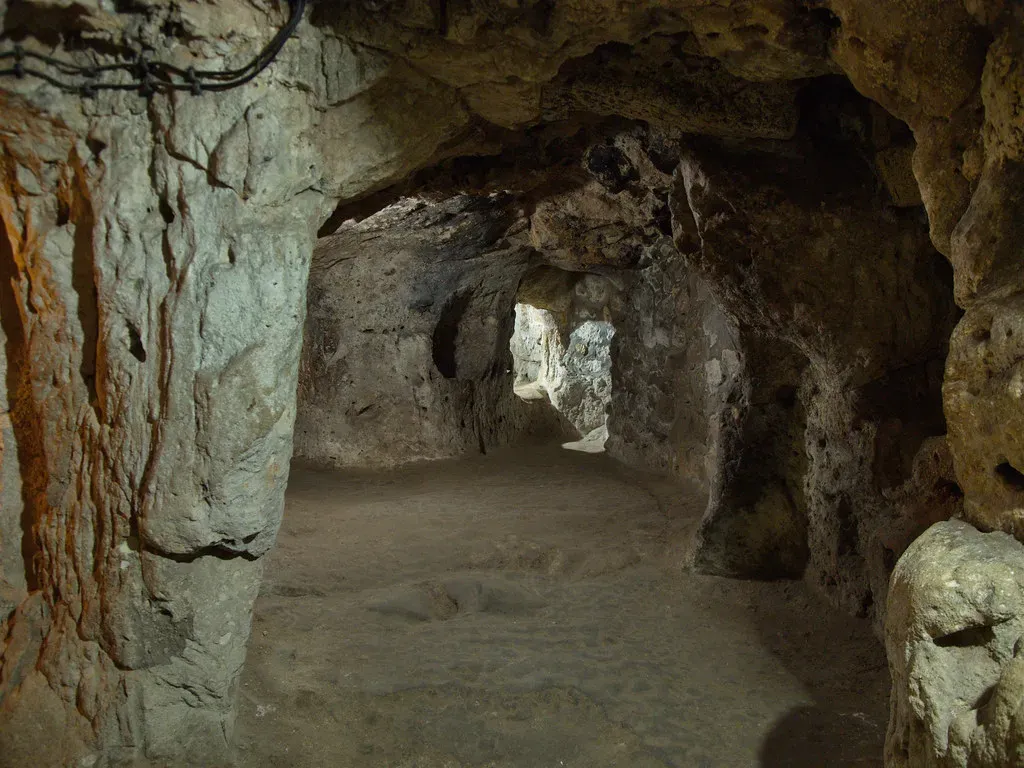
Derinkuyu is the largest of two subterranean cities in Cappadocia, an otherworldly landscape of hoodoos, fairy chimneys, and troglodyte villages. The Byzantine city housed up to 20,000 people on multiple levels, descending 18 stories underground, complete with ventilation shafts and ways to obtain water. It provided refuge during sieges, and thick stone wheels served as doors to block intruders. Miles-long tunnels link Derinkuyu to other underground settlements.
The landscape above Derinkuyu is formed by volcanic tufa, a soft and constantly shifting rock that has been shaped by thousands of years of erosion into surreal formations. The underground city itself requires navigating extremely narrow tunnels, steep drops between levels, and poorly lit chambers where claustrophobia becomes a genuine concern. Ventilation exists but is minimal in the deeper levels, and the labyrinthine quality of the tunnels means that losing your bearings without a guide is entirely possible. What’s extraordinary is that this wasn’t built as a curiosity: it was a fully functional city designed so that an entire population could disappear underground and survive for months at a time.
A Closing Reflection
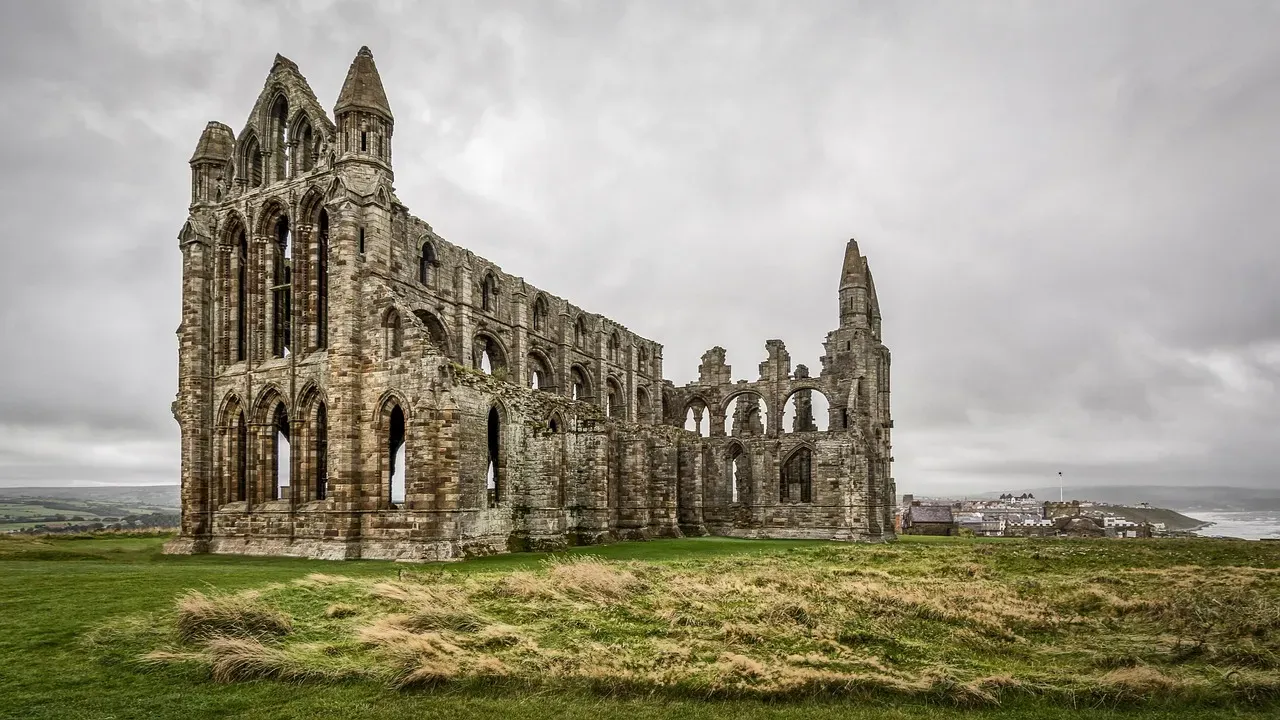
These ten places share something that no amount of digital reconstruction fully captures: the sense that you have gone somewhere you weren’t supposed to go. Not in a reckless sense, but in the deeper sense that the world still has places that demand effort, preparation, and a degree of humility before they reveal themselves.
It’s worth sitting with the fact that every one of these sites was built by people who didn’t have access to the tools, machines, or materials we take for granted today. They hauled stone up cliffs, carved cities into volcanic rock, and laid out terraces in the high Andes without GPS or structural engineering degrees. The landscapes that make these places so dangerous to visit today were, for those builders, simply home.
Perhaps the most honest takeaway is this: the ruins that are hardest to reach are often the ones that feel most alive once you get there. The difficulty isn’t incidental to the experience. It’s the whole point.

- 10 Ancient Ruins Hidden Deep Inside Dangerous Landscapes - August 12, 2026
- 15 Dog Breeds That Are Surprisingly Good with Cats (and 5 to Avoid) - August 12, 2026
- Why Some Dog Breeds Form Unbreakable Bonds with Their Human Families - August 12, 2026