
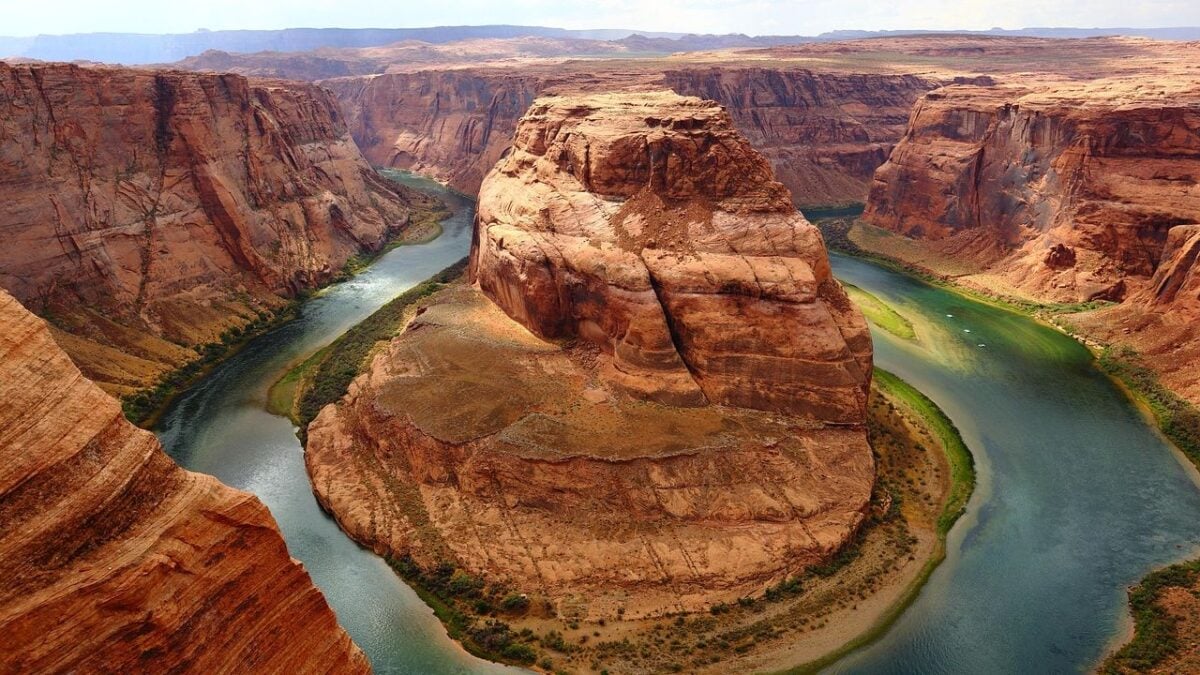
There’s a river in the American West that built an empire. It carved the Grand Canyon, turned the desert into farmland, and gave rise to cities that had no business existing in an arid landscape. For generations, the Colorado River was treated as an inexhaustible resource, something engineers could harness, redirect, and divide among whoever got there first with a legal claim. That assumption is now collapsing in real time.
The Colorado River flows 1,450 miles through seven states, supporting nearly 40 million people, over four million acres of farmland, and an estimated $1.4 trillion in economic activity. What was once a seasonal rhythm of snowmelt and flow has become something far more precarious. Today, the river is at a crossroads, and even the word “drought” no longer goes far enough to describe what’s happening. The Colorado River Basin is becoming permanently hotter and drier due to climate change, putting major cities, some of the largest food producers in the country, and a vast interconnected ecosystem at risk.
#1: The Reservoirs Are Nearly Empty and Draining Fast
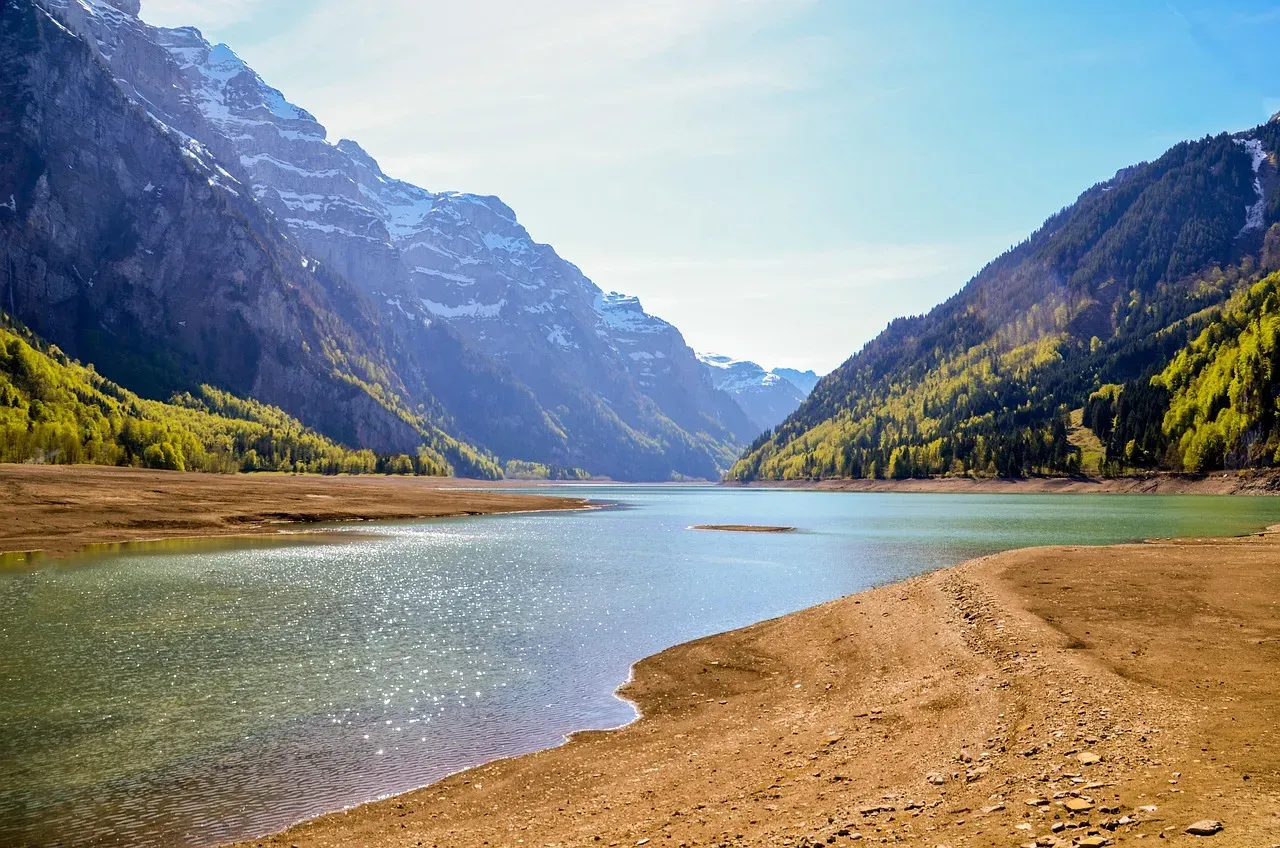
The two largest reservoirs in the United States sit on the Colorado River, and both are in serious trouble. Lake Powell is at just 25 percent of capacity and Lake Mead at 34 percent, leaving what were once vast water reserves badly depleted. These aren’t numbers from a dry season that will bounce back with a good winter. They reflect a structural deficit years in the making.
The basin has experienced prolonged drought since 2000, one of its driest periods in a 1,200-year record. The winter of 2025 to 2026 made things significantly worse. Record-warm temperatures across the mountains that feed the river have led to record-low snow levels. Snow in the Rockies is the river’s primary source of replenishment, and when snowpack fails, the reservoirs follow.
The problem is that as climate change drives temperatures higher, thirsty soils drink up runoff before it reaches the river. Though precipitation reached roughly four-fifths of average in the upper basin in 2025, spring runoff into Lake Powell was only 41 percent of normal. The ground itself has become a drain. The average flow of the Colorado River has already declined nearly 20 percent since 2000, and temperatures in the basin are predicted to rise another two to five degrees Fahrenheit by 2050, which could reduce river flows by another ten to forty percent.
#2: Cities and Farms Are Already Feeling the Cuts
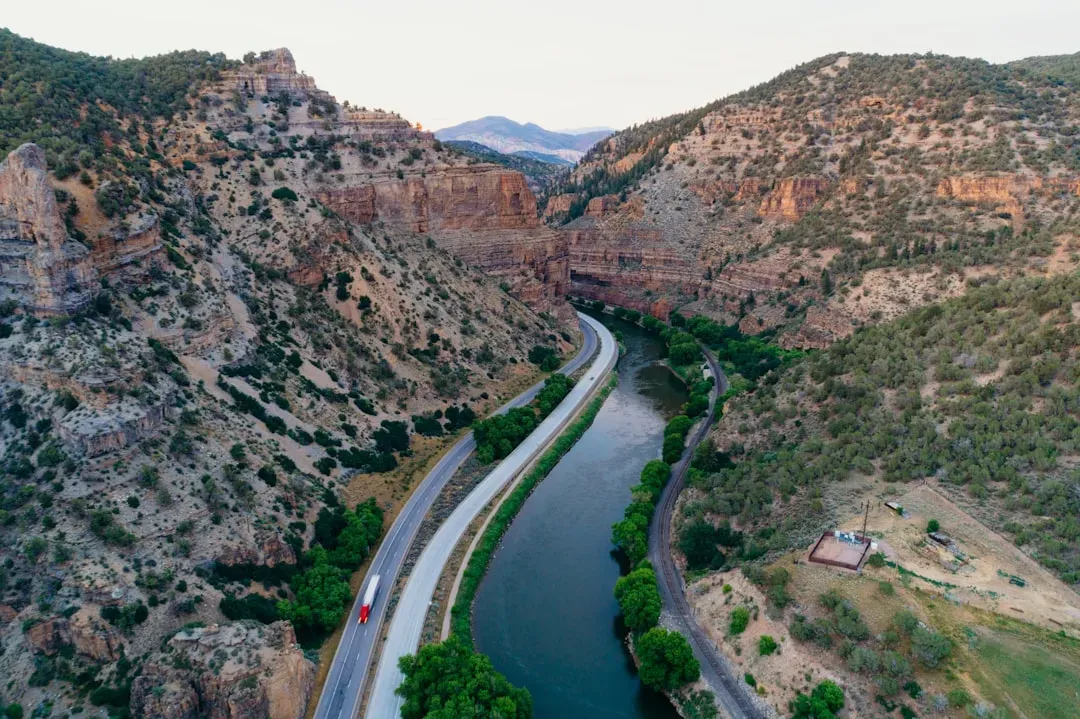
The Colorado River is a critical lifeline to seven U.S. states, 30 Native American tribes, and two Mexican states. When the river shrinks, the cuts are not shared equally. Arizona has gone without 18 percent of its total Colorado River allocation, while Mexico loses five percent. Nevada faces a seven percent reduction, and California faces no cuts at all because it holds senior water rights.
Every year, half the river is diverted to irrigate five million acres of farmland, which contributes to 15 percent of U.S. agricultural production, and the basin’s major reservoirs are at critically low levels. Farming communities are absorbing the brunt of this. In central Arizona, farmers have returned to well water after becoming the first communities to have their supply cut off completely due to the basin-wide shortage. That’s not a future scenario. It’s already happened.
Agriculture continues to consume over 70 percent of the river water available for human use. More than half of the water consumed in the Colorado River Basin goes to growing ten to fifteen annual cuttings of alfalfa crops and hay for cattle feed, much of it for international export to Saudi Arabia and China. The economics of how this water is used, and who profits from it, sits at the heart of why reform has been so politically difficult. Cities in the basin have actually reduced water use by 18 percent since 2000, despite a 24 percent population increase, through measures like outdoor water use reduction, efficient plumbing fixtures, and tiered pricing.
#3: Hydropower at Iconic Dams Is Approaching a Breaking Point
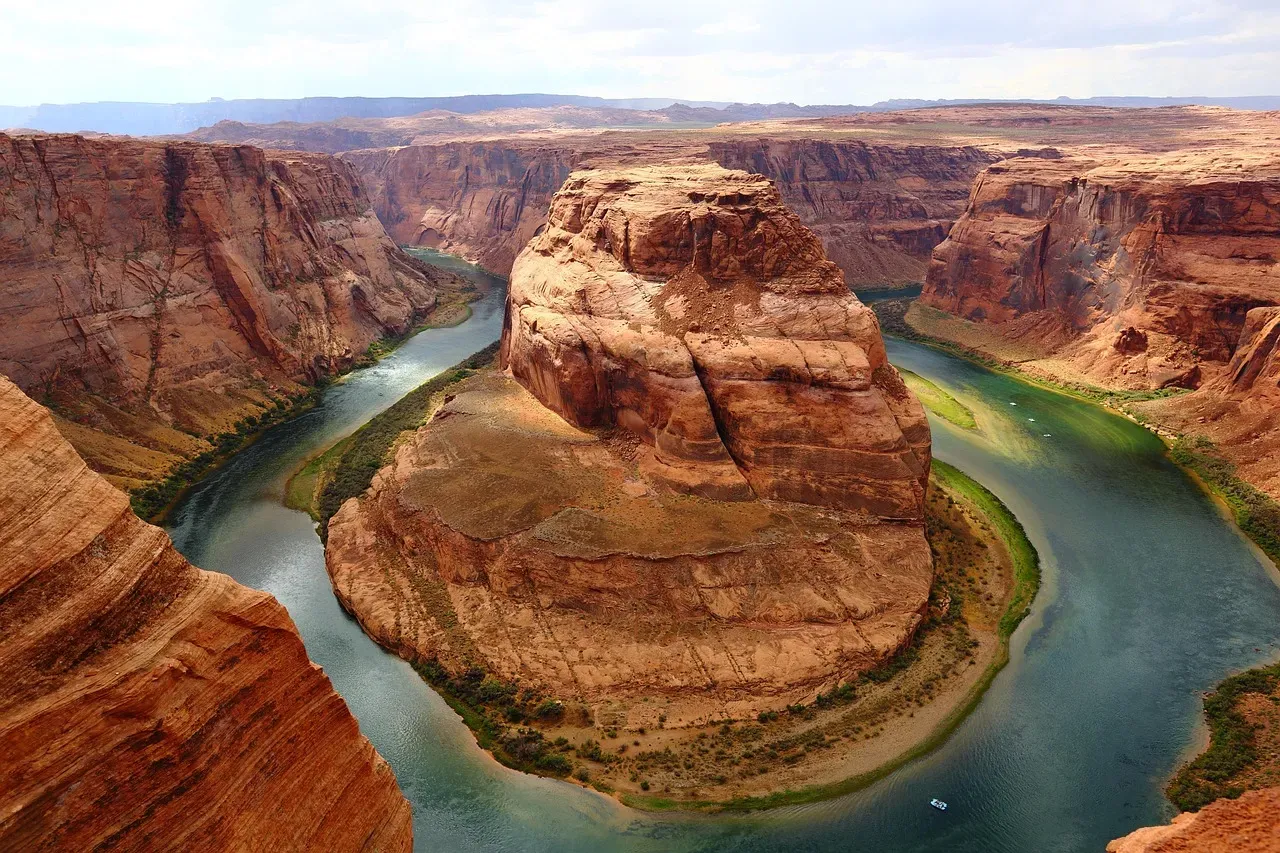
By late summer 2026, Lake Powell’s elevation is projected to drop near 3,490 feet, the minimum level needed to generate hydropower at Glen Canyon Dam. If water falls below that point, electricity production could stop, and water would have to be released through lower outlets instead. That threshold has a name: minimum power pool. Falling below it doesn’t just mean less electricity. It means the entire plumbing system of the dam starts to function differently, and dangerously.
The dam may be unable to generate hydropower from July 2026 through March 2028 because Lake Powell’s elevation could fall below the minimum elevation required to operate the dam’s turbines. Federal officials have responded with emergency measures. The Upper Basin states formally approved an emergency water transfer to Lake Powell in April, clearing the way for the release of 660,000 acre-feet to one million acre-feet from Flaming Gorge Reservoir between April 2026 and April 2027.
The Bureau of Reclamation has warned that Hoover Dam’s hydropower output could drop by as much as 40 percent by this fall, a projection that would ripple through electricity bills for roughly 1.3 million households and businesses in Nevada, Arizona, and Southern California that receive Hoover-generated power. This is not an abstract engineering problem. As the lake level falls, the water pressure behind the dam decreases, making every gallon that passes through the turbines less efficient at generating electricity. To make up for the shortfall, utilities are forced to turn to the open market to buy replacement power, which is notoriously volatile unlike the stable rates provided by federal hydropower.
#4: Tribal Nations Are Caught in the Middle of a Crisis They Didn’t Create
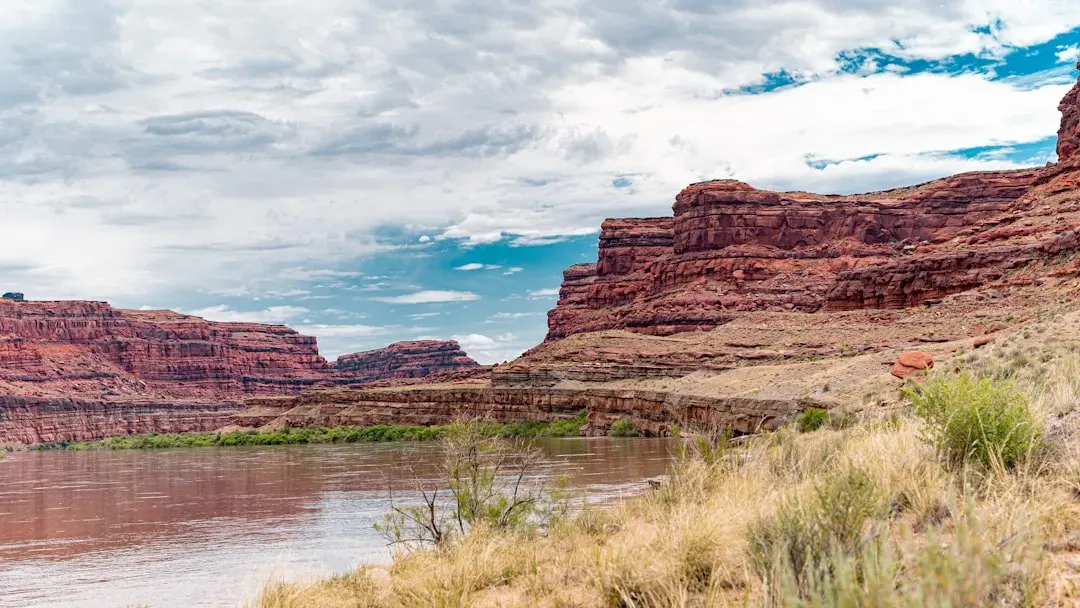
The 29 federally recognized tribes in the basin depend on the waters of the Colorado River and its tributaries for a wide range of purposes, from cultural and religious activities to domestic and agricultural use. These tribes hold legal rights to a significant amount of water, many of which are the most senior in the basin, with combined rights to roughly 20 percent of the water in the Colorado River basin. Having the oldest rights, in theory, offers protection. In practice, it has not always translated into actual water access.
Disparities have created barriers to the full development of federal Indian reserved water rights, including lack of access to funding, poor infrastructure, and the fact that some tribal lands and many people living on reservations do not have water security. While states and federal agencies negotiate over post-2026 rules, tribal communities risk being sidelined again. Native communities, who hold paper rights to about 25 percent of the river’s water, have remained overlooked and waterless. The gap between legal entitlement and actual delivery is one of the starkest injustices embedded in the river’s management.
#5: The Ecosystem and the Governance Framework Are Both Collapsing Together
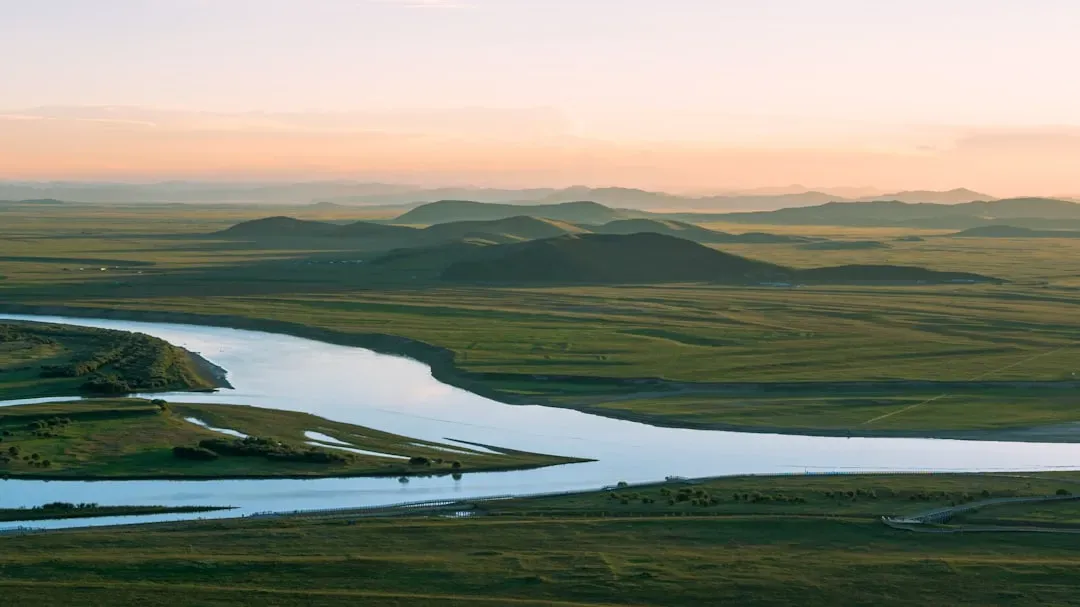
Four of the 14 fish species native to the river, including the Colorado pikeminnow, razorback sucker, bonytail, and humpback chub, are endangered or threatened. The Colorado River Delta in Mexico, once a vibrant network of wetlands, has been mostly dry for decades. A river that no longer flows to the sea is a river losing its ecological function entirely. The Salton Sea, a saline lake in California fed primarily by Colorado River water, is shrinking, and the increasing salinity and exposed lakebed have caused fish kills, bird deaths, air pollution, and other risks to human health.
The political system designed to manage the river is struggling just as badly as the water supply itself. The original 1922 Colorado River Compact was calculated based on an amount of water that doesn’t exist in today’s climate. The founding document of the entire allocation system was built on a miscalculation. Existing rules, first set nearly two decades ago and tweaked repeatedly to keep up with the declining river as a result of a warmer and drier climate, expire at the end of this year.
The situation is unfolding at a time when current operating agreements for the Colorado River are set to expire at the end of 2026. The seven basin states have not yet agreed on a new plan for how to share water moving forward. That adds another layer of uncertainty. If states cannot reach an agreement, federal officials may step in to set new rules for river operations. Federal intervention may sound decisive, but it would almost certainly trigger years of legal battles. If common ground isn’t found, the federal government will be forced to intervene, which will most definitely trigger a flood of lengthy state litigations, only prolonging and worsening the crisis. Water managers have negotiated Band-Aid atop Band-Aid for years.
What Comes Next
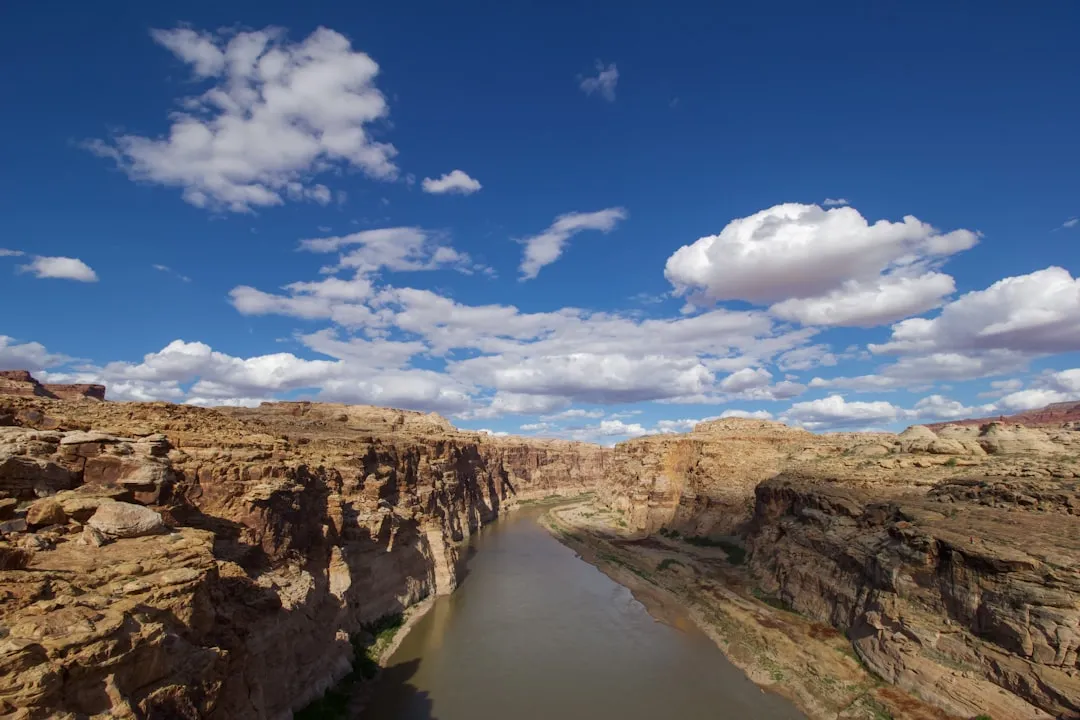
The trajectory of the Colorado River is not a mystery. The data, the projections, and the lived experiences of farmers, tribal communities, and city planners all point in the same direction. Catastrophic water shortages are in store for the 40 million people living in areas fed by the Colorado River, even if cities in the region make dramatic cuts to their usage, according to recent research. Conservation has helped, but it cannot close a gap of this size on its own.
It is urgent that federal managers prepare for the water supply emergency now unfolding in 2026. For much of the last century, the Bureau of Reclamation was a leader in developing the southwestern United States by harnessing the Colorado River. Today, it must lead in a new way, helping everyone and everything that depends on the river live with the river we have in a warmer, drier world. That shift in framing, from conquest of a resource to coexistence with a diminishing one, is harder than it sounds politically, economically, and culturally.
The Colorado River built modern America’s Southwest. The harder question, the one policy makers are still avoiding with enough honesty, is whether the Southwest as currently configured can survive the version of the river that climate change is leaving behind. The river isn’t waiting for an answer.

- The Colorado River Is Drying Up – Here’s What Happens When It Finally Runs Out - August 14, 2026
- The Hidden Costs of Human Expansion on Wildlife Habitats Across the US - August 14, 2026
- Why the Cheetah Is Not Just the Fastest, But Also the Quietest - August 14, 2026