
There’s a peculiar kind of nostalgia that protects the original Jurassic Park from serious scientific scrutiny. People watched it as children, fell in love with dinosaurs because of it, and a whole generation of paleontologists will quietly admit the film lit the spark. It was a product of its era, doing its genuine best with a field that was still evolving rapidly. That context matters.
Jurassic World, however, arrived decades later. It had access to mountains of new research, hundreds of new fossil discoveries, and an audience that was arguably more scientifically literate than ever. It chose to ignore almost all of it. What follows is a breakdown of exactly how, and why, it’s so hard to defend.
#1: The Original Had an Excuse for Getting Feathers Wrong – Jurassic World Didn’t

When Steven Spielberg’s 1993 film showed smooth, scaly raptors prowling through kitchens, the paleontological community hadn’t yet confirmed widespread feathering in non-avian dinosaurs. It wasn’t until the late 1990s that fossilized evidence of feathers in non-avian dinosaurs began emerging from Liaoning, in China, so a director could be excused for not including them. That’s a meaningful distinction. Jurassic Park was working with the best available science at the time.
Jurassic World, on the other hand, had no such excuse. By 2015, the feather record was extensive and undeniable. A series of revolutionary discoveries had already vanquished the Jurassic Park vision of dinosaurs as leathery brutes, and fossils were painting a plumage-packed picture of the age of dinosaurs. Yet the film’s raptors were still gloriously bald. For some reason the filmmakers forgot to put feathers on Velociraptor and Gallimimus, giving them scaling or smooth skin instead and ignoring one of the biggest advancements in paleontology over the past two decades. Choosing nostalgia over science at that point isn’t just a creative decision. It’s an active choice to mislead.
#2: The Franchise Drifted From Science Fiction to Something Else Entirely
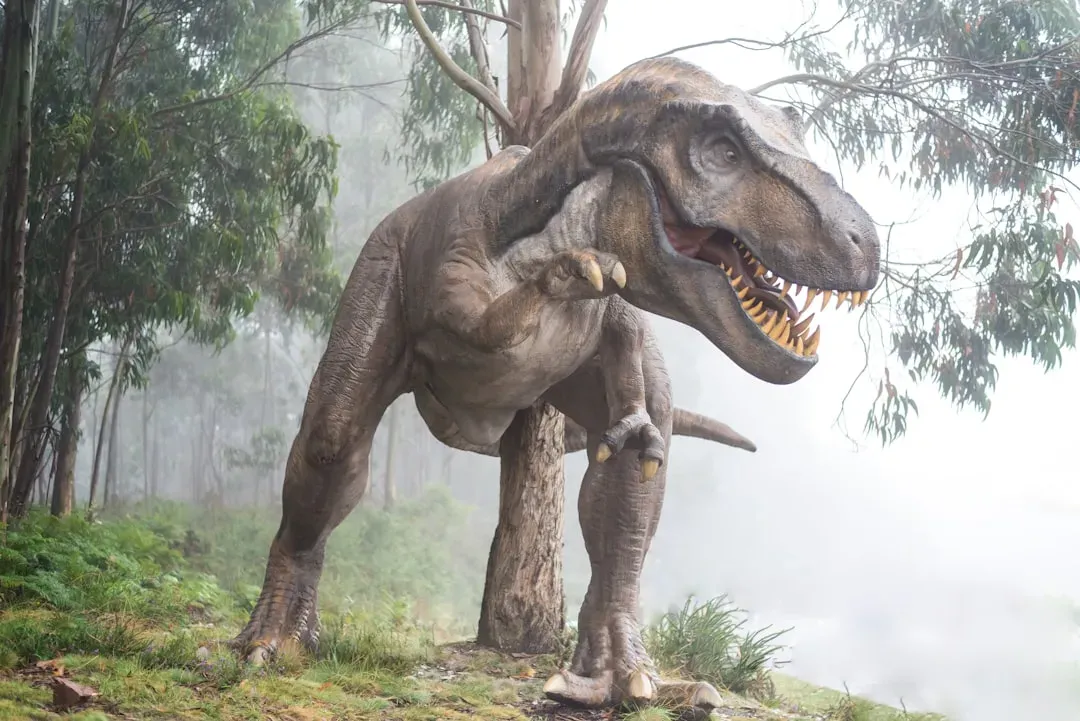
One of the more quietly damning criticisms of the Jurassic World era comes from within the academic community itself. There is a gradient between science fiction and science fantasy. The first Jurassic Park movie was science fiction: it was a fictional story, but it was largely based around sound science. The later films are way on the other side of things – very much science fantasy. That’s not a minor semantic distinction. It describes a fundamental shift in what the franchise was trying to be.
When Jurassic Park premiered in 1993, it struck a near-perfect balance of blockbuster storytelling and scientific accuracy, thrilling everyone from wide-eyed children to discerning paleontologists in its audience. The World era never really aimed for that balance. For all its errors, the original film was very effective about bringing then-new 1980s discoveries to people of the 1990s. Sadly, the dinosaurs in Jurassic World have not been updated with any new information from the 1990s, 2000s, or 2010s, and in a few cases are less accurate than in the original. Less accurate than a film made thirty years earlier. That takes genuine effort.
#3: The Indominus Rex Problem – When “Scientifically Inaccurate” Becomes Scientifically Irrelevant
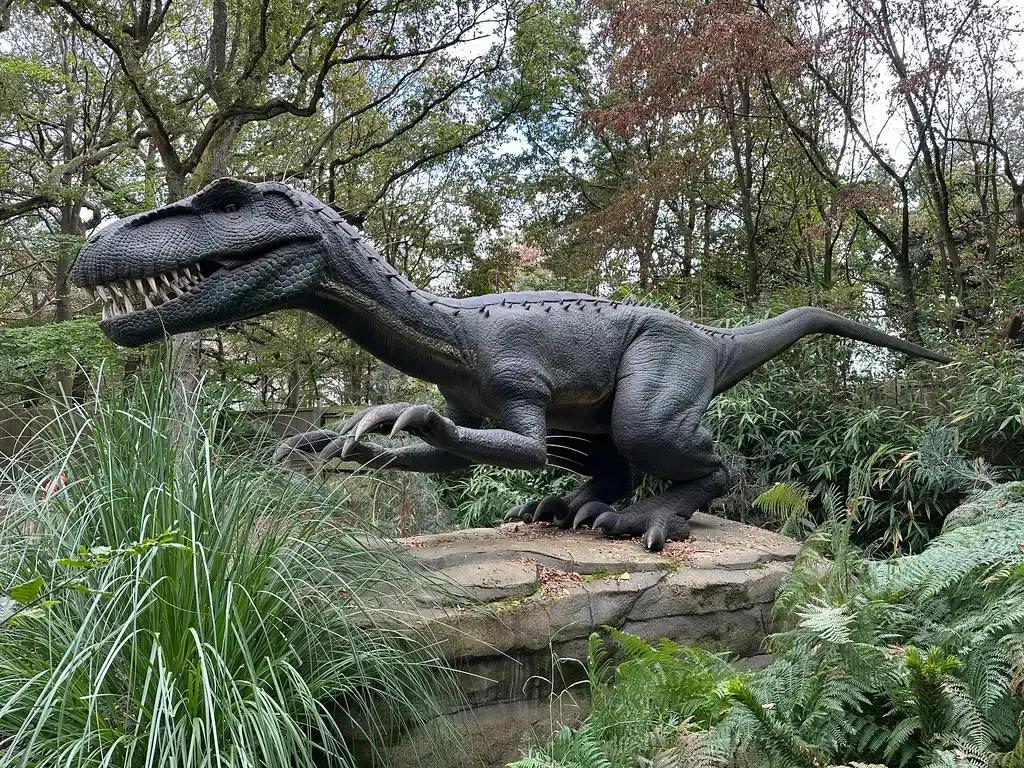
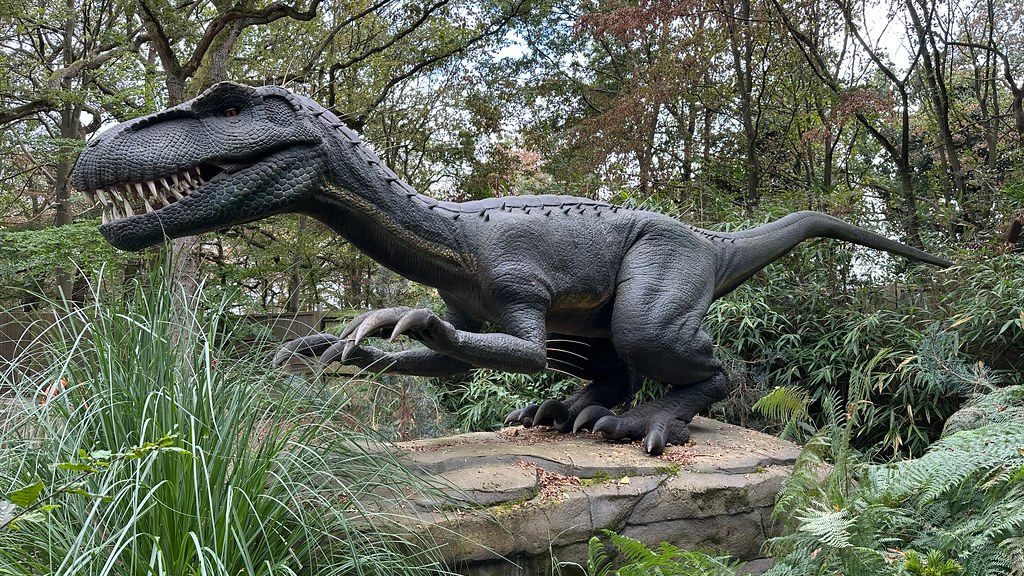
The original film at least had the dignity of depicting real animals, however imperfectly. Jurassic World introduced the Indominus rex as its central creature, and at that point the conversation about paleontological accuracy essentially collapses. The film’s villain is a genetic mash-up of tyrannosaur and raptor and all kinds of other stuff. To even begin talking about this creature’s scientific accuracy would be like a bat specialist discussing the fine points of Batman’s anatomy and biomechanics. It’s a fair point, and a slightly uncomfortable one for the franchise.
The Indominus rex was created by combining the base genome of Tyrannosaurus and Velociraptor, and also contains the genetic material of numerous other species, including Carnotaurus, Giganotosaurus, Majungasaurus, and Therizinosaurus, as well as an assortment of modern species. Then Fallen Kingdom doubled down with the Indoraptor. The mad scientist continued his work, using the Indominus Rex as the stepping stone to an even better, even deadlier dinosaur – a terrifying hybrid that is more monster than animal. These creatures aren’t bad science. They’re science completely abandoned in favor of creature-feature spectacle, which is fine entertainment, but it’s a long way from what the franchise once promised.
#4: The DNA Problem Was Known – and the Films Kept Doubling Down on It
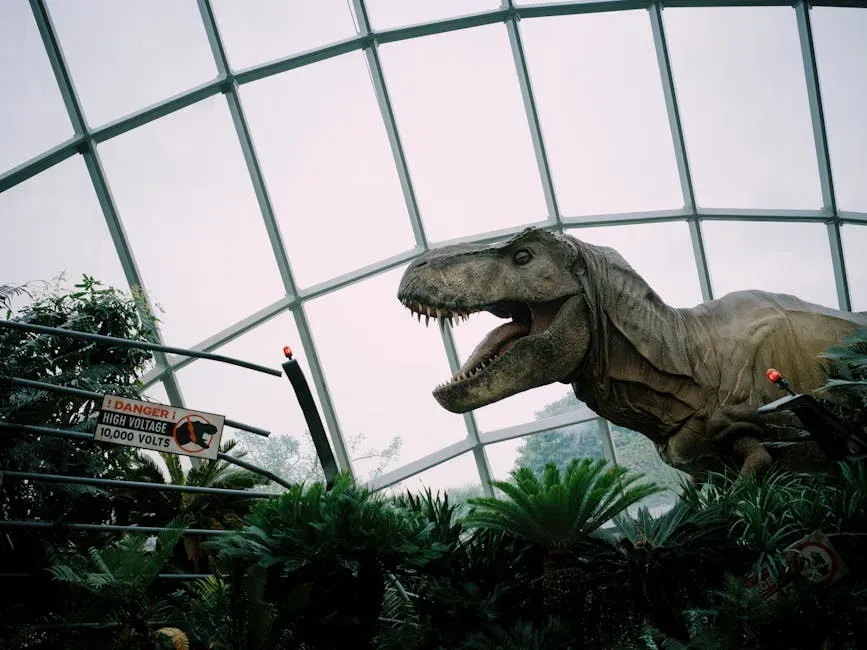
The original Jurassic Park’s central premise, extracting dinosaur DNA from blood preserved inside amber-trapped mosquitoes, was at least a genuine hypothesis when Michael Crichton wrote his novel. At first glance, the scientific explanation for the revival of dinosaurs in Jurassic Park doesn’t sound too far-fetched. It was considered a genuine possibility at the time the book was written. The key phrase there is “at the time.” Science moved on. The films did not.
Trapped in amber or not, DNA doesn’t like to stick around. Even in the best conditions, scientists estimate that readable DNA completely degrades in 1.5 million years, tops. The asteroid impact that wiped out the dinosaurs occurred 65 million years ago, leaving tens of millions of years of interim degradation. The Jurassic World films not only kept the amber-DNA premise alive, they layered hybrid genetics and synthetic splicing on top of it. Bringing back dinosaurs isn’t just difficult or unlikely. It’s fundamentally impossible given the laws of chemistry and biology. DNA degradation isn’t a technological problem we can engineer around. It’s a basic molecular reality. Every bond in dinosaur DNA broke down millions of years ago, leaving nothing to recover, sequence, or clone. The franchise kept selling this idea as if the science hadn’t moved forward. It had.
#5: The Franchise’s Own Defense Reveals the Problem
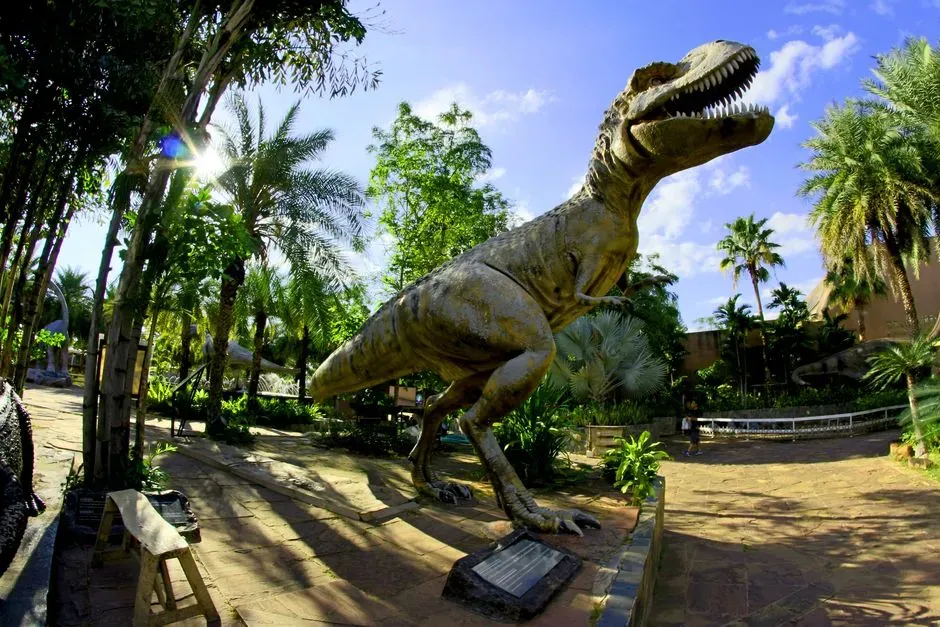
The in-universe explanation for why the dinosaurs look nothing like real paleontological reconstructions is, admittedly, somewhat clever. All the way back to the books, we are told that the dinosaurs in Jurassic Park and Jurassic World are not “real” dinosaurs. They’ve been hacked together with what DNA fragments InGen and its rivals recover, merged with that of modern animals. It’s a neat narrative escape hatch. That’s also the explanation given for not changing the dinosaur designs in World despite over twenty years of real-life post-Park research suggesting, with very little room for debate, that they should look different.
The trouble is that this defense essentially concedes the argument. Both films have inaccuracies, but one was an earnest attempt at realism made a long time ago, while the other deliberately chose to keep its reconstructions in that era. As a result, one could easily interpret the World films as inherently far more misleading. Paleontologists fret that these movies spread misinformation, and they deal with inaccuracies over and over every time they give a talk, still having to dispel falsehoods from earlier films about T. rex’s vision, and raptors opening doors and communicating. When a franchise’s own internal logic requires audiences to accept that the animals on screen are genetically corrupted versions of real dinosaurs, and yet those same animals are still used to shape public understanding of prehistoric life, something has quietly gone wrong.
Final Thought
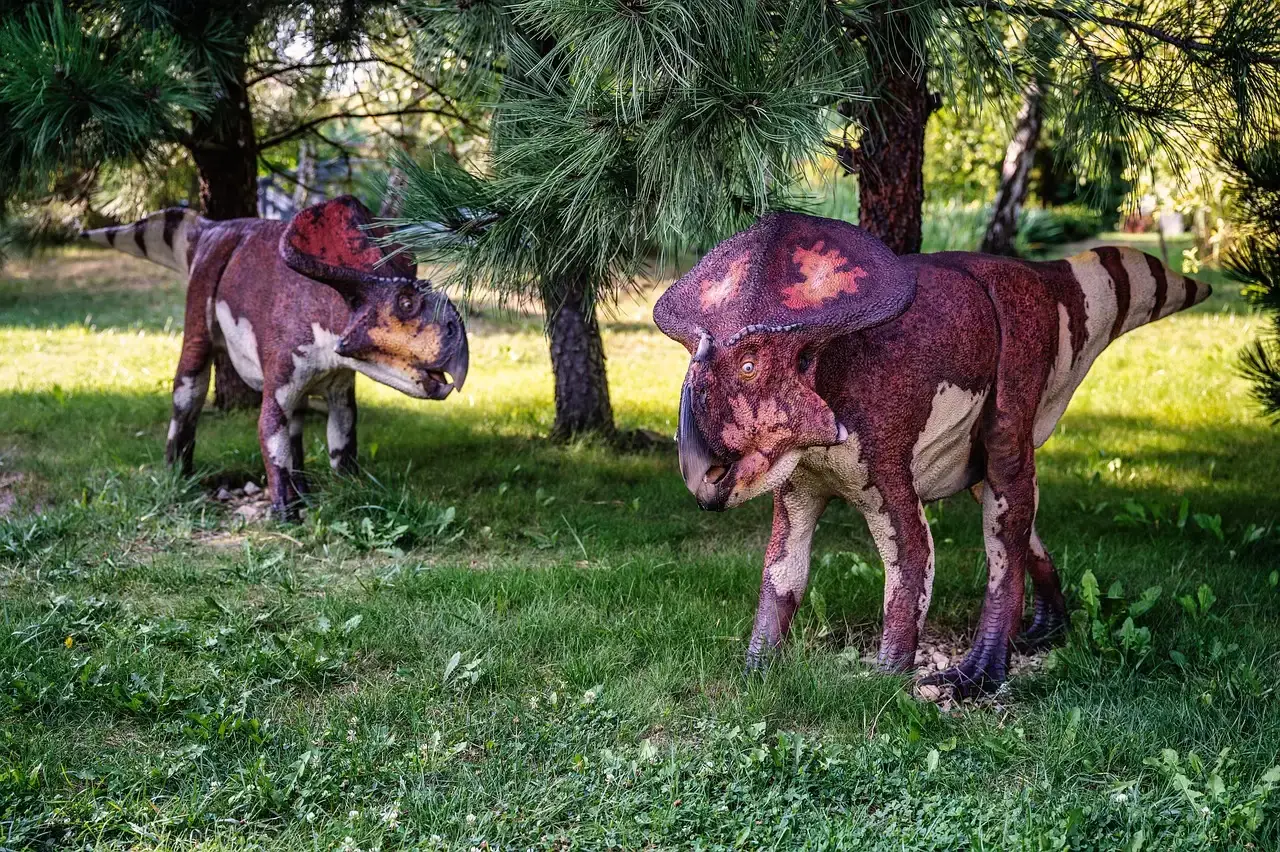
None of this makes Jurassic World a bad film. Monster movies don’t need to pass a paleontology exam. What it does mean is that the franchise quietly traded something rare and genuinely valuable – a big-budget, mass-audience engagement with real science – for something much more ordinary: a creature feature with prehistoric window dressing.
The original Jurassic Park led many museums and universities to hire dinosaur experts and catalyzed a burst of funding for paleontological research. Some of the proceeds even went to fund original science through the Dinosaur Society and the Jurassic Foundation. The World era never generated that kind of intellectual momentum. The original film made people curious about the real thing. The sequels, at their worst, replaced the real thing with something more convenient. That’s the gap between the two franchises, and it’s wider than any rex enclosure.

- What It Means When Cardinals Appear During Major Life Transitions (Based on 300 Years of Documented Sightings) - July 20, 2026
- 12 Backyard Animals That Can Sense When a Storm Is Coming Hours Before Your Weather App (And How They Warn You) - July 20, 2026
- Animal Science Says Elephants Can Recognize the Voices of Distant Herd Members They Have Not Seen in Years - July 20, 2026