
Walk into any veterinary clinic and the professionals behind the counter will tell you they love every dog that comes through the door. What they’re less likely to volunteer unprompted is that certain breeds quietly fill their appointment books with predictable, painful, and often expensive problems that could have been avoided with a different choice at adoption.
This isn’t about vilifying beautiful animals. It’s about what happens after the puppy photos fade and the real medical journey begins. Veterinarians see patterns that most dog owners never get to see, and increasingly, those professionals are speaking honestly about which breeds carry burdens that prospective owners rarely fully understand until they’re already deeply attached.
#1. French Bulldog

French Bulldogs are undeniably adorable, but they come with near-constant health issues, from breathing problems to skin infections to spinal troubles. The breed’s iconic flat face is the root of much of it. Brachycephalic breeds are characterized by their short noses and flat faces, and this trait is directly linked to a condition known as brachycephalic obstructive airway syndrome, or BOAS.
On average, a pet owner is looking at paying around $16,000 over the course of a French Bulldog’s lifetime, factoring in adoption costs, vet bills, and any additional medical care. That number isn’t a scare tactic; it’s a realistic reflection of what the breed demands. Some breeds, particularly those that have been selectively bred for specific physical traits, are predisposed to a wide range of medical conditions that compound over time and rarely improve on their own.
#2. English Bulldog

English Bulldogs are prone to BOAS, skin fold infections, hip dysplasia, cherry eye, and obesity. That is a formidable list for a single breed, and it represents the cost of decades of selective breeding focused on appearance rather than function. English Bulldogs are also more prone to ear infections due to their short ear canals and floppy ears, though regular cleaning and monitoring can help prevent these infections.
Some English Bulldogs have screw or corkscrew tails, leading to infection, irritation, or other medical issues, and the breed can also be predisposed to congenital heart defects and conditions such as dilated cardiomyopathy. Vets who treat this breed regularly describe it as one of the most medically complex dogs in routine practice, not because owners are negligent, but because the body type itself creates ongoing structural conflicts.
#3. Cavalier King Charles Spaniel

Cavalier King Charles Spaniels are one of the sweetest, most affectionate breeds, but almost every single one ends up with heart disease. Many go into heart failure young, and it’s genuinely devastating. This isn’t a rare outlier risk; it’s a near-universal pattern within the breed. Mitral Valve Disease is common in Cavalier King Charles Spaniels and other toy breeds, causing heart murmurs and coughing as the disease progresses.
Cavalier King Charles Spaniels are also prone to syringomyelia and eye disorders, both of which add significant complexity to their long-term care. Syringomyelia, a condition in which fluid-filled cavities form within the spinal cord, can cause chronic pain that’s difficult to manage. For a breed this gentle and loving, it’s a genuinely heartbreaking reality.
#4. Dachshund

Dachshunds have huge personalities and are super lovable, but their backs are a persistent concern. That long spine makes them prone to slipped discs and paralysis, and many end up in pain or needing expensive surgery after something as simple as jumping off a couch. The condition responsible is called intervertebral disc disease, or IVDD, and it’s deeply embedded in the breed’s genetics. Dachshunds are at particular risk of intervertebral disc disease, which can cause sudden paralysis, and recognizing early warning signs like stiffness, reluctance to jump, or dragging hind limbs is critical for timely intervention.
The shape that makes a Dachshund recognizable is the very shape that puts its nervous system at risk. Dachshunds are highly loveable, but they are susceptible to spinal problems that affect their quality of life; keeping them at a healthy weight and avoiding excessive jumping or running are key management strategies. Even careful owners can find themselves facing a spinal crisis without warning, often mid-life when the dog is otherwise thriving.
#5. Shar Pei

One breed that some vets personally like but wouldn’t choose to adopt is the Shar Pei, primarily because of its long list of hereditary health problems. The breed’s distinctive wrinkled appearance is its signature feature, but those folds come with a medical price. The Shar Pei originated in China as a guard dog and nearly disappeared as a breed in the 20th century, leaving it with a fairly small gene pool that creates problems. Their distinctive wrinkles can lead to infected skin folds, and they are also predisposed to eye problems, atopic dermatitis, and even a breed-specific condition called Shar Pei Fever.
It’s understandable why people would want these dogs, as they give off cuddly teddy bear energy. However, similar to the French Bulldog, their folds are prone to infections, and due to their snouts, they are known to get persistent allergies. Shar Pei Fever is a particularly unusual concern: an autoinflammatory disorder that causes recurring episodes of swelling and high temperature, often leading to amyloidosis and kidney failure over time.
#6. Pug

Pugs are small, mischievous, and fun-loving toy breed dogs with a long history dating back to ancient China, where they served as companion animals for royal families. They have flat-face wrinkles because breeders historically found that feature favorable, but the consequences for the dogs themselves are significant. Pug Dog Encephalitis, or PDE, is an inflammatory condition in the brain that causes seizures, vision impairment, spontaneous circling, and other erratic behavior.
Flat-faced dogs carry a significantly increased risk of early death, according to dog welfare experts. For Pugs specifically, the respiratory challenges compound alongside joint problems and obesity risk. Domesticated Pugs are often overfed and taken for only short walks, increasing their chances of obesity, which then accelerates joint deterioration and compounds the respiratory problems that are already baked into the breed.
#7. German Shepherd
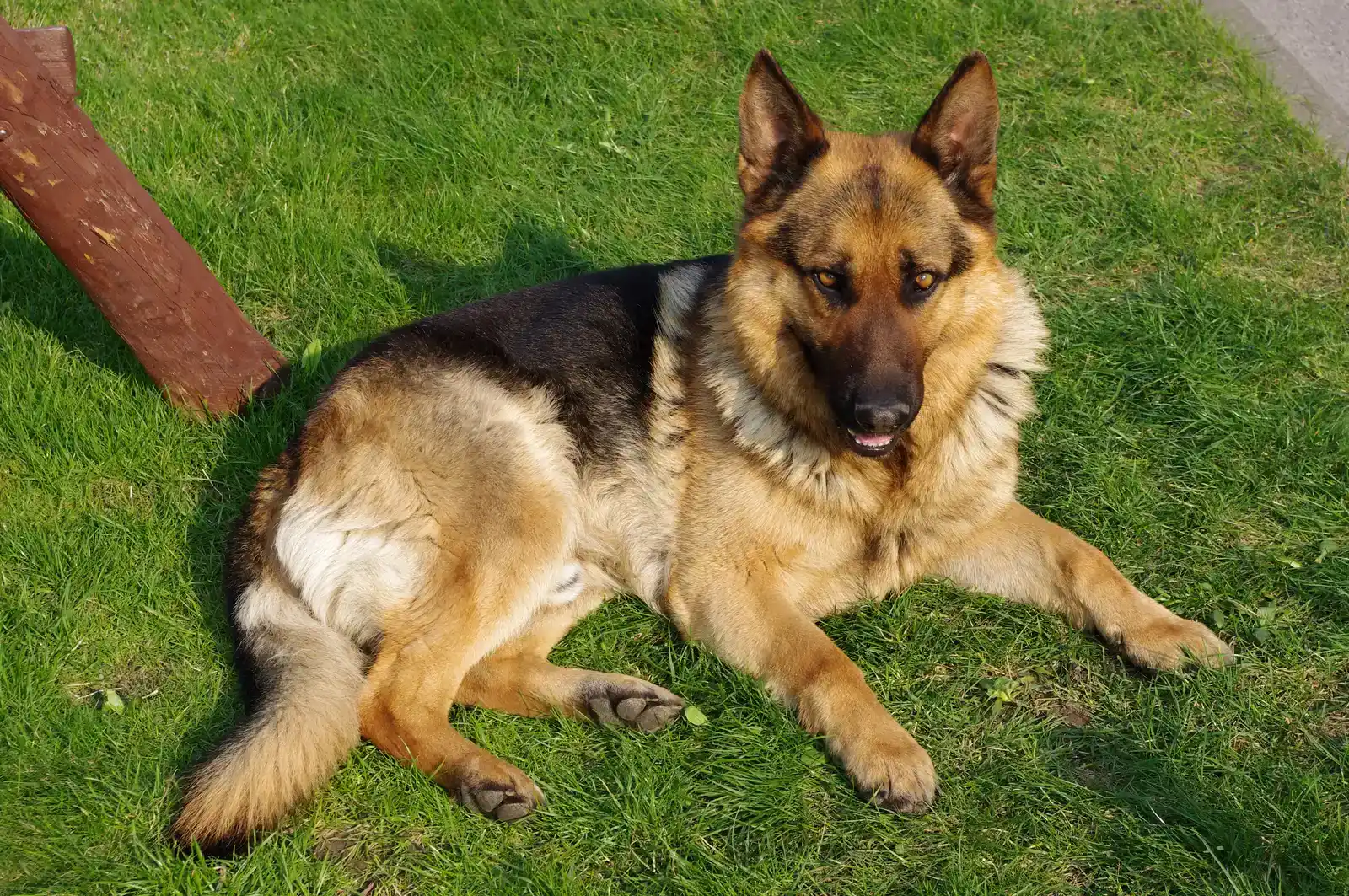
German Shepherds are incredibly loyal animals and are predisposed to osteoarthritis, elbow and hip dysplasia, epilepsy, Degenerative Myelopathy, pancreatic insufficiency, heart problems, and certain types of cancer. That list surprises many people who associate the breed purely with strength and reliability. German Shepherds may be subject to various health issues including hip dysplasia, elbow dysplasia, hemophilia, bloat, degenerative disc disease, diabetes, and cataracts.
Degenerative Myelopathy is particularly difficult to watch. It’s a progressive neurological disease that gradually robs the dog of mobility, starting in the hind limbs, and there is no cure. German Shepherds can be prone to skin and food allergies, and preventing them involves a combination of high-quality diet, regular grooming, and veterinary consultation if any skin irritations appear. The breed’s popularity means many people get one without fully understanding the medical journey that often waits on the other side of puppyhood.
#8. Doberman Pinscher

Dilated Cardiomyopathy, or DCM, is the leading cause of death for the Doberman Pinscher. That is a staggering fact for a breed that looks so powerful and athletic on the outside. Cardiomyopathy is a genetic condition that causes the heart to enlarge, and it usually goes undiagnosed until the disease is advanced. A key symptom is difficulty breathing, and immediate veterinary care is essential.
Von Willebrand disease, an inherited bleeding disorder, results from a lack or reduced level of a normal blood clotting protein and is characterized by spontaneous hemorrhaging and prolonged bleeding after physical trauma, adding another serious layer to the Doberman’s health profile. Doberman Pinschers may also develop osteosarcoma, or bone cancer, and the breed can further develop prostate cancer, mammary cancer, and lymphoma. For such a visually impressive and loyal breed, the internal vulnerabilities are sobering.
#9. Boxer

Owners of Boxers know they come with unlimited amounts of affection, energy, and enthusiasm, but this beloved breed is prone to health problems ranging from neurological diseases to cancerous growths to respiratory ailments. The cancer risk alone sets the breed apart. Boxers have one of the highest cancer rates of any breed, with estimates suggesting roughly two in five will develop cancer.
There is one heart condition that is nearly exclusively seen in Boxers: ARVC, or arrhythmogenic right ventricular cardiomyopathy, otherwise known as Boxer cardiomyopathy. With this condition, the muscle of the right ventricle of the heart is infiltrated with fatty tissue, meaning it can no longer function efficiently. Some dogs show no outward symptoms until the disease is advanced, which is why routine cardiac screening is so important for Boxers. It’s the kind of silent threat that makes experienced vets genuinely cautious about recommending the breed without a very serious conversation first.
#10. Great Dane
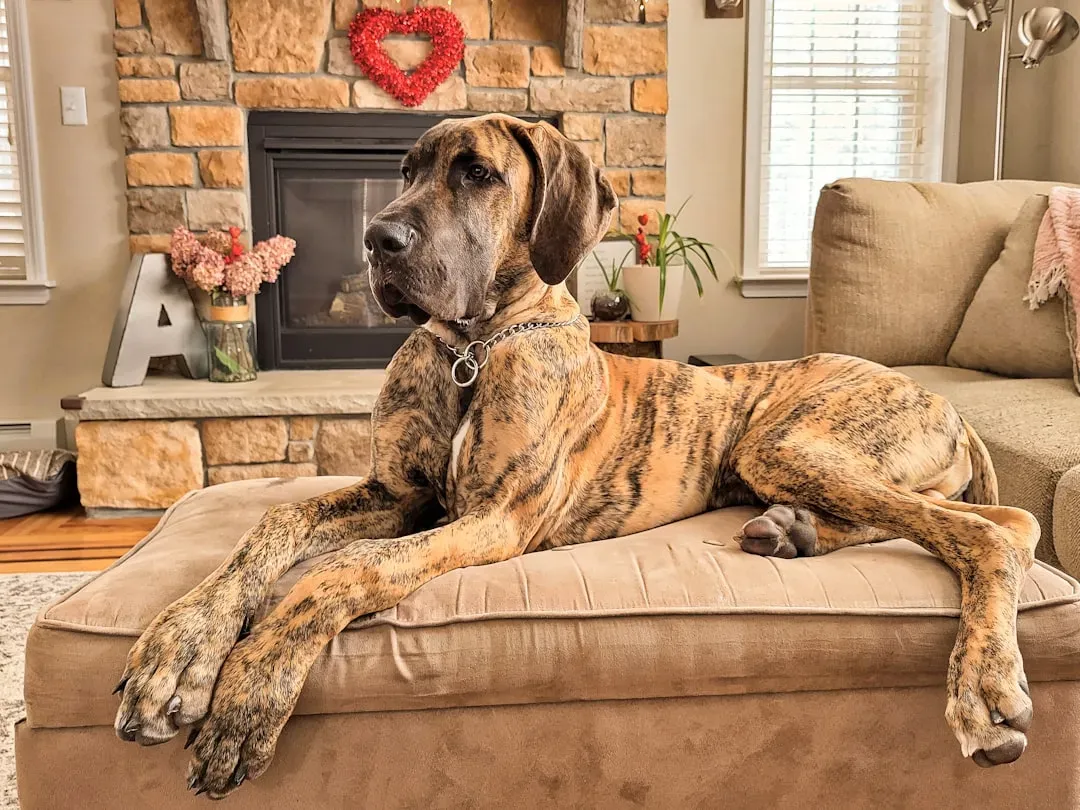
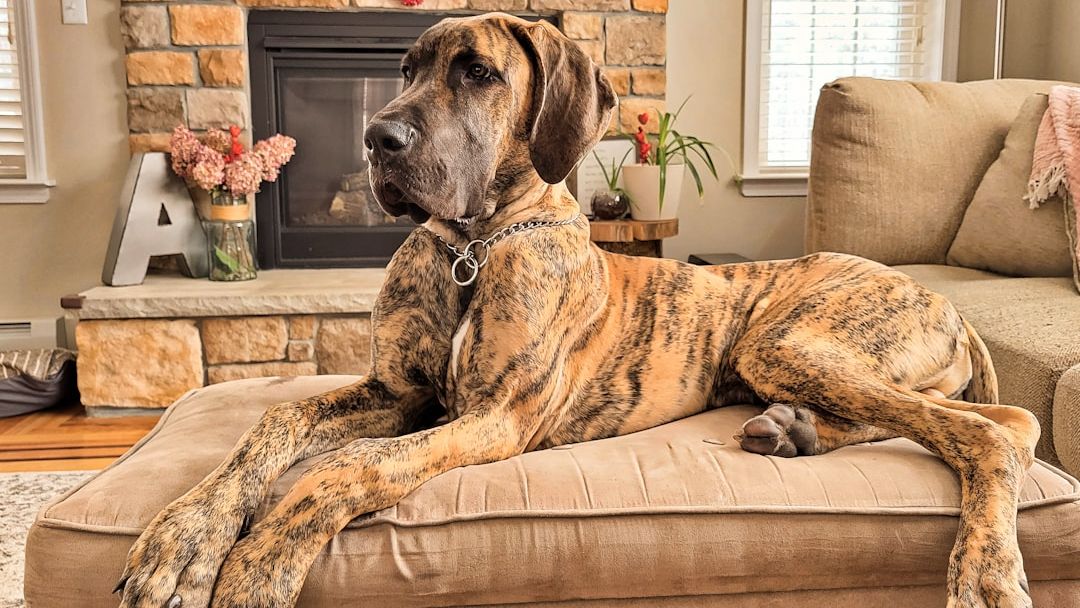
Sadly, Great Danes only live between eight to ten years because of their many health issues. They are one of the tallest dogs in the world, and while their sweet demeanors make them attractive pets, older Great Danes struggle to support their larger bodies, causing several health issues. The sheer physics of their size works against them over time. Great Danes are at risk for bloat, cardiomyopathy, bone cancer, arthritis, and hip dysplasia.
Bloat, or gastric torsion, is a life-threatening condition that occurs when the stomach fills with gas and twists on itself, cutting off blood flow. To help reduce the risk of bloat, feeding smaller meals throughout the day and avoiding heavy exercise immediately before or after meals is advisable. It can happen suddenly, without warning, and is fatal without emergency intervention. For a breed this large and this loved, the lifespan is genuinely short, and the path to the end is often medically difficult.
#11. Bernese Mountain Dog
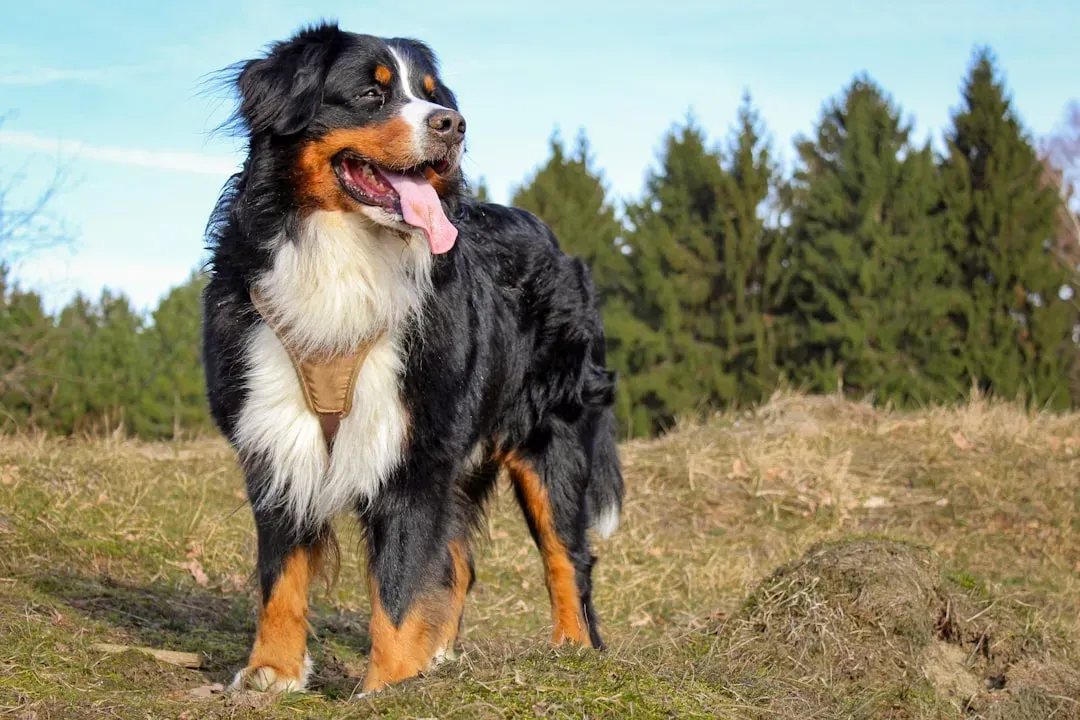
Bernese Mountain Dogs are lovable, gentle giants that are particularly prone to certain types of cancer, including blood cancers such as lymphoma and bone cancer. The breed is widely regarded as one of the most cancer-prone in the canine world. Bernese Mountain Dogs frequently develop histiocytic sarcoma and joint issues, with an average lifespan of only seven to ten years.
That lifespan is notably short for a dog that bonds this deeply with families. Many owners describe an almost cruel imbalance between how much joy the breed brings and how little time they get. Bigger dog breeds as a general rule don’t live as long as smaller breeds for many reasons, and they generally suffer more with problems like hip or elbow dysplasia and osteoarthritis in later life. With Berners, the emotional cost of ownership is something vets know well and discuss carefully with prospective adopters.
#12. Chow Chow

Some veterinarians find that Chow Chows often don’t have a very nice temperament, can be really aloof, and are often very aggressive at the vet. That clinical experience matters more than people realize, because a dog that resists handling makes proper medical care significantly harder to deliver. Beyond temperament, the physical health concerns are considerable. Chow Chows are susceptible to eye issues including glaucoma and entropion, where the eyelid rolls inward and causes the eyelashes to rub against the cornea. If eye issues aren’t treated promptly, they can eventually lead to blindness.
The Chow Chow’s laid-back lifestyle makes them more susceptible to obesity and the additional health issues associated with it, such as diabetes, glaucoma, and arthritis. Diabetes can happen in all dog breeds, but Chow Chows have been seen to have a higher incidence of it. The combination of structural health problems, temperament challenges at the clinic, and metabolic risks makes the breed one that many vets discuss with genuine candor when asked for an honest recommendation.
#13. Siberian Husky
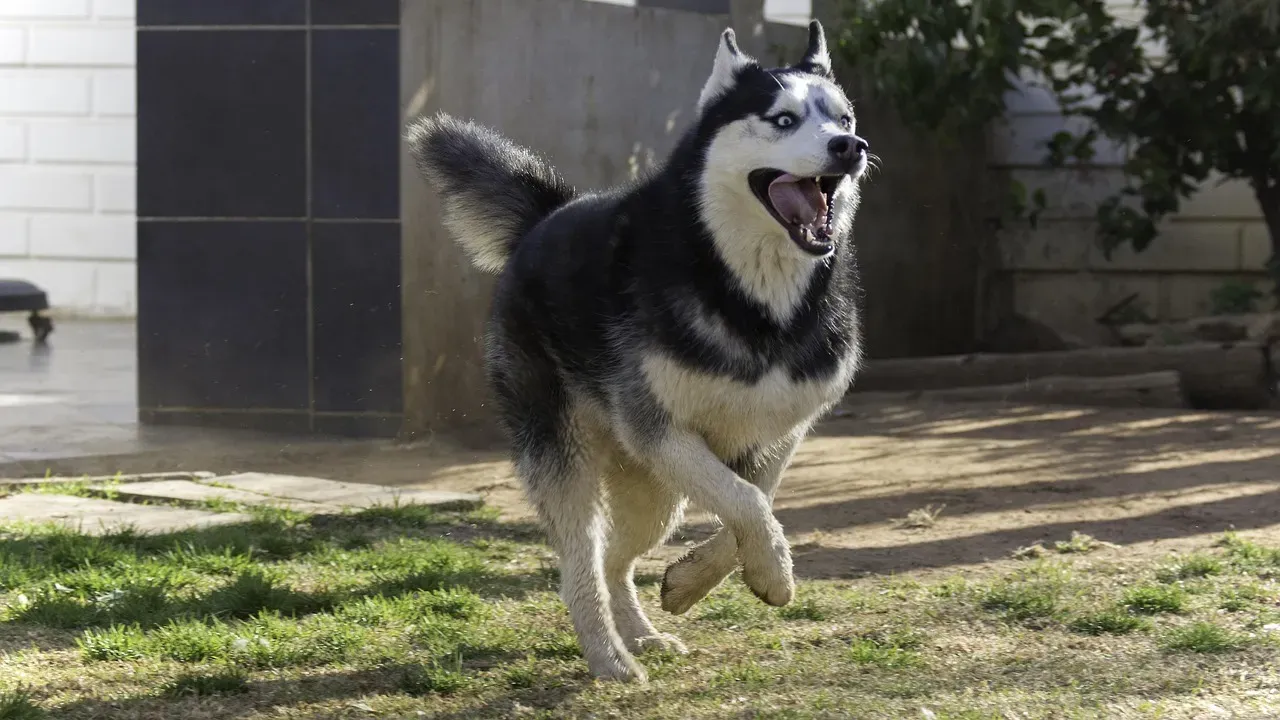
Siberian Huskies are typically a hardy and energetic breed, but cataracts are relatively common in the breed and can affect their vision, sometimes leading to blindness if left untreated. Like many medium to large breeds, they can also develop hip dysplasia, which may cause joint pain and mobility problems over time. The breed’s reputation for toughness can actually mask early symptoms, leading owners to delay care longer than they should. A unique concern in Huskies is zinc-responsive dermatosis, a skin condition that results from poor zinc absorption and can lead to hair loss and other skin complications.
Some Huskies may also experience epilepsy, which can cause recurring seizures. Then there’s the behavioral side of the equation. Huskies are escape artists with extraordinarily high prey drives, and they require a level of physical and mental stimulation that suburban life often can’t realistically provide. Over generations, selective breeding for specific traits like coat color, size, or facial shape has also concentrated genes associated with health conditions, and the Husky is a clear example of that trend playing out across multiple body systems.
#14. Cocker Spaniel

Cocker Spaniels’ long, floppy ears make them especially susceptible to ear infections, which can become chronic if not regularly cleaned and monitored. They are also prone to skin allergies, which may cause itching, redness, and irritation, and they can develop eye conditions like progressive retinal atrophy, a degenerative disease that can lead to vision loss. Three distinct body systems under regular threat is a lot to manage for any owner. Hip dysplasia is also seen in the breed and can lead to joint pain and mobility challenges over time.
The ear infections in Cocker Spaniels deserve special mention because they’re not simply inconvenient. Chronic ear infections cause real, ongoing pain and can lead to permanent hearing loss if managed poorly. Certain breeds carry hereditary eye diseases like cataracts, lens luxation, corneal dystrophy, or Progressive Retinal Atrophy, which can cause gradual vision loss, and regular eye exams are essential, especially for Cocker Spaniels. Owners who go in unprepared often describe the recurring costs and treatments as genuinely overwhelming.
#15. Belgian Malinois
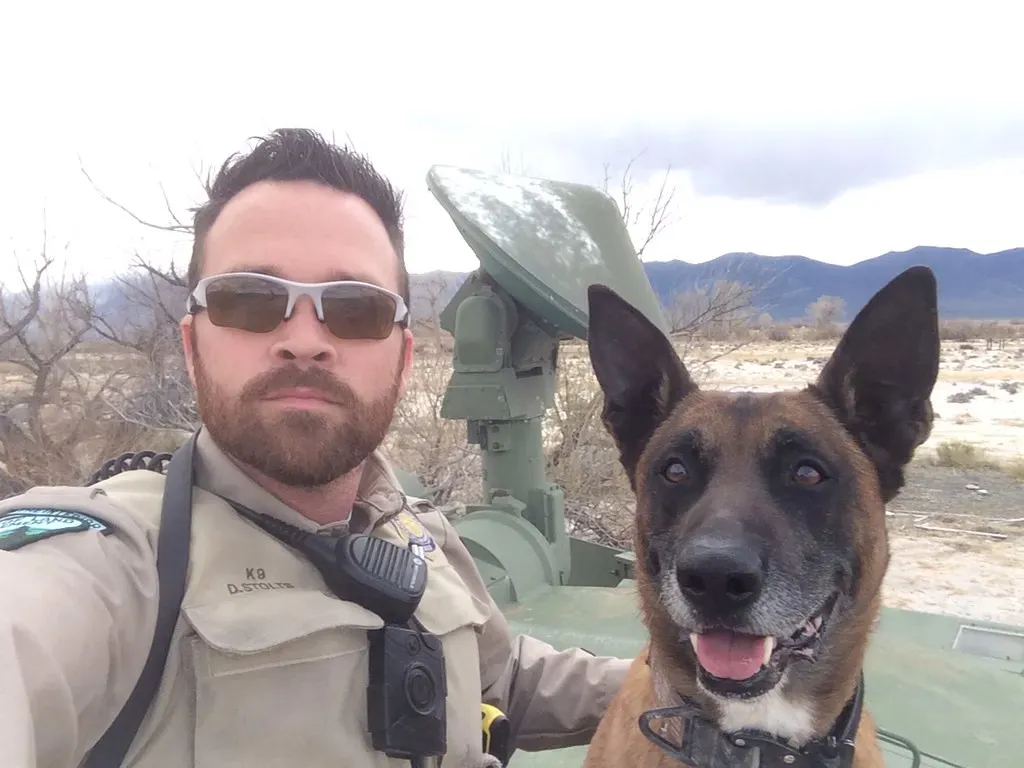
Belgian Malinois are incredible working dogs, crazy intelligent and driven, but unless they are being trained constantly and given proper structure, they become destructive and reactive fast. They’re not family pets for most people. That assessment from a veterinary professional is not dramatic; it’s rooted in the consistent pattern of what happens when this breed lands in the wrong environment. The Belgian Malinois requires constant mental and physical stimulation, which means if left to their own devices, they will become restless and destructive. Experienced and active owners are required for this breed to truly shine.
The Malinois has surged in popularity partly due to viral videos of their police and military work, which makes them look thrilling and manageable. In reality, they are working dogs by design, not temperament by coincidence. The Belgian Malinois is an extremely intelligent dog, so intelligent that they have dethroned both the Border Collie and the German Shepherd for the title of smartest. That intelligence, without an outlet, becomes a liability. Vets who work with behaviorists see the fallout regularly, and most quietly steer first-time dog owners well away from this breed.
What This List Actually Means

None of the breeds on this list are bad dogs. Every single one can live a full, joyful life with the right owner, the right preparation, and consistent veterinary care. Every dog is different and has their own medical requirements to keep them healthy. A group of dogs may be susceptible to a specific disease, but that does not mean every individual will inherit or be afflicted by it.
Choosing the right dog breed involves factoring in not just temperament and size, but also the potential for health-related complications. The point is not to discourage love for these breeds but to arm future owners with the honesty they deserve before they commit. Veterinarians often advise prospective dog owners to research thoroughly before selecting certain breeds, especially those with known chronic health problems.
The most responsible thing any potential dog owner can do is walk into that decision with their eyes fully open. The breeds on this list have given immeasurable joy to millions of families. They’ve also lined vet clinic waiting rooms with people who wish someone had told them the full story sooner. That conversation, clear and honest, is what the best veterinarians have quietly been trying to have all along.
