
Most gardeners step outside with the best of intentions. They want color, life, and a yard that feels cared for. What they don’t always realize is that some of the most routine, well-meaning gardening habits are quietly working against the very creatures they’d love to see. The bees, butterflies, hummingbirds, and songbirds that make a backyard feel alive are surprisingly vulnerable to choices made with a trowel, a spray bottle, or even a bag of fertilizer.
The gap between a garden that supports wildlife and one that undermines it isn’t always obvious. It rarely looks like neglect. More often, it looks like a perfectly edged lawn, a spotlessly tidy autumn yard, or a colorful bed of non-native flowers that seems to thrive. Understanding what’s actually happening beneath that surface changes how you garden, and what comes to visit.
#1 Reaching for Pesticides at the First Sign of Pests
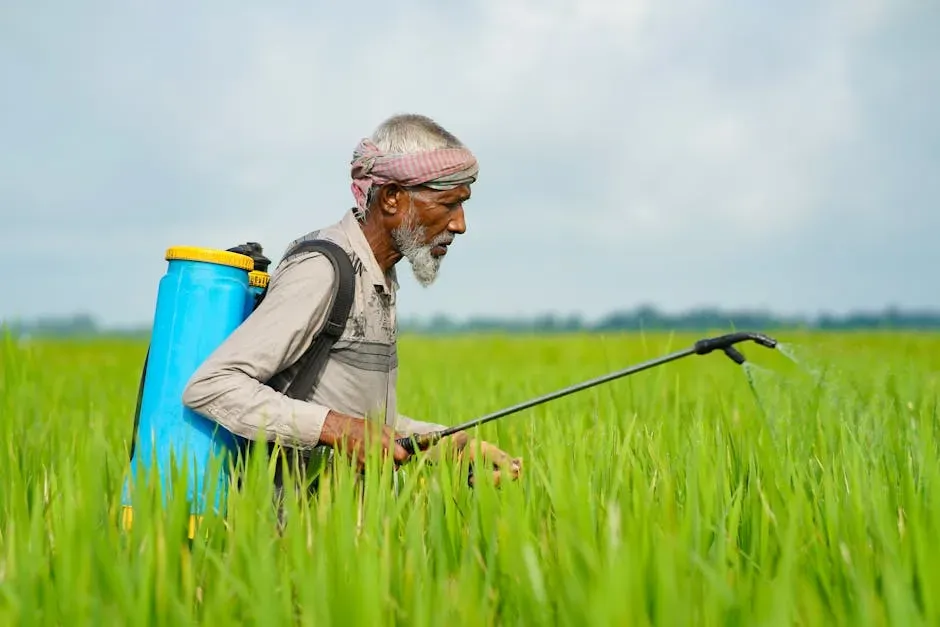
It’s a reflex for many gardeners: spot a bug, grab a spray. The problem is that pesticide treatments do not differentiate between specific pests and beneficial insects like ladybugs, bees, or other pollinators. What kills the aphids also kills the bees foraging two plants over.
The ripple effect goes beyond insects. Using pesticides on or near butterfly host plants can kill caterpillars before they grow up into butterflies, and on top of harming butterfly populations, this can hurt your backyard birds too, since caterpillars are a nutrient-rich food source for many bird species.
Tragically, pesticides don’t just stop at their intended targets – they often kill birds, bees, butterflies, and other animals, resulting in at least 67 million bird deaths every year in the U.S. That number is worth sitting with for a moment. It doesn’t come from industrial farms alone. It comes from backyards just like yours.
#2 Using Herbicides to Control Every Weed
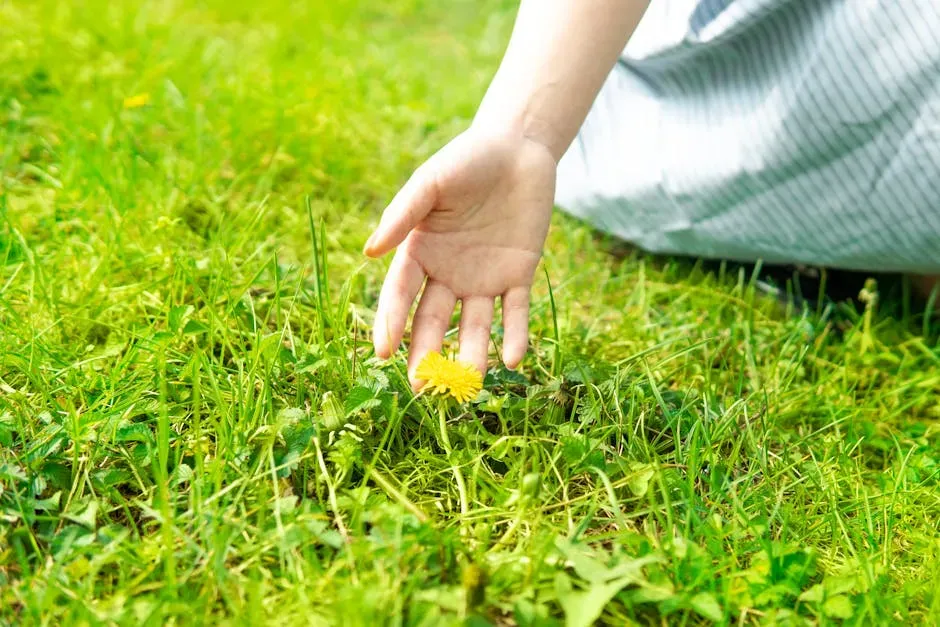
A neatly edged lawn is satisfying to look at, but achieving it with herbicides quietly removes food sources that pollinators depend on. Herbicides can eliminate the flowering plants that provide essential food sources for pollinators, and even for plants that aren’t killed, herbicides can affect the amount of nectar and pollen they produce, as well as the nutrients within them.
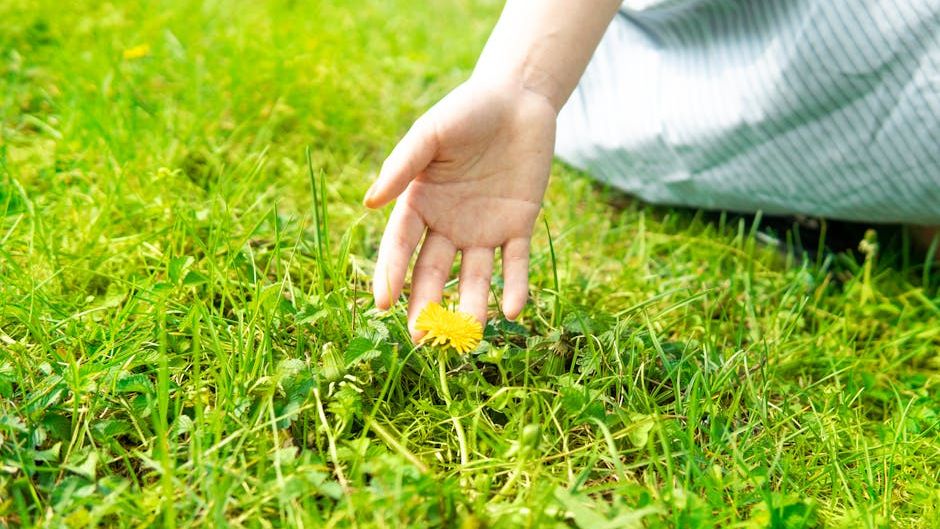
What most people think of as weeds are often exactly what bees need most. Even weeds like dandelion and blackberry can be an important food source for bees. Clover tucked into a lawn, those small purple violets in the corner – these aren’t problems to be solved. They’re a free buffet for pollinators.
Many herbicides remain in the soil, affecting plants and insects long after application. The damage isn’t just immediate. It can persist season after season, quietly reducing the ecological value of the soil beneath your feet without any visible sign that anything is wrong.
#3 Maintaining a Perfectly Manicured Monoculture Lawn
The vision of a uniform, golf-course-green lawn is so deeply embedded in suburban culture that it rarely gets questioned. It should. Weed-free, flowerless grass lawns are monoculture in microcosm; they are wastelands for pollinators, offering no nourishment of any kind.
From a biodiversity standpoint, a monoculture lawn is essentially a biological desert. A single species of grass provides almost nothing for pollinators, beneficial insects, birds, or small mammals. There is no food source, no shelter, no nesting habitat. The lawn looks alive, but ecologically, it’s close to empty.
The scale of this problem is significant. Americans maintain roughly 40 million acres of lawns, making them the largest irrigated crop in the U.S., and while lawns may seem harmless, they offer little benefit to wildlife, especially bees, as they lack floral resources and nesting sites. Replacing even a modest strip of lawn with native plants can make a meaningful difference.
#4 Planting Invasive Species Without Knowing It
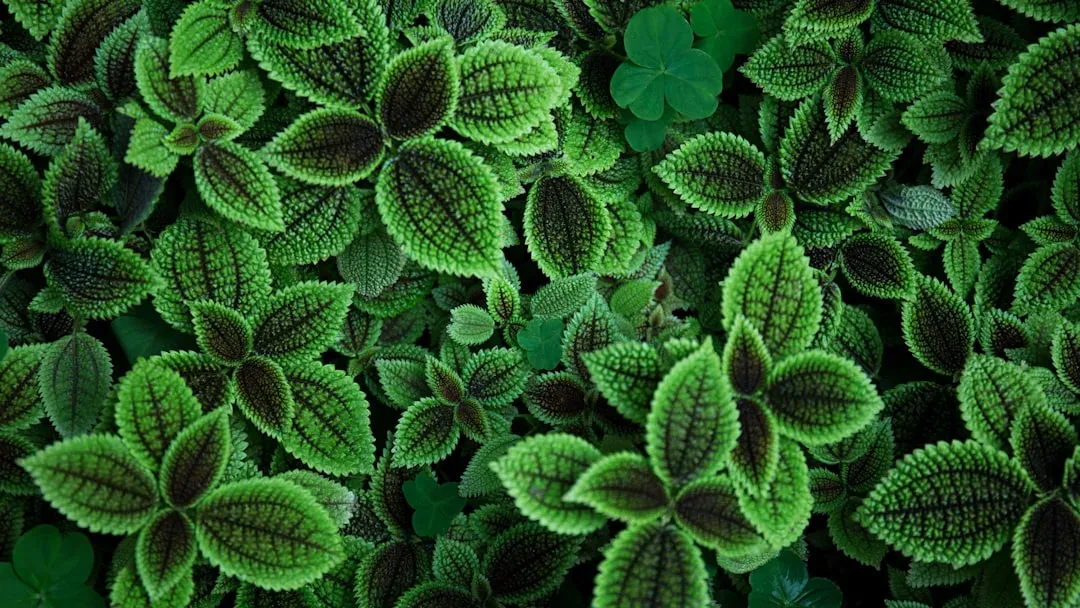
This one catches people off guard. Some of the most popular garden plants sold at nurseries are actually invasive, and many gardeners don’t even realize invasives are harmful – they just see pretty plants. English ivy, butterfly bush, and Japanese barberry are just a few examples commonly found in garden centers despite their well-documented invasive tendencies.
The damage compounds over time as these plants crowd out native vegetation. Invasive plants frequently lack adequate pollen and nectar resources, and invasive species are among the main drivers of biodiversity loss globally. When native plants are pushed out, so are the pollinators and the wildlife that relied on them for food and shelter.
There’s also a spread problem that most gardeners don’t consider. Birds and other animals spread seeds from gardens into wild areas, and as invasive plants spread, they can take over natural spaces and harm pollinators well beyond the boundaries of your own yard. A plant that seems contained rarely stays that way.
#5 Doing a Thorough Autumn Cleanup
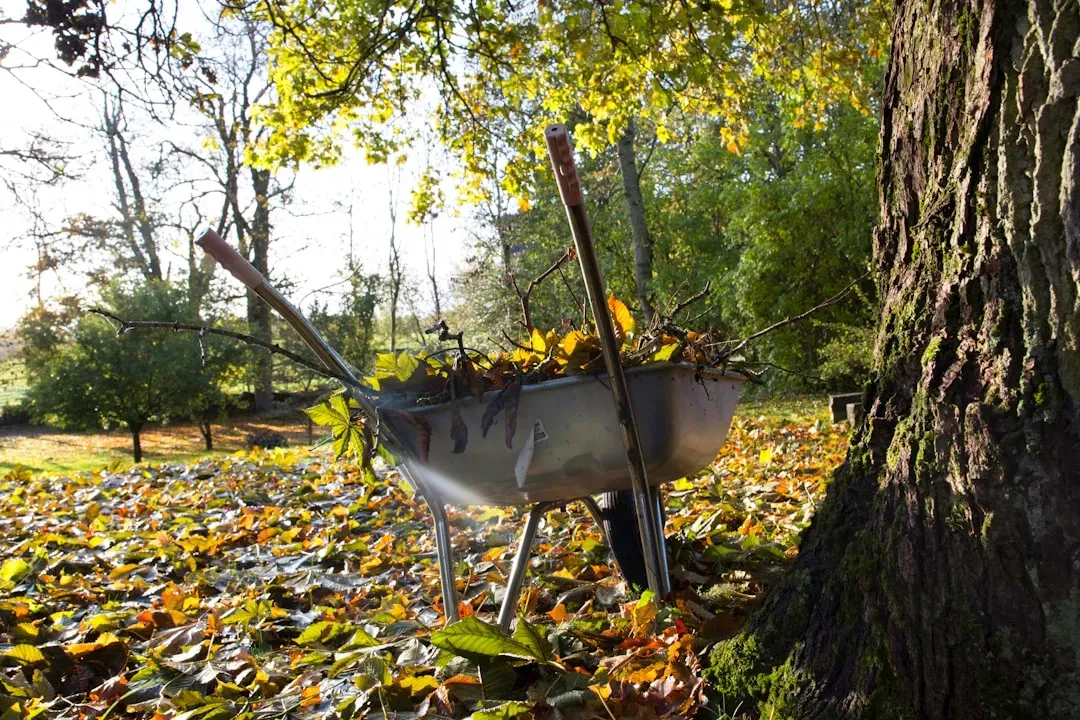
The urge to tidy everything up at the end of the growing season is understandable. It feels productive and satisfying. The trouble is, what looks like dead garden debris to us looks like winter shelter and food to a wide range of wildlife. Resist the urge to cut down dead flowers and clear all leaf litter at the end of the season, as this is where caterpillars of resident butterflies and moths often build their cocoons.
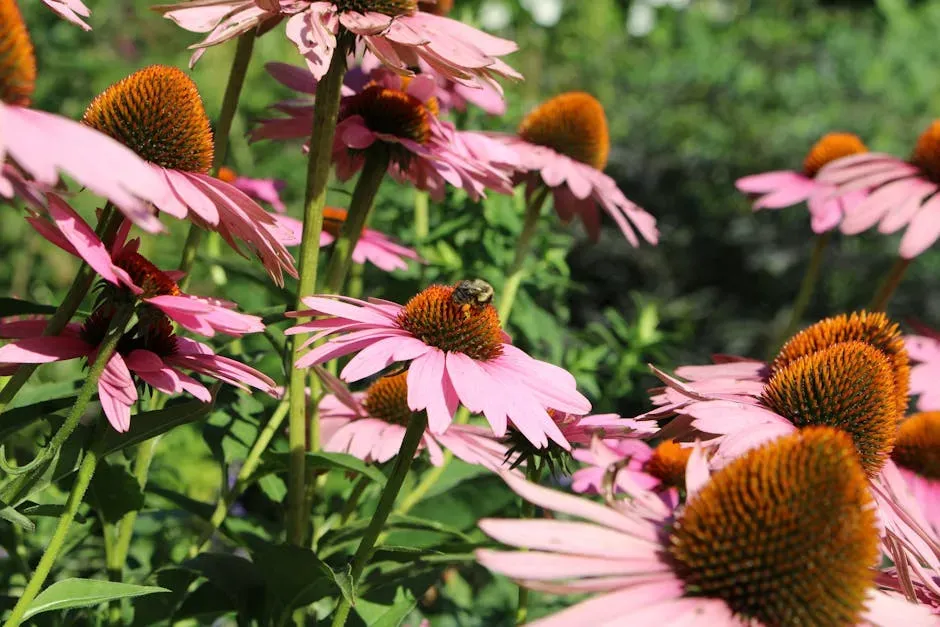
Resisting the urge to deadhead everything in autumn costs you almost nothing and pays real dividends for birds through the coldest months. Seed heads left standing on coneflowers, sunflowers, and black-eyed Susans become critical food sources for finches, sparrows, and other seed-eating birds when little else is available.
Not only does over-tidying your yard harm hibernating wildlife, but failing to clean water sources and feeders can also be harmful, as well as using chemicals in your cleanup efforts. The autumn garden, even in its messy state, is doing far more ecological work than a spotless one.
#6 Relying on Synthetic Fertilizers Routinely
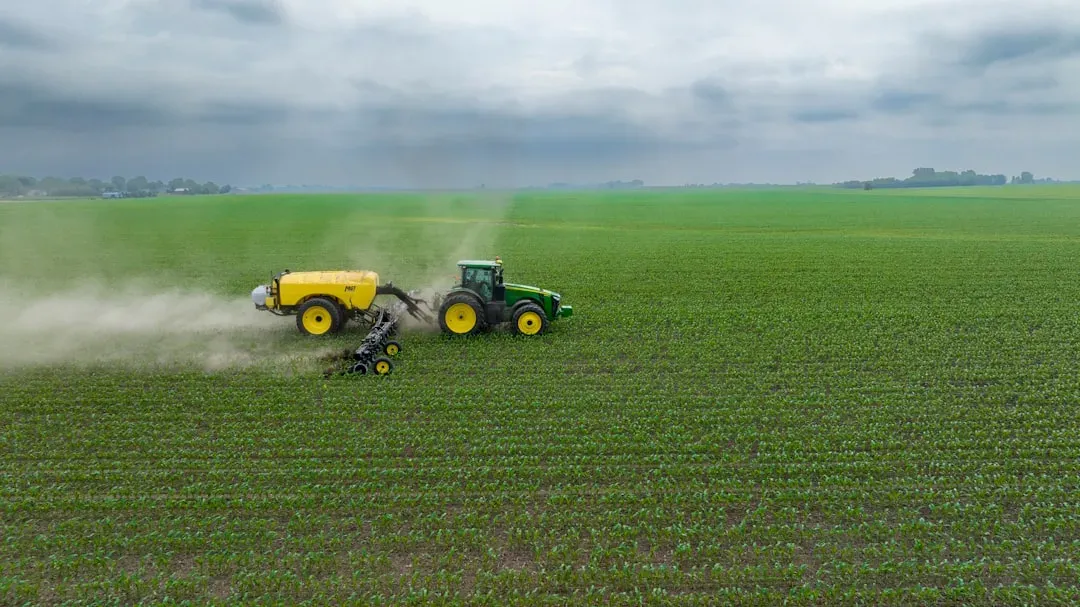
Fast results are tempting, and synthetic fertilizers deliver them. The cost, though, runs deeper than most gardeners realize. Synthetic fertilizers can disrupt soil health and deter pollinators, and these chemicals can leach into the soil, affecting the microorganisms that support plant and insect life.
There’s an even more surprising mechanism at work. Synthetic fertilizers, especially those containing nitrogen, can alter the electric field around flowers, which bumblebees and other pollinators use to locate plants – and that’s a surprisingly specific mechanism of harm, not one most people consider when opening a bag of granular fertilizer.
Chemical fertilizers also wreak havoc on soil health, causing it to become acidic, compacted, and inhospitable to beneficial microbes. With microbial diversity in decline, the soil struggles to break down organic matter, cycle nutrients, and suppress plant diseases. Composting and organic amendments build soil that functions properly rather than soil that’s chemically propped up.
#7 Ignoring the Need for a Water Source
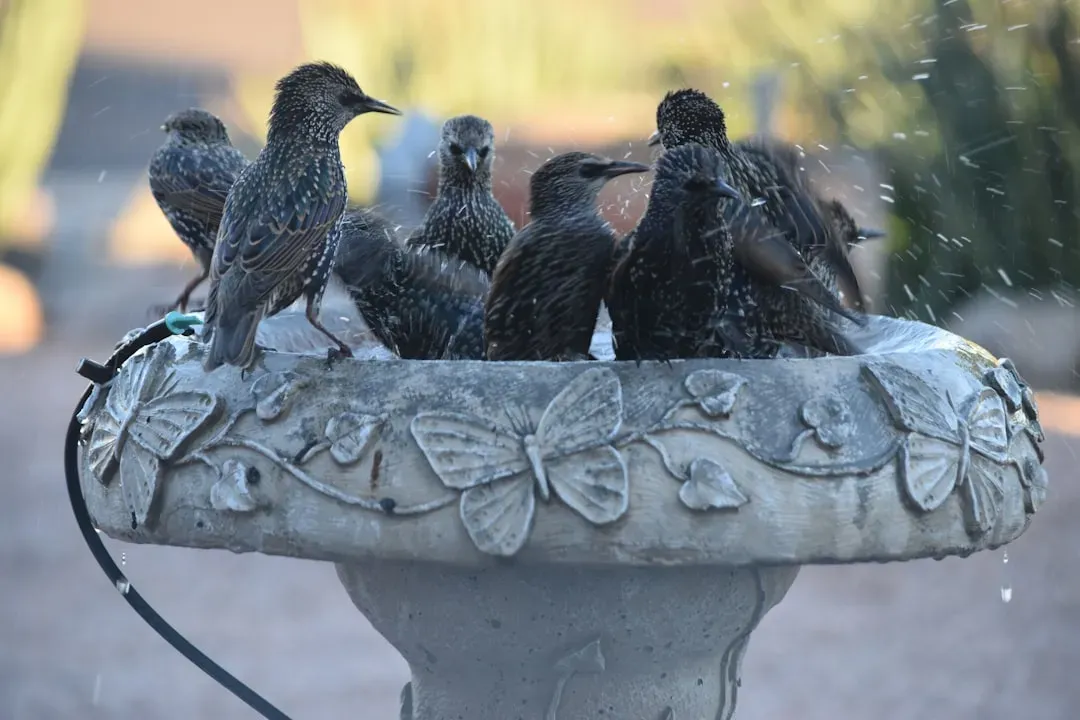
Most gardeners think about food for wildlife but water gets overlooked far more often than it should. Pollinators need water just like any other living creature, but many gardens lack this essential resource. A shallow water source with stones for perching can attract bees and butterflies.
Bird baths or small ponds can double as decorative elements while serving the needs of wildlife. Changing the water regularly prevents it from becoming a breeding ground for unwanted insects. By providing fresh water, you’re creating a hospitable environment that supports a wide range of beneficial creatures in your garden.
The depth matters more than most people think. Bees and small butterflies can drown in even a shallow dish if there’s no landing surface. A few small stones placed in a dish of water create perching spots that turn a simple container into a genuinely useful resource. It’s one of those changes that takes three minutes and works immediately.
#8 Leaving the Garden Without Blooms in Early Spring or Late Fall
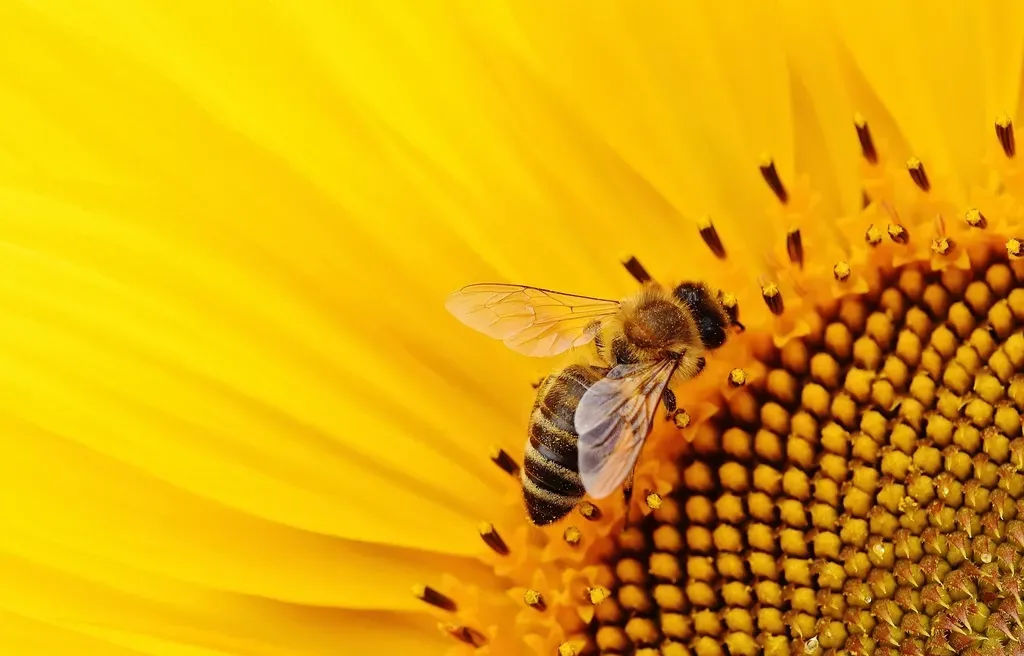
Not attracting pollinators is one of the biggest mistakes gardeners can make, and it’s not just about protecting bees and butterflies by avoiding toxic pesticides. About the vast majority of flowering plants rely on pollinators, and roughly two-thirds of crops actively benefit from them. The timing of bloom availability matters as much as whether you have blooms at all.
Early spring pollinators emerge before most garden flowers open. If your yard has nothing blooming until late April or May, those first hungry bees have nowhere to feed. Staggering bloom times across spring, summer, and fall ensures pollinators always have food, while avoiding pesticide-treated plants helps protect them from hidden toxins.
The same gap opens in autumn. Late-season asters, goldenrod, and sedums give pollinators the fuel they need before winter. Missing that window means closing the door on the creatures you’re trying to support, precisely when they need resources most.
#9 Planting Only Non-Native Ornamentals
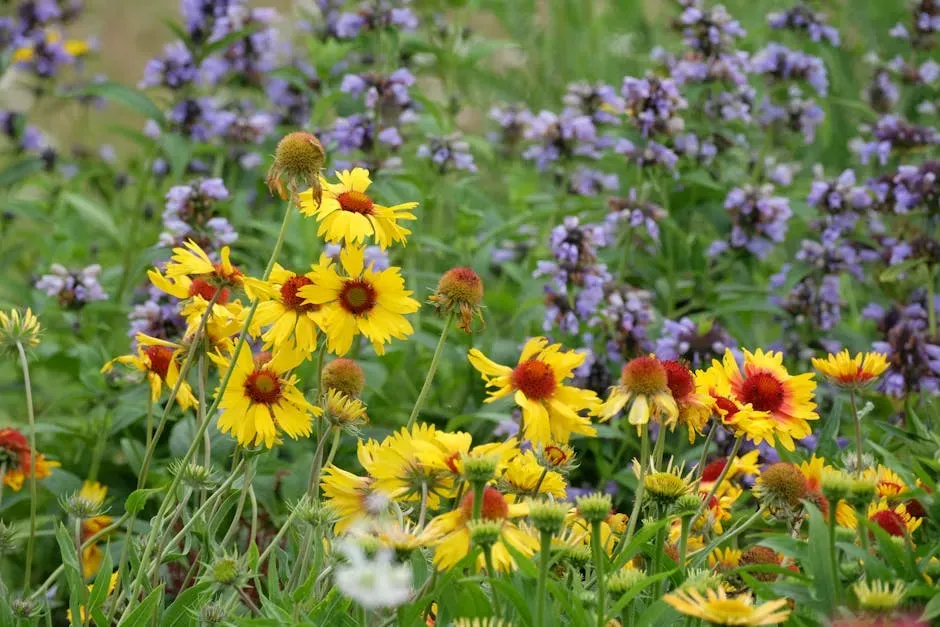
A garden can be visually stunning and nearly useless to local wildlife at the same time. Gardens filled exclusively with non-native plants can be a challenge for local pollinators. These plants may not provide the right nutrients or blooming schedule that native pollinators depend on. Incorporating native wildflowers and shrubs offers a familiar habitat with the necessary pollen and nectar.
The connection between native plants and native wildlife is built over thousands of years of co-evolution. Many specialist bees, for example, can only collect pollen from specific plant families they evolved alongside. Monarchs cannot survive without milkweed; their caterpillars only eat milkweed plants, and monarch butterflies need milkweed to lay their eggs. No amount of non-native planting replaces that relationship.
Butterflies are very specific about their caterpillar plants – many of them have a few closely related plants that their caterpillars can eat to survive. If you want to see butterflies, you need to feed their young too. Choosing regionally native plants isn’t about aesthetics. It’s about keeping the food chain intact.
#10 Leaving No Room for Ground-Nesting Insects
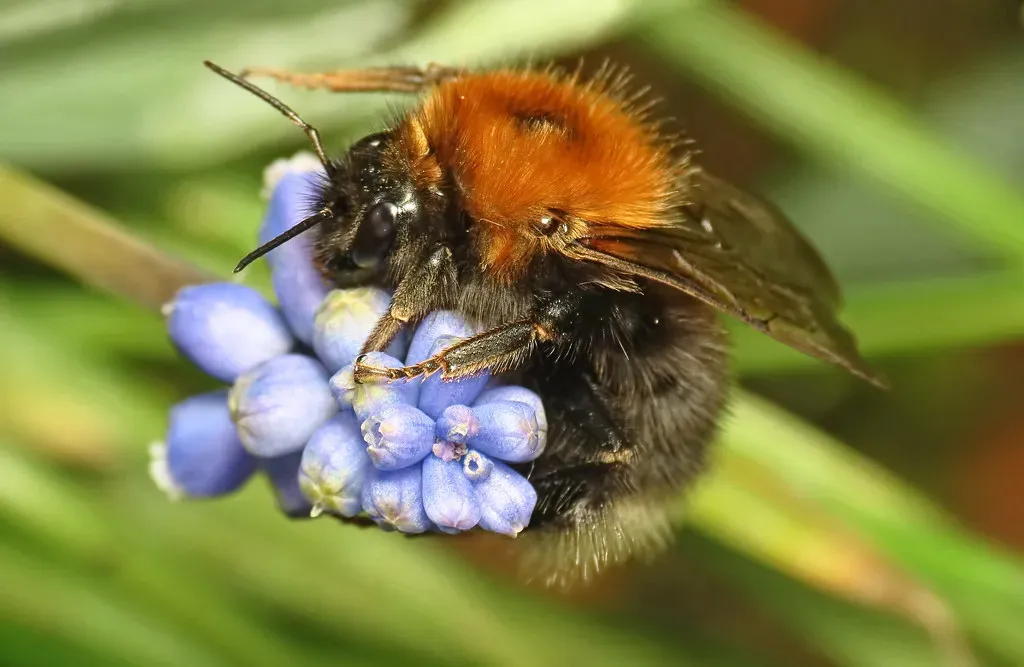
When people think of bees, they picture hives in hollow trees or neat wooden boxes mounted on fence posts. The reality is quite different. A significant portion of native bee species, including many bumblebees, nest in the ground. Heavily compacted, paved, or heavily mulched garden beds leave no room for them to burrow.
The leading cause for pollinator declines is habitat loss, notably the loss of native wildflowers and the overuse of pesticides and fertilizers. Thick layers of landscape fabric topped with decorative gravel, or wall-to-wall mulch applied deeper than necessary, seal off the bare patches of earth that ground-nesting bees depend on.
Leaving a small area of undisturbed, lightly compacted soil, especially somewhere sunny and slightly sheltered, costs nothing. Leaving even one corner slightly unkempt can have a disproportionate positive effect on the insects and birds that move through your space. Messy corners aren’t a sign of a neglected garden. They’re often its most productive square footage.
#11 Placing Bird Feeders Near Reflective Windows
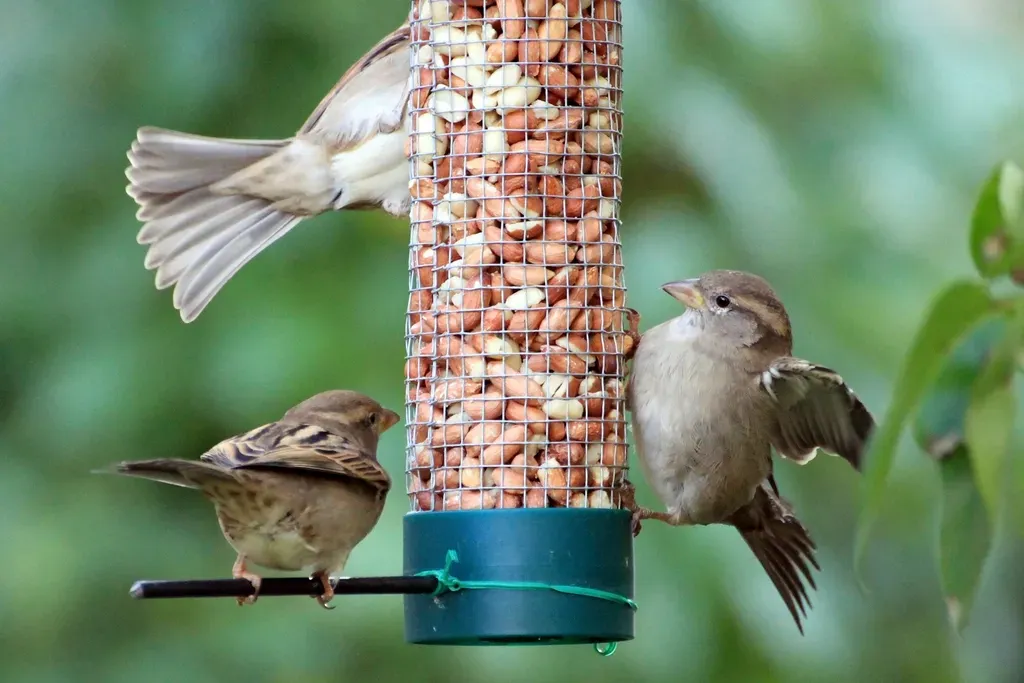
Attracting birds to your yard is a wonderful thing. Inadvertently funneling them toward glass windows is a serious problem that most gardeners never connect to their landscaping decisions. To birds, glass is an invisible, deceiving threat. Since they cannot see glass the way we do, they do not treat it as a barrier to avoid, and can be attracted closer to reflections in glass that show what could appear to be elements of their natural habitat, such as plants and open sky.
Up to roughly one billion birds die from window strikes in the U.S. each year, according to a 2014 study. That figure is staggering, and a meaningful share of those collisions happen at residential homes, not skyscrapers. Birds can also collide with windows when they are attracted to landscaping outside the window or lights shining out from the interior.
Placing feeders either very close to windows (under two feet) or very far away (over ten feet) reduces collision risk significantly. At close range, birds don’t build up enough speed to be seriously injured. Further out, they’ve already redirected their flight path. This small adjustment, combined with window markers or decals, protects the birds your garden works hard to attract.
#12 Leaving Outdoor Lights on Through the Night
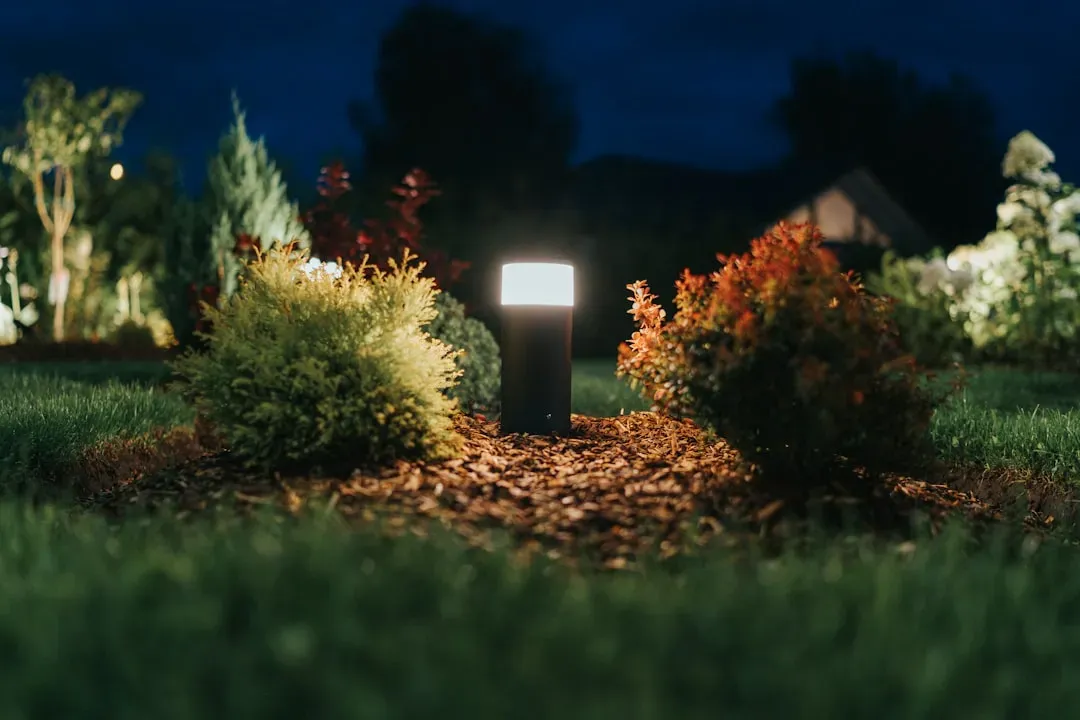
Outdoor lighting feels harmless and often makes gardens feel more welcoming in the evening. The impact on wildlife, though, is consistent and well-documented. Birds exposed to artificial lights can become distressed and lose sleep, and may wake earlier in the day and lay their eggs earlier in the season, too far ahead of available food for their young. Meanwhile, pollinators that are attracted to light, like moths, spend more time swarming artificial lights and less time visiting flowers.
Lighting can attract large numbers of night-migrating birds from as far as five kilometers away. Once drawn in, birds often circle the illuminated area, wasting critical energy needed for migration and increasing their risk of collisions with buildings and other structures. This is especially pronounced during spring and autumn migration seasons.
Dimming outdoor lights, fitting timers, or switching to motion-activated fixtures are small changes that meaningfully reduce this pressure. A garden that goes dark at night isn’t less welcoming. For the creatures that depend on natural darkness as a biological signal, it’s actually far safer.
Small Shifts, Real Results
None of these mistakes happen out of carelessness. Most are the result of habits passed along for generations, combined with a garden culture that prizes tidiness and control over ecological value. That’s worth understanding before feeling discouraged.
The good news is that most of these mistakes are reversible, and you don’t have to address all of them at once. Swapping one spray for a manual alternative, leaving seed heads through December, or replacing a single non-native shrub with something regional, each change builds on the last. Once you recognize these mistakes, they’re easy to either avoid or swap out for more earth-friendly practices. Small changes in how you garden can go a long way in supporting pollinators, conserving resources, and strengthening soil health, all while keeping your garden lush and productive.
A garden that truly supports birds and pollinators doesn’t look wilder, necessarily. It looks thoughtful. And the difference, measured in the hum of bees and the flutter of wings on an ordinary afternoon, turns out to be bigger than most people expect.
