
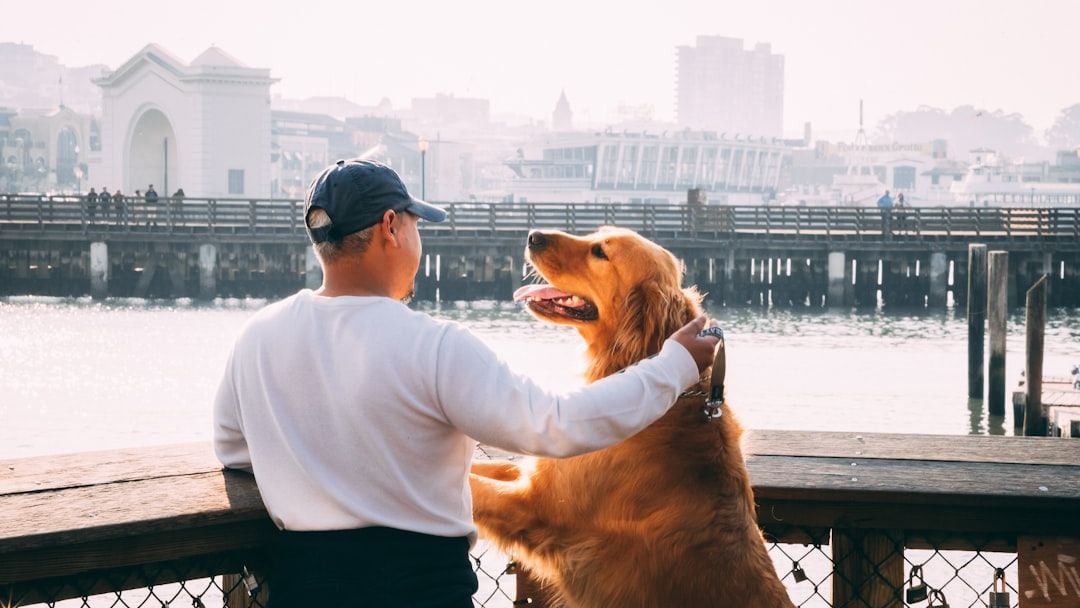
The answer isn’t a new app, a wellness retreat, or a subscription box. It’s a dog. Not just any dog, though. Science points to a particular type of companion breed, calm, affectionate, and genuinely wired for human closeness, as the most effective antidote to the loneliness many people over 50 quietly carry. The evidence is more compelling than most people realize, and the specific breeds recommended are surprisingly specific.
Why Loneliness After 50 Is a Bigger Problem Than Most People Admit

One of the most challenging aspects of aging is isolation and loss of social interaction. Whether homebound due to physical challenges or illness, many people in this stage of life begin to feel cut off from the outside world and struggle with depression. Those feelings of loneliness can lead to stress, anxiety, and serious medical complications.
Research has identified loneliness in older persons as a predictor of functional decline and death. That’s not a minor footnote. It’s a finding that has pushed researchers to take social connection as seriously as diet and exercise when evaluating long-term health outcomes.
The feeling of loneliness has been linked to a range of negative physical and mental outcomes, including heart disease and Alzheimer’s disease. This is especially true in older adults. Understanding this makes the search for real, practical solutions far more urgent.
What the Science Actually Says About Dogs and Loneliness
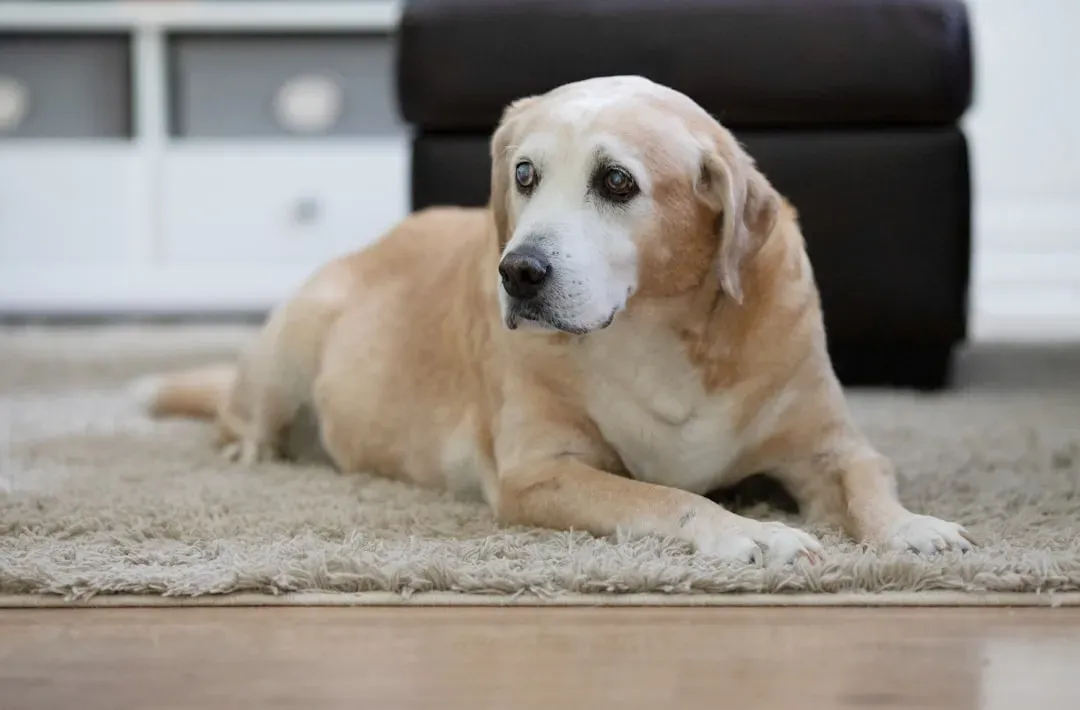
Older adults having contact with dogs reported reduced levels of loneliness and improved mental functioning, although some studies of loneliness showed little effect of interaction with dogs. The honest answer, then, is that the research is promising but not perfectly uniform. Context matters a great deal.
It may be that some pet owners are lonely people who get a dog to alleviate loneliness, while for others, dogs may be a protective factor against loneliness developing. Pet ownership is not a homogenous experience, which may explain the mixed results in studies of the impact of dogs on loneliness.
Research shows that roughly the vast majority of people agree that interaction with pets can help reduce loneliness, and around four in five pet owners report feeling less lonely because of their animals. Those are numbers worth paying attention to, especially when the alternative is doing nothing at all.
The Biology Behind Why a Dog Makes You Feel Better
Studies indicate that the simple act of petting an animal can increase oxytocin levels, often referred to as the “love hormone,” which enhances mood and lowers stress levels. This isn’t folk wisdom. It’s measurable chemistry happening in your body every time your dog settles next to you on the couch.
When dog owners were asked to pet their dogs for 60 minutes while researchers measured their oxytocin levels, within just 1 to 5 minutes after the interaction, owners’ oxytocin levels peaked and their heart rates decreased. The speed of that response is remarkable. It happens fast, and it happens reliably.
Dogs in particular are proven to reduce cortisol levels, the stress hormone, while promoting the release of serotonin, which improves mood. For someone navigating the slower, quieter years after fifty, that kind of daily hormonal reset carries real weight.
Dogs Protect Your Heart in Ways That Go Beyond Comfort
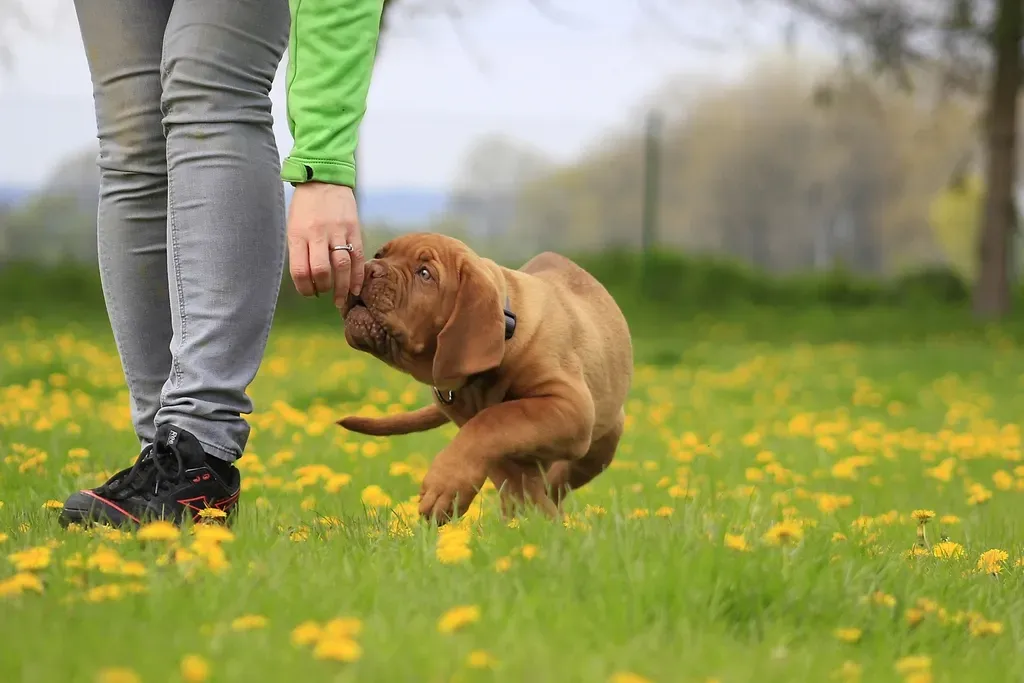
Research from the American Heart Association suggests that dog ownership correlates with lower blood pressure, reduced cholesterol levels, and a decreased risk of heart disease. The AHA is not an organization known for speculative claims, which makes this finding particularly meaningful.
In a large nationwide cohort study, dog ownership was associated with a lower risk of death and cardiovascular disease death. In single-person households specifically, dog ownership was inversely associated with cardiovascular outcomes. Living alone and having a dog, it turns out, is a genuinely protective combination.
Dog owners experience roughly a quarter lower all-cause mortality rates according to meta-analyses of millions of patients. That’s not a marginal statistical quirk. That’s a meaningful difference in actual life outcomes.
Why Companion Breeds Are the Right Type for Adults Over 50
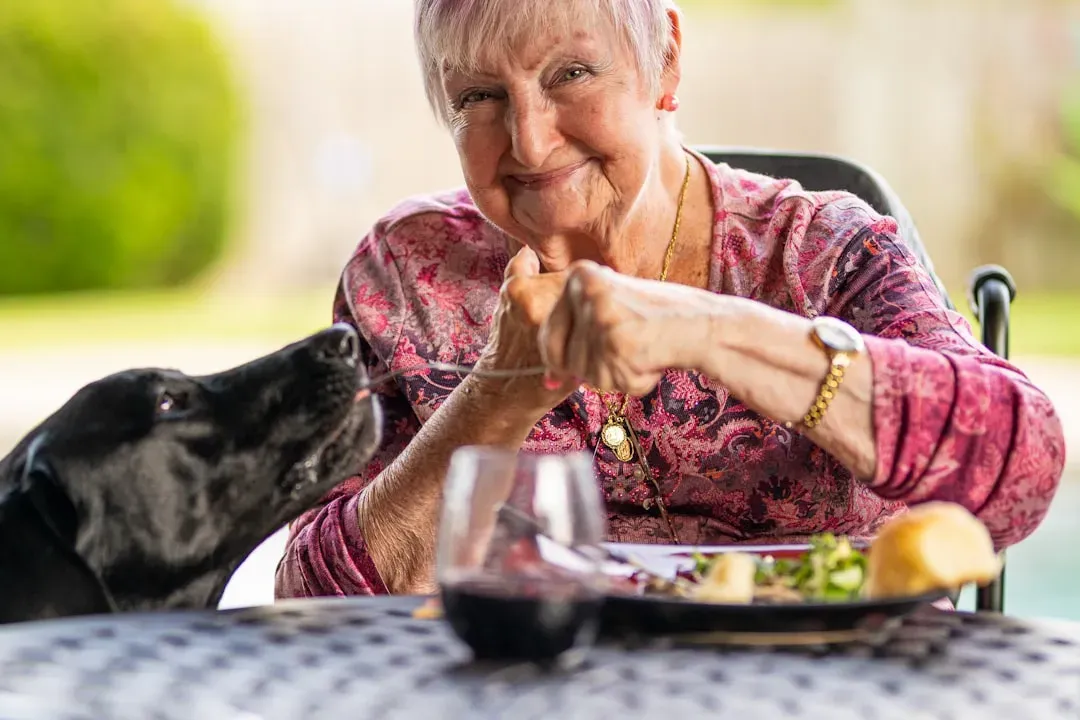
Not every breed is suitable for older adults. The key is to find a dog that matches your energy level, lifestyle, and living situation. The classification that keeps coming up consistently in expert recommendations is the companion breed, dogs that were specifically bred not to hunt, herd, or guard, but simply to be close to people.
Choosing the right dog breed goes beyond looks and popularity. Seniors need a pet that is affectionate, easy to train, and relatively low-maintenance. Additionally, factors such as exercise needs, grooming requirements, and temperament play an important role.
For seniors who live alone, the right dog provides daily routine structure, a reason to go outside, a social bridge to neighbors and passersby, and a form of tactile companionship that research consistently links to lower blood pressure and reduced cortisol levels. That’s a remarkable list of benefits packed into one relationship.
The Cavalier King Charles Spaniel: The Top Science-Backed Pick
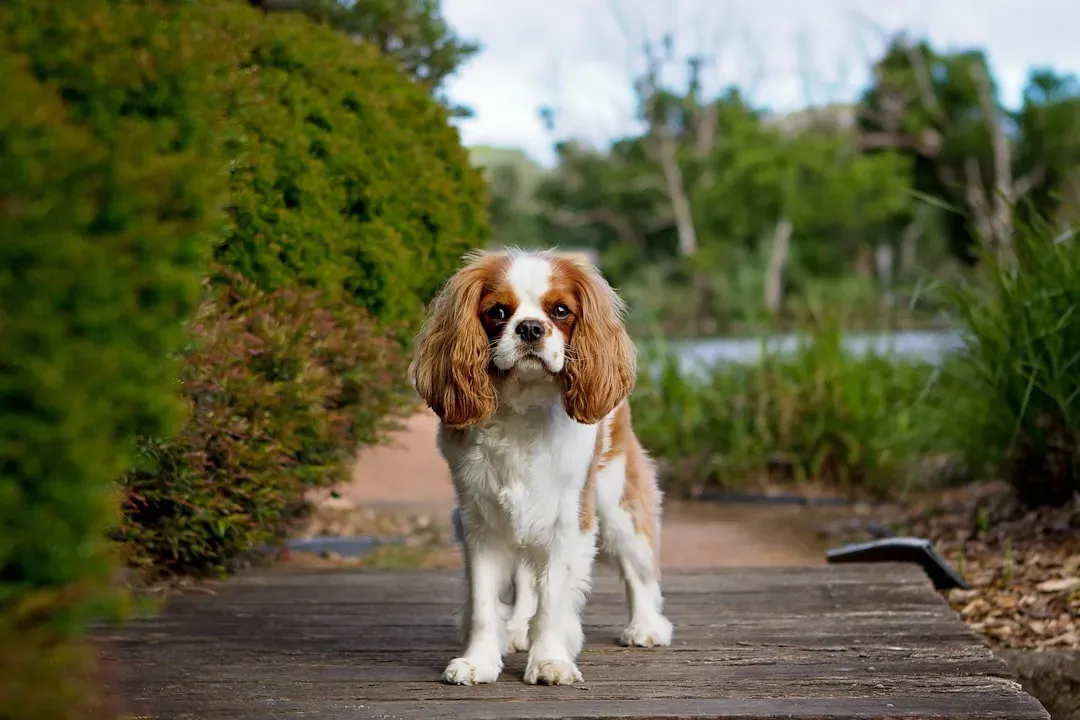
The Cavalier King Charles Spaniel is best suited for seniors of all ages, apartments or small homes, limited mobility households, and seniors who want close indoor companionship without a demanding exercise schedule. It is the single most universally recommended senior dog by U.S. veterinary and senior care sources. Its temperament is gentle, patient, affectionate, and completely comfortable with a sedentary indoor lifestyle.
Affectionate and adaptable, Cavaliers are known for following their people from room to room and settling contentedly wherever their owner lands. They require moderate grooming but minimal exercise, making them one of the best senior companion dogs available. For anyone who simply wants a warm body nearby, this breed delivers that with very little demanded in return.
There is one thing worth knowing going in. Mitral Valve Disease affects the majority of the breed by age 10, and Syringomyelia is also prevalent. Annual cardiac screening is strongly recommended from age 5. This is manageable with a good vet relationship, but it’s worth budgeting for.
The Shih Tzu: Built for Companionship, Nothing Else

Bred specifically for companionship, the Shih Tzu is content with short walks and long stretches of quality time on the couch. They are among the best options for seniors, as their coat produces less dander than that of many other breeds. Regular grooming is required, though many owners find a shorter trim keeps maintenance manageable.
Shih Tzus are small, calm, and devoted companions. They were bred to be lap dogs, making them ideal for retirees looking for a loyal shadow. While they require grooming, their exercise needs are minimal. For someone who wants a dog that’s genuinely happy to just be there, few breeds match the Shih Tzu’s quiet dedication.
The French Bulldog: Low Demands, High Returns

The French Bulldog is a compact, calm, and affectionate companion that thrives in indoor living, making it a perfect choice for older adults. With their short, easy-to-care-for coat, grooming is simple, requiring minimal effort. Their affectionate and calm personality helps create a strong emotional bond, reducing loneliness and providing comforting, consistent companionship every day.
Compact, low-energy, and deeply devoted to their person, Frenchies do not require extensive exercise and are generally content with a short walk and an afternoon of companionship. Their calm indoor temperament makes them a natural fit for seniors with limited mobility. In a smaller apartment, they’re practically ideal.
The Bichon Frise: Cheerful, Gentle, and Easy on Allergies

Cheerful, gentle, and genuinely low-shedding, the Bichon Frise is a strong choice for older adults seeking a playful yet manageable companion. They adapt well to new environments and tend to be friendly with strangers, which is an asset in a community setting. If social interaction beyond the home is something you’re hoping a dog will help with, this breed’s easy friendliness opens doors.
The Bichon’s low-allergen coat is a practical advantage that often gets overlooked in conversations about senior breeds. Not all dogs require the same level of upkeep. Breeds with shorter coats or those that shed less are often easier to manage, especially for owners who prefer simple grooming routines. The Bichon strikes a useful balance between being plush and cuddly and being relatively low-maintenance.
The Maltese: Small Dog, Serious Emotional Impact
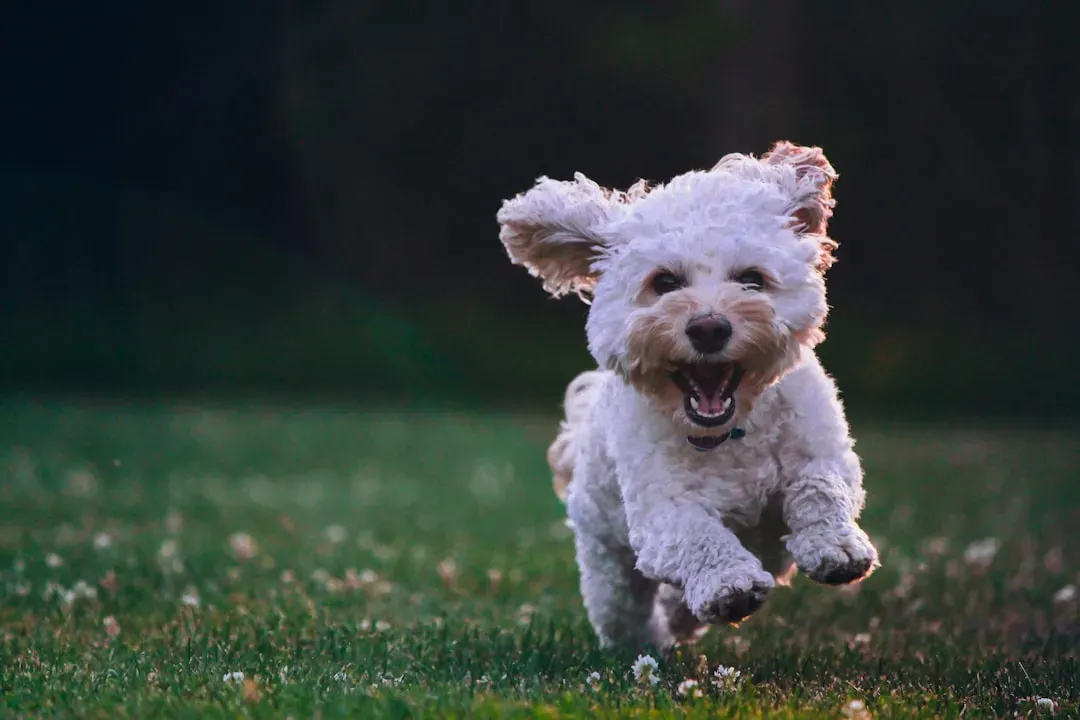
One of the smallest good dog breeds for seniors, the Maltese weighs under 7 pounds and thrives on human connection. They are well-suited to apartment living, require only light daily exercise, and tend to be gentle and loyal with their primary person. Size here is genuinely an asset. There’s no pulling risk, no physical intimidation, and every walk is a gentle, manageable outing.
Maltese dogs provide 12 to 15 years of devoted companionship, reducing loneliness and bringing joy to seniors’ lives. That kind of longevity means you’re not just getting a pet. You’re getting a companion for a meaningful chapter of your life. That’s not a small thing.
The Havanese: Social, Smart, and Wired for People

The Havanese is a cheerful, intelligent, and affectionate small companion that naturally fits into family life, especially in calm or quieter households. Known for its friendly and warm personality, this breed often becomes more than just a pet; it feels like a true member of the home. Havanese dogs thrive on social interaction and enjoy being part of daily routines.
Havanese dogs are incredibly intelligent and trainable, making them ideal small companions for seniors. They thrive on human interaction, forming deep bonds and reducing loneliness. The trainability is worth noting specifically. A dog that learns quickly causes less frustration, which means the experience stays joyful rather than stressful.
Dogs Get You Outside, and That Matters More Than You Think
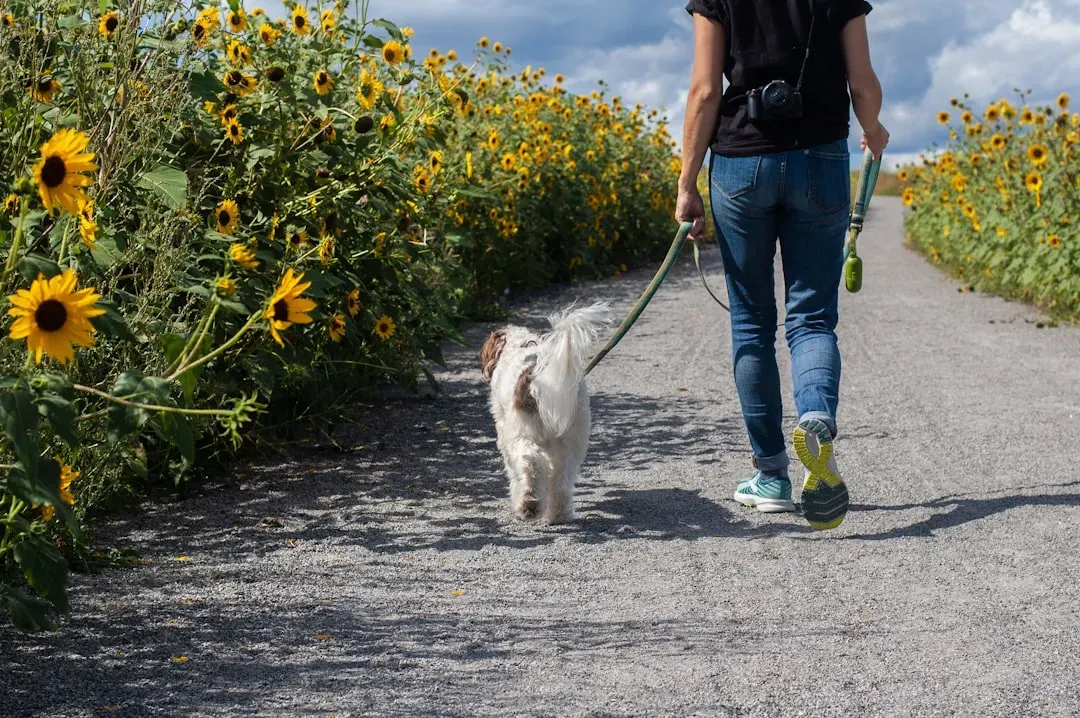
Recent research suggests that older adults who walk their dogs experience fewer symptoms of loneliness than those who do not walk their dogs. The walk itself, not just the dog, is part of the equation. Movement, daylight, and mild social exposure all contribute.
One study found that those who reported COVID-19 had a significant impact on their social lives reported higher levels of loneliness, but if they walked their dog at least once a day, they did not become lonelier despite the social consequences of the pandemic. That’s a striking real-world test of what a daily walk with a dog can actually do.
A random sampling of adults who were 50 years old and owned dogs said they felt a sense of community as they walked their dogs because they often talked to their neighbors during the walk. A dog turns a solo walk into a social occasion. Most dog owners know this already. The science confirms it.
Practical Things to Consider Before You Commit
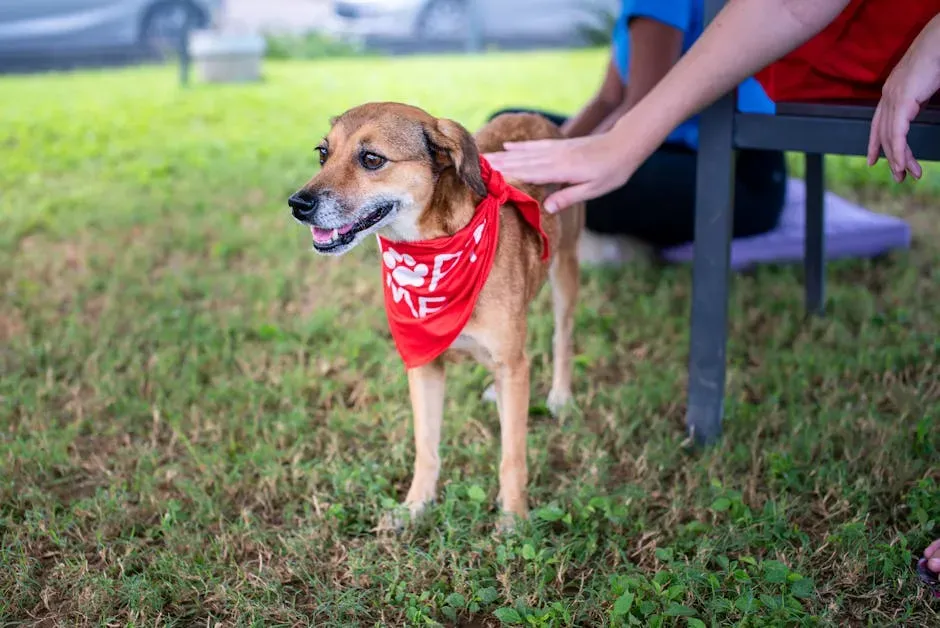
Honestly assess your daily physical capacity. Walk at your current comfortable pace for 20 minutes and notice how you feel. This is your realistic daily dog-walking baseline. Choose a breed whose exercise requirement fits within this window, not your best day, but your average day. That’s the most grounded advice available, and it comes from actual veterinary guidance, not wishful thinking.
Financial commitment including food, vet visits, and grooming, as well as time commitment for longevity, walks, playtime, and vet visits, along with both the human’s and the dog’s energy levels, are important to keep top of mind. None of this is meant to discourage. It’s meant to help you make a decision that sticks.
There is something particularly fitting about an older adult adopting an older animal. Senior pets are typically calmer, already house-trained, and past the high-energy demands of puppyhood. They are also statistically harder to place. Many humane societies offer discounted or waived adoption fees specifically for senior adopters taking home senior pets. It’s one of the genuinely good matches in animal welfare, a pairing where both sides benefit in concrete ways.
The Social Ripple Effect You Probably Didn’t Expect
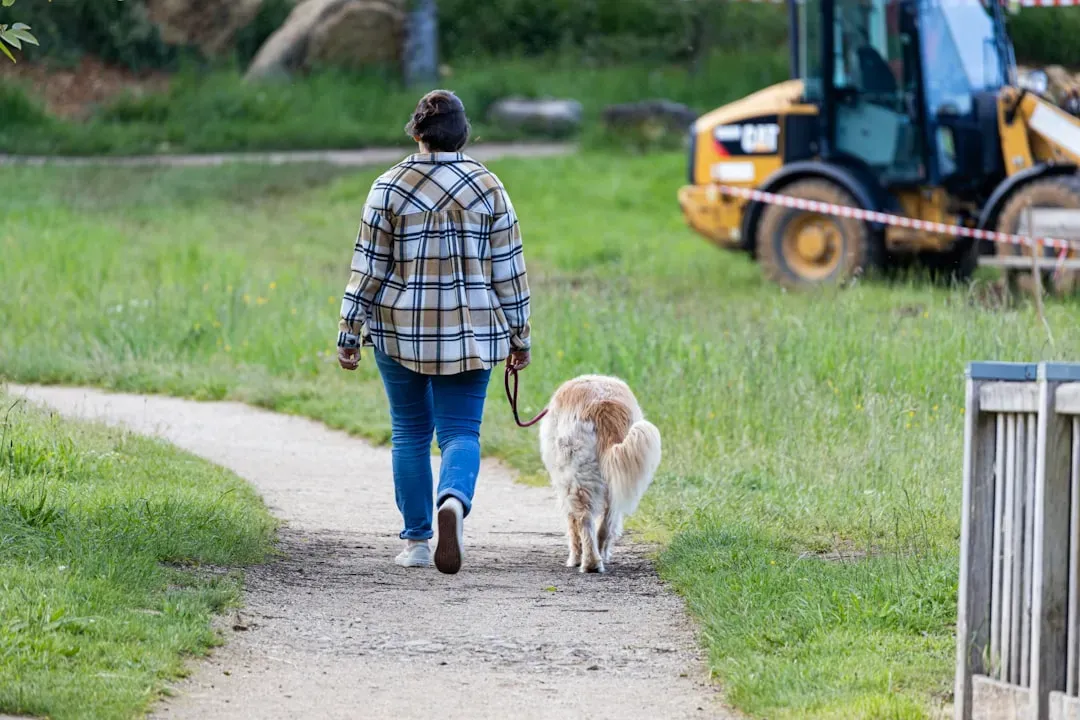
Pets create opportunities for social interaction beyond the home. Dog owners often meet other people during walks and visits to parks or veterinary clinics. This isn’t incidental. For many people over 50, the dog becomes a social anchor that draws in connection they weren’t actively seeking.
Seniors frequently discover that dogs are more than just pets. They’re social catalysts that dramatically expand personal connections and combat isolation. The term “social catalyst” is accurate. A dog gives strangers a reason to approach you, gives you a shared topic with neighbors, and builds a small community around an otherwise solitary routine.
Conclusion: The Right Dog Changes the Texture of a Day
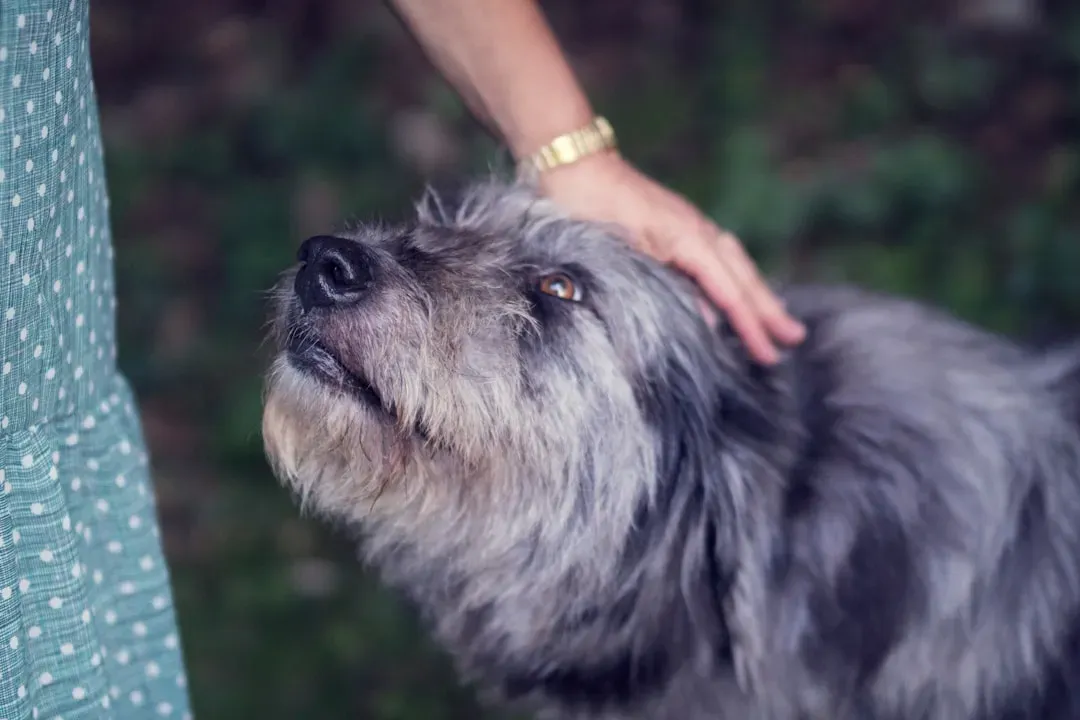
The science here isn’t claiming that a dog solves everything. Loneliness is complex, and no four-legged companion can substitute for meaningful human connection. What the research does show, clearly and repeatedly, is that the right dog reduces the daily sting of isolation, brings measurable biological calm, and quietly restructures a life that has started to feel a little too still.
Of all the interventions available to adults navigating loneliness after fifty, a companion breed dog is one of the most accessible, most studied, and frankly most enjoyable. For older adults, the right pet can bring quiet joy, ease feelings of loneliness, and encourage gentle movement. The bond may start slowly, but over time it can grow into a deep, meaningful, and rewarding companionship that enriches everyday life.
There is something quietly profound about the fact that the science keeps pointing back to something humans have known for thousands of years: dogs show up, every single day, without condition. After fifty, that kind of reliability matters more than it ever did before. A 7-year-old dog and a 70-year-old person often want exactly the same things from a day. That might be the most honest summary of why this works.
