

There’s something almost otherworldly about the way a dog behaves when its owner is unwell. You might notice your usually ravenous pup sniffing at the food bowl, walking away, and parking itself squarely by your side on the couch. It’s not stubbornness. It’s not a coincidence. For certain dog breeds, their emotional world is so tightly wound around yours that when your normal rhythms shift, theirs do too.
Many dogs show empathy if their owner is in distress and will also try to help rescue them. That instinct, which researchers have studied under controlled conditions, runs surprisingly deep. Empathy is a complex cognitive function that may have been impacted by the coevolution of humans and dogs. In some breeds especially, the bond is intense enough that illness in the household quietly disrupts their appetite, their focus, and their entire routine.
#1. Golden Retriever

Golden Retrievers are one of the most iconic dog breeds in terms of empathy. Their friendly, gentle, and loyal personalities make them especially attuned to their owners’ emotions. These dogs seem to have an innate ability to sense when something is wrong, and they instinctively offer comfort in the form of cuddling, leaning on their owners, or simply sitting quietly by their side. When that same attentiveness meets a sick and bedridden owner, food becomes a secondary concern.
Golden Retrievers are often used as therapy and emotional support dogs because of their natural ability to calm anxious or distressed individuals. Their empathetic nature and need for close human interaction make them ideal companions for families, children, and individuals with special emotional needs. This deeply social orientation also means that when the person they love most isn’t functioning at full capacity, eating alone feels wrong to them.
#2. Labrador Retriever

Labrador Retrievers are friendly, outgoing, and highly empathetic dogs. They are known for their ability to sense and respond to their owners’ emotions, making them excellent therapy and service dogs. Labs are very loyal and form strong bonds with their families, providing comfort and companionship during stressful times. For a Lab, any disruption to normal household energy is registered almost immediately.
Labrador Retrievers get so emotionally tuned in with you that they want to watch you and mirror you. When you are upset, they will rest their head in your lap. This mirroring tendency extends to appetite. A Lab whose owner is lying listlessly in bed may pace the kitchen, approach its bowl, and then circle back to check on you instead of eating.
#3. Border Collie
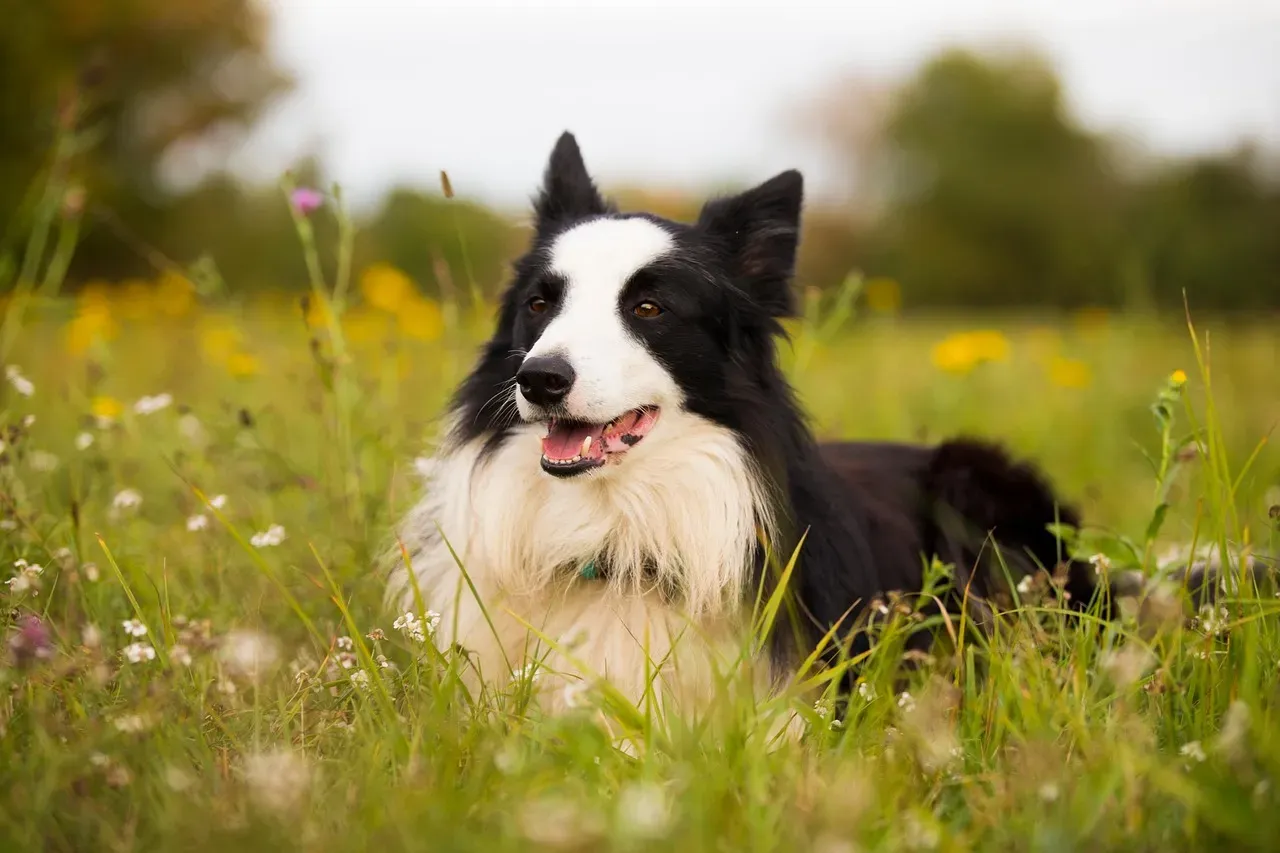
Border Collies are known for their intelligence and sensitivity. They are highly trainable and excel in tasks that require understanding and responding to human cues. Border Collies are attentive to their owners’ moods and can sense something wrong. They are loyal and protective, often staying close to their owners to offer comfort and reassurance. This vigilance is practically hardwired into the breed.
What makes Border Collies particularly striking in this context is how observational their nature is. Dogs have an incredible ability to connect with humans, often sensing our moods even before we speak a word. Whether you’re feeling sad, excited, or anxious, certain breeds seem especially attuned to their owners’ emotional states. Border Collies, with their laser-focused attention, sit at the extreme end of that spectrum. A sick owner registers to them as a problem that needs solving, and eating ranks low on that priority list.
#4. German Shorthaired Pointer

Originally developed in 19th-century Germany for pointing, retrieving, and tracking, these dogs thrive on structure, movement, and close companionship. When left alone or emotionally disconnected, they often experience intense anxiety, leading to stress behaviors like chewing, barking, pacing, or refusing to eat altogether. It’s not just a lost appetite – it’s an emotional shutdown. The same principle applies when their owner’s behavior changes due to illness.
GSPs are sensitive to their environment, highly attuned to their owner’s presence, and easily thrown off by sudden changes, loud sounds, or a new home. Without proper early socialization, adapting to a disrupted household can overwhelm them. A sick owner who skips the usual morning walk, lies in bed past noon, or speaks in a weaker voice than normal is enough to throw the whole dog’s internal calendar off.
#5. Cavalier King Charles Spaniel

Cavalier King Charles Spaniels are known for their affectionate and gentle nature. They are highly attuned to their owners’ emotions and can provide comfort when they sense sadness or stress. Few breeds were more deliberately bred for human companionship, and that history shows in every aspect of their behavior, including how they relate to food.
Shih Tzus may be small in size, but they are big on empathy. These dogs are incredibly affectionate and are known to bond closely with their families. Their calm demeanor and intuitive nature make them great emotional companions, as they can easily pick up on the emotional needs of their owners. Shih Tzus often seek out their humans during times of stress or sadness, offering comfort through cuddles and companionship. The Cavalier shares many of these traits and tends to lose interest in food the moment the household mood shifts toward concern or quiet.
#6. Great Dane

Despite their imposing size, Great Danes are gentle giants with a deep sense of empathy. They are incredibly sensitive to their owners’ emotions and often act as a calming presence. Great Danes are known for their loyalty and gentle nature, making them excellent companions for those who need emotional support. Their large size allows them to provide a comforting physical presence, and their gentle demeanor ensures they are always there to offer a reassuring paw or nuzzle.
What surprises many Great Dane owners is that such a large dog, with such an impressive appetite, can simply walk away from a full bowl. Just like with humans, stress, anxiety, or fear can cause a dog to lose their appetite. A change in their environment or routine, like new people in the house or changes in daily activity, can trigger anxiety. For Great Danes, whose emotional sensitivity is often underestimated, a sick and quiet owner represents exactly this kind of unsettling shift.
#7. Miniature Schnauzer

The Miniature Schnauzer may look small, but this breed has a huge personality. Originally bred to hunt vermin, they now use their quick wit and loyalty to bond deeply with their people. When their normal social cues are disrupted, they can stop eating altogether. Their appetite, it turns out, is tied not just to hunger but to the stability of their social environment.
These dogs don’t just eat when they feel safe. Look for subtle details like sniffing the bowl and walking away or licking without actually chewing. They may prefer to stay near personal items with the scent of the owner rather than head to the food bowl. That behavior, small and easy to miss, is a real signal of emotional distress in a dog whose world has temporarily stopped making sense.
#8. The Science Behind Why This Happens

Scientists have discovered that dogs possess mirror neurons, specialized brain cells that allow them to empathize with others. These neurons fire both when a dog performs an action and when it observes another individual performing the same action. This capacity for empathy enables dogs to understand and respond to the emotional states of the people around them. Those same neurons may well be the biological reason some dogs lose their appetite when they sense distress in a loved one.
The nose plays a role, too. Diseases produce chemicals that give off an odor. Even in the early stages of a disease, dogs can pick up on the change in scent. Scent dogs have been trained to alert for seizures, hypoglycemia related to diabetes, and to screen for viruses, bacterial infections, and numerous cancers. Your dog doesn’t need training to notice something is different about you when you’re ill. The chemical shift is already there, and they’re already reading it. Research provides evidence that dogs not only feel empathy towards people, but in some cases also act on this empathy. Refusing food, staying close, and keeping watch are, in their own quiet way, exactly that.
What To Do If Your Dog Stops Eating During Your Illness

Most adult dogs can go three to five days without eating as long as they’re still drinking water. However, this doesn’t mean you should sit idle while your dog isn’t eating for several days. If your adult dog hasn’t eaten in the past two days, even if they are otherwise acting normal, contact your veterinarian. Emotional appetite loss is real, but it still warrants attention.
Try to maintain your dog’s feeding routine as normally as possible, even when you’re unwell. Minimizing your dog’s exposure to stressful situations and maintaining a calm environment is crucial. Stress can lead to reduced appetite and behavioral changes. Simple gestures, like having a trusted person maintain the regular feeding schedule or placing your dog’s bowl in a familiar spot, can help signal that the world is still orderly enough to eat in. There are many reasons a dog might stop eating when their person isn’t around or isn’t well, but it rarely comes down to just being stubborn.
The next time you’re under the weather and your dog skips a meal to sit at your feet, it’s worth pausing on that for a moment. This isn’t a pet performing tricks or following commands. It’s an animal whose emotional landscape is so connected to yours that your illness quietly becomes theirs too. That kind of loyalty doesn’t need a scientific explanation to feel remarkable, though the science makes it even more so.

- What It Means When Cardinals Appear During Major Life Transitions (Based on 300 Years of Documented Sightings) - July 20, 2026
- 12 Backyard Animals That Can Sense When a Storm Is Coming Hours Before Your Weather App (And How They Warn You) - July 20, 2026
- Animal Science Says Elephants Can Recognize the Voices of Distant Herd Members They Have Not Seen in Years - July 20, 2026