

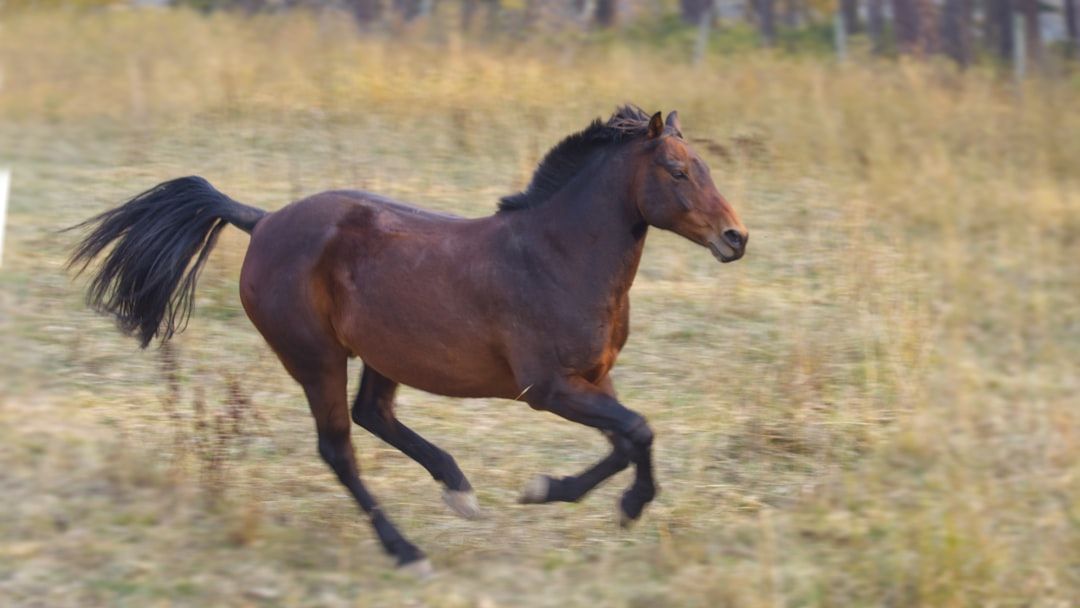
Most people picture horse rescues as quiet sanctuaries full of random, unlucky horses waiting for a second chance. The reality is far more specific – and far more heartbreaking. Year after year, the same breeds flood intake lines, not by accident, but because of overbreeding, collapsed markets, failed dreams, and industries that produce horses faster than anyone can responsibly rehome them.
Some of these breeds will surprise you. A few are ones you’d associate with prestige, beauty, or gentleness – which is exactly why rescues are drowning in them. The further down this list you go, the more staggering the numbers get. And #1 reveals a pipeline so relentless that private rescues openly say they cannot keep up, no matter how hard they try.
#15 – Gypsy Vanner
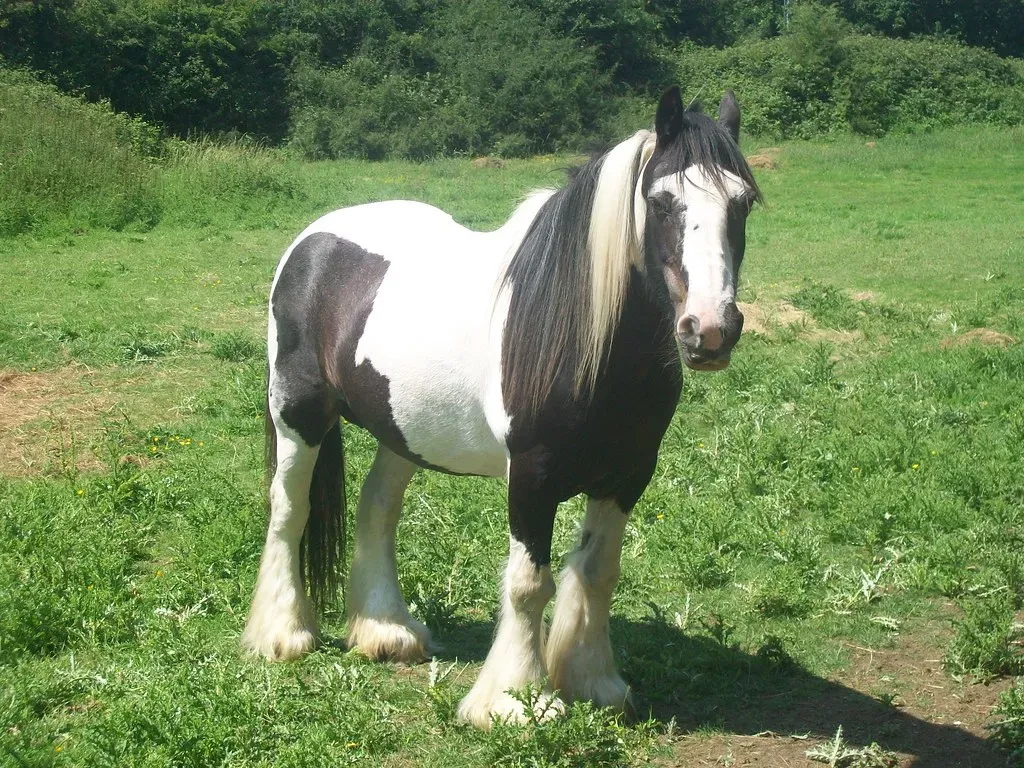
Walk into any Gypsy Vanner rescue intake and you’ll almost always find the same story: an owner who bought the horse for its fairy-tale looks and gentle reputation, then got blindsided by the reality of maintaining one. The breed’s flowing feathering – that gorgeous, cascading leg hair – is also a trap. It holds moisture against the skin, creating persistent conditions like “scratches” and mud fever that require constant, labor-intensive grooming and ongoing veterinary care that most buyers never budgeted for.
The problem is compounded by a wave of small breeders who chased the breed’s popularity and produced flashy foals without screening buyers for long-term commitment or experience. Rescues report Gypsy Vanners arriving in poor hoof condition surprisingly often, the result of neglected farrier care that owners simply didn’t anticipate needing so frequently. They’re beautiful horses – genuinely sweet in the right hands – but “right hands” turns out to be a much higher bar than the sales pitch suggested.
#14 – Friesian
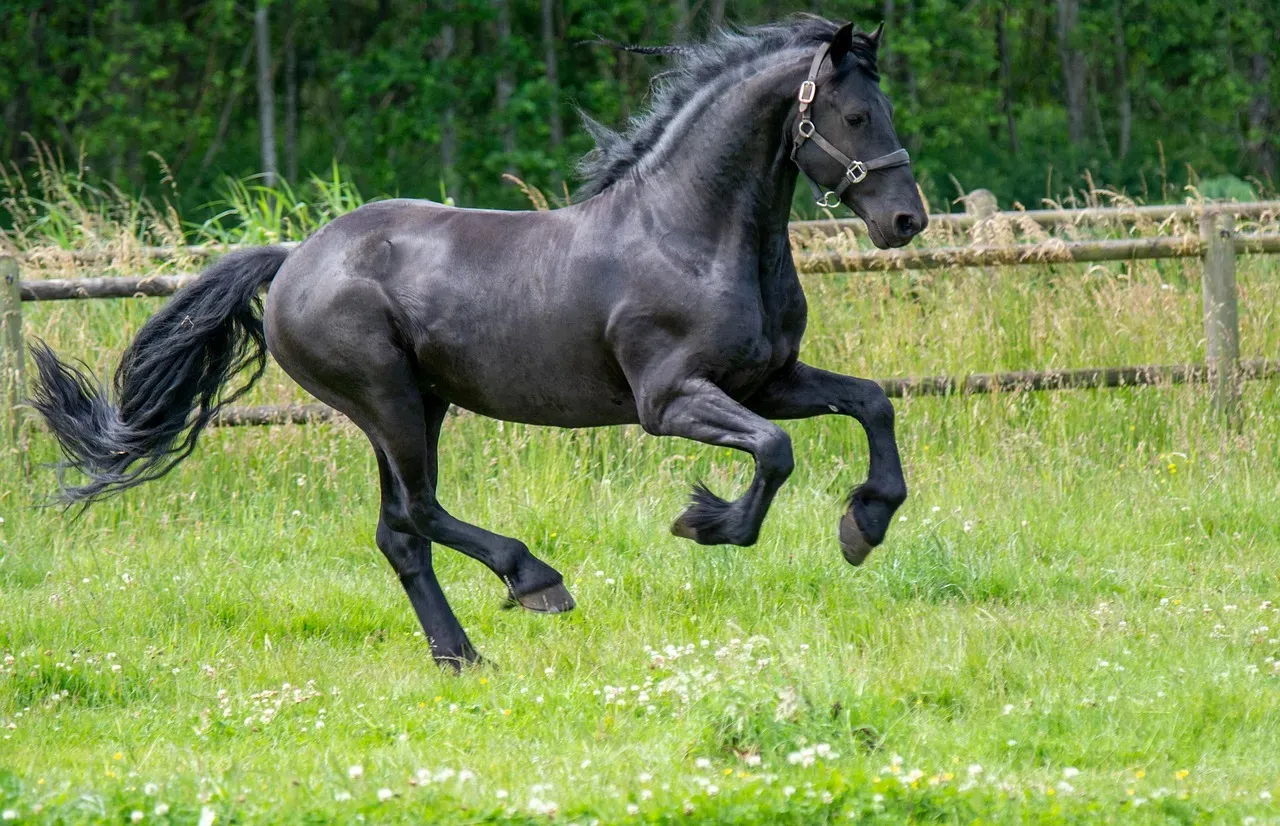
Few breeds photograph as dramatically as the Friesian – all black coat, arched neck, floating trot. Social media made them a fantasy horse for a generation of riders, and breeders were happy to meet the demand. But Friesians carry a genetic legacy that catches owners off guard: a predisposition toward metabolic disorders, skin conditions, and hoof problems that require specialized farrier work and careful management. These aren’t cheap surprises.
Rescue intake coordinators describe a recurring pattern – a Friesian arrives after an owner, often someone who fell in love with the breed online, realizes the horse’s size, feeding requirements, and medical needs have quietly outpaced their finances and lifestyle. Because Friesians come with known long-term health considerations, placing them is genuinely harder than placing a healthy mixed breed. They pile up. And the horses pay the price for the fantasy that sold them.
#13 – Haflinger
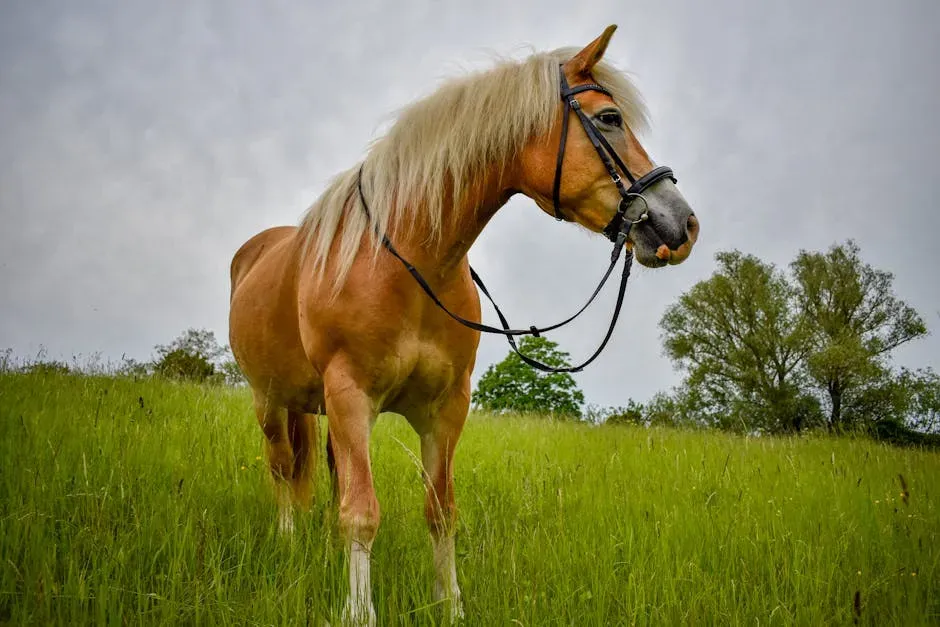
Haflingers have built a reputation as the approachable, forgiving family horse – sturdy, compact, calm-faced, and marketed heavily toward beginners. That reputation has made them wildly popular. It has also made them wildly overproduced. Backyard breeders flooded the market with unregistered Haflinger stock for years, targeting first-time horse owners who wanted something manageable and affordable. The problem is that even the most forgiving breed still needs consistent training, proper hoof care, and a committed owner.
When reality sets in – when the “easy keeper” turns out to need real work – many Haflingers get passed from home to home until they land in a rescue. Shelters report that these horses often arrive undertrained or with behavior patterns built up through years of inconsistent handling. They’re genuinely good horses. But good horses can still end up in bad situations when the market treats them as a product rather than a living animal.
#12 – Percheron
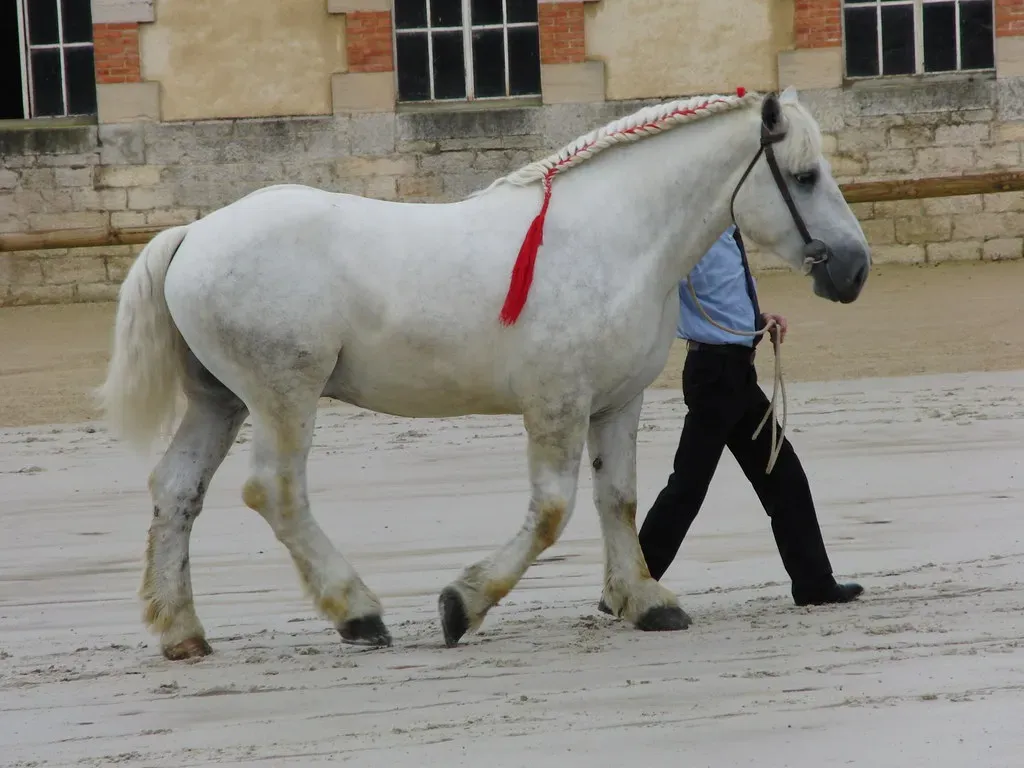
A Percheron in good condition is a magnificent thing – broad, calm, powerful, built like a piece of working history. They were bred to pull heavy loads and work all day, which means they also eat like it. That’s where the trouble starts. Suburban hobby farms and small properties that seem reasonable for a light horse often become financially and logistically untenable when the horse weighing 1,800 pounds needs to be fed, shod, and given enough space to stay sound.
Rescue staff consistently flag Percherons and draft crosses as disproportionately present in cases tied to owner financial strain. When the economy tightens, big horses feel it first – their costs are simply harder to absorb. Many arrive after working careers on small farms end and owners don’t have a plan for what comes next. These gentle giants deserve better than a system that treats them as disposable once they stop being useful.
#11 – Shetland Pony
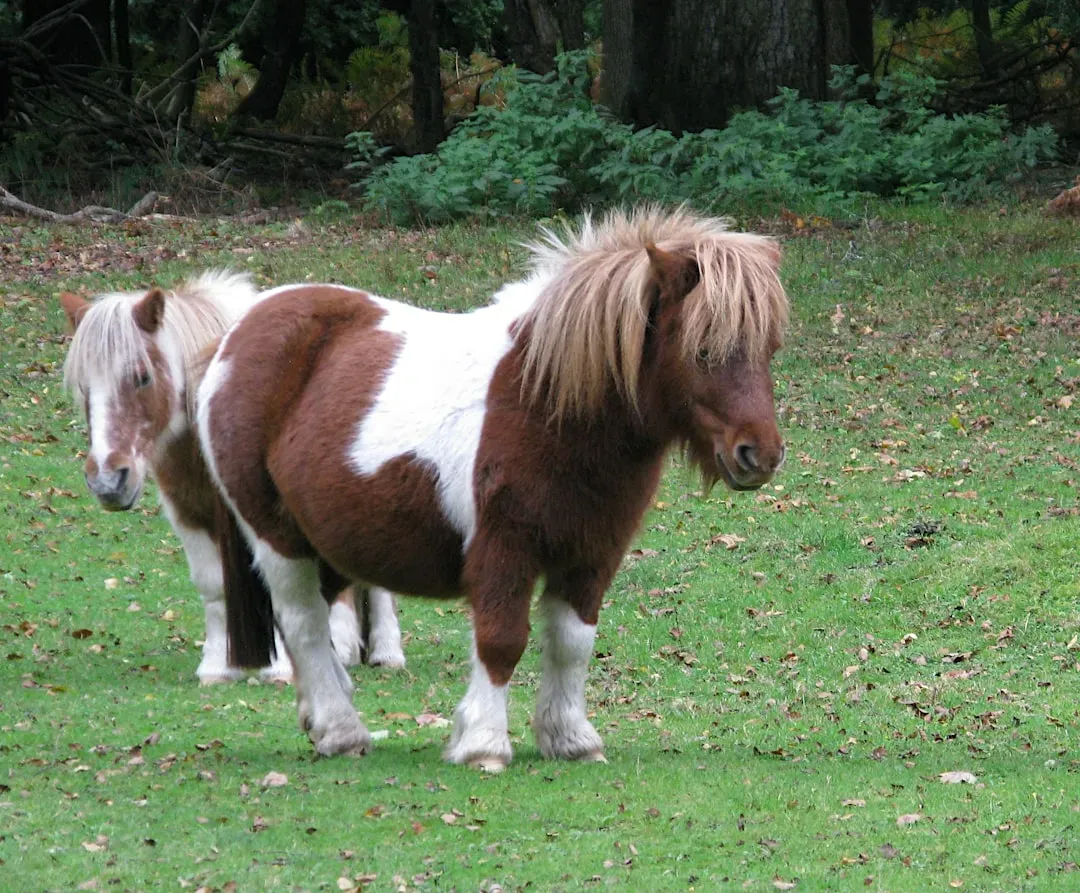
“Perfect for kids” is one of the most dangerous phrases in the horse world, and no breed has suffered more from it than the Shetland. Parents buy them imagining a gentle, plodding companion for their child. What they often get is a horse with centuries of survival instinct packed into a tiny, stubborn, surprisingly strong body that has exactly zero interest in being bossed around by a nervous six-year-old. Shetlands need experienced handling – they’re smart enough to train their owners if given the chance, and many do exactly that.
The obesity problem makes things worse. Shetlands evolved on sparse Scottish moorland and can founder badly on lush pasture grass alone. Many arrive at rescues in poor metabolic health after years of well-meaning overfeeding. Shelters regularly turn away Shetland surrenders because they’ve already hit capacity from previous intakes. The breed is so overproduced for the pet market that the supply of unwanted Shetlands never really stops flowing.
#10 – Miniature Horse
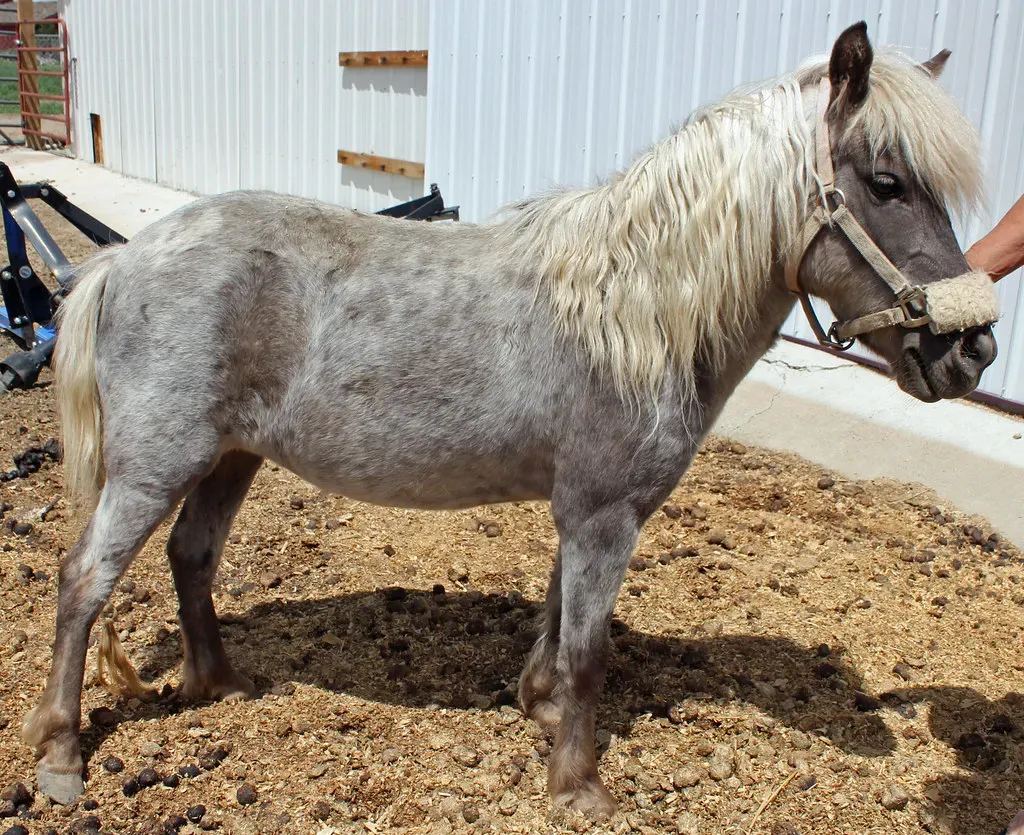
At some point, miniature horses became a lifestyle accessory – they appeared on Instagram, in petting zoos, and in backyard paddocks across suburbia. The pitch was irresistible: all the magic of a horse, none of the space or expense. Except the “none of the expense” part was never true. Miniature horses have the same veterinary needs as their full-sized counterparts, and in some ways more – dental issues, hoof problems, and hyperlipemia are genuine threats that owners frequently ignore until the situation becomes critical.
The miniature horse market’s lack of breeding regulation created a surge in horses produced with little regard for health or placement. Rescues that specialize in minis describe constant intake pressure from animals that were bred carelessly and purchased impulsively. Their small size makes people underestimate them as a responsibility. By the time owners realize what they’ve taken on, the horse has often already suffered for it.
#9 – Morgan
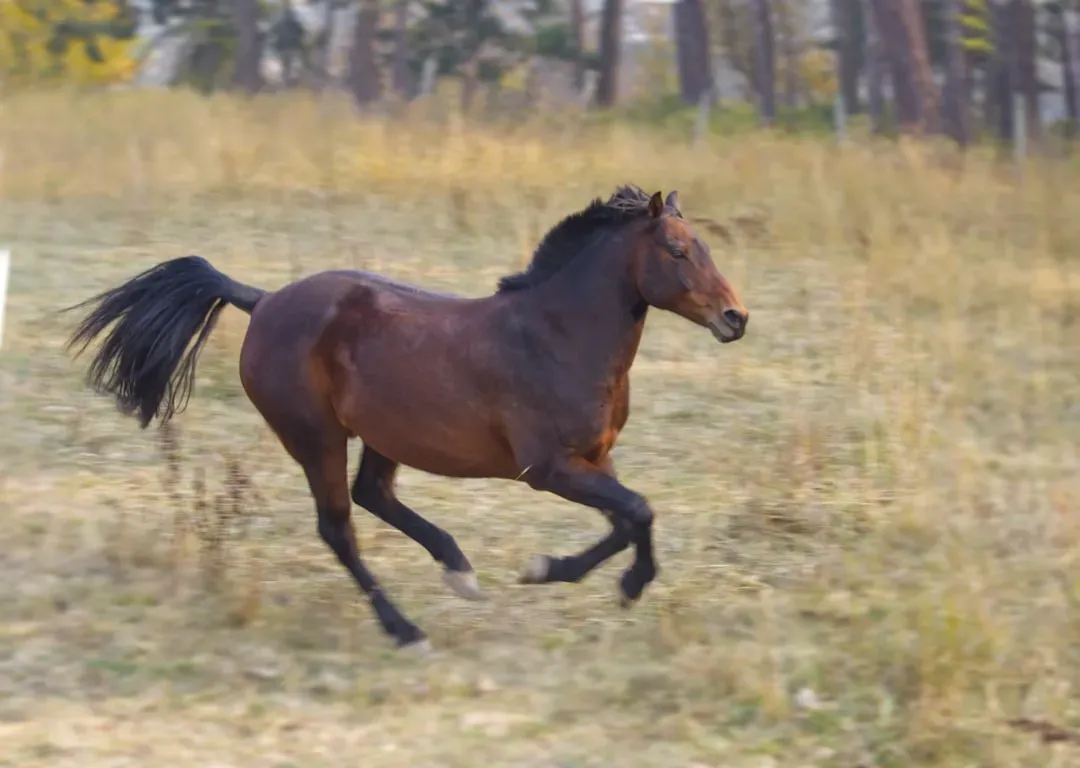
The Morgan is one of America’s oldest breeds – tough, willing, versatile, built to work. Historically, that made them invaluable. In the modern horse world, it has created an oversupply of older horses who spent their careers in driving or the show ring and now find themselves without a clear purpose in a market that largely wants younger, more specialized animals. Rescues see Morgans arrive after show careers wind down and owners decide the cost of maintenance for a horse they’re no longer competing isn’t worth it.
Their intelligence is a double-edged quality in the rescue context. A bored, under-exercised Morgan will find ways to entertain itself – usually ways its adopter won’t appreciate. That means Morgans often come with behavioral quirks layered on top of whatever physical issues they arrived with, which narrows the pool of suitable adopters even further. They’re remarkable horses who deserve to be worked and engaged. Too many of them end up waiting in paddocks for someone who understands that.
#8 – Tennessee Walking Horse
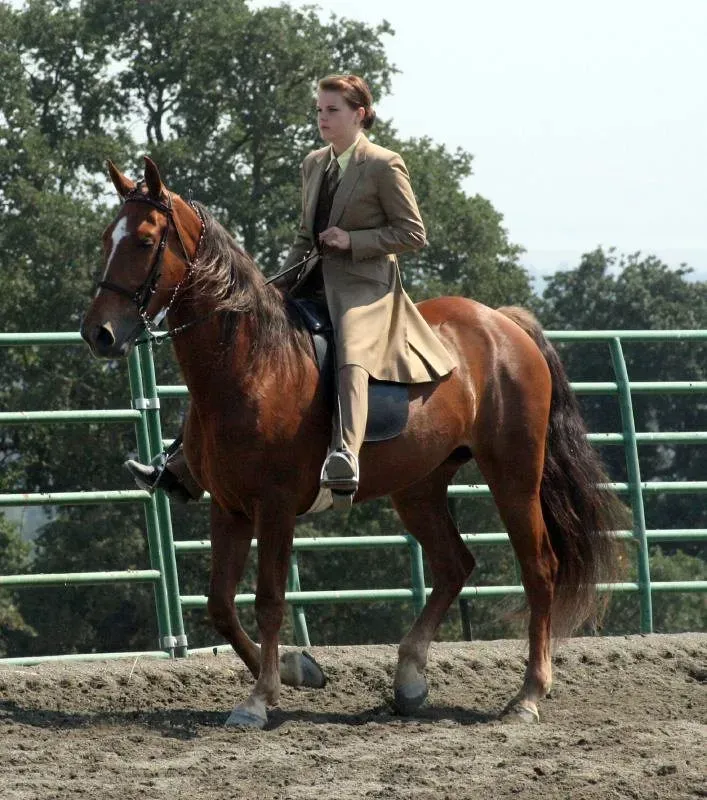
The Tennessee Walking Horse’s signature running walk is genuinely stunning to watch, and for the right rider on the right terrain, there’s nothing quite like it. But the breed carries a dark shadow: the documented history of soring – the cruel practice of chemically or mechanically sensitizing horses’ feet to exaggerate their gait for the show ring. Horses that came through that system often arrive at rescues with physical damage, deep-rooted anxiety, and a learned distrust of human hands that takes months or years to unwind.
Even horses with no soring history often arrive from situations where performance expectations drove overtraining or inappropriate selection. Rescue operators note, somewhat quietly, that Walking Horses frequently require longer rehabilitation timelines than most other breeds – not because they’re difficult by nature, but because of what has been done to them. The breed deserves to be known for its beauty and athleticism. Instead, too many conversations about it start with what it survived.
#7 – Appaloosa
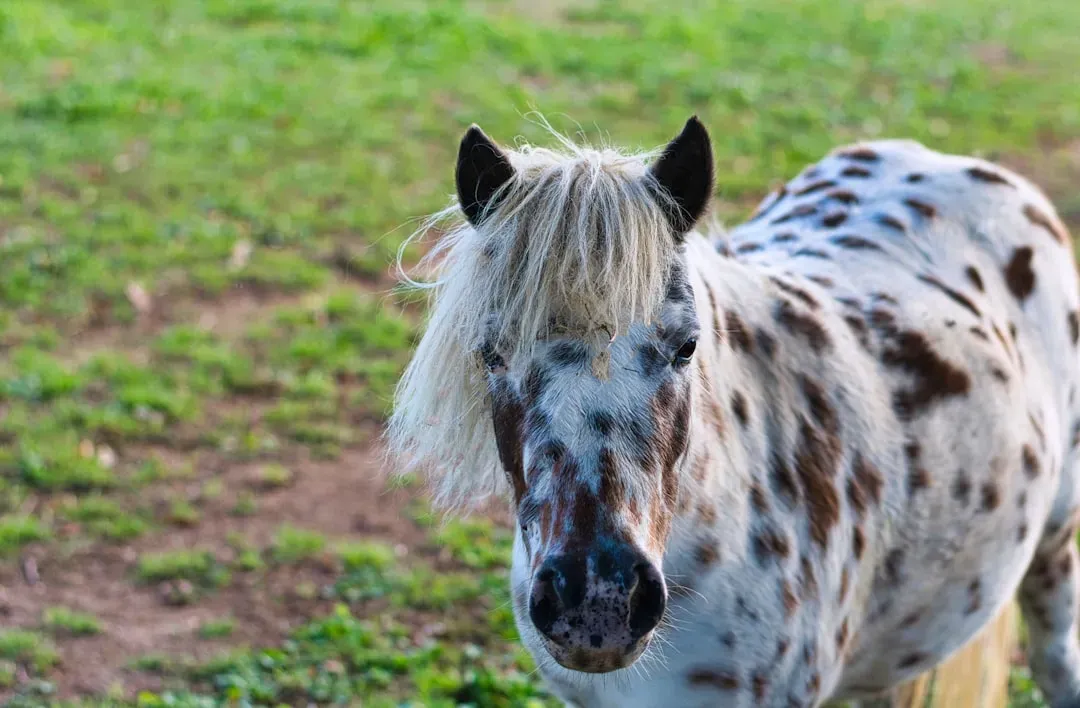
The Appaloosa’s spotted coat is one of the most visually striking things in the horse world, and it sells horses constantly. Buyers are drawn to the pattern and often don’t look past it – which means they don’t research the genetic realities that can come with it. The breed has a documented link to Equine Recurrent Uveitis, a painful, progressive eye condition that can lead to blindness, and certain skin sensitivities that require careful management. These aren’t rare edge cases; they’re common enough that experienced rescuers watch for them on intake.
When medical needs surface a few years into ownership – an eye that keeps flaring up, a horse that requires shade and UV protection, mounting veterinary bills – some owners surrender rather than commit to long-term care. Rescues then face the challenge of placing a horse with known ongoing medical needs in a market that wants horses that are easy and uncomplicated. The Appaloosa’s beauty is real. The hidden cost of that beauty is something the breed’s biggest admirers rarely talk about.
#6 – Paint Horse
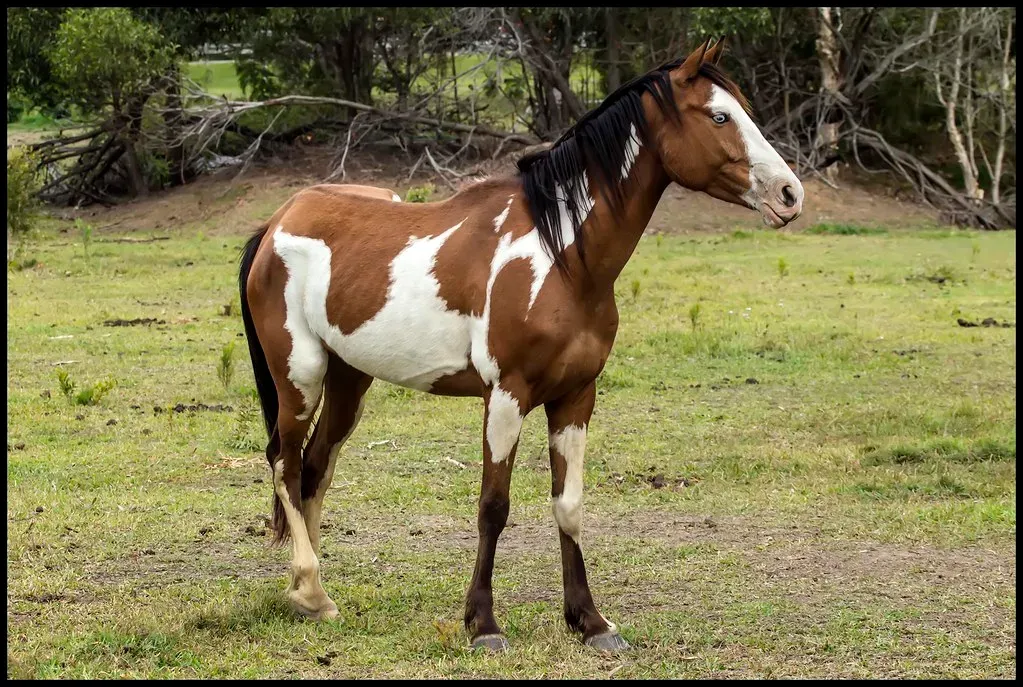
The Paint Horse sits at a particular dangerous intersection: the utility and trainability of a Quarter Horse combined with bold, flashy coloring that photographs beautifully and sells impulsively. They’re everywhere in the American horse market, which means they’re everywhere in American rescues. Paints bought for their pattern rather than their temperament suitability arrive at shelters with training gaps, behavioral holes, and often a history of being passed between owners who all had the same fantasy and the same failure.
Economic downturns hit the Paint market hard and visibly. Because the breed is so prevalent in general horse ownership, even small drops in owner financial stability translate into significant intake surges at rescues already stretched thin. Many Paints are genuinely lovely horses – athletic, willing, and capable of serious work. But they need an owner who chose them for the right reasons, and too often, the spotted coat was the only reason anyone needed.
#5 – Arabian
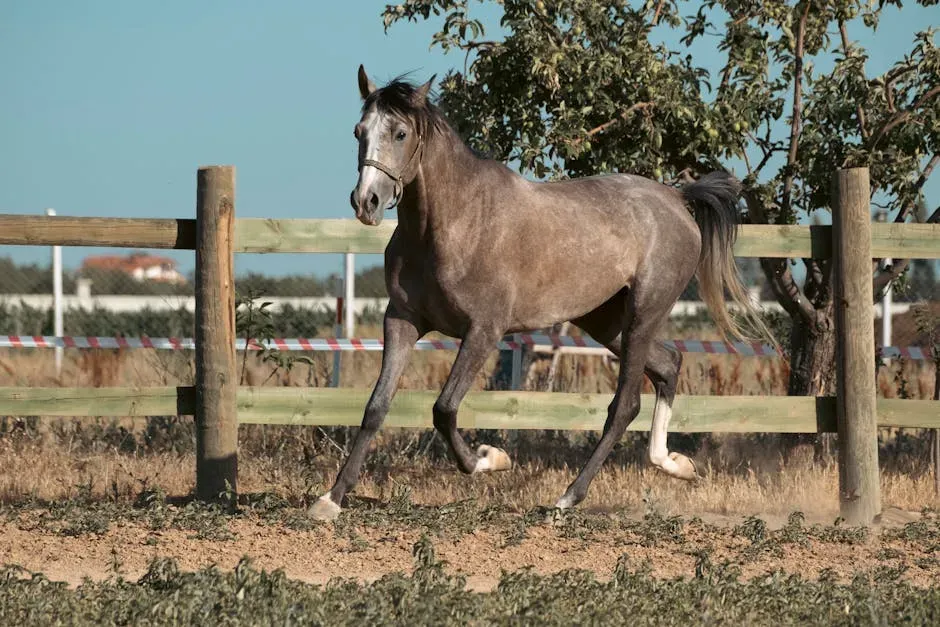
The Arabian is one of the oldest, most beautiful, most misunderstood breeds on earth. Their endurance, intelligence, and sensitivity make them extraordinary partners – for the right person. That person is not a first-time horse owner who bought a bay Arab because it looked elegant at a show. Arabians feel everything, respond to everything, and need consistent, thoughtful handling and regular work to stay mentally balanced. Put one in a paddock with an overwhelmed novice owner and watch a partnership fall apart in slow motion.
Rescues in certain regions – particularly areas with historical breeding booms chasing color and exotic bloodlines – see Arabians come through in clusters. Many arrive sensitive, reactive, and convinced that humans are unpredictable, which becomes a self-fulfilling prophecy when adopter after adopter takes on more than they can handle. The breed’s intelligence means they remember. It means the baggage compounds. Getting an Arabian right is one of the most rewarding things in horsemanship. Getting it wrong is surprisingly common, and the rescues absorb the difference.
#4 – Mustang
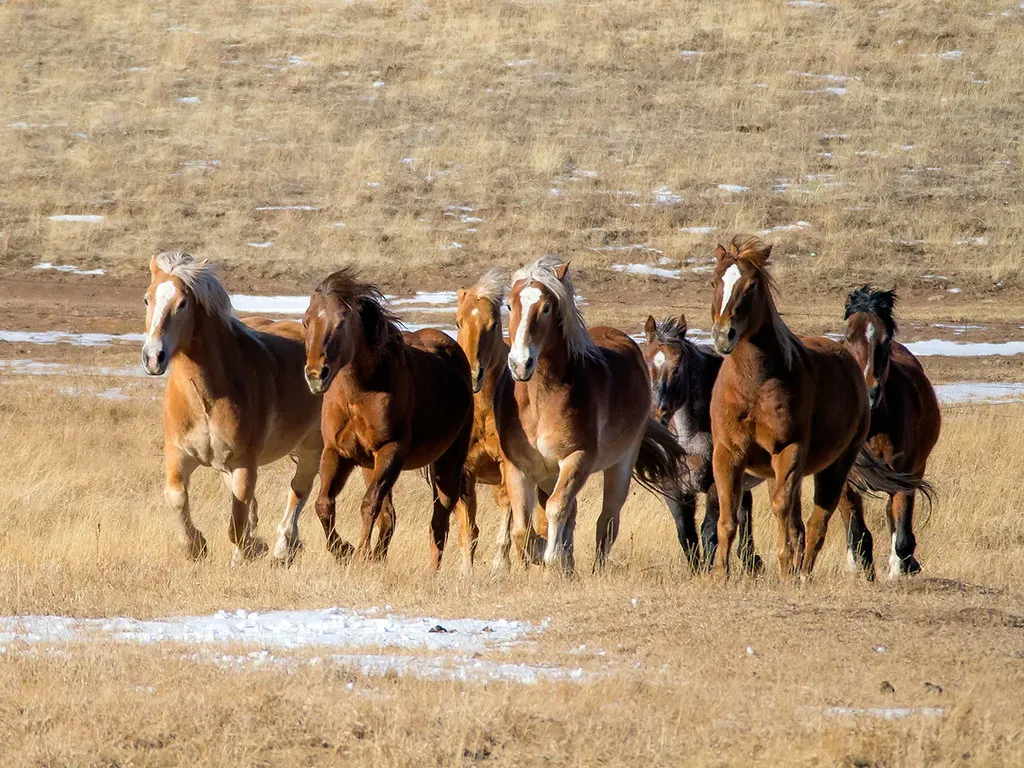
There’s a romantic pull to the Mustang – the last wild horse of the American West, running free across federal land. That image has inspired thousands of adoption applications. What it sometimes obscures is the reality of what adopting a horse with limited or zero human handling actually requires. Many Mustangs entering private rescues arrive after failed BLM adoptions, having been taken on by people who genuinely wanted to help but weren’t equipped for the months of patient, skilled groundwork that starting a wild horse demands.
The federal wild horse program has created a documented backlog, and private rescues end up absorbing horses that fall through the gaps – animals that were rounded up, held, partially adopted, and eventually surrendered when the adopter’s enthusiasm outpaced their skill. These horses aren’t broken. They’re not bad. They’re genuinely wild animals that need a specific kind of human, and that human is rarer than the adoption marketing suggests. The Mustang’s spirit is not in question. What’s in question is whether the system around them has ever been honest about what they actually need.
The horses aren’t the problem. It’s the gap between what people imagine and what horses actually require.
Common refrain among rescue operators
#3 – Standardbred
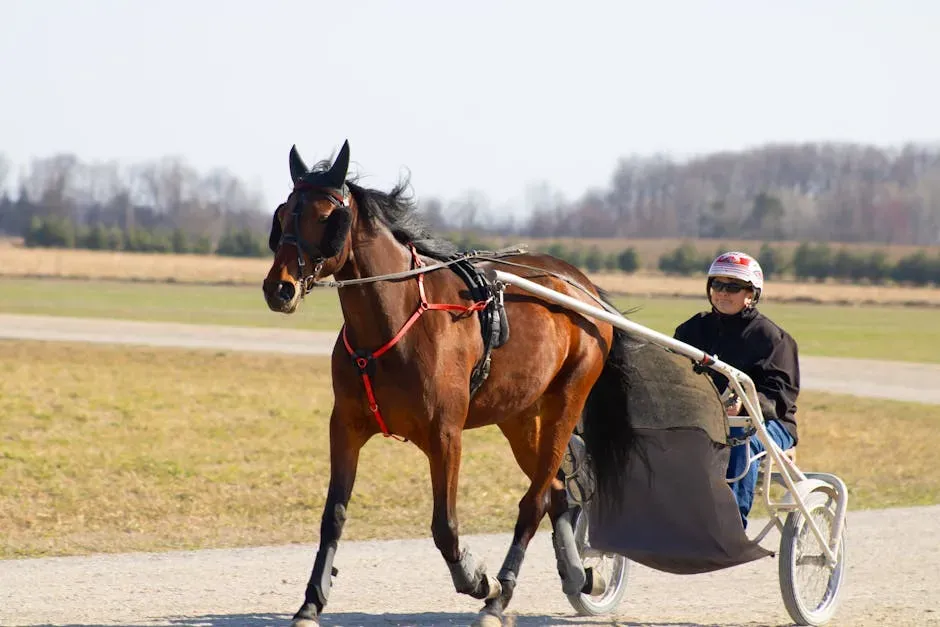
Every year, thousands of Standardbreds finish their harness racing careers – young, fit, healthy horses with decades of potential life ahead of them and no clear path forward. The industry produces them efficiently and retires them quietly, often with little preparation for a second career. Their trotting or pacing gait, trained into them through thousands of miles of track work, can make them feel unfamiliar under saddle to pleasure riders accustomed to other breeds. That unfamiliarity costs them adoptions.
Rescue data consistently identifies Standardbreds as one of the most surrendered light horse breeds, not because they’re difficult or damaged, but because the industry that created them has historically done little to transition them out of it responsibly. Organizations dedicated specifically to Standardbred aftercare have made real progress, but the volume of horses retiring annually still dwarfs the available homes. These are quiet, sensible, genuinely kind horses. They deserve better than being treated as a byproduct of an industry that moved on without them.
#2 – Quarter Horse
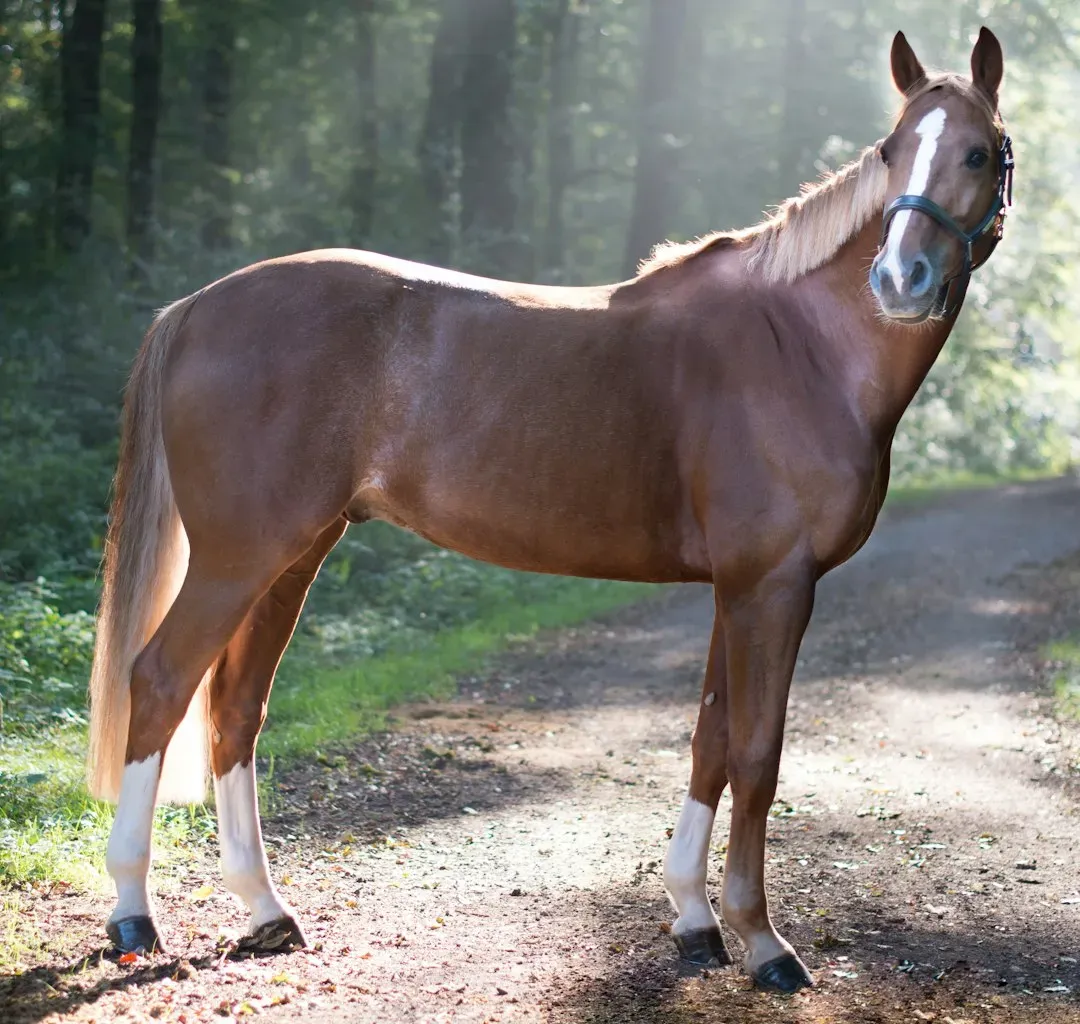
The Quarter Horse is America’s most popular horse breed by registered numbers, and that dominance shows up brutally in rescue statistics. When you have more horses, you have more surrenders – it’s a simple numbers problem compounded by a cultural one. The Quarter Horse’s reputation for versatility and ease makes people confident they can handle one, whether or not that confidence is earned. They’re bought for trail riding, ranch work, barrel racing, backyard companionship, and a dozen other purposes, often by owners whose commitment outlasts neither the hobby nor the horse’s soundness.
Even a tiny percentage of the Quarter Horse population represents enormous absolute numbers when those horses start arriving at shelters. Rescues in Quarter Horse country describe intake queues that never fully clear – one horse placed, two more coming in. Many arrive sound and trainable, which should make placement easy. But the sheer volume overwhelms the system before individual horse quality even becomes relevant. The breed’s success is part of what makes this crisis so hard to solve.
#1 – Thoroughbred
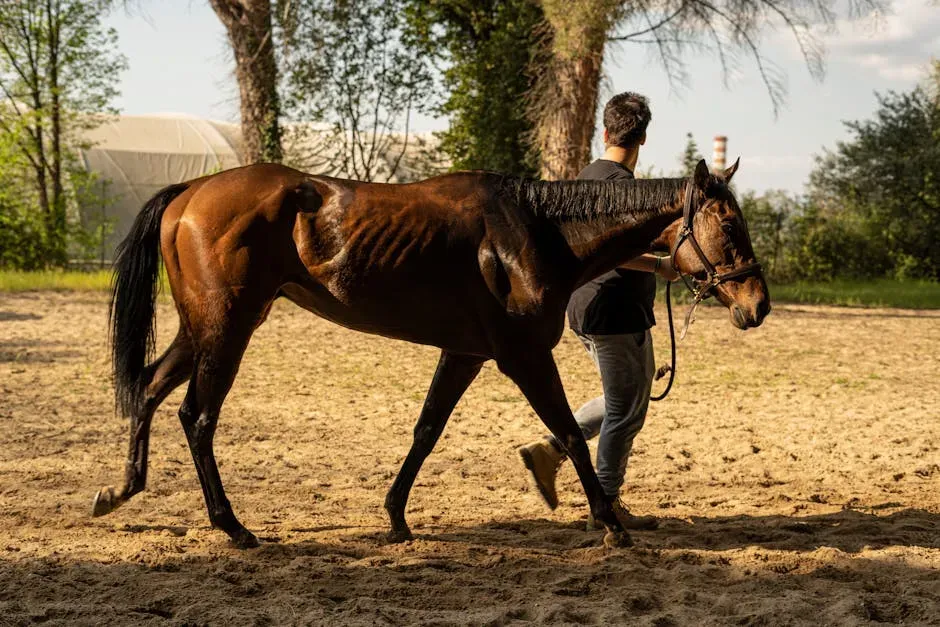
Nothing in the American horse rescue world compares to the Thoroughbred pipeline. The racing industry produces thousands of foals every year, races them hard while they’re young and physically vulnerable, and retires them – often with injuries, behavioral quirks baked in by track life, and very specific needs – into a market that wasn’t designed to absorb them. Organizations like the Retired Racehorse Project have worked hard to bridge the gap, and off-track Thoroughbreds have proven themselves in virtually every discipline imaginable. But the numbers remain staggering.
Private rescues openly acknowledge they cannot keep pace with Thoroughbred retirements. These horses often arrive reactive to environments nothing like the track, sensitive to changes in routine, and carrying physical wear that requires careful rehabilitation before they can even begin training for a new life. They’re also, frequently, extraordinary – athletic, intelligent, willing, genuinely magnificent animals who deserved better from the system that bred them to run. The Thoroughbred crisis isn’t a secret. It’s an industry-scale problem that gets quietly pushed onto the backs of underfunded rescue organizations and the volunteers who refuse to walk away.
The Hard Truth Nobody in the Industry Wants to Say Out Loud
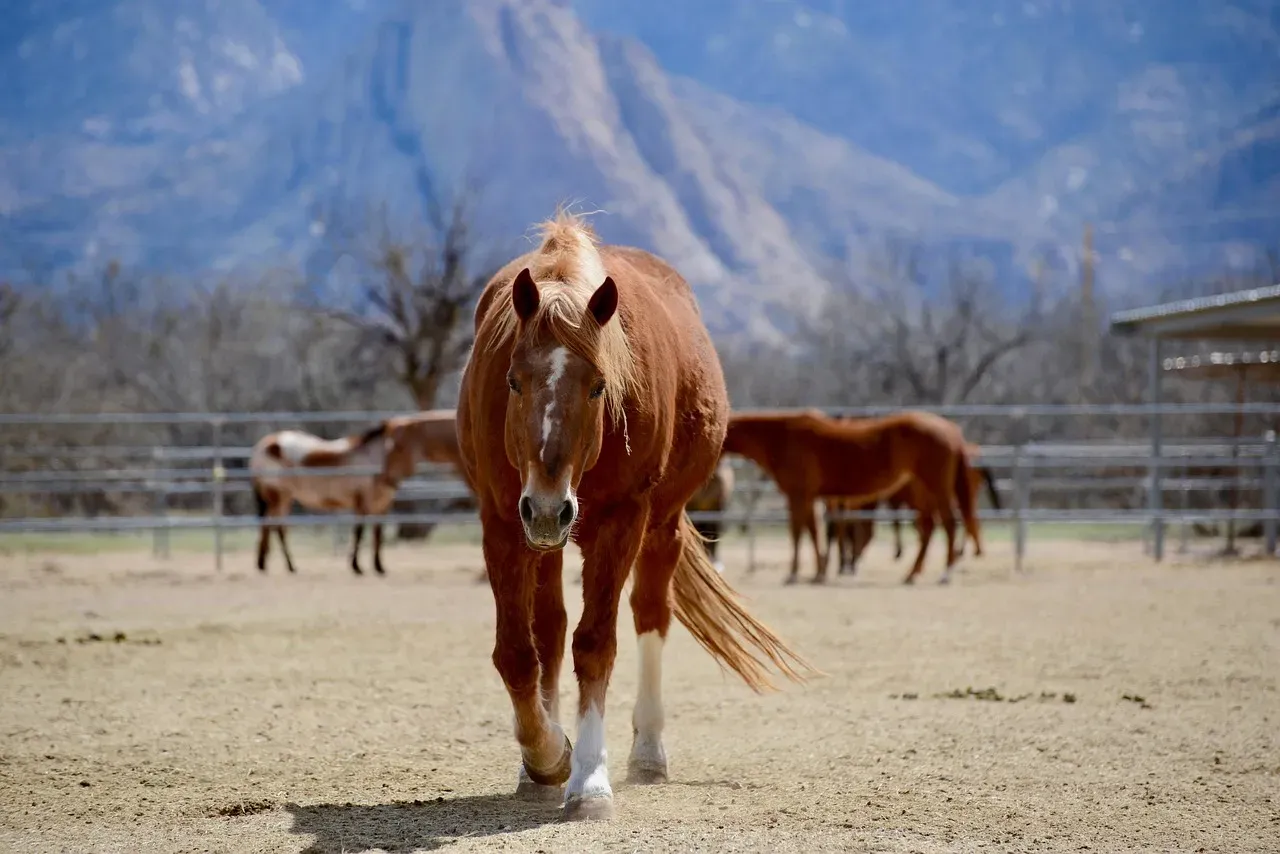
This isn’t a story about random neglect or a few bad owners. It’s a story about systems – racing industries, show circuits, pet markets, and breeding operations – that produce horses at scales nobody has a responsible plan for. The breeds topping this list aren’t here by accident. They’re here because someone, somewhere, decided that production was more important than placement, and that the consequences could be someone else’s problem.
Thoroughbreds and Quarter Horses lead because of raw volume. Friesians, Miniatures, and Gypsy Vanners lead because fantasy outsells reality every time. Mustangs and Standardbreds lead because entire industries created them and then looked away. The rescues absorbing all of this – underfunded, understaffed, and quietly heroic – deserve far more than our admiration. They deserve a horse industry that stops generating the problem and starts funding the solution. Until that happens, the intake lines won’t shorten. They’ll just get longer, one beautiful, bewildered horse at a time.

As a little kid, I fell in love with nature, wildlife, and animals. Living in the USA, South Africa, Italy, China and Germany gave me the opportunity to discover the world's Wildlife. My favorite animals are Mountain Gorillas, Siberian Tigers, and Great White Sharks.
I'm a certified PADI Open Water Diver, went to Everest Base Camp and Trekked Gorillas in Uganda. I hold a Master of Science in Economics and Finance.
Please send any feedback to feedback@animalsaroundtheglobe.com
- 10 Most Unique Reptiles You will See in the US - July 21, 2026
- 3 Dangerous Invasive Species the USA Must Eradicate - July 21, 2026
- 10 Things That Calm Cats And 4 That Make Them Nervous - July 21, 2026