
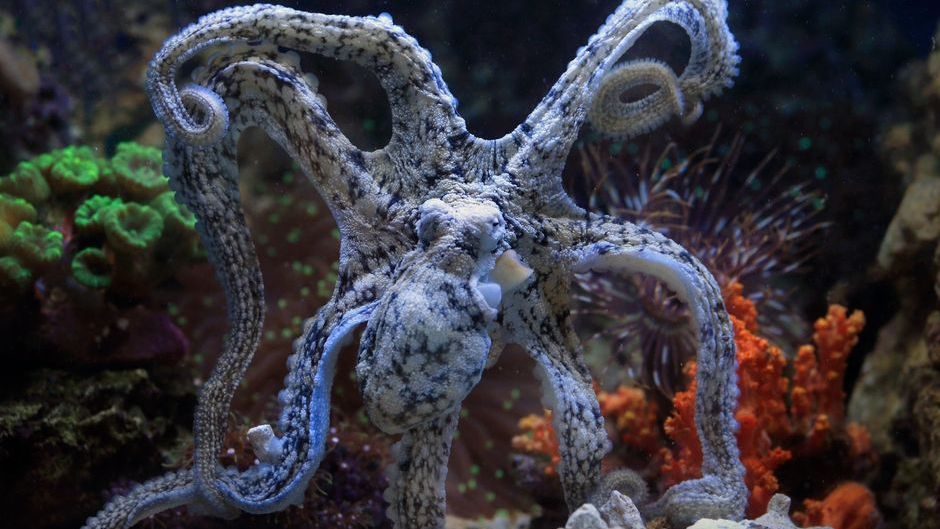
Octopuses Tackle Puzzles Without Company
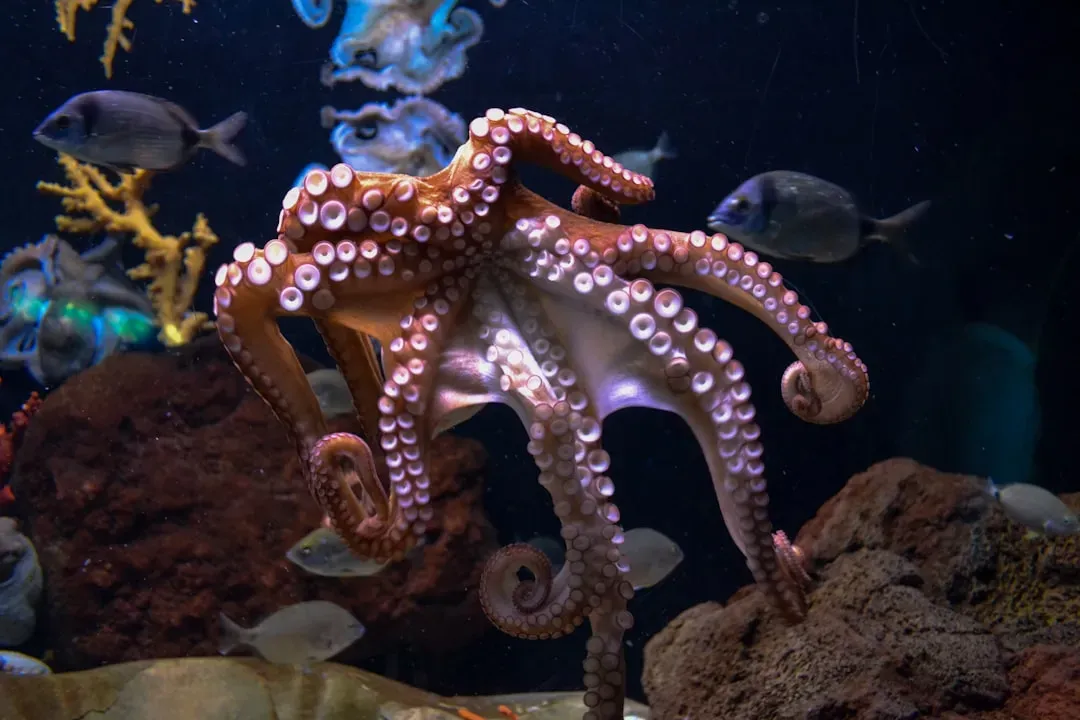
Common octopuses have opened puzzle boxes that require several steps in sequence, and they do it faster with each attempt even when alone in the setup. Studies show they manipulate latches and compartments methodically to reach food rewards. This steady improvement points to some form of internal tracking rather than random poking.
They also unscrew jar lids or navigate simple mazes in empty enclosures, relying on their own exploration. Without social learning opportunities, each success builds on prior tries through memory of what worked before. Such behavior holds up across different individuals and lab conditions.
A Nervous System Built for Independent Action
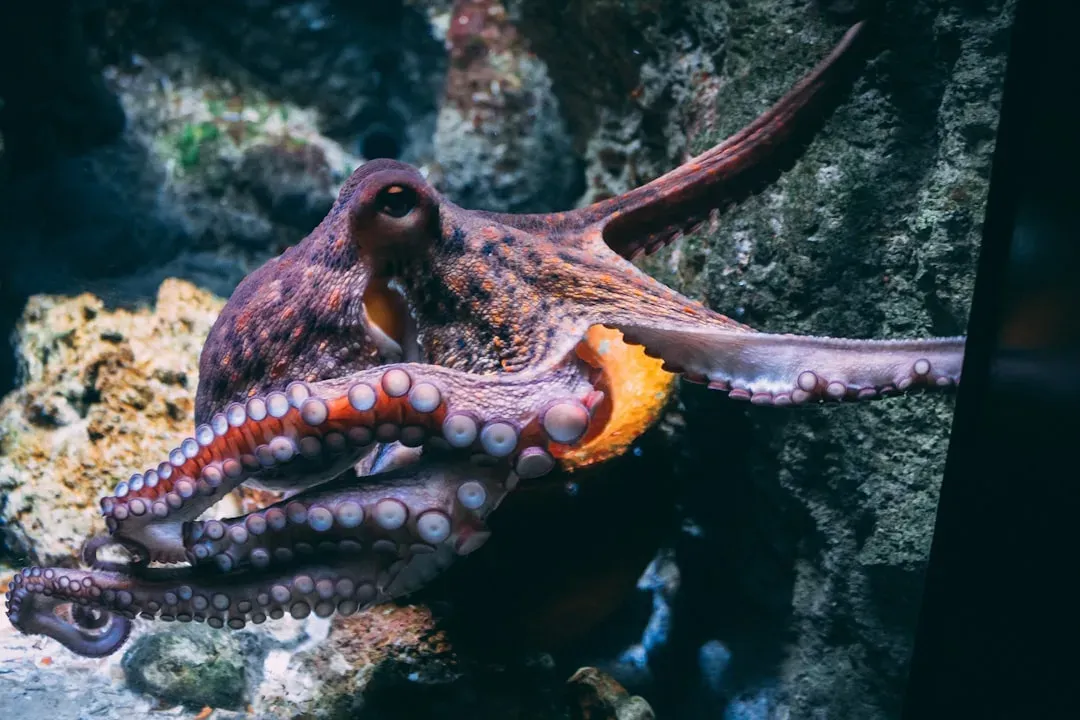
Octopuses carry most of their neurons in their arms, letting each limb handle tasting, touching, and moving on its own while the central brain oversees bigger decisions. This split setup allows arms to test ideas locally without constant top-down commands. When one arm solves part of a task, the rest can stay focused elsewhere.
The arrangement supports quick adjustments during problem solving, as seen when octopuses guide an arm through barriers using only visual input from the head. Central control still kicks in for planning the overall approach. The result feels like a team of specialists working toward one goal.
Steady Learning Across Repeated Trials
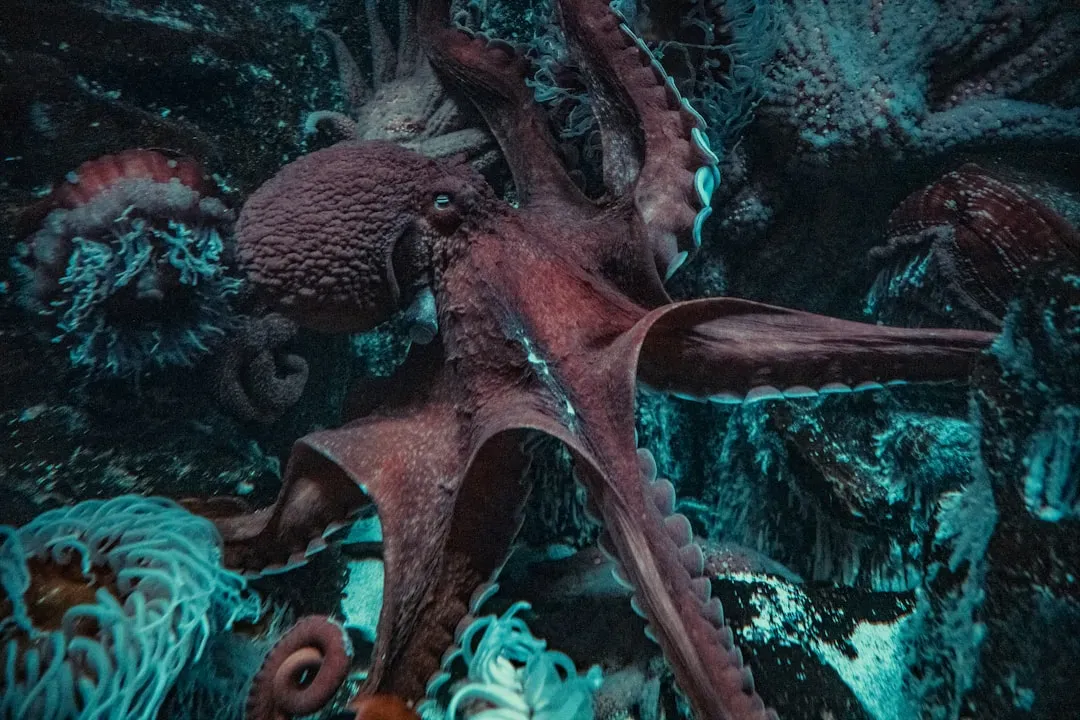
Octopuses refine their techniques over multiple sessions with the same puzzle, cutting down the time needed even without fresh demonstrations from others. They remember successful sequences and avoid dead ends they tried earlier. This kind of refinement happens reliably in isolated conditions.
Experiments with different puzzle designs confirm the pattern holds whether the reward is a crab or shrimp. Memory lasts long enough for gains to appear days later. The process looks deliberate rather than instinctive repetition.
Signs of Anticipation and Spatial Awareness
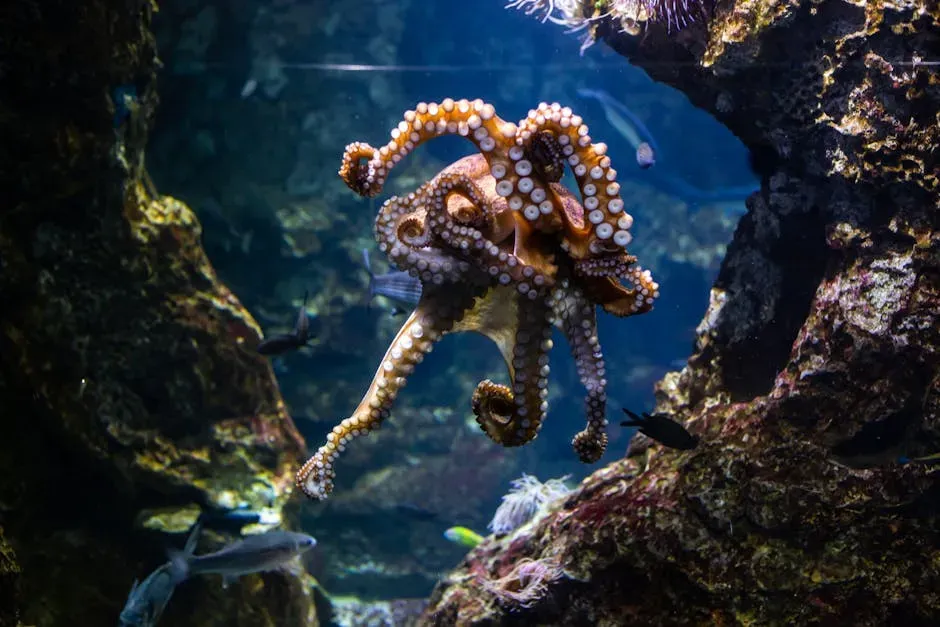
Some observations suggest octopuses form mental pictures of their surroundings, such as using mirrors to locate hidden food or planning routes around obstacles. They carry objects like coconut shells for later use as shelters, showing they can think ahead in their environment. These actions occur without immediate prompts.
Recent work on spatial tasks indicates they maintain internal representations that help them navigate or retrieve items out of sight. Such capabilities align with the demands of a short life spent mostly alone. They adapt quickly to new tank layouts or object placements.
Parallels to Human-Style Mental Rehearsal
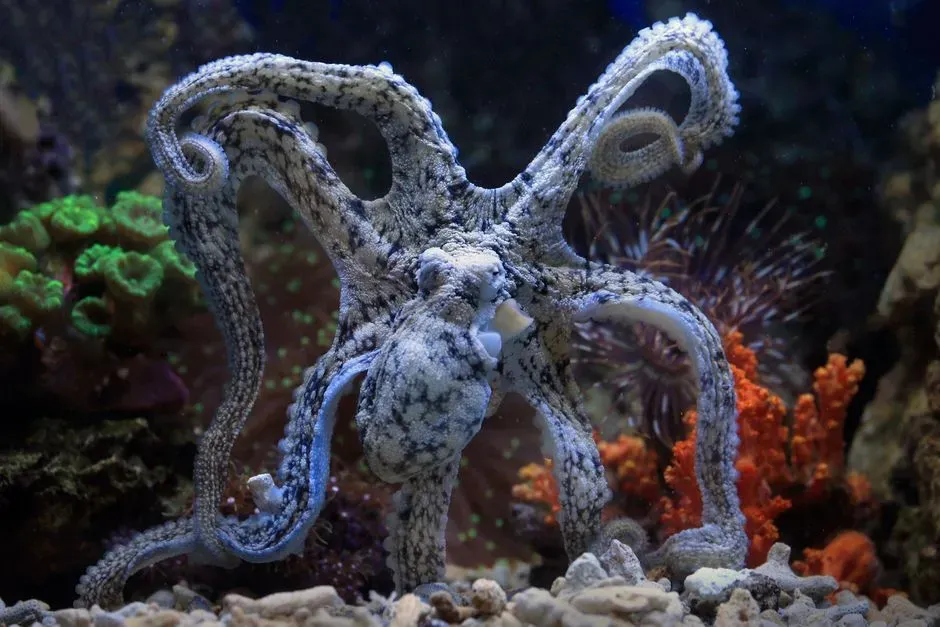
When an octopus pauses before trying a new manipulation or switches strategies mid-task, it can resemble running through options in the mind first. Human imagination often works the same way during problem solving, testing scenarios without physical movement. The octopus version might rely on its distributed nerves to simulate arm movements internally.
Color changes during rest periods sometimes echo active hunting patterns, hinting at possible memory replay or scenario practice. Though direct proof remains limited, the combination of learning speed and flexible responses fits the idea of inner modeling. This would explain why isolated animals still innovate effectively.
Solitude Shapes Their Cognitive Style
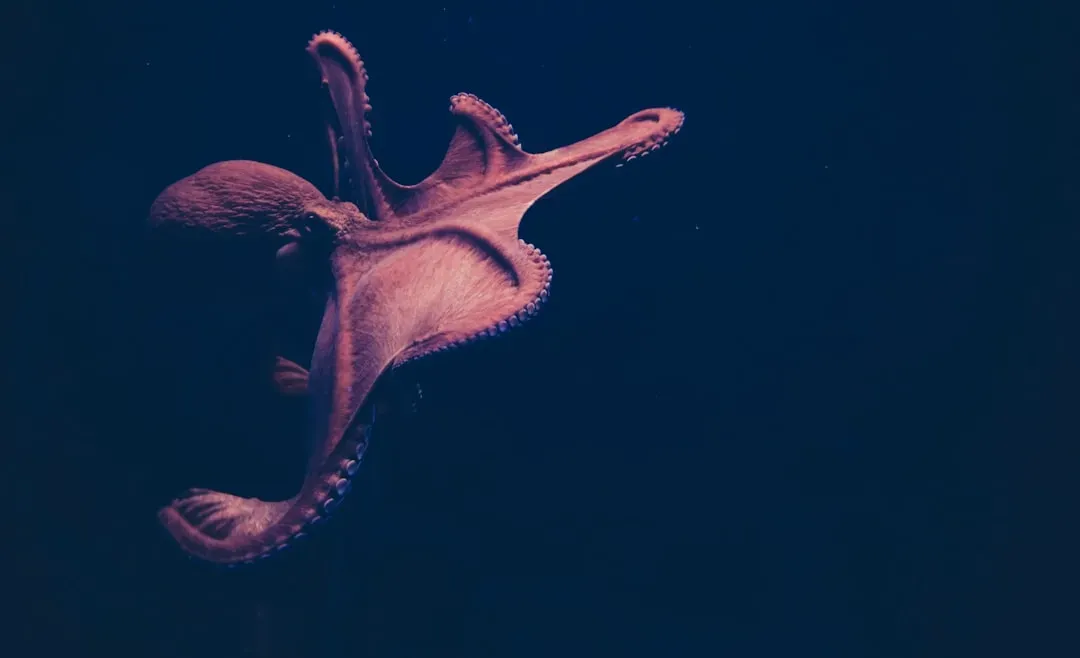
Octopuses hatch and live without parental guidance or group hunting, so every skill must develop through personal experience. Their problem solving therefore emphasizes self-generated strategies over copied ones. Isolation may actually sharpen the need for robust internal processing.
Lab setups that keep them alone mirror natural conditions and still yield consistent puzzle success. This independence sets them apart from social species that lean on observation. The result is a mind tuned for solo exploration and invention.
What These Abilities Suggest About Broader Intelligence
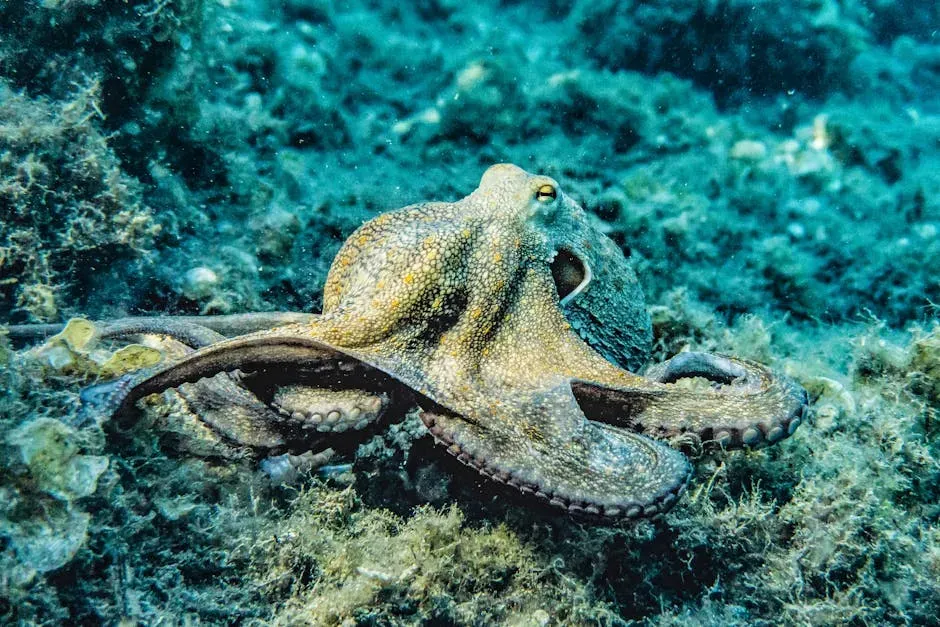
Octopus cognition evolved on a completely separate branch from vertebrates, yet it produces outcomes that echo planning and flexibility seen in mammals and birds. Their case shows intelligence can arise in very different body plans and social settings. Continued study of these animals may refine how we define imagination itself across species.
Recognizing possible inner simulations in octopuses encourages a wider view of minds that do not look like ours. It also raises practical questions about how we house and interact with captive cephalopods. Ultimately, these creatures remind us that clever problem solving can flourish in quiet, solitary spaces.
