
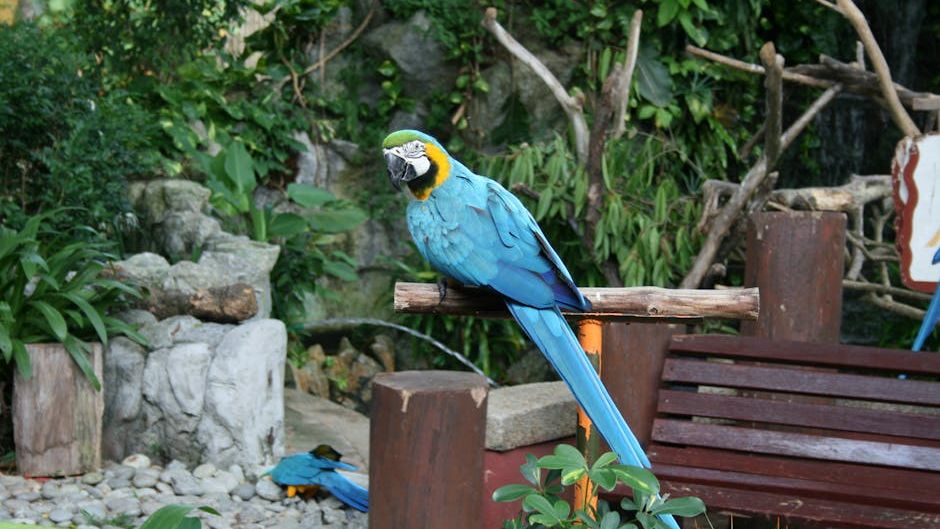
The Remarkable Memory of Birds
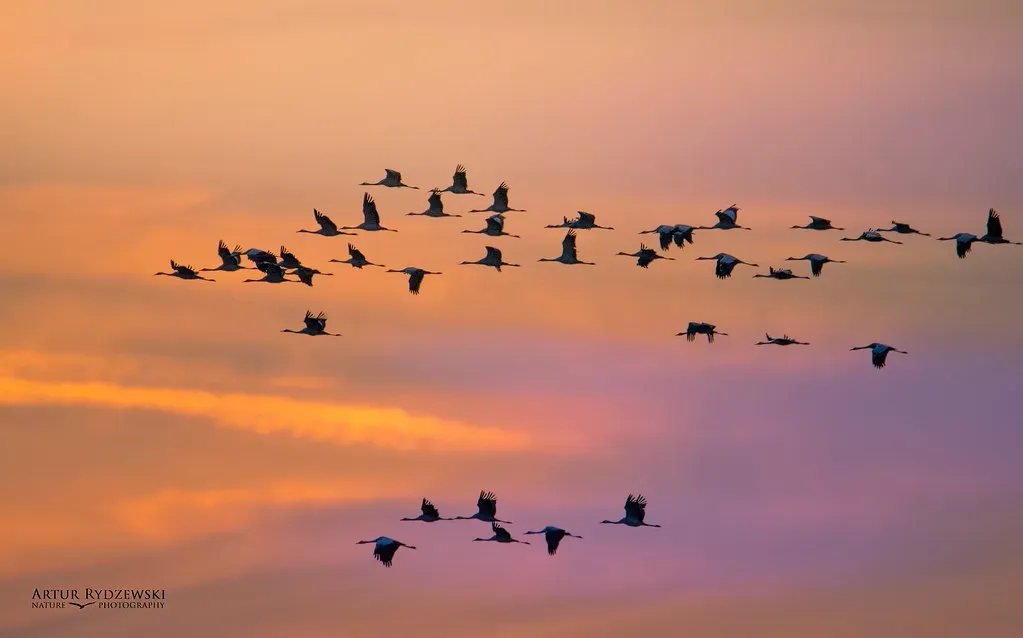
Birds navigate vast distances during migration yet pinpoint exact spots upon arrival. Their brains hold detailed maps of landmarks, food sources, and potential dangers. This capacity allows them to treat a backyard as a reliable haven rather than a random stop.
Studies of territorial species show they recall nesting sites from previous years with striking accuracy. They adjust routes based on past experiences with weather or predators. Such recall supports survival in changing environments.
Encoding Safety in Familiar Places
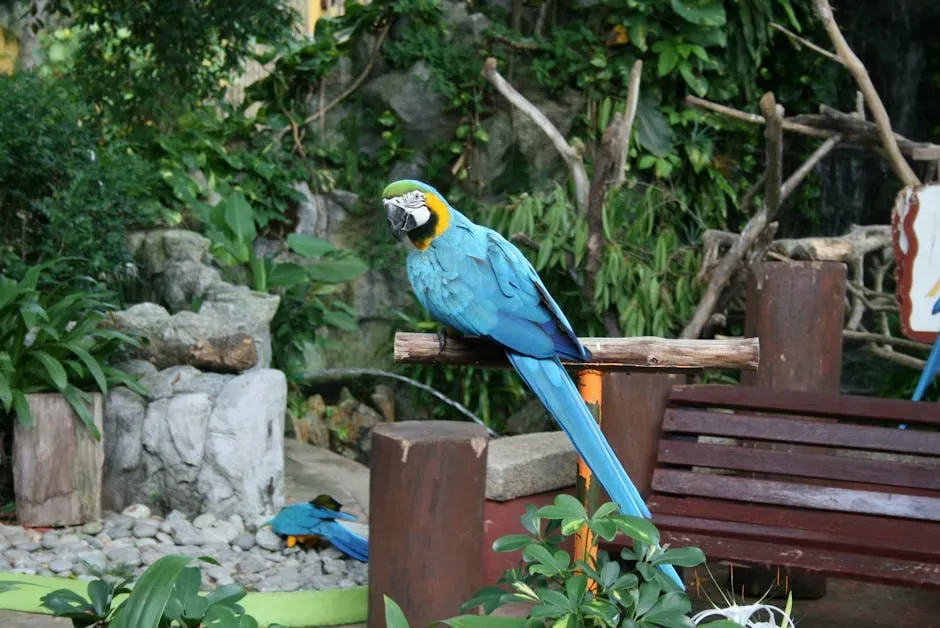
A garden becomes more than scenery when a bird associates it with consistent food and shelter. Repeated positive encounters reinforce the location as low risk. Over time the site turns into a mental anchor for the bird’s annual cycle.
Changes in the garden, like new plants or rearranged furniture, can test that encoding. Birds often test the waters with cautious approaches before resuming old patterns. This process reveals how they weigh familiarity against novelty.
Recognizing Individual Humans
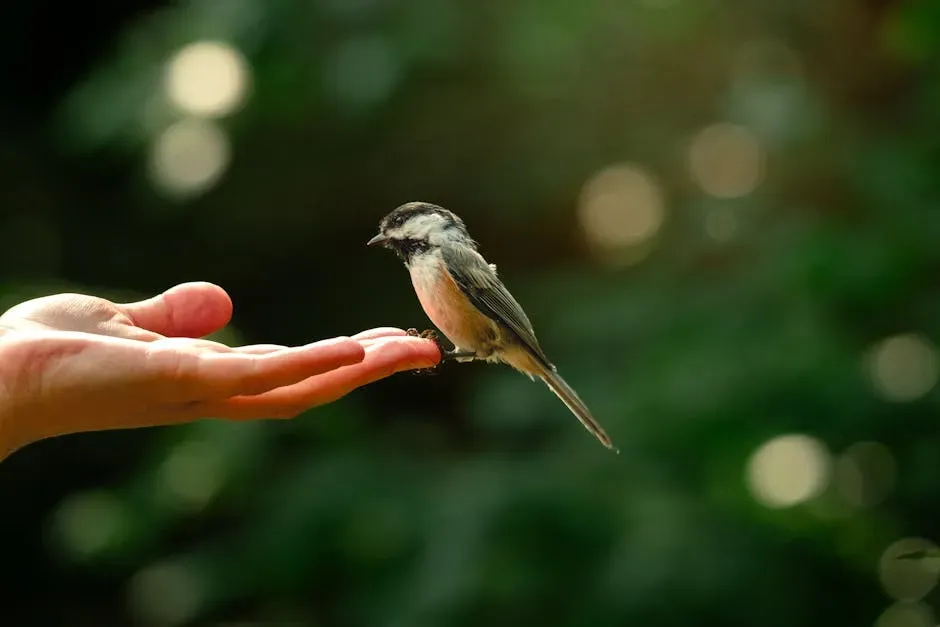
Some birds distinguish one person from another through facial features, clothing, or movement styles. They react differently to the resident who fills the feeder versus a stranger passing through. This selective response points to individual recognition rather than blanket tolerance.
Habituation plays a key role here. Regular, nonthreatening contact reduces fear responses over successive visits. The bird learns to ignore routine human activity while staying alert to sudden shifts.
Species That Show This Behavior

Robins and blackbirds often return to the same nesting areas and feeding stations. They display steady patterns of interaction with garden owners who maintain consistent routines. These common visitors illustrate the broader phenomenon across many backyard species.
Hummingbirds and certain finches also demonstrate site fidelity tied to specific people. They time arrivals with blooming seasons and feeder availability. Their precision in returning underscores how memory supports efficient foraging.
Insights from Ornithological Studies
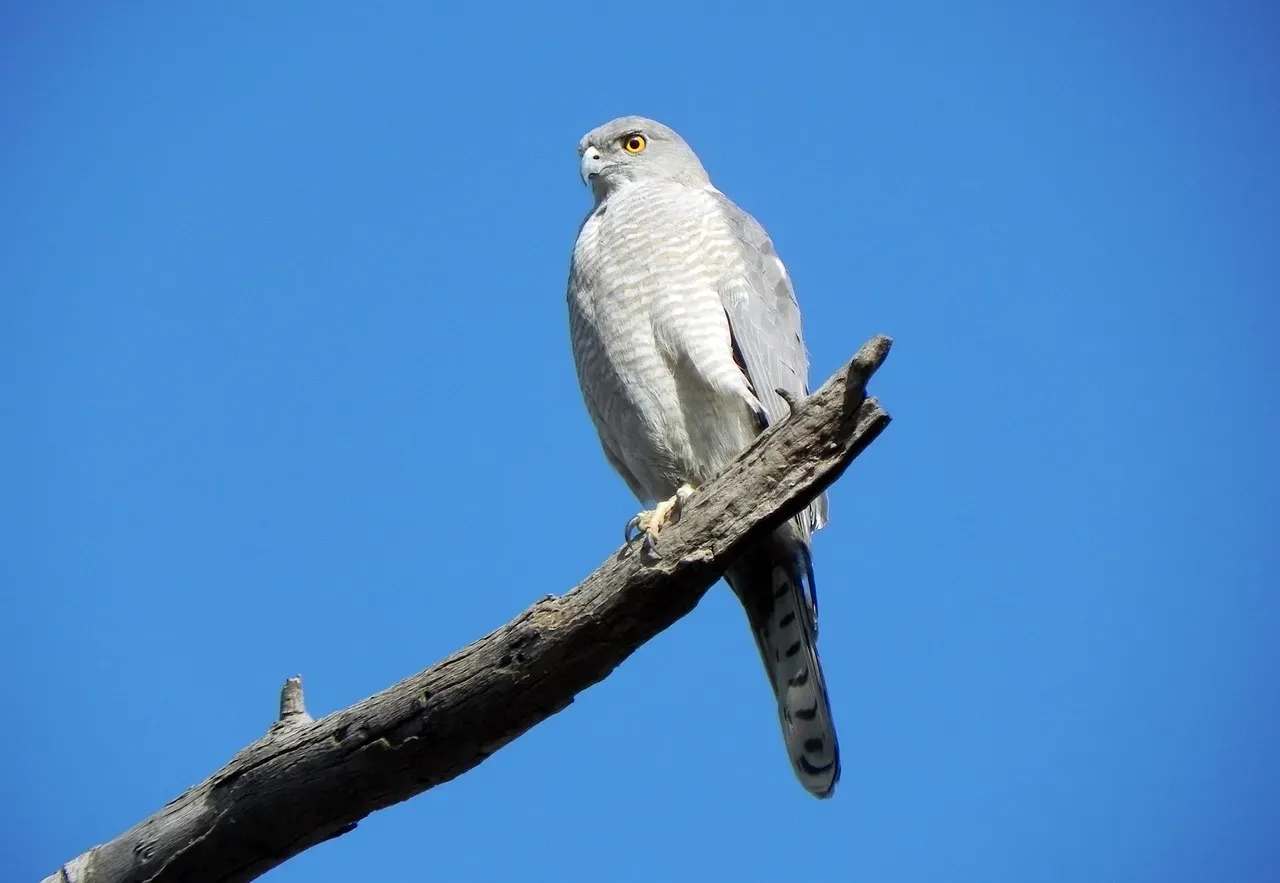
Researchers track banded birds across multiple seasons to map return rates. Data reveal that many individuals choose the same territories year after year when conditions remain stable. These observations highlight memory as a practical survival tool.
Experiments with marked feeders show birds avoid altered setups until they confirm safety. Such findings continue to refine understanding of avian cognition. The level of detail still prompts fresh questions among field scientists.
Benefits for Both Birds and People
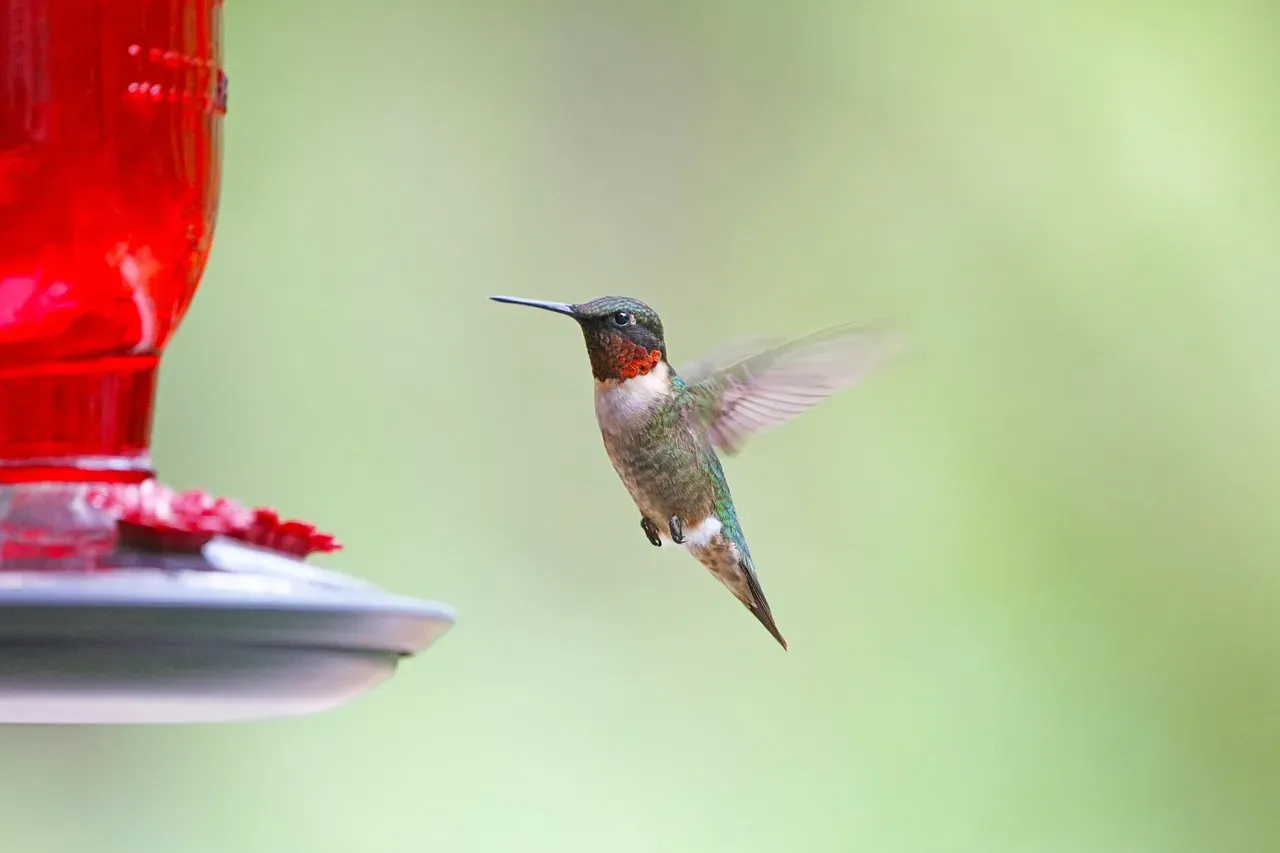
Gardeners gain quiet companionship and natural pest control from returning birds. The presence of familiar visitors adds a layer of seasonal rhythm to daily life. In turn the birds secure reliable resources that support breeding success.
Simple actions like steady feeding schedules strengthen these bonds. They encourage birds to view the space as part of their established range. Mutual advantages emerge without any need for direct interaction.
What This Reveals About Animal Intelligence
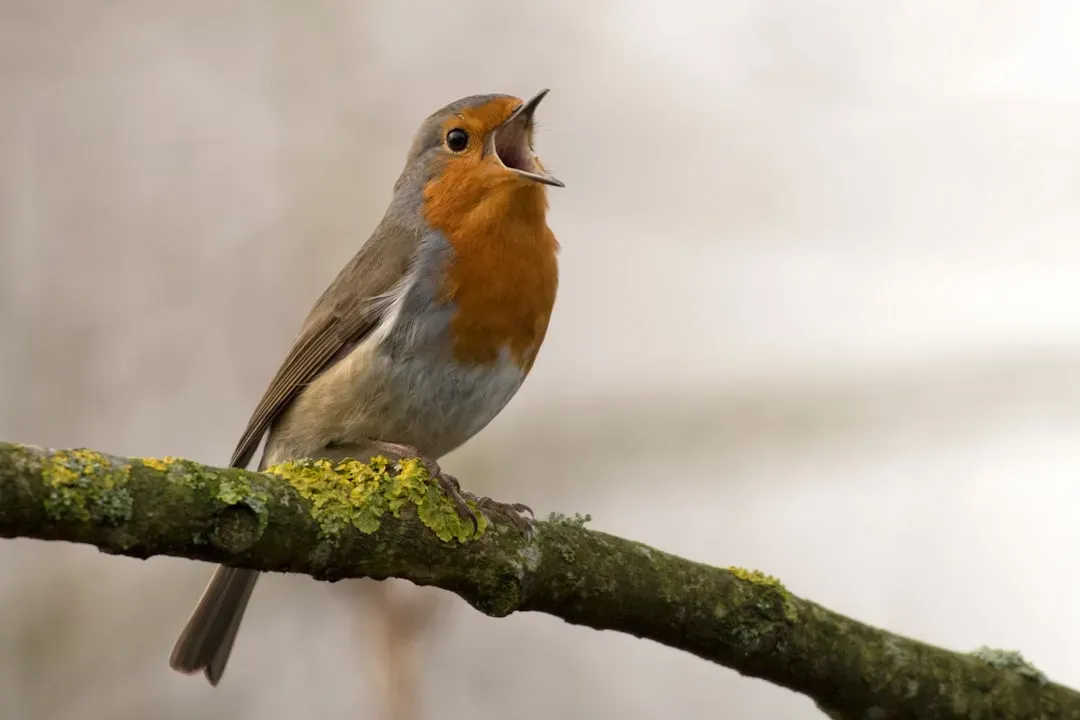
The ability to encode safety and recognize nonthreats speaks to flexible learning in wild populations. Birds balance instinct with experience in ways that adapt to human altered landscapes. This adaptability challenges older views of limited avian cognition.
Continued observation suggests memory precision varies by species and individual history. It opens doors to deeper appreciation of how animals navigate shared spaces. Such insights encourage thoughtful coexistence rather than assumptions of distance.
The steady return of a single bird each year quietly reshapes how we view the boundaries between wild and tended spaces. It invites a measured respect for the unseen calculations happening overhead. In the end the garden becomes a shared record of trust earned through consistency.
- 10 Amazing Facts About Penguins - July 24, 2026
- 8 Ways to Create a Wildlife-Friendly Backyard Oasis for Local Critters - July 24, 2026
- How to Keep Your Pet Safe from Household Hazards - July 24, 2026