
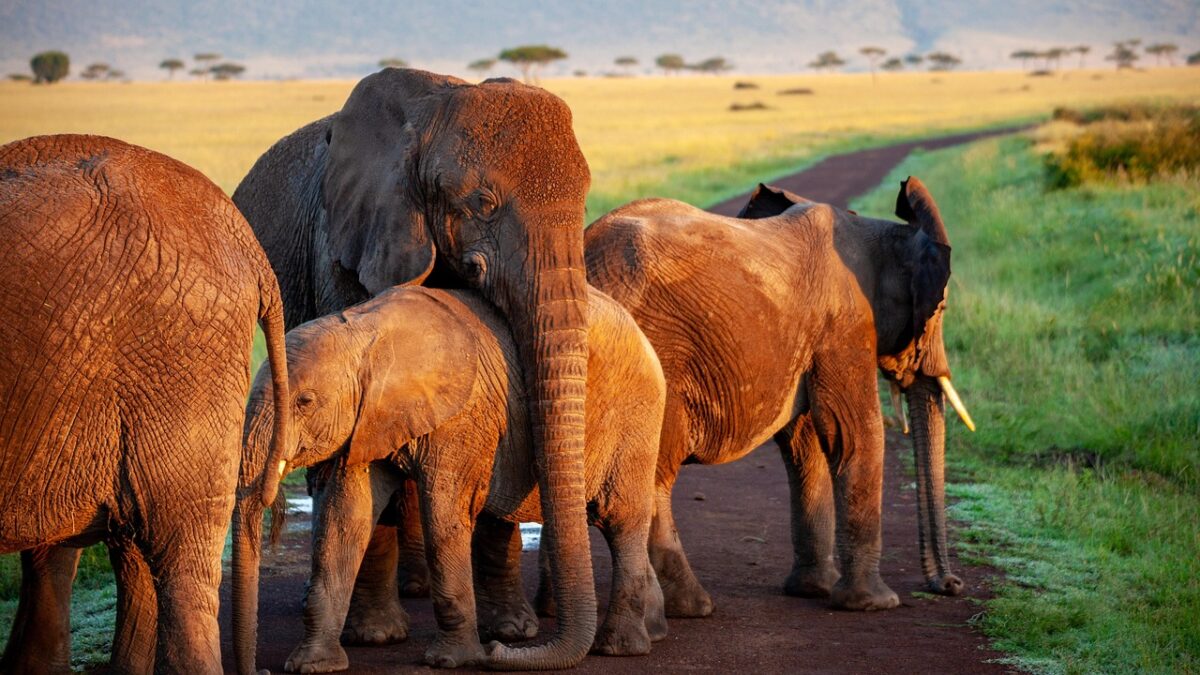
Out on the open plains, a herd moves steadily until something shifts their pace. They slow, gather, and linger near sun bleached remains that most creatures would ignore.
This quiet attention has caught the eye of researchers for years. It raises questions about how deeply animals experience loss and what that says about emotions once considered ours alone.
The Quiet Moments at Scattered Bones
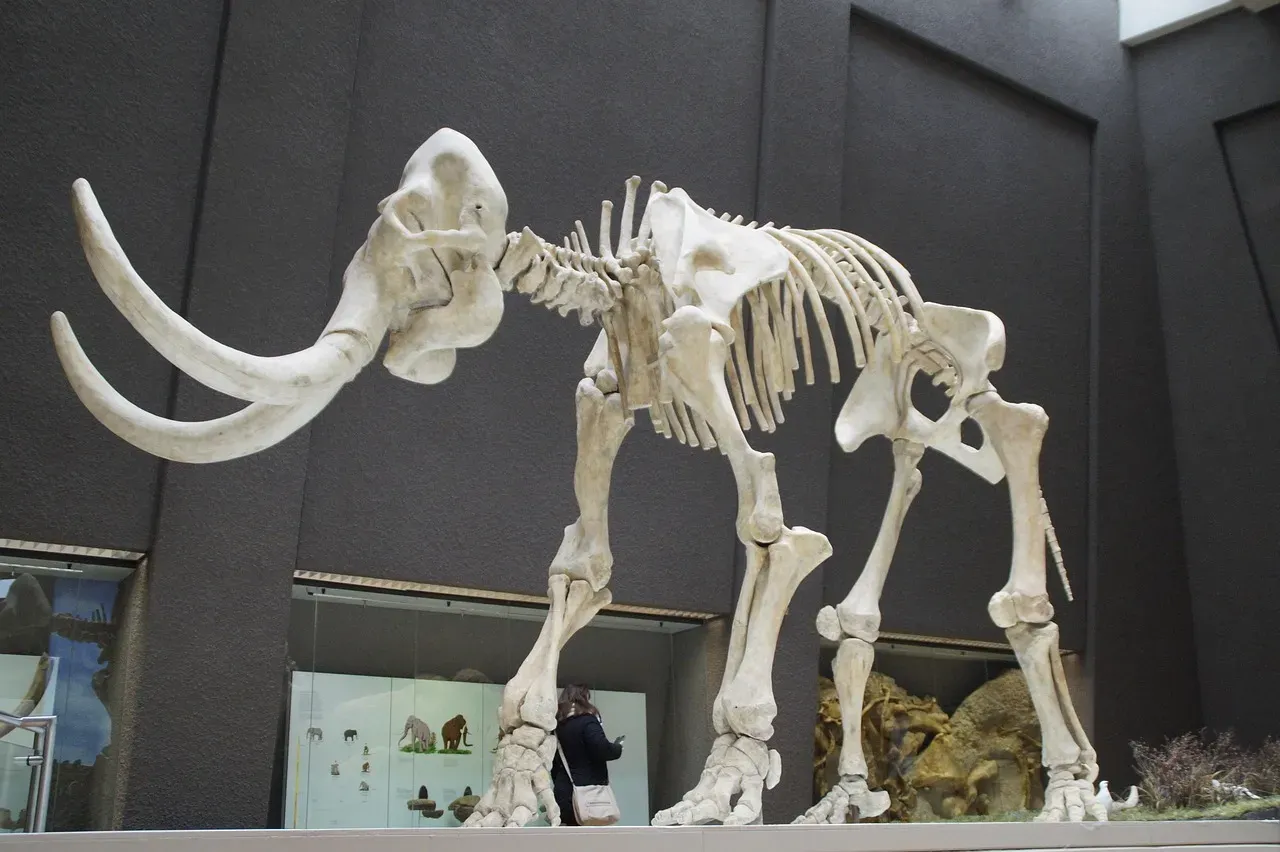
Elephants often stop when they come across the remains of their kind. They stand still for minutes at a time, trunks extended toward skulls or ribs that lie scattered across the ground.
Observers note how the animals touch these bones gently, turning them over and examining them with care. The behavior stands out because it happens even with old, weathered remains rather than fresh carcasses alone.
Documented Patterns in Elephant Responses
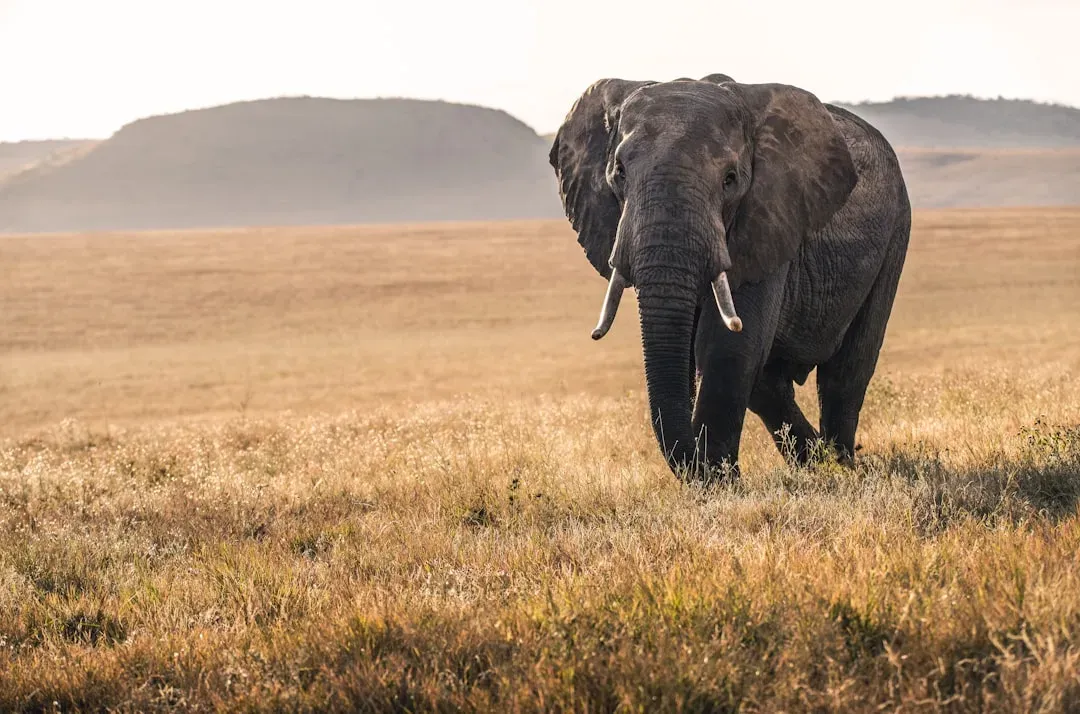
Field studies have tracked these encounters across different groups and locations. Elephants approach the site, investigate thoroughly, and sometimes show signs of heightened alertness or social interaction nearby.[1]
Researchers have recorded repeated visits to the same spots over time. The consistency across observations points to a deliberate response rather than random curiosity.
Distinguishing Their Own From Other Species
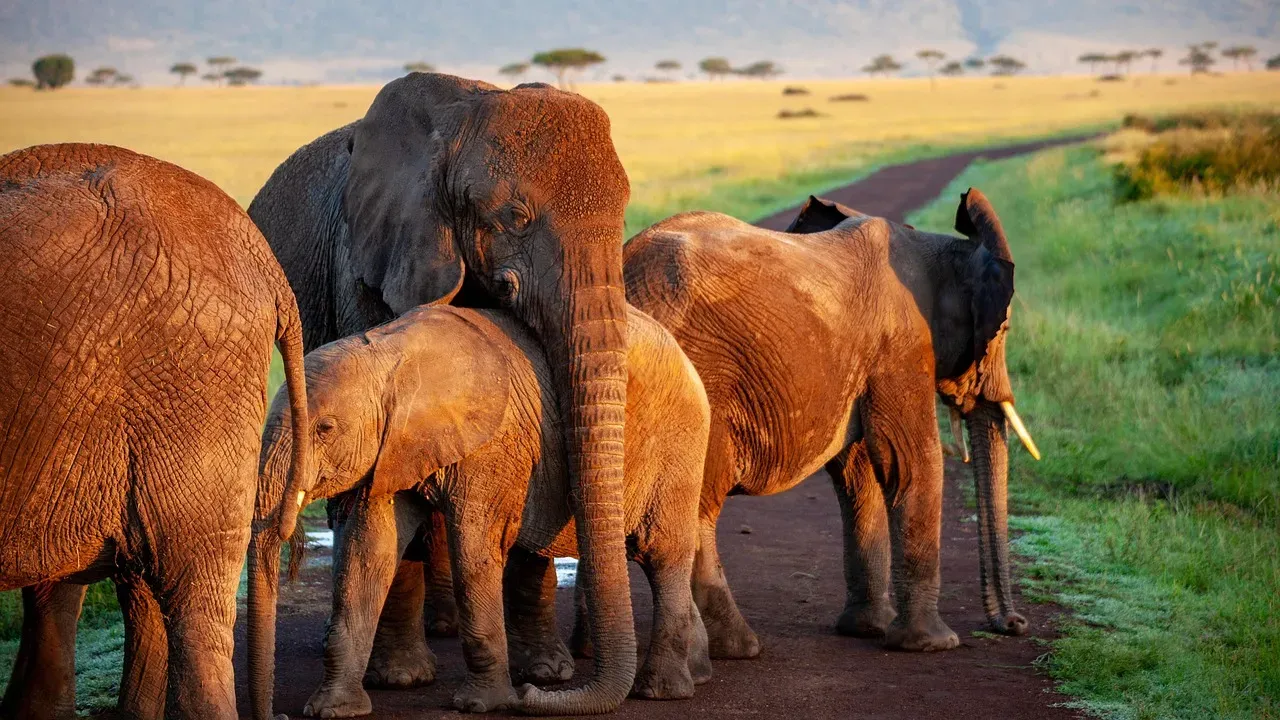
One striking detail is how elephants focus almost exclusively on bones from their own species. They show little interest when presented with remains from other animals in controlled tests.
This selectivity suggests recognition at some level. Their trunks, with thousands of sensitive muscles, allow them to gather detailed information through smell and touch that sets elephant bones apart.
Long Term Memory and Repeated Visits
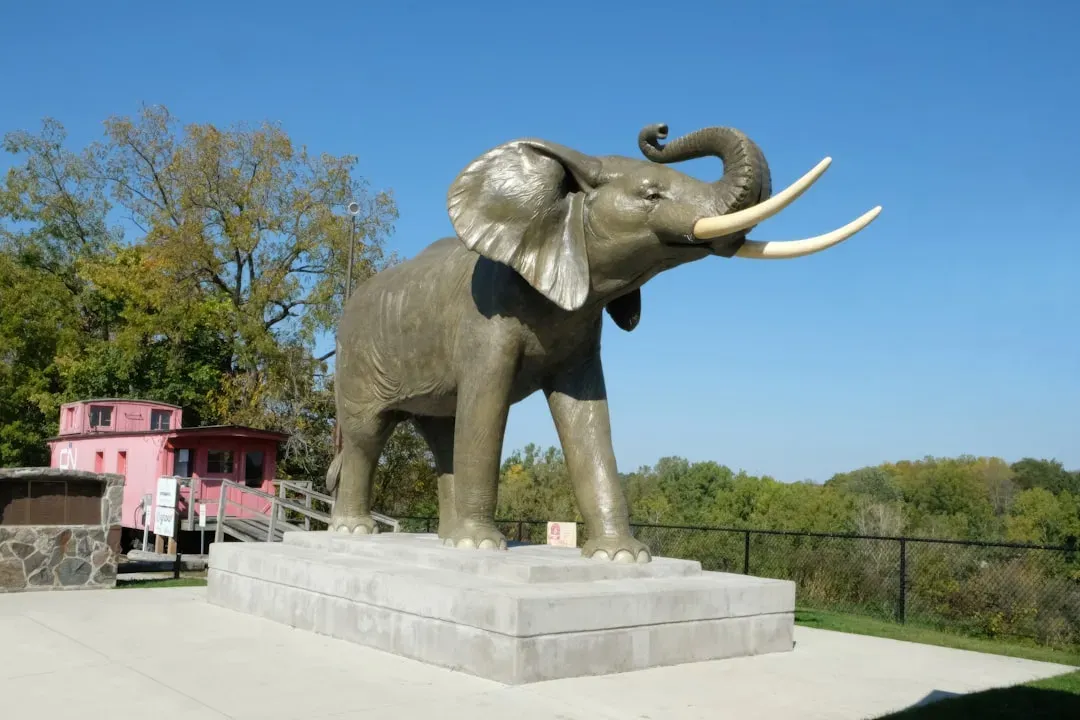
Elephants have been known to return to death sites years after the event. They pause again, investigate once more, and sometimes linger in ways that hint at lasting recollection.[2]
Such returns occur even when the original bonds were not especially close. The pattern holds across both related and unrelated individuals, broadening the picture of their social awareness.
Emotional Depth Suggested by These Actions
Psychologists and biologists see parallels in how these pauses disrupt normal movement and activity. The animals appear absorbed, sometimes vocalizing softly or standing in ways that differ from everyday foraging.
While direct proof of inner feelings remains elusive, the sustained focus and species specific interest align with responses tied to loss in other intelligent mammals. Individual differences in intensity also appear, much like varied reactions among people.
Comparisons Across the Animal Kingdom
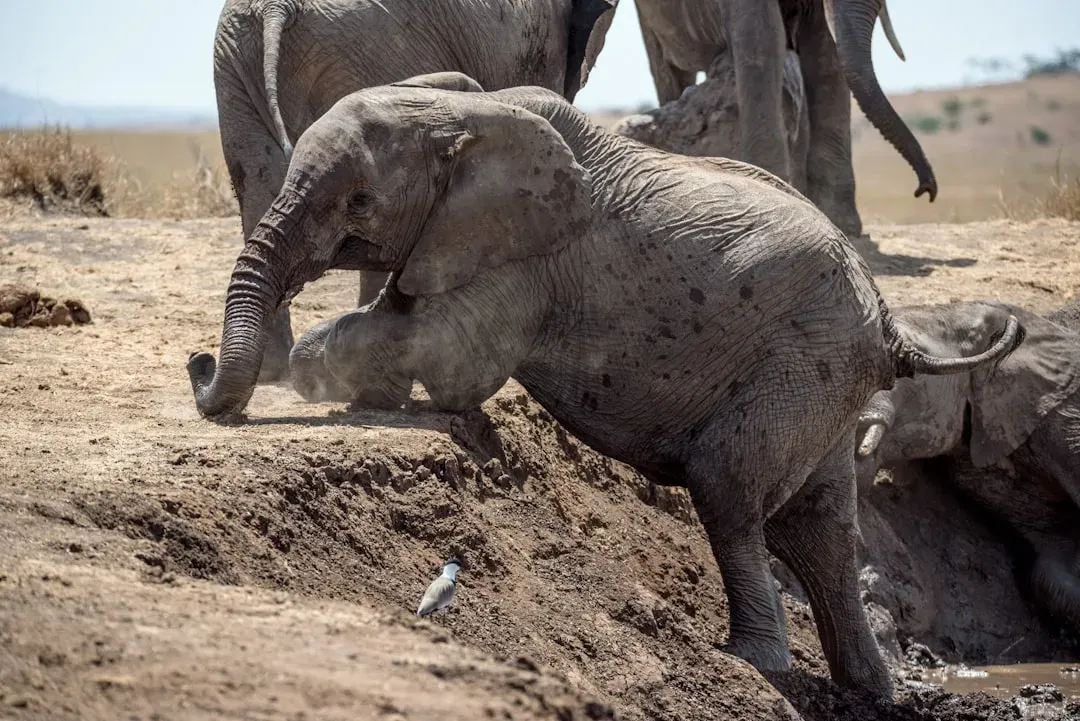
Other species show forms of attention to the dead, yet few match the scale or repetition seen in elephants. Some primates or cetaceans display protective or investigative behaviors, but elephants stand out for their consistent engagement with old bones.
Asian elephants have added layers through observations of mothers carrying deceased calves for days. These cases expand the evidence that responses to death run deeper than simple survival instincts.
A New Perspective on Shared Emotions
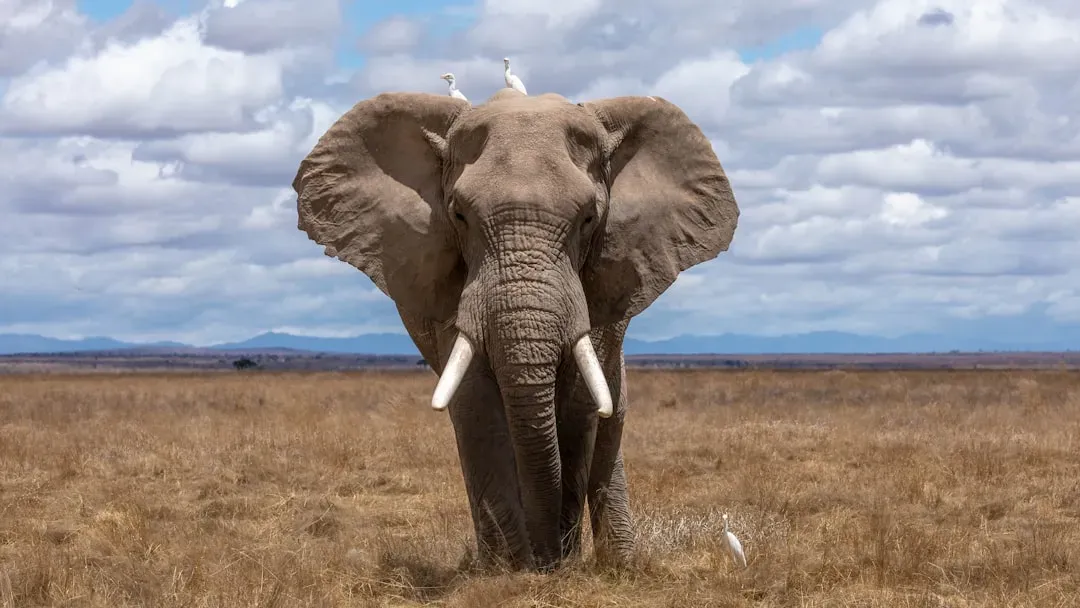
These observations push against old ideas that complex grief belongs only to humans. Elephants demonstrate memory, recognition, and focused attention that echo our own ways of processing loss, even if the inner experience differs.
Recognizing this overlap invites a quieter respect for the emotional lives around us. It reminds us that the capacity to pause and connect with what remains may stretch further than we once assumed, shaping how we view both elephants and ourselves in the years ahead.

- 9 Touching Stories of Animal Loyalty That Redefine Family Bonds - July 25, 2026
- 8 Unique Dog Breeds That Are Perfect for Older Owners - July 25, 2026
- The Way You Pet Your Dog Can Make All the Difference to Their Comfort - July 25, 2026