
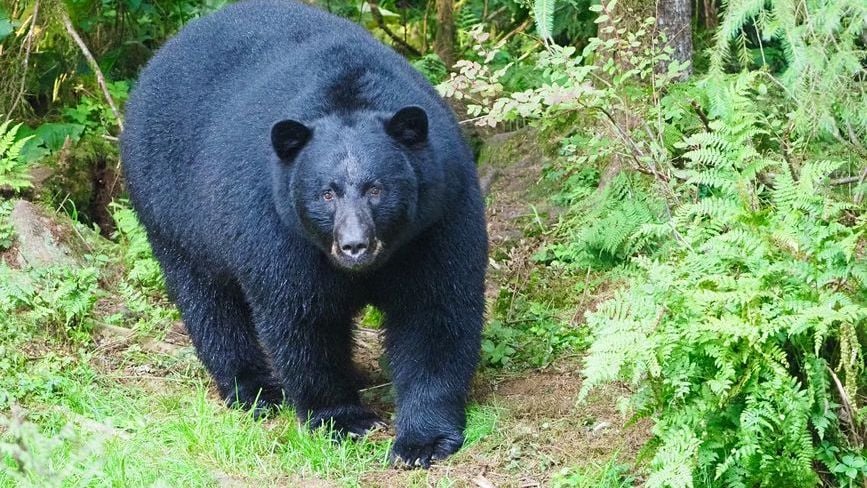
Alaska
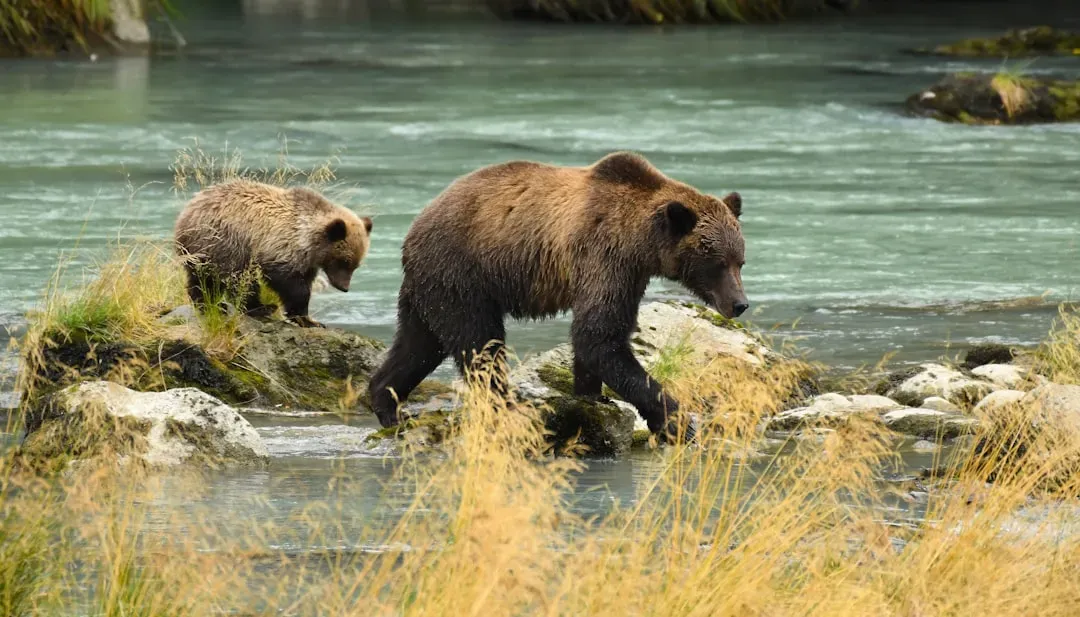
Alaska stands in a league of its own when it comes to bear numbers. Its vast stretches of untouched wilderness give black bears, brown bears, and even a few polar bears plenty of space to live and raise cubs. The state’s remote rivers and berry patches support populations that dwarf those anywhere else in the country.
Residents and visitors alike learn to share the landscape with these powerful animals. Proper food storage and awareness of bear country become second nature. That shared space helps keep conflicts low while letting the bears maintain healthy numbers year after year.
California
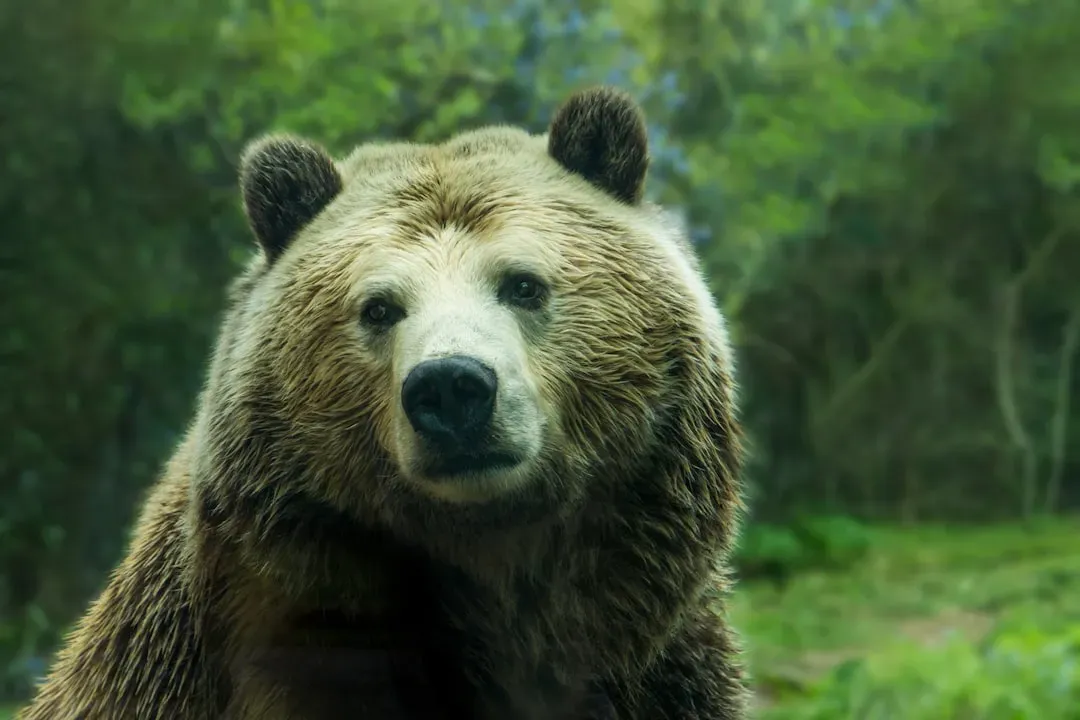
California surprises many people with its sizable bear population. Black bears roam from the northern coast ranges down through the Sierra Nevada and into parts of the southern mountains. The mix of dense forests and protected parks gives them reliable food sources and safe denning sites.
State wildlife managers keep a close eye on how bears and people overlap. Education programs teach campers and homeowners how to avoid attracting bears. Those efforts have helped the population stay stable even as more Californians head outdoors.
Maine
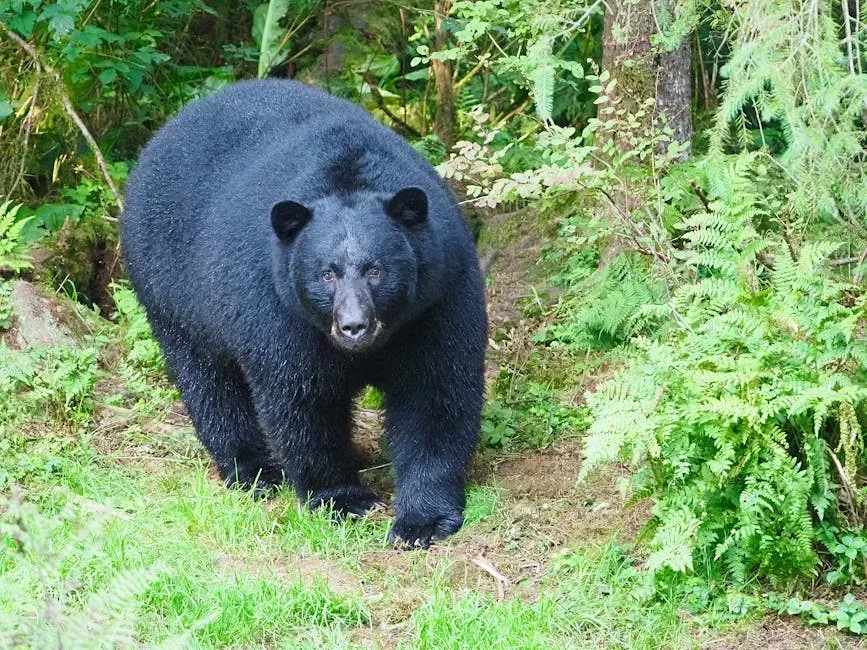
Maine packs an impressive number of black bears into its relatively compact footprint. Thick forests cover much of the state and provide the kind of cover and forage these animals prefer. The result is one of the densest bear populations in the eastern United States.
Locals have grown accustomed to occasional bear sightings near rural homes and hiking trails. Hunting seasons help manage numbers while also funding habitat work. The balance keeps both bears and residents comfortable with their shared woods.
Idaho
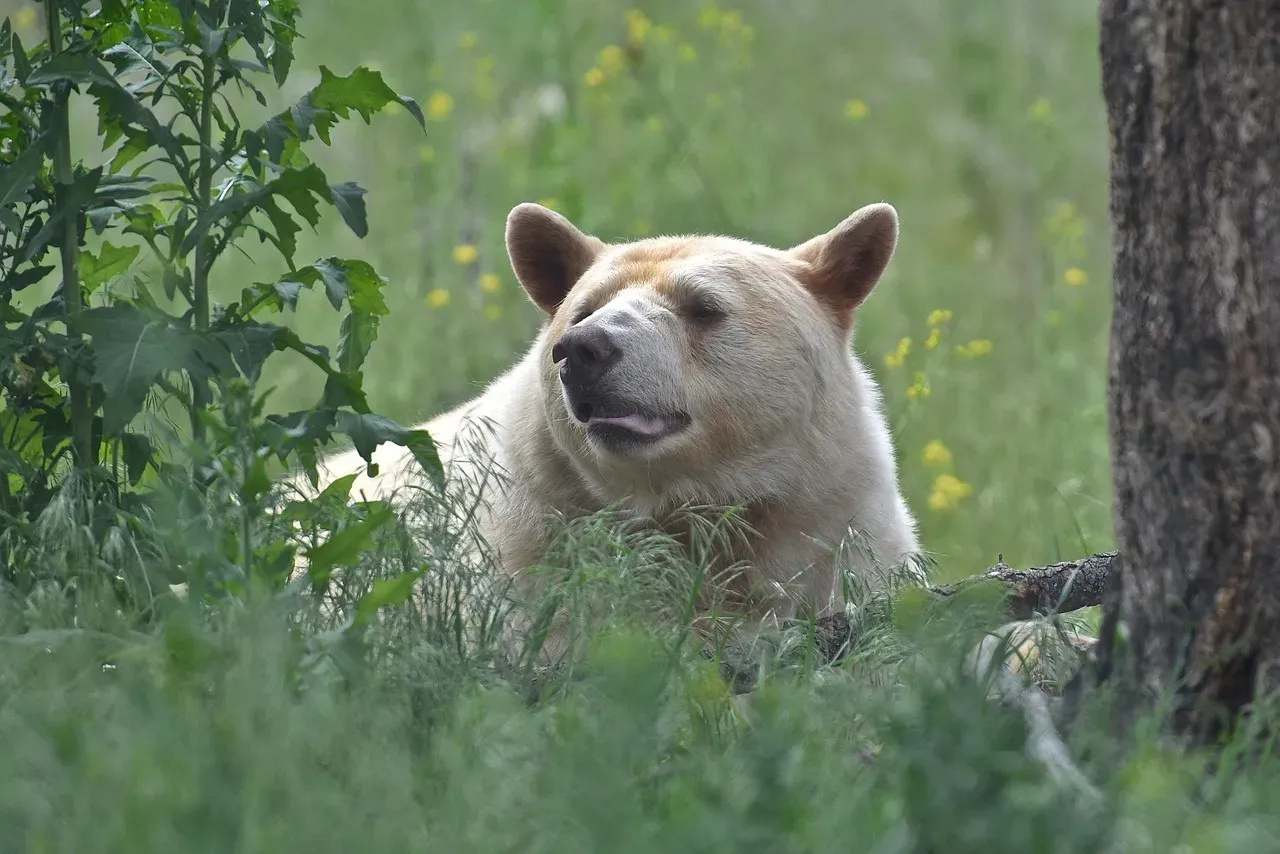
Idaho’s rugged mountains and remote river valleys create ideal conditions for black bears. Large tracts of national forest and wilderness areas limit human disturbance and allow bears to move freely. The state’s varied terrain supports everything from spring foraging to winter dens.
Wildlife officials track bear movements to understand how populations respond to changing food supplies. That data helps shape management decisions that protect both bears and the people who live nearby. The approach has kept numbers healthy across the state.
Oregon
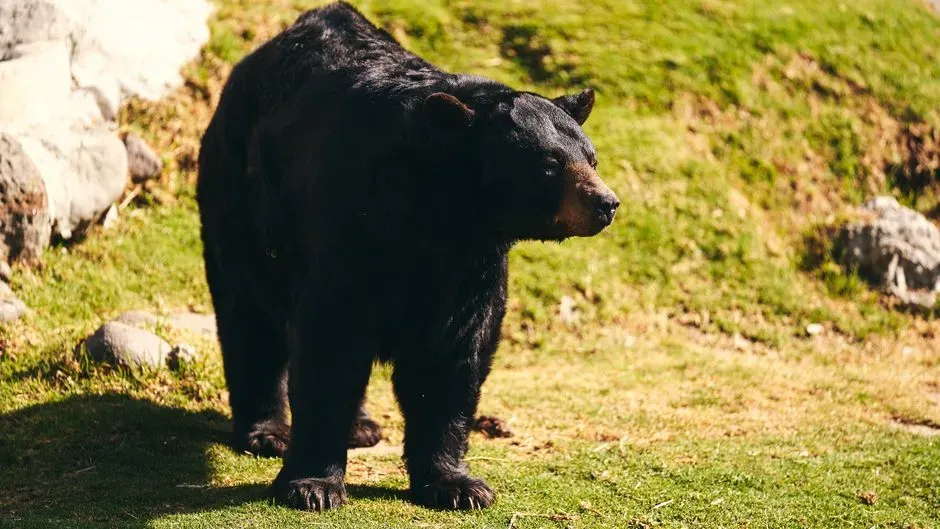
Oregon offers black bears a wide range of habitats from coastal rainforests to the Cascade Mountains. Abundant rainfall supports thick vegetation and plenty of berries, acorns, and insects. Those resources help sustain a strong and widespread population.
Many Oregonians enjoy watching bears from a respectful distance during hikes or drives through forested areas. State programs focus on keeping attractants away from homes and campgrounds. The result is a landscape where bears and people cross paths without major problems.
Washington
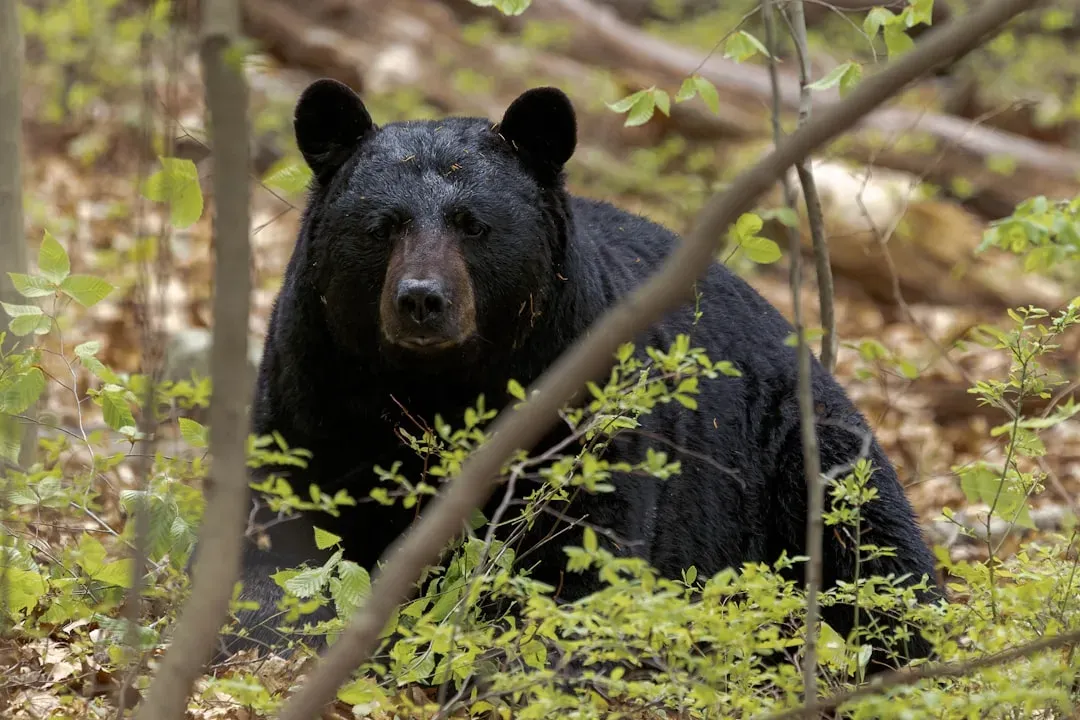
Washington state hosts black bears across its western slopes and into the northeastern corner. Old-growth forests and recovering timberlands provide the cover and food these animals need. The mix of public lands and private timber holdings creates connected habitat corridors.
Residents in bear country often share stories of seeing cubs or hearing calls at dusk. Wildlife agencies work with communities on practical steps like securing trash and using bear-proof containers. Those small habits add up to fewer conflicts and steadier bear numbers.
Wisconsin
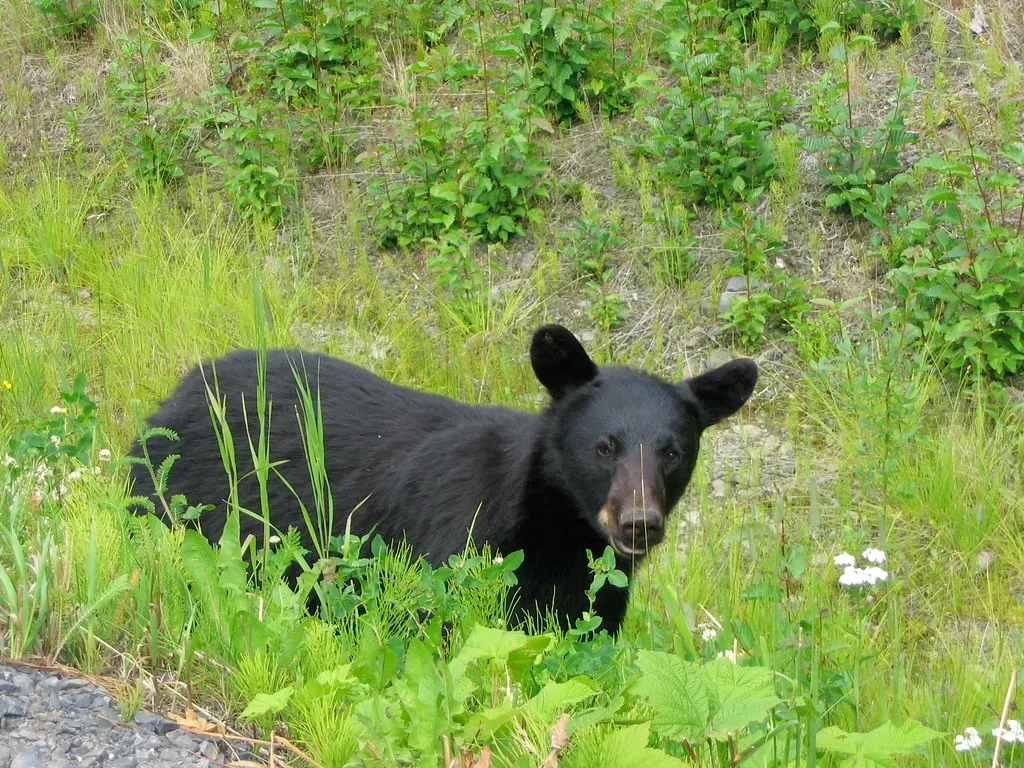
Wisconsin’s northern forests support a thriving black bear population that has grown steadily over the decades. The state’s mix of hardwoods and conifers offers reliable seasonal foods. Protected areas and managed timberlands keep habitat quality high.
Local hunters and wildlife watchers both play roles in monitoring bear health. Annual surveys and harvest reports give managers a clear picture of trends. That information guides decisions that keep the population balanced with available resources.
North Carolina
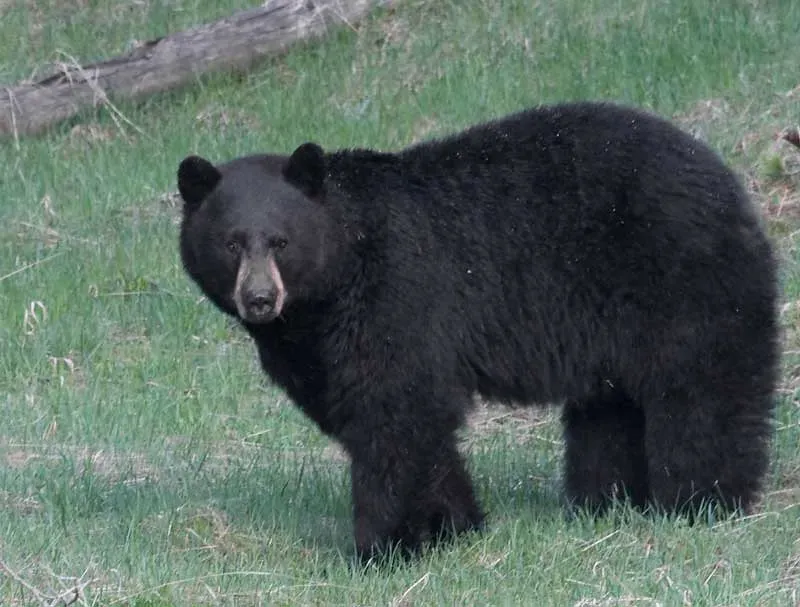
North Carolina has seen its black bear numbers climb in recent years, especially in the western mountains and coastal plain. Large blocks of national forest and state game lands provide the space bears need. The return of forest cover on former farmland has helped the recovery.
People who live near bear habitat have learned to expect occasional visitors. Education campaigns stress the importance of not feeding wildlife and keeping pets secure. Those steps support both human safety and continued bear growth.
Pennsylvania
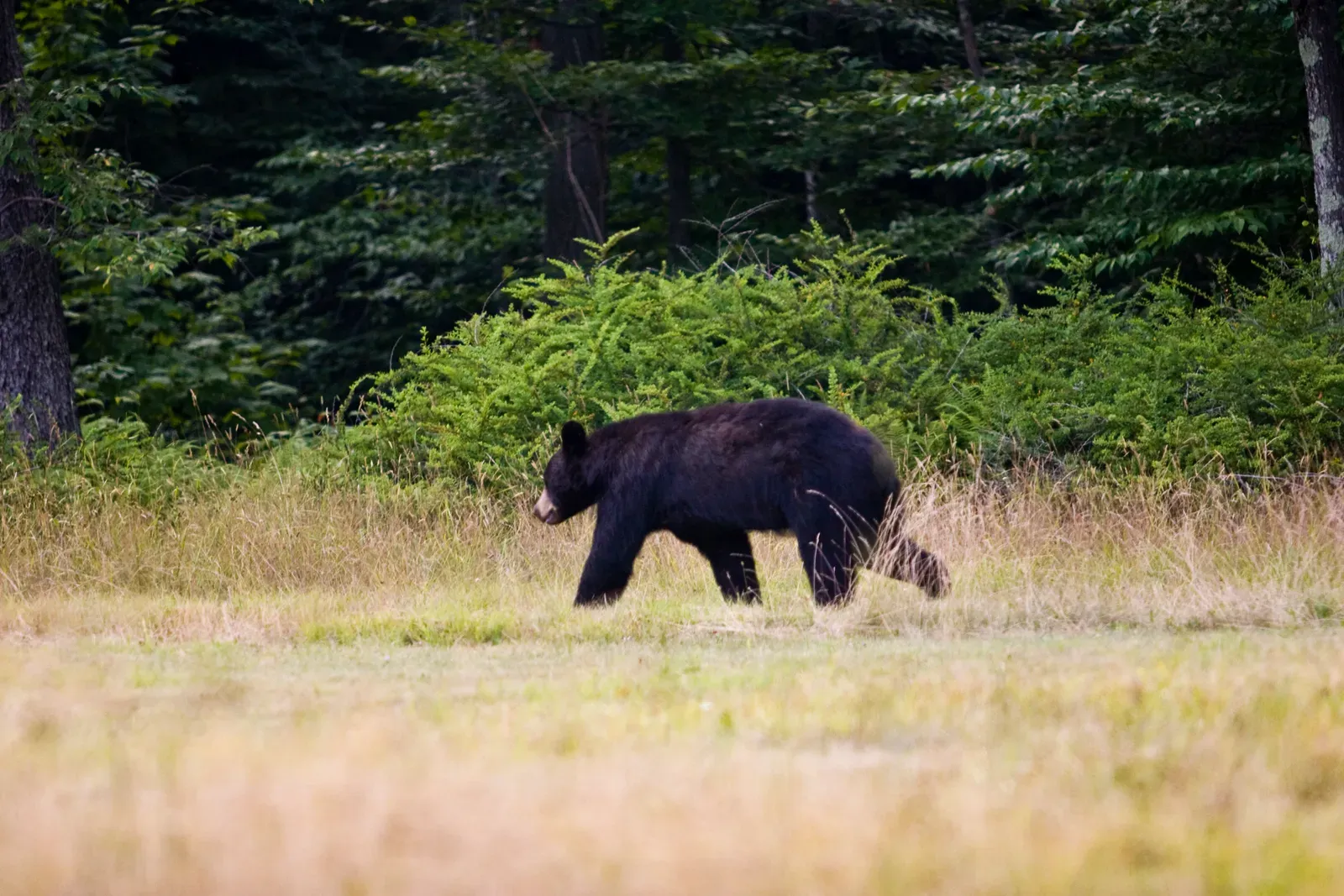
Pennsylvania’s Appalachian forests hold a solid black bear population that benefits from decades of habitat protection. The state’s mix of public game lands and private woodlands creates connected areas where bears can travel and find food. Milder winters in some regions also help survival rates.
Wildlife managers use a combination of research and public input to set seasons and limits. The goal remains a healthy bear herd that coexists with the many residents who enjoy the outdoors. That careful approach has kept numbers steady and conflicts manageable.
Colorado
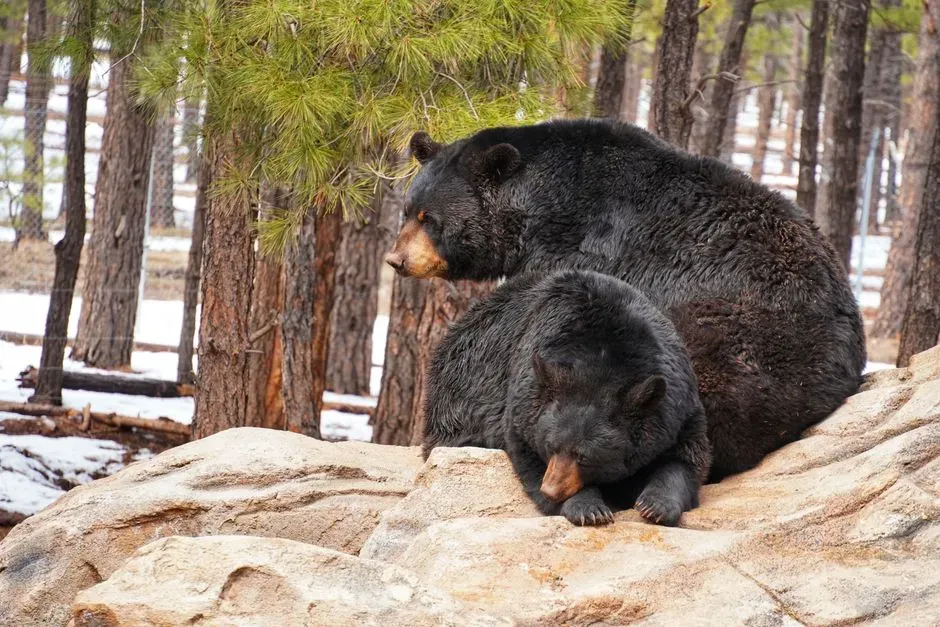
Colorado’s high country and foothills give black bears room to roam across a dramatic landscape. Aspen groves, berry patches, and alpine meadows provide seasonal variety. The state’s network of national forests and parks anchors much of the population.
Front-range communities have become more bear-aware as sightings increase near towns. Simple changes like locking dumpsters and removing bird feeders make a noticeable difference. Those everyday actions help bears stay wild while letting people enjoy their mountain backyards.
Bears remind us that wild spaces still matter even in a crowded country. When states invest in habitat and thoughtful management, these animals find ways to persist alongside us. The real measure of success will be whether future generations can still step outside and feel that same quiet thrill of knowing bears are out there too.
- 10 Amazing Facts About Penguins - July 24, 2026
- 8 Ways to Create a Wildlife-Friendly Backyard Oasis for Local Critters - July 24, 2026
- How to Keep Your Pet Safe from Household Hazards - July 24, 2026