

Most people picture their first horse as something out of a dream – powerful, beautiful, maybe a little spirited. What they don’t picture is the 6 a.m. emergency vet call, the trainer shaking their head, or the realization that the stunning animal they bought six months ago has quietly learned every one of their weaknesses. Experienced equestrians have watched this story play out dozens of times, and they all say the same thing: the wrong breed doesn’t just slow your progress – it can end your riding journey before it really begins.
The breeds on this list aren’t bad horses. Many of them are extraordinary. But “extraordinary” and “right for a beginner” are two very different things, and the gap between them has cost first-timers serious money, serious injuries, and serious heartbreak. Some of these will surprise you. A few might be exactly the breed you were already considering. Keep reading – because the closer you get to #1, the more the stakes go up.
#1 – Mustang: The Wild Card No Beginner Should Draw
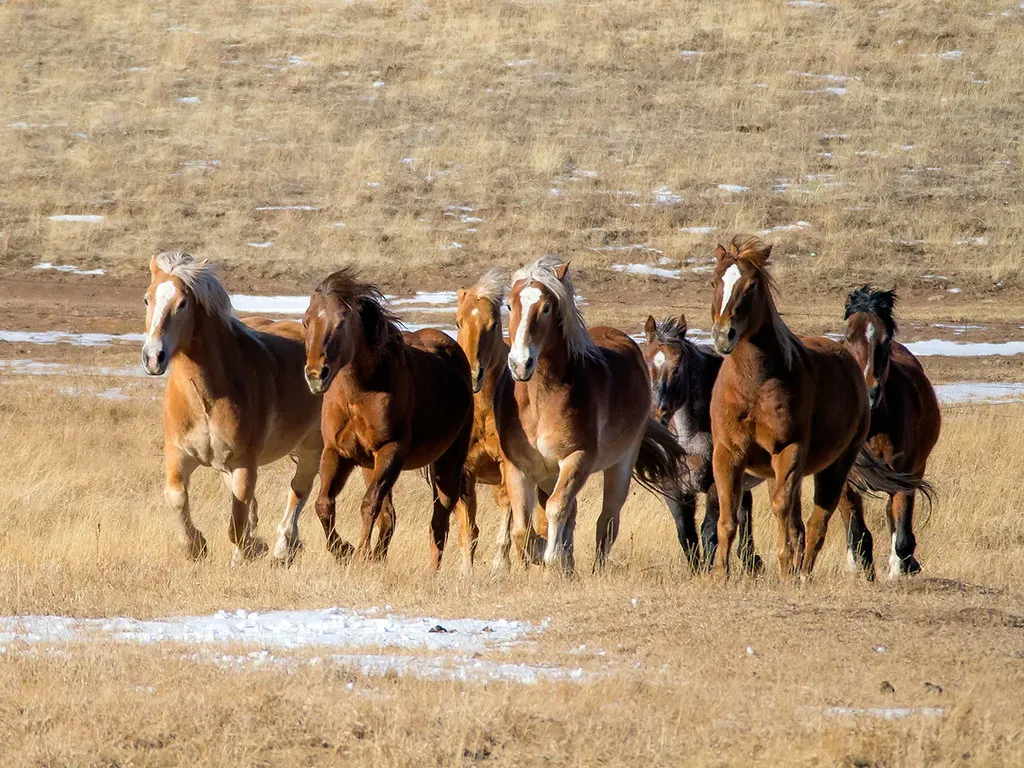
There’s something undeniably romantic about a Mustang – free-roaming, self-sufficient, forged by survival. Adoption programs have made them more accessible than ever, and the stories of bonded Mustangs and their owners are genuinely moving. But those stories almost always involve someone who already knew horses deeply before they ever reached for a lead rope on a wild one.
Mustangs carry generations of hard-wired survival instincts that don’t simply dissolve with a few months of gentling. Their intelligence makes them quick to test inexperienced handlers, and their self-preservation instinct means they will evade, spook, or bolt the moment something feels wrong – and beginners rarely catch the warning signs early enough. Adoption organizations openly warn that success rates drop sharply without prior horse experience. The very resilience that kept them alive on open range becomes a liability in the hands of someone still learning how to read a horse’s body language. Of every breed on this list, the Mustang carries the highest risk profile for a first-time owner, and the consequences of getting it wrong are not small.
Fast Facts
- BLM-adopted Mustangs typically arrive with minimal to no prior handling – the gentling process alone can take months to years even for professionals.
- Mustangs typically stand 13 to 15 hands high and weigh 700 to 1,000 lbs, but their flight response is calibrated for open-range survival, not a beginner’s arena.
- A scared Mustang can go through or over inadequate fencing – adoption programs require minimum 5-foot secure enclosures for good reason.
- Even experienced trainers report it can take up to 6x longer to fully train one Mustang compared to a domestic horse of the same age.
- Once well-trained by an expert, a Mustang can become a safe, loyal partner – but that journey is not a beginner’s starting point.
#2 – Arabian: Spirit That Beginners Almost Always Misread
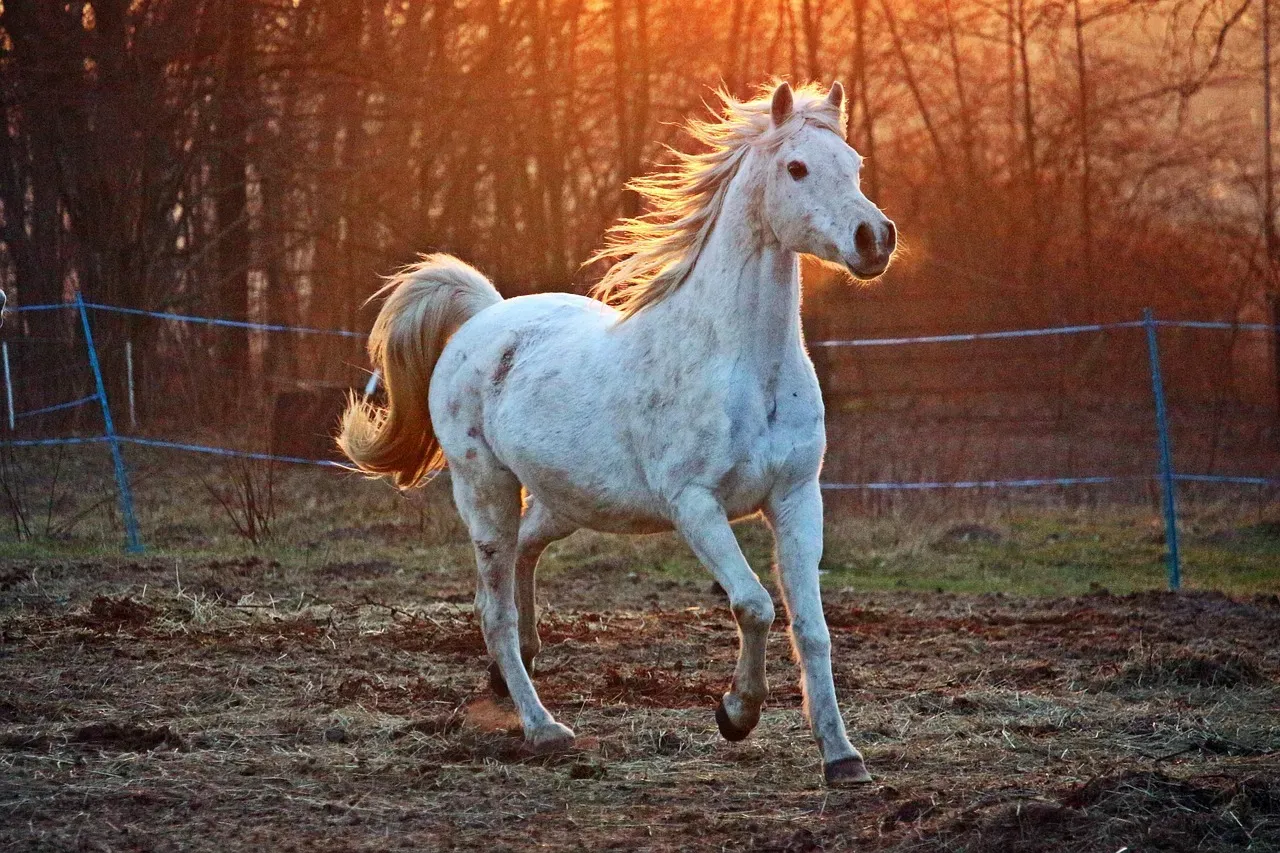
Arabians are breathtaking – dished faces, arched necks, that floating trot that makes them look like they’re barely touching the ground. They’re also fiercely intelligent, deeply loyal, and capable of forming extraordinary bonds with the right rider. The problem is getting to “the right rider” part when you’re still figuring out how to post a trot.
Hot-blooded by nature, Arabians process the world at a speed most beginners can’t match. They pick up on tension, hesitation, and inconsistency almost instantly, and they respond – loudly. What an experienced rider reads as mild agitation, a novice often misses entirely until it becomes a full conflict. The sad pattern that equestrians see again and again is an Arabian that enters a beginner’s barn as a “spirited but manageable” horse and leaves two years later labeled a problem animal. That label almost never belongs to the horse. It belongs to the mismatch.
#3 – Thoroughbred: Racing Blood Doesn’t Just Switch Off
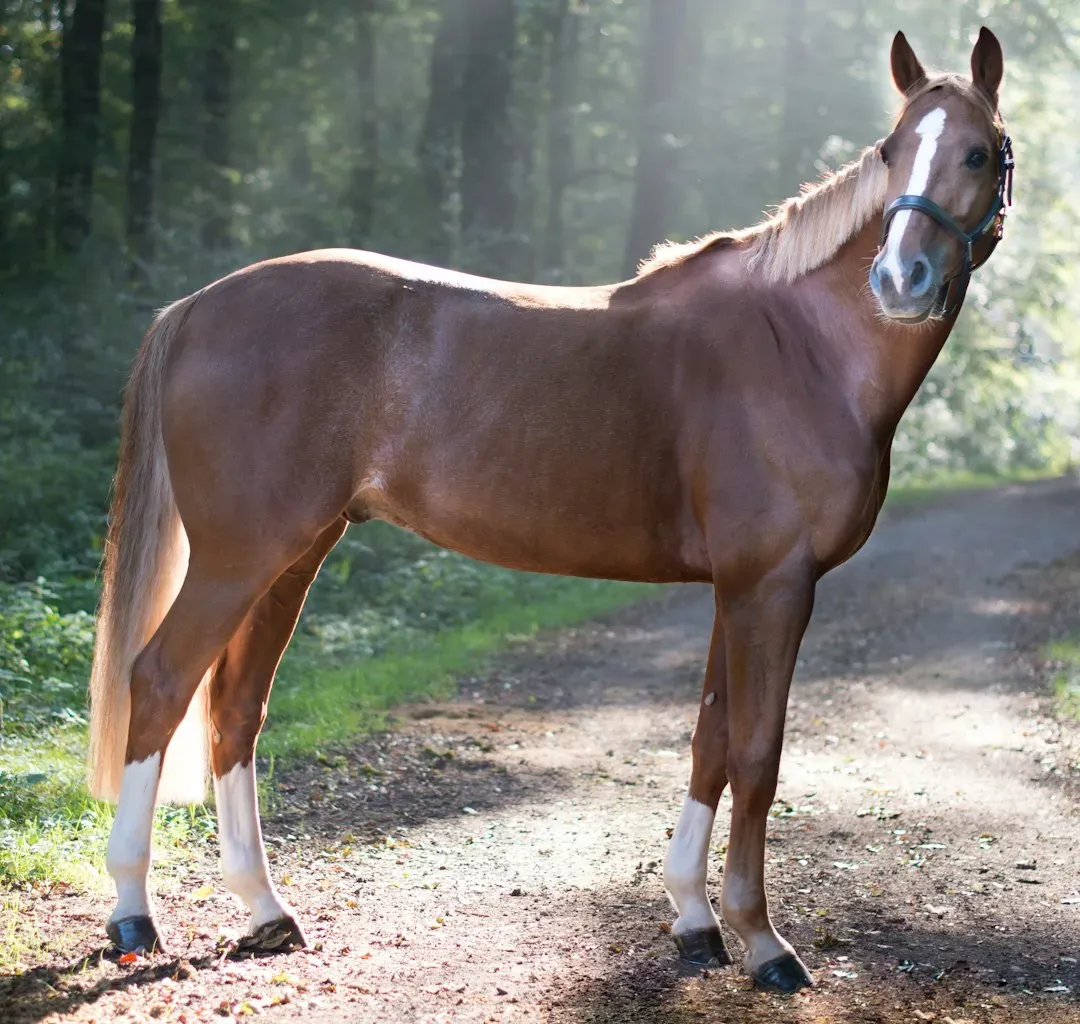
Off-the-track Thoroughbreds – OTTBs – have a passionate following, and for good reason. They’re sensitive, athletic, and capable of incredible partnerships. Plenty of experienced riders have transformed ex-racehorses into trail horses, eventers, and beloved companions. But “plenty of experienced riders” is doing a lot of heavy lifting in that sentence.
A Thoroughbred coming off the track has spent years learning that the right response to excitement and adrenaline is to run – fast, now, and ask questions later. Their lean, high-strung build makes them reactive to new environments in ways that catch beginners completely off guard. Many carry old soft-tissue injuries that require careful, knowledgeable management. Even the ones described as “quiet” have a hair-trigger that novice riders simply aren’t trained to respect. The speed and sensitivity that make them electric on a good day make them genuinely dangerous on a bad one.
Quick Compare: OTTB vs. Beginner-Friendly Breeds
- Energy level: OTTBs run high and stay high – a well-chosen Quarter Horse or Morgan settles in weeks, not years.
- Retraining timeline: Riders report 2–4 years to fully transition a fresh OTTB; a seasoned stock horse may need only months of adjustment.
- Physical needs: OTTBs often carry joint and soft-tissue wear from racing; vet bills reflect it. Beginner breeds are typically sounder at purchase.
- Rider requirement: Experts are explicit – the first rides on an OTTB demand independent hands, a secure seat, and nerves of steel. Beginners have none of those yet.
- Cost of error: A mistake on a calm breed produces a correction moment. The same mistake on an OTTB can produce a bolt, a fall, or worse.
#4 – Dutch Warmblood: Athletic Potential That Punishes Errors
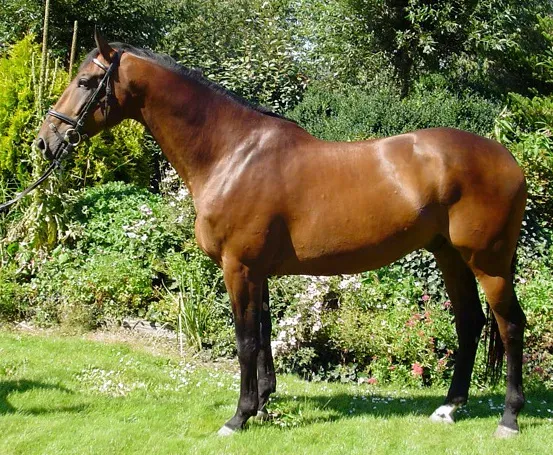
Dutch Warmbloods are built for the upper levels of sport – big movement, powerful hindquarters, enormous scope. Watch one go around a Grand Prix ring and it’s easy to understand why first-timers fall hard for the breed. The problem is that everything that makes them exceptional in competition also makes them deeply unforgiving of the small, constant mistakes that beginners make while learning.
These horses are bred for performance, and they carry that intensity into every interaction. Quick reactions, strong opinions, and a physical power that amplifies every miscommunication – that’s not a horse for someone still developing their seat. Professional training isn’t just helpful for a Dutch Warmblood in a beginner’s hands; it’s genuinely non-negotiable. The athletic potential that draws buyers in becomes the exact reason the relationship unravels. High-performance bloodlines also come with health maintenance costs that catch new owners completely off guard.
#5 – Hanoverian: The Sport Horse That Won’t Wait for You to Catch Up
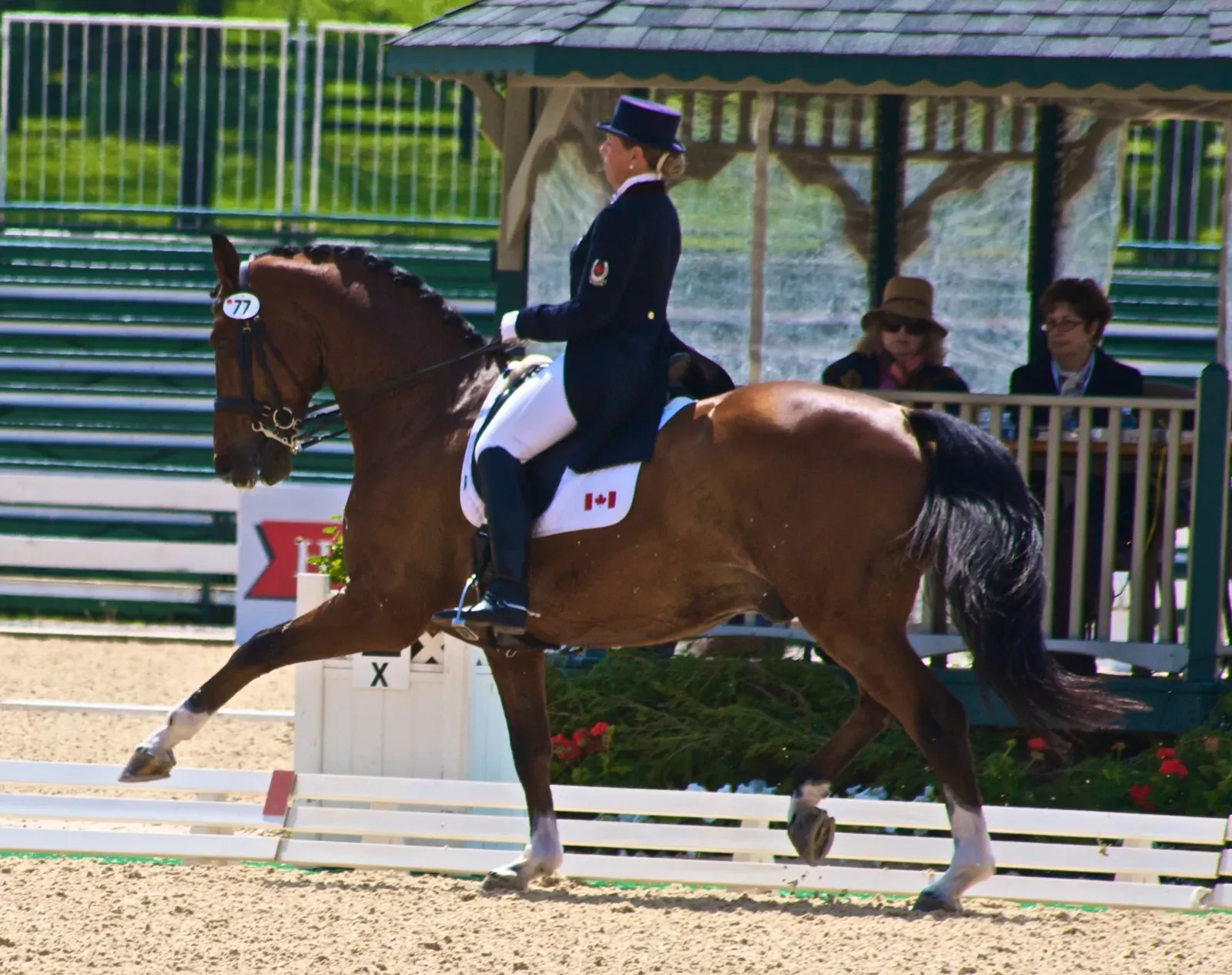
Hanoverians are one of the most celebrated warmblood breeds in the world – dominant in dressage, respected in show jumping, consistently producing horses that seem to float. They’re also bred with a sensitivity and athletic drive that demands a rider who already knows exactly what they’re doing before they climb on.
Inconsistent aids don’t just confuse a Hanoverian – they frustrate one. These horses expect clarity, timing, and feel from their riders, and when they don’t get it, behavioral issues develop faster than most beginners anticipate. Their warmblood metabolism also requires precise nutrition management that new owners consistently underestimate. The dream of owning a future competition horse is real, but trainers are blunt about the reality: the learning curve is too steep, the feedback too fast, and the margin for error too narrow for anyone without a solid foundation already in place.
#6 – Shire: The “Gentle Giant” Label Does a Lot of Damage
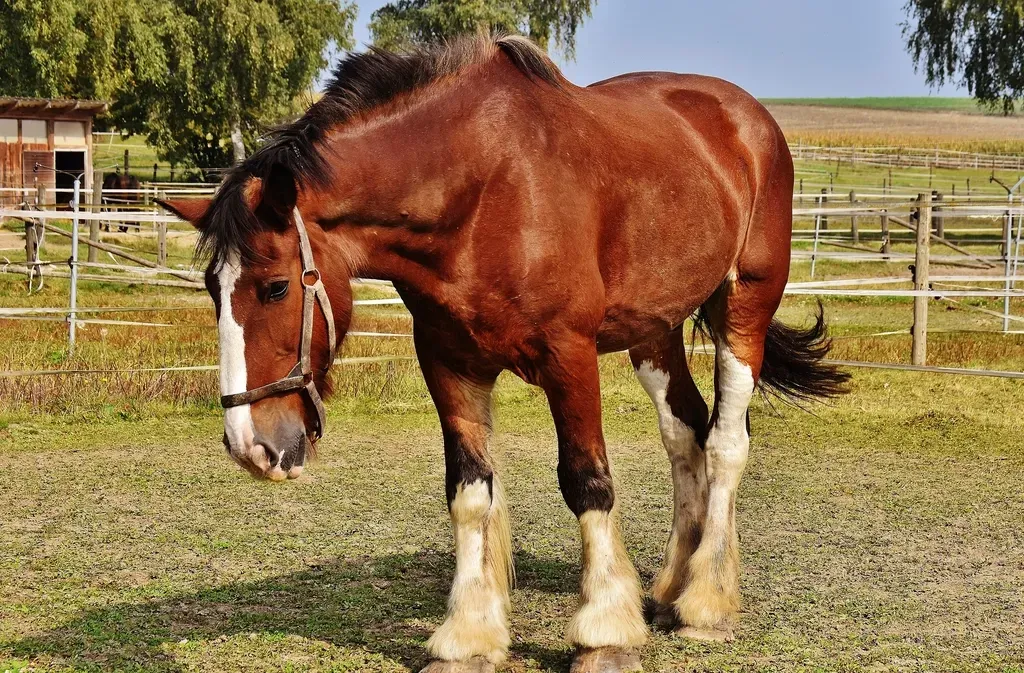
Shires are magnificent – enormous, feathered, historically powerful animals that have a way of making everyone around them feel both small and completely enchanted. The “gentle giant” reputation is not entirely wrong. But it has convinced far too many beginners that giant size plus gentle temperament equals easy ownership, and that math doesn’t work.
Handling a horse of that scale safely requires techniques, physical confidence, and spatial awareness that beginners simply haven’t developed yet. A Shire that senses hesitation doesn’t necessarily become aggressive – but it does stop listening, and a horse that outweighs you by 1,500 pounds that has stopped listening is its own kind of dangerous. Add in veterinary bills, specialist farrier costs, and feed requirements that scale with every inch of that massive frame, and the “gentle” part of the equation starts feeling less relevant than the enormous part.
#7 – Percheron: When 2,000 Pounds Decides to Test You
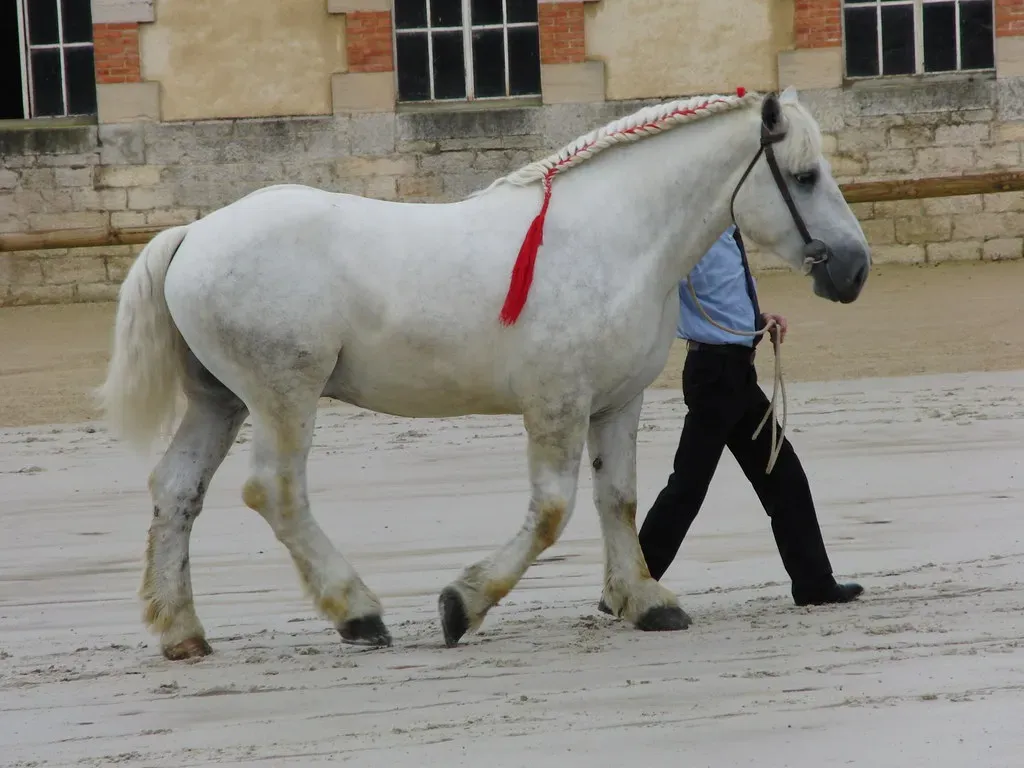
Percherons have an honest, willing reputation that makes them appealing to beginners looking for something steady. They’ve been used as war horses, farm horses, and carriage horses – strong, capable, hardworking animals that generally don’t look for trouble. But “generally” is not “always,” and when a 2,000-pound horse decides to test a boundary, the size differential stops being theoretical.
Every mistake a beginner makes is magnified in direct proportion to the horse’s size. A small miscommunication that a lighter horse shakes off can turn into a genuinely frightening moment with a draft breed. Their background in heavy work means they respond best to experienced handlers who know how to establish leadership clearly and consistently – not to well-meaning novices who are still figuring out how to ask for a halt. The physical presence required to correct or contain a Percheron safely is something most beginners haven’t built yet, and there’s no shortcut to getting there.
#8 – Gypsy Vanner: The Horse That Looks Like a Fantasy and Lives Like a Full-Time Job
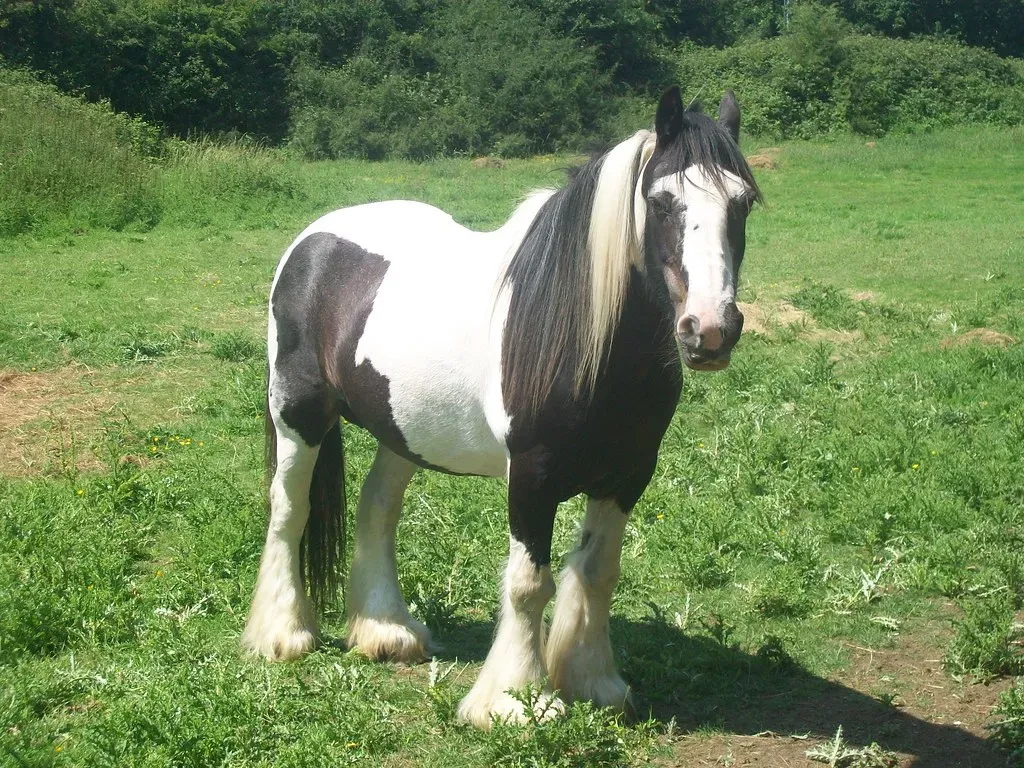
It is genuinely hard to overstate how beautiful a well-kept Gypsy Vanner looks. The feathering, the flowing mane, the bold coloring – they photograph like something out of a fairy tale, and that’s exactly why they’ve become one of the most impulse-purchased breeds in the social media era. The reality underneath all that hair is something quite different.
That luxurious feathering needs daily attention. Skip it, and you’re looking at skin infections, matting, and chronic issues that become expensive and painful for the horse. Their draft heritage brings real strength, and some lines – the product of rapid overbreeding to meet demand – carry temperaments that are far less forgiving than the breed’s dreamy reputation suggests. Trainers who specialize in them are blunt: the Gypsy Vanner is a frequent regret purchase for first-timers who fell in love with the image and didn’t fully reckon with the animal behind it.
#9 – Friesian: Feathering, Fragility, and Hidden Costs
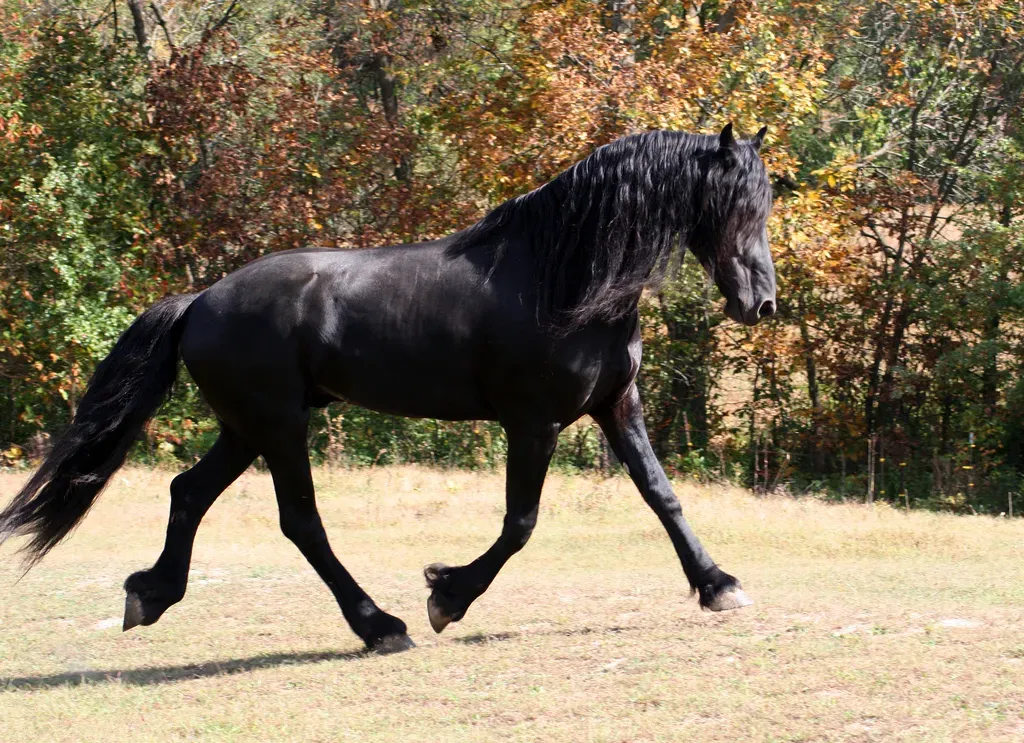
Friesians are possibly the most visually dramatic horses alive. That ink-black coat, the arched neck, the extravagant mane and tail, the feathered feet that seem to float over the ground – it’s easy to see why they make people stop breathing for a moment. It’s also easy to see why the reality of owning one surprises so many first-timers so completely.
The feathering requires the same relentless grooming attention as a Gypsy Vanner’s, with the added complications of a breed that carries real genetic vulnerabilities – joint issues, skin conditions under the feathering, and in some lines, serious respiratory concerns. Many Friesians marketed to beginners as “gentle giants” are carrying underlying health issues that only become visible under the stress of inconsistent or inexperienced care. The upkeep alone – before you even factor in the horse’s size and the intermediate-level riding skills their movement demands – prices most first-timers out before the first year is over.
Worth Knowing: Friesian Health Realities
- The breed’s heavy leg feathering traps moisture against skin, making pastern dermatitis (“Friesian itch”) a chronic, costly management challenge – daily inspection and drying are non-negotiable, not optional.
- Friesians have a shorter average lifespan than most breeds – typically 16 to 20 years compared to 25–30 for many native breeds – partly due to genetic vulnerabilities from a limited gene pool.
- The breed is overrepresented in cases of megaesophagus, a swallowing disorder requiring lifelong specialized feeding management that beginners rarely anticipate.
- Insect bite hypersensitivity occurs in roughly 18% of Friesians studied, causing severe skin reactions that can render a horse temporarily unrideable.
- Genetic health issues – including dwarfism, hydrocephalus, and aortic complications – mean pre-purchase genetic screening is essential, adding cost and complexity most first-time buyers don’t budget for.
#10 – Andalusian: The Dream Breed That Requires a Professional Foundation
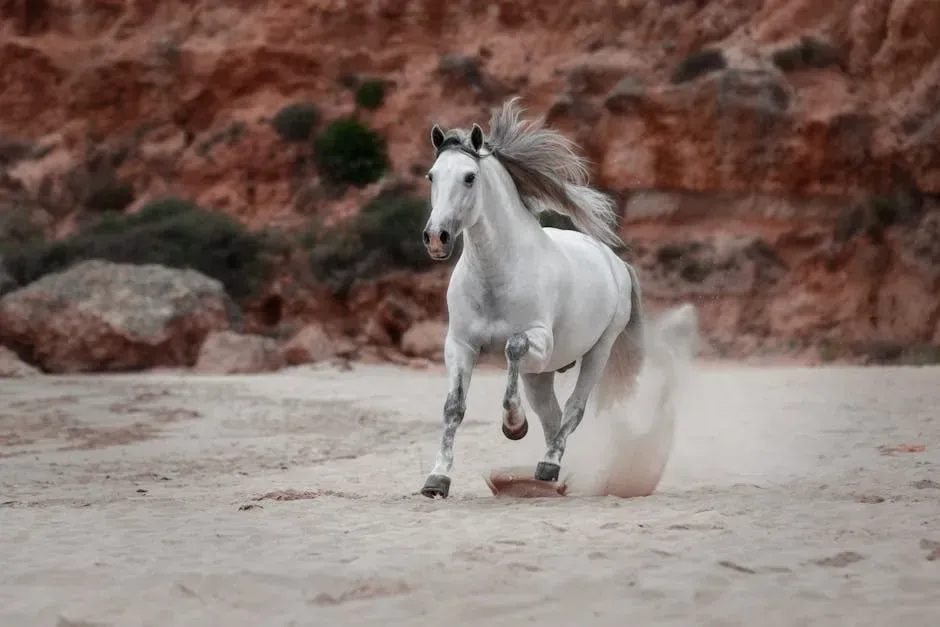
Ask a non-horse-person to describe their dream horse and there’s a reasonable chance they’ll describe an Andalusian – proud carriage, powerful movement, that baroque beauty that feels ancient and noble. They’re not wrong about the beauty. They are wrong about the “starter horse” part, and experienced riders are getting louder about saying so.
Andalusians have a strong will and expect clear, sophisticated communication from their riders. Their intelligence means they pick up on inconsistent cues immediately and learn to exploit them just as fast. Without daily, correct input from a rider who understands collection and lateral work, training regression happens quickly and visibly. The Andalusian isn’t a horse you can muddle through with – it’s a horse that reflects your skill level back at you in real time, and for a beginner, that mirror is often brutal.
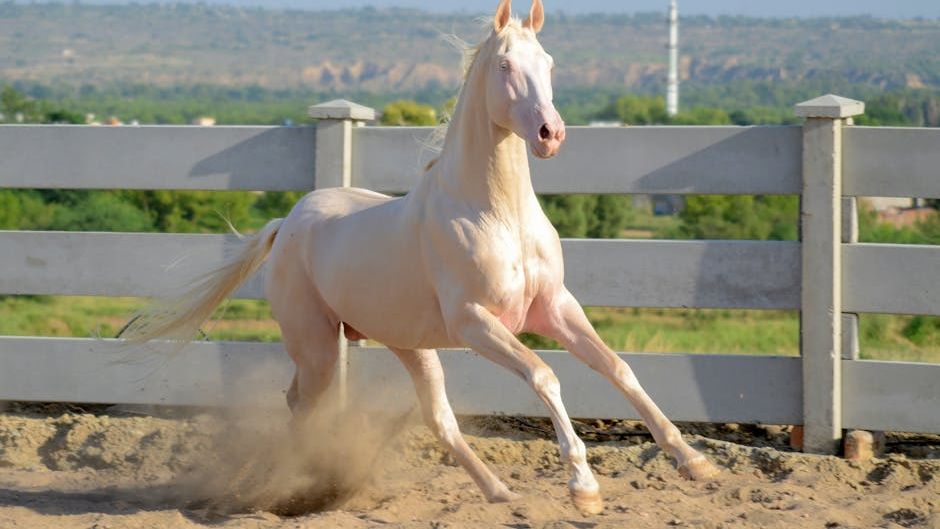
#11 – Akhal-Teke: The Most Unforgiving Horse on Earth for an Inexperienced Rider
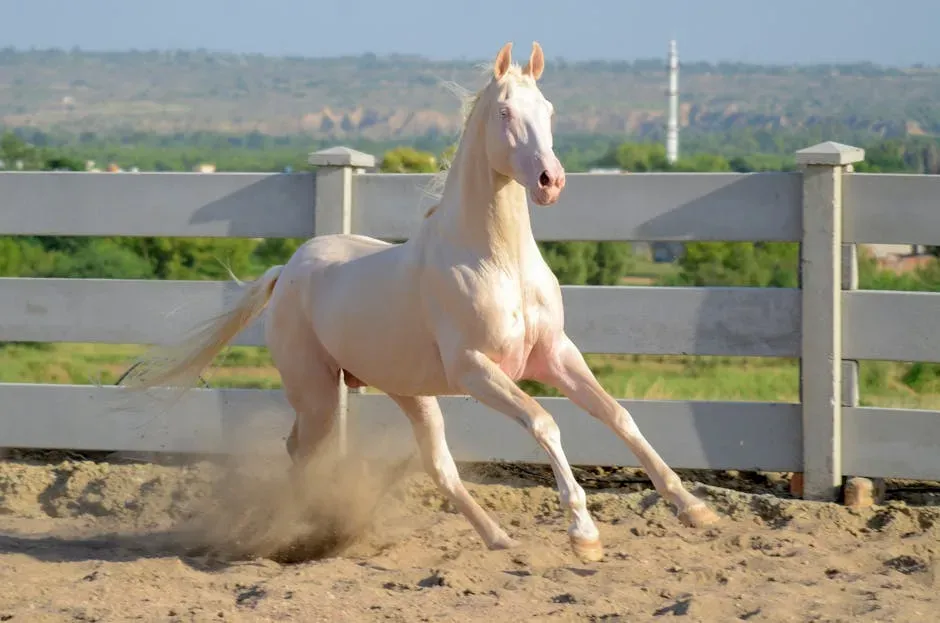
The Akhal-Teke’s metallic sheen is so striking that photos of them routinely go viral among people who have never sat on a horse. They look otherworldly – lean, almost iridescent, built like something between a greyhound and a sculpture. The temperament underneath that coat is just as intense as the appearance suggests, and that intensity does not mix well with inexperience.
These horses are highly sensitive, deeply bonded to specific individuals, and profoundly unforgiving of handling inconsistencies. Small errors that another breed might absorb become explosive reactions in an Akhal-Teke. Their thin skin and unique metabolism create veterinary needs that catch unprepared owners off guard, and the athleticism that makes them capable of extraordinary things also makes them capable of extraordinary danger when something goes wrong. Experienced riders describe them as one of the most rewarding breeds on the planet – in the right hands. In the wrong hands, the gap between rewarding and dangerous closes fast.
#12 – Marwari: Rare, Hot-Blooded, and Nearly Impossible to Train for a Novice
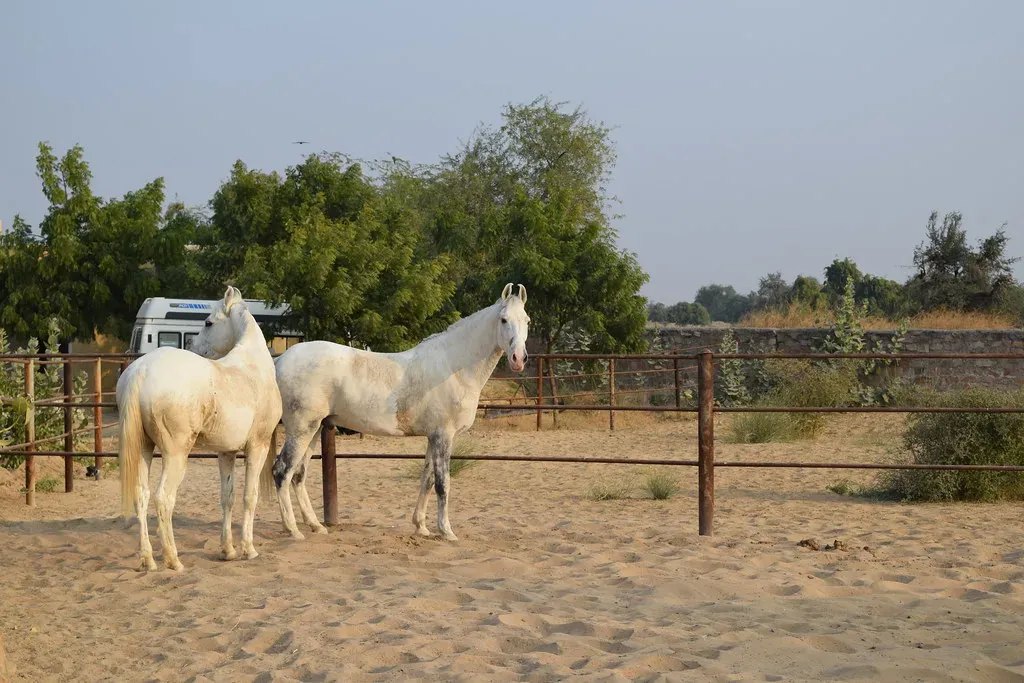
The Marwari’s signature inward-curving ears make it one of the most visually distinctive horses in the world, and its desert heritage gives it a hardiness and spirit that riders find magnetic. But rarity and magnetism are exactly the problem when it comes to novice ownership – because the combination of a hot temperament and extreme scarcity of experienced trainers creates a situation where a beginner has almost no reliable support system.
These horses need consistent, firm, knowledgeable handling to thrive. Their intelligence tips quickly into stubbornness without a confident partner. Finding a trainer who actually knows the breed well enough to help is genuinely difficult outside of very specific regions, and import complications add layers of stress before the horse even arrives. A Marwari in the hands of an experienced, well-connected equestrian is a remarkable animal. In the hands of a first-timer working with general trainers, it’s an expensive, frustrating mismatch that rarely ends well for either party.
#13 – Icelandic Horse: Small Size, Big Misconceptions
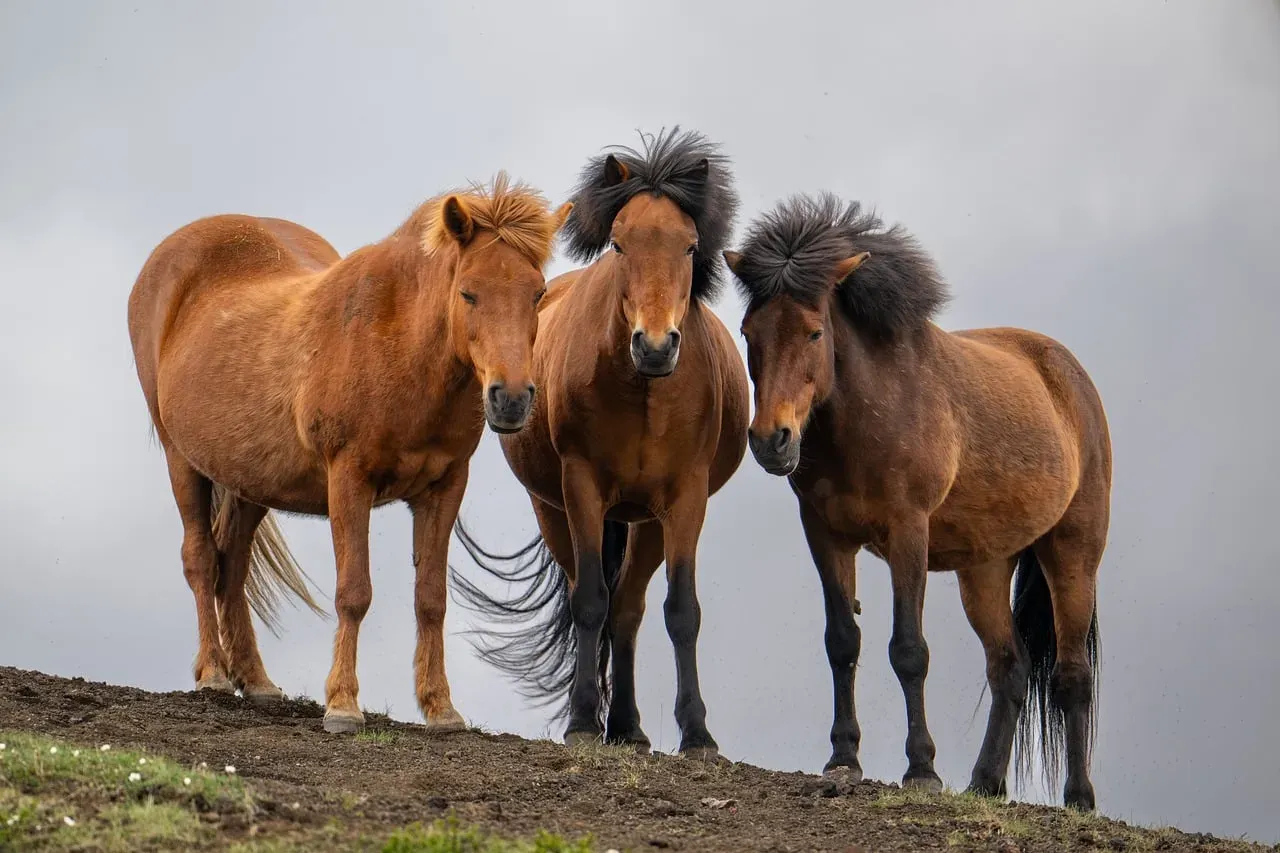
Icelandic Horses look approachable – stocky, pony-sized, with thick coats and a reputation for being tough and sure-footed in brutal terrain. Many beginners assume “small and sturdy” translates to “easy and forgiving,” and that assumption is where things go sideways. The Icelandic’s unique gaits – the tölt and the flying pace – require a specific balance and timing that takes real instruction to develop, and without it, the rider creates tension that the horse mirrors right back.
The breed’s hardiness also masks how much specialized care these horses actually need. Hoof care and dental issues common in the breed require owners who know what to watch for – and beginners, charmed by the low-drama exterior, often miss the signs until the problems are advanced. Perhaps most importantly, Icelandics are quick to become pushy and dominant with riders who lack confidence. That assertiveness, combined with gaits that demand technical skill to ride correctly, makes them a far steeper learning curve than their compact size implies.
#14 – Tennessee Walking Horse: Gentle Reputation, Complicated Reality
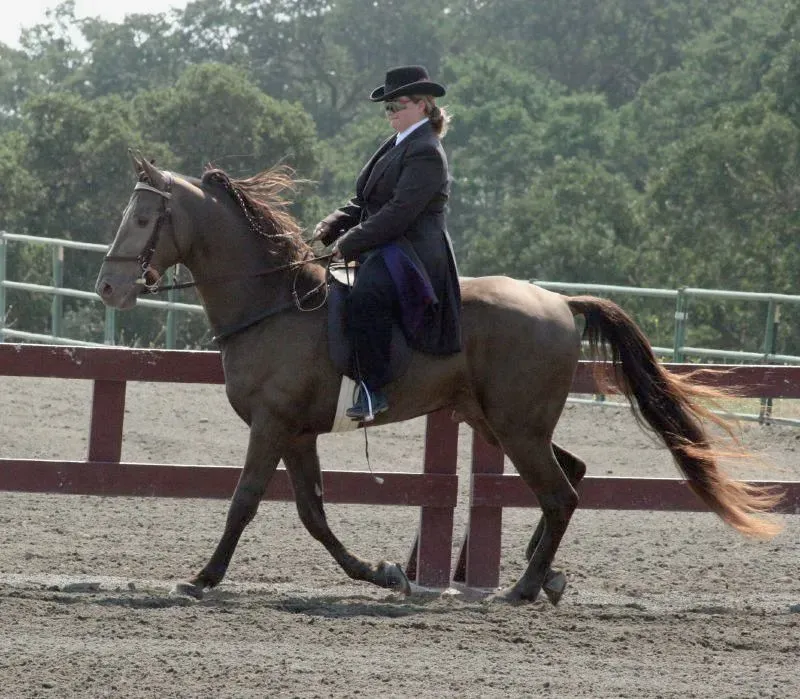
The Tennessee Walker has a reputation as a smooth, relaxed trail horse, and in the right circumstances, that reputation is earned. But the breed also carries the shadow of decades of controversial training practices – specifically the use of harsh methods to exaggerate their famous running walk – and that history has left real marks on certain bloodlines that aren’t always visible on a casual inspection.
Beginners who buy a Tennessee Walker expecting a push-button trail horse often discover an animal with underlying anxiety, sensitivity to leg aids, and deeply ingrained responses to pressure that take patient, skilled deprogramming to address. Their size and powerful movement can physically intimidate new riders who haven’t yet developed the quiet confidence these horses need to stay relaxed. The trust-building process is longer and more nuanced than most first-timers expect, and without the experience to read the signs, small miscommunications can escalate quickly.
At a Glance: What Beginners Often Discover Too Late
- History matters at purchase: Bloodline background and prior training methods are invisible on a casual viewing – always ask for a full history before buying any breed on this list.
- “Quiet” is not the same as “safe”: A horse that appears calm on a test ride can carry deeply ingrained anxiety that only surfaces under a novice’s inconsistent handling.
- Specialist trainers cost more: Several breeds here – Marwari, Andalusian, Akhal-Teke – have so few qualified trainers in the U.S. that finding help quickly becomes its own expensive problem.
- Grooming intensity is a real cost: Friesians, Gypsy Vanners, Shires, and Percherons all require feathering care that translates to daily time and recurring vet or farrier costs most beginners don’t budget for.
- Social media is not a sourcing tool: Multiple breeds on this list – Gypsy Vanners, Friesians, Arabians – are among the most over-purchased after viral posts, and among the most frequently rehomed within two years.
#15 – Missouri Fox Trotter: The Smooth Gait Hides the Hard Work
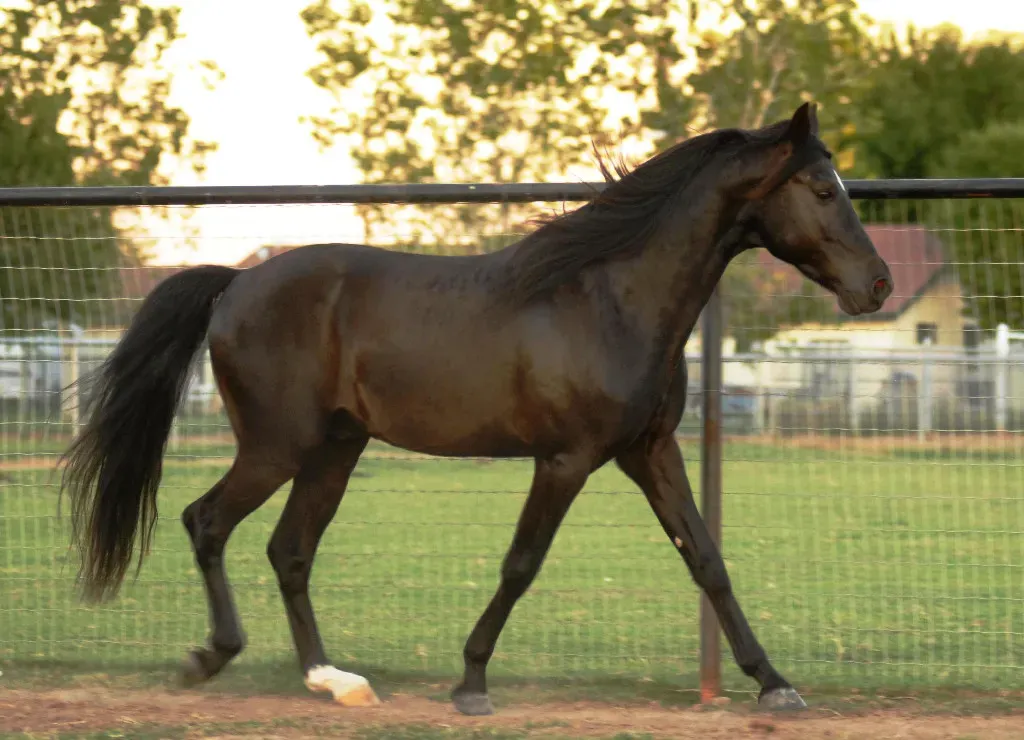
The Missouri Fox Trotter sounds like an ideal beginner horse on paper – a smooth, comfortable gait, a willing disposition, a solid trail reputation. It’s the kind of breed description that fills up wishful-thinking search results. What those descriptions leave out is the significant skill required to actually maintain that famous fox trot, and what happens when a beginner can’t deliver it.
These horses are intelligent, which means they’re quick to test riders who hesitate or send mixed signals. Without consistent, correct conditioning, the fox trot deteriorates into a rough, irregular trot that’s uncomfortable for both horse and rider – and reversing that regression requires time, expertise, and often professional intervention. Some lines also carry health complications linked to overbreeding, adding an unpredictable veterinary dimension to the ownership experience. The Missouri Fox Trotter rewards the rider who puts in the work – but punishes the one who assumed the gait would take care of itself.
#16 – Paso Fino: Smoothness That Demands More Than It Gives Back
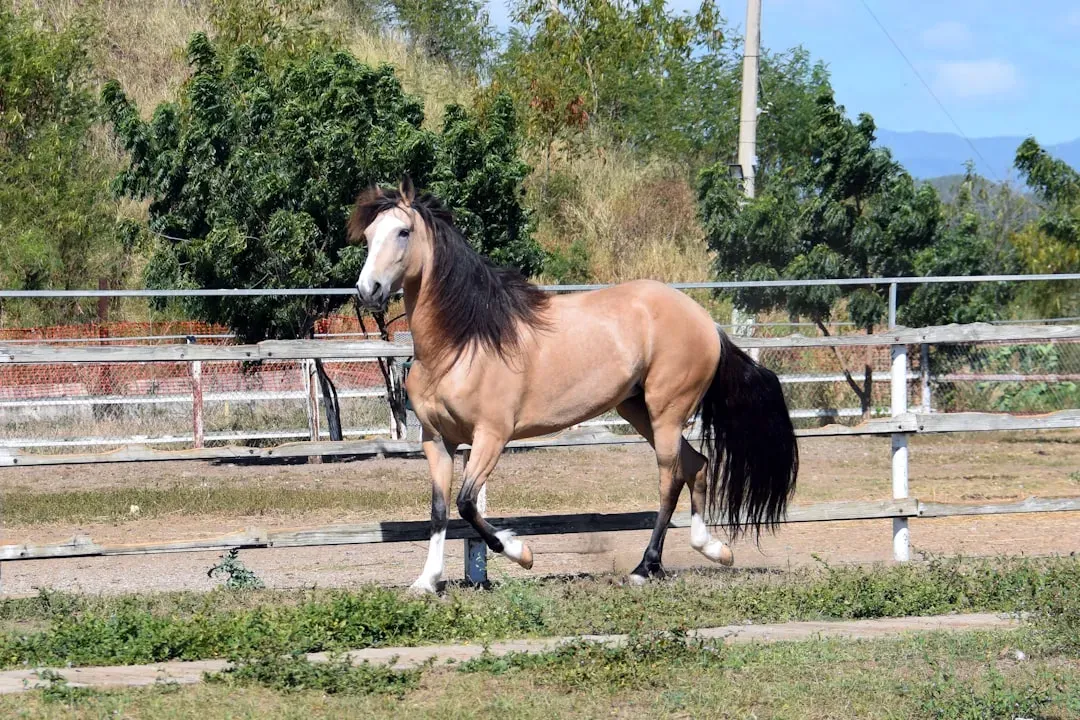
The Paso Fino’s selling point is seductive: a naturally smooth, four-beat lateral gait that’s easier on the rider’s body than a conventional trot. For someone with back pain or joint issues imagining their horse life, that sounds like a gift. And the breed’s passion-filled following is genuine – Paso Fino owners love these horses fiercely. But the smoothness is not passive. It has to be actively maintained by a rider who understands exactly what they’re asking for.
The Paso Fino’s signature gait requires constant, precise timing from the rider to stay correct and comfortable. Without that input, the horse quickly develops bad habits – falling out of gait, becoming resistant, growing frustrated with the inconsistency. Their sensitivity and high energy mean that small errors compound fast, and trainers report that Paso Finos can become sour and difficult after just a few months of inconsistent riding. The “easy on the back” promise is real for riders who know what they’re doing. For a first-timer still developing feel and timing, it’s a promise the horse simply cannot keep on its own.
The Honest Takeaway

Experienced equestrians don’t warn beginners away from these breeds out of snobbery – they do it because they’ve cleaned up the aftermath. They’ve seen the horses that arrived in new barns full of potential and left labeled as dangerous. They’ve watched first-timers spend their savings on animals that needed a professional’s hands, not a learner’s. They’ve had the conversations where someone admits they should have listened.
The pattern across every breed on this list is the same: it’s not that these horses are bad. It’s that the combination of temperament, training demands, maintenance, and physical power requires a foundation that first-timers haven’t built yet. Beauty and reputation are not the same as suitability, and the horses that look most extraordinary on paper are often the ones that teach that lesson hardest. Start somewhere that sets you both up to succeed – because the right match doesn’t just protect you. It protects the horse.
