
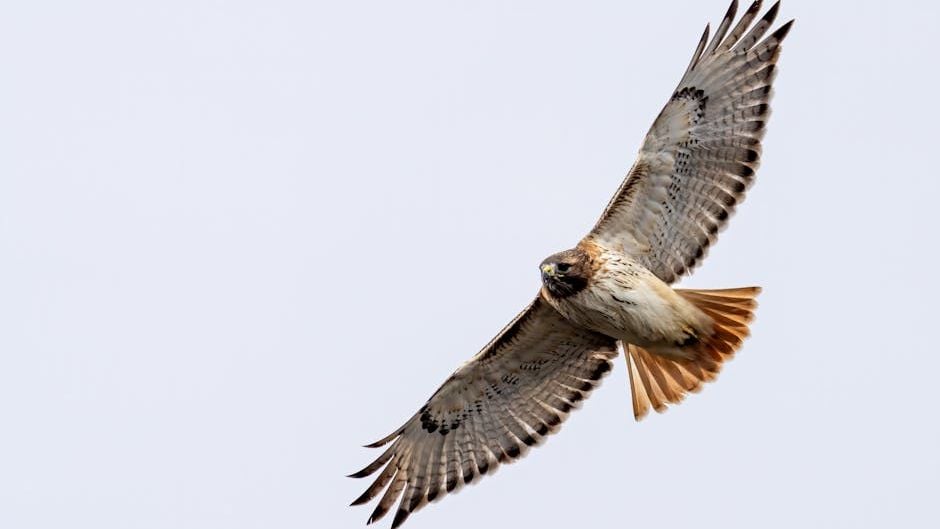
You glance out the window and notice a hawk gliding in wide, steady loops right over your roof. It passes again and again, wings barely moving as it rides the air currents. The sight feels deliberate, almost personal, and it leaves you wondering what draws the bird back to this exact spot day after day.
People have long attached meaning to such encounters, yet the reasons often blend everyday wildlife habits with deeper cultural ideas. Understanding both sides can turn a simple sighting into something more thoughtful.
Common Flight Patterns in Hawks
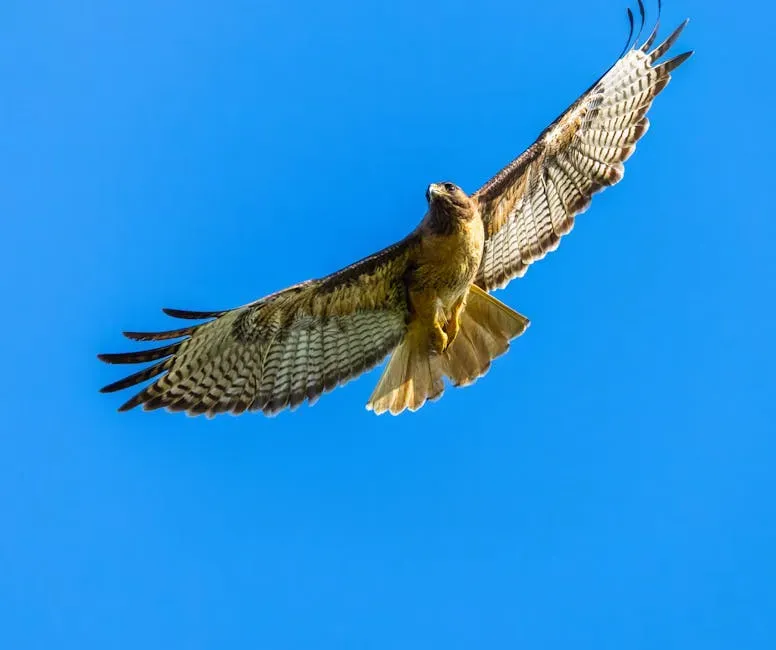
Hawks often circle because they rely on rising columns of warm air called thermals to stay aloft without much effort. These birds scan the ground below while conserving energy, and repeated passes over one area can simply reflect good hunting conditions nearby. The motion looks graceful from below, yet it serves a practical purpose in their daily routine.
Weather plays a role too, since clear days with steady winds make circling easier and more efficient. A hawk might linger longer when prey is active or when the view from above reveals movement in yards or fields. Over time these patterns become familiar to anyone who watches the sky regularly.
Biological Reasons Behind the Behavior
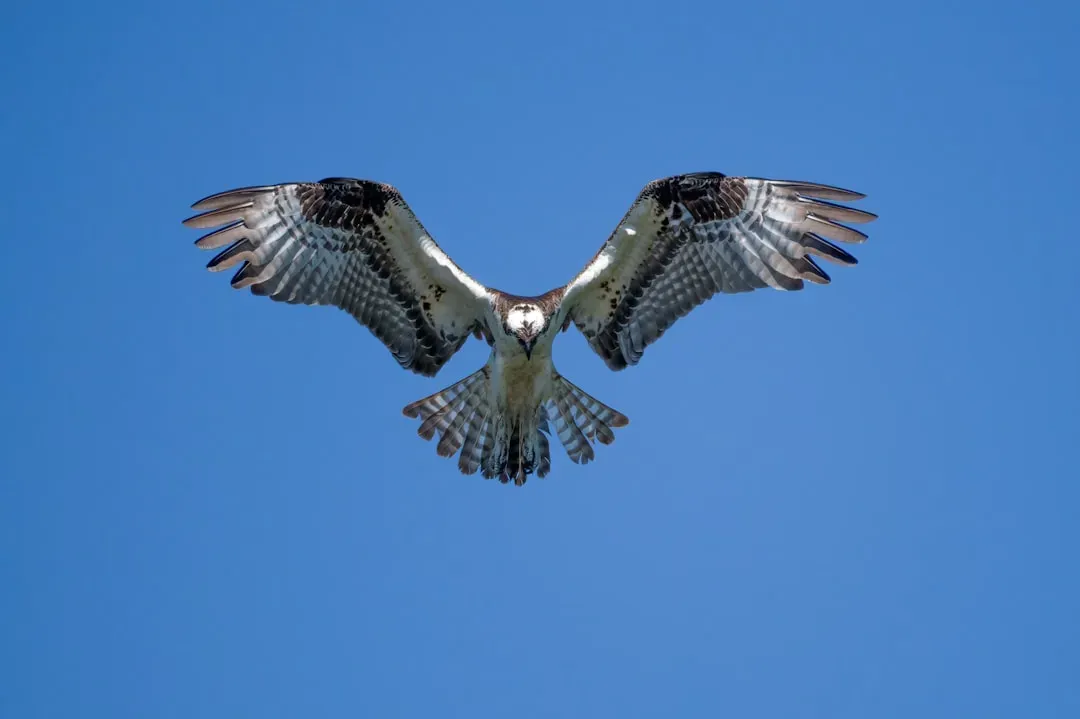
Many hawks circle to locate food from a high vantage point, spotting small mammals or birds that would stay hidden at ground level. Their sharp eyesight allows them to detect motion across wide distances, so repeated loops help them cover territory methodically. This strategy works well in open spaces near homes where lawns or gardens attract rodents.
Breeding season can increase such activity as adults hunt more frequently to feed young. The circling may also help the bird orient itself within its larger range, especially if the house sits near a reliable food source or water. These habits remain consistent across many hawk species found in suburban and rural settings.
Territorial Displays and Home Ranges
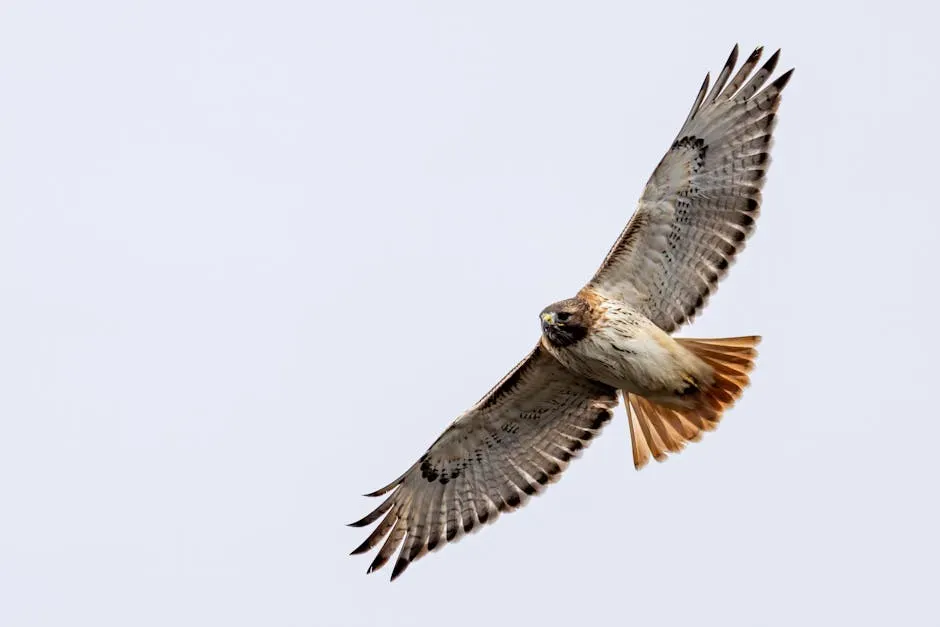
Hawks defend areas that provide enough food and nesting sites, and circling can signal presence to other birds. A resident hawk may patrol the same airspace repeatedly to discourage intruders or to monitor boundaries. Your house might fall inside that defended zone without any direct threat to people or pets.
Younger birds sometimes practice these flights while learning to claim space of their own. The behavior tends to appear more often during certain times of year when competition for resources rises. Observers notice the pattern most clearly in places where open sky meets scattered trees or buildings.
Symbolic Meanings People Attach to Hawks
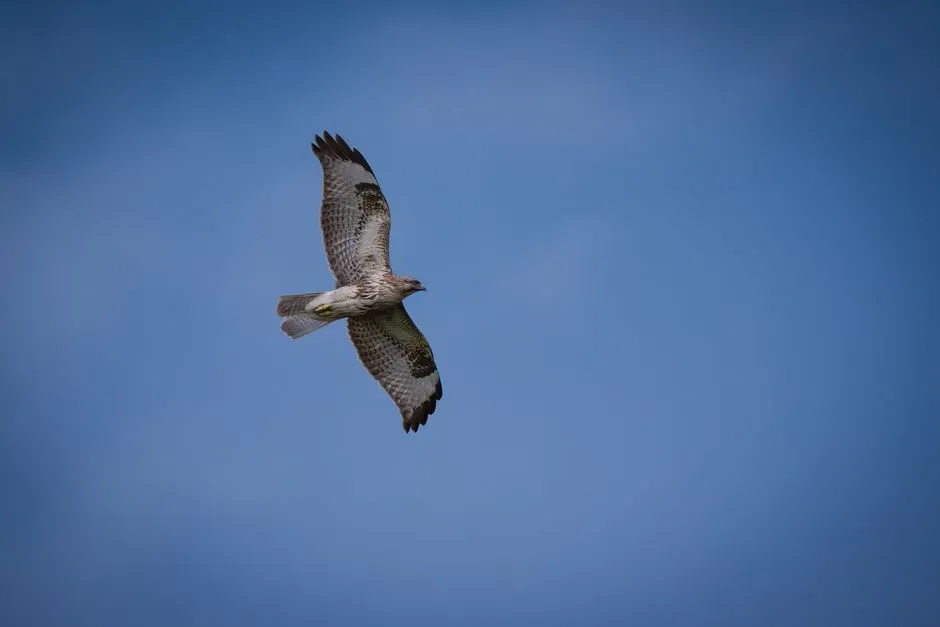
Across many traditions a circling hawk is viewed as a sign of heightened awareness or a call to pay closer attention to surroundings. Some interpret the repeated visits as a reminder to stay focused on goals or to watch for opportunities that others might miss. These ideas arise from the bird’s reputation for keen vision and solitary strength.
The symbolism often feels personal because the encounter happens close to home rather than in a distant wild setting. Individuals who notice the pattern may connect it to moments of transition or decision making in their own lives. Such readings remain subjective yet persist because they offer a sense of connection to the natural world.
Cultural Views Across Different Regions
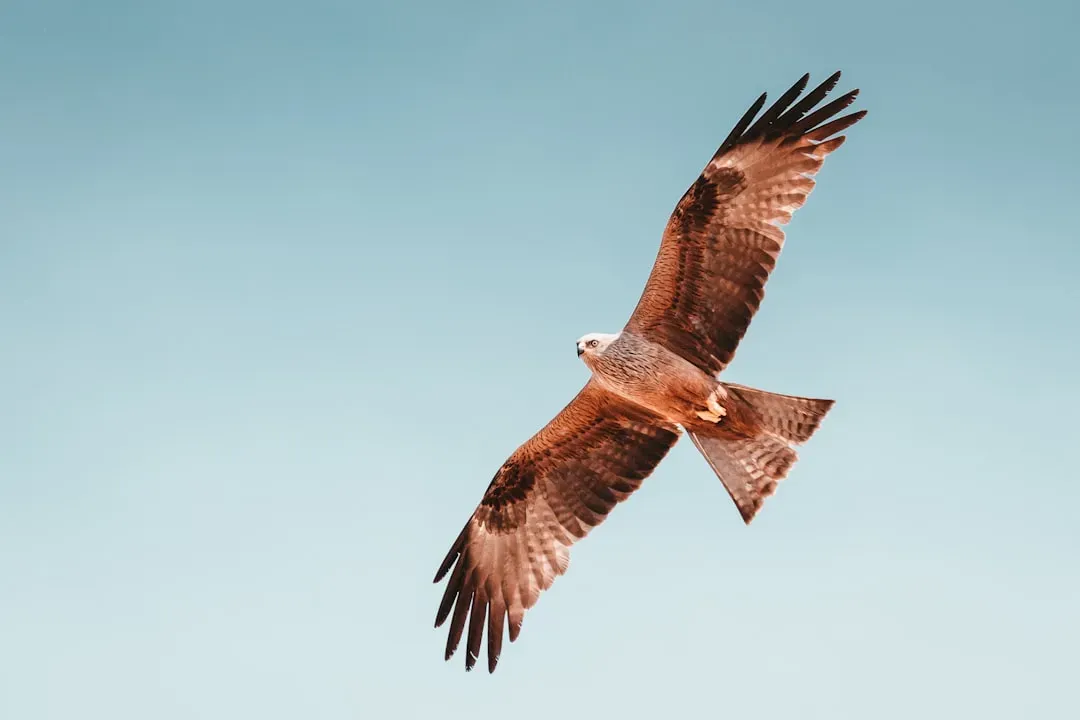
Native American stories frequently portray hawks as messengers or protectors that carry insight between earth and sky. In other parts of the world similar birds appear in folklore as symbols of courage or clear sighted leadership. These associations developed over generations of living alongside the animals and noting their habits.
Modern interest in animal symbolism draws from these older sources while adding personal layers. A hawk overhead can prompt reflection on independence or the need to rise above daily concerns. The meanings shift depending on individual background and current circumstances.
When the Sight Might Warrant Extra Attention
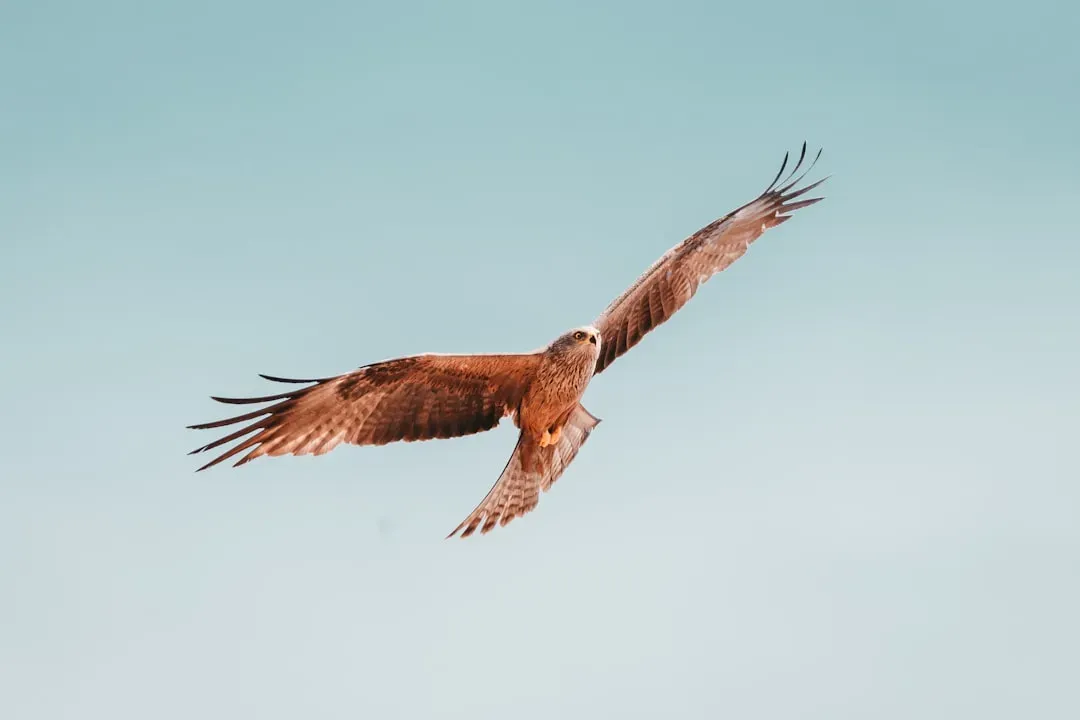
Repeated circling rarely indicates danger to humans, though it can point to nearby prey that might affect gardens or small pets left outside. Checking for obvious attractants like bird feeders or uncovered trash helps reduce unwanted visits if they become frequent. Most encounters stay harmless and brief.
Professional wildlife advice suggests observing without interfering, since hawks play a useful role in controlling rodent populations. If the bird appears injured or the behavior seems unusual, local rehabilitation centers can offer guidance. Everyday sightings usually fit within normal seasonal patterns.
Personal Reflections on These Encounters
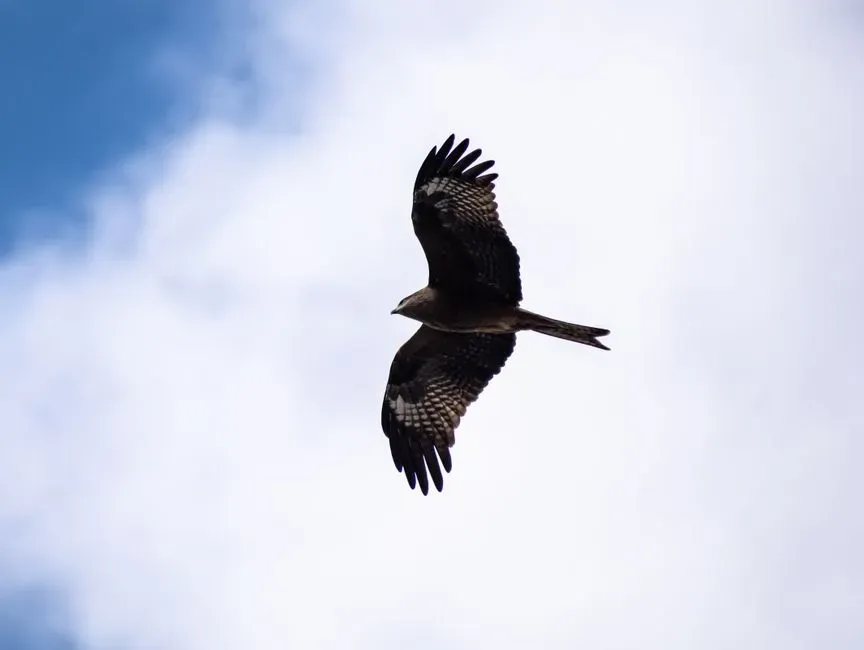
Watching a hawk circle overhead invites a quiet pause in an otherwise busy day, and that alone can feel meaningful regardless of deeper explanations. The experience blends the ordinary reality of wildlife with the human tendency to seek patterns and messages. Over time such moments accumulate into a richer appreciation for the life that shares our spaces.
Ultimately the circling hawk reminds us that nature operates on its own terms while still intersecting with our routines in unexpected ways. Whether the visit carries symbolic weight or simply reflects good hunting grounds depends on the observer. Either way, the sight encourages a brief shift in perspective that lingers after the bird moves on.

- 10 Amazing Facts About Penguins - July 24, 2026
- 8 Ways to Create a Wildlife-Friendly Backyard Oasis for Local Critters - July 24, 2026
- How to Keep Your Pet Safe from Household Hazards - July 24, 2026