
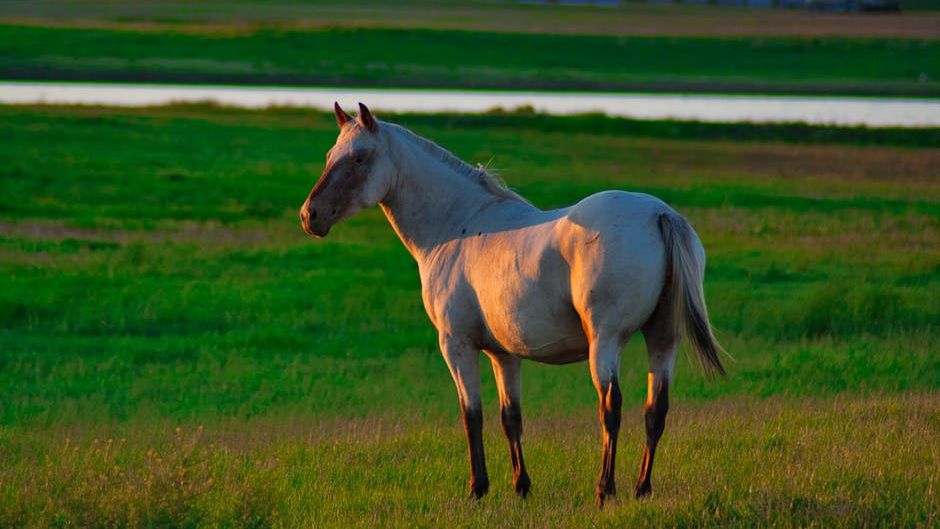
Most people assume any horse will eventually warm up to a new owner given enough time, patience, and carrots. Trainers believed that too – until they watched a perfectly healthy Arabian go hollow-eyed and refuse work for months after being sold, or saw a Lipizzan that had performed flawlessly for decades suddenly shut down the moment a new rider climbed into the saddle. These weren’t problem horses. They were loyal ones.
The idea of a truly one-owner horse isn’t folklore – it’s a documented pattern running through specific bloodlines shaped by centuries of close human partnership. Some of these breeds won’t just struggle with a new handler. They’ll pine, sulk, stop eating, or become genuinely dangerous. A few of the breeds further down this list will genuinely surprise you – because they’re not the dramatic, hot-blooded types you’d expect.
#1 – Arabian: The Original One-Person Desert Loyalist
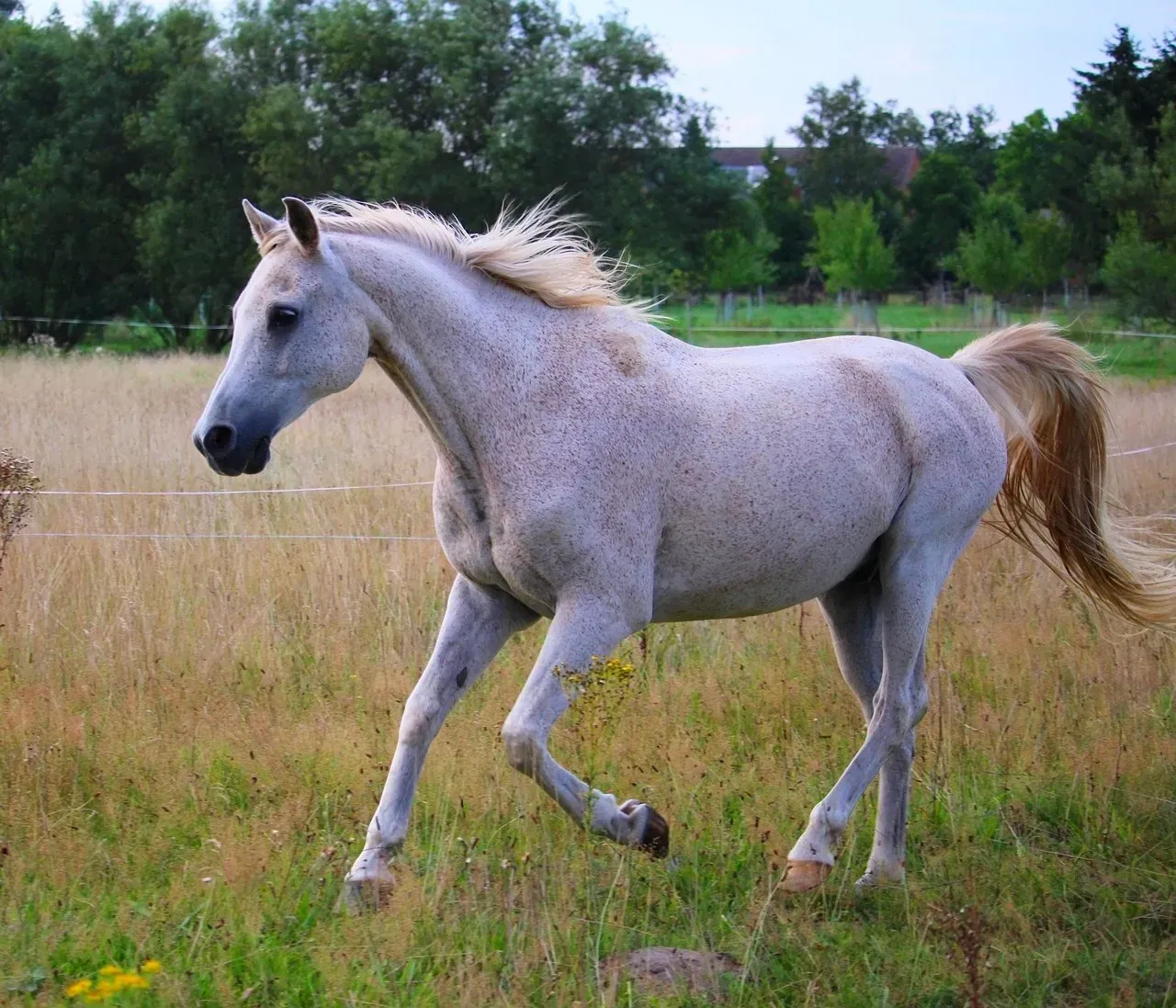
Arabians don’t just like their person – they imprint on them in ways that can take new handlers years to overcome. These horses trace their roots to Bedouin tribes who shared tents with them in the desert, relying on each other for survival in conditions where trust wasn’t optional. That history didn’t just shape their elegance – it hardwired a capacity for singular devotion that most other breeds simply don’t carry.
Their intelligence is part of what makes this so intense. An Arabian remembers everything: the way a specific hand held the reins, the particular voice that called them in from pasture, the emotional rhythm of one person’s presence. Breeders consistently note that many Arabians will perform at their absolute peak for their original owner and offer everyone else a noticeably diminished version of themselves – not out of spite, but out of genuine grief for what they’ve lost. The bond isn’t just preference. It’s memory that doesn’t fade.
Fast Facts
- One of the oldest domesticated breeds on earth, with records dating back over 4,500 years to the Arabian Peninsula
- Arabians carry one fewer vertebra and one fewer pair of ribs than most other breeds – a physical difference, not just a temperamental one
- Known as “people horses” for seeking out human companionship in ways described as almost dog-like
- Life expectancy of 25 to 30 years – meaning a bond formed early can last a very long time
- Foundation breed for Thoroughbreds, Quarter Horses, Morgans, and dozens of other modern breeds
#2 – Akhal-Teke: The Metallic One-Owner Marvel
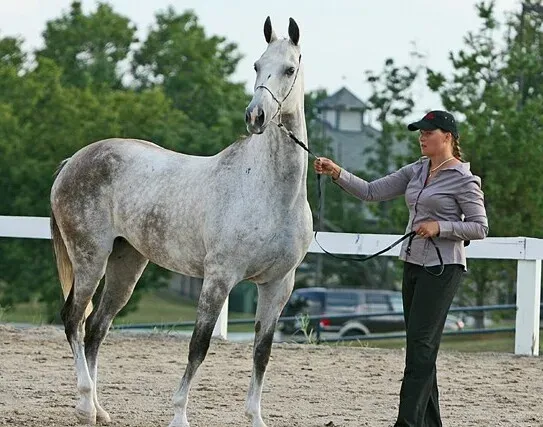
If the Arabian is famous for loyalty, the Akhal-Teke takes it to a level that makes experienced horsemen uncomfortable. This ancient Turkmen breed was historically paired one warrior to one horse – not as a partnership of convenience, but as a survival unit in some of the harshest terrain on earth. The result is a horse whose entire emotional architecture is built around a single human anchor.
Their stunning metallic coat tends to distract people from what’s underneath it: a temperament so finely tuned to one person that Akhal-Tekes have been documented refusing feed and resisting training from new owners for months after a transfer. This isn’t stubbornness in the ordinary sense. Longtime breed owners describe it as something closer to heartbreak expressed through behavior. When an Akhal-Teke decides you’re their person, the devotion is absolute – and when that bond is severed, the horse often makes clear it has no interest in replacing it.
At a Glance
- Literally called “the horse of one master” in their native Turkmenistan – the loyalty trait is baked into the breed’s identity
- Estimated global population of only around 6,600 to 7,000 horses, making them one of the rarest breeds in the world
- Historically kept tethered beside the owner’s tent, sleeping close enough to their person to detect danger overnight
- In 1935, a group of Akhal-Tekes completed a 2,500-mile ride from Turkmenistan to Moscow in 84 days – including a 225-mile desert crossing in just 3 days
- Purchase prices in North America and Europe typically start around $10,000 and can exceed $30,000 for trained horses
#3 – Morgan: America’s Foundational One-Person Horse
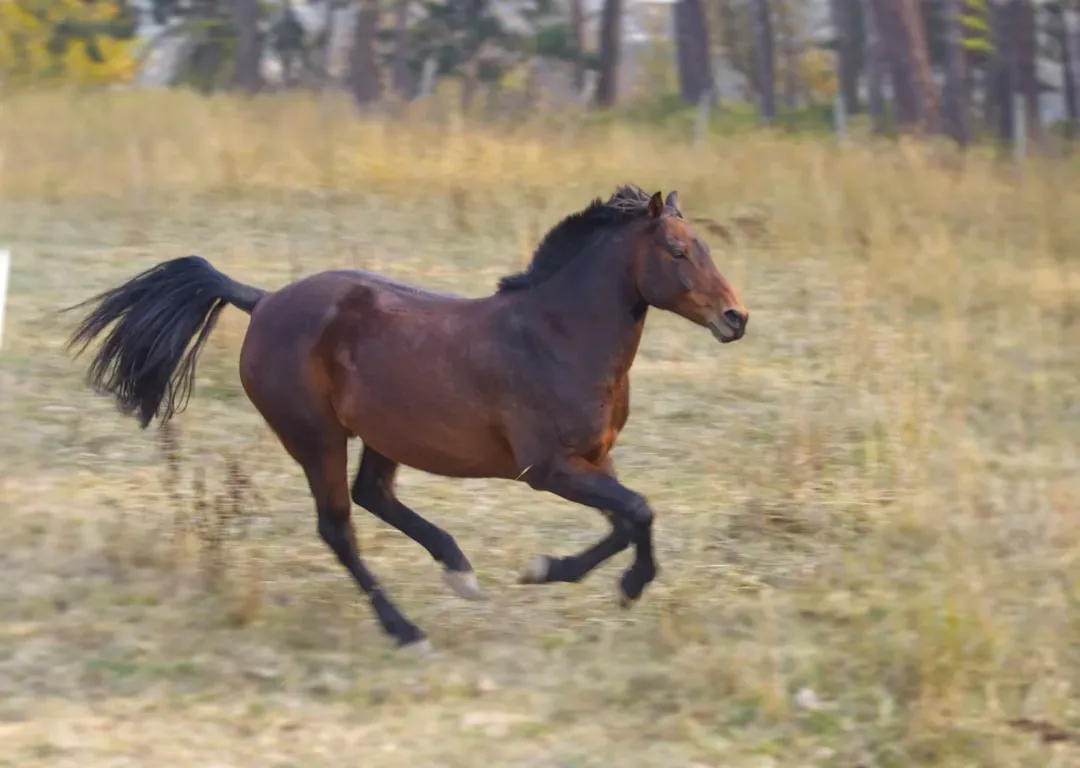
The Morgan is so consistently willing and easy-going that most people never expect this breed to show up on a list like this. But that easygoing nature has a catch: Morgans extend it fully to their person and hold it back, sometimes stubbornly, from everyone else. The entire breed traces to one foundation stallion in Vermont, and that tight genetic origin seems to have concentrated their capacity for deep, almost familial attachment.
What makes Morgans particularly striking on this trait is their memory for cues. Owners report reuniting with Morgans after years apart and watching the horse respond immediately to the original handler’s specific signals – signals the horse had apparently stopped offering to anyone else in the interim. It’s not that they can’t learn new handlers. It’s that they often choose not to, holding some essential part of themselves in reserve for the person who earned it first.
#4 – Appaloosa: The Spotted Breed With Selective Memory
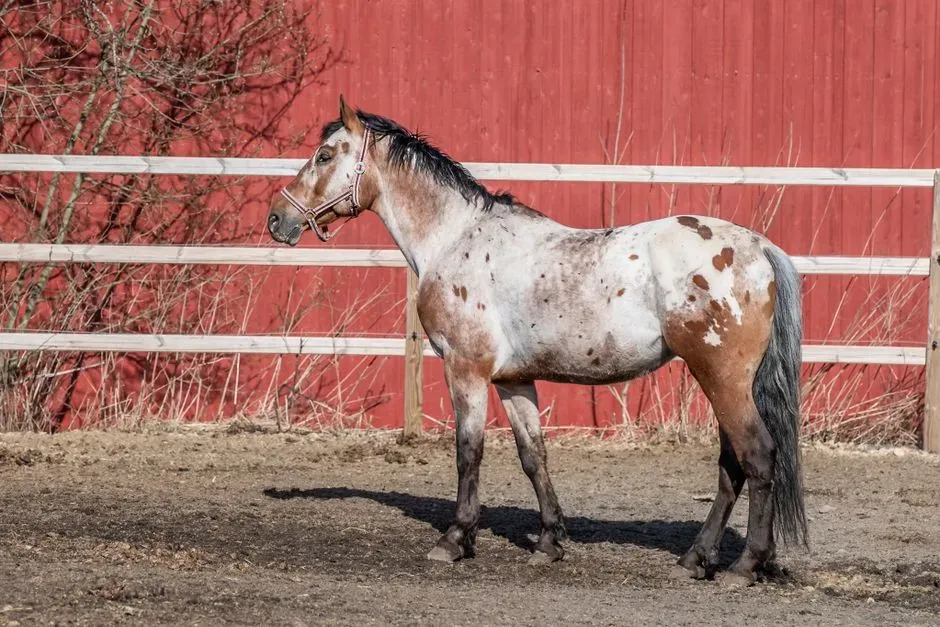
The Appaloosa’s calm, steady exterior is one of the most misleading things about the breed. Beneath those distinctive spots lives a horse with a long memory, a strong sense of its own preferences, and a loyalty system that doesn’t easily transfer. Native American tribes – particularly the Nez Perce – bred these horses for individual warriors, and that single-rider tradition is still visible in modern Appaloosas who perform beautifully for their person and become frustratingly uncooperative for everyone else.
Many owners describe the experience of watching someone else ride their Appaloosa as almost comic – the horse that flows effortlessly for them suddenly becomes stiff, reluctant, or deliberately obtuse. It’s not aggression. It’s a quiet, deeply principled refusal to extend full trust outside the established bond. The pattern appears consistently enough across the breed that experienced Appaloosa people warn new buyers: if you’re buying a horse with a strong prior relationship, budget time and expect resistance – because this breed doesn’t forget who came first.
#5 – American Quarter Horse: The Versatile Yet Singularly Loyal Workhorse
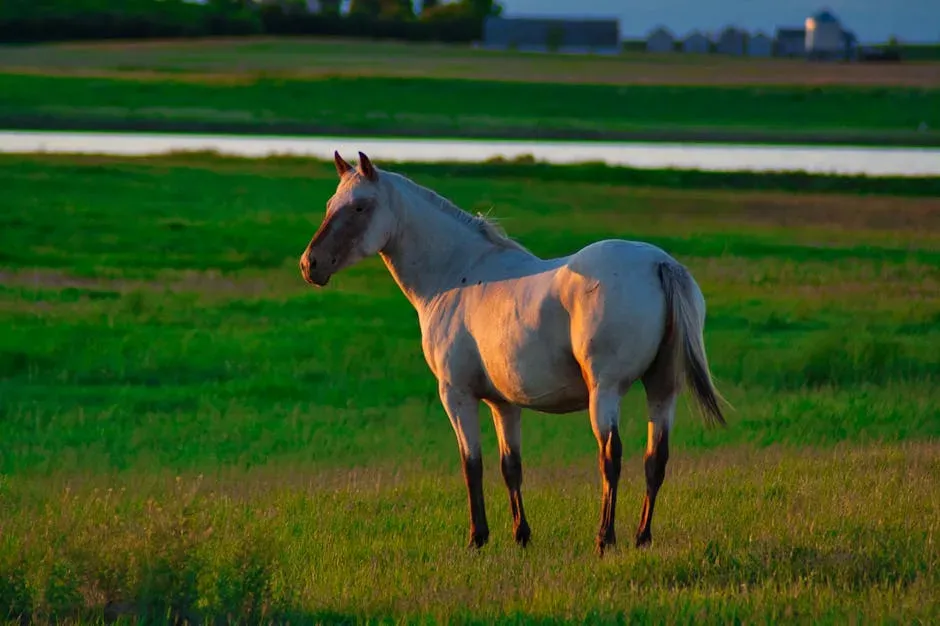
Quarter Horses have a reputation as the most adaptable, people-friendly horses in America – and for the most part, that reputation is earned. But within working bloodlines especially, a subset of Quarter Horses develops a one-person devotion that surprises even experienced riders. These horses thrived alongside individual cowboys for generations, matching one person’s pace, rhythm, and mood day after day through ranch work that demanded complete trust.
The tell is subtle but unmistakable once you’ve seen it: a Quarter Horse that’s technically cooperative with multiple riders but only truly lights up for one. The ears come forward differently. The movement loosens. The horse that gave adequate effort for everyone else suddenly offers something extra – not because it was trained differently, but because something in that particular presence registers as safe and known. Working line Quarter Horses that develop this trait rarely lose it, even after years in a new situation.
Worth Knowing
- Quarter Horses are the most populous breed in the United States, yet loyalty traits run deepest in cattle and ranch working lines
- The “lights up” response – forward ears, looser movement, extra effort – is well-documented by trainers observing the horse’s primary person return after absence
- Working-bred Quarter Horses often have decades of single-handler ranch history behind them, compressing the bond faster than recreational use
- Even among the most adaptable Quarter Horses, experienced riders note a measurable difference between cooperation and genuine willingness
#6 – Friesian: The Dramatic Black Beauty With Exclusive Devotion
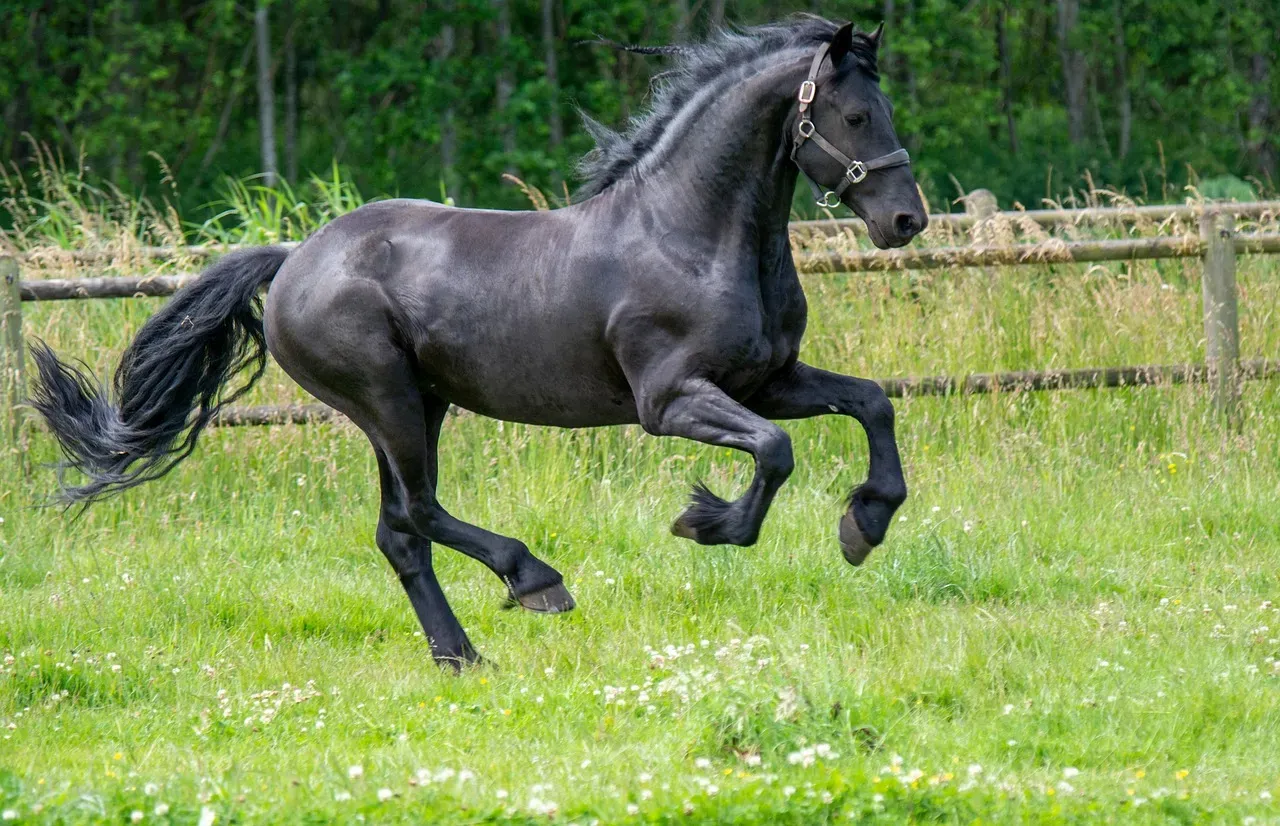
Friesians are built for presence – that massive black frame, the flowing mane, the high-stepping trot that turns every arena entrance into a statement. But that drama extends into their emotional lives in ways that catch new owners completely off guard. Bred in the Netherlands for centuries as working partners attached to single households, Friesians carry a depth of feeling that doesn’t distribute evenly across multiple handlers.
Breeders who specialize in the breed speak openly about Friesians that pine visibly after ownership changes – dropping weight, losing their characteristic animation, underperforming in ways that look clinical until you realize the horse simply misses its person. This isn’t every Friesian, but it’s common enough that responsible sellers often ask pointed questions about why you’re buying and whether you’re prepared for the emotional weight of this breed. A Friesian that has chosen you is one of the most rewarding experiences in horses. A Friesian still grieving someone else is a genuinely difficult situation.
#7 – Gypsy Vanner: The Gentle Giant That Picks Its Person
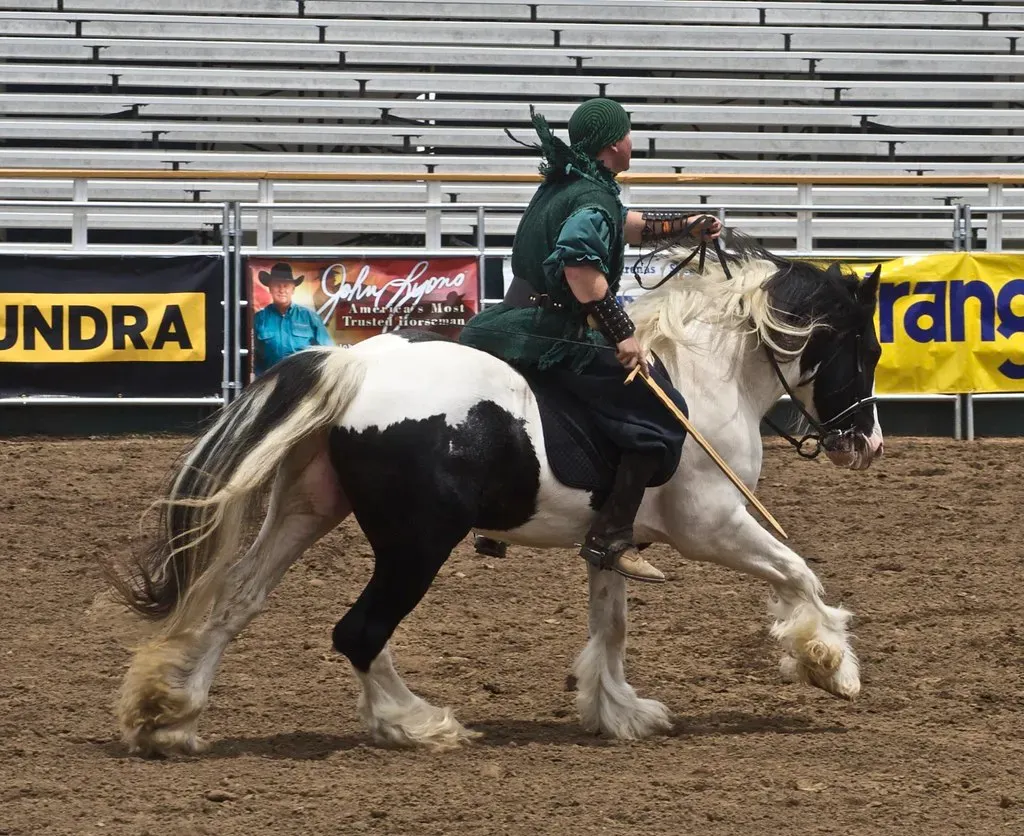
The Gypsy Vanner’s feathered legs and piebald coloring make them look like something out of a fairy tale, which tends to make people underestimate how emotionally complex they actually are. Irish and British Romani communities bred these horses as family animals – not just working horses, but companions that lived in close proximity to people and developed bonds accordingly. The result is a horse with an almost uncanny ability to read human emotion and a clear preference for one primary person within a group.
What distinguishes the Vanner’s loyalty from simple preference is how completely they relax versus how guarded they remain. A Vanner with its person is soft-eyed, loose-limbed, and cooperative in ways that feel almost effortless. That same horse with a new handler often carries a visible tension – still manageable, still gentle by breed standard, but clearly operating with some essential part of itself held back. Owners consistently describe the experience of watching someone else work their Vanner as watching a version of the horse that’s merely tolerating the interaction rather than genuinely participating in it.
#8 – Haflinger: The Golden Pony With Lifelong Attachments
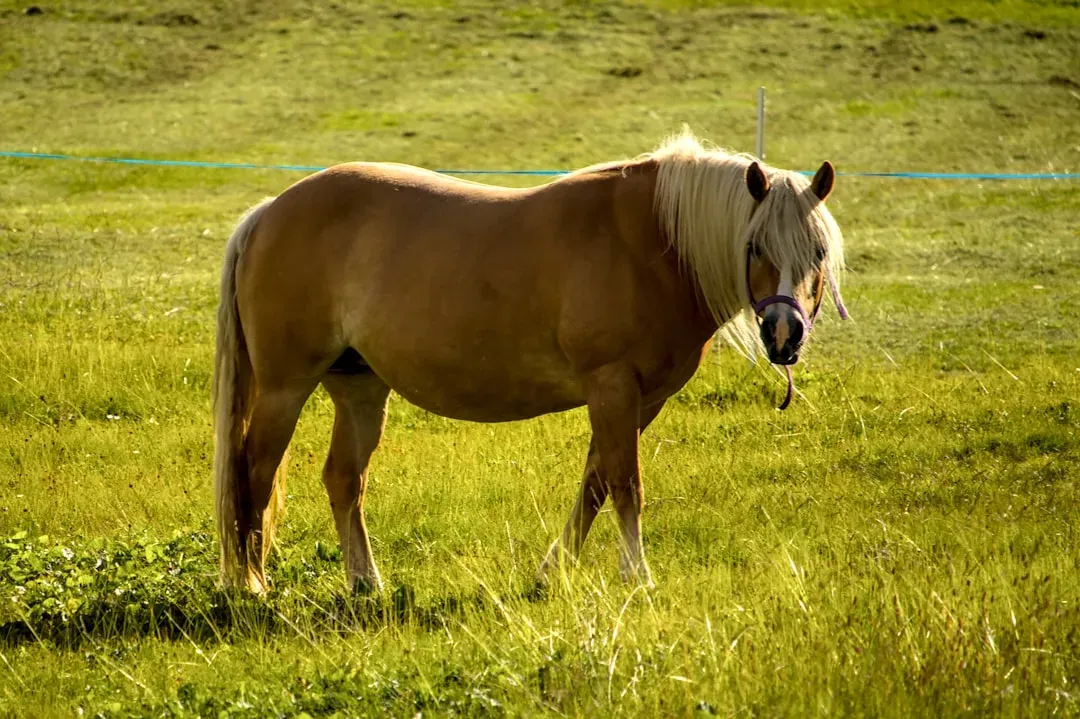
Haflingers look cheerful and approachable – that chestnut-gold coat and flaxen mane give them an almost storybook quality that makes people assume they’re universally friendly. And they are friendly, up to a point. But Austrian mountain farmers didn’t breed these horses for versatility across multiple handlers. They bred them for one person doing one demanding job in brutal terrain, and that origin shows up in modern Haflingers as a quiet stubbornness toward anyone who isn’t their established person.
The attachment pattern in Haflingers tends to be especially strong when formed early. Owners who bond with a Haflinger from youth describe a relationship that operates almost like a closed system – the horse learns their specific rhythms so completely that a new handler’s corrections or cues feel like interference rather than instruction. Many owners report that their Haflinger will technically obey a new person but strips the performance back to the minimum required, as if rationing effort for someone more deserving. It’s a small, golden, emotionally principled protest.
Quick Compare: How One-Owner Loyalty Shows Up Differently by Breed
- Arabian: Grief after transfer – hollow eyes, refused work, weeks of emotional withdrawal
- Akhal-Teke: Outright refusal – resists new training and may decline feed after separation
- Haflinger: Quiet rationing – technically compliant but visibly reserves full effort for its person
- Friesian: Physical decline – weight loss, loss of animation, underperformance that mimics illness
- Gypsy Vanner: Guarded tolerance – performs adequately but holds back the softness it gives its person
#9 – Connemara Pony: Ireland’s Tough One-Person Performer
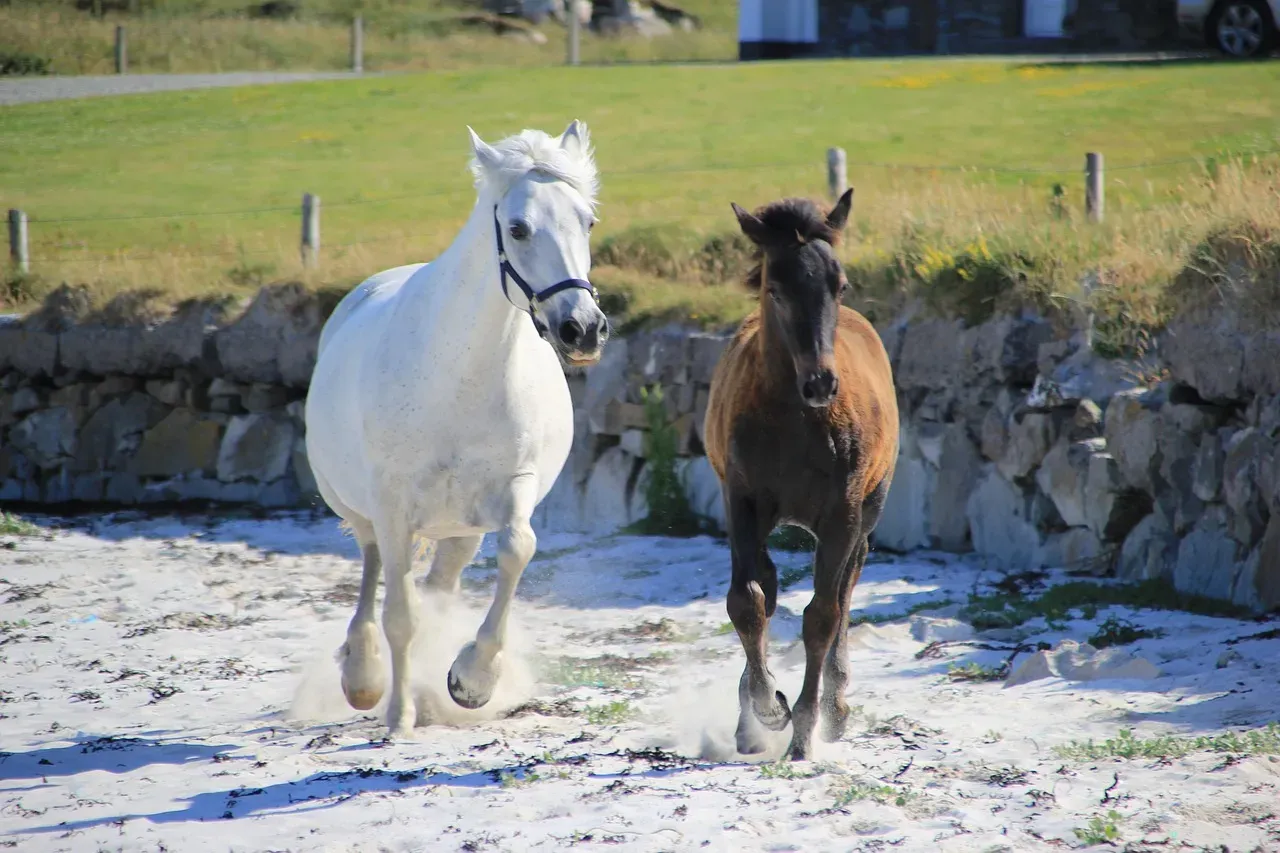
The Connemara earned its reputation on the rocky Atlantic coastline of western Ireland, where it carried single riders through conditions that would defeat most animals. That rugged self-sufficiency is part of the breed’s charm – but it comes with a flip side. A horse tough enough to survive on its own terms is also tough enough to decide whose terms it’s willing to operate on, and Connemaras make that decision early and stick to it with considerable conviction.
Their intelligence sharpens this trait considerably. Connemaras assess people quickly and accurately, and a horse that has decided its original owner is the benchmark tends to measure everyone else against that standard – and find them lacking. Trainers who work with Connemaras after ownership transfers often note an anxiety in the horse that isn’t about fear of new environments but about the specific loss of a known person. The breed’s toughness doesn’t insulate it from that kind of grief. If anything, the sensitivity underneath the resilience makes it run deeper.
#10 – Clydesdale: The Massive Draft With Selective Affection
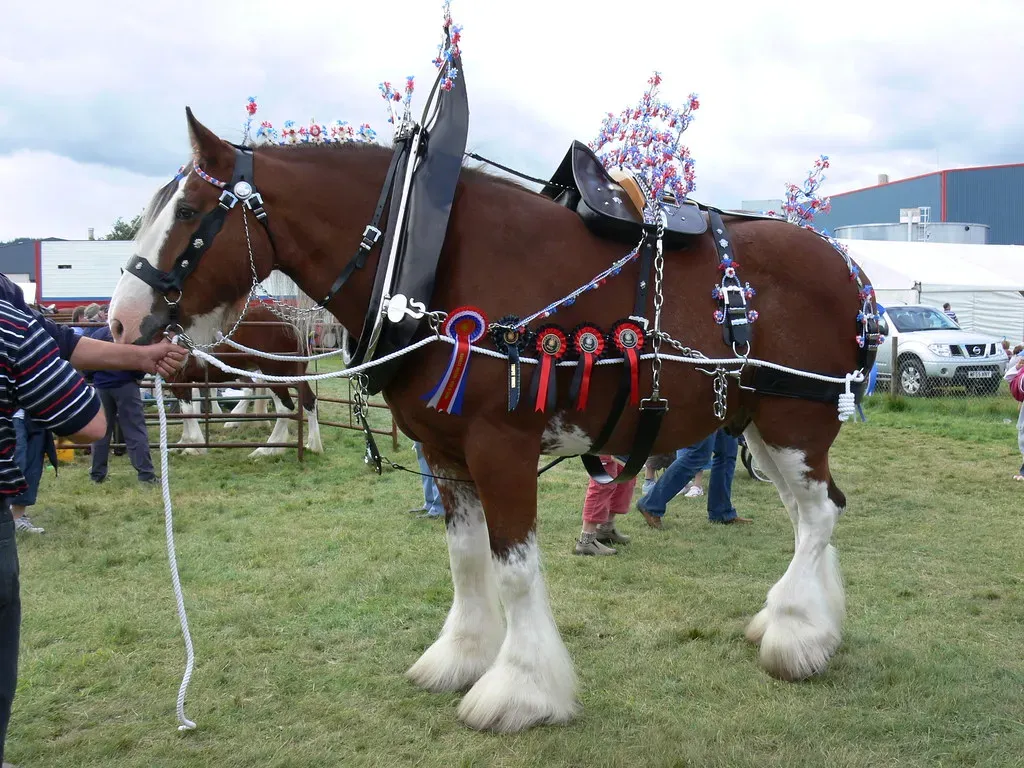
It’s easy to look at a Clydesdale – 1,800 pounds of feathered, rolling muscle – and assume its sheer size means emotions run at a lower resolution. That assumption is wrong in ways that surprise even experienced draft horse people. Scottish farm history paired Clydesdales with individual handlers for years of demanding, repetitive work, and that proximity built bonds with a weight that reflects the breed’s physical scale. When a Clydesdale decides someone is their person, the attachment is enormous in every sense.
The shift in a Clydesdale’s behavior between its person and a new handler can be startling precisely because the breed is normally so even-tempered. Many owners report their Clydesdale responding to their specific voice – from across a barn, through wind, in a field – with an eagerness it simply doesn’t extend to anyone else. A new handler receives cooperation. The original person receives something closer to joy. That distinction might sound subtle, but in a horse this large, the difference between genuine willingness and polite compliance is something you feel in your whole body.
#11 – Mustang: The Wild Spirit That Rarely Forgets Its First Human
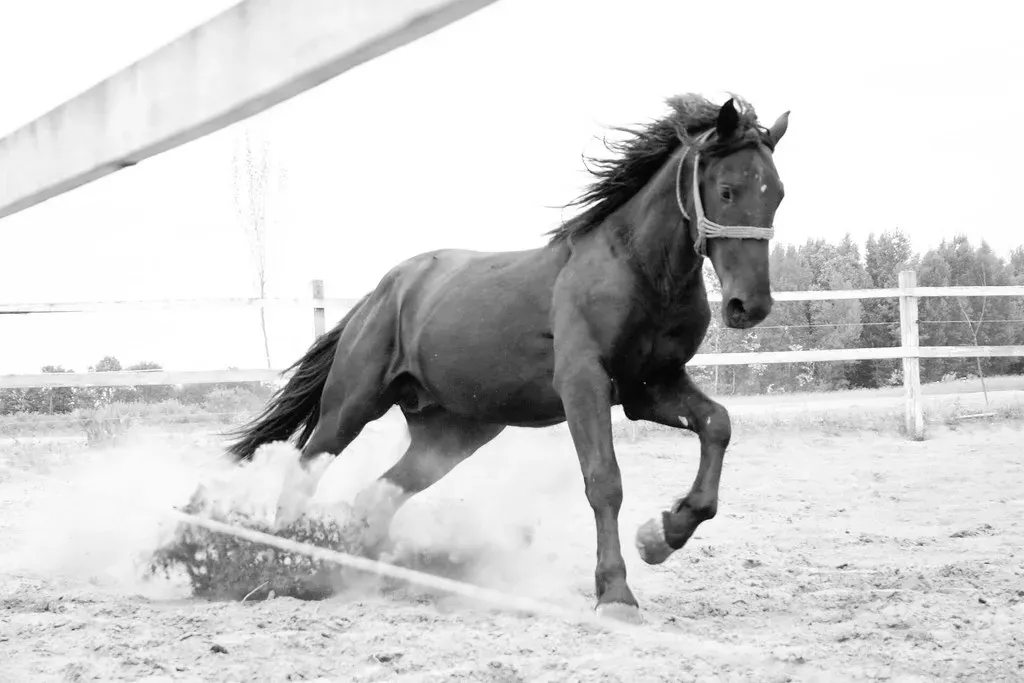
A Mustang that comes in from the range is starting from zero – no domestication, no human language, no inherited reason to trust anything on two legs. Which means the person who earns that trust is earning something forged entirely from scratch, without the softening effect of generations of domestication. That’s not a small thing for the horse, and Mustangs seem to carry that first trust-forming experience with unusual permanence.
Trainers who work with gentled Mustangs and then place them in adoptive homes frequently note a pattern: the horse behaves well enough with new owners but maintains a consistent wariness – a layer of reserve – that it didn’t show with the original trainer. It’s not aggression or instability. It’s the memory of who first made the world safe. Some Mustangs eventually extend full trust to a dedicated new owner after years of patient work. Others never quite close that gap, maintaining a subtle distance that their first human would likely recognize immediately as the same caution they spent months dismantling.
The horse is a mirror to your soul. Sometimes you might not like what you see in the mirror.
Buck Brannaman
#12 – Tennessee Walking Horse: The Smooth-Gaited Breed With Exclusive Preferences
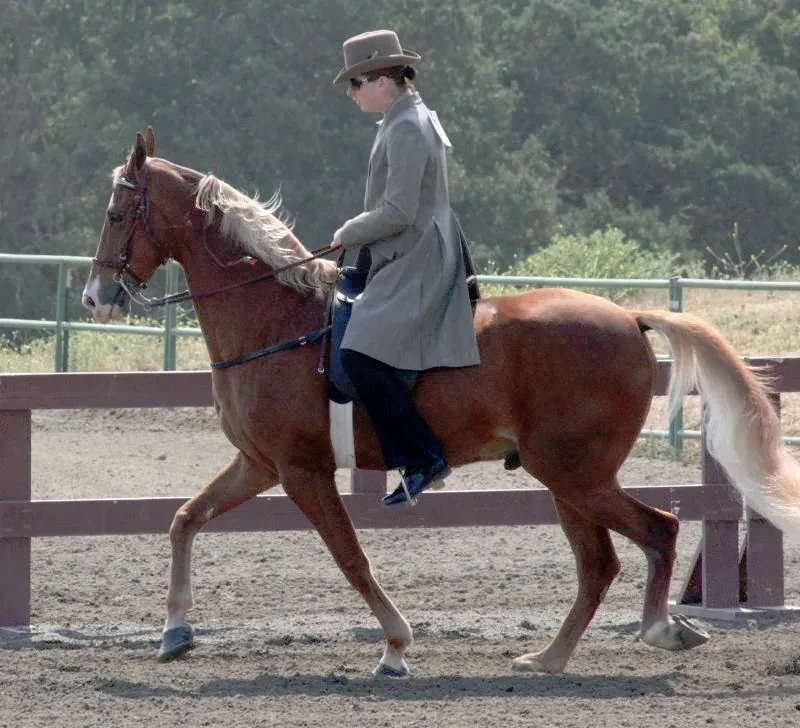
The Tennessee Walker’s signature running walk is so smooth it’s been described as riding a rocking chair – and that ease of movement creates an intimacy between horse and rider that accumulates into something significant over time. Southern plantation heritage tied these horses to individual owners who rode them daily, often for hours, across long distances. The physical synchrony that develops from that kind of sustained partnership goes beyond training. It becomes a kind of shared language.
What owners notice when a Walker’s primary person is absent is a flattening of that signature quality. The gait is still there, technically. But the animation, the responsiveness, the fluid quality that makes the breed so sought after – those go muted in a way that’s hard to attribute to anything except preference. Walkers who perform that signature gait most beautifully for one person and offer a noticeably diminished version to everyone else are common enough that seasoned breed owners treat it as a known characteristic rather than an individual quirk.
#13 – Paso Fino: The Puerto Rican Breed With Singular Devotion
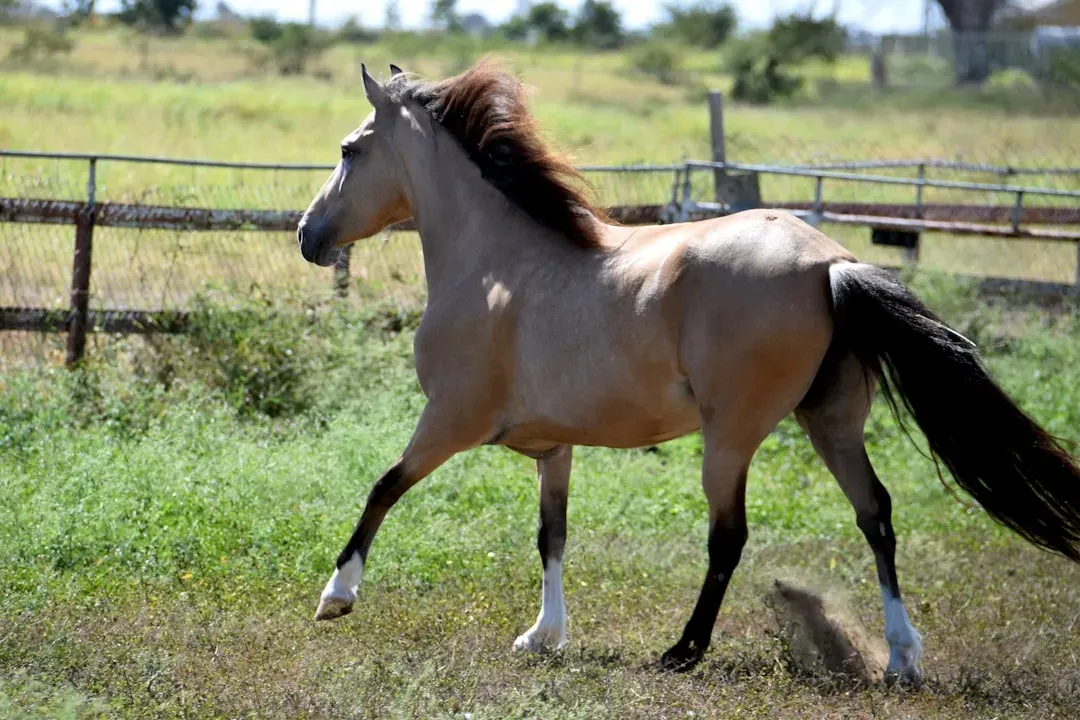
The Paso Fino’s four-beat lateral gait is one of the most precise movements in the horse world – and that precision requires a level of sensitivity in the horse that cuts both ways. Caribbean origins involved close, daily partnership between individual riders and their horses on terrain that demanded both parties be completely attuned to each other. The Paso Fino absorbed that requirement into its character, and the result is a horse that is finely calibrated to one person and genuinely difficult to recalibrate.
New Paso Fino owners frequently describe a frustrating early period where the horse seems technically capable but emotionally absent – offering just enough response to prove it understands the cues while withholding the animated, forward-going quality that makes the breed extraordinary. That quality tends to return gradually as a new bond forms, but for some Pasos it never quite reaches the level it hit with the original owner. The horse isn’t broken. It’s grieving a frequency it hasn’t found again yet.
Why It Stands Out
- The Paso Fino’s signature gait – a rapid, four-beat lateral movement – is so rider-sensitive that subtle emotional reluctance shows up immediately as a change in rhythm and energy
- Paso Finos developed in the Caribbean under conditions demanding constant one-to-one communication, embedding individual attunement into the breed’s baseline expectations
- New owners often describe a distinct “emotionally absent” phase lasting months before the horse begins to genuinely re-engage
- Experienced Paso Fino trainers treat the re-bonding period as an essential stage of ownership, not a training problem to solve quickly
#14 – Icelandic Horse: The Hardy One With Lifelong Human Imprints
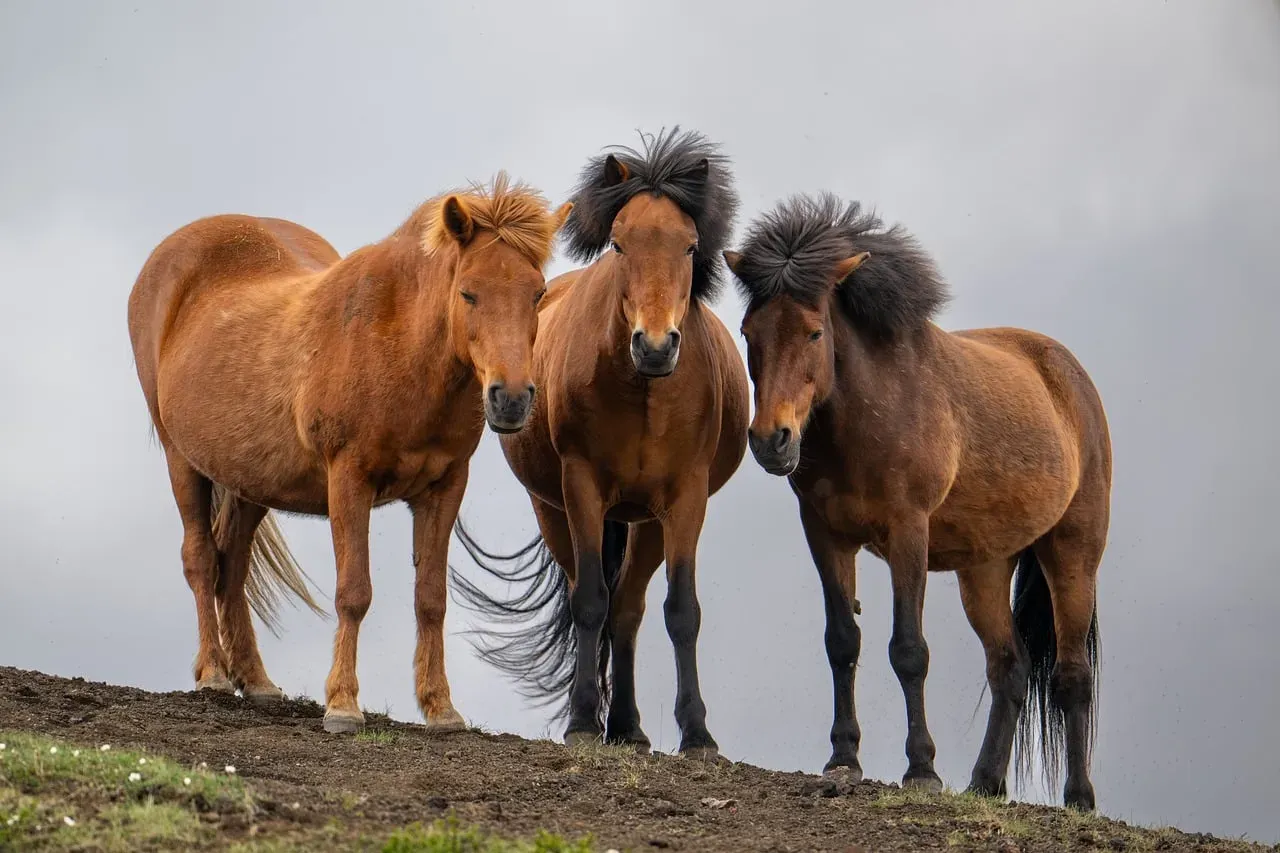
Iceland’s isolation did something unusual to this breed: it stripped away outside genetic influence for over a thousand years, creating a horse that is genetically and temperamentally unlike anything else on the planet. Viking settlers paired them with individual farmers in conditions where the relationship was genuinely survival-critical, and that pressure seems to have produced a depth of human attachment that the breed has carried ever since – even now that the survival stakes are lower.
The Icelandic’s famous five gaits are partly a product of the rider relationship that develops them. The tölt in particular – that smooth, four-beat gait unique to the breed – is refined through sustained partnership and tends to be most fluid with a rider the horse fully trusts. New riders often find the gaits technically present but less expressive, less willing, as if the horse is performing from memory rather than genuine engagement. Icelandics that return to their original owners after periods apart often re-engage with a speed and completeness that makes the contrast with their behavior in between impossible to ignore.
#15 – Andalusian: The Baroque Beauty With Intense One-Person Bonds
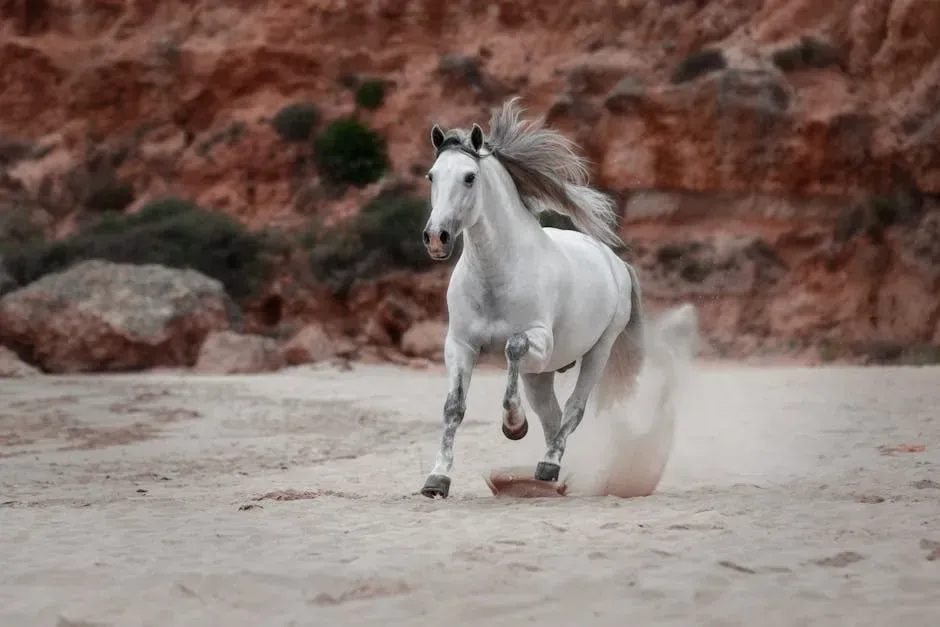
The Andalusian has spent centuries in the hands of Spanish royalty and military commanders, performing movements that require extraordinary trust and communication between horse and rider. That history didn’t just produce elegance – it produced a breed whose full capability is essentially locked behind a relational key. An Andalusian performing its baroque movements for the right person is one of the most breathtaking things in equestrian sport. That same horse with a new handler often looks like a beautiful, expensive, thoroughly unimpressed animal going through motions it finds beneath its dignity.
Experienced Andalusian trainers speak about this openly: the breed’s sensitivity and intelligence mean they assess their riders constantly, and horses with strong prior bonds carry those assessments forward into every new relationship as a baseline comparison. A new handler has to be not just competent but exceptional – and even then, the emotional warmth the Andalusian eventually extends tends to feel more like measured respect than the full-hearted devotion they showed their original person. Getting an Andalusian to that level of trust twice in one lifetime is genuinely rare.
#16 – Lipizzan: The Classical Breed With Enduring Singular Attachments
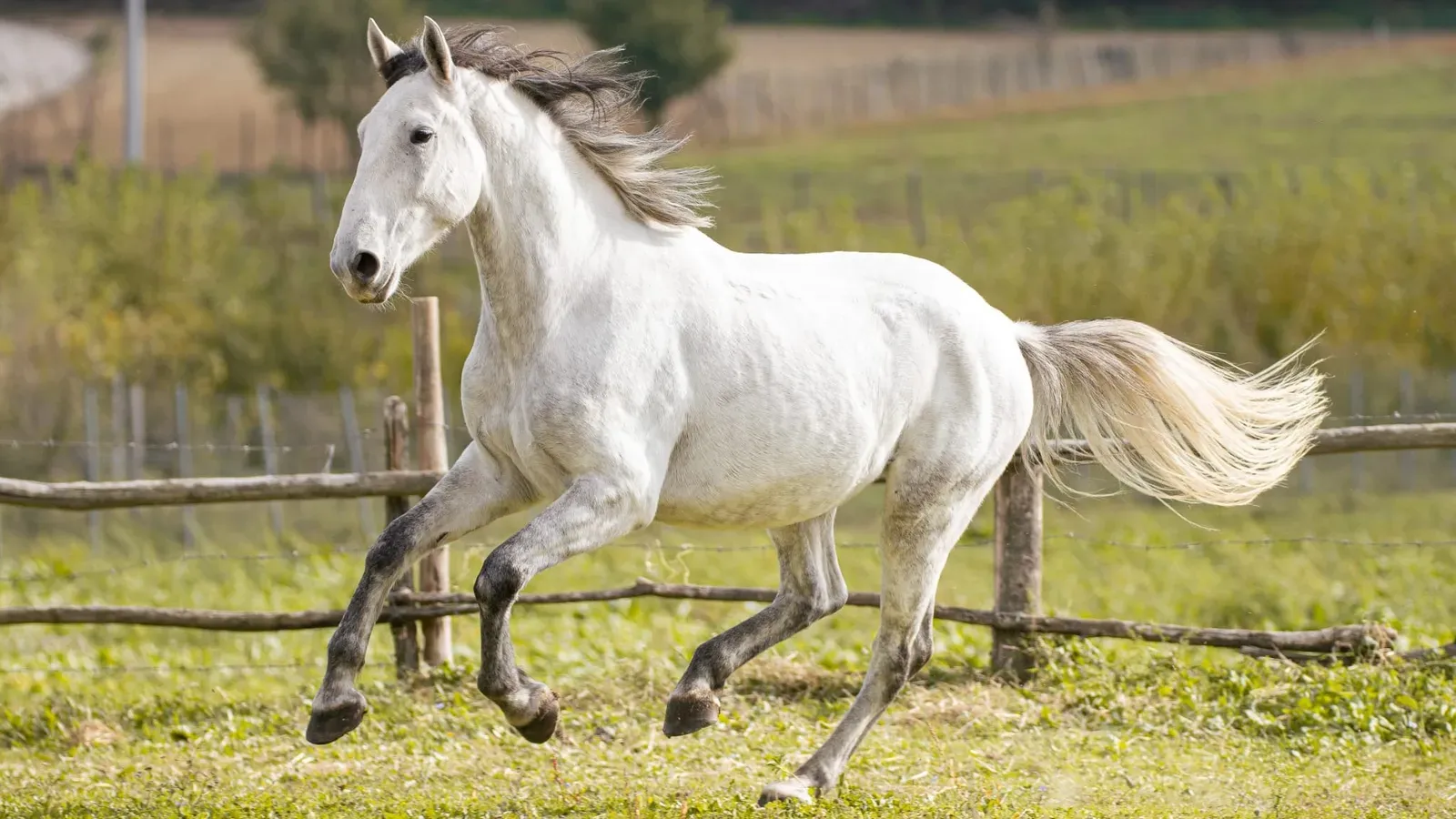
The Lipizzan is trained over decades – not years – in the classical tradition of the Spanish Riding School, and that timeline creates bonds of unusual depth and duration. Austrian imperial breeding tied these horses to specific riders for the entirety of the animal’s working life, with the partnership itself considered the art form. The horse and rider weren’t just producing movements together. They were building a shared vocabulary that took years to develop and couldn’t be handed off like equipment.
Modern Lipizzan owners outside the classical tradition encounter this same dynamic in compressed form. These horses learn their person’s weight, timing, breathing, and emotional state with a precision that borders on uncanny – and they notice immediately when any of those variables change. Lipizzans transferred to new trainers often stall in their development for extended periods, not because they’ve forgotten their training but because they’re performing it for someone who doesn’t yet speak the language the horse built its understanding around. The airs above the ground that look like pure athleticism are actually pure relationship – and relationships this specific don’t transfer cleanly.
Fast Facts
- Lipizzaner stallions begin formal training at age 4 and require a minimum of 6 years of preparation before performing publicly at the Spanish Riding School in Vienna
- The Spanish Riding School has practiced classical equitation continuously for over 450 years, making it the oldest institution of its kind in the world
- Lipizzaner foals are born dark and gradually turn white as they mature – most don’t fully lighten until their mid-teens
- These horses can perform at peak level well into their twenties and commonly live past 30 – meaning one bond can span the horse’s entire working life
- The school’s training philosophy holds that “the horse decides when he is ready to learn the next skill” – a rider-horse relationship built on the horse’s consent, not just compliance
#17 – Belgian Draft: The Gentle Powerhouse With Exclusive Human Ties
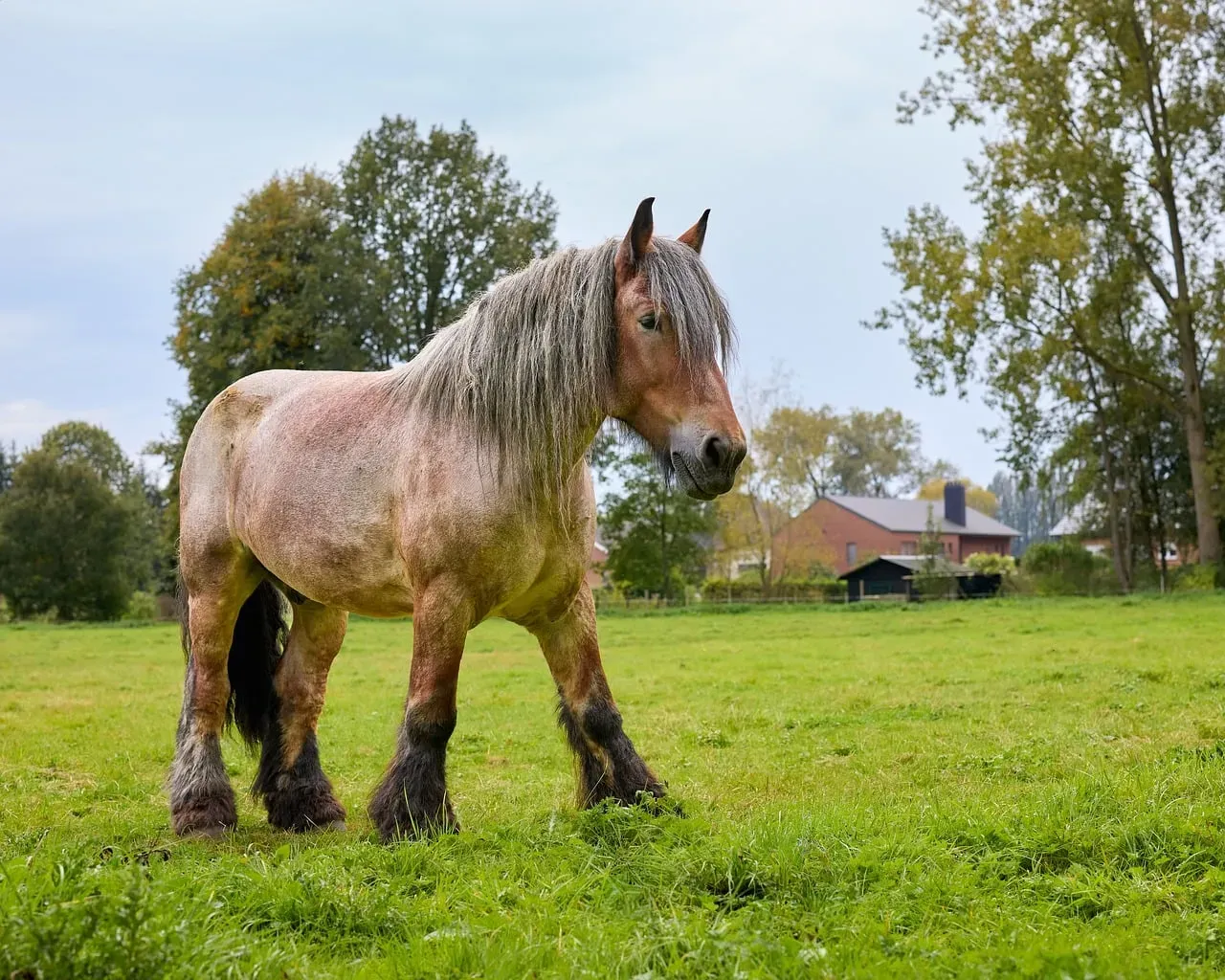
The Belgian Draft is the largest horse on this list and, in some ways, the most surprising entry. Nothing about that massive, patient, broad-backed animal suggests hidden emotional complexity. But European farm traditions paired these giants with individual handlers for years of demanding labor – the kind of work where the horse and person had to move as a single coordinated unit pulling weight that neither could manage alone. That daily physical collaboration, repeated across seasons and years, built something that doesn’t simply reset when the handler changes.
Belgians that have bonded with one person tend to show their preference in the quality of their effort rather than dramatic resistance. The horse will work for a new handler – these are not difficult animals by nature – but longtime owners describe a palpable difference between a Belgian going through its work and a Belgian working with someone it trusts completely. The full weight of that willingness, that forward-leaning generosity that makes a Belgian so extraordinary on the end of a chain or collar – that gets rationed carefully, apparently, for people who’ve earned it. Even in the gentlest breeds, loyalty has its own arithmetic.
These 17 breeds share one thing beyond their specific histories: they were all shaped by close, sustained, one-person partnership over generations, and that pressure left permanent marks on their temperaments. Every horse is still an individual, and patient, skilled handling can build real bonds even with the most selective animals on this list. But the people who get the most from these breeds aren’t the ones who treat them as equipment to be operated – they’re the ones who understand that with certain horses, the relationship is the performance. Force a replacement bond and you’ll likely spend years working around what’s missing. Earn it from scratch and you’ll end up with something most riders never experience: a horse that has genuinely, irreversibly chosen you.

- 12 Dog Breeds That Stay Healthy Well Into Old Age - July 29, 2026
- 11 Incredible Adaptations That Allow Animals to Survive Extreme Cold - July 29, 2026
- 8 Striking Facts About the Oryx: The Desert’s Living Spear - July 29, 2026