
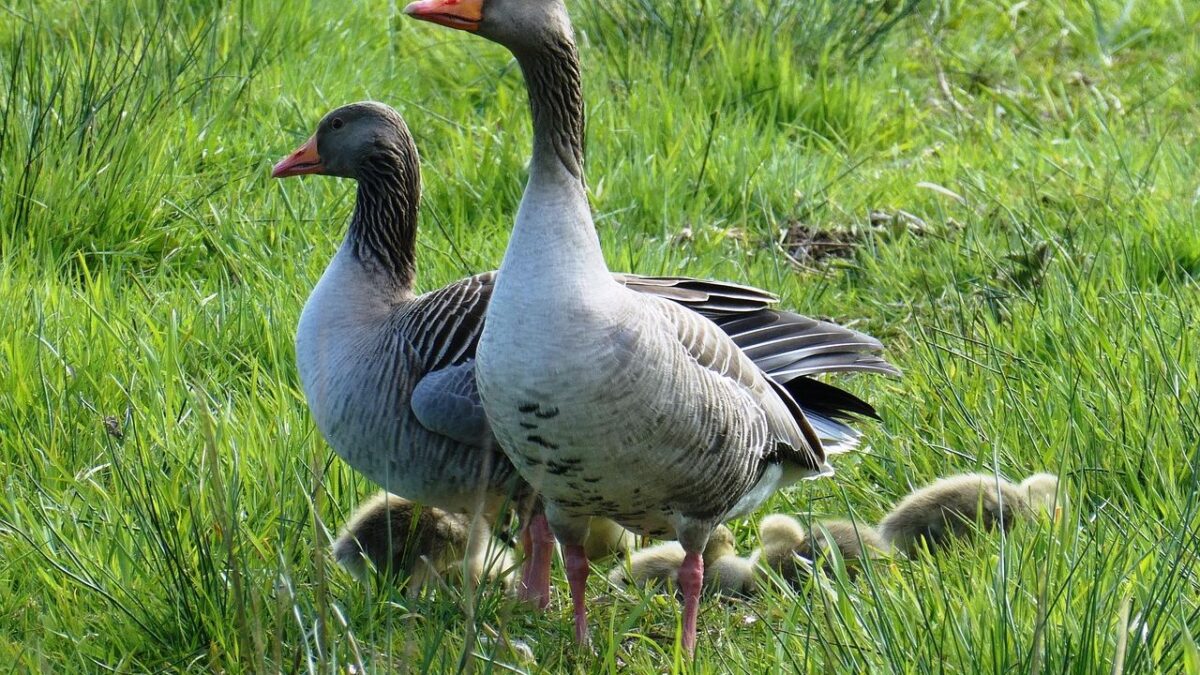
People who spend time near lakes, fields, or migration routes often notice geese acting differently in the days or hours leading up to a shift in the weather. These changes can feel sudden and puzzling, especially when the sky still looks clear overhead.
The patterns have been observed across seasons and regions, sparking curiosity about how these birds pick up on atmospheric shifts long before humans do.
Flying at noticeably lower altitudes
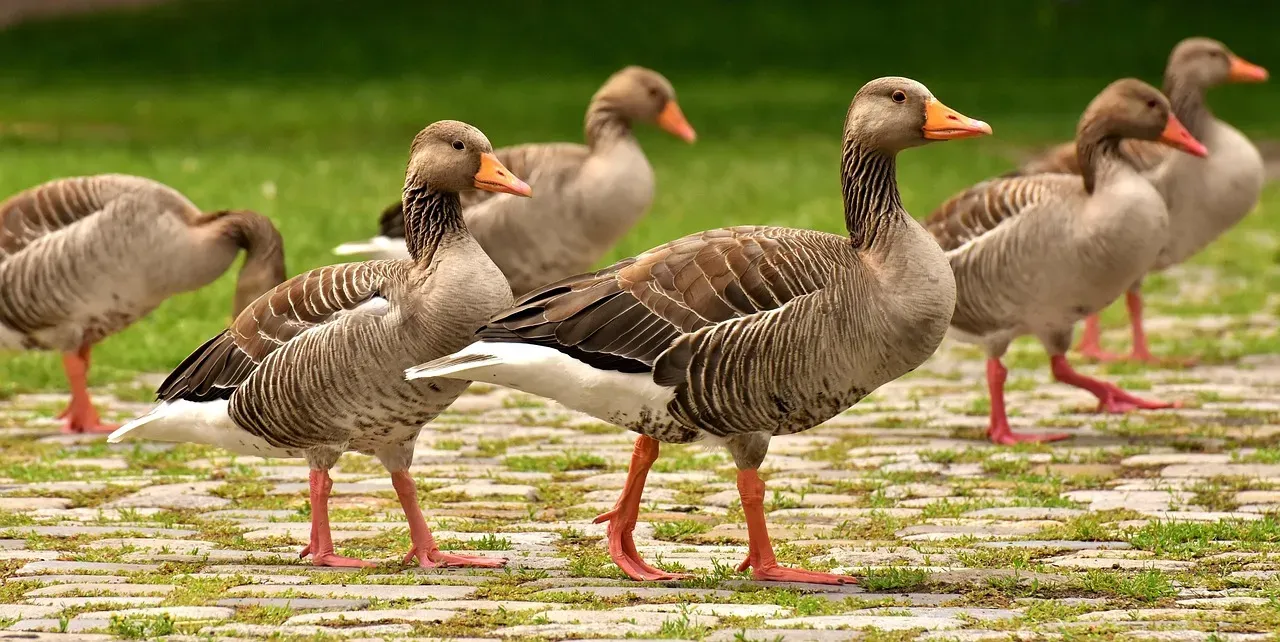
Geese typically cruise at higher elevations during stable conditions, but they drop closer to the ground when pressure begins to fall. This adjustment helps them avoid the turbulence that stronger winds create higher up. Observers often spot the birds skimming just above treetops or water surfaces in the hours before a front arrives.
The lower flight path also lets them conserve energy as conditions deteriorate. It stands out because the same flocks might have been soaring much higher only a day earlier. Such shifts appear consistent enough that longtime watchers treat them as reliable signals.
Gathering into unusually tight groups
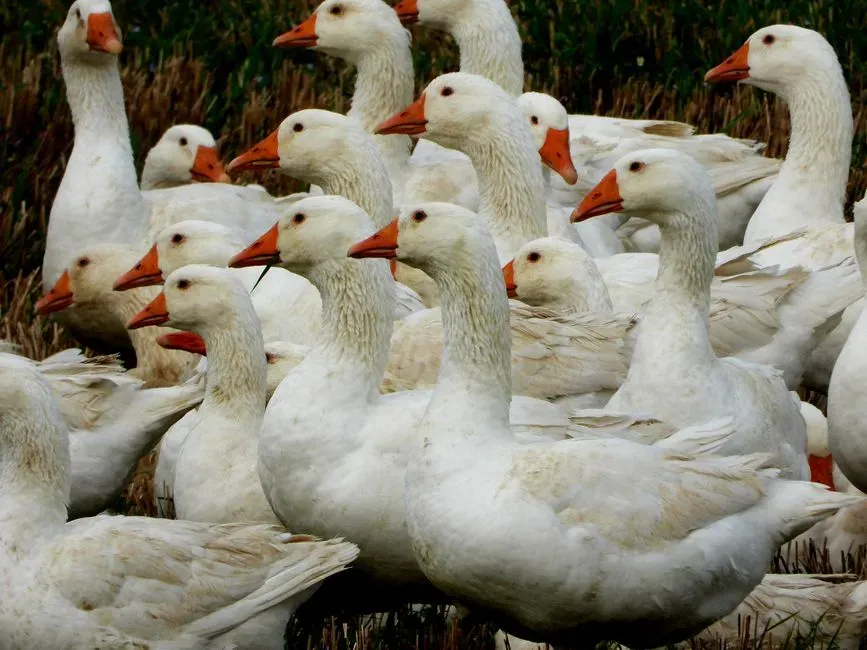
Instead of spreading out across a pond or meadow, geese cluster more closely together before weather turns. The tighter formation seems to offer a sense of security when barometric changes make flying or feeding less comfortable. Flocks that normally forage in loose patterns suddenly bunch up in one corner of a field.
This behavior shows up across different species and locations. It contrasts with their usual preference for space during calm periods. The grouping often precedes rain or wind by several hours.
Feeding more intensely than normal
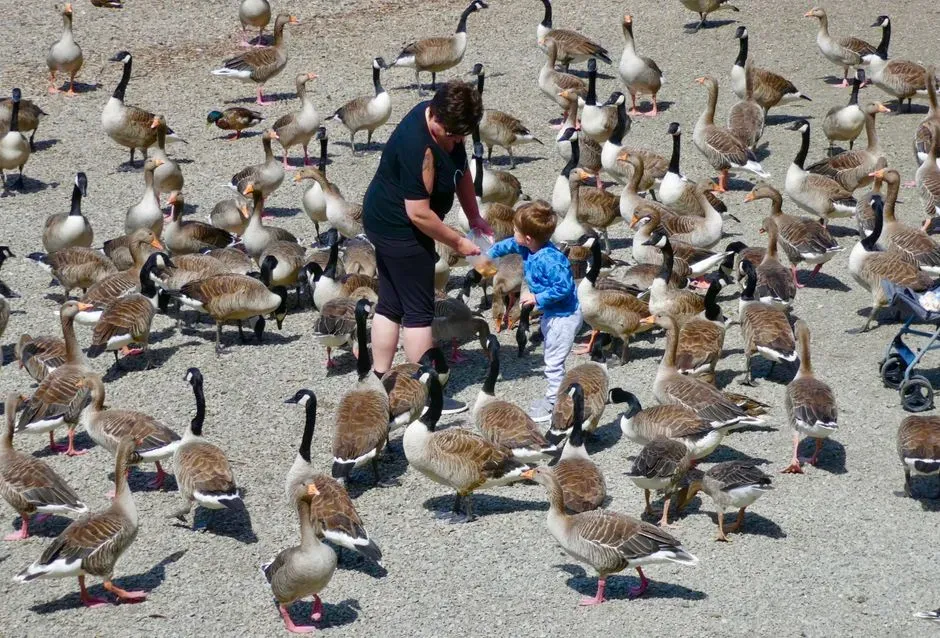
Geese sometimes binge on grass or grain right before a storm, packing in extra calories. The extra eating likely prepares them for periods when foraging becomes difficult or unsafe. Fields that see steady grazing can suddenly host concentrated activity as birds work quickly.
At other times the opposite occurs and they eat less, but the heavy feeding phase stands out more to casual watchers. Either way, the change in appetite timing marks a departure from routine. It reflects an instinctive response to coming instability.
Altering their usual flight direction relative to the wind
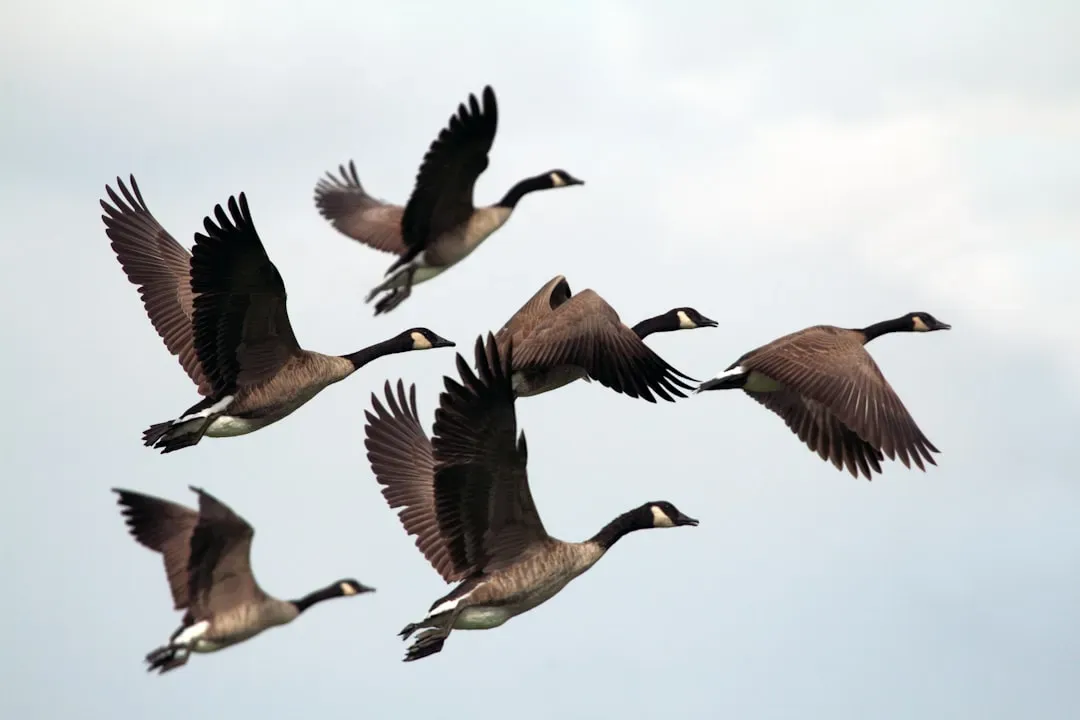
Geese often follow prevailing winds during fair weather, but they reverse or adjust course when a low-pressure system approaches. This shift can send them inland instead of toward the coast or vice versa. The new heading appears even when the wind itself has not yet strengthened noticeably.
Coastal observers have tracked these turns for generations. The adjustment helps the birds stay ahead of incoming moisture or turbulence. It adds a directional clue to the other physical changes.
Producing more frequent or lower-pitched calls
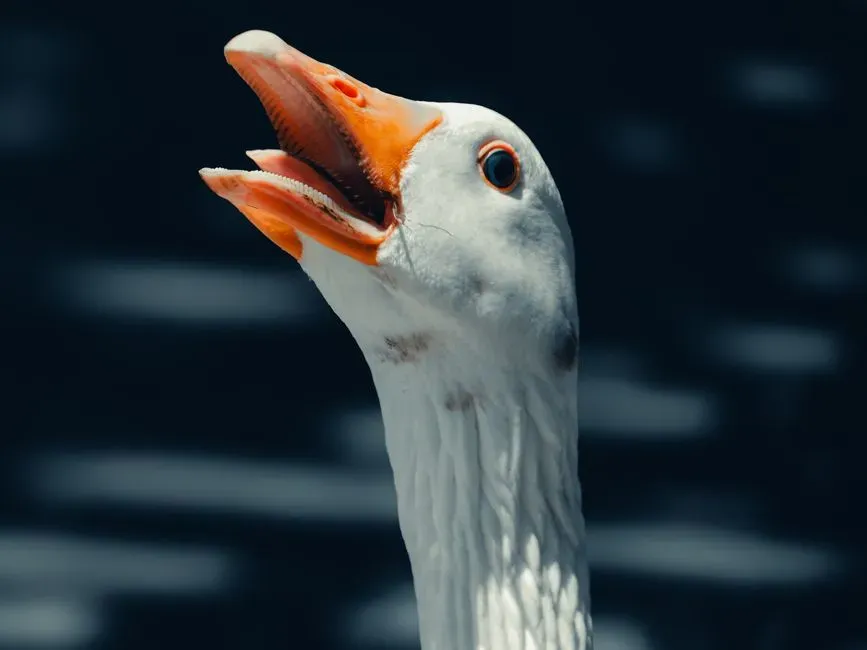
Vocalizations increase or drop in tone as conditions shift. The familiar honks become more insistent or sound deeper, carrying differently across open areas. Flocks that were relatively quiet during the day grow noticeably chatty in the lead-up to change.
The altered calls may help maintain contact when visibility drops or winds rise. They stand out against the background of normal daily chatter. Listeners familiar with local geese notice the difference quickly.
Becoming restless during normally calm periods
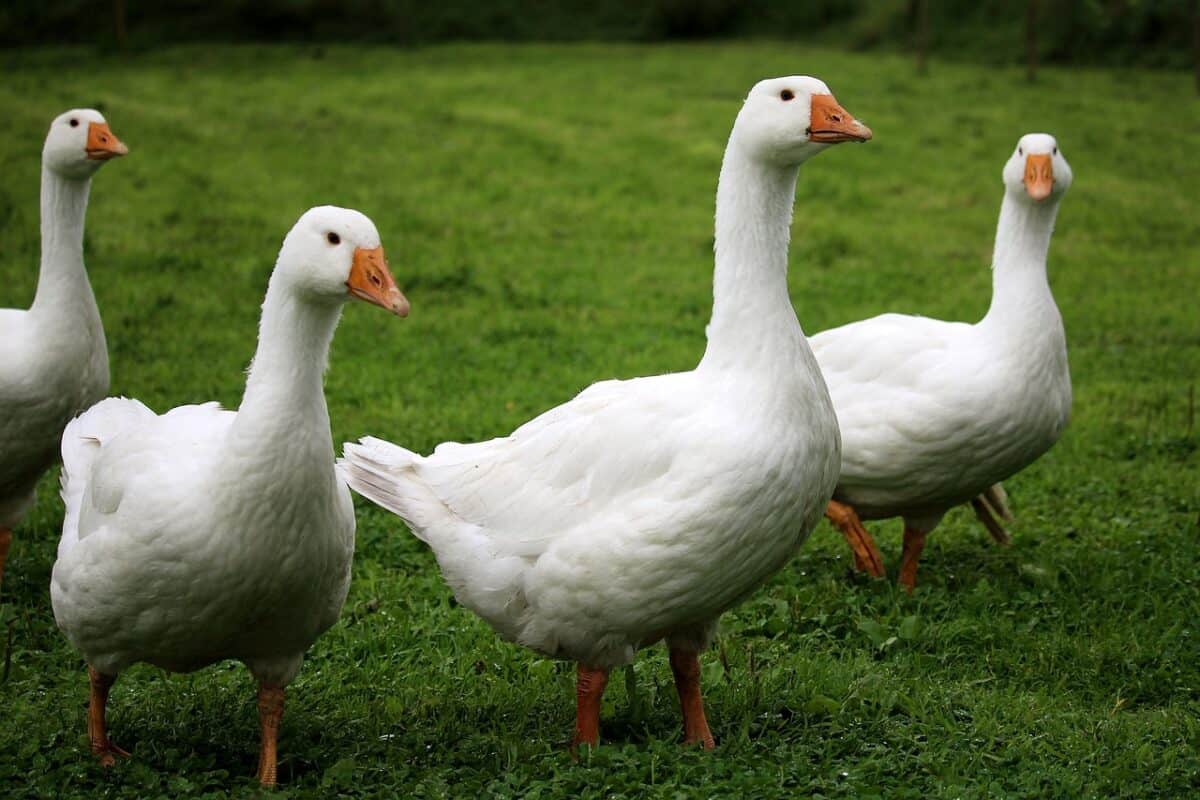
Geese that usually rest or loaf quietly in the middle of the day start pacing or shifting positions. Short flights between nearby spots increase without an obvious reason. The restlessness interrupts their typical rhythm of feeding and preening.
It often builds gradually over a few hours. The birds appear unsettled even though no immediate threat is visible. This unease aligns with other preparatory actions.
Seeking more sheltered spots than usual
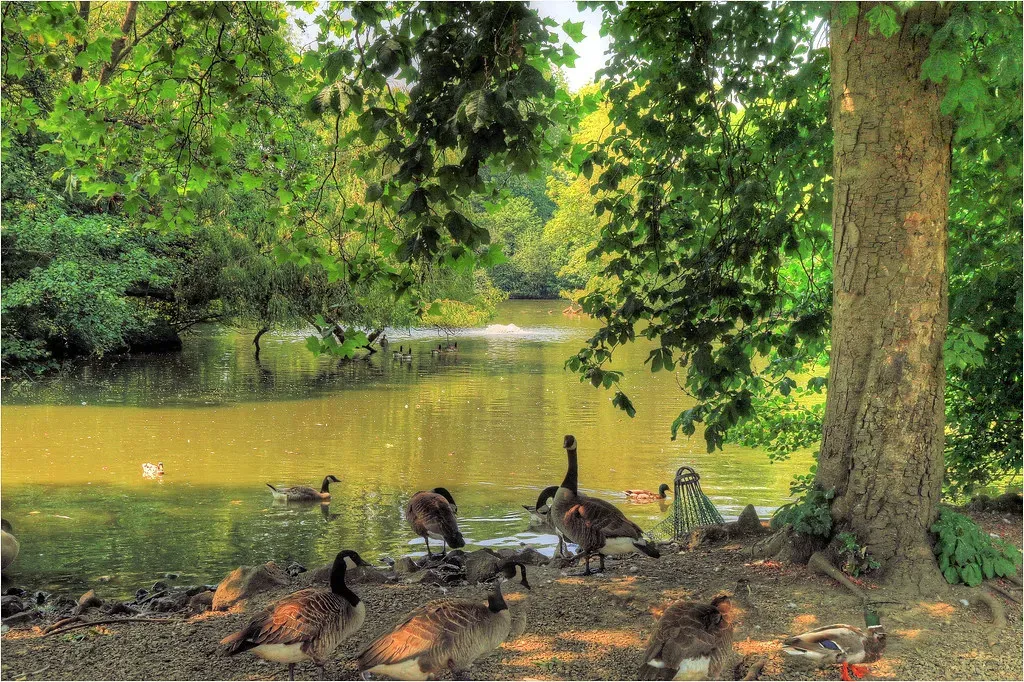
Instead of staying on open water or exposed fields, geese move toward tree lines, banks, or lower terrain. The preference for cover offers protection from the gusts that often accompany pressure drops. They may linger in these spots longer than their normal routine allows.
The choice of location changes even when the weather overhead remains mild. It suggests sensitivity to subtle cues in the air. Such relocation happens across both resident and migratory populations.
Changing roosting times or locations
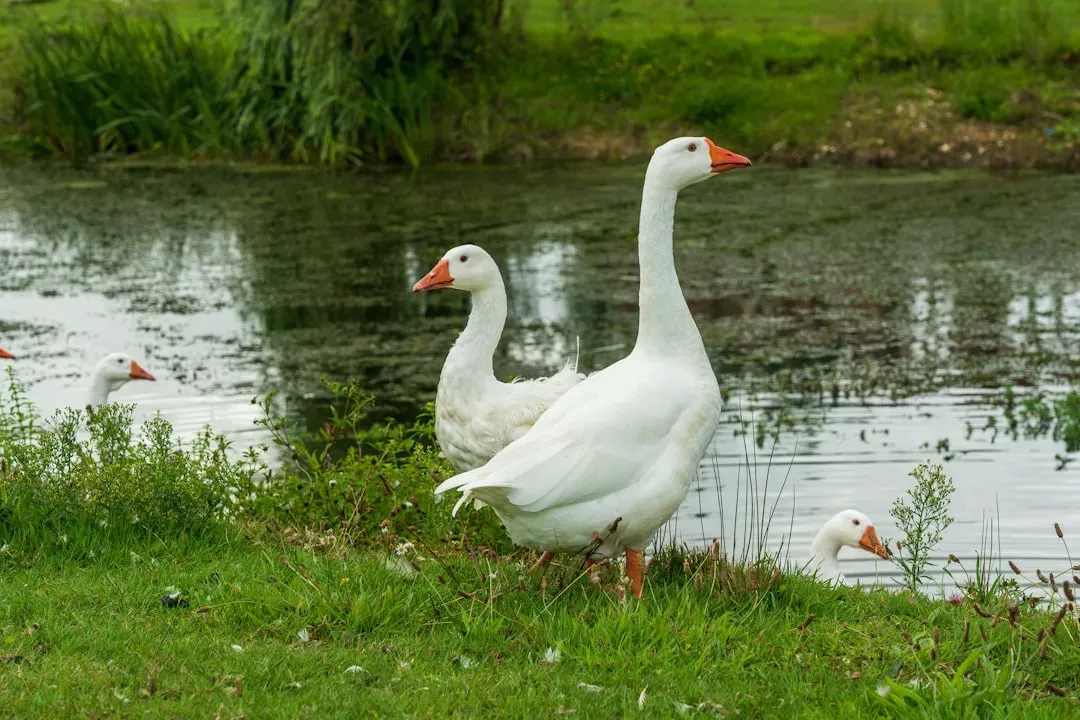
Evening roosts on open water sometimes get abandoned earlier or moved to different sites. Geese that normally settle in the same stretch of river or lake shift to more protected coves. Morning departures can also happen sooner than expected.
These adjustments disrupt the predictable schedule that marks stable weather. They appear tied to the same atmospheric signals that influence flight height. The pattern repeats enough to draw attention from regular visitors to the area.
Showing heightened scanning or alert postures
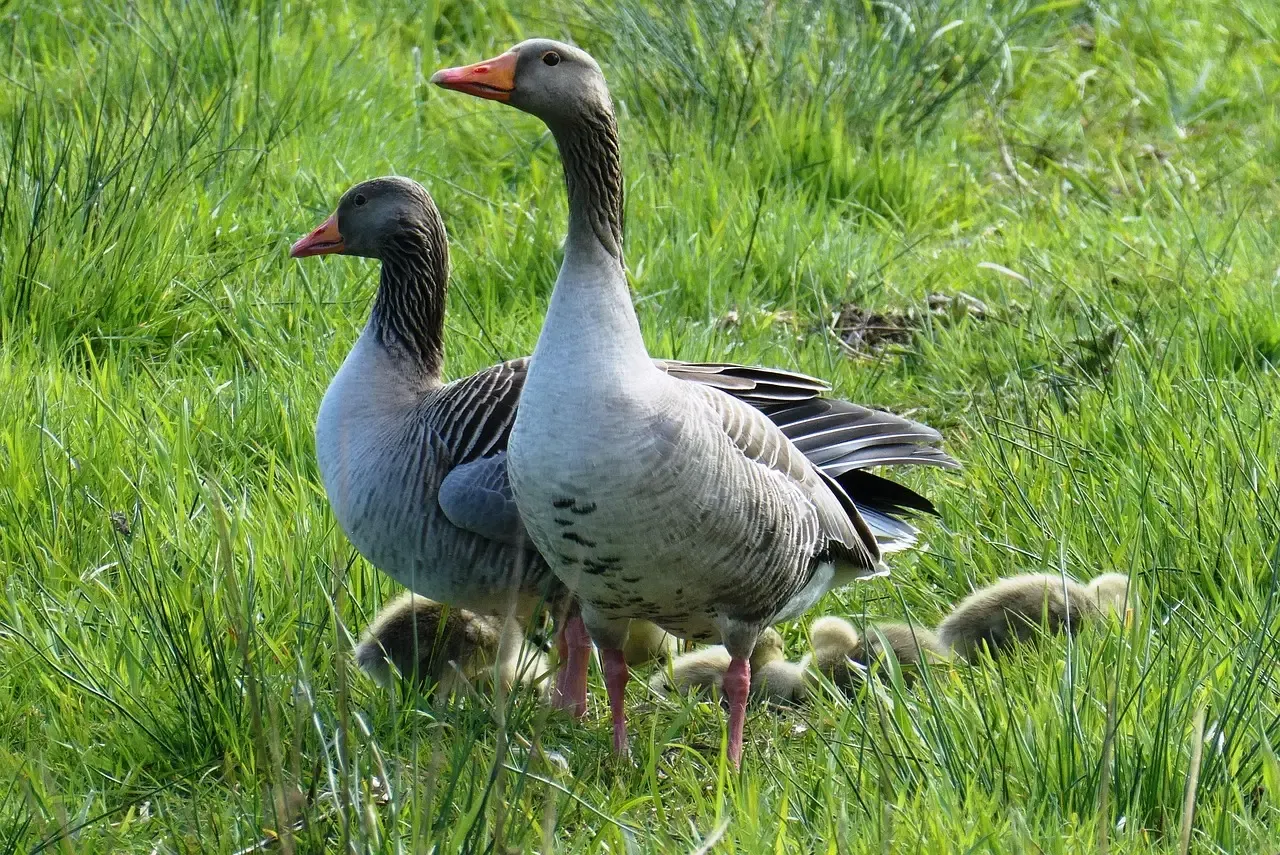
Heads lift more often and necks stretch as geese watch the sky or horizon. The extra vigilance interrupts feeding or resting more frequently than usual. It creates an impression of constant checking for something unseen.
The posture differs from their relaxed stance during settled conditions. It pairs with other changes like tighter grouping. The alertness builds as the weather front draws nearer.
Altering migration timing or route segments
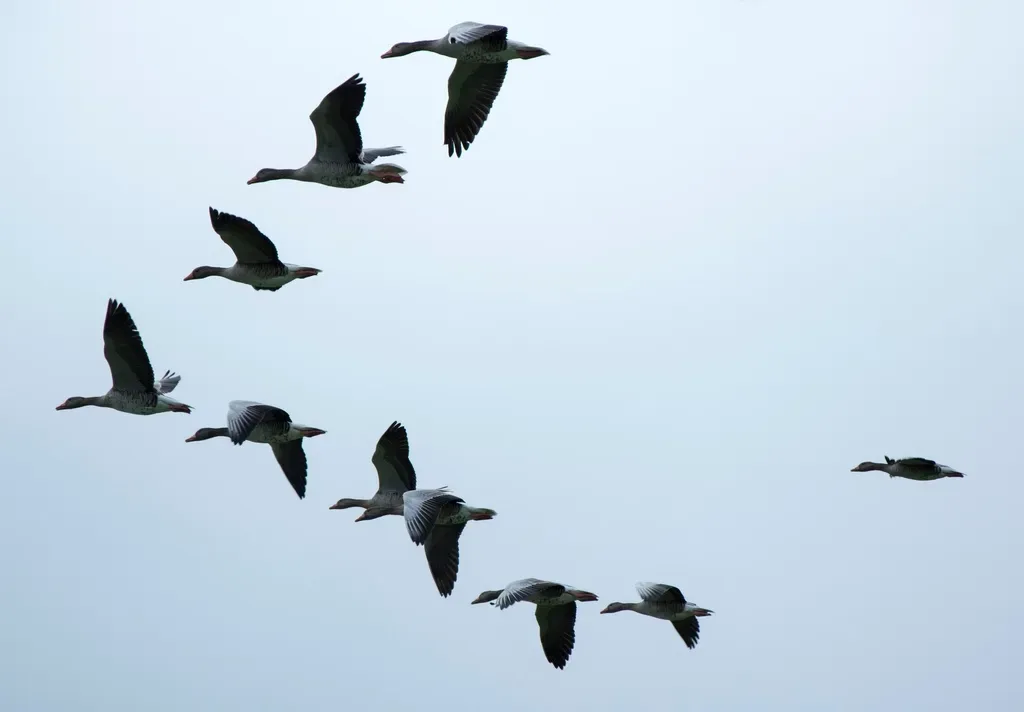
Migrating flocks sometimes pause longer at stopover sites or accelerate short segments of their journey. The adjustments respond to temperature or pressure cues that signal better or worse flying ahead. Birds that normally follow a steady schedule deviate noticeably.
These shifts can occur days before the actual weather arrives. They help conserve energy for tougher stretches. The flexibility shows up in both spring and fall movements.
Increasing preening or maintenance activities
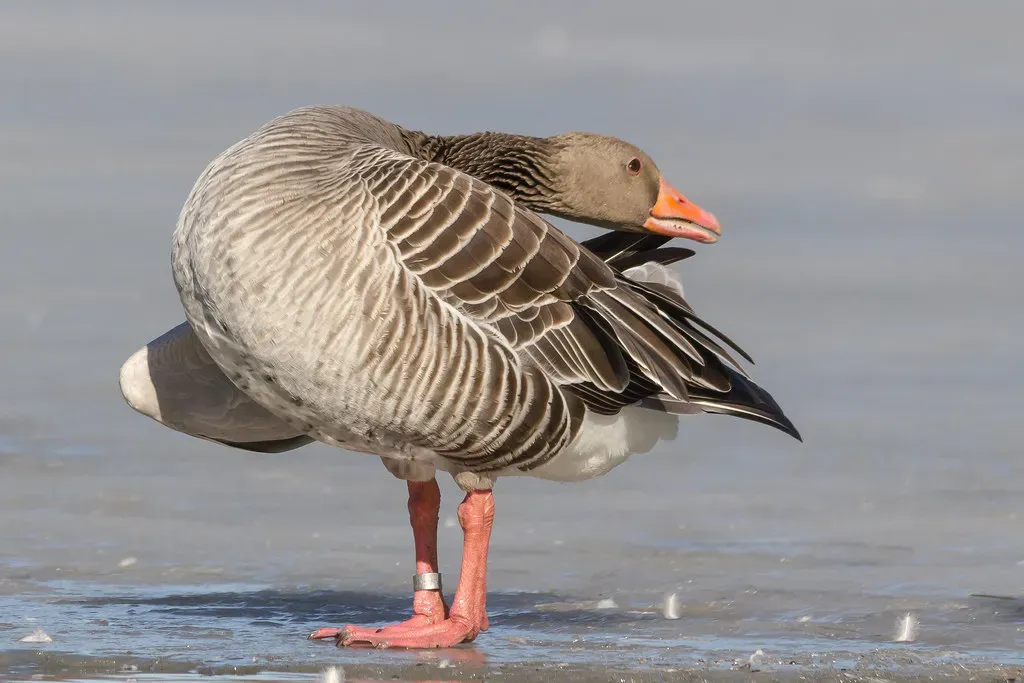
Geese spend extra time straightening feathers and oiling plumage before conditions worsen. The grooming may prepare their insulation and flight surfaces for rain or wind. Sessions last longer and happen at odd times of day.
The behavior stands out because it replaces other activities like foraging. It appears across age groups within the flock. The extra care aligns with the overall preparation theme.
Forming tighter V or line patterns during short flights
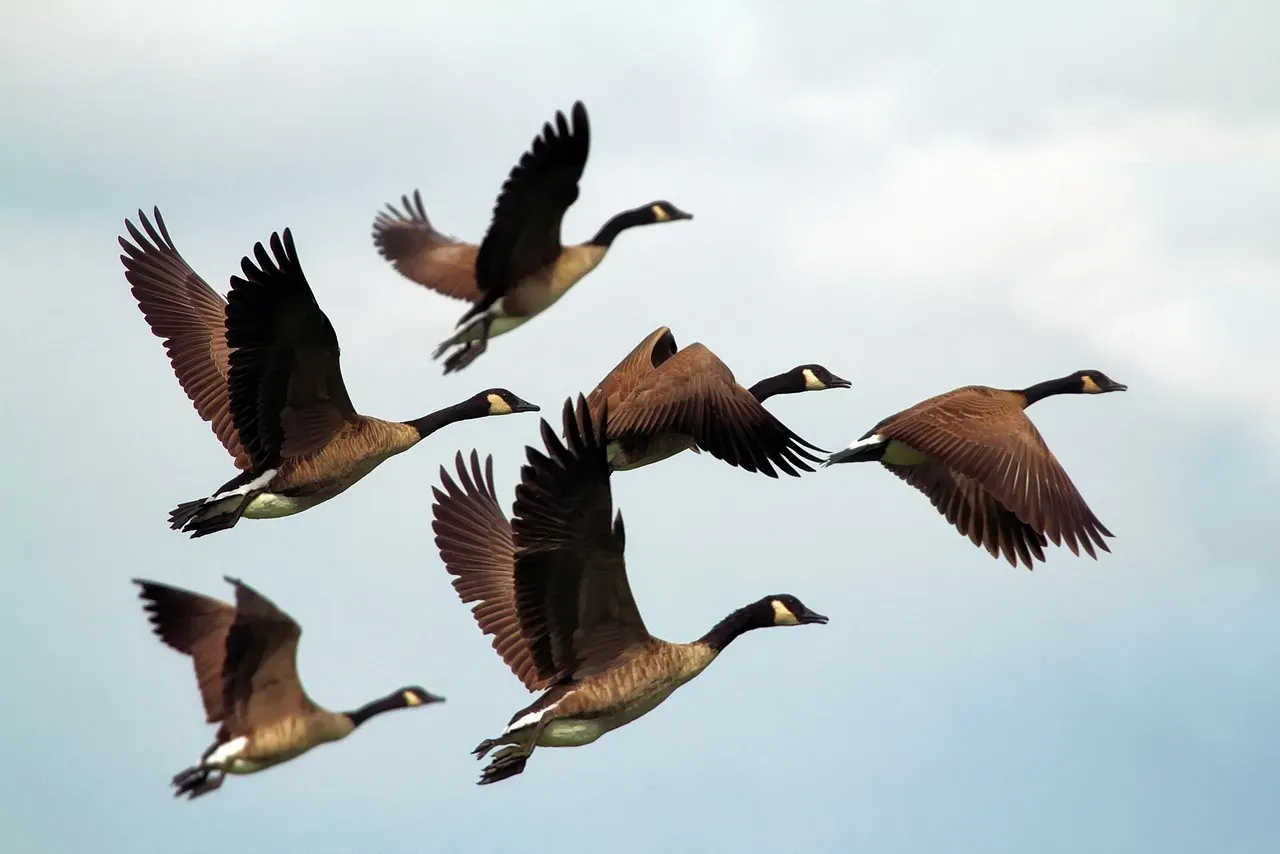
Even brief movements between feeding areas show more organized formations than usual. The birds maintain closer spacing and clearer leadership roles. This structure contrasts with the looser arrangements seen in calm weather.
The tighter lines may reduce wind resistance or improve communication. They become visible even in small groups. The change adds another visual marker to the list of preparatory signs.
These patterns remind us that animals often register environmental shifts through senses we do not fully share. Paying attention to them can deepen appreciation for the natural world around us. Over time the observations connect people more closely to the rhythms that shape daily life outdoors.

- What Makes Wolves Howl at the Moon? - July 26, 2026
- 8 Worst Invasive Animals in the United States - July 26, 2026
- 11 Summer Garden Mistakes Experts Finally Stop Making - July 26, 2026