
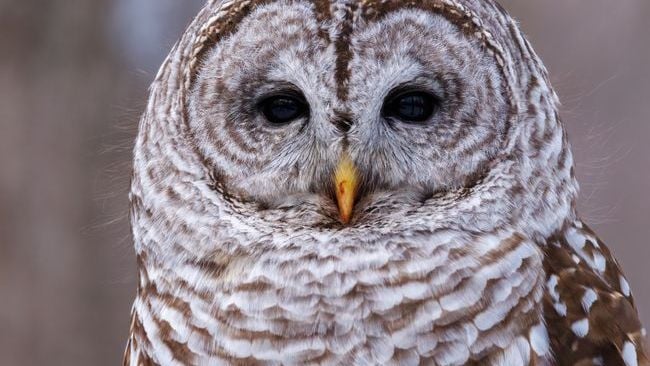
The Deep, Resonant Hoot
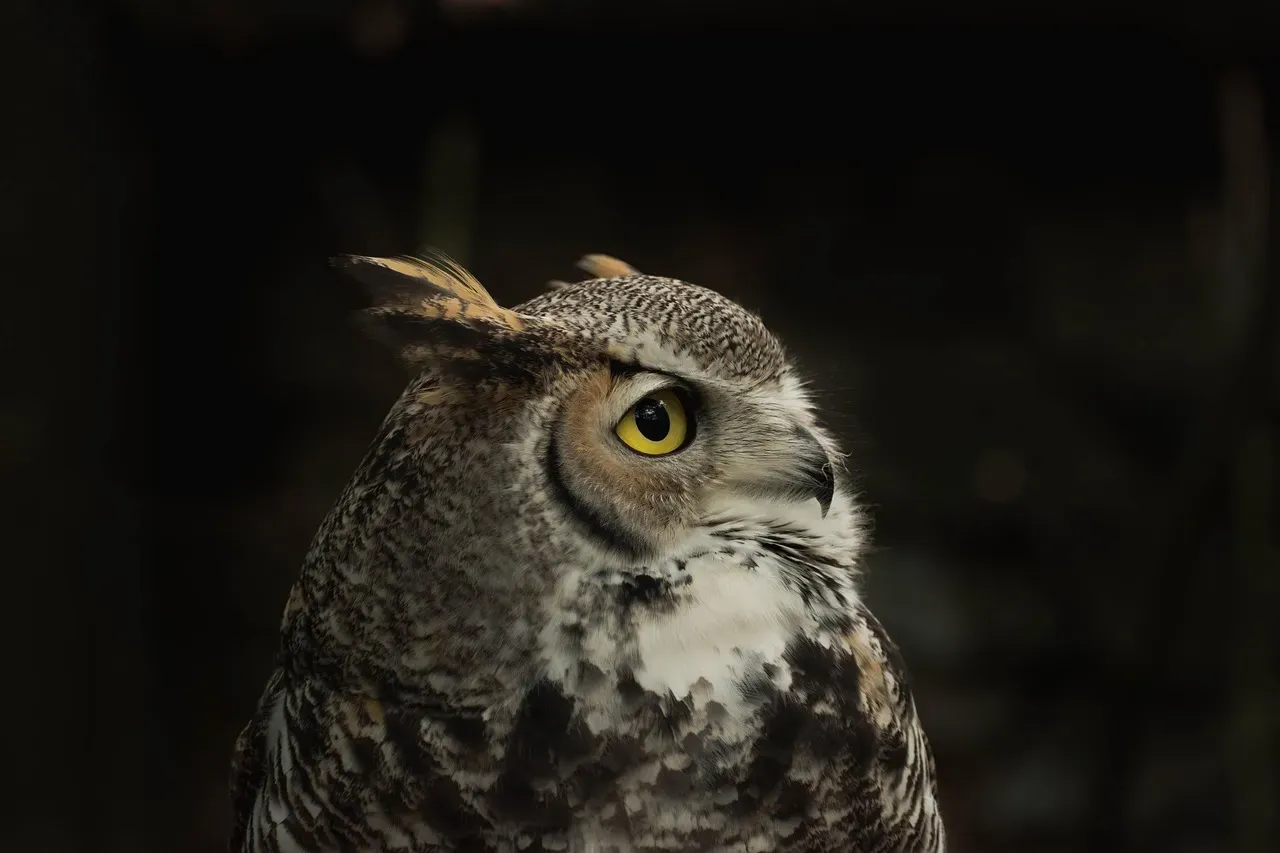
Great horned owls produce a series of low, booming hoots that carry across long distances on still nights. Males use this call to claim territory and warn rivals to stay away, while pairs sometimes exchange softer versions during courtship. The rhythm often follows a pattern of five or six notes that feels almost conversational when you listen closely.
Females add their own slightly higher version, creating a back-and-forth that strengthens the bond between mates. This sound peaks in late fall and winter when nesting season begins, even though most other birds stay silent. Hearing it can feel like the landscape itself is speaking.
The Classic “Who Cooks for You” Call
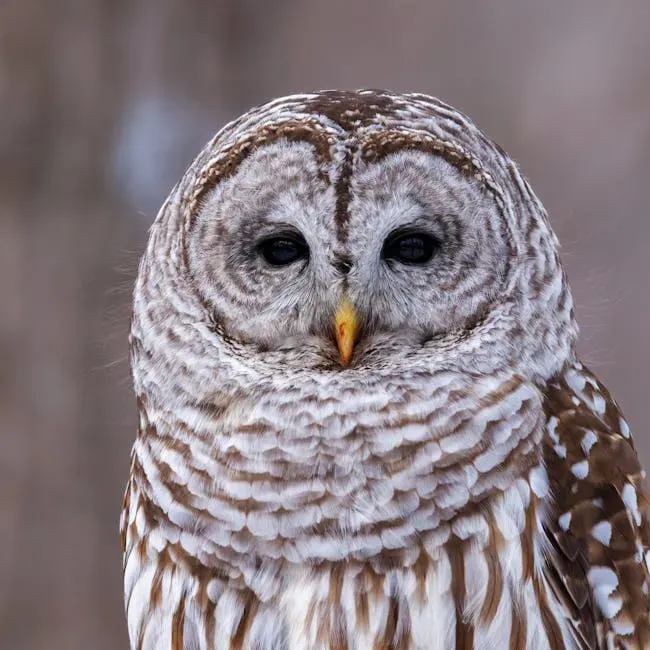
Barred owls deliver a distinctive eight-note phrase that many people translate as “who cooks for you, who cooks for you all.” This hoot serves mainly to mark territory and locate other members of the species in dense forests. Pairs often perform duets that grow more animated when they feel secure in their surroundings.
Young barred owls sometimes add excited variations that sound almost like laughter or barking. The call travels well through thick woods where visibility is low, helping the birds stay connected without needing to see one another. It remains one of the most recognizable night sounds in eastern North America.
The Bloodcurdling Screech
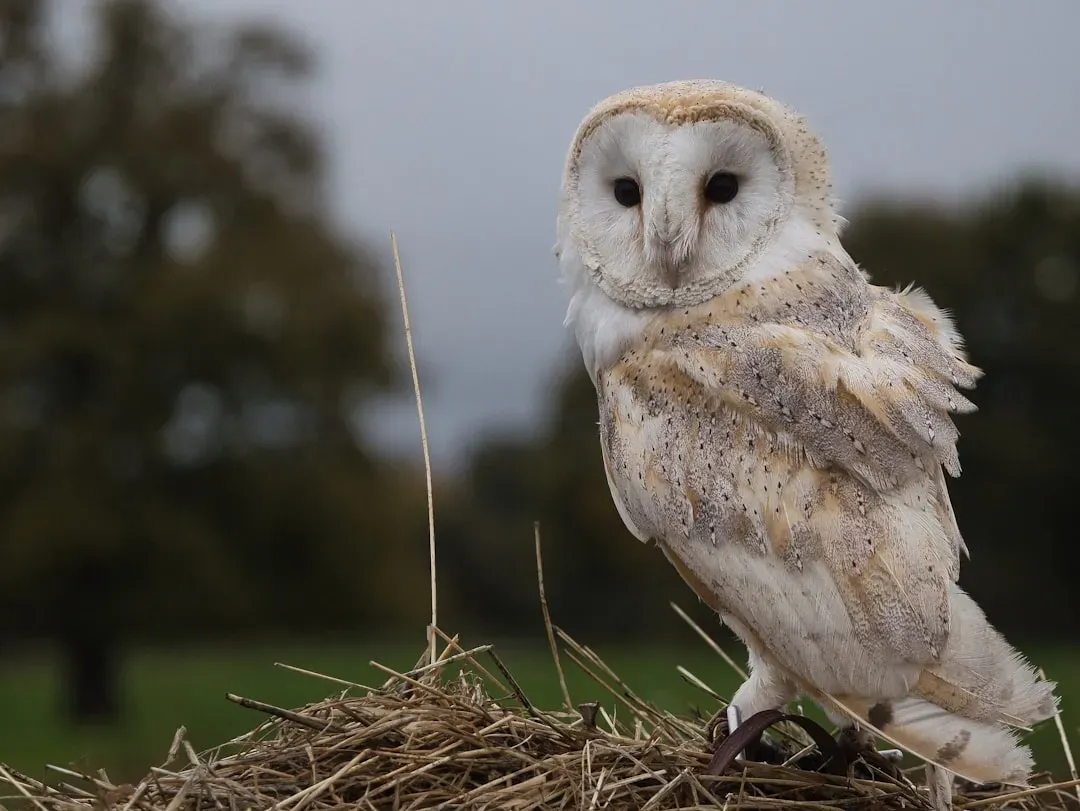
Barn owls emit a long, raspy scream that many listeners describe as haunting or even human-like. This piercing call functions as a contact signal between mates or parents and offspring, especially when one bird returns to the nest with food. It can also serve as an alarm when danger approaches.
The scream carries a raw, unfiltered quality that stands out against the quieter hoots of other species. Females tend to produce longer versions during breeding season, while males keep theirs shorter and more abrupt. The sound often echoes from old barns, silos, or hollow trees where these owls prefer to roost.
The Trembling Whinny
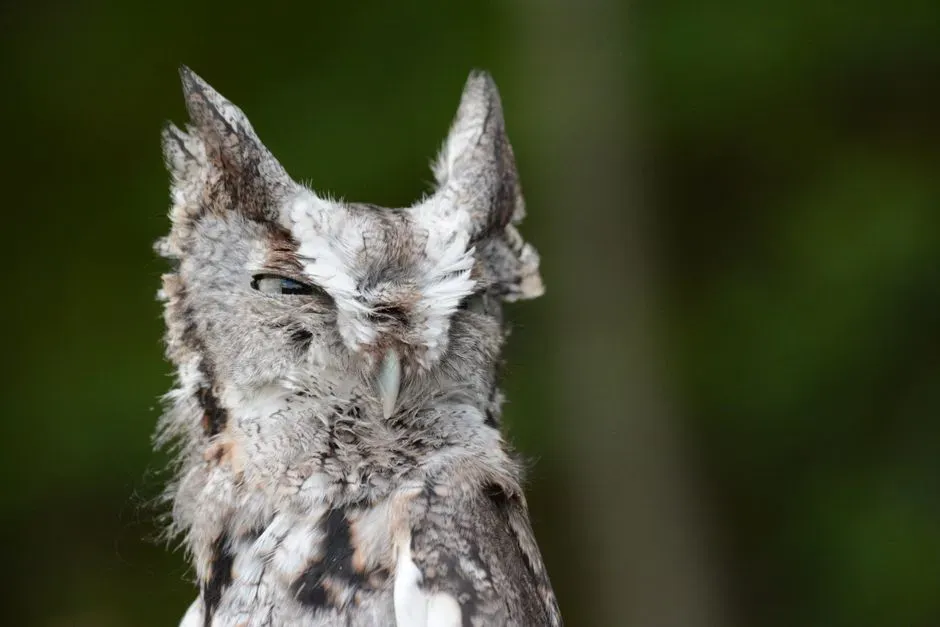
Eastern screech owls let out a soft, wavering whinny that rises and falls like a tiny horse in the distance. This call helps establish territory and can double as a mild alarm when something unfamiliar enters their space. It sounds surprisingly gentle compared with the louder hoots of bigger owls.
Both males and females use the whinny, though males deliver it more frequently during spring courtship. The tremolo quality makes the sound travel clearly through suburban yards and wooded edges where these small owls live. Listeners often mistake it for a distant whistle at first.
The Sharp Bark or Yelp
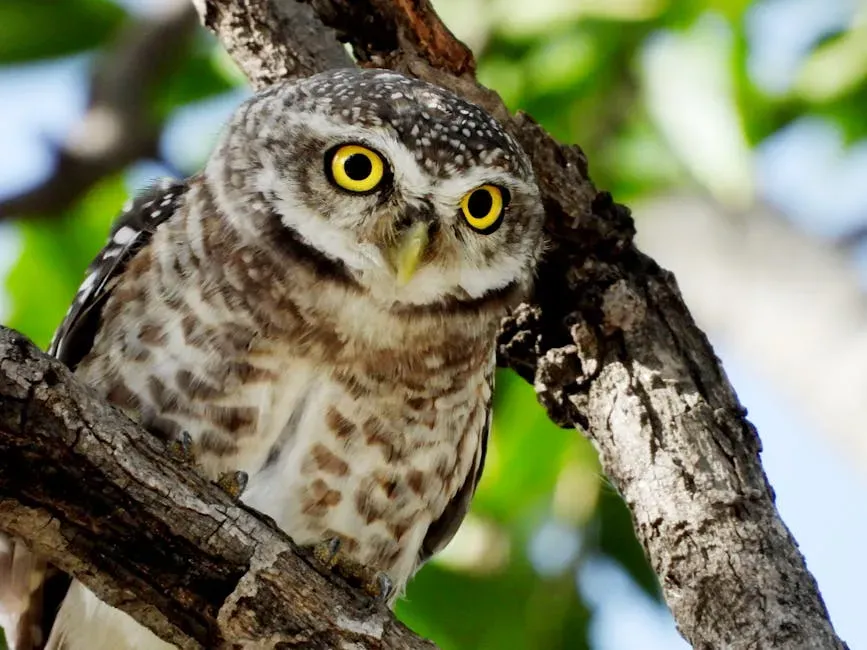
Several owl species, including great horned and barred owls, produce quick barking sounds when they feel threatened or need to alert family members. These short, explosive notes cut through the night air and signal immediate concern about a predator or intruder. They differ from the longer hoots by their abrupt, almost dog-like quality.
Young owls rely on barking calls to beg for food or announce their location when separated from parents. Adults reserve the sound for moments of real urgency, such as when a raccoon or larger bird approaches the nest. The bark serves as an efficient warning that requires little energy to repeat.
The Raspy Hiss
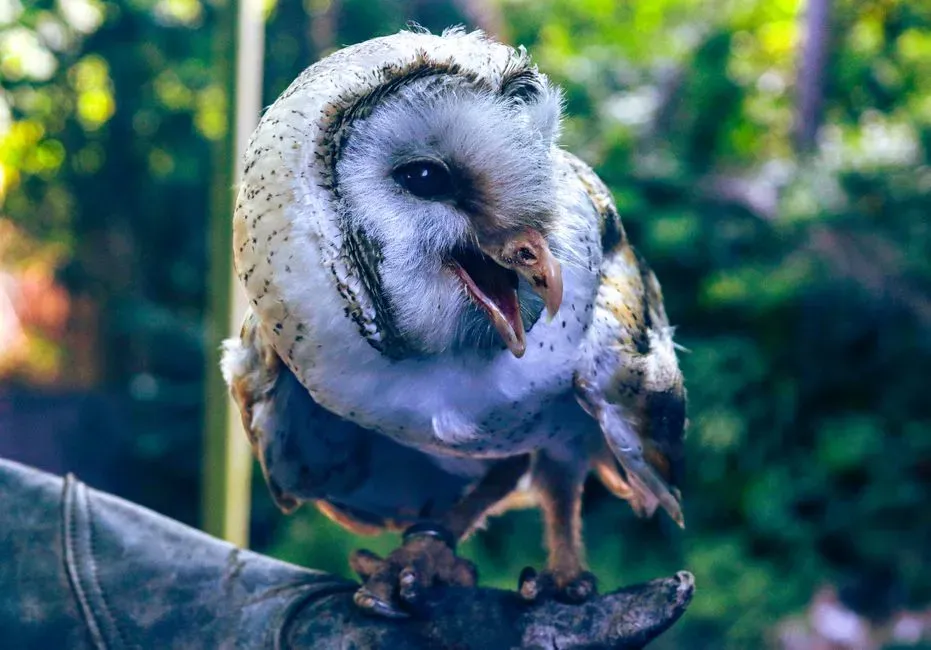
Owls hiss when they want to intimidate a threat without engaging in a full fight. The sound comes from air forced through the beak and often accompanies bill snapping for extra emphasis. Barn owls and screech owls use hissing most often when cornered or protecting eggs and chicks.
The hiss carries a warning tone that other animals recognize quickly, giving the owl time to assess the situation. It tends to occur at close range rather than across long distances. Many people first notice it when an owl feels its roost has been discovered during daylight hours.
The Monkey-Like Chatter
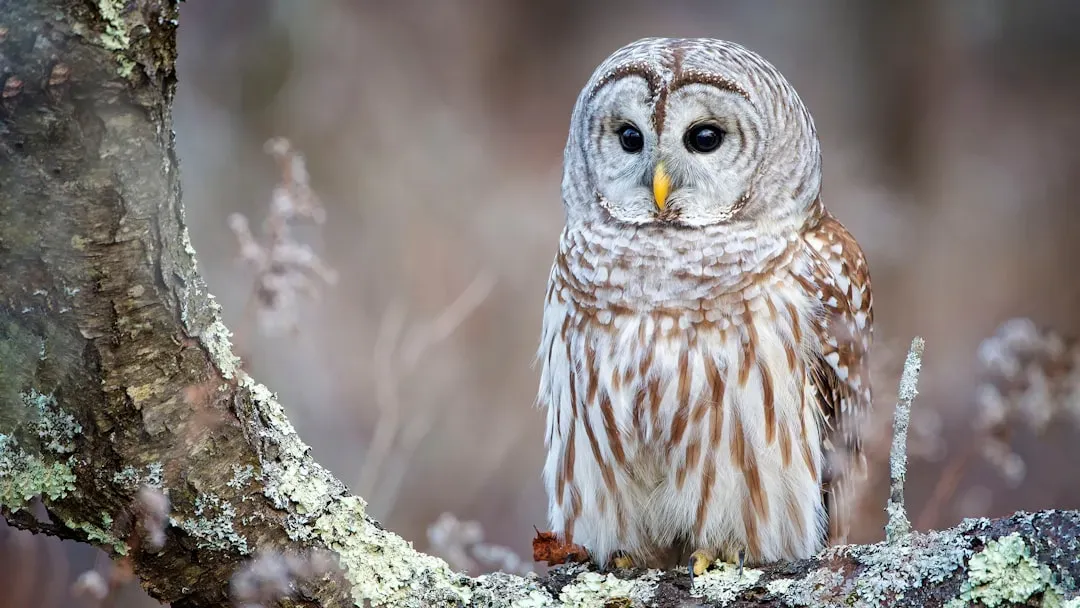
Barred owls sometimes break into a series of cackles, gurgles, and whoops that resemble primate calls more than typical bird song. These animated outbursts usually happen during territorial disputes or when a pair works together to chase away an intruder. The sound can last several seconds and varies in pitch and rhythm.
Listeners often find the chatter startling because it seems too lively for a nocturnal predator. It helps coordinate group defense without the need for visual signals in the dark. The call reinforces social bonds within the pair while sending a clear message to outsiders.
The Soft Coo or Purr
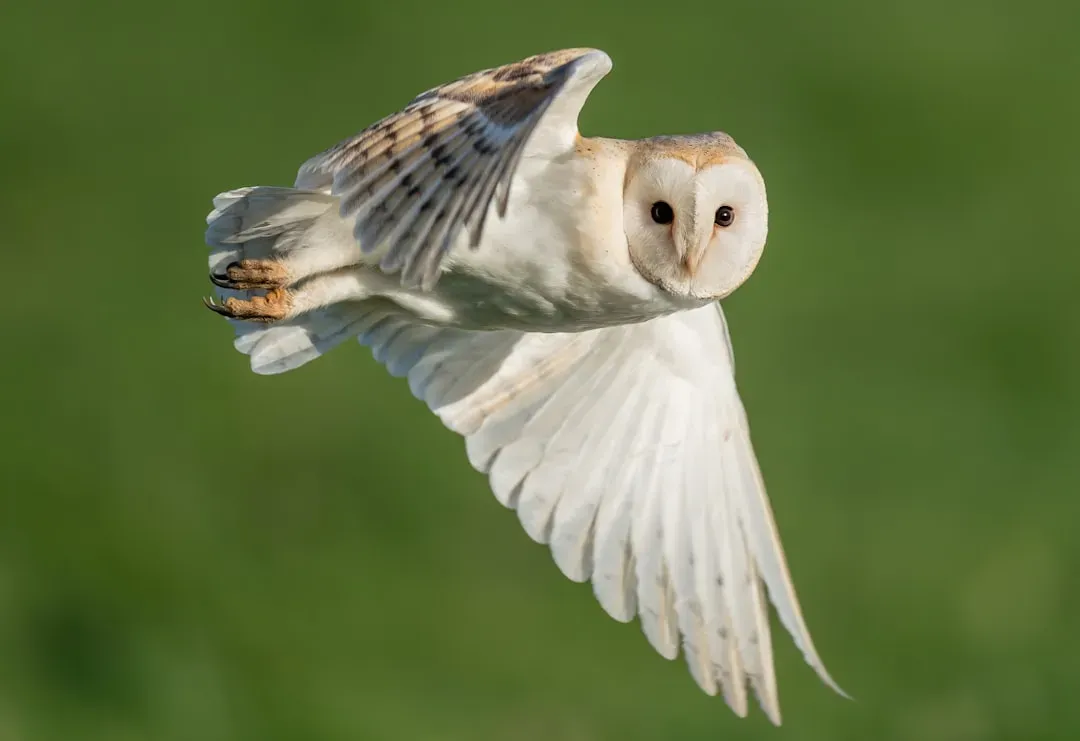
During close interactions, barn owls and some screech owls produce gentle cooing or purring sounds that resemble a cat’s contented rumble. These quiet vocalizations strengthen pair bonds and calm young birds during feeding time. They stand in contrast to the louder calls used for long-distance communication.
The coo often appears when one owl preens another or settles onto a shared perch. It carries only a short distance, making it a private signal rather than a public announcement. People rarely hear it unless they happen to be near an active nest or roost.
The High-Pitched Twitter or Chirp
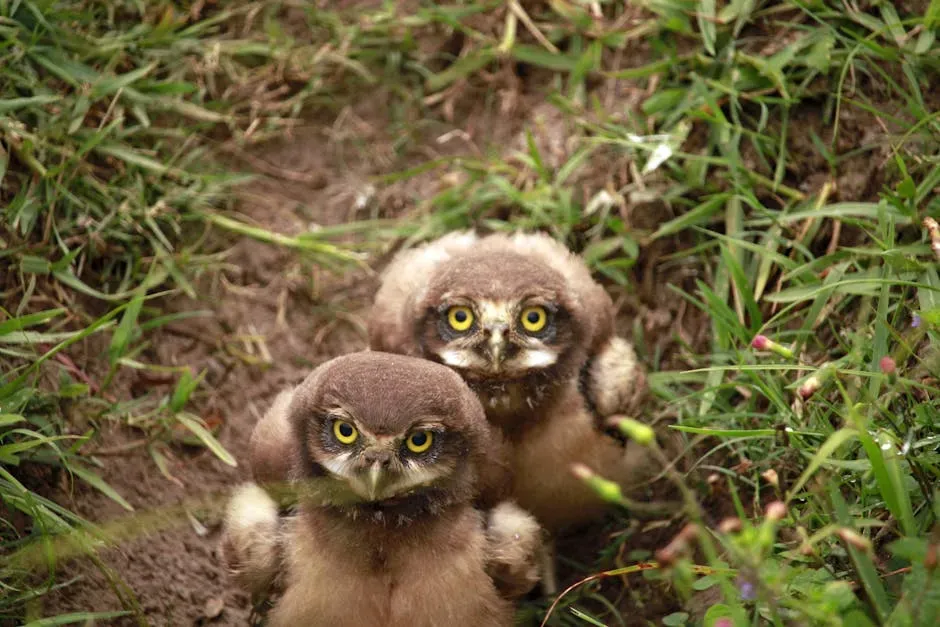
Young owls of several species emit rapid twittering notes when they beg for food or stay in touch with siblings. These high, quick sounds help parents locate hungry chicks inside dark cavities. The twitter can continue for minutes at a time during peak feeding hours after sunset.
Adult owls occasionally add similar chirps during courtship or when moving through dense cover. The sound remains light and almost insect-like, which helps it blend into the background until you focus on it. It serves as an important early communication tool for growing owlets.
The Bill Snap and Wing Whoosh
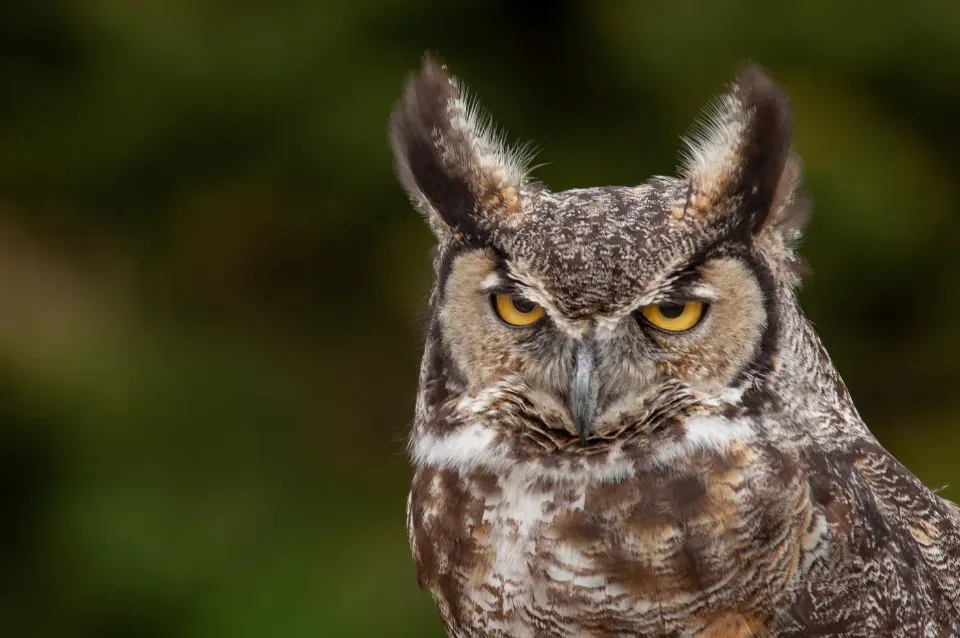
Owls create non-vocal sounds by snapping their beaks together or clapping their wings during flight displays. The sharp click of a bill snap warns off threats at close range, while wing whooshes add drama to territorial flights or mating rituals. These mechanical noises complement the vocal repertoire.
Great horned owls in particular use bill snaps when defending nest sites from curious animals or humans. The wing sound becomes noticeable during silent glides that suddenly accelerate into a clap. Both signals reinforce the owl’s presence without requiring much energy.
Owls remind us that the night holds its own language, one shaped by necessity rather than performance. Learning to recognize these calls turns an ordinary evening into something richer and more connected to the wild around us. The next time a strange sound drifts through the darkness, pause and listen. It might just be an owl telling its story.
- 8 US Cities Reeling Under Flooding Problems - July 26, 2026
- The Secret Lives of Nocturnal Wonders: Animals That Thrive Under Moonlight - July 26, 2026
- 8 Reasons Cedar Waxwings Pass Berries From Beak to Beak - July 26, 2026