
You did everything right. You set alarms, studied the guides, stocked up on enzyme cleaner, and armed yourself with endless patience. Yet somehow, your dog still treats your living room rug as a perfectly acceptable bathroom. If that sounds painfully familiar, the problem might not be your technique. Some dogs are simply, stubbornly, famously hard to housebreak, and the reasons go deeper than attitude.
This isn’t about intelligence. Many of the hardest dogs to housetrain are actually quite smart. The stubbornness is often a result of their breeding. For hundreds of years, certain dog breeds were hardwired for a specific job or task. That job didn’t always require listening to a human, and those instincts don’t simply disappear because you’ve moved the dog indoors. What follows is an honest look at 17 breeds that consistently challenge their owners during housebreaking, and why each one is wired the way it is.
#1: Dachshund
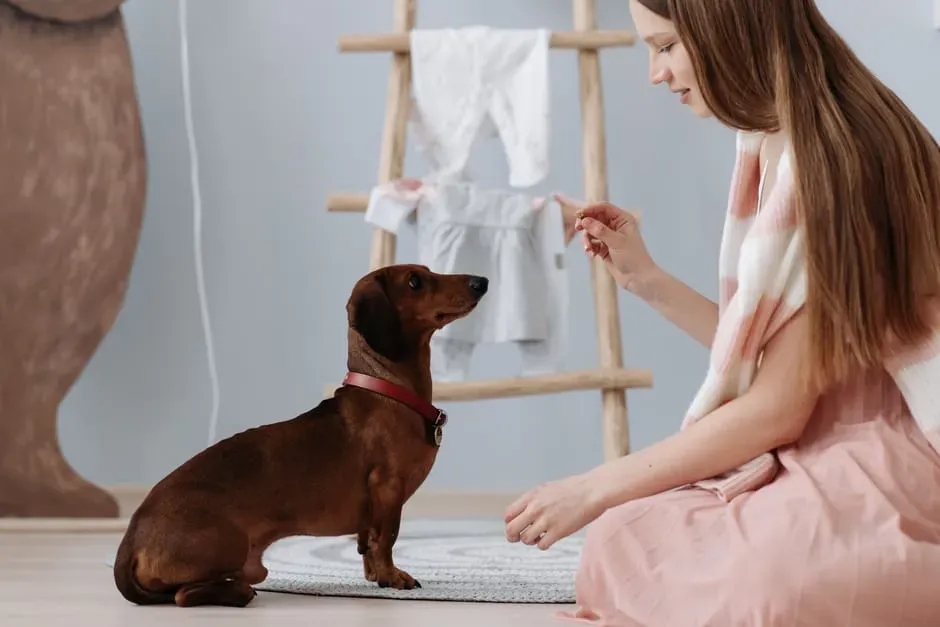
Dachshunds are often ranked the hardest breed to potty train. Vivacious, friendly, and ever-alert, Dachshunds were bred to be independent hunters of dangerous prey. That fierce self-reliance is part of what makes them so endearing, but it also makes convincing them to follow a bathroom schedule a genuine uphill battle.
Dachshunds are smart but stubborn, and they’re also tough to lure outside in rain or snow, as they don’t usually enjoy inclement weather. They are stubborn to a degree that it can take about a year for them to be fully potty trained. Consistency and positive rewards are your best tools here, and you’ll need both in generous supply.
#2: Shih Tzu
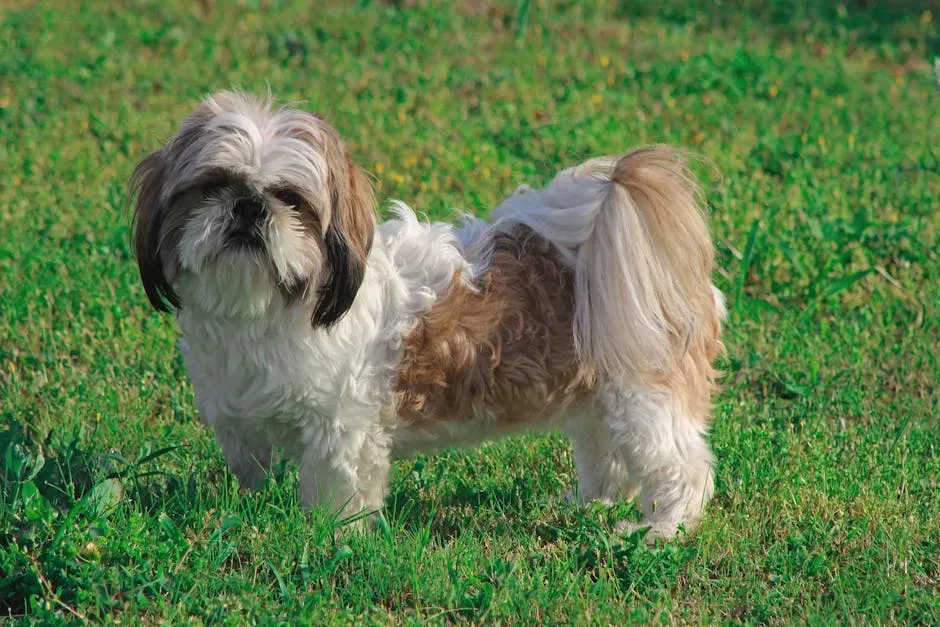
Taking the number one spot on many trainers’ lists of difficult dogs to potty train is the beloved toy breed, the Shih Tzu. These dogs have a remarkable talent for making you feel like the training is going beautifully, right up until the moment it clearly isn’t. Their charm is their biggest weapon.
According to the AKC, “Training a Shih Tzu can be both an amusing and a frustrating experience.” The breed tends to charm its owner into letting it have its own way, which can result in a dog that is less than completely housebroken. The breed tends to charm its owner into letting it have his own way, and to see the best results, owners should use praise and rewards rather than harsh corrections to reinforce good behavior.
#3: Bichon Frise
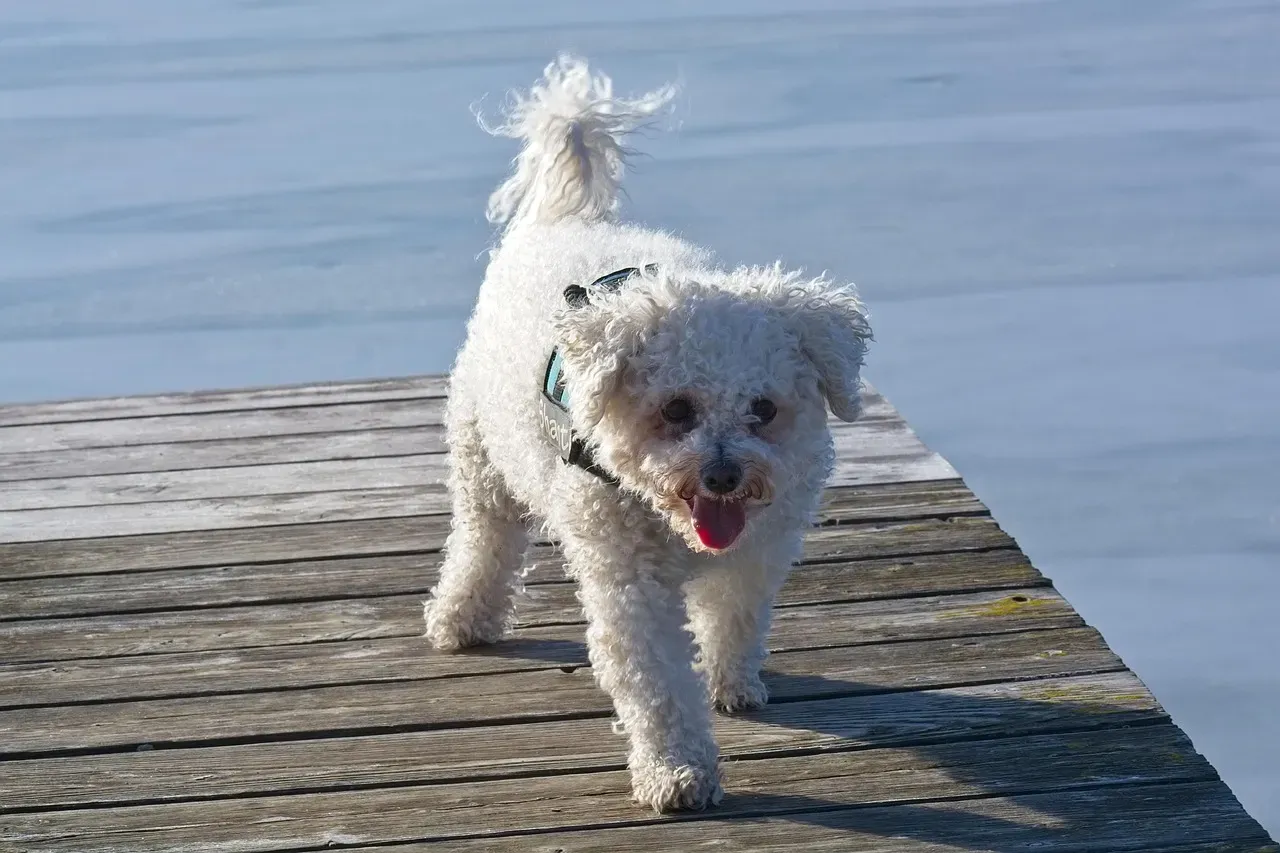
The AKC says that Bichon Frises “have a reputation for being difficult to housebreak,” and the breed is described as “fiercely independent” and “tends to be picky about going outside when it’s rainy or cold out.” That reluctance to venture out in bad weather is one of the more consistent complaints from Bichon owners, and it persists well beyond puppyhood.
As a toy breed, the Bichon Frise is an adorable dog, but Bichons are very independent and stubborn, so consistency and firm expectations are key. They can be sneaky and might choose a corner for their business. On the bright side, the AKC notes that in every other area of training, Bichons tend to respond well to positive reinforcement, so the issue really is specific to housebreaking.
#4: Jack Russell Terrier
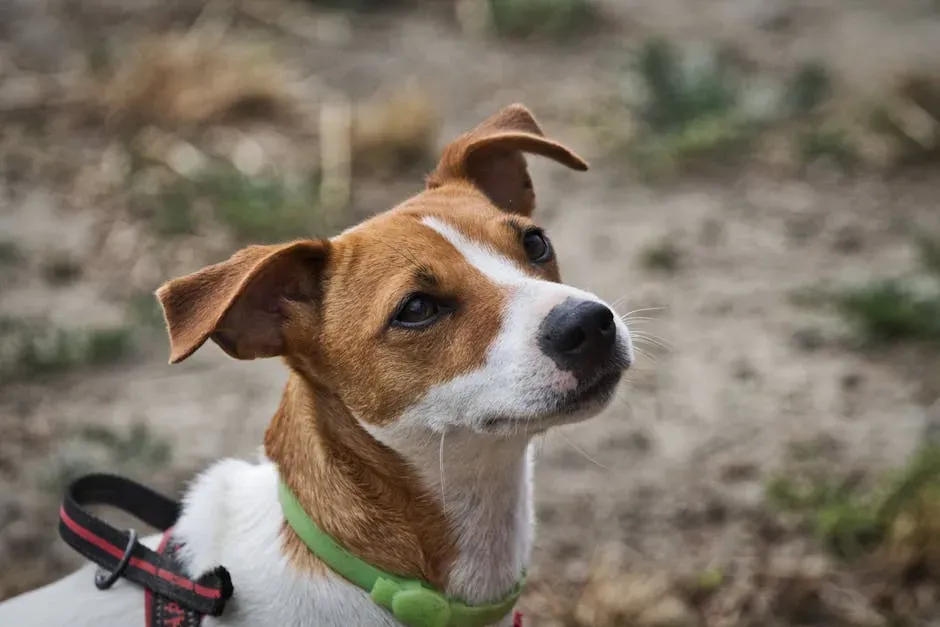
According to MedNet Direct, “Of all of the terrier breeds, the Jack Russell is, hands down, the most difficult to housetrain,” and “Jack Russells can be some of the most stubborn dogs out there.” Their intensity is part of what makes them such entertaining companions, but that same relentless energy works directly against them during housebreaking.
Jack Russell Terriers are a very intelligent breed that can be very creative in finding ways to break rules if they don’t respect the person training them. The key to training a Jack Russell is to start young so they come to see you as the dominant figure in the home. The Jack Russell Terrier struggles to potty train on a timeline, with high energy levels and a short attention span being most likely to blame.
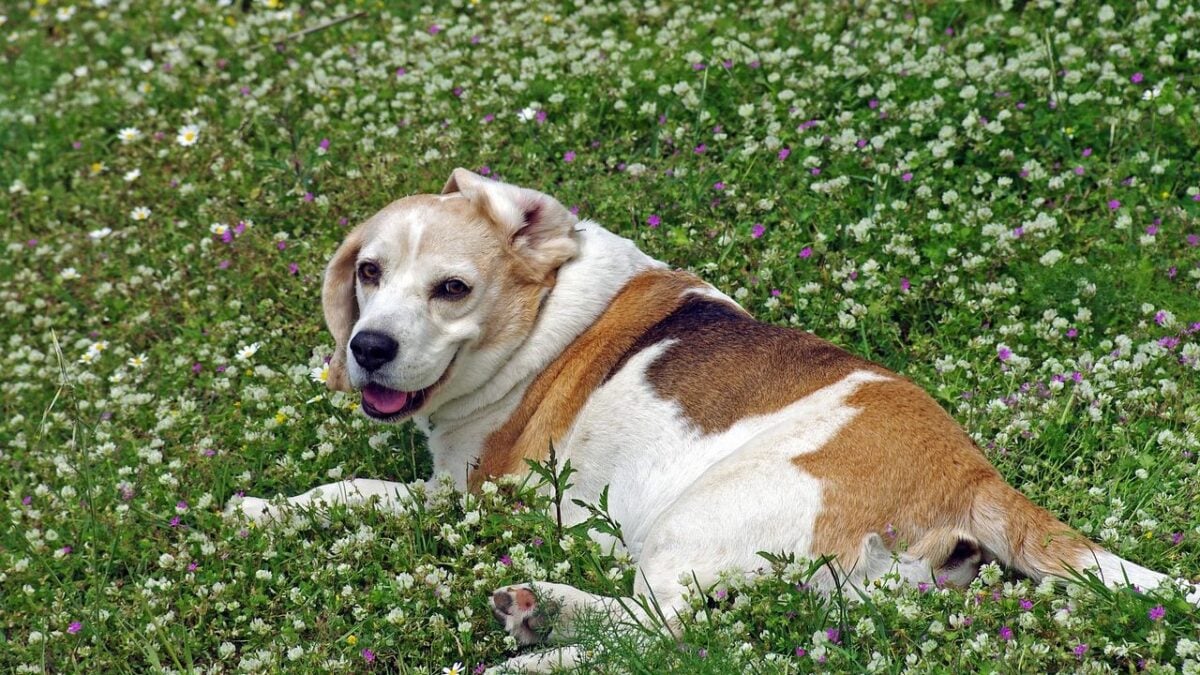
#5: Beagle
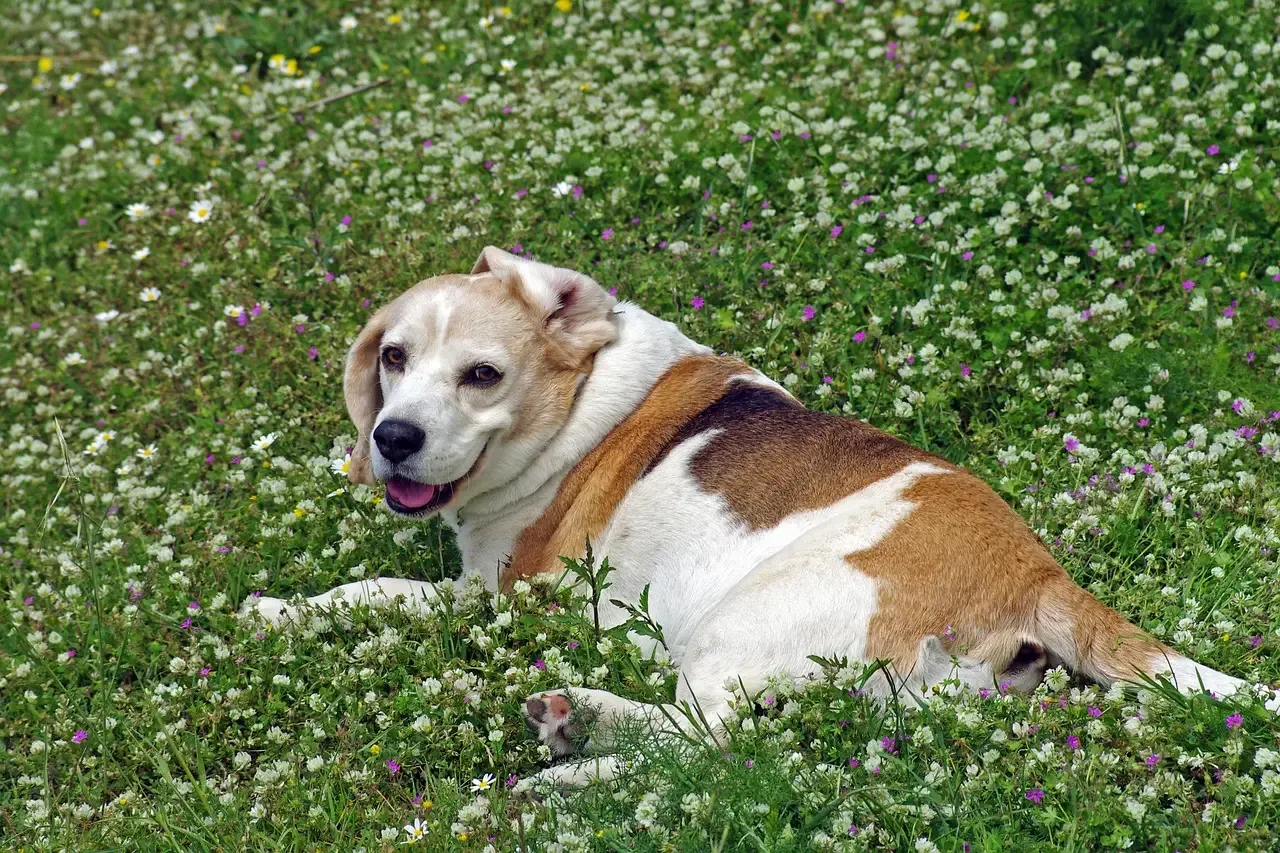
Although Beagles are working dogs, they are also scent hounds. That means these pups are very easily distracted and have a somewhat short attention span. When a Beagle is outside for a bathroom break, its nose is almost always more interested in the trail of a squirrel from three hours ago than in the task you have in mind.
Hounds are not stubborn nor stupid. They were simply selectively bred by humans for their powerful noses, and it’s not their fault if their noses interfere with the process of potty training. Understanding that framing actually helps. The Beagle isn’t defying you; it’s just doing exactly what it was designed to do, which is follow its nose wherever it leads.
#6: Afghan Hound
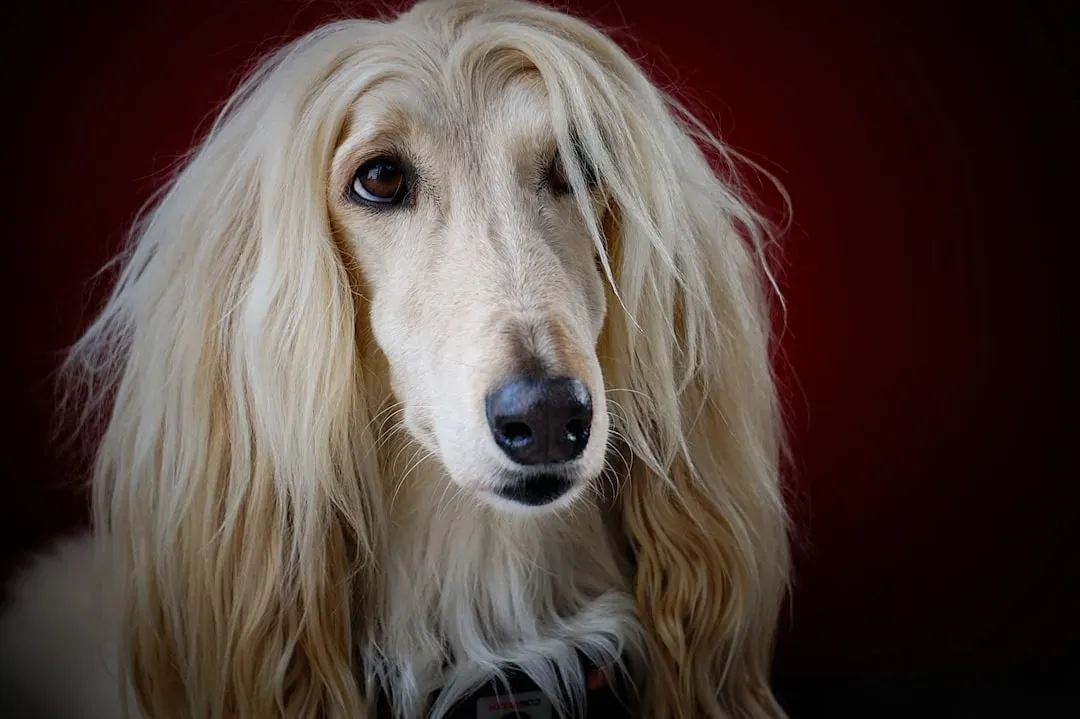
The Afghan Hound is ranked last in canine intelligence traits, often described as a lofty daydreamer. They require an observant owner who can watch for subtle cues and maintain calm, patient consistency. Their high-strung nature means they might be slower mastering house training compared to other breeds.
Sensitive and independent, Afghan Hounds don’t respond well to intimidation and may retreat from firm commands. They require a lot of patience and positive reinforcement in order to establish consistent habits. They are individualistic to the point of stubbornness, and at times can be extremely aloof, making it hard to grasp and maintain their attention, which makes training a genuine challenge.
#7: Pomeranian
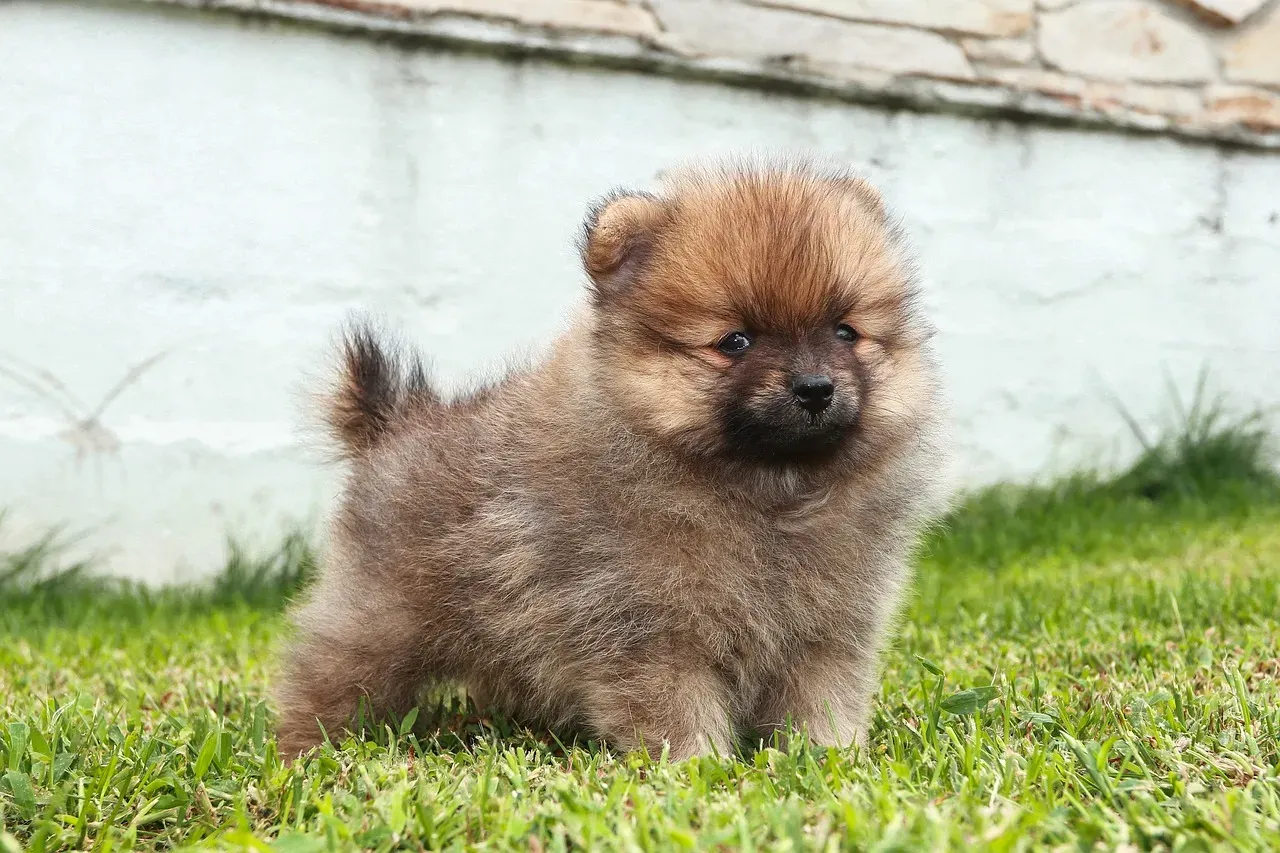
Known for their lively sass and top-dog attitude, Pomeranians can be difficult to potty train. Successfully potty training a Pomeranian requires establishing early dominance and keeping plenty of treats on hand. These tiny dogs carry a massive sense of self-importance, which is part of their charm but a real obstacle when you’re trying to establish who sets the bathroom schedule.
The AKC describes Pomeranians as “alert” and “highly intelligent,” noting that they excel in activities like agility and obedience, but also warns that “housebreaking can be a challenge, so consistency and patience are key.” MedNet Direct notes that although Pomeranians love pleasing their owners, “their personalities can make them hard to train.” The gap between knowing what you want and choosing to do it is wide in this breed.
#8: Chihuahua
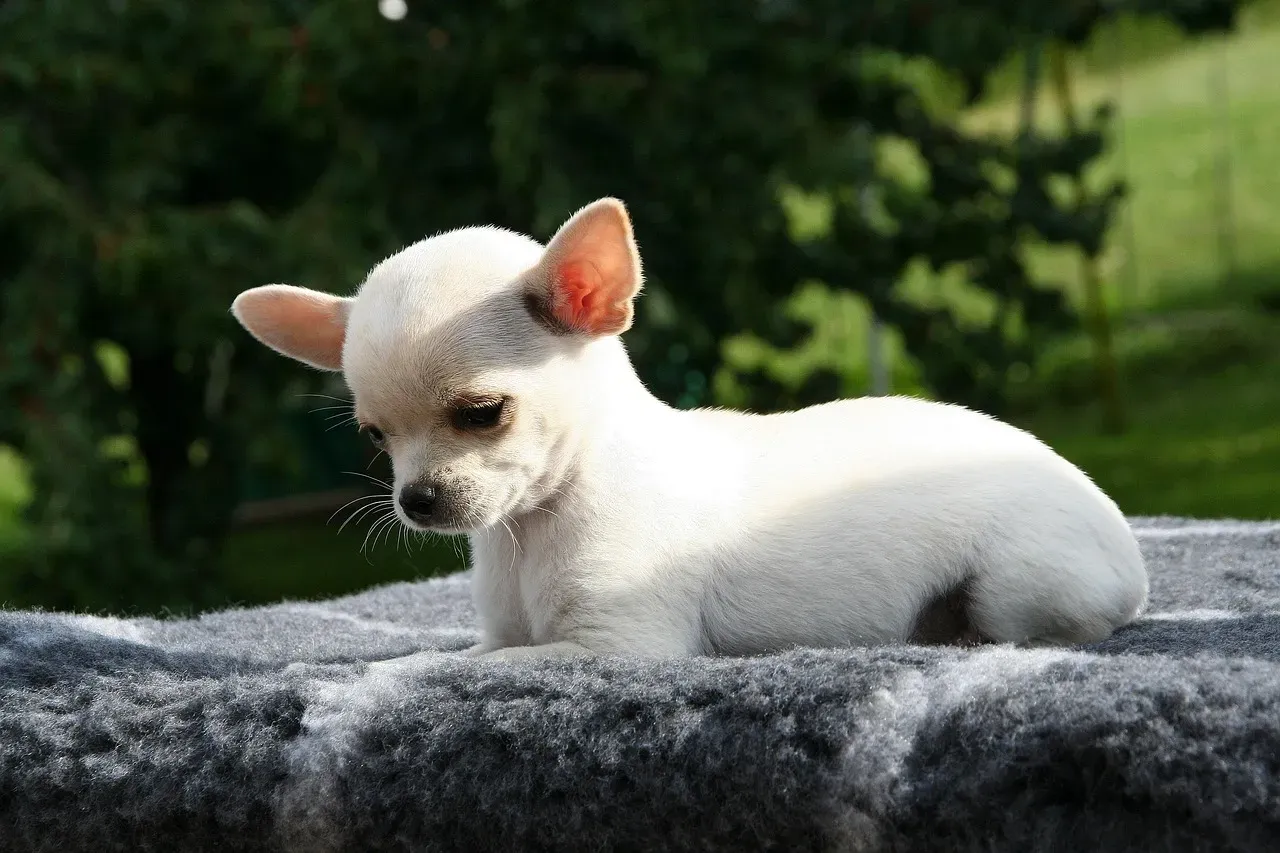
Chihuahuas may be the smallest dog breed in the world, but their attitude is probably the biggest out there. Unfortunately, Chihuahuas are notoriously difficult to housebreak. Their size is a genuine factor too. Smaller breeds have smaller bladders and higher metabolisms, and require more frequent trips outside.
Chihuahuas are known for urinating whenever and wherever they feel like it, and they can also be challenging to potty train because “they hate going outside when it’s too cold or wet out.” Persistence and consistency are critical when training a Chihuahua. Skipping a single scheduled trip outside can cost you a clean floor, so routine is everything with this breed.
#9: Basset Hound
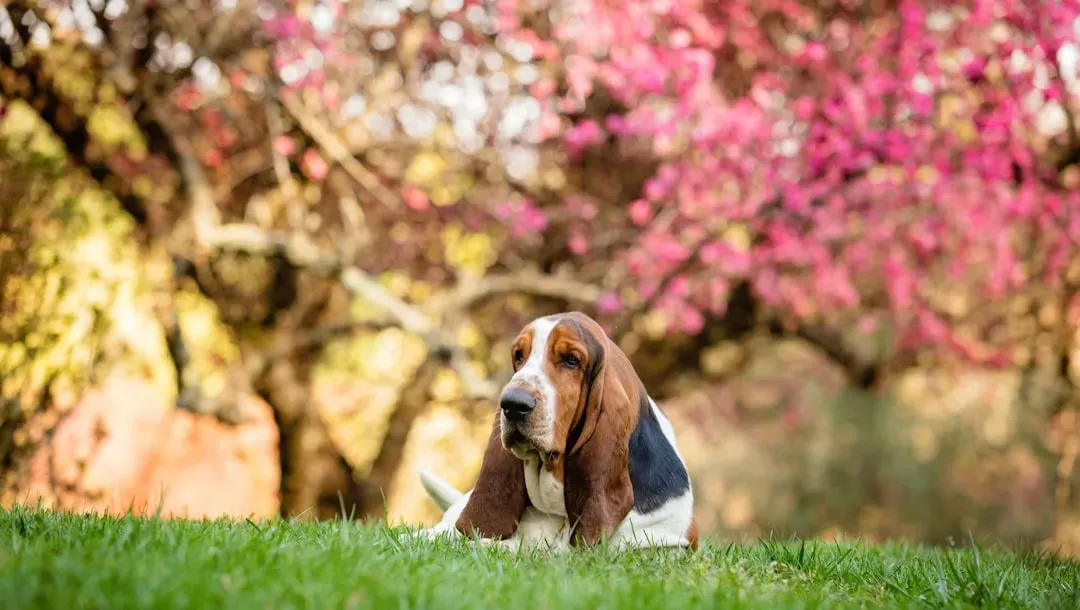
These low-key, heavy-boned hounds are known as much for their endearing personality as their elephant-like ears. Basset Hounds are usually agreeable but, like many hounds, they can have a stubborn streak if they choose. When a Basset decides it doesn’t want to go outside, it will simply lower itself to the floor and wait you out, and it’s remarkably good at that.
Next in line for the hardest dogs to housebreak are many dogs in the scent hound category, which includes Basset Hounds. Often these dogs are blamed for being difficult to housebreak because they are particularly stubborn. Their extraordinary nose is as much of a distraction outdoors as the Beagle’s, making focused bathroom trips a test of the owner’s patience every single time.
#10: English Bulldog
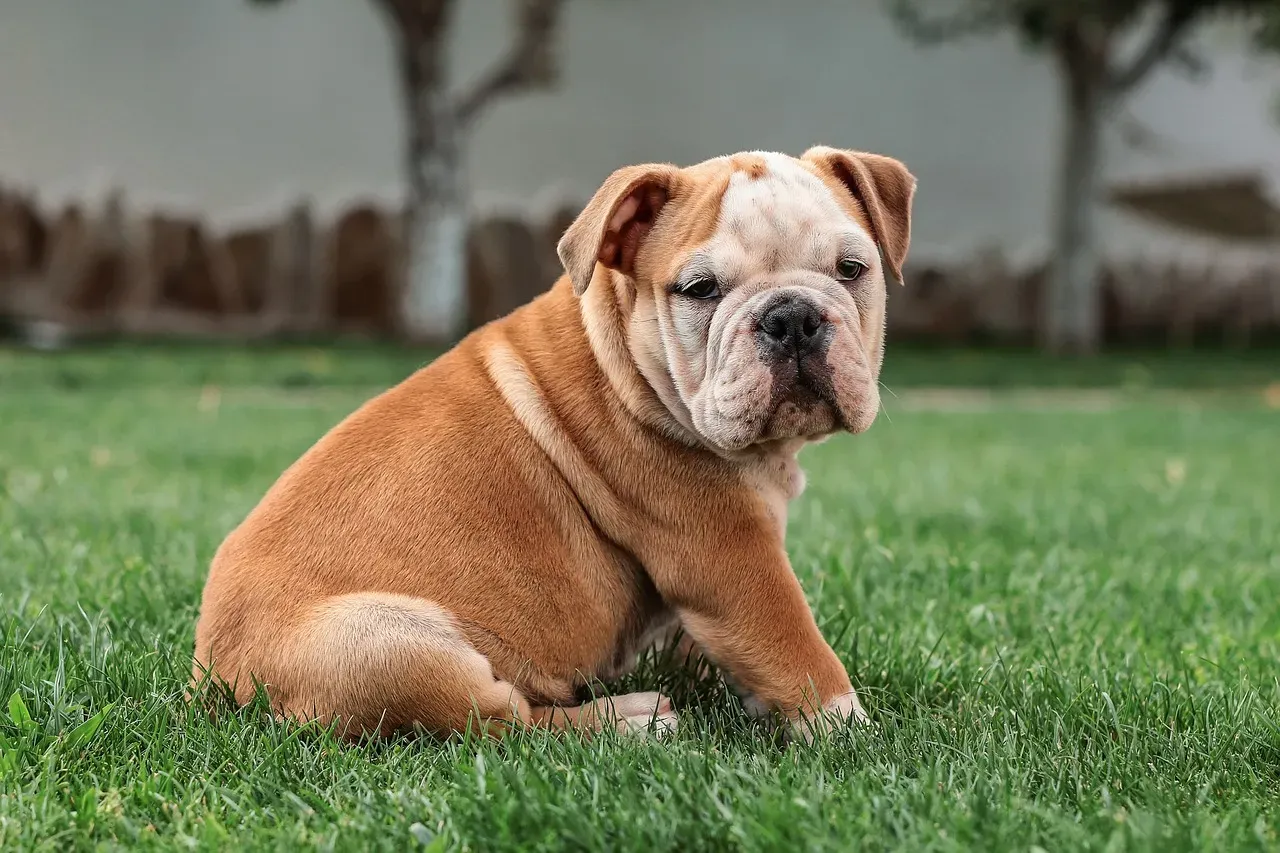
Bulldogs rarely want to get up, let alone go outside to potty. They’re pretty content to do whatever they want, and sometimes just don’t listen. They can be stubborn and single-minded, which makes them harder to train than your average golden retriever. Their sheer physical inertia is a training obstacle that few dog owners fully anticipate before bringing one home.
Breeds like the English Bulldog may be less motivated or slower to grasp potty cues. While friendly and generally eager to please, they can be quite resolute if the mood pleases them. The key with Bulldogs is building a rigid, predictable routine and keeping training sessions short. They respond better to structure than to persuasion.
#11: Pug
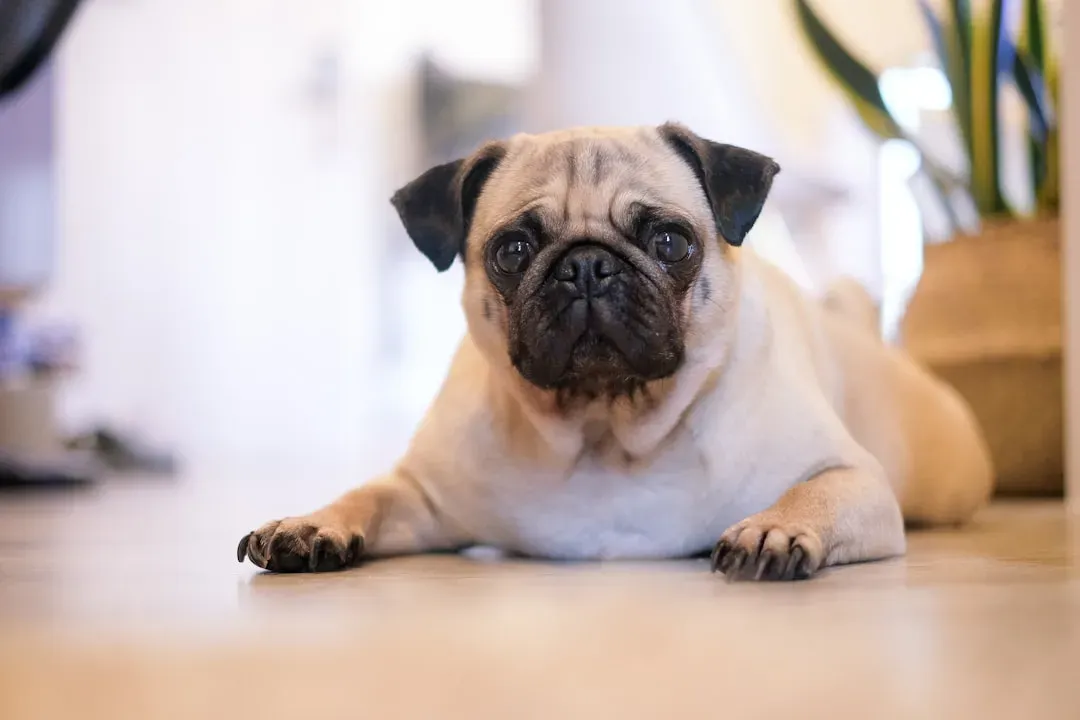
According to DogTime, Pugs “can be stubborn and difficult to housebreak,” but “although these pups have a stubborn side, especially when it comes to house training, they’re playful, affectionate dogs who will get along well even with novice pet parents.” That lovable nature makes it tempting to let the occasional accident slide, which is precisely the wrong approach.
Known for being particularly stubborn, Pugs may be resistant to potty training. Luckily, they’re also very treat-motivated. Just remember, this breed tends to struggle with weight issues, so make sure you follow the 10% rule when feeding a Pug treats during the potty training process. Treats work, but moderation matters. It’s a careful balancing act that requires attention on both fronts simultaneously.
#12: Lhasa Apso
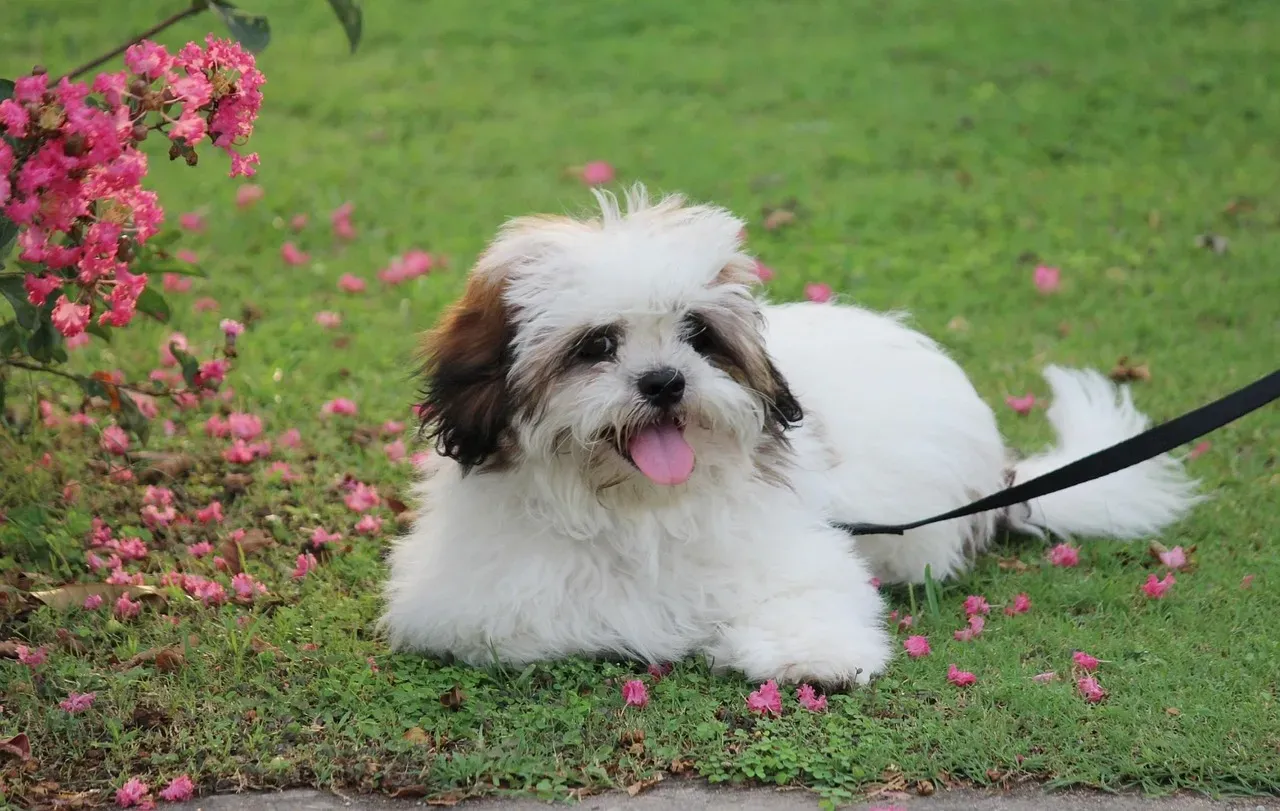
The Lhasa Apso is a puppyish little dog that takes a few years to mature completely. You need to keep that in mind when housetraining a Lhasa puppy. Their slow emotional maturity means that what looks like defiance is sometimes simply immaturity, and pushing too hard too fast tends to backfire with this breed.
New owners need to keep this in mind when training Lhasa puppies, or they can become frustrated with the Lhasa’s refusal to take lessons too seriously, and housetraining can be difficult, with crate training recommended. Most trainers recommend crate training your Lhasa Apso to make potty training easier. A calm, consistent approach carried out over many months is the only reliable path forward.
#13: Shiba Inu
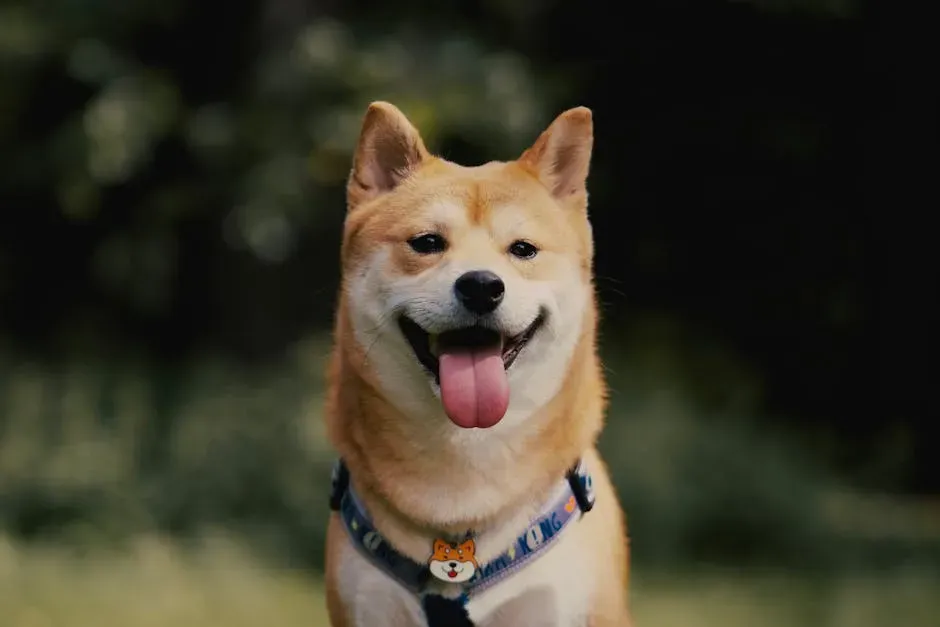
The Shiba Inu, a small breed originally from Japan, is considered one of the most stubborn dog breeds because of its bold and independent personality. This breed is highly disobedient and needs consistent and assertive training techniques. They have a deeply ingrained sense of self-determination that makes them genuinely fascinating pets but genuinely exhausting to housebreak.
The American Kennel Club has said the Shiba Inu is, in many ways, “more like a cat than a dog.” These small, good-natured dogs are fiercely independent and notoriously difficult to train. Despite their stubbornness, Shiba Inus make loyal and loving companions for families who understand them well, and patient, consistent training methods tend to work best.
#14: Basenji
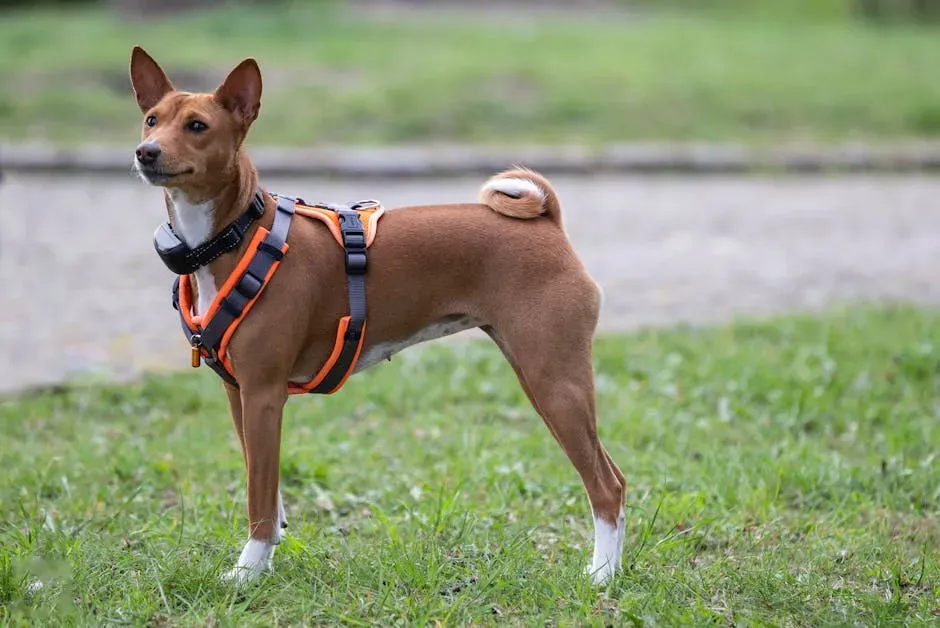
Known as the “barkless” dog from Africa, Basenjis are known to learn plenty of commands. It’s just a matter of whether they’ll actually perform them or not. This stubborn breed will usually decide what they feel like doing, so it’ll take a bit of extra training elbow grease to get their potty skills up to snuff. That gap between comprehension and compliance is the central challenge with the Basenji.
Terrier-like in spirit, Basenjis are territorial and quite prone to marking behavior. They have independent minds and are often unwilling to take commands. What makes the Basenji particularly tricky is that owners sometimes assume the dog doesn’t understand, when in reality it understands perfectly well and has simply decided the instruction doesn’t apply to it right now.
#15: Pekingese
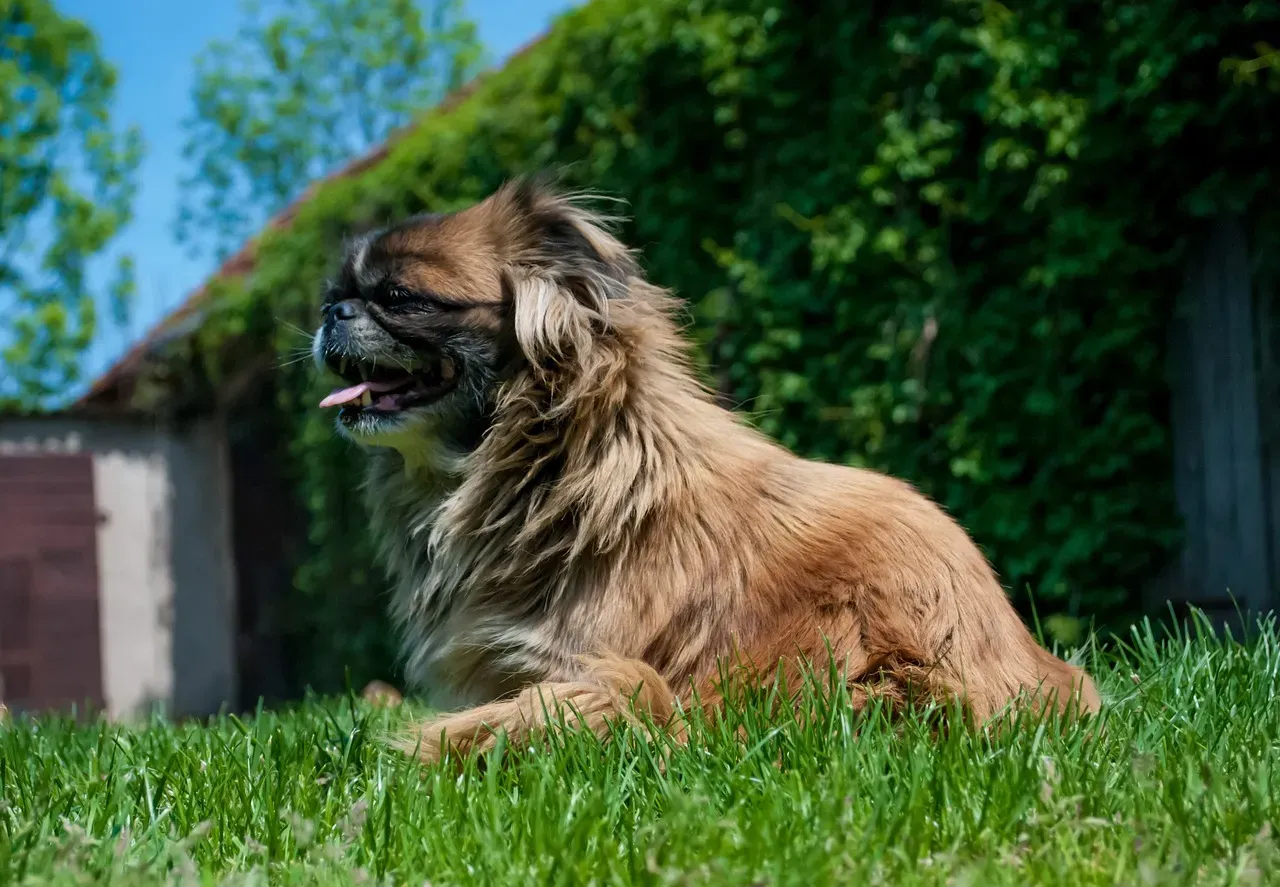
According to Pets4Homes, “It can take a while for a Pekingese to get to grips with where to toilet,” and as a very petite breed, they may need to go more frequently than larger breeds, which means plenty of reinforcement and giving them the chance to go out regularly. Their small stature makes the physiological demands of housebreaking genuinely harder to manage.
Though moderately intelligent, Pekingese can be stubborn and may be overlooked during training because of their charming demeanor. They want to be the one in charge and decide when they choose to listen. Without proper training, Pekingese can tend to get snappy and bitey, even with their own pet parent. Letting their charming looks lower your training standards is the most common mistake owners of this breed make.
#16: Italian Greyhound
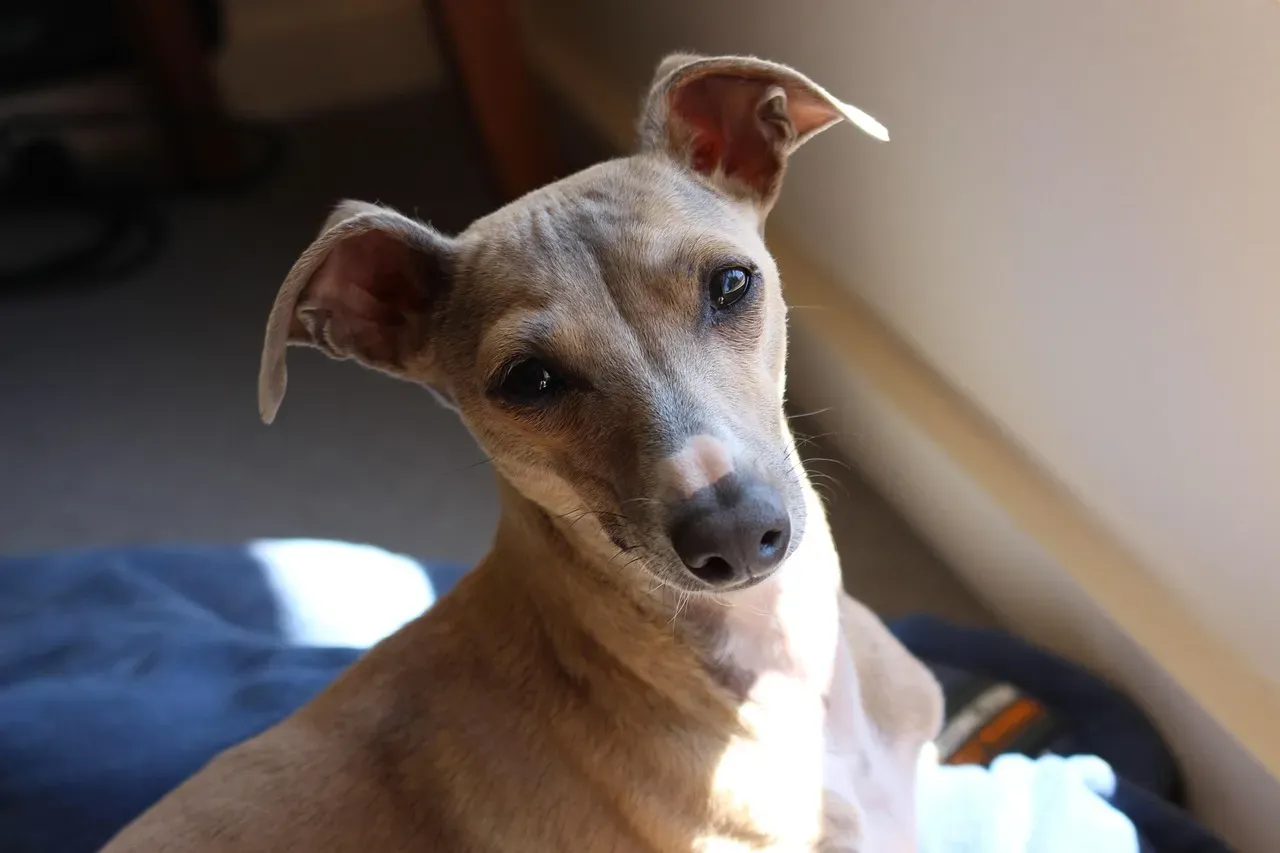
Italian Greyhounds “don’t do well” at housetraining, according to DogTime, which says: “Like many small breeds, the IG can be difficult to housetrain, and some dogs are never completely trustworthy in the house.” That’s a candid assessment worth taking seriously before committing to this breed, especially if you have expensive flooring.
Like many smaller dog breeds, the Italian Greyhound can be tricky to housetrain, and you can expect the occasional mishap even when the pup has undergone potty training. Like scent hounds, they may be easily distracted, but this time by sight rather than scent, meaning anything that moves can cause them to abandon the task at hand mid-potty trip. They need a very calm, distraction-free outdoor environment to give housebreaking a realistic chance.
#17: Chow Chow
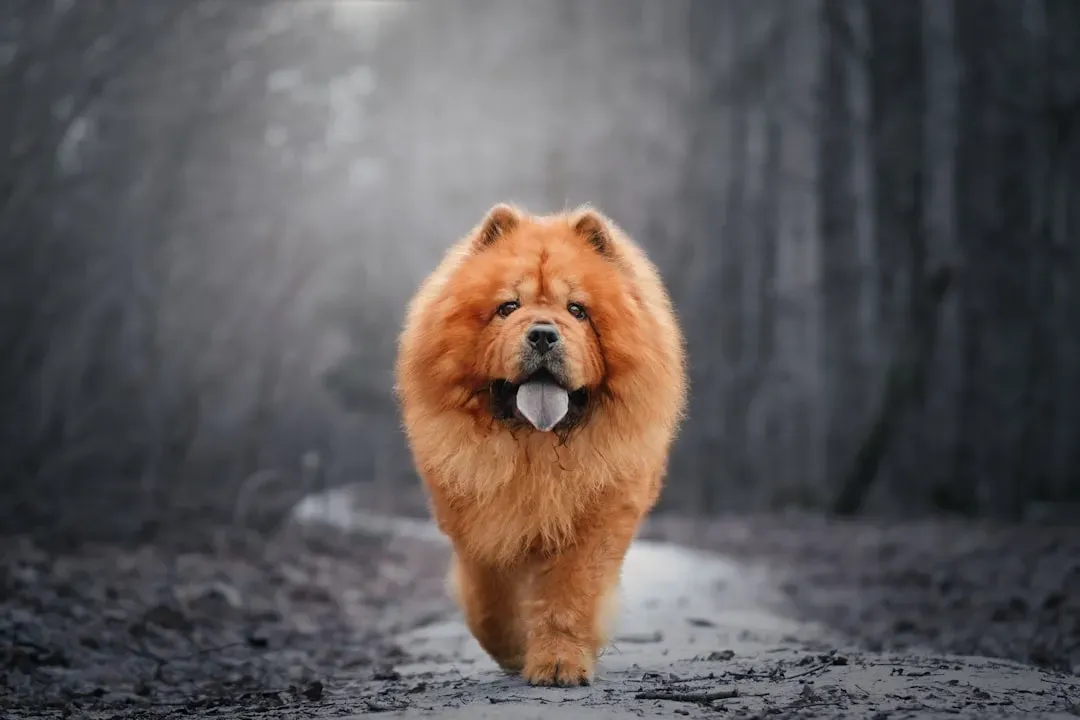
In looks and temperament, Chows are unique among dogs. Along with their trademark blue tongue, teddy bear appearance, and scowl, Chows are also known for their aloofness and independence, and are described as “less eager to please than many other dog breeds.” That emotional distance from their owners is the defining training obstacle. A dog that isn’t particularly motivated by your approval is a dog that won’t rush to earn it.
The more intelligent a breed tends to be, the more they like to think for themselves and choose to disobey commands and house rules. Intelligent dogs can have a very stubborn streak, and they tend to choose when they want to listen and who they want to listen to. The Chow Chow fits this pattern precisely. Patience, a rigid schedule, and high-value rewards are your most reliable tools with a breed that essentially decides, on its own terms, when it’s ready to cooperate.
What Every Owner of These Breeds Should Remember
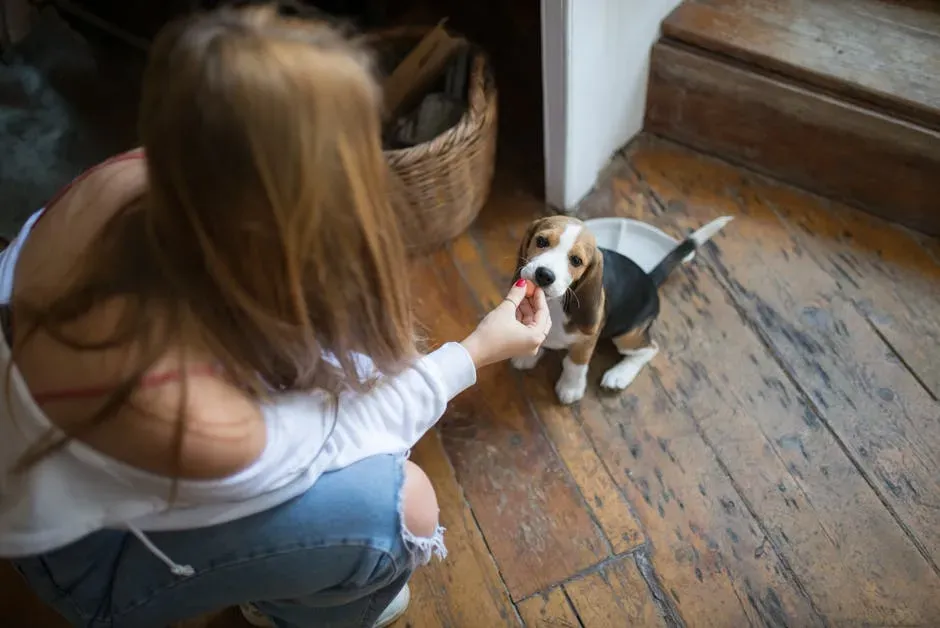
It typically takes four to six months for a puppy to be fully house trained, but some puppies may take up to a year. For the breeds on this list, leaning toward the longer end of that estimate is often the more realistic expectation. Setting the timeline too tight leads to frustration, and frustration rarely helps any training process.
Several factors contribute to why certain breeds struggle more with house training. Intelligence is one factor, but so are temperament, activity levels, bladder size, and intrinsic motivation. Success greatly depends on the owner’s commitment to routine, positive reinforcement, and reading their dog’s communication cues. Methods such as crate training, scheduled bathroom breaks, and gentle repetition help speed up training time regardless of the breed.
While these breeds are renowned for being the hardest dogs to train, there is no untrainable pup. These breeds just require more dedication, patience, and perseverance. As long as you know what to expect and are equipped with the right knowledge, any “difficult” breed can make for a loyal and loving friend. The dog on your list isn’t broken. It’s just asking more of you than you might have expected, and that’s a challenge worth accepting.

- 10 Mind Blowing Facts About The Great White Shark - July 26, 2026
- Elephants Communicate With Each Other Using Sounds We Cannot Hear - July 26, 2026
- 10 Surprising Foods That Are Actually Good For Your Dog’s Health - July 26, 2026