

Walking into any veterinary clinic, you’ll notice the subtle eye rolls when certain breed names come up during appointments. While every horse deserves love and care, some breeds have become veterinary nightmares due to decades of poor breeding practices and genetic predispositions that create ongoing health challenges.
Many horse enthusiasts choose breeds based on appearance, reputation, or romantic notions without considering the medical realities their veterinarians face daily. These professionals spend countless hours treating preventable conditions that could have been avoided with different breeding choices. The financial and emotional toll on both owners and their beloved horses often becomes overwhelming.
Thoroughbreds – The Racing Machine’s Broken Dreams
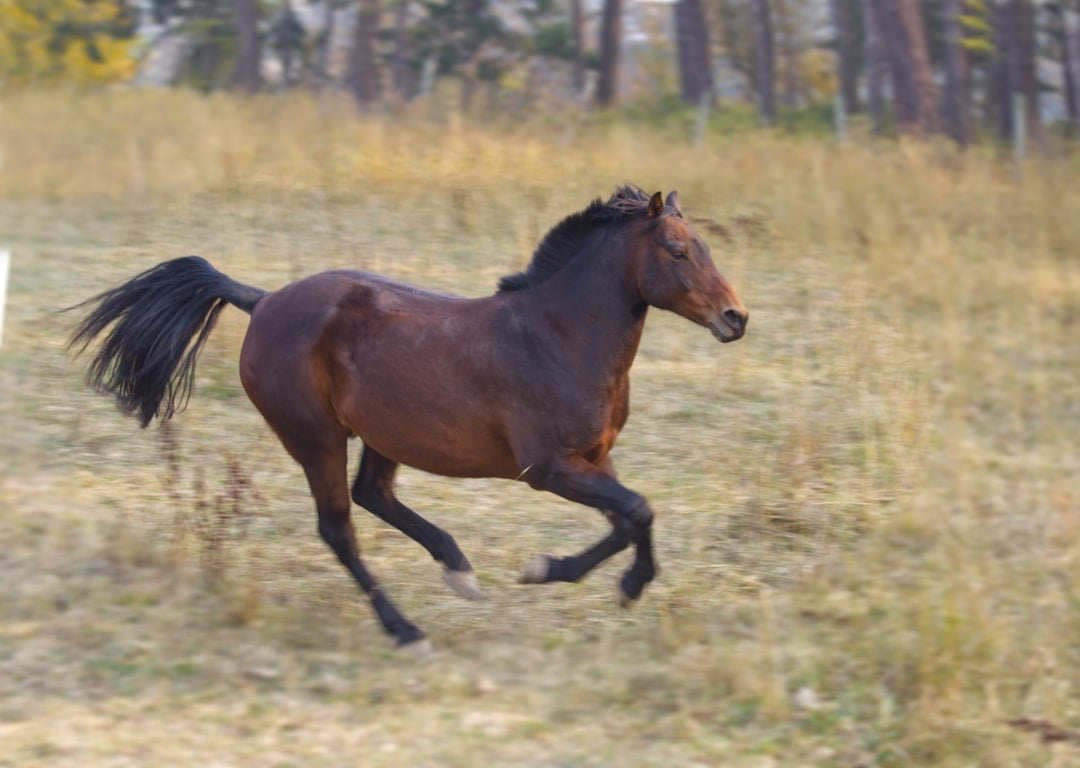
Thoroughbreds have earned a reputation as the sports car of the horse world, but they’re also the breed that makes veterinarians reach for extra coffee. Nearly every Thoroughbred racehorse has some degree of gastric ulceration, making stomach problems almost inevitable for this breed. Their intense breeding for speed over soundness has created horses with bodies that simply can’t handle the stress they’re built to endure.
Thoroughbred racehorses perform with maximum exertion, which has resulted in high accident rates and health problems such as bleeding from the lungs. Other health concerns include low fertility, abnormally small hearts, and a small hoof-to-body-mass ratio. It’s like designing a Formula One car with bicycle tires – impressive performance comes at a devastating cost to structural integrity.
Arabian Horses – Beautiful but Genetically Compromised
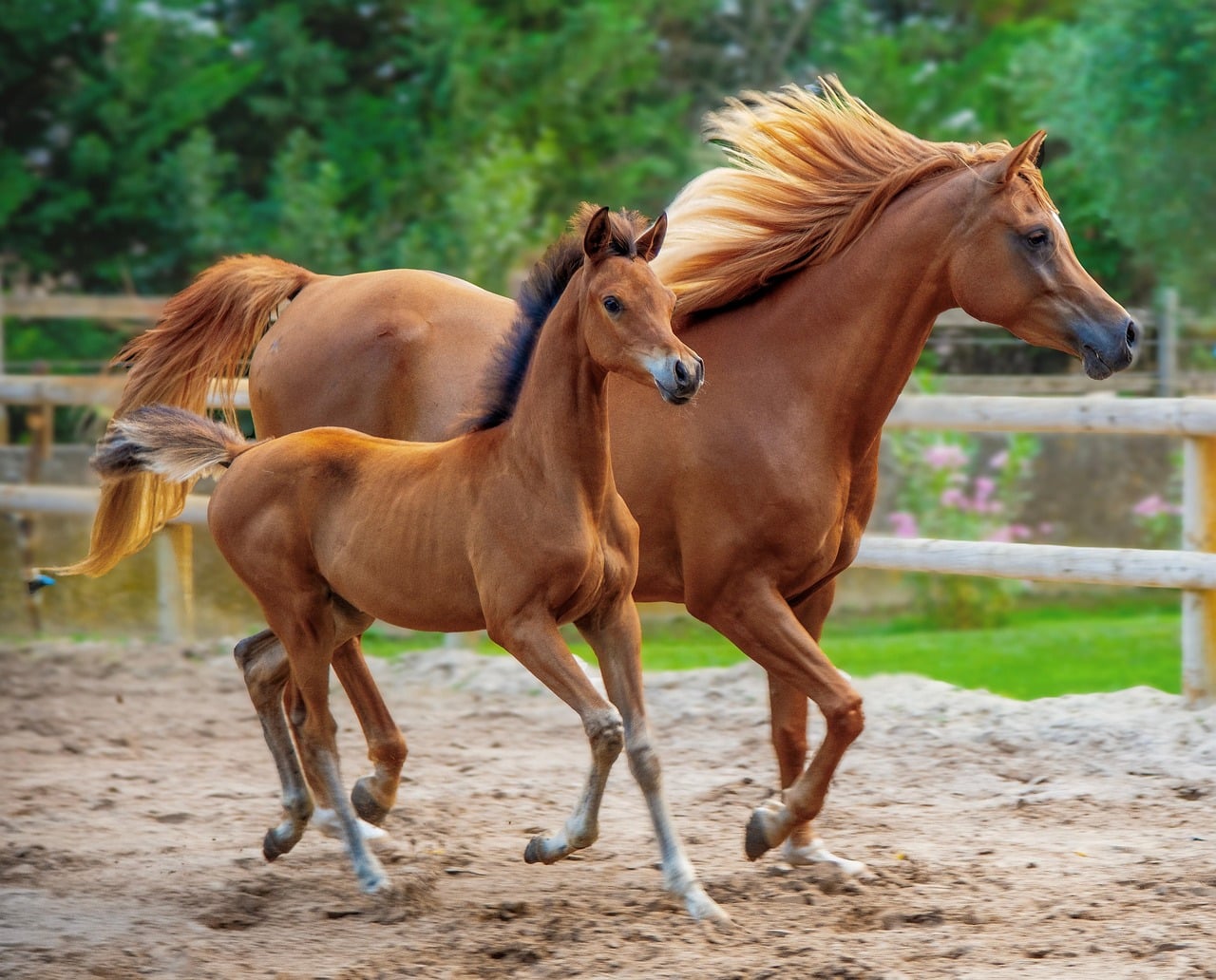
There are six known genetic disorders in Arabian horses. Two are inevitably fatal, two are not inherently fatal but are disabling and usually result in euthanasia of the affected animal. Veterinarians often feel like genetic counselors when dealing with Arabian breeding programs, constantly educating owners about the risks of inherited diseases that plague this ancient breed.
The most heartbreaking cases involve Severe combined immunodeficiency (SCID), an inherited condition primarily affecting Arabians, characterized by an underdeveloped immune system that results in foals with elevated temperatures, respiratory stress, and diarrhea. These foals essentially live in a biological bubble, and despite the availability of genetic testing, preventable cases still occur due to uninformed breeding decisions.
Draft Horses – Gentle Giants with Heavy Burdens
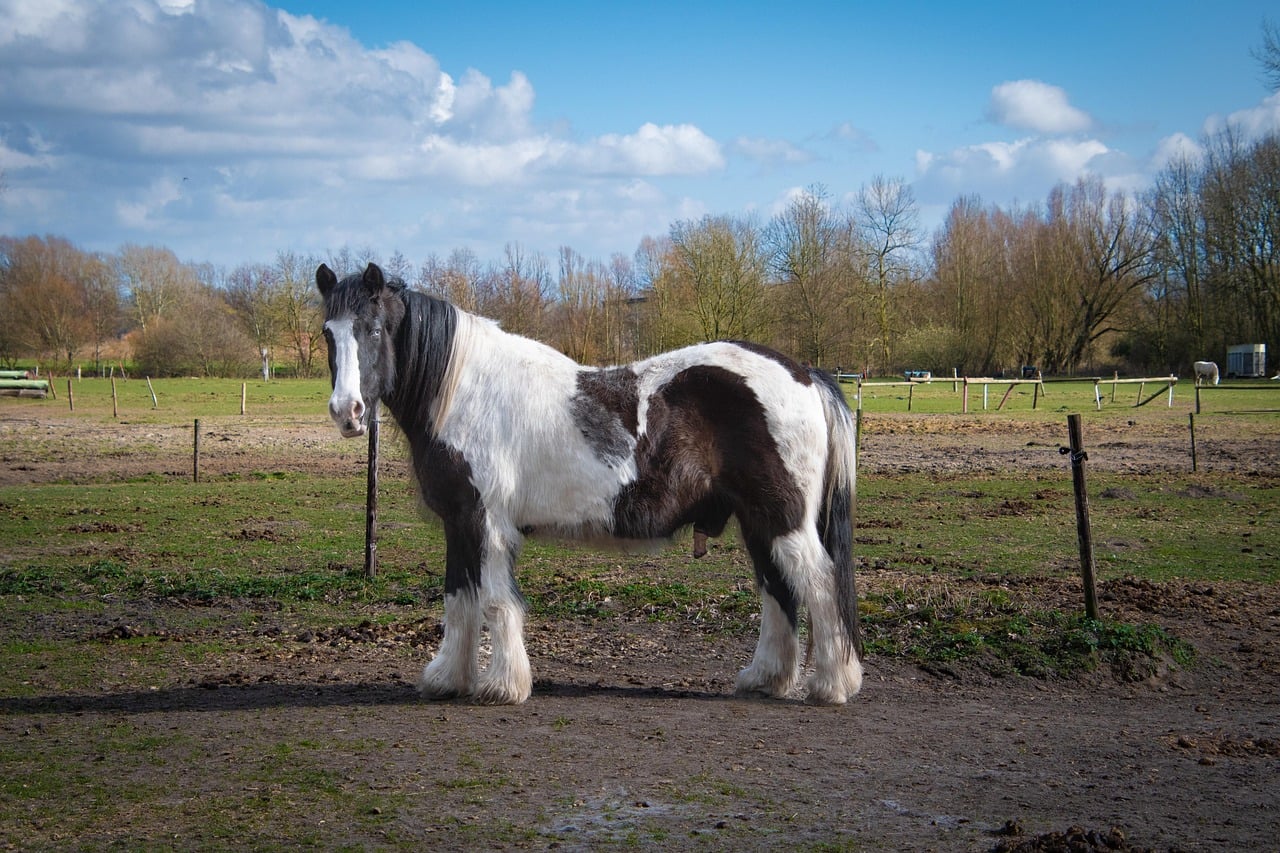
Draft horses may look sturdy as oak trees, but they carry their own set of veterinary challenges that frustrate professionals dealing with their care. Chronic progressive lymphedema leads to lymphedema, fibrosis, decreased perfusion, a compromised immune system, and secondary skin infections. The lower limbs become grossly enlarged with thickened skin folds and nodules that affect mobility. These gentle giants often become prisoners in their own massive bodies.
It is a common misconception that draft breeds need more grain due to their large size. The truth is that draft breeds have lower energy requirements than lighter breeds of horses, and therefore, require less grain on a per pound of body weight basis. This feeding confusion leads to obesity and laminitis cases that could be easily prevented with proper nutritional understanding.
Quarter Horses – America’s Most Popular Problem
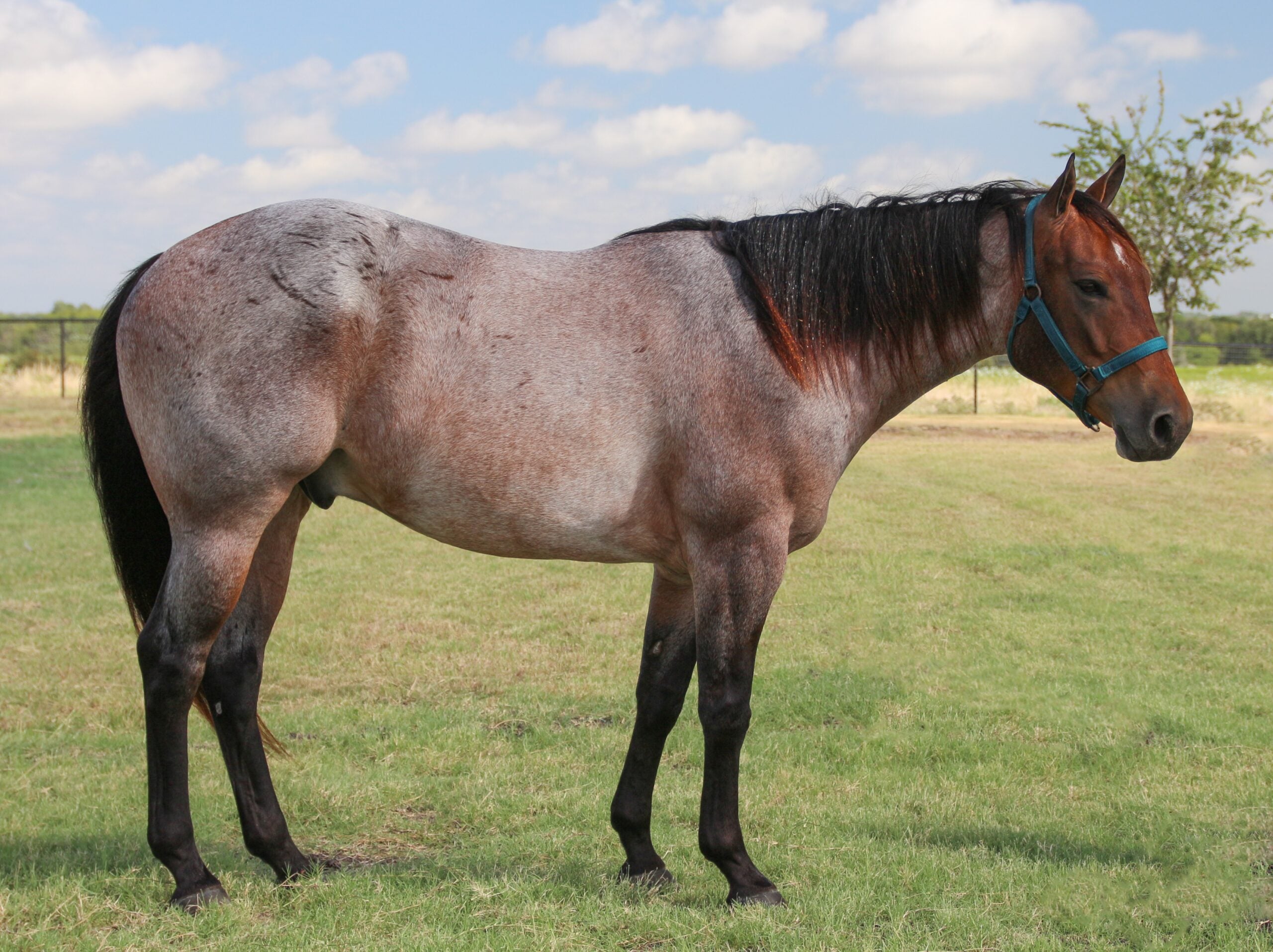
Quarter Horses might be America’s sweetheart, but they’re also a veterinarian’s frequent flyer program. Quarter Horses tend to tie up, and the genetic connection to the famous stallion Impressive has created a legacy of hyperkalemic periodic paralysis (HYPP) that continues to plague the breed despite testing availability.
Navicular disease complex affects Quarter Horses, European warmbloods, and Thoroughbreds – linked with breed foot shape. Their compact, athletic build that makes them perfect for Western disciplines also predisposes them to a range of musculoskeletal issues that require ongoing management throughout their lives.
Appaloosas – Spotted Horses with Vision Problems
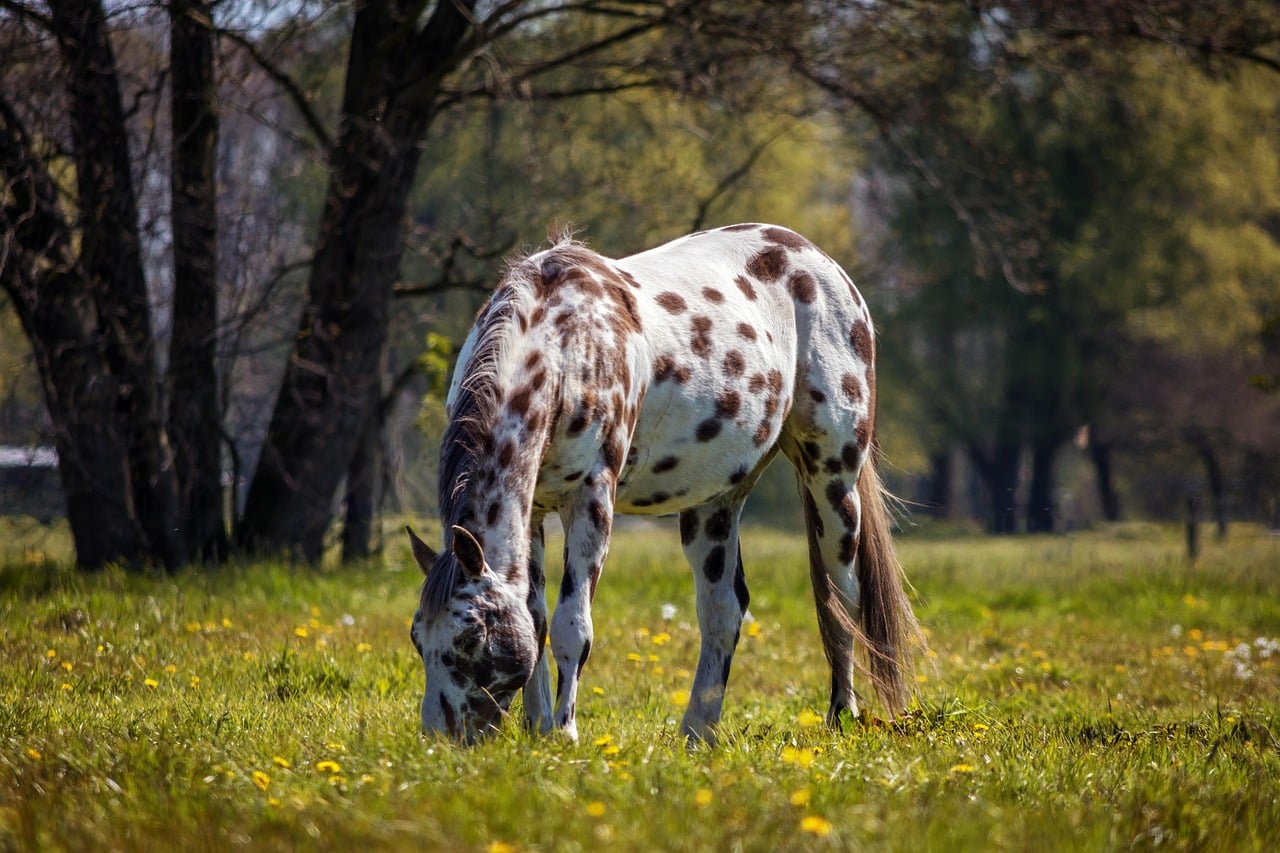
Appaloosas are prone to eye problems, making routine veterinary care more complex and expensive than owners typically expect. These beautiful spotted horses carry genetic predispositions that can lead to night blindness and other ocular issues that significantly impact their quality of life and usability.
The breed’s distinctive coat patterns come with a genetic package deal that often includes increased susceptibility to various eye conditions. Veterinarians frequently find themselves explaining to disappointed owners why their gorgeous Appaloosa can’t perform certain activities safely due to vision limitations that weren’t apparent during purchase.
Haflingers – Pretty Ponies with Metabolic Mayhem
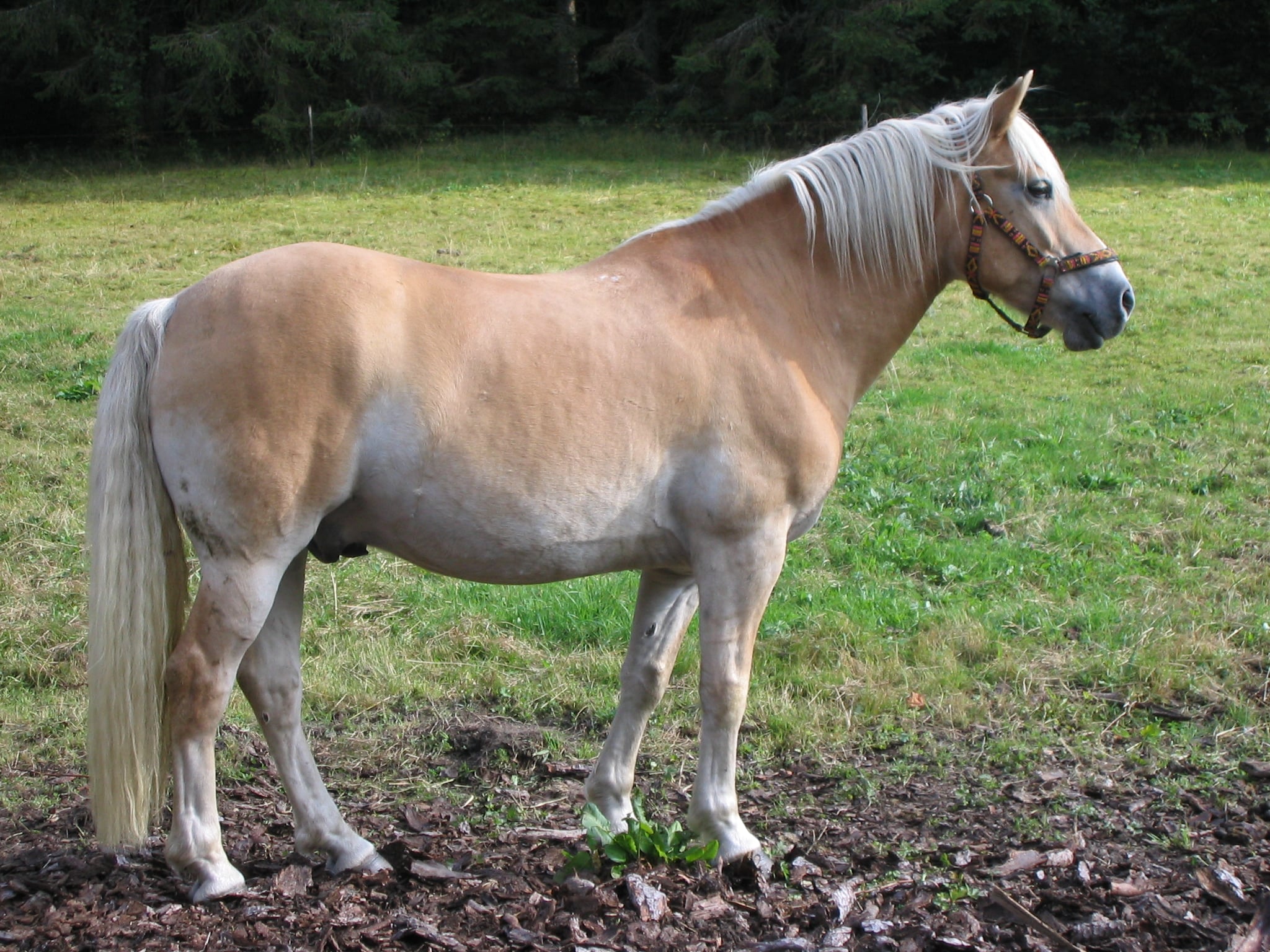
Equine metabolic syndrome (EMS) is when the body can’t process insulin properly. It affects many breeds, including those that are hardy like the Haflinger because of their tendency to store fat. These golden beauties are essentially four-legged diabetics waiting to happen, requiring careful dietary management that many owners find overwhelming.
Haflinger horses are considered easy keepers, meaning they gain weight easily. They also don’t need as much food as some other equine breeds. Figuring out the right amount of food to give your Haflinger is a key component to helping them maintain a healthy weight. This sounds simple in theory but becomes a veterinary nightmare when owners consistently overfeed their “easy keepers” into obesity and laminitis.
Welsh Mountain Ponies – Small Packages, Big Problems
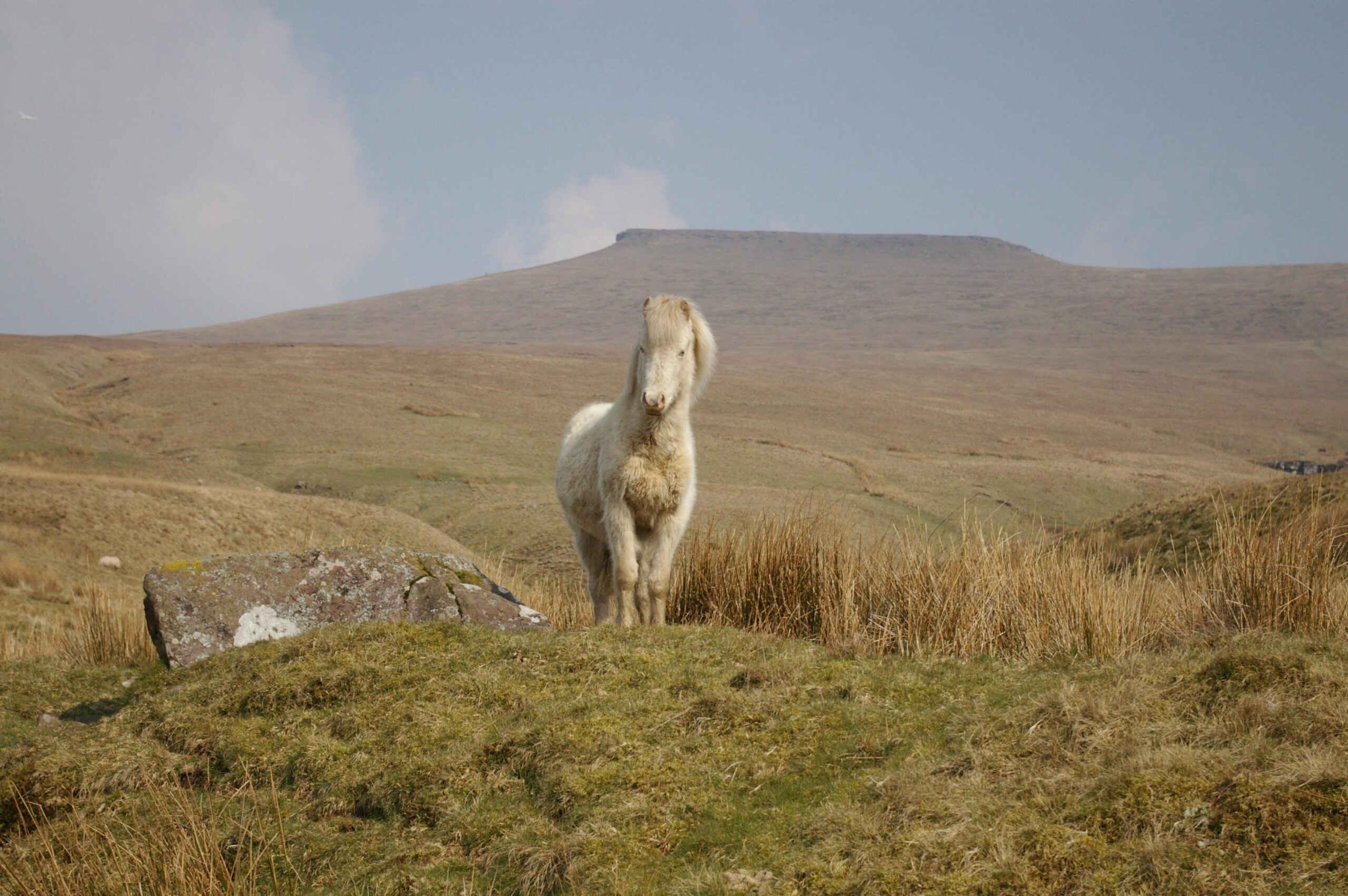
Welsh Mountain ponies are especially prone to “weepy eyes”. This is because their particular large and prominent eyes makes them increasingly susceptible to environmental irritants, and because the excessive dishing of their face can result in frequent and sometimes permanent blockage of the delicate tear ducts. These adorable ponies require constant eye care that can become both expensive and time-consuming for owners.
The shape of the Welsh head can also lead to dental problems, creating a cascade of health issues that start with their distinctive breed characteristics. What makes them cute to look at becomes a source of ongoing veterinary bills and management challenges.
Friesian Horses – Black Beauty with Hidden Flaws
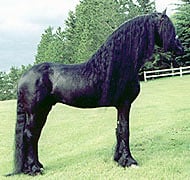
Friesians capture hearts with their flowing manes and elegant movement, but they harbor genetic secrets that make veterinarians wary. The breed’s limited genetic diversity has concentrated several hereditary conditions that can devastate both the horse’s health and the owner’s finances.
Dwarfism, hydrocephalus, and chronic progressive lymphedema are among the conditions that plague this seemingly robust breed. Their striking appearance masks a genetic foundation that’s narrower than most owners realize, leading to unexpected health crises that could have been avoided with broader genetic diversity in breeding programs.
Standardbreds – Harness Racing’s Health Hazards
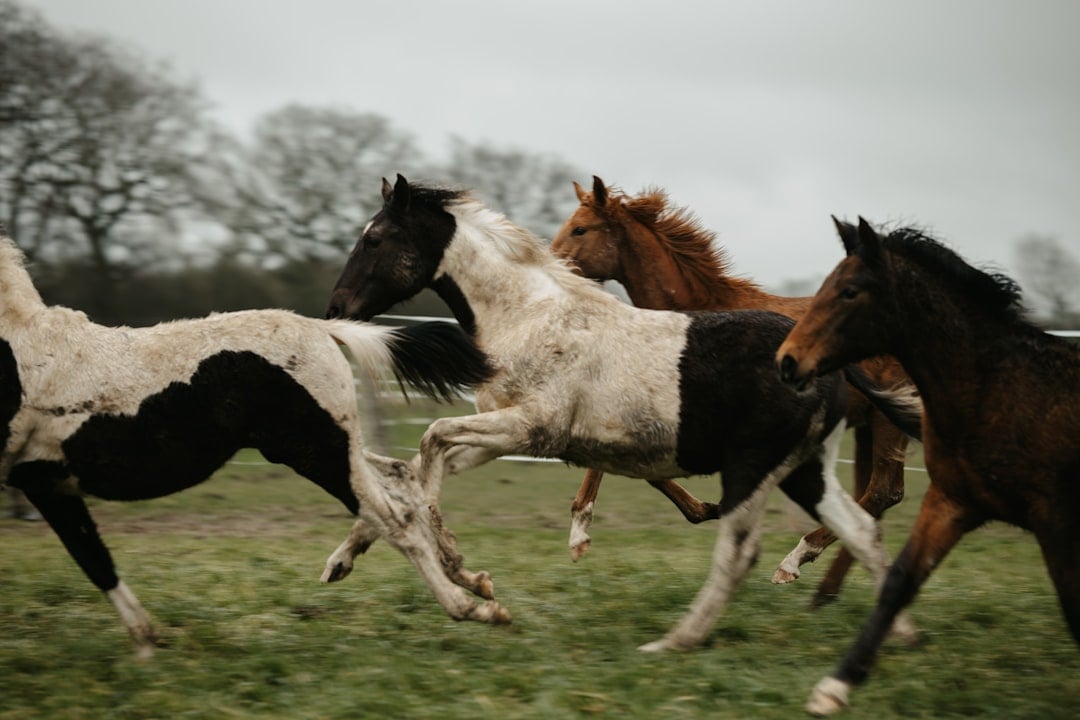
Standardbreds face many of the same performance-related health issues as Thoroughbreds, but with the added complexity of harness racing injuries. Their training often begins at even younger ages than Thoroughbreds, putting immense stress on developing bodies that aren’t ready for the demands placed upon them.
The breed’s focus on speed and endurance in harness racing has led to selection for traits that compromise overall soundness. Veterinarians frequently treat Standardbreds for repetitive stress injuries, respiratory issues, and the inevitable gastric ulcers that plague most performance horses subjected to intense training regimens.
Saddlebreds – High-Stepping into Health Problems
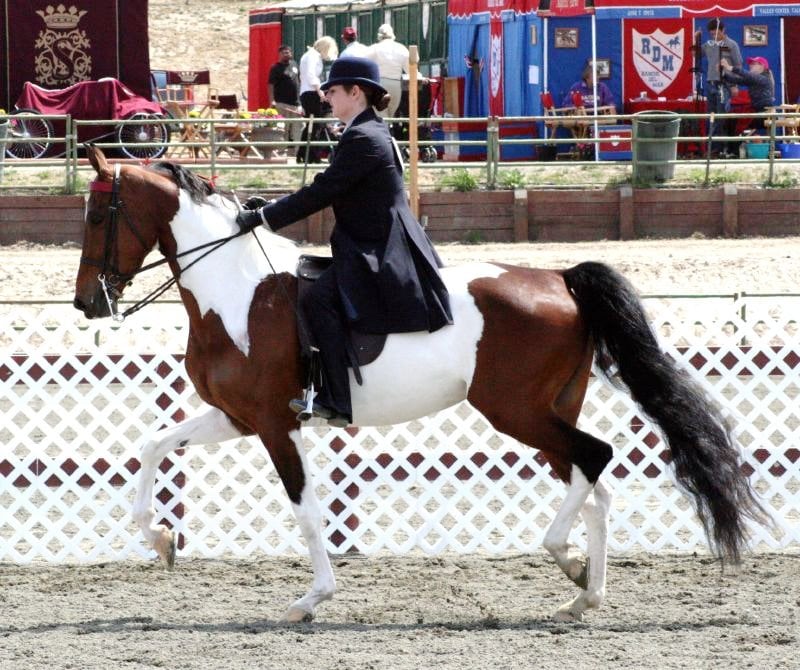
American Saddlebreds are bred for their flashy, high-stepping gaits, but this artificial enhancement comes with significant orthopedic consequences. The exaggerated movement that wins ribbons in the show ring places abnormal stress on joints and soft tissues throughout the horse’s career.
Many Saddlebreds develop arthritis and joint problems at relatively young ages due to the repetitive stress of their enhanced gaits. Veterinarians often find themselves managing chronic pain conditions in horses that are still in their supposed prime years, creating ethical dilemmas about continued use and quality of life.
Paint Horses – Pretty Colors, Painful Genetics
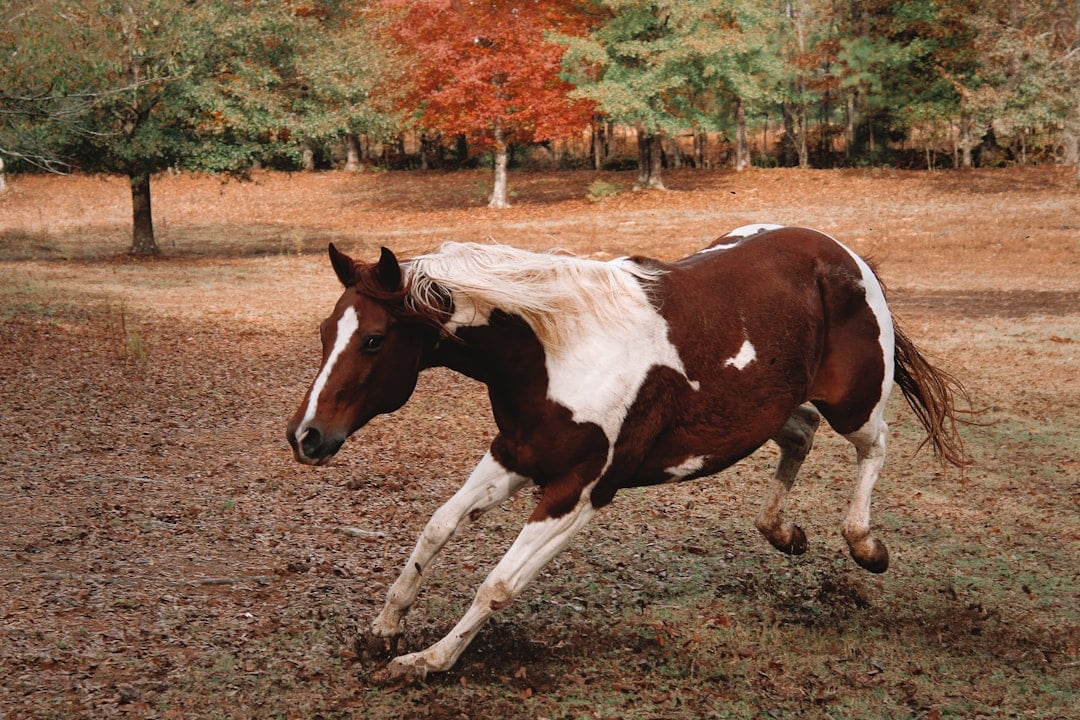
Paint Horses carry genetic risks that extend beyond their beautiful coat patterns. The genes responsible for their distinctive markings can also carry lethal combinations that result in devastating birth defects. Overo lethal white syndrome remains a concern in breeding programs that prioritize color over genetic health.
Beyond the color-linked genetic issues, Paint Horses share many of the same problems as their Quarter Horse relatives, including HYPP and various musculoskeletal conditions. The added complexity of managing color genetics alongside performance traits creates additional layers of veterinary challenges.
Tennessee Walking Horses – Smooth Gaits, Rough Health
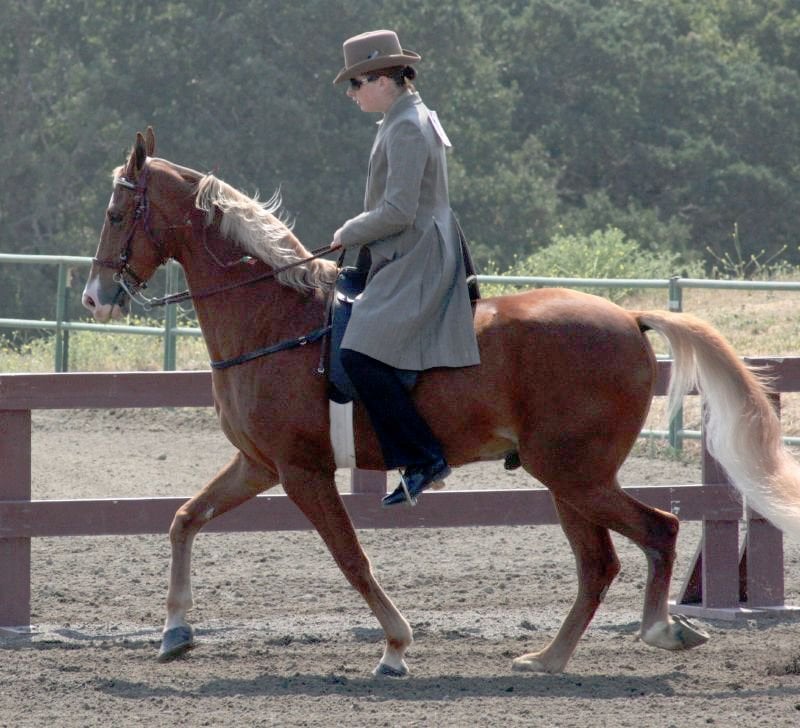
Tennessee Walking Horses are celebrated for their smooth, comfortable gaits, but achieving and maintaining these movements often comes at a significant health cost. The breed’s natural gait can be enhanced through training methods that create long-term soundness issues.
Many Tennessee Walkers develop foot and leg problems related to the maintenance of their signature gait. Veterinarians frequently see horses with chronic soreness, navicular issues, and other conditions that stem from the biomechanical stress of their enhanced movement patterns.
Miniature Horses – Tiny Bodies, Giant Health Issues
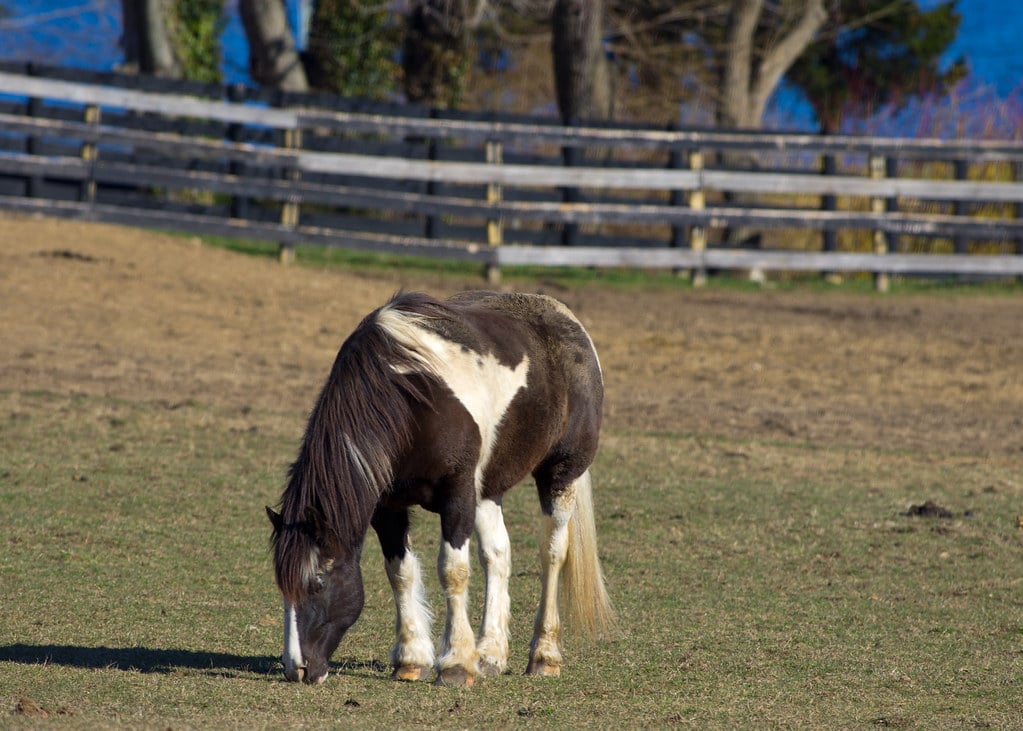
Miniature horses pack a surprising number of health problems into their small frames. Dwarfism, dental issues due to proportionally large teeth in small mouths, and difficulty with birthing due to size constraints make them frequent veterinary patients despite their adorable appearance.
The breeding of increasingly smaller miniatures has concentrated genetic problems and created horses with bodies that struggle to function normally. Veterinarians often find themselves treating conditions that would be manageable in full-sized horses but become life-threatening complications in miniatures due to their extreme size.
Warmbloods – Expensive Problems in Elegant Packages

OCD (osteochondritis dissecans, the abnormal development of articular cartilage at certain joints) affects young, early developing horses, specifically warmbloods. These expensive sport horses often develop joint problems during their growth phases, requiring surgical intervention before they even begin their intended careers.
The rapid growth and large size of warmbloods predispose them to developmental orthopedic diseases that can derail promising careers before they start. Owners invest heavily in these horses for their athletic potential, only to face devastating diagnoses during routine pre-purchase examinations or early training.
Cob Types – Traditional Breeds with Modern Problems
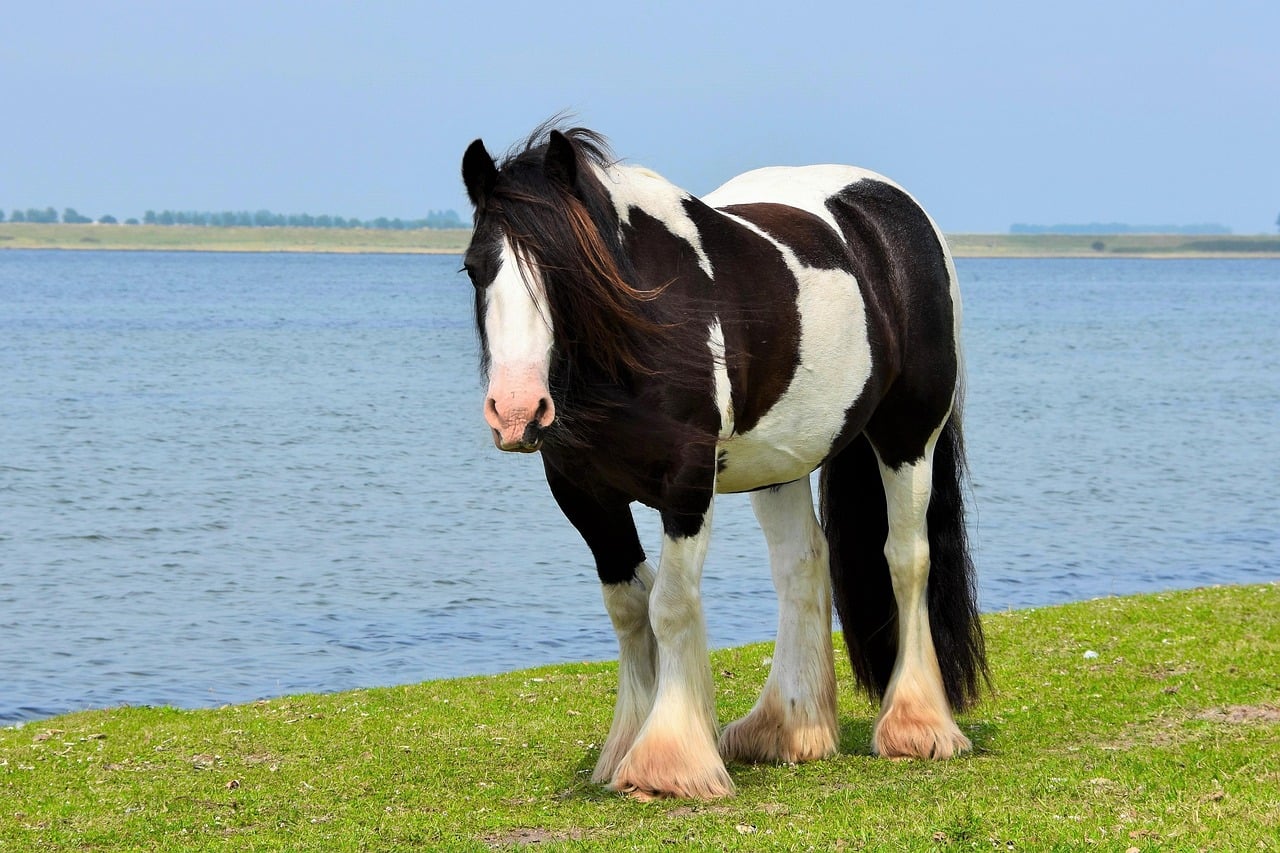
Conditions of the lower limb that are brought on partly by concussion (such as sidebone and ringbone) are most frequently seen in cob types. These animals traditionally have short, upright pasterns and a rounded action, which results in their feet “slapping down”. Their traditional build that made them perfect for farm work creates ongoing soundness challenges in modern usage.
Heavy horses tend to suffer more from itchy chorioptic mange than finer breeds, simply because of the excessive feathering on their lower limbs (which mites love). The very features that make these horses distinctive also create environments where parasites and skin conditions flourish, requiring constant vigilance and treatment.
Conclusion
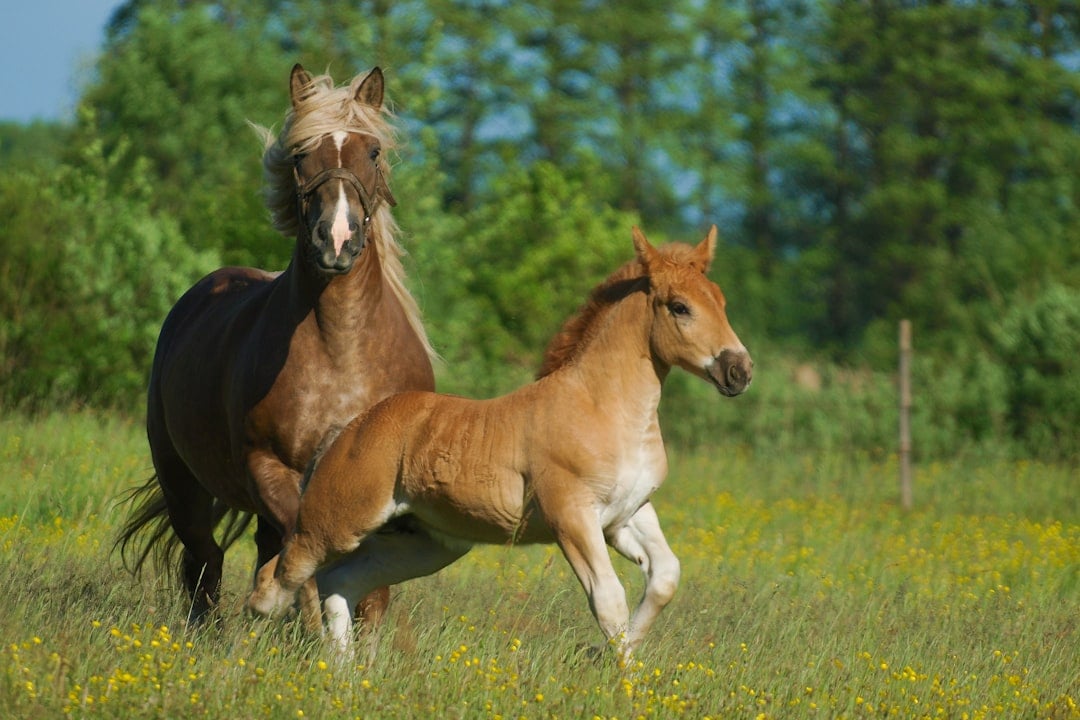
While every horse breed has its challenges, some have become concentrated collections of genetic problems that create ongoing stress for both veterinarians and owners. The pursuit of extreme breed characteristics – whether for speed, color, size, or movement – has often come at the expense of basic soundness and health.
The solution isn’t to avoid these breeds entirely, but to make informed decisions based on realistic expectations and a commitment to proper health management. Veterinarians don’t wish these breeds would disappear; they simply hope owners would choose based on the horse’s overall health potential rather than just breed prestige or appearance.
What’s your take on balancing breed characteristics with health considerations?

For any feedback please message Feedback@animalsaroundtheglobe.com
- Top 10 Cutest Baby Animals in US - July 26, 2026
- Unearth the Reality of Pennsylvania’s Venomous Spiders - July 26, 2026
- Watch: Did You Know Anemones Could Swim? - July 26, 2026