
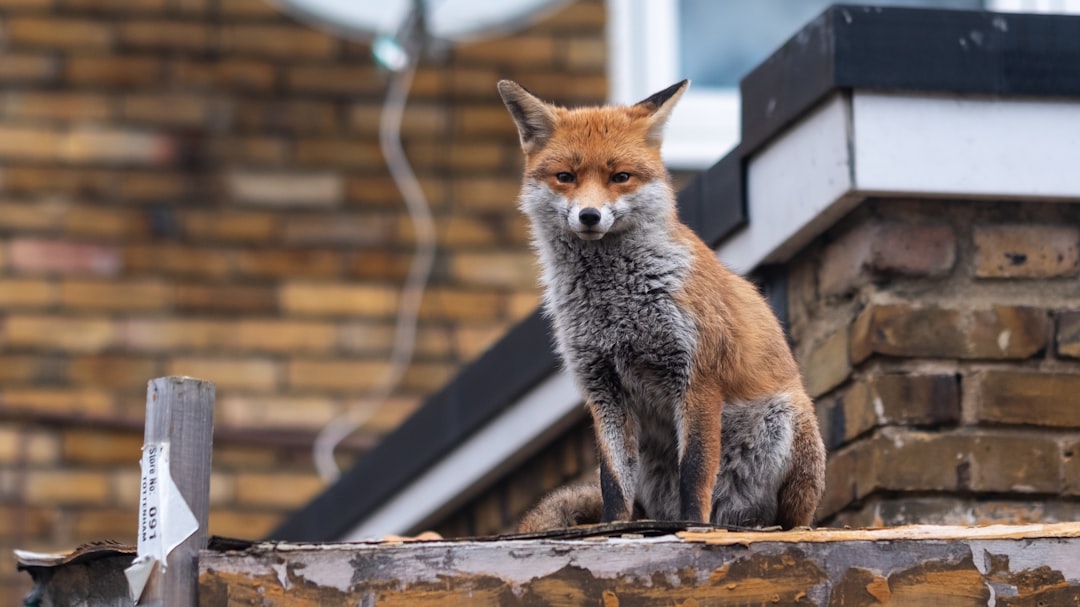
One evening you glance out the window and catch a flash of reddish fur slipping along the fence line. The sight lingers, prompting quiet questions about why this particular visitor chose your space and what its arrival might signal about the world just beyond the porch light.
Foxes have grown more visible in many neighborhoods over recent decades, yet their sudden appearance after sunset still feels like a small mystery worth unpacking.
Understanding Their Nighttime Habits
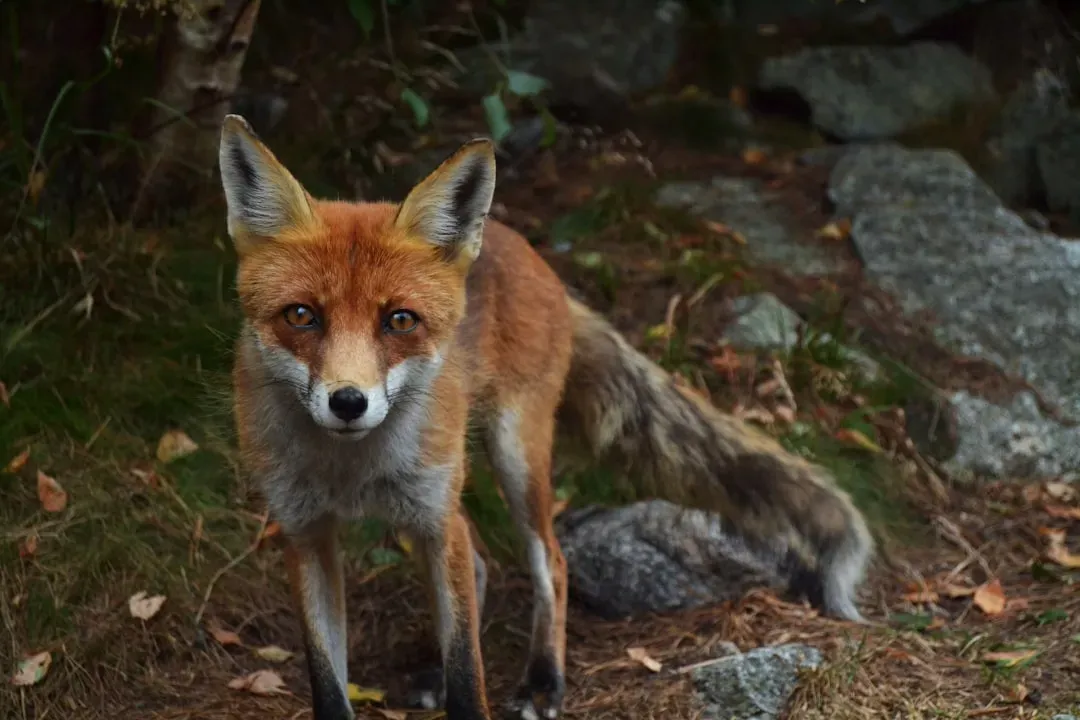
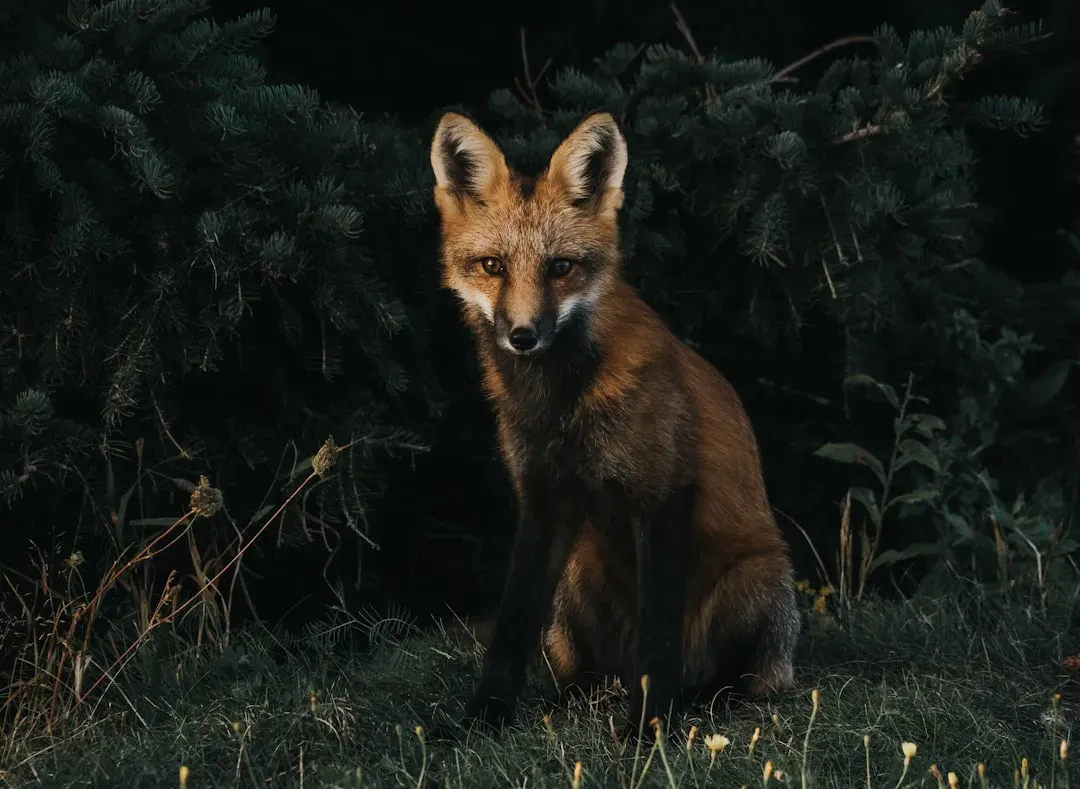
Foxes are primarily nocturnal creatures that rely on darkness to hunt and move safely. Their keen senses allow them to navigate yards and gardens with little noise once the sun sets. This timing reduces encounters with larger daytime predators and human activity alike.
Many species, especially red foxes, have adjusted their schedules to overlap with quieter hours in suburban settings. They emerge when temperatures drop and fewer people are outside. Such behavior reflects long standing survival strategies rather than any sudden change in routine.
Clues to Abundant Prey Nearby
A fox showing up regularly often points to a ready supply of small animals or insects in the area. Rodents, rabbits, and ground nesting birds provide easy meals that keep the animal returning. Fallen fruit or unsecured pet food can add to the draw without much effort on the fox part.
Yards with dense shrubs or woodpiles offer cover that supports these food sources. The presence of one fox may hint at a thriving micro habitat rather than random wandering. Over time this pattern suggests the local environment supports a modest food web.
Adapting to Human Environments
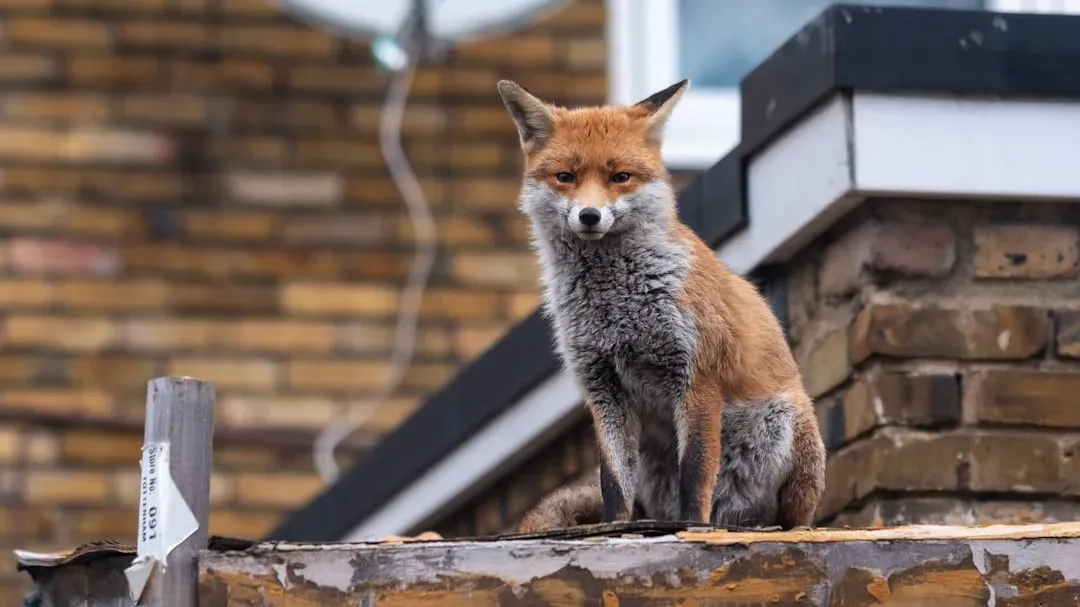
Urban and suburban foxes have learned to live alongside people by using backyards as extensions of their territory. They exploit gaps in fencing and quiet corners for shelter during the day. This flexibility has allowed populations to persist even as natural woodlands shrink.
Streetlights and garden features sometimes create new opportunities for foraging that rural foxes never encounter. The result is a generation of animals comfortable with human structures yet still cautious after dark. Their visits reflect broader shifts in how wildlife shares space with growing towns.
Indicators of a Balanced Local Ecosystem
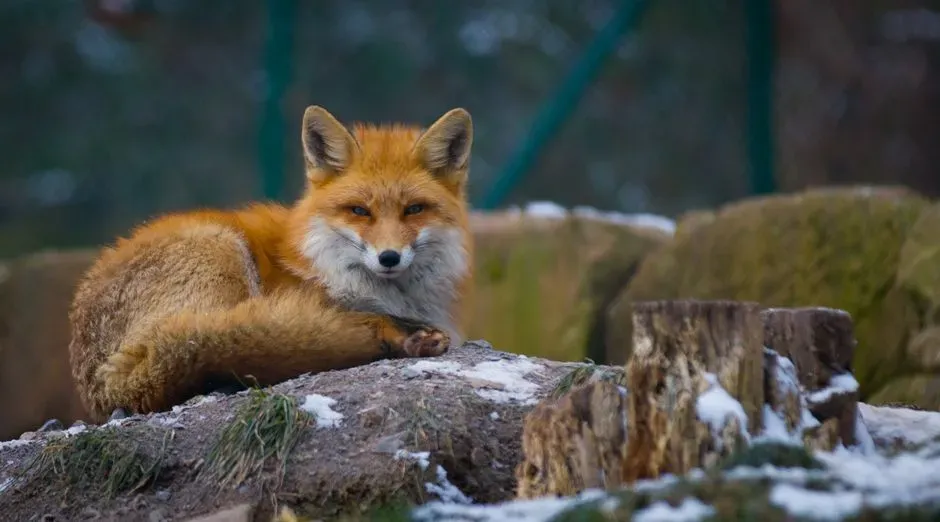
Regular fox sightings can signal that the surrounding area maintains enough biodiversity to sustain predators. Healthy insect and rodent populations support the chain that leads up to these mammals. In turn the foxes help control those numbers naturally.
Gardens that attract pollinators and songbirds often overlap with fox routes. The overall picture points to a yard that functions as part of a larger living network. Such balance tends to emerge where chemical use stays low and native plants remain.
Keeping Pets and Property Secure
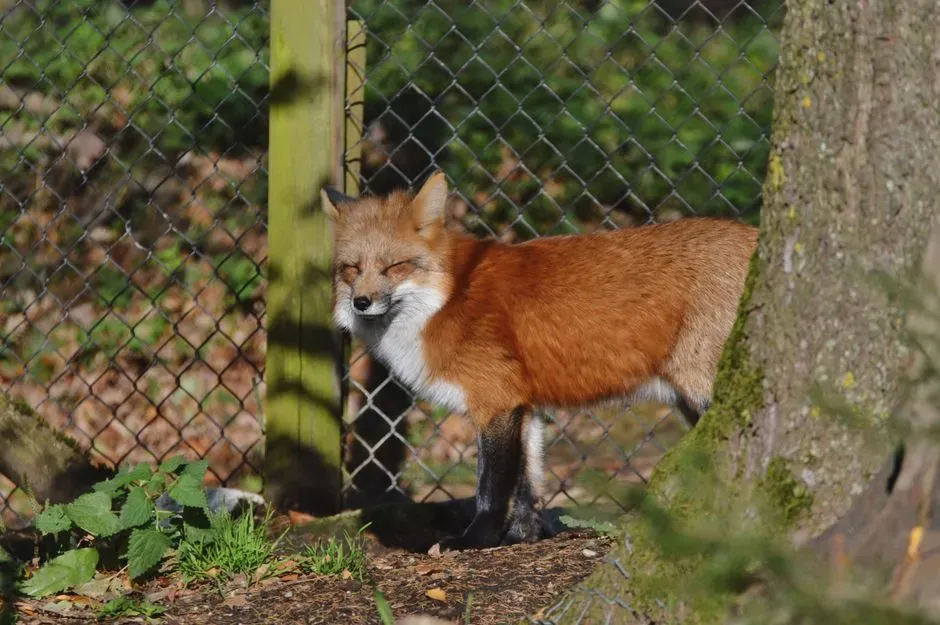
While foxes rarely pose direct threats to people, small pets left outside overnight can become targets. Securing trash bins and removing scattered food reduces the chance of repeated visits that might lead to bolder behavior. Motion lights or simple fencing adjustments often discourage unwanted close encounters.
Most foxes prefer to avoid confrontation and will retreat when they sense activity. Checking for den sites under sheds or decks helps prevent surprise litters in spring. These practical steps allow residents to share the space without major disruption.
Respectful Ways to Interact or Observe

Quiet watching from indoors lets you appreciate the animal without altering its path. Avoiding direct approaches or attempts to feed keeps the fox wild and self reliant. Many people find satisfaction simply noting the tracks or brief appearances over several weeks.
Documenting patterns through photos or notes can reveal whether the visits are seasonal or tied to specific weather. This low impact approach respects the fox natural rhythms while satisfying curiosity. Over time such observation builds a quiet familiarity with local wildlife rhythms.
Embracing Shared Spaces in Modern Times
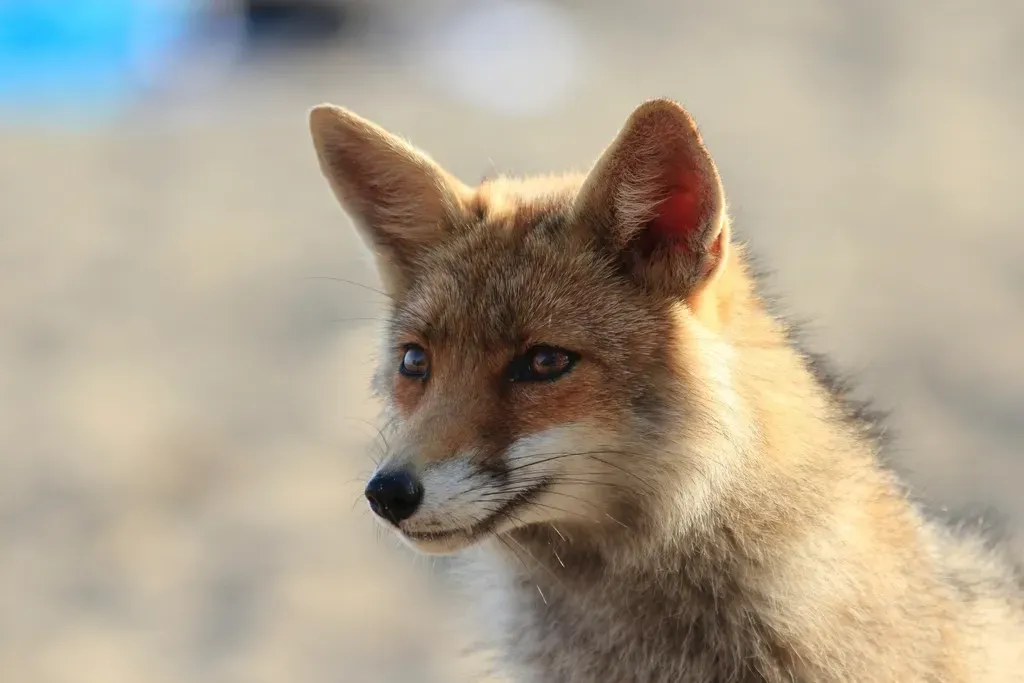
Fox visits remind us that yards are never truly isolated from the wider landscape. They arrive as part of ongoing adjustments between human development and remaining wild pockets. Accepting their presence often leads to small changes that benefit both sides.
Ultimately these nighttime callers invite a gentler view of neighborhood ecology. Rather than viewing them as intruders, many residents come to see them as quiet indicators of resilience in changing environments. The result is a more thoughtful coexistence that values both comfort and the creatures that pass through after dark.

- What is the Native American Zodiac Animal Sign for Capricorn? - July 29, 2026
- The Best Birdwatching Spots in Texas - July 29, 2026
- 15 Places To Visit in Arizona To Fill Your Adventure Soul - July 29, 2026