
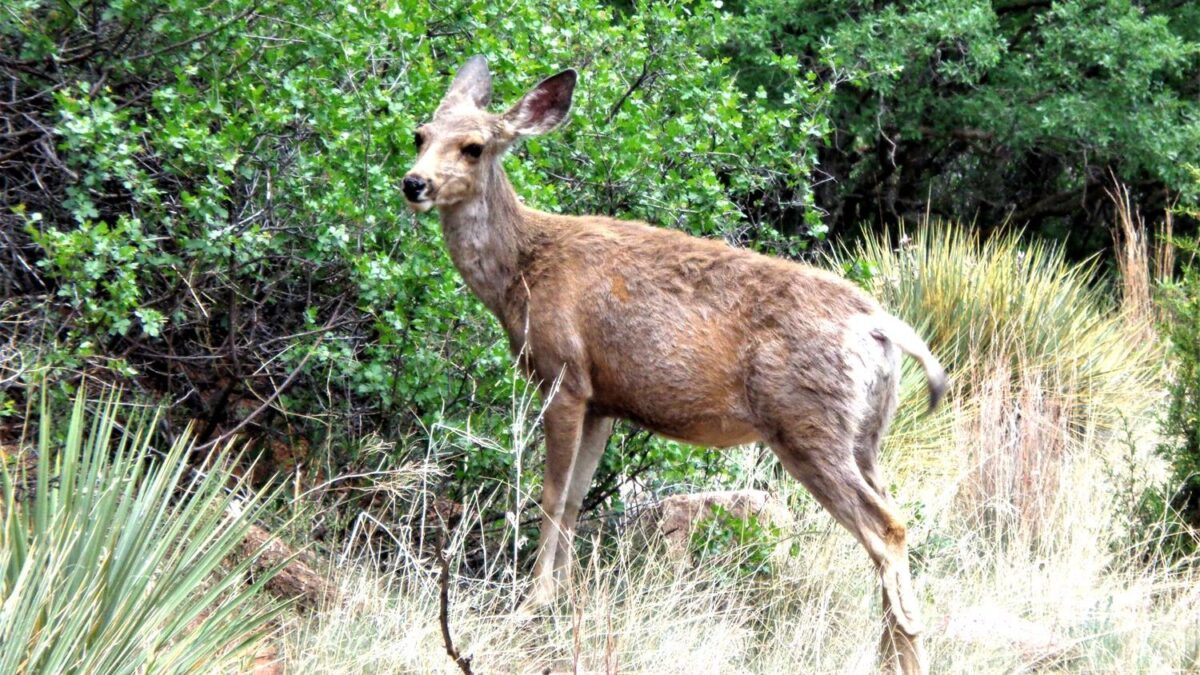
Spotting deer moving through residential streets in the middle of the day often catches people off guard. These animals usually stick to quieter hours, so repeated daytime appearances raise quiet questions about what is shifting in the local environment.
The pattern can point to several overlapping factors rather than any single dramatic event. Understanding the most common reasons helps make sense of the sightings without jumping to conclusions.
Habitat Loss Pushing Deer Closer
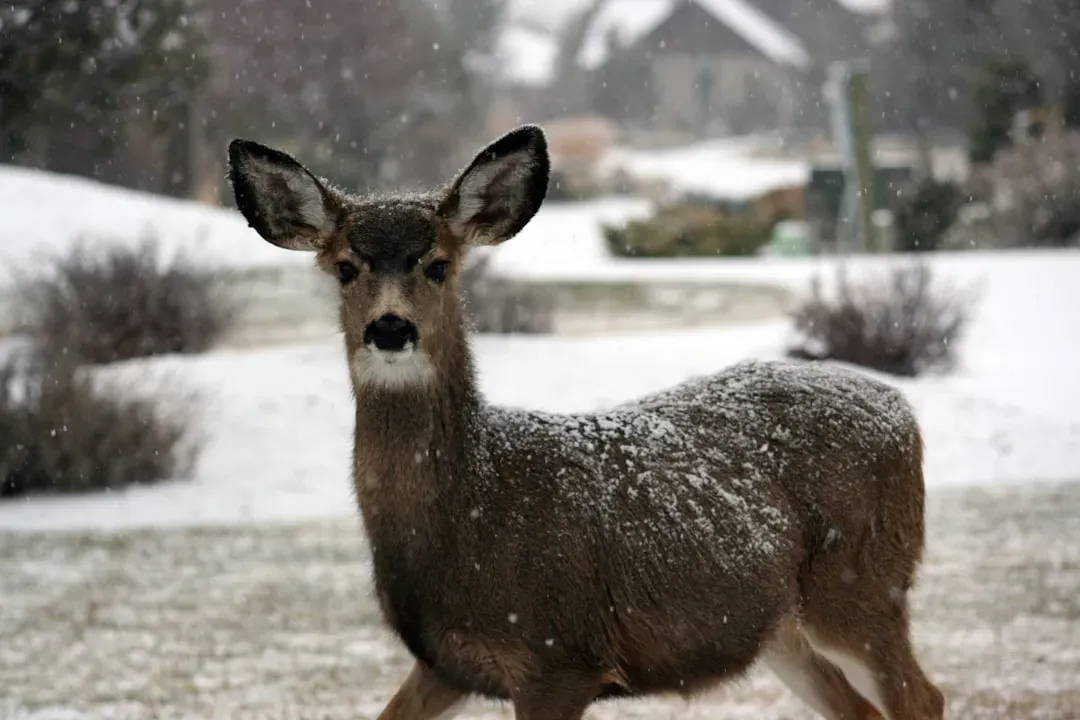
Expanding suburbs and new construction often remove the wooded edges where deer once found cover. As those spaces shrink, animals move into yards and parks that still offer some shelter during daylight hours.
Fragmented forests leave fewer safe travel routes between feeding areas. Deer then cross open neighborhoods more often because the remaining patches of green are scattered and closer to homes.
Gardens And Lawns As Reliable Food Sources
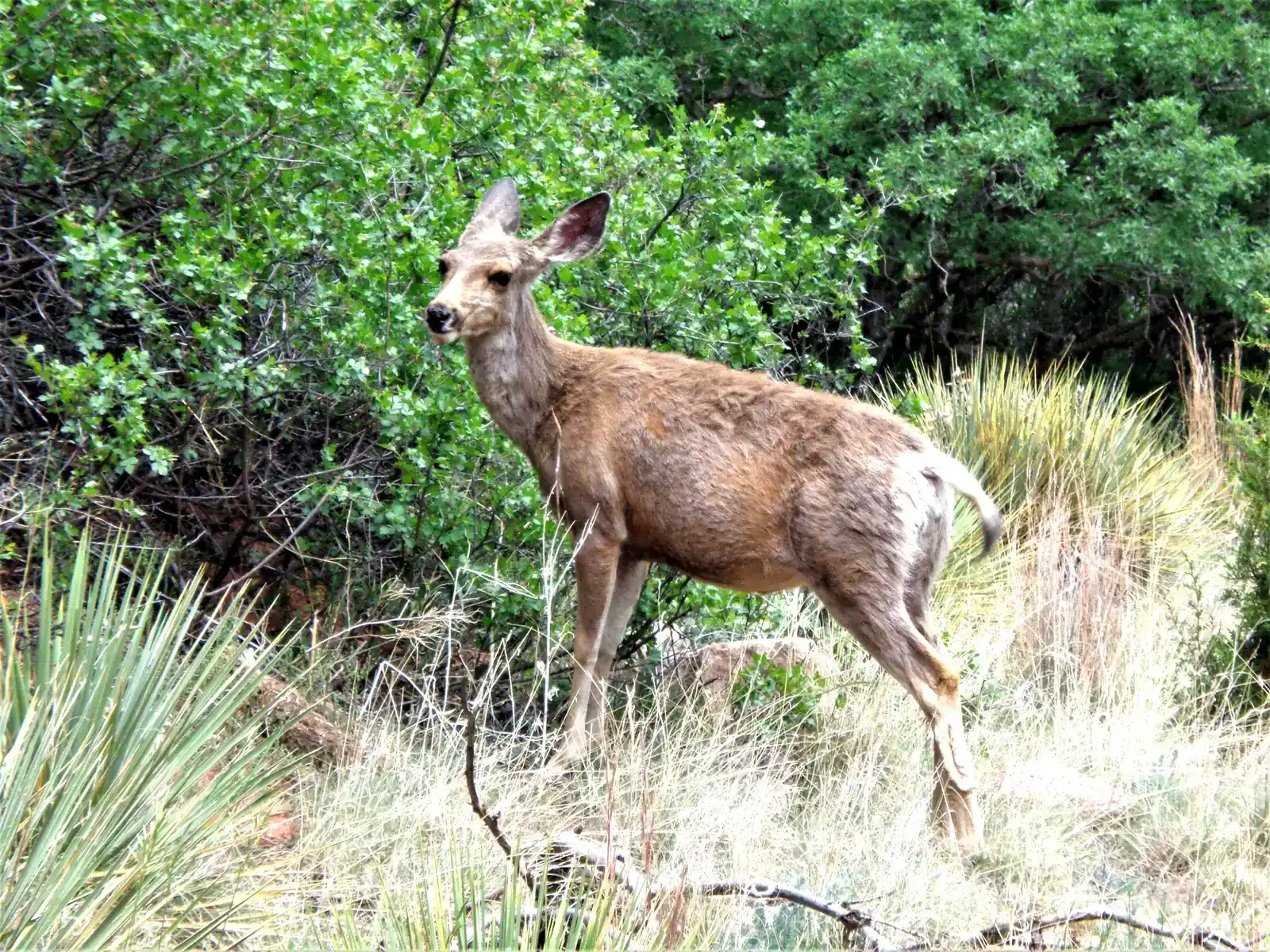
Well tended flower beds, vegetable patches, and even fertilized grass provide easy nutrition that wild forage sometimes lacks. Deer learn quickly which properties offer consistent meals without much effort.
Bird feeders and fallen fruit from ornamental trees add to the draw. Once a few animals discover these options, others follow the same paths during the day when human activity is lower in some neighborhoods.
Safety From Predators In Developed Areas
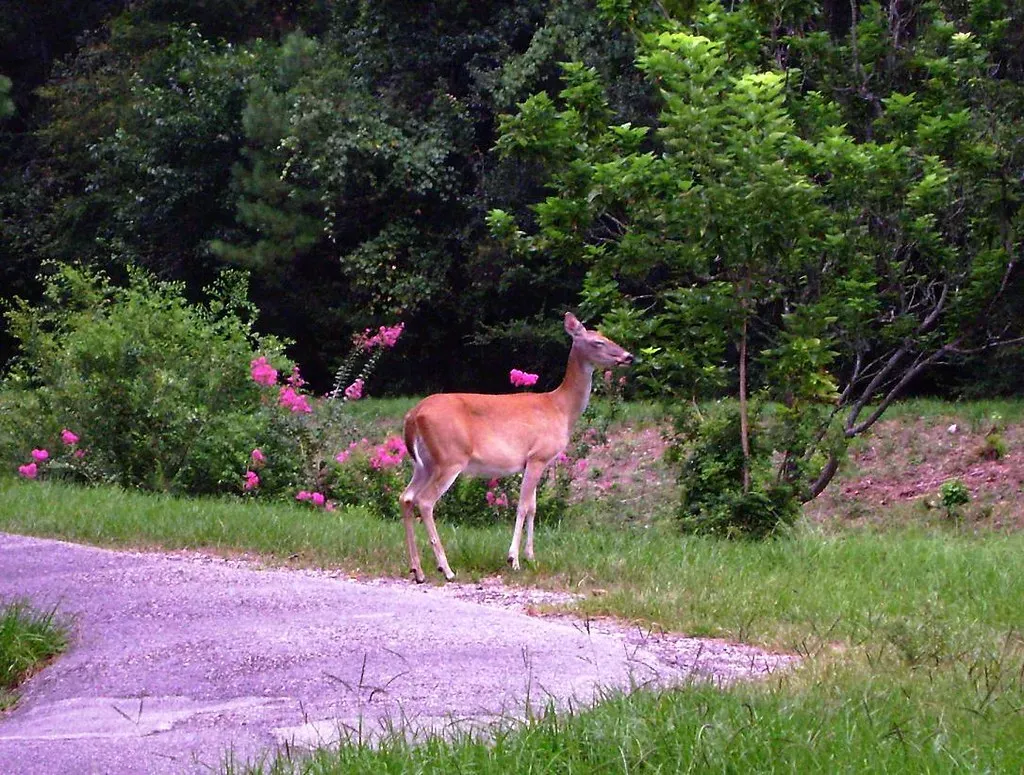
Many suburban zones have fewer large carnivores than deeper forests. This reduced pressure lets deer feel comfortable moving around while the sun is up instead of waiting for twilight.
Streetlights and regular human presence can also discourage some predators from entering the same spaces. The result is a daytime routine that would have been riskier in more remote settings.
Behavioral Changes Over Generations
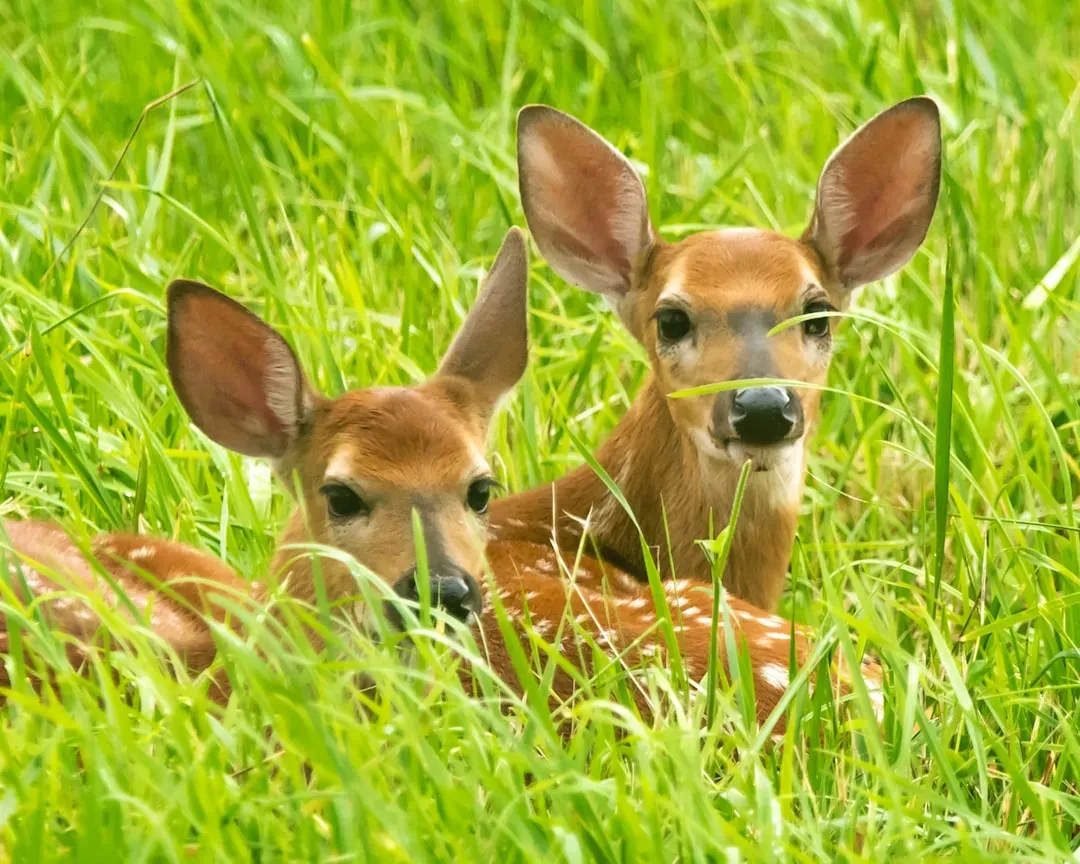
Deer that grow up near people often pass along habits of tolerating daytime activity. Younger animals see their mothers browsing in yards and adopt the same schedule without hesitation.
Over time this creates local populations that treat neighborhoods as normal habitat rather than temporary stops. The shift happens gradually and becomes noticeable only after several seasons of repeated sightings.
Seasonal Patterns That Increase Visibility
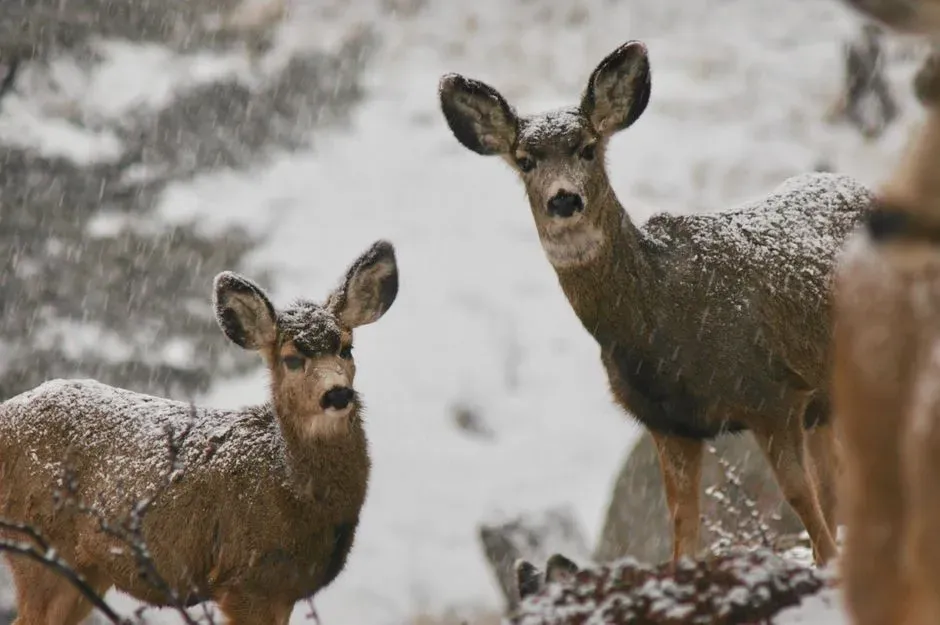
Winter months bring scarcer natural food, so deer venture farther in search of anything green or supplemental. Spring fawning season can also push does into open areas where they feel they can watch for threats.
Fall breeding periods sometimes lead to more movement as well. These cycles overlap with human routines, making the animals more obvious during typical commuting or yard work hours.
Population Growth And Its Effects
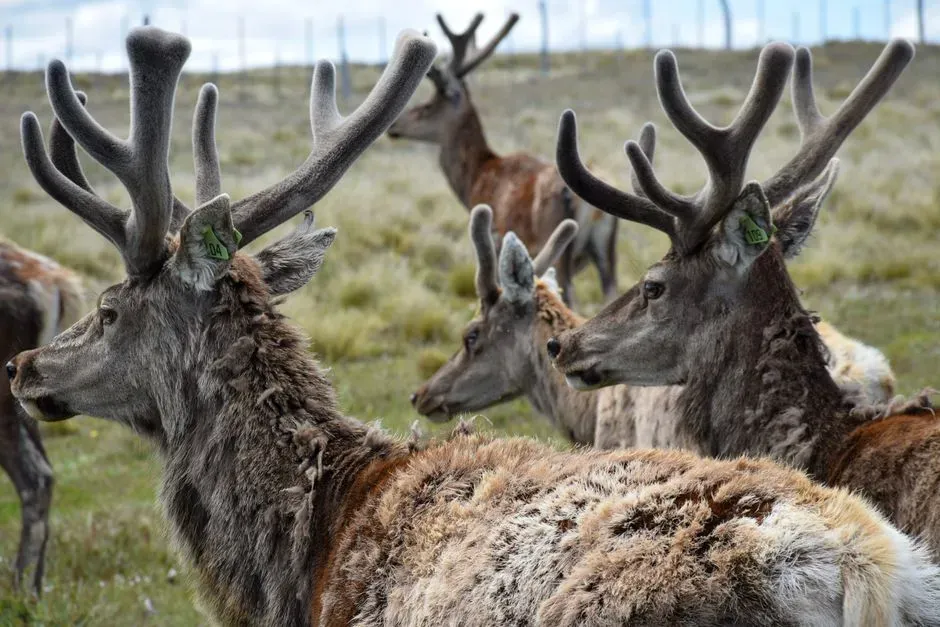
Stable or rising deer numbers in a region mean more individuals compete for the same resources. Some of them spill into developed areas simply because space is limited elsewhere.
Higher densities can also mean younger or less dominant animals explore new territory during the day. The pattern often appears first in neighborhoods that border remaining green corridors.
Learning To Share Space Thoughtfully
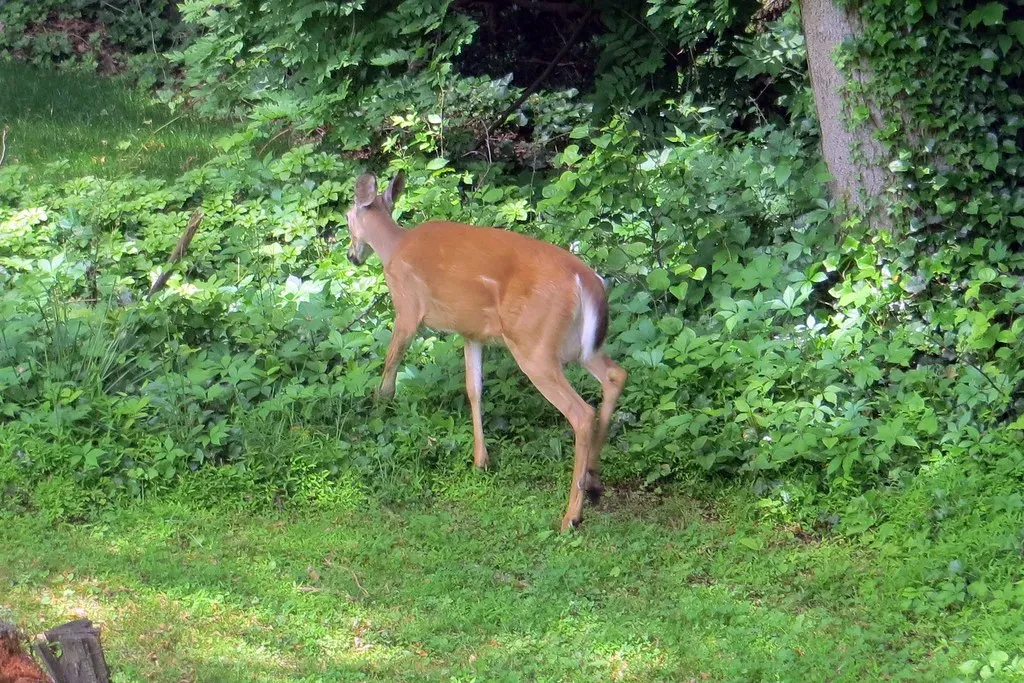
Repeated daytime sightings invite residents to notice how their own choices shape local wildlife movement. Simple adjustments like securing trash or planting less appealing landscaping can reduce conflicts over time.
At the same time, these encounters remind people that neighborhoods sit within larger ecosystems. Paying attention to the deer offers a steady, grounded way to stay connected to the natural rhythms still present around homes.

- 6 Common Plants That Are Essential for Backyard Wildlife - July 28, 2026
- The Silent Promise Your Dog Makes Every Time They Follow You From Room to Room - July 28, 2026
- 10 Disadvantages of Wind Power in The US - July 28, 2026