

Many people form deep bonds with their pets, yet some take this connection further by viewing them as their own children. This shift often sparks curiosity about what sets these individuals apart in how they think and feel. Psychologists have explored the patterns behind such relationships, revealing traits that go beyond simple affection.
They Tend Toward Anthropomorphism
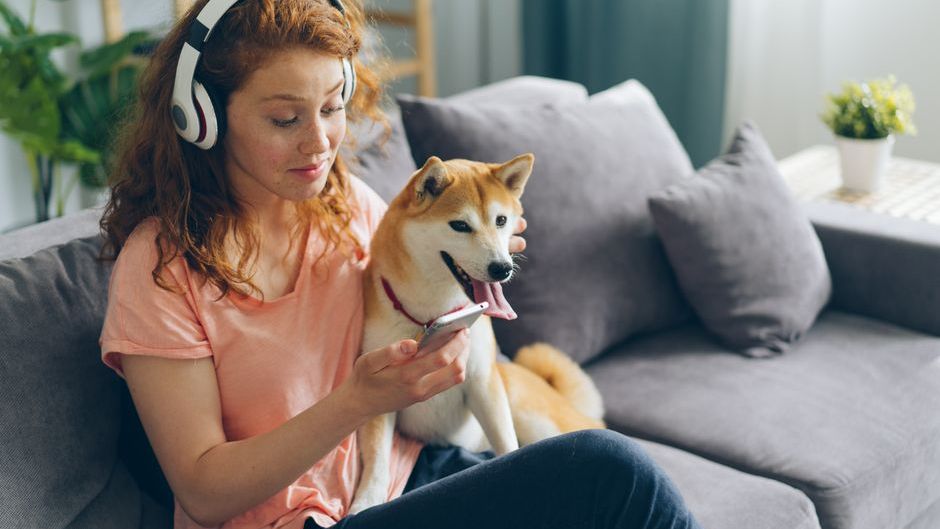
People who see their pets as children often attribute human like emotions and intentions to them. They interpret a wagging tail or a slow blink as clear expressions of joy or trust, much like reading a child’s face. This way of thinking strengthens the sense of a parent child dynamic and makes daily interactions feel more meaningful.
Such individuals frequently talk to their pets in full sentences, sharing stories or asking for opinions. The habit reflects a natural extension of how they process relationships overall. It also helps them stay attuned to subtle changes in behavior that others might overlook.
They Display Strong Empathetic Responses

Empathy runs deep for those who treat pets like family members. They notice small shifts in mood or energy and respond with comfort or adjustments to routines right away. This sensitivity often carries over into how they interact with people too, creating a consistent pattern of care.
Psychologists note that this trait supports the intense emotional investment seen in pet parenting. It allows for quick recognition of needs without words, similar to responding to an infant. Over time, it builds a reliable foundation of trust between person and animal.
They Embrace Nurturing Instincts
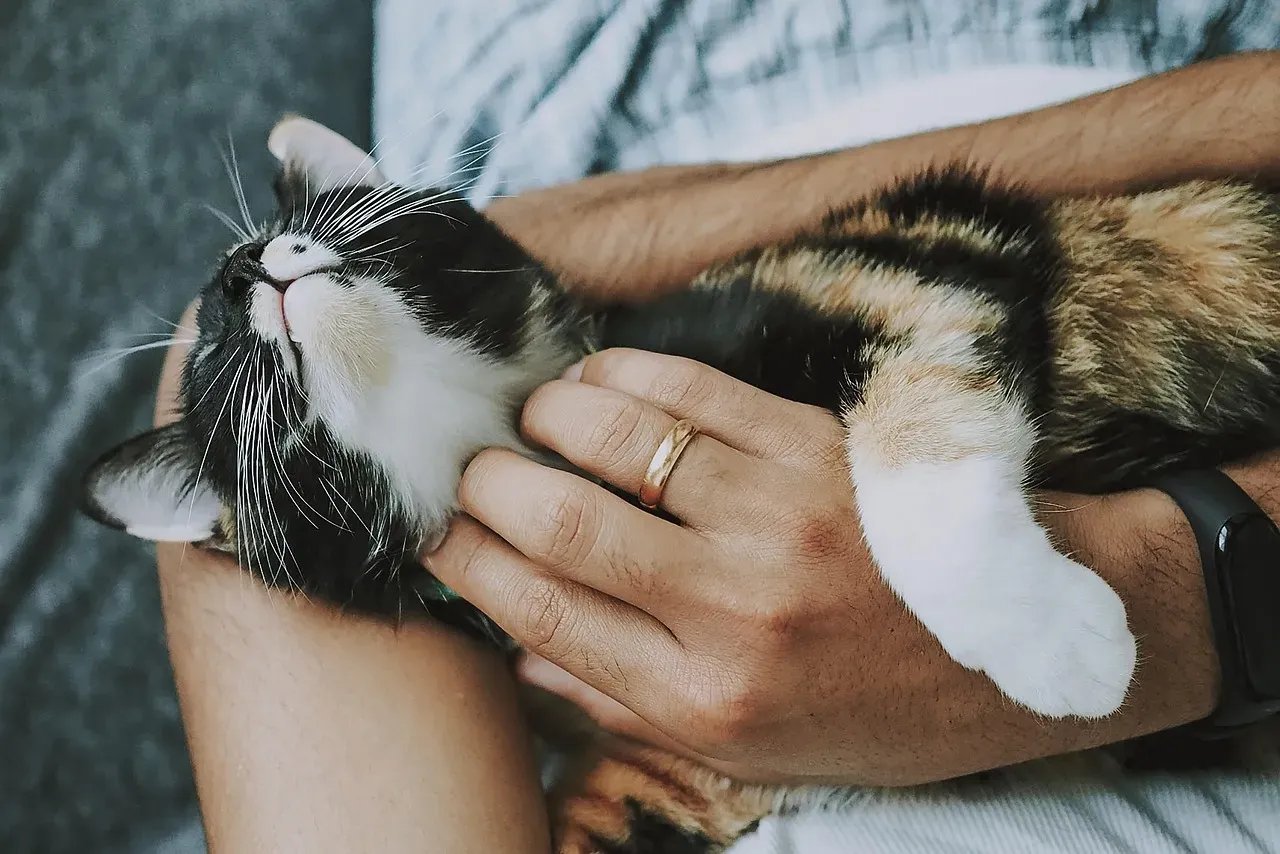
A pronounced drive to nurture shows up in practical ways, from preparing special meals to arranging comfortable spaces. These individuals invest time and resources in ways that mirror parenting a young child. The focus stays on well being and growth rather than mere ownership.
This instinct often stems from a broader capacity for caregiving that finds an outlet in the pet relationship. It provides structure and purpose, especially when other life areas feel uncertain. The result is a steady, attentive presence that benefits the animal’s daily life.
They Prioritize Nonverbal Communication
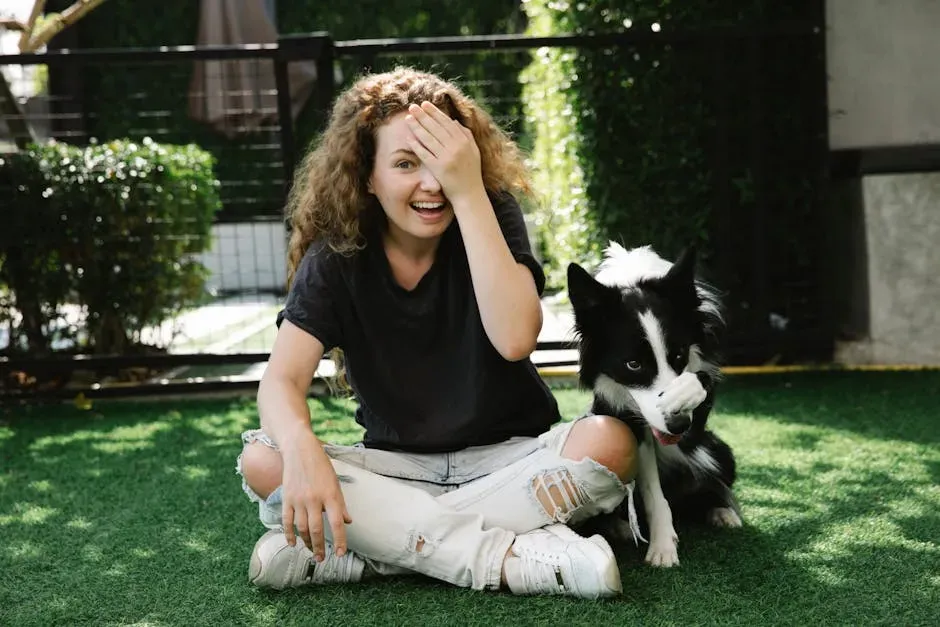
Reading body language and subtle signals becomes second nature. A slight ear flick or change in posture conveys volumes, prompting immediate adjustments in approach or environment. This skill keeps the connection responsive and attuned.
Over time, it fosters a quiet understanding that feels almost intuitive. People with this trait often extend the same careful observation to human interactions, noticing unspoken cues in conversations. The practice reinforces the parental role they have adopted.
They Seek Unconditional Attachment
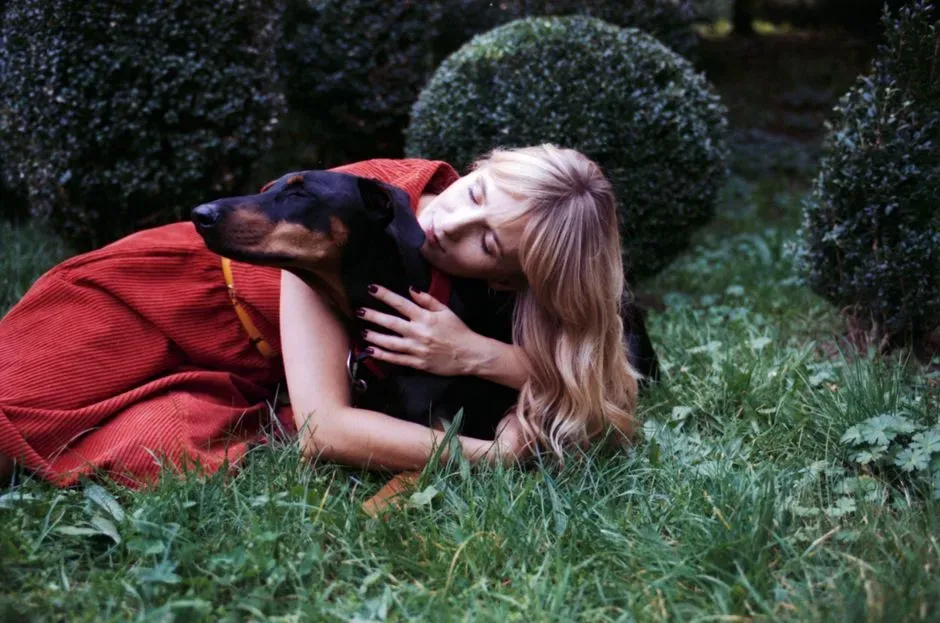
The appeal of a bond without judgment or conditions draws many into this mindset. Pets offer consistent presence and affection that feels safe and reliable. This preference shapes how they structure their days around the animal’s needs.
Psychologists link this to deeper patterns of seeking emotional security. The relationship provides a steady source of connection that does not require complex negotiation. It creates a sense of stability that supports overall well being.
They Maintain Consistent Routines
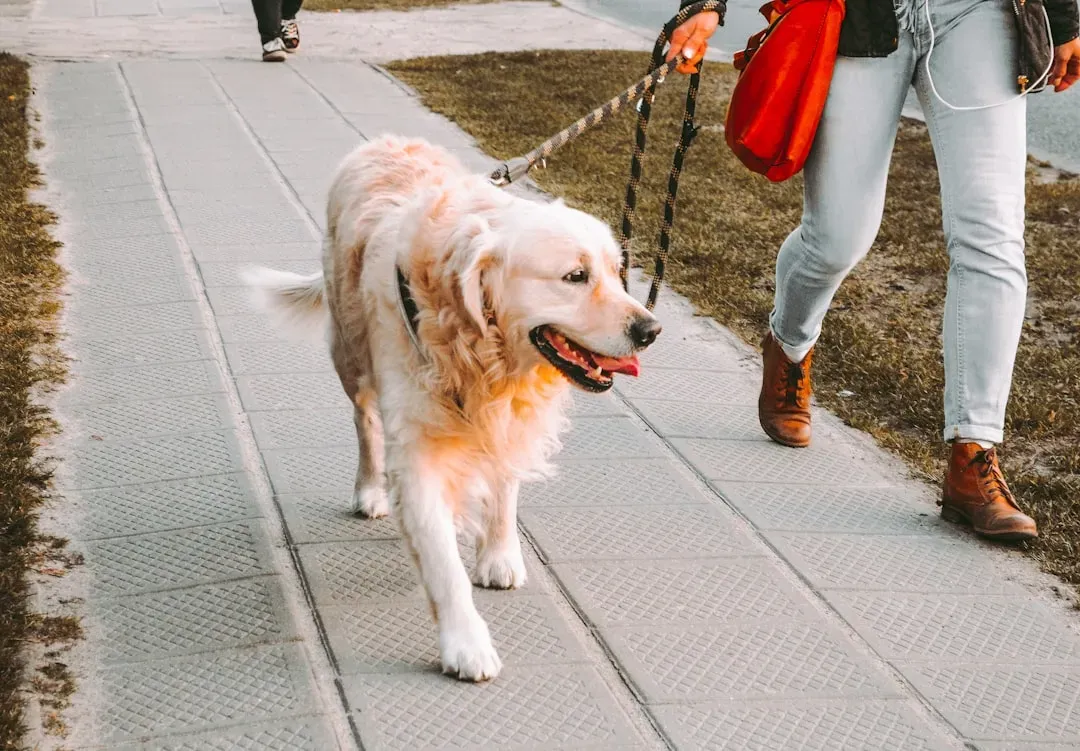
Structure matters greatly, with feeding times, walks, and play sessions treated as essential commitments. These routines offer predictability that benefits both the person and the pet. Deviations are planned carefully to avoid disruption.
The emphasis on consistency reflects a broader value placed on reliability in relationships. It helps manage expectations and reduces stress for everyone involved. Over months and years, these habits become woven into the fabric of daily life.
They Show Heightened Emotional Openness
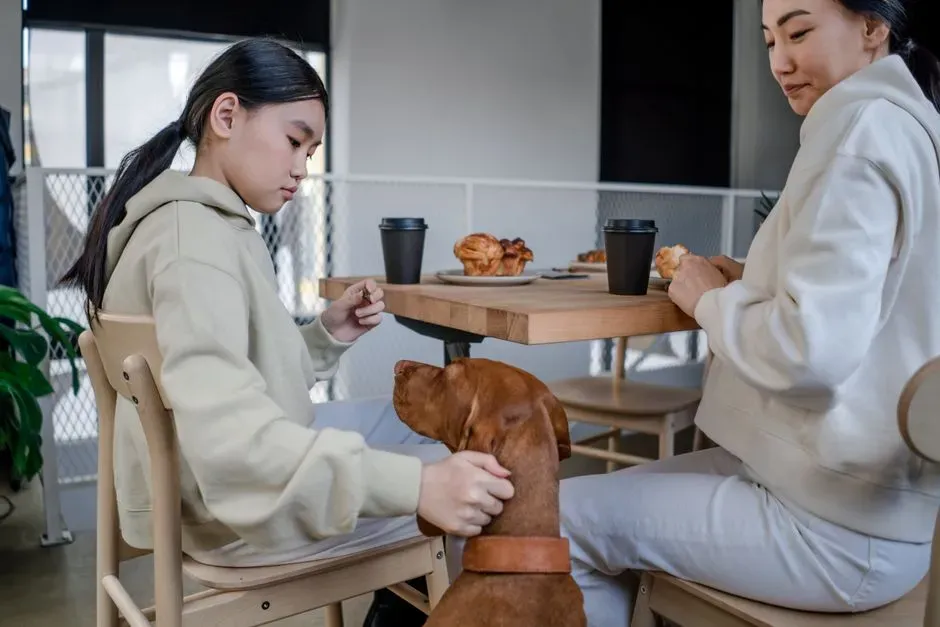
Expressing affection freely, whether through baby talk or visible concern during illness, comes naturally. This openness allows for a full range of feelings without much filtering. It deepens the perceived parent child connection.
Such individuals often find comfort in this direct emotional exchange. It provides an outlet for care that feels reciprocal and fulfilling. The trait supports resilience when facing the challenges that come with any long term relationship.
The way people relate to their pets continues to evolve alongside changing ideas about family and connection. These traits highlight how meaningful such bonds can become when viewed through a parental lens. In the end, the real measure lies in the mutual comfort and care that results.

- 8 Comforting Messages Every Cat Owner Would Love to Receive from Beyond the Rainbow Bridge - July 26, 2026
- Cancer, Nurture Your Heart With These Cuddly Cats - July 26, 2026
- What Makes Wolves Howl at the Moon? - July 26, 2026