
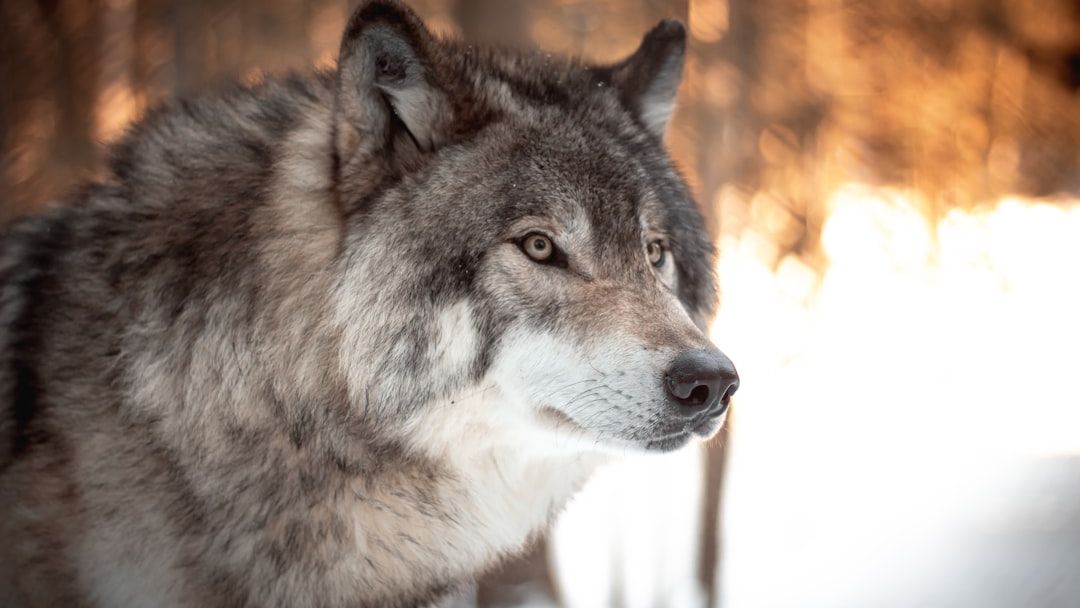
Understanding the Purpose of Wolf Howls
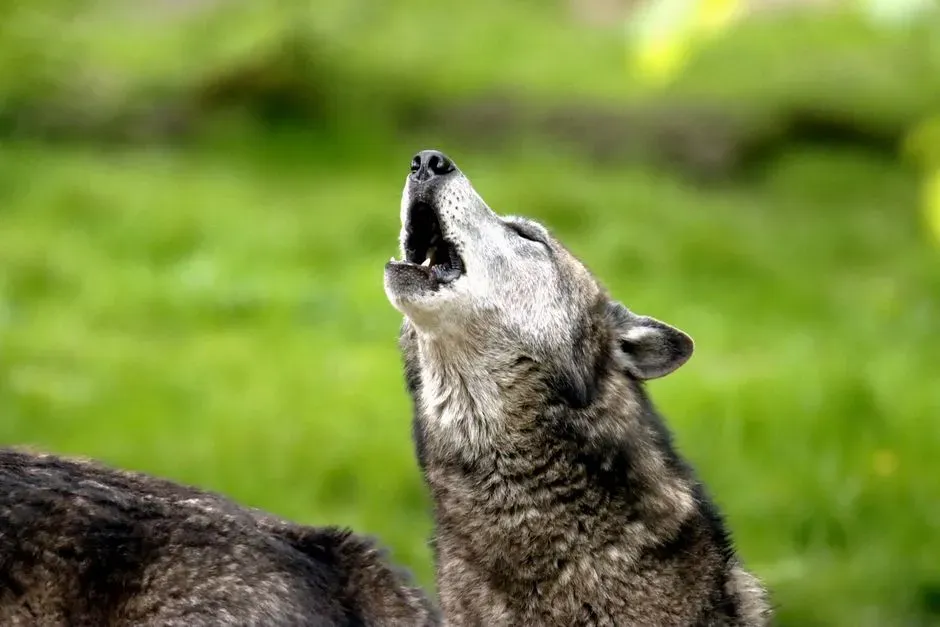
Wolves use howls mainly to stay connected with pack members across long distances. The sound travels well over open land and helps them coordinate hunts or locate one another after separating. It also serves as a way to mark territory without direct confrontation.
Researchers note that howls carry emotional tones too. A single prolonged call might announce presence while shorter bursts can rally the group. These vocalizations rarely indicate immediate aggression toward people or livestock.
Factors Drawing Wolves to Rural Settings
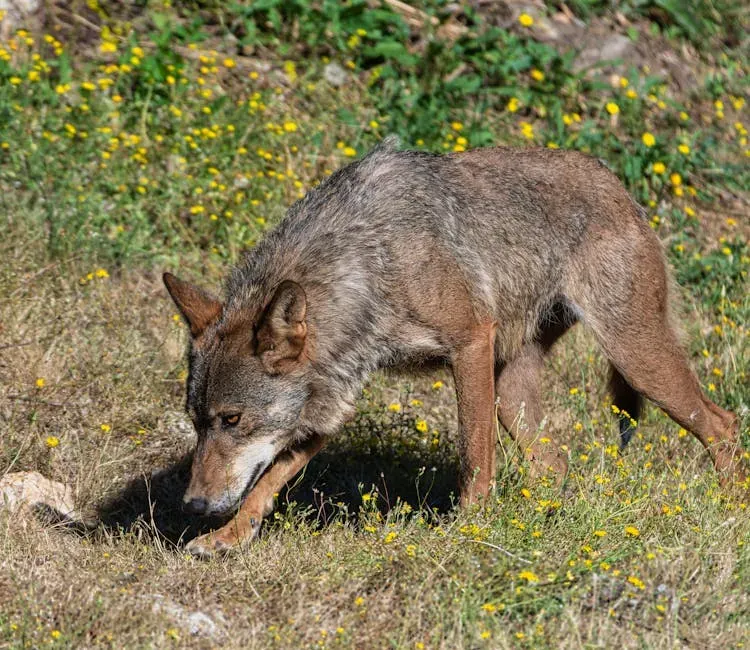
Expanding human development sometimes pushes wolves into areas with scattered farms and smaller woodlots. Prey like deer often thrive near fields where crops provide extra forage. This overlap creates more frequent encounters than in remote forests.
Seasonal changes play a role as well. During winter months when food grows scarce wolves may range farther in search of easy meals. Rural zones with livestock or unsecured waste can become temporary draws without any intent to approach homes directly.
Variations in Howl Sounds and Their Meanings
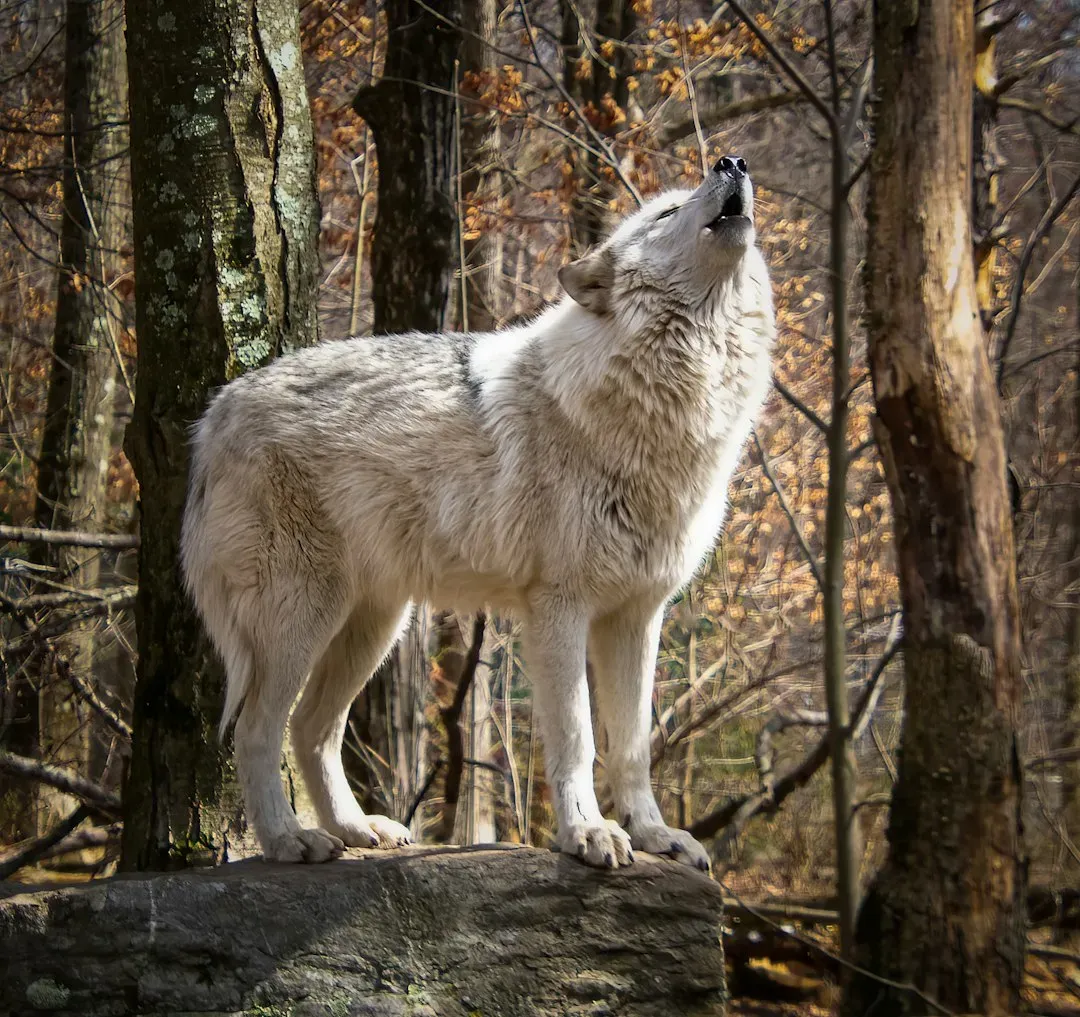
A chorus of overlapping howls usually signals a full pack reinforcing bonds or celebrating a successful hunt. Lone howls tend to be longer and more mournful as an individual tries to rejoin others. Pitch and duration shift with the message being sent.
Listeners in rural spots sometimes notice howls at dawn or dusk when wolves are most active. These patterns reflect natural rhythms rather than responses to human activity. Distinguishing the type helps residents gauge whether the pack is simply passing through or settling nearby.
Effects on Farm Animals and Ecosystems

Livestock can become stressed by unfamiliar sounds even when wolves keep their distance. Proper fencing and guard animals reduce most risks without needing drastic measures. Actual predation events remain uncommon in well managed rural properties.
On the positive side wolves help control deer populations that otherwise overbrowse vegetation. This balance supports healthier forests and fields over time. Rural communities often notice improved plant diversity once wolf numbers stabilize in the region.
Community Responses to Nearby Wolf Activity
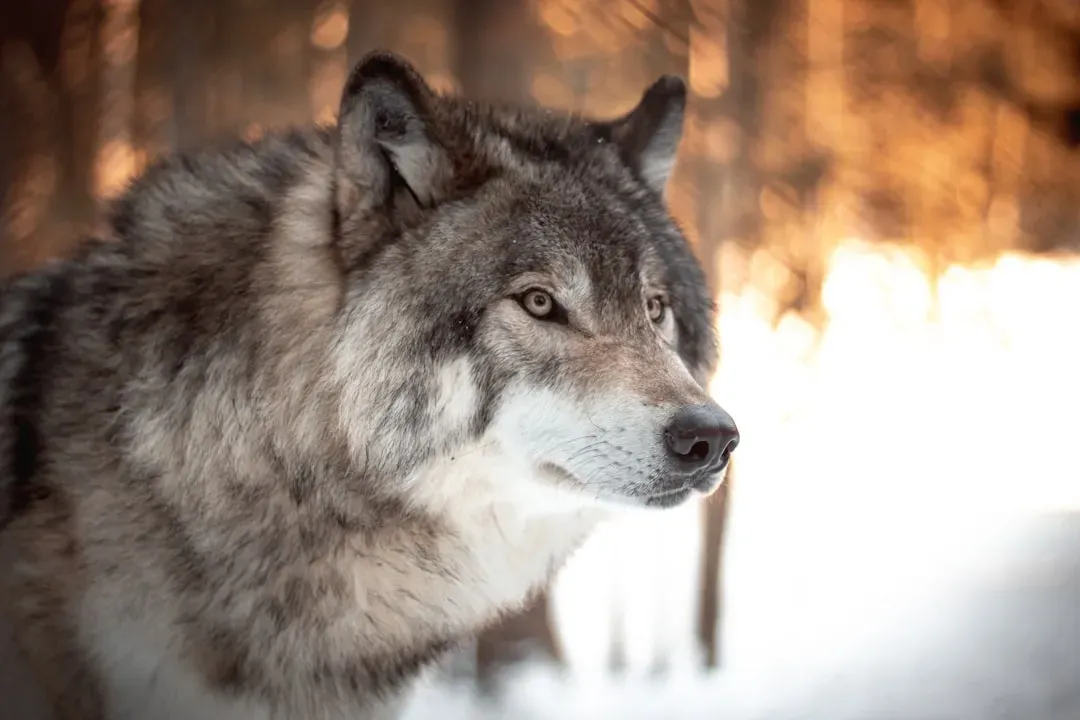
Many residents start by tracking sightings and reporting them to local wildlife agencies. Education programs teach simple steps like securing trash and avoiding feeding wildlife. These actions lower the chance of habituation.
Some areas form informal networks where neighbors share observations about recent howls or tracks. Such cooperation builds awareness without panic. Most reports show wolves prefer to avoid people when given the option.
The Role of Habitat and Human Expansion
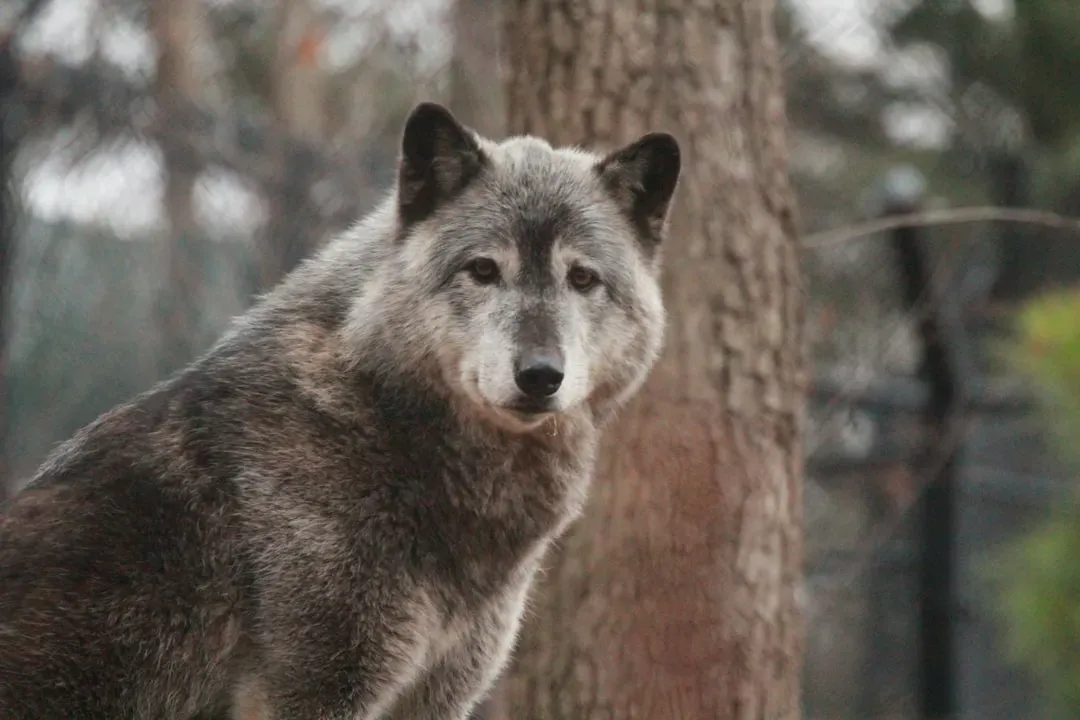
Fragmented landscapes force wolves to navigate between patches of suitable cover. Roads and subdivisions create barriers yet also corridors that lead closer to settlements. Understanding these routes helps predict where activity might increase.
Restoration projects that reconnect wild areas sometimes reduce pressure on rural edges. When wolves have ample space they spread out and howl less near homes. Ongoing land use decisions shape how often these sounds reach community ears.
Embracing Coexistence with Wolves
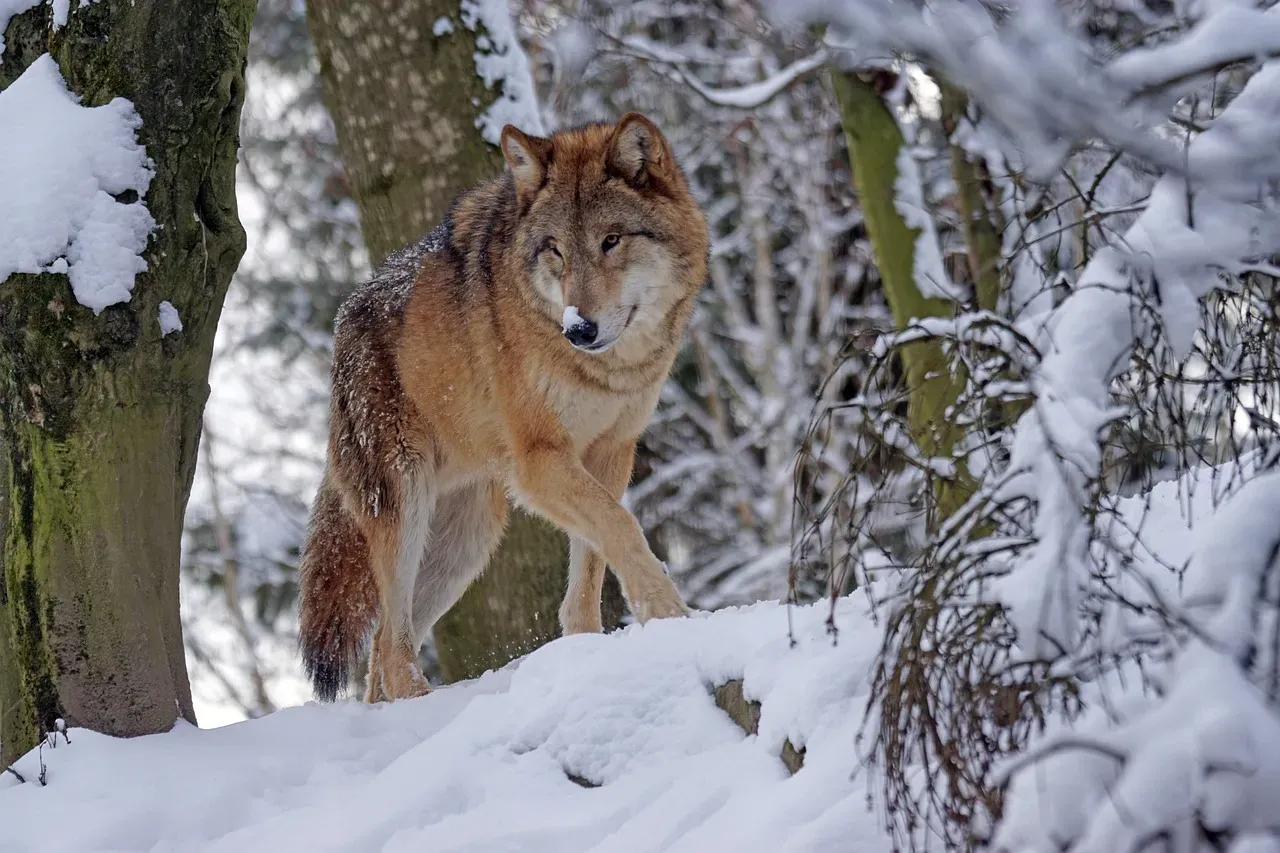
Rural life has always involved sharing space with wild neighbors. Howling serves as a reminder that these animals still roam the same landscapes people call home. Practical adjustments allow both to thrive without constant conflict.
Long term success depends on continued respect for natural behaviors and boundaries. Wolves contribute to balanced ecosystems that benefit everyone in subtle ways. Hearing them at night can become part of the rhythm of country living rather than a cause for alarm.

- 11 Incredible Adaptations That Allow Animals to Survive Extreme Cold - July 29, 2026
- 8 Striking Facts About the Oryx: The Desert’s Living Spear - July 29, 2026
- 8 Incredible Ways Animals Help Each Other Survive in Nature - July 29, 2026