
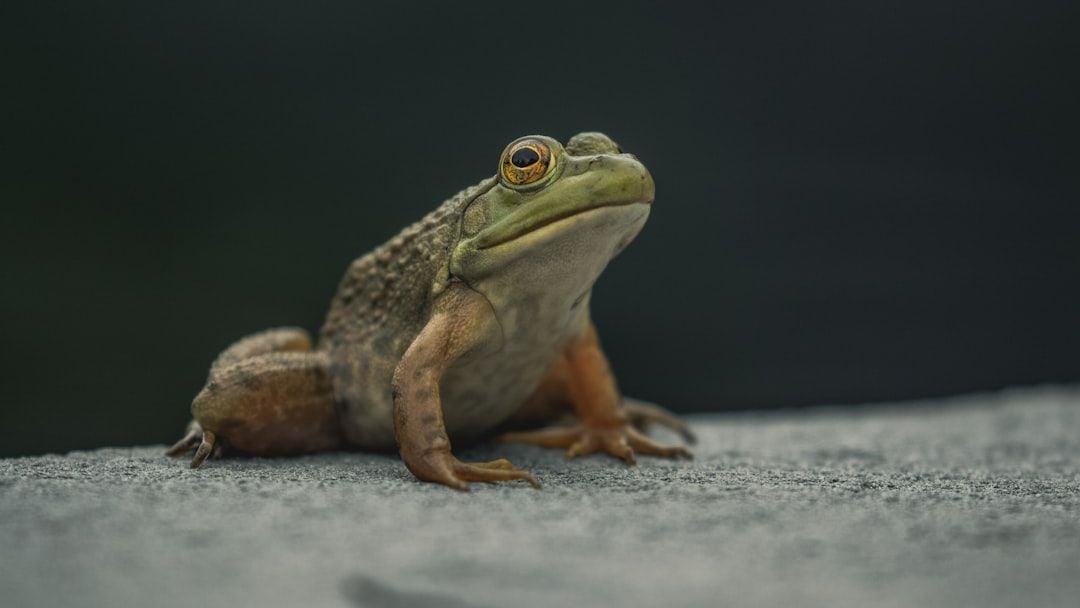
Picture a warm evening where the usual chorus of croaks fills the air, only to cut off without warning. That sudden quiet can leave anyone wondering what changed in the darkness.
The absence of those familiar sounds often points to shifts in the frogs surroundings or behavior. Understanding the reasons behind the silence reveals more about the delicate balance in local ecosystems.
Weather Patterns and Moisture Levels
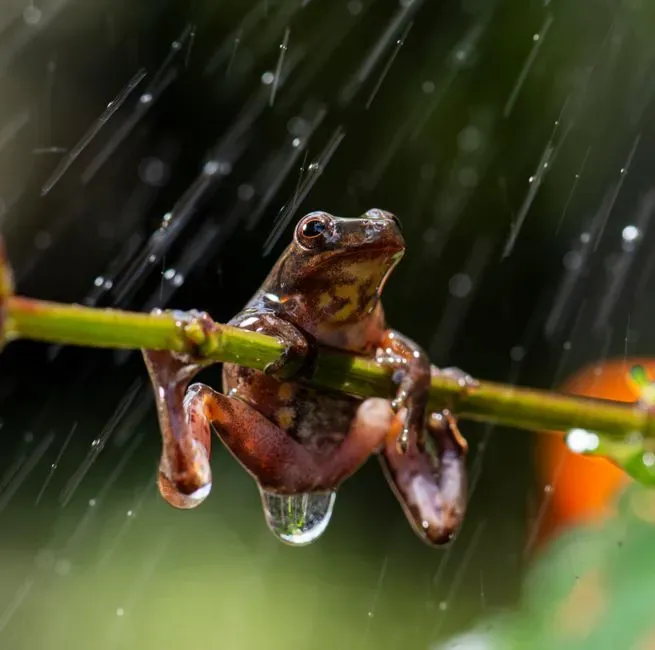
Frogs rely heavily on humidity and rainfall to stay active and vocal. Dry spells reduce the moisture they need for their skin and breeding calls, leading many to conserve energy instead of singing through the night.
Temperature drops can also play a role, as cooler air slows their metabolism and makes calling less practical. In such conditions the chorus fades naturally until conditions improve again.
Presence of Predators or Threats
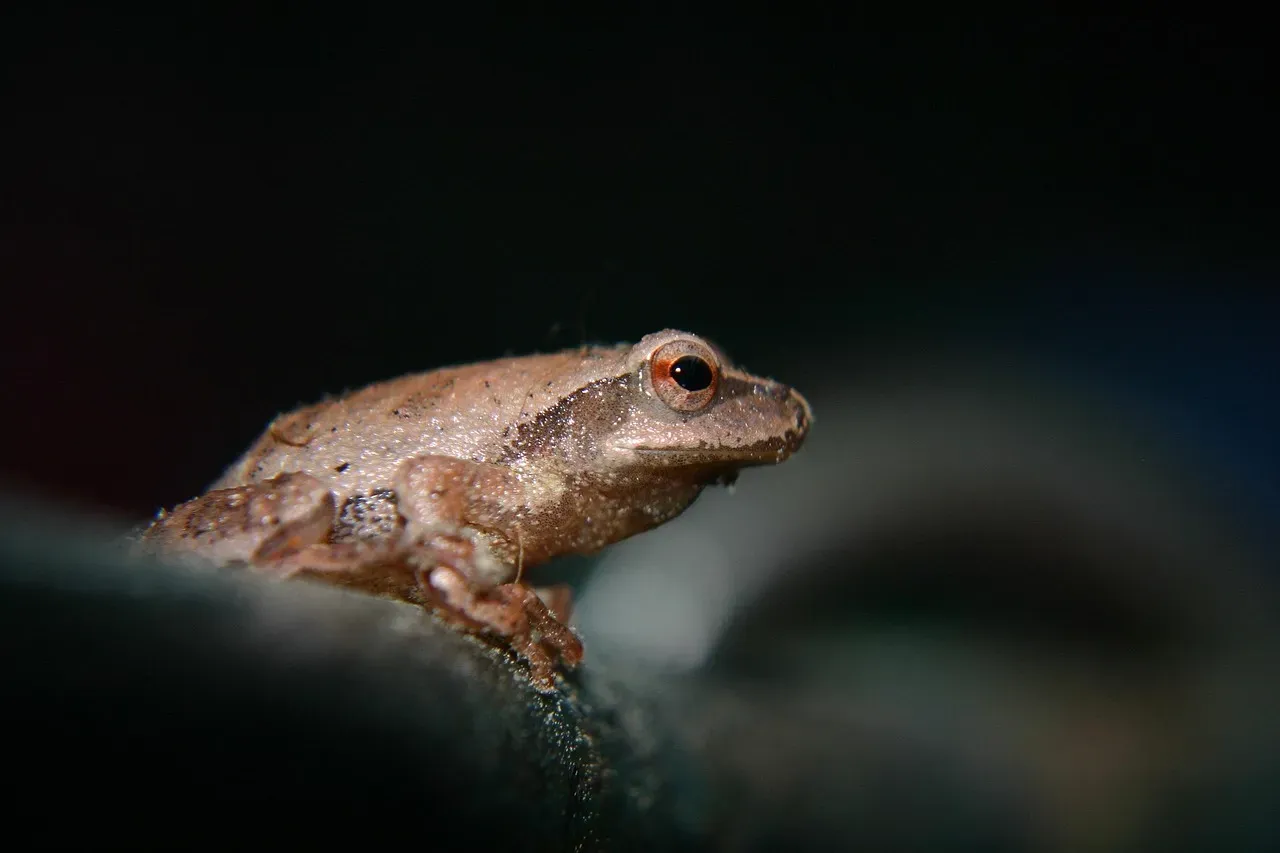
When danger lurks nearby, frogs often go quiet to avoid drawing attention. Nocturnal hunters like owls or snakes can trigger this response across an entire group in moments.
The silence serves as a survival tactic rather than a permanent change. Once the threat passes, the calls typically resume as the frogs assess safety.
Completion of the Mating Season
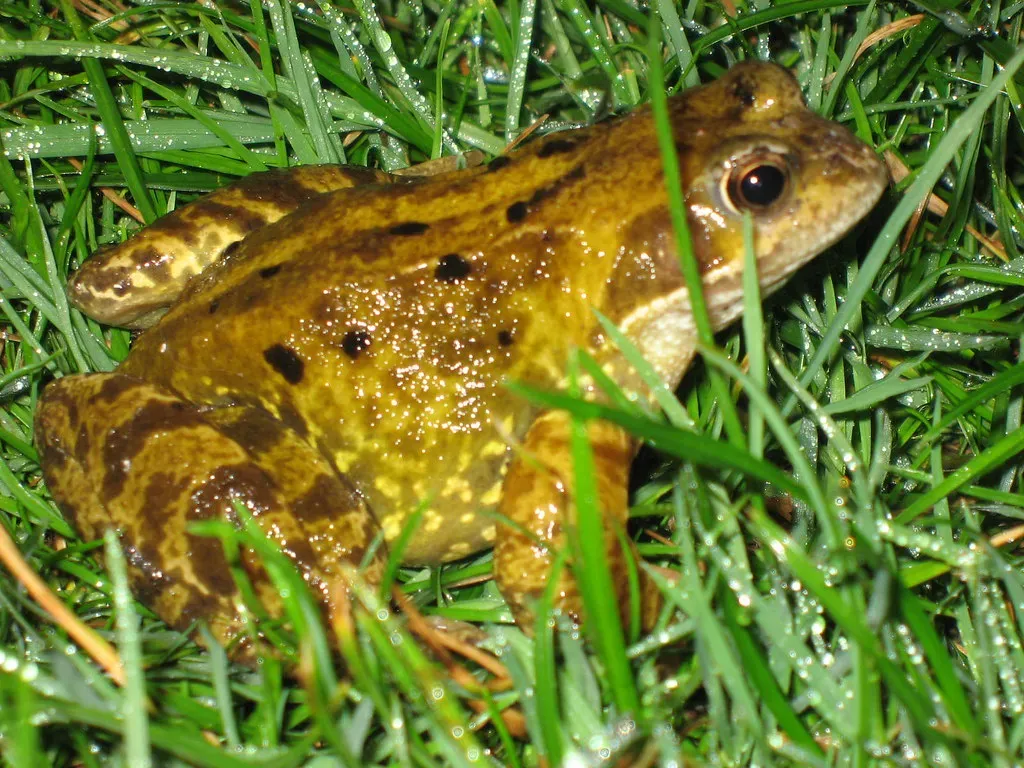
Breeding periods drive much of the nighttime activity in frog populations. Once eggs are laid and the season winds down, the urgent need for vocal displays lessens considerably.
This natural pause allows adults to focus on recovery and survival rather than constant signaling. The quiet marks a transition in their annual cycle rather than a problem.
Changes in the Local Environment
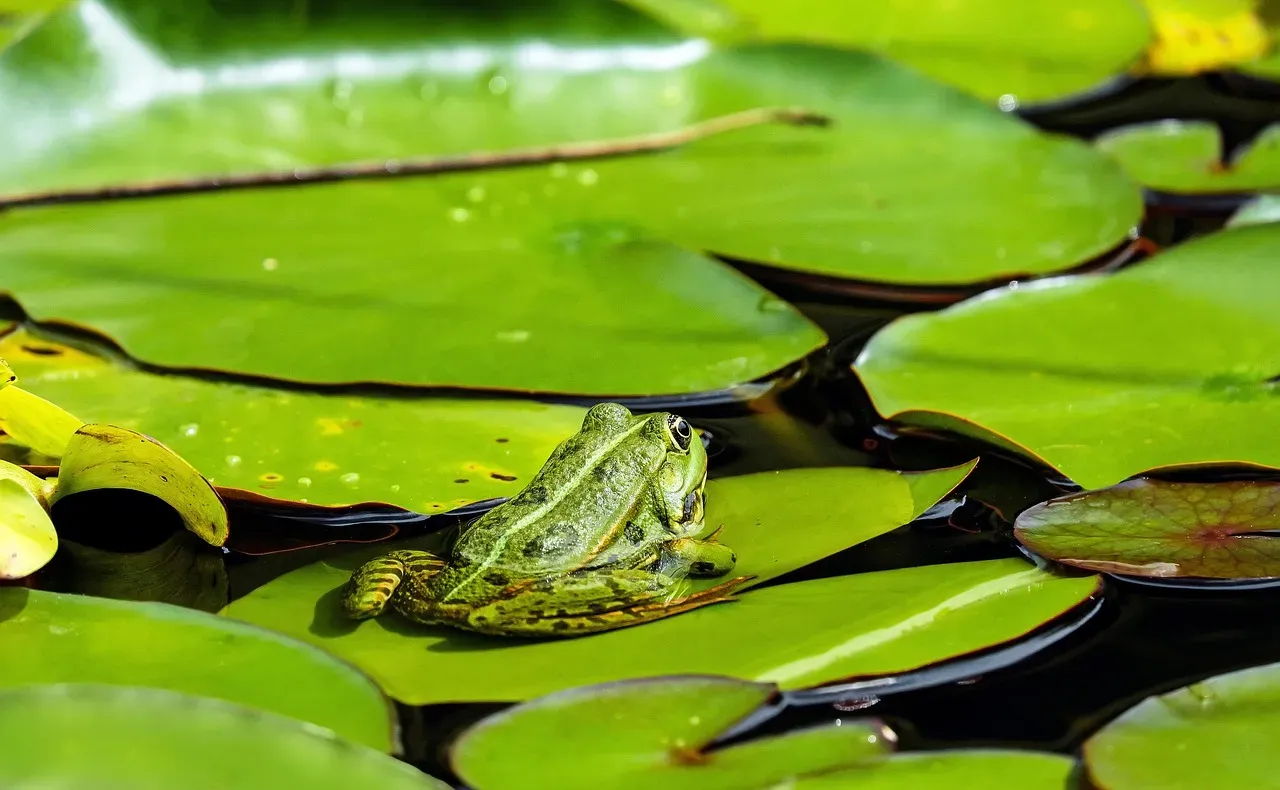
Alterations to ponds, wetlands, or surrounding vegetation can disrupt established calling sites. Frogs may relocate or reduce activity while adapting to new conditions around them.
Even subtle shifts like increased light from nearby development affect their routines. These adjustments help explain why a once lively area turns still over time.
Population Health and Disease
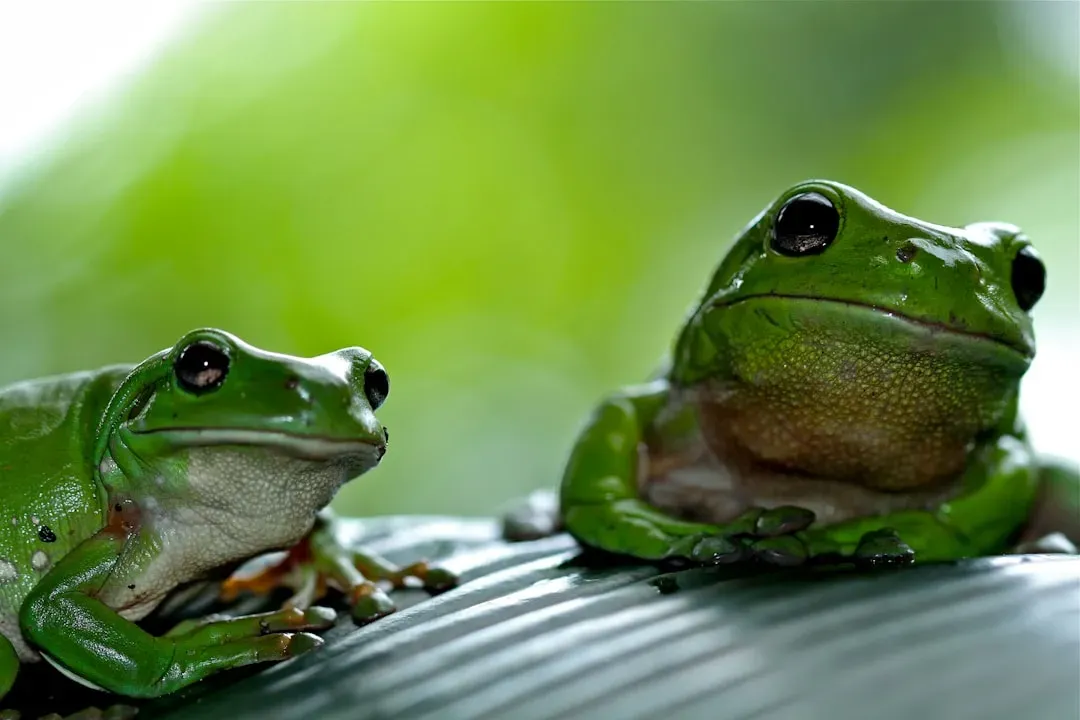
Illness or parasites within a group can lower overall activity levels. Affected frogs simply lack the energy for sustained vocalizations during peak hours.
Monitoring such patterns helps track broader trends in amphibian well being. Silence in these cases often signals the need for closer observation of habitat quality.
Human Activities Nearby

Construction, traffic, or chemical runoff can create stress that suppresses normal behaviors. Frogs sense these disturbances and respond by limiting their exposure through reduced calling.
Even recreational noise from events or equipment interrupts their communication. Over time these influences reshape how active the population remains after dark.
Natural Cycles and Adaptations
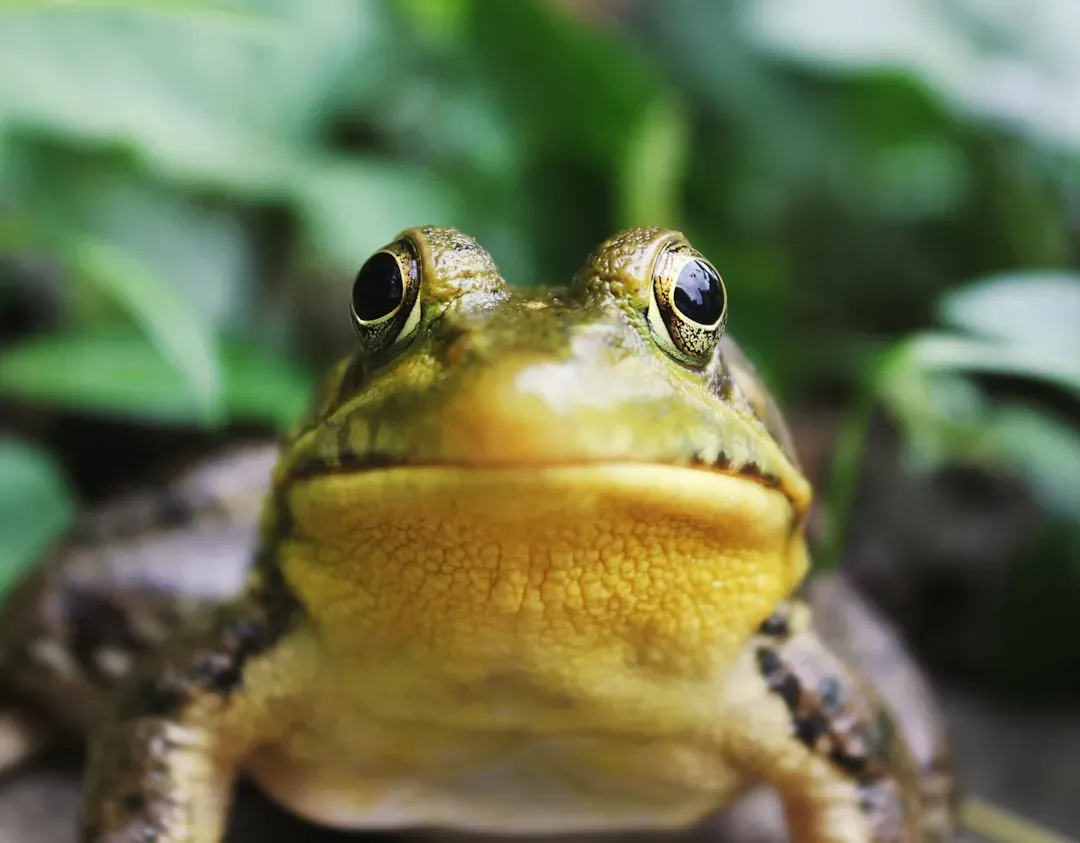
Frogs follow rhythms tied to seasons, moon phases, and resource availability. Periods of reduced vocalization fit into these larger patterns as part of their adaptive strategy.
Observing these cycles shows how flexible the animals remain in changing conditions. The quiet moments often reflect resilience rather than decline.
Paying attention to these silences reminds us how interconnected every element in a habitat remains. Small shifts in frog behavior can hint at larger environmental stories worth noticing over time.

- 10 Most Famous Ghost Towns in The USA - July 28, 2026
- Why Gardening Is an Ideal Hobby for Zodiac Earth Signs - July 28, 2026
- The 12 Deadliest Animals in Minnesota - July 28, 2026