
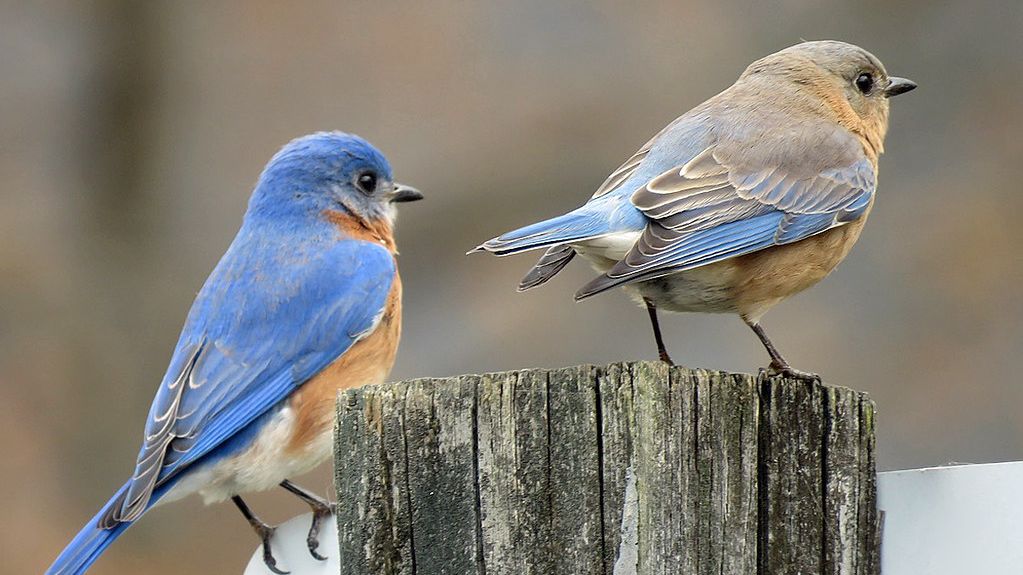
You put up the box. You waited. Nothing. Maybe a house sparrow moved in and trashed the nest, or the box sat empty all summer while the bluebirds you spotted in spring simply never came back. It’s one of the most frustrating experiences for any backyard birder – and it almost always comes down to a handful of specific details that most people never hear about, let alone try.
Bluebird populations have been clawing back from serious declines, but only in yards where people got the details right. A population decline starting in the early twentieth century reduced the number of Eastern bluebirds by an estimated 90 percent – and by the 1960s they were on the National Audubon Society’s list of vanishing species. The recovery since then has been driven almost entirely by people who learned what actually works. Experts who monitor nest boxes season after season have identified exactly what separates the yards bluebirds return to year after year from the ones they quietly abandon. Several of the fixes on this list cost almost nothing. A couple will genuinely surprise you. Start with the one at the end – it’s the kind of thing nobody talks about, but the results speak for themselves.
#11 – Mount Boxes on Smooth Metal Poles with Proper Baffles
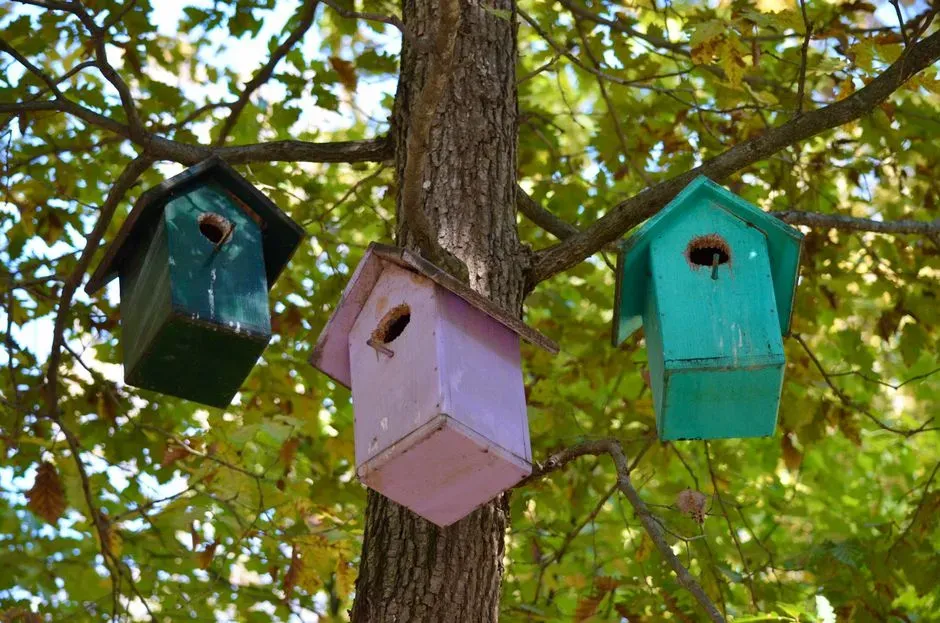
Most boxes end up nailed to trees or zip-tied to fence posts, and those placements are essentially open invitations for every raccoon, rat snake, and house cat in the neighborhood. Predators follow the structure straight to the nest, and the eggs or chicks are gone before the parents even understand what happened. Experts who track fledging rates year over year are almost unanimous: the single biggest predictor of nest success isn’t box design or location – it’s predator protection.
A smooth metal pole with a cone or stovepipe baffle mounted about four feet up stops most predators cold. Raccoons can’t grip it. Snakes can’t wind around it. The bluebirds, meanwhile, have the aerial agility to reach the box with no trouble at all. It’s not glamorous, but field data consistently shows this change alone can double or triple the number of chicks that actually make it out of the box alive. If you skip every other tip on this list, don’t skip this one.
At a Glance
- Best pole material: ½” electrical conduit or any smooth round metal pipe
- Baffle placement: Mount cone or stovepipe baffle approximately 4 feet from the ground
- Avoid: Trees, fence lines, and wooden posts – raccoons walk fence lines and snakes climb wood
- Box height: 5 to 6 feet above ground is the standard recommended range
- Bonus tip: Polish metal poles with steel wool and coat with carnauba wax for extra slip
#10 – Choose Oval Entrance Holes Over Round Ones
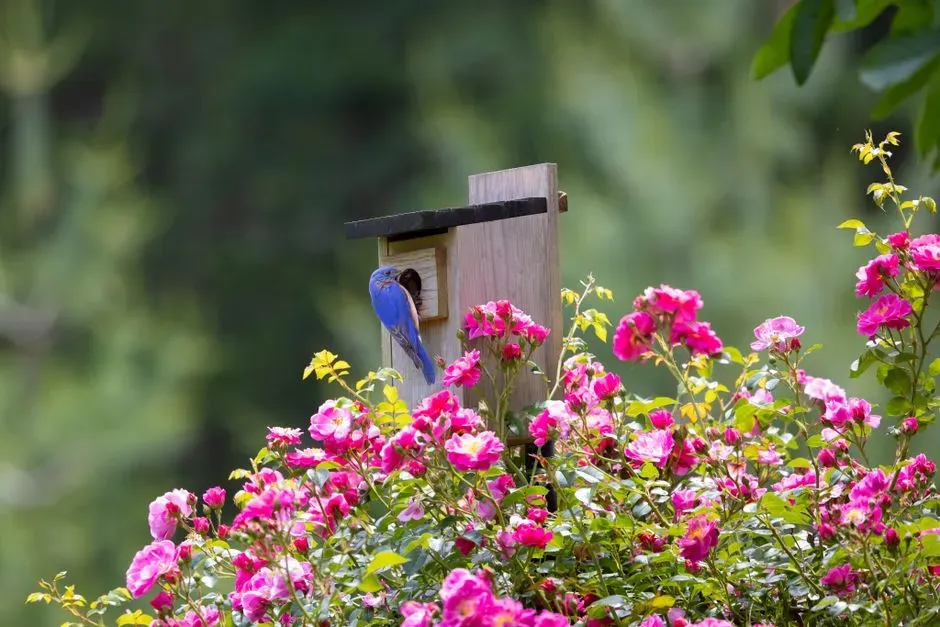
Walk into any hardware store and you’ll find round hole saws everywhere – so that’s what most homemade and commercially sold bluebird boxes use. But researchers and experienced nest box monitors have noticed something interesting: bluebirds show a measurable preference for oval openings, roughly 1⅜ inches tall by 2¼ inches wide. They slip through cleanly, wings tucked, while larger competitors like European starlings struggle noticeably with the shape.
It’s a small change that quietly stacks the odds. In one study, bluebirds nesting in boxes with oval holes fledged an average of 3.1 young per box, compared to just 0.94 per box with round holes. And some research suggests that house sparrows actually prefer round holes, making the oval a smart double defense. Most people never bother because round feels standard and familiar. That assumption is costing them tenants. A drill, a rasp file, and twenty minutes can turn any existing box into a better one.
Quick Compare
- Oval hole (1⅜” × 2¼”): Preferred by Eastern Bluebirds; deters house sparrows; up to 3.1 fledglings per box in studies
- Round hole (1½”): Standard and widely available; more attractive to house sparrows; 0.94 fledglings per box in same study
- Slot entrance (1⅛” horizontal): Also approved by NABS; tighter competitor exclusion but less studied than oval
- Key rule: Never exceed 1½” diameter or starlings can enter
#9 – Offer Live Mealworms on a Flat Platform
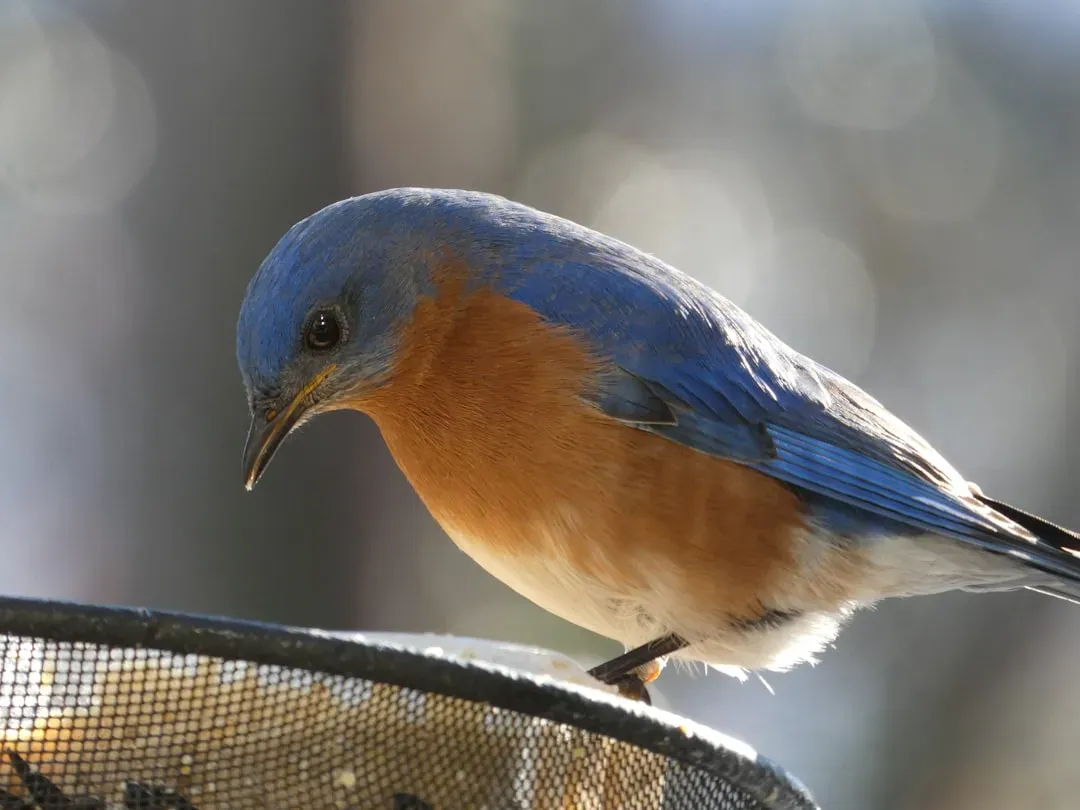
Bluebirds are insectivores at heart. Seed feeders are largely invisible to them – they’ll fly right past a fully stocked tube feeder without a second glance. But put a shallow dish of live mealworms on a low, flat platform within sight of a perch, and you can have bluebirds investigating within hours. During nesting season especially, when parents are burning enormous energy feeding hungry chicks, that reliable protein source becomes genuinely magnetic.
Dried mealworms work too, though live ones draw a faster response because the movement catches the birds’ eye. Experts who use this method in chemically treated suburban neighborhoods – where natural insect populations are suppressed – report that the mealworm platform essentially compensates for the food deficit that would otherwise drive bluebirds away. Most homeowners assume seed and suet cover everything. They don’t, not for bluebirds. A small container of live mealworms from a pet store or bait shop changes the entire dynamic.
#8 – Plant Native Berry Shrubs, Not Just Flowers
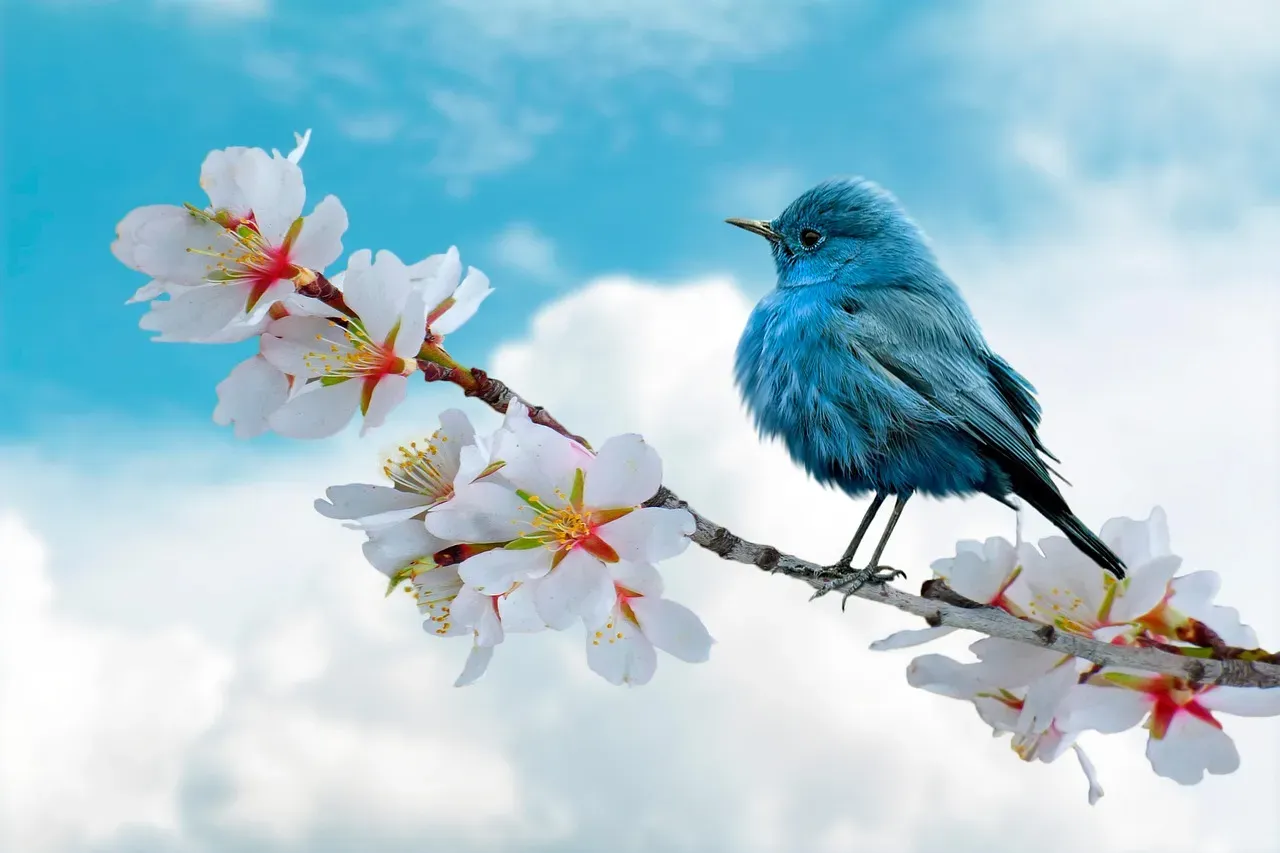
Bluebirds stay in areas where food persists through winter, and the plants most gardeners choose don’t offer that. Dense ornamental shrubs and flowering perennials look beautiful but actually work against bluebirds by eliminating the open, short-grass hunting ground they depend on. What works is strategic: a handful of native berry-producing shrubs like chokeberry, winterberry holly, or dogwood planted at the edges of open space, not crowding it.
These plants produce exactly the fruits bluebirds target when insects disappear in late fall and winter. A yard with a couple of mature winterberry hollows can become a reliable stop on a bluebird’s winter circuit, which means the same birds are right there when nesting season opens in early spring. Experts who track banded individuals often find the birds that showed up in winter are the ones that claim boxes in March. The berry shrubs are the reason they stayed close.
Worth Knowing
- Top native berry picks: Winterberry holly, chokeberry (Aronia), native dogwood, Eastern red cedar, and pokeweed
- Plant at edges, not center: Bluebirds need open short grass for hunting – shrubs at the perimeter preserve that
- Winter payoff: Berry shrubs keep bluebirds in your territory through cold months, priming them to claim your box first in spring
- Avoid: Dense ornamental plantings, invasive burning bush, and non-native barberry – they close off open foraging ground
#7 – Eliminate Lawn Chemicals Completely
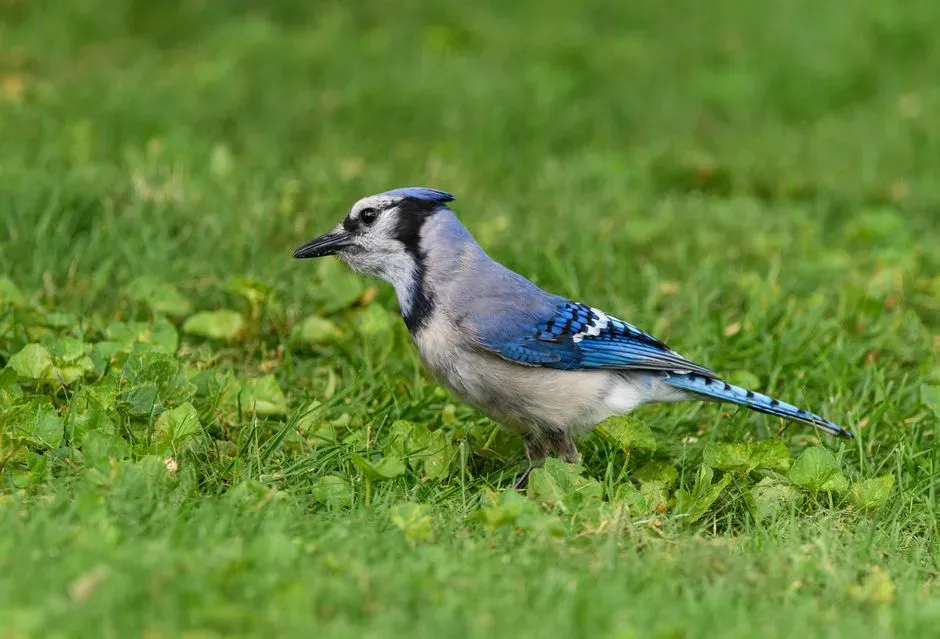
This one stings a little, because it asks more than most tips do. But bluebirds hunt on the ground – they drop from a low perch, grab an insect or earthworm, and return to their vantage point. When the lawn has been treated with pesticides or herbicides, that food web collapses. The insects are gone. The earthworms are gone or toxic. Parents raising a nest full of chicks need dozens of feeding trips per hour, and a chemically sterile lawn simply can’t support that demand.
What makes this harder is that even one heavily treated neighboring yard can limit results in your own. But experts who work with bluebird trail monitors note a clear pattern: yards that go fully chemical-free consistently raise more broods per season than yards where “just a little” spray gets used. The birds don’t grade on a curve. They either find enough food or they don’t. Going clean isn’t just good for bluebirds – within a season or two, the visible insect and worm activity in an untreated lawn is genuinely striking.
#6 – Add Motion to Your Birdbath
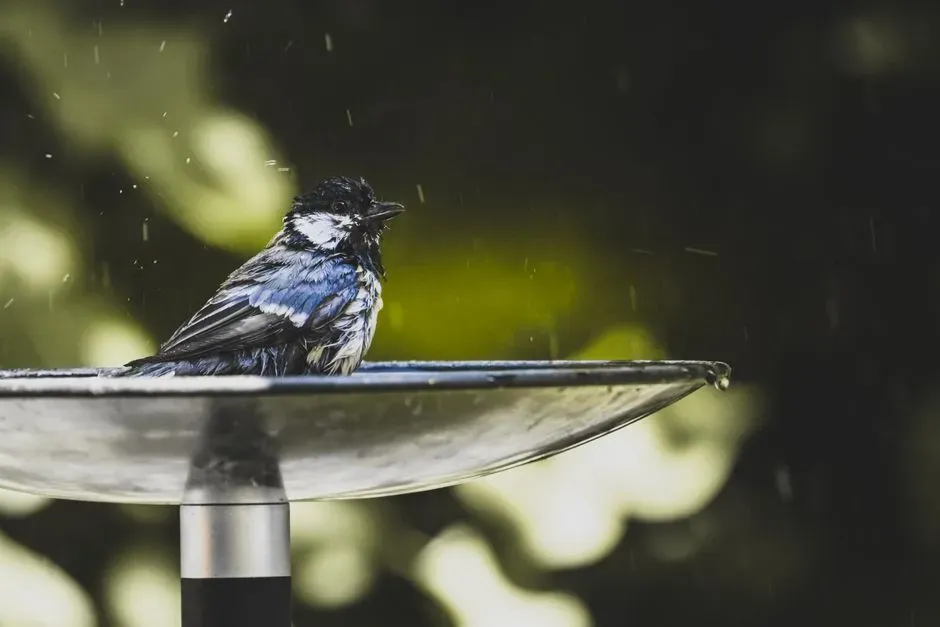
Bluebirds will pass right by a still birdbath. It barely registers. But a bath with a small wiggler, dripper, or mister creating surface ripples? That catches their eye from fifty feet away. The movement mimics a natural water source, and bluebirds – who often spot water from elevated perches while scanning for insects – will lock onto it and investigate. Once they discover it, they become regulars, coming back multiple times a day for drinking and bathing.
The setup couldn’t be simpler. A solar-powered water wiggler runs without wiring and costs less than twenty dollars. Placed in a shallow bath – bluebirds prefer water no deeper than an inch or two – it transforms an ignored backyard fixture into one of the most reliable bluebird attractors on the property. Clean the bath every few days to prevent mosquito larvae, and you’ve essentially built a bluebird rest stop that runs itself.
Fast Facts
- Preferred water depth: 1 to 2 inches – bluebirds are waders, not swimmers
- Best motion source: Solar-powered water wiggler (~$15–$20), dripper, or mister
- Visibility range: Moving water catches a bluebird’s eye from up to 50 feet away
- Maintenance: Clean every 2 to 3 days during warm months to prevent mosquito larvae
- Placement: Near an open perch so birds can spot and approach safely
#5 – Face Box Entrances Toward Open Grass or Fields
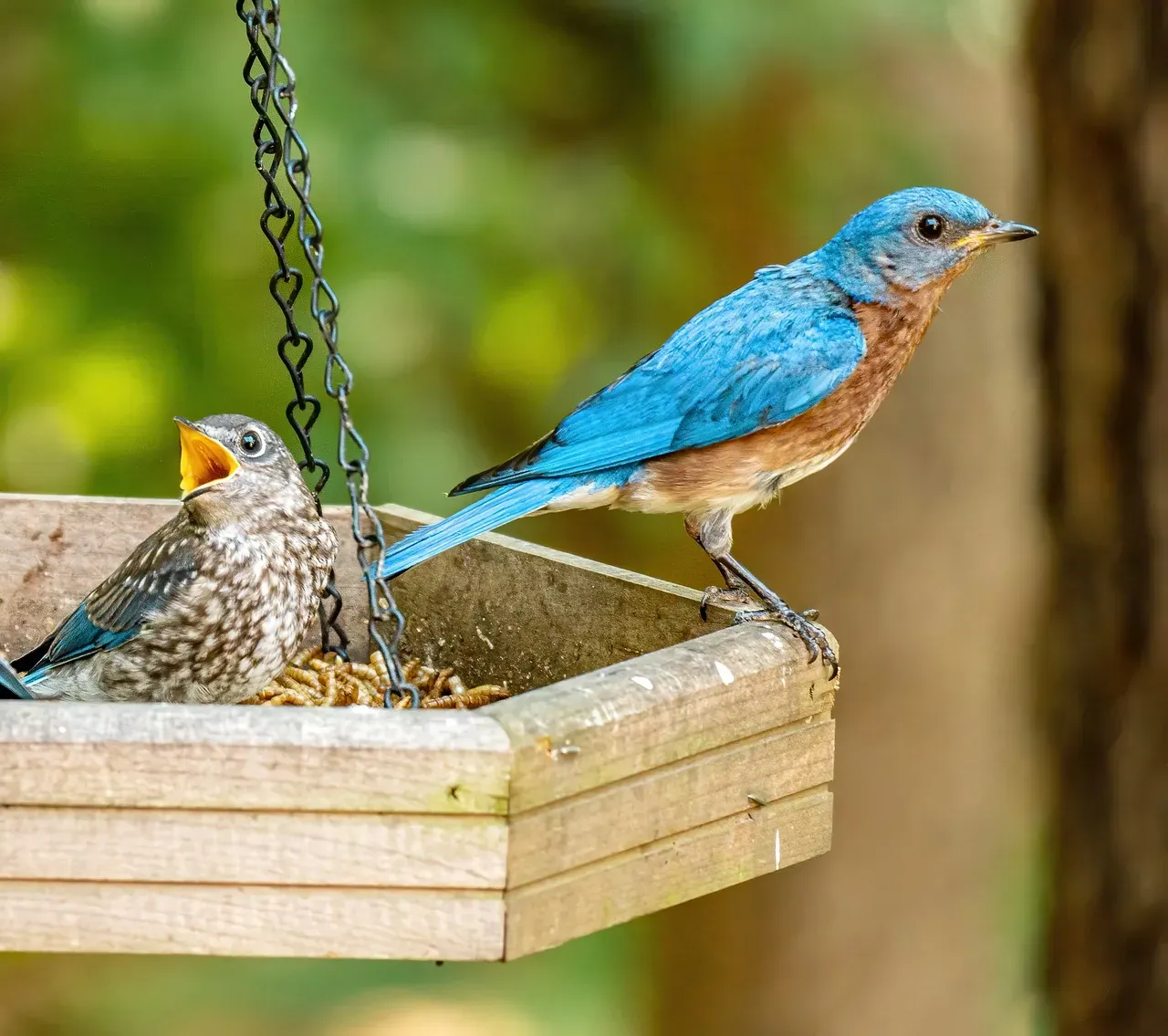
Orientation matters more than most people expect. A box that faces a fence, a garden bed, or the side of a house forces bluebirds to land in an area that feels enclosed and exposed at the same time – exposed to perching predators, not open enough for a clean escape. Experts consistently recommend orienting the entrance hole toward a clear, open expanse of short grass, ideally with no heavy cover within 50 feet directly in front of the box. The North American Bluebird Society also recommends facing boxes east or south to prevent afternoon overheating – a detail that matters more than most people realize during hot summer broods.
The bluebirds need to be able to land on the box, look out, and see their hunting ground. They also need a clean flight path away from the nest if something startles them. Boxes mounted wherever was convenient – facing a shrub, a wall, the morning sun – get passed over or abandoned even when everything else is right. Walking the yard and genuinely thinking about what the bird sees from the entrance hole is one of those small perspective shifts that experienced monitors say changes everything.
#4 – Monitor Weekly and Remove House Sparrow Nests
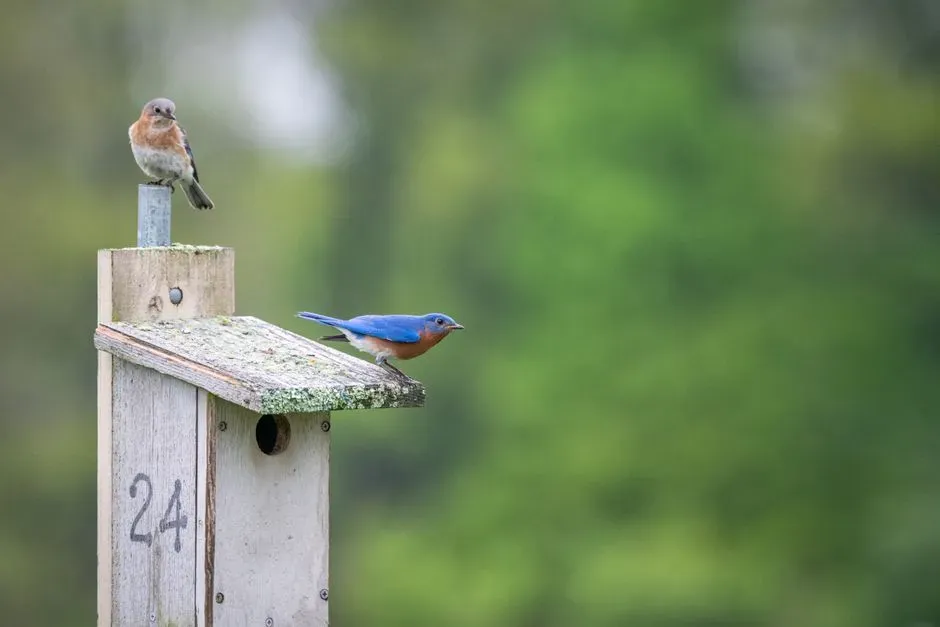
House sparrows are not passive competitors. They will enter an active bluebird nest, destroy eggs, kill nestlings, and sometimes kill the adult female on the nest. It is brutal, it is relentless, and it happens fast. Setting up a box and walking away is essentially leaving bluebirds to fight that battle alone – and in many suburban and agricultural areas, house sparrows win that fight more often than not.
Weekly monitoring – opening the box, checking what’s inside, and removing house sparrow nesting material before it’s completed – is the intervention that changes the outcome. It’s legal, it’s effective, and it’s one of the most important things a bluebird landlord can do. It feels uncomfortable at first, but every experienced bluebird monitor will tell you the same thing: the families you protect through active management are the ones that come back next season. Passive observation produces empty boxes. Engagement produces bluebirds.
#3 – Install Paired Boxes 15 to 20 Feet Apart
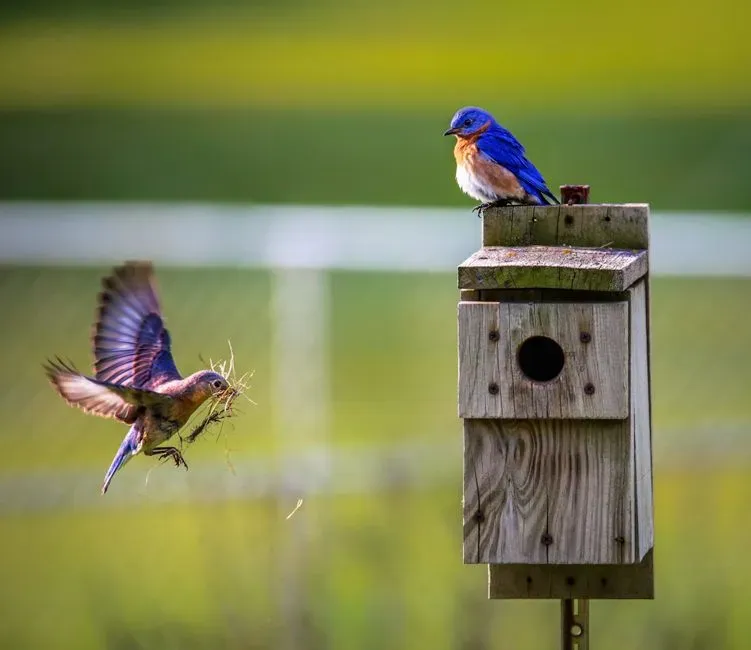
Tree swallows and bluebirds don’t peacefully share a single box – the swallows, which are also native and valuable, typically win that contest outright. But they have a quirk: they aggressively defend territory against other swallows but will tolerate a bluebird nesting just 15 to 20 feet away. Installing boxes in pairs exploits that quirk perfectly. The swallow claims one, the bluebird claims the other, and direct competition disappears.
It sounds counterintuitive – putting up more boxes to solve a competition problem – but it’s one of the most well-supported strategies in nest box monitoring. Audubon recommends installing pairs of bluebird boxes no more than fifteen to twenty feet apart precisely because bluebirds will nest beside a swallow even when they won’t nest beside another bluebird. One experienced New Hampshire monitor reported that he had never had a successful bluebird nesting in a box that was not paired with another. Near field edges, fence lines, or water, this approach can turn a frustrating single-box setup into a genuinely productive bluebird site within one season.
Why It Stands Out
- The logic: Tree Swallows aggressively exclude other swallows but tolerate bluebirds – pairs exploit this perfectly
- Sweet spot distance: 15 to 20 feet apart; the Minnesota Bluebird Recovery Program finds 22 feet works best
- When to pair: Start pairing when tree swallows occupy 50% or more of your trail boxes
- Pair spacing: Place each pair at least 100 yards from the next pair – bluebirds won’t nest closer to another bluebird
- Bonus: The swallow and bluebird will jointly defend the area against other competing species
#2 – Add Low Perches Near the Nesting Area
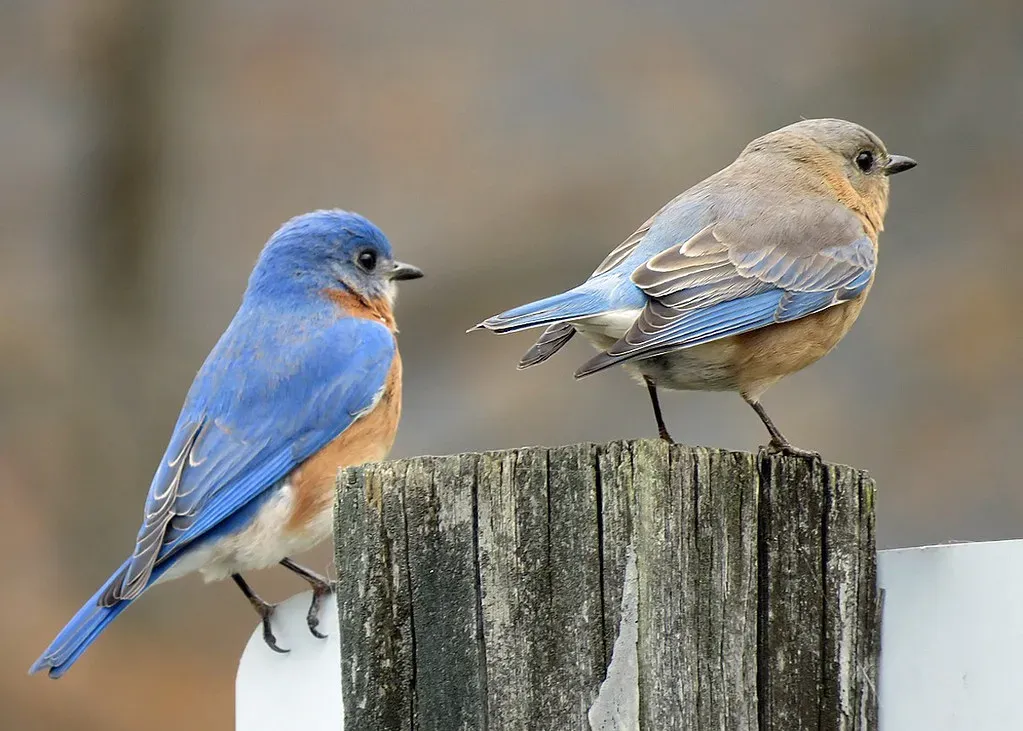
Bluebirds hunt by sight from elevated spots, dropping to the ground when they spot prey below. That hunting style requires low, exposed perches – a fence post, a bare branch, a simple wooden dowel stake – positioned within 20 to 30 feet of the nest box. Without them, the birds are working harder, burning more energy, and spending less time at your property overall. With them, you’re handing bluebirds the exact infrastructure their hunting behavior is built around.
It costs almost nothing. A few T-posts or rough-cut wooden stakes driven into the ground at the right height – roughly three to five feet – can transform the hunting viability of a yard in an afternoon. Experts note that yards with good perch coverage near boxes see more frequent feeding trips, which translates directly into healthier chicks and stronger return rates the following year. Most people focus entirely on the box and never think about what the birds do between visits to it.
#1 – Scatter Crushed Eggshells as a Calcium Supplement
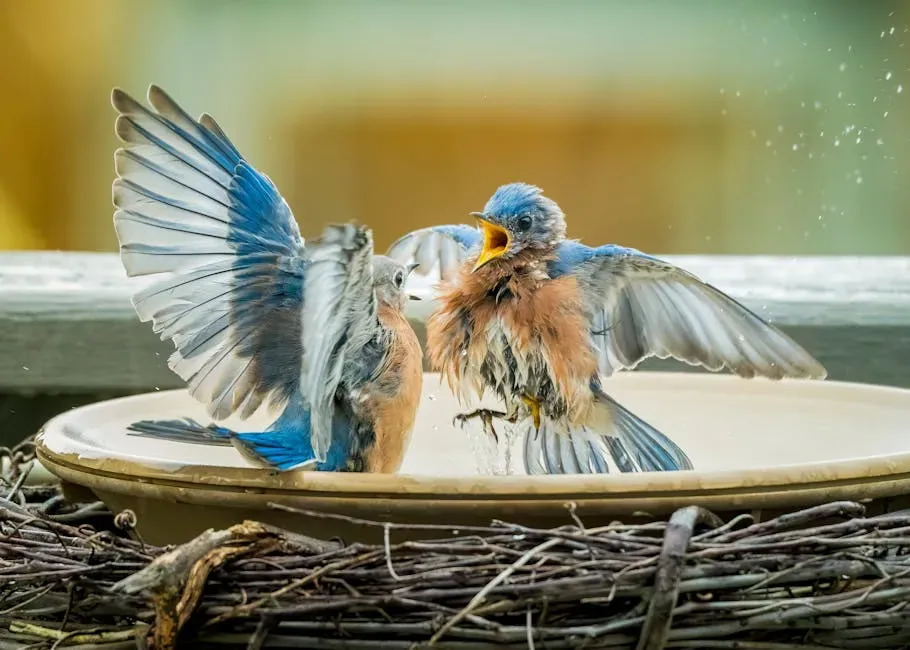
Almost nobody does this. That’s exactly why it’s at the top. Female bluebirds deplete calcium reserves rapidly during egg-laying and incubation, and when that deficit isn’t replenished, eggshell quality suffers, hatch rates drop, and the female herself can be weakened going into the feeding phase. Natural calcium sources – certain insects, grit, mineral-rich soil – aren’t always available in manicured suburban yards. Crushed, roasted eggshells placed on a flat surface or platform feeder fill that gap directly and at zero cost.
The process is simple: rinse eggshells, bake them at 250°F for about ten minutes to eliminate any salmonella risk, then crush them into small pieces and scatter them near the nest box. Research has shown that access to supplemental calcium improves reproductive success by reducing thin-shelled or misshapen eggs and increasing hatch rates – and studies on cavity-nesting passerines show increased eggshell thickness and reproductive success when supplemental calcium is provided during nesting periods. It’s the kind of thing that sounds almost too simple – until you see the results and realize you’ve been throwing away the most useful bluebird supplement you had all along.
Fast Facts
- Why it matters: Calcium deficiency leads to thin shells, reduced hatchability, and health risks for laying females
- Prep method: Rinse shells → bake at 250°F for 10 minutes → crush into small pieces
- Best timing: Offer from March through June to align with the breeding cycle
- Alternative source: Crushed oyster shells (available at feed stores) contain ~38% calcium and work equally well
- Mealworm warning: Mealworms are calcium-depleting – supplementing eggshells alongside them is especially important
The Real Takeaway
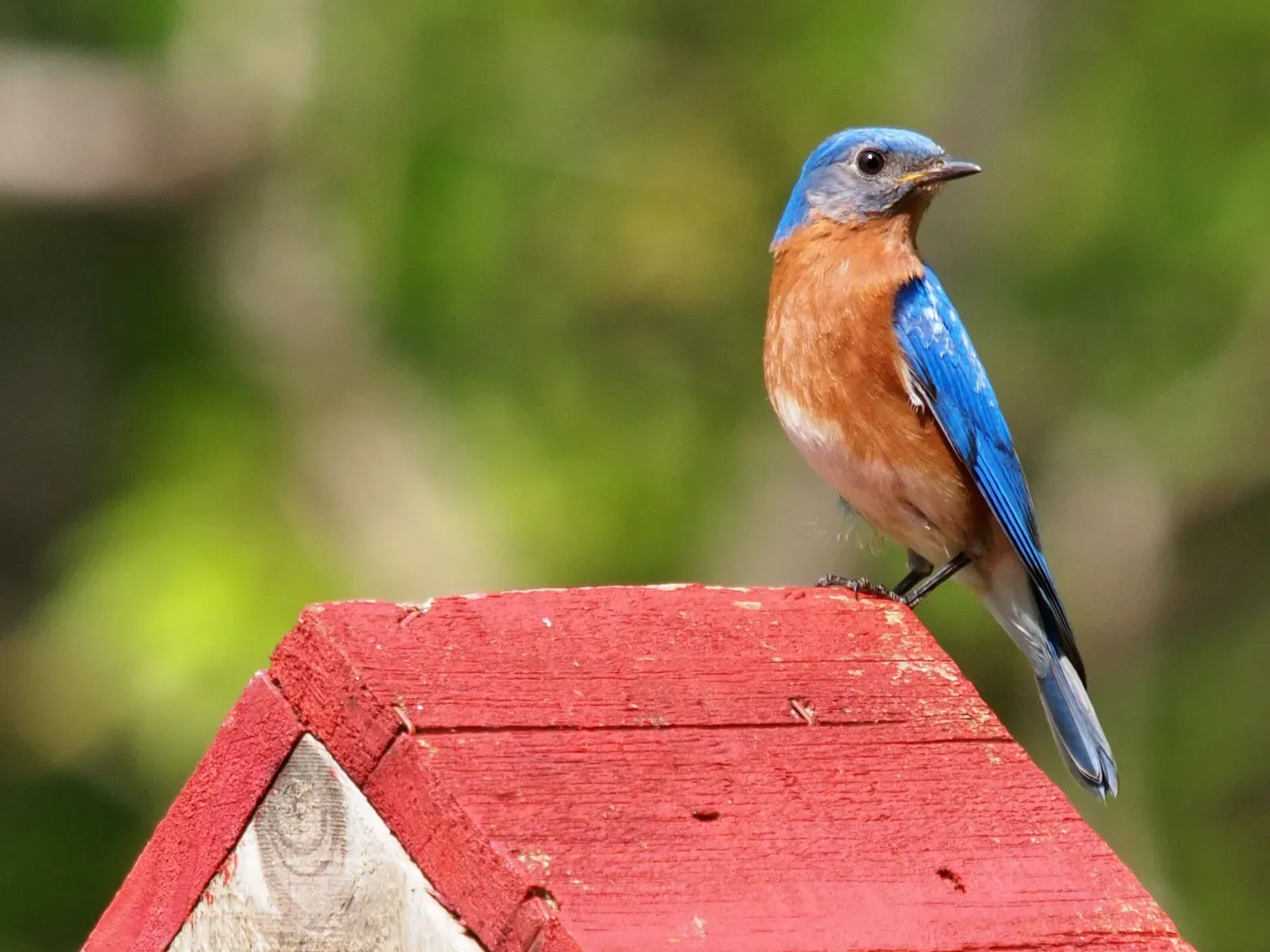
Here’s the honest truth: most people who “tried” attracting bluebirds did three or four things from this list and skipped the rest. The predator baffle felt like overkill. The house sparrow monitoring felt awkward. The mealworms seemed like extra work. And the bluebirds came once, looked around, and kept moving. Bluebirds aren’t hard to attract – but they are specific. They need the whole picture, not half of it.
The yards that become reliable bluebird destinations season after season aren’t necessarily the biggest or the fanciest. They’re the ones where someone paid attention to the details most people wave off as unnecessary. Start with the baffle and the sparrow monitoring. Add the mealworms and the perches. Scatter some eggshells near the box this spring. Then watch what happens – because once bluebirds decide a yard is worth their loyalty, they tend to keep that opinion for a very long time.

- 12 Dog Breeds That Stay Healthy Well Into Old Age - July 29, 2026
- 11 Incredible Adaptations That Allow Animals to Survive Extreme Cold - July 29, 2026
- 8 Striking Facts About the Oryx: The Desert’s Living Spear - July 29, 2026