
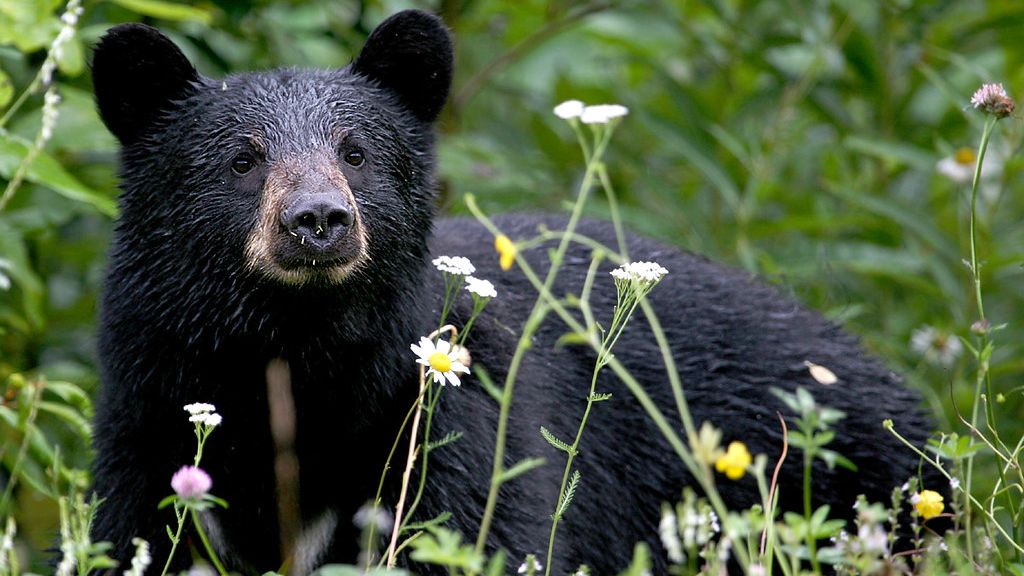
Shifting Landscapes and Lost Habitat
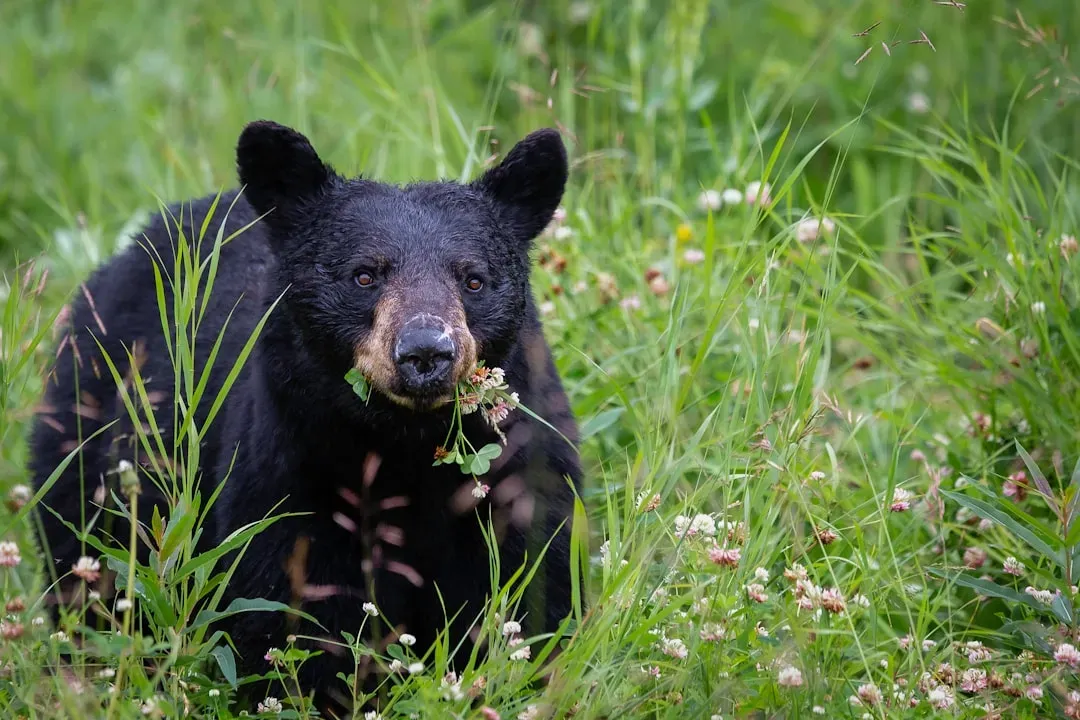
Black bears once roamed vast stretches of forest with plenty of room to find food and raise cubs. As towns and suburbs spread outward, those wild spaces shrink and fragment. Bears end up with fewer quiet places to call home.
Development often cuts through migration routes that animals have used for generations. When a highway or housing project slices through the woods, bears must adapt or move on. Many choose the path of least resistance, which sometimes leads straight toward people.
Easy Meals Close to Home
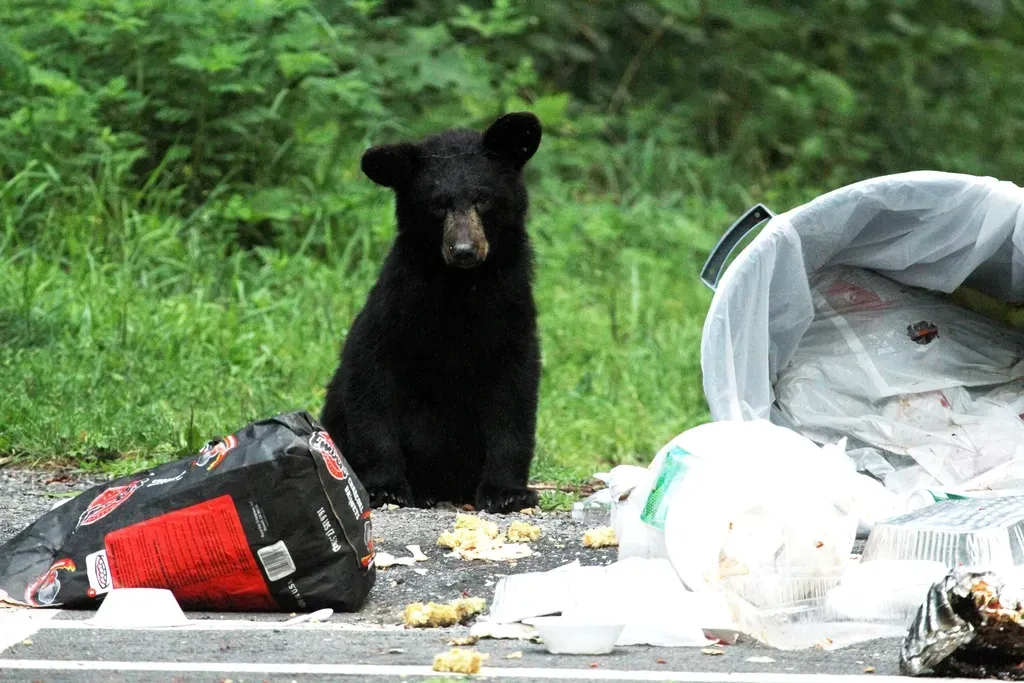
Bears have a strong sense of smell and a knack for remembering where they found a reliable snack. Trash cans left out overnight, bird feeders stocked with seed, and even pet food on porches become regular stops. Once a bear learns that humans leave food behind, it tends to return.
Seasonal changes play a role too. In late summer and fall, bears bulk up for winter and grow bolder in their search. A single unsecured dumpster can draw several animals from miles away. Over time, these habits turn occasional visitors into regular neighbors.
Population Growth and Recovery
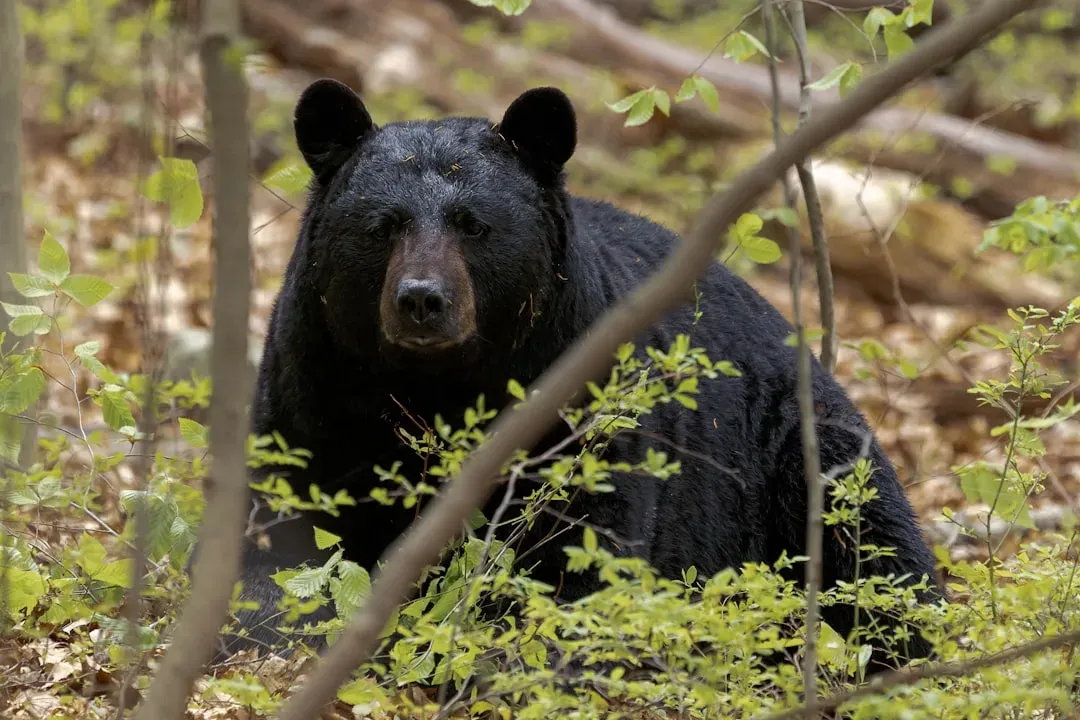
Black bear numbers have rebounded in many regions thanks to hunting regulations and habitat protection put in place decades ago. Healthier populations mean more young bears looking for their own territory. Some of those newcomers naturally wander into areas where older bears once avoided.
At the same time, milder winters in certain places allow more cubs to survive their first year. The result is a gradual increase in sightings even in spots that felt bear free not long ago. This rebound is generally viewed as a conservation success, though it brings new challenges for coexistence.
Seasonal Patterns Behind the Sightings
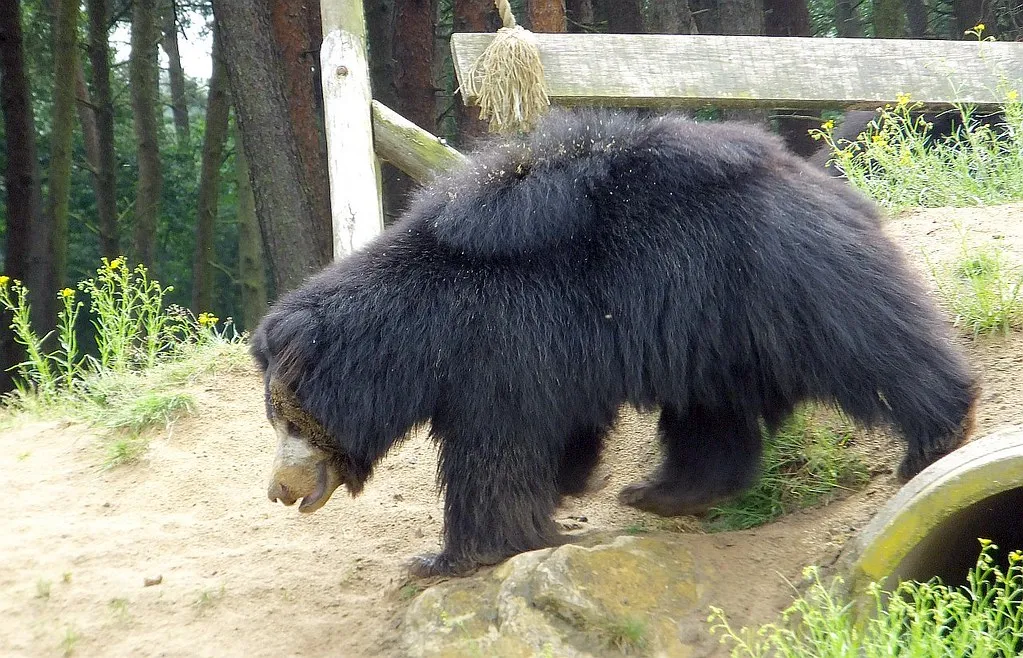
Spring often brings the first wave of activity as bears emerge hungry from dens. They roam widely while searching for early greens and insects. By midsummer the focus shifts toward berries and other natural foods, but dry spells can push them toward human sources instead.
Fall sees another surge as bears prepare for hibernation. They cover more ground and take bigger risks to pack on weight. Residents who track these cycles can better predict when extra caution makes sense around the property.
Real Risks and How to Stay Safe
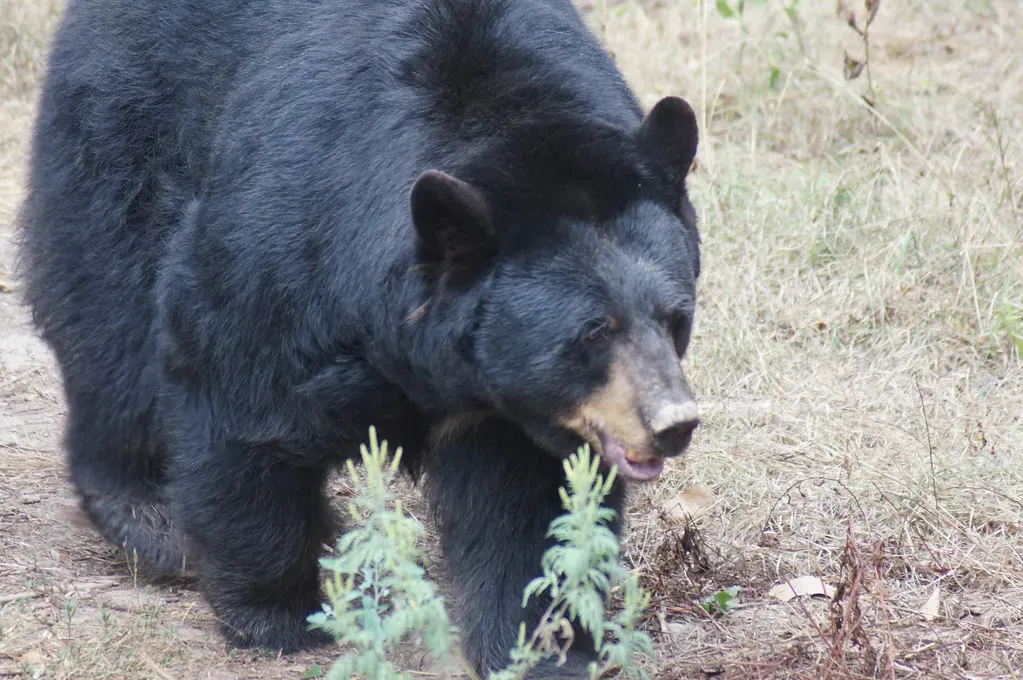
Most black bears prefer to avoid people, yet close encounters still carry the chance of surprise or defensive behavior. Mothers with cubs can act protective if they feel cornered. Unsecured food also teaches bears that neighborhoods are worth the risk, which can lead to bolder actions over time.
Simple steps like locking trash, bringing feeders inside at night, and keeping grills clean reduce the appeal. Lighting pathways and making noise when walking near wooded edges helps too. These habits protect both residents and the bears themselves.
Local Responses and Management Tools
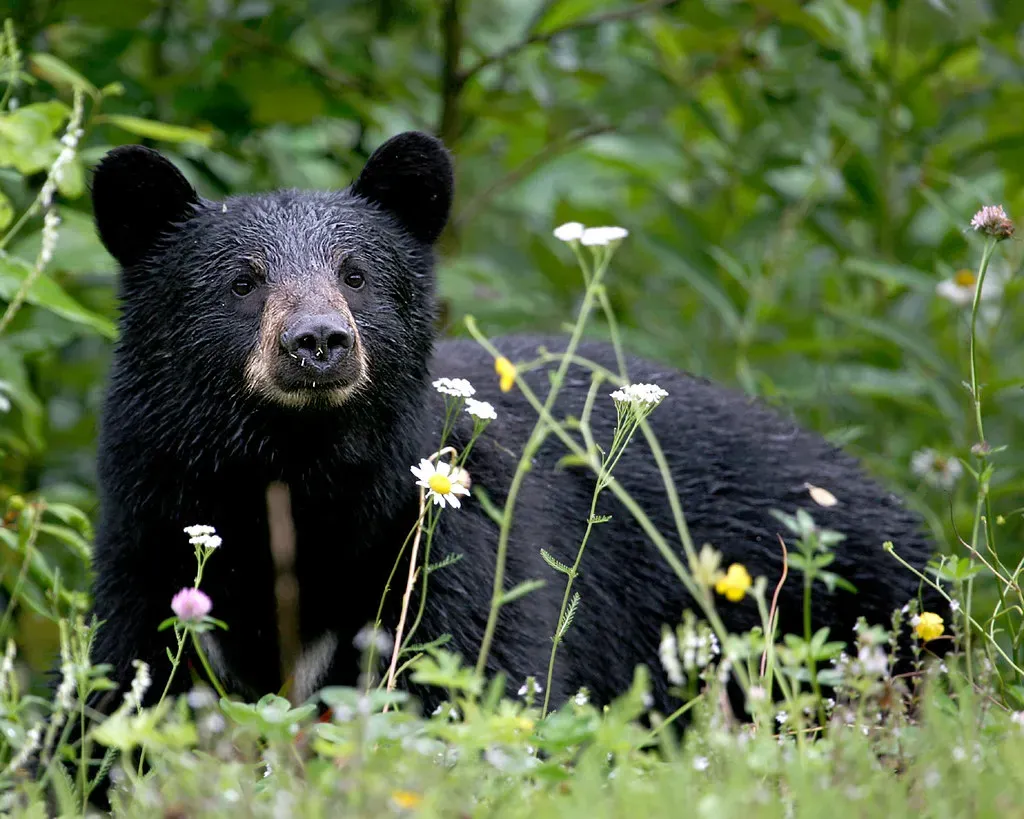
Wildlife agencies often respond to repeated complaints with education programs first. Officers may install bear resistant bins or advise on fencing strategies that work without harming animals. In some cases, relocation or aversive conditioning becomes necessary when a bear shows no fear of people.
Communities that coordinate these efforts tend to see fewer problems over the long run. Sharing reports through local apps or neighborhood groups helps track patterns and spot trouble spots early. The goal remains keeping bears wild while letting people feel secure in their homes.
Learning to Share the Neighborhood
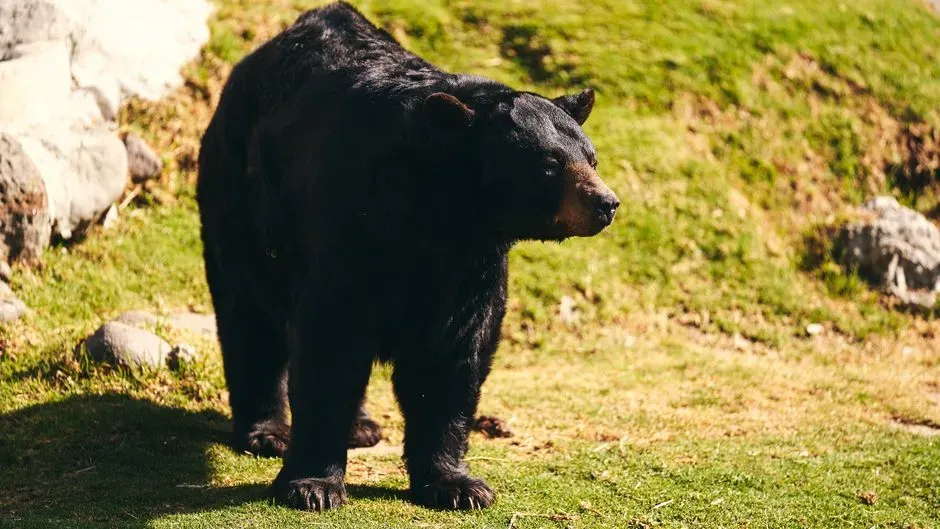
Seeing more bears nearby does not have to mean conflict if people adjust their routines. It can serve as a reminder that wild spaces still matter and that small daily choices add up. Many residents find that living alongside bears brings a deeper appreciation for the natural world right outside their doors.
Opinionated as it may sound, the real test lies in whether communities choose prevention over reaction. Bears are not invading so much as adapting to a world humans have reshaped. Finding balance now will shape how these encounters look for years ahead, and that outcome depends on the habits we build today.

- 6 US States With the Most Wild Turkey - July 29, 2026
- The World’s Deepest Oceans Harbor Creatures with Unbelievable Survival Skills - July 29, 2026
- 12 Dog Breeds That Stay Healthy Well Into Old Age - July 29, 2026