

Picture this scene on an ordinary afternoon. A person leans down to their dog and says something like, “You had a long day too, didn’t you?” The words flow naturally, without a second thought. Many of us do the same thing every day, yet a quiet doubt sometimes lingers about whether it crosses some invisible line into odd territory.
Psychology offers a different lens on the practice. Far from a quirky habit, speaking to animals in human terms often points to deeper emotional skills that serve people well in many areas of life. The behavior invites closer examination rather than dismissal.
What Psychology Reveals About This Habit
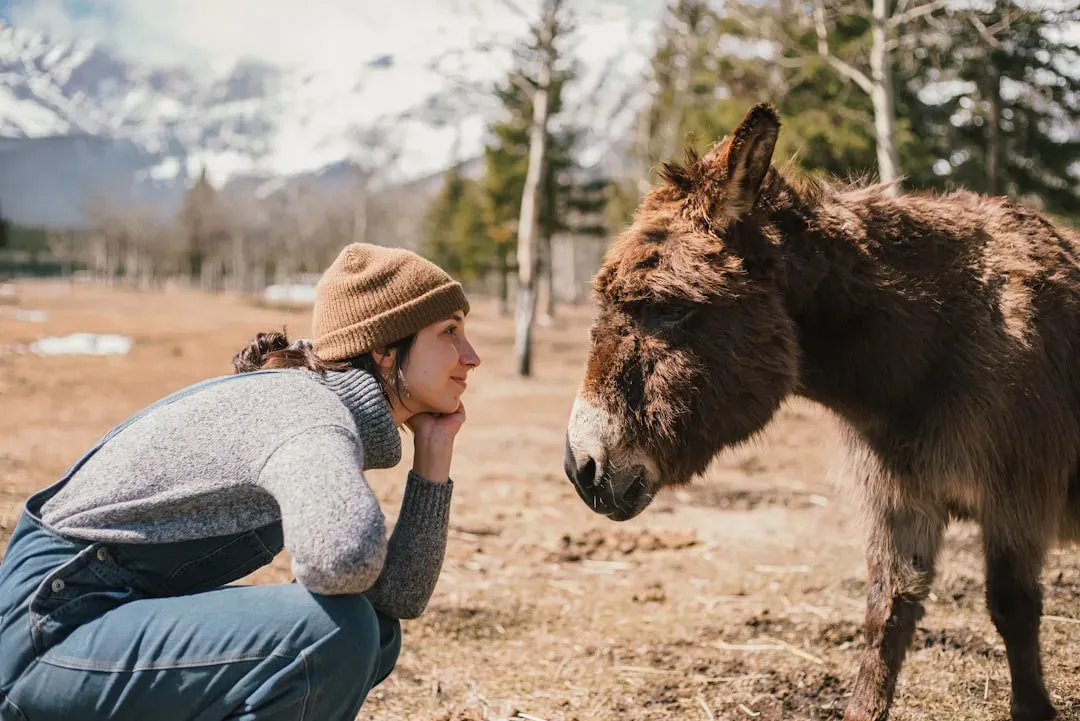
Researchers have long studied how people assign human traits to animals. This tendency, known as anthropomorphism, appears across cultures and age groups. It reflects an active mind that seeks connection rather than a lapse in judgment.
Studies in cognitive psychology link the practice to stronger theory of mind abilities. Individuals who converse with pets this way often show greater ease in reading emotions in other people too. The skill transfers across relationships in subtle but meaningful ways.
Empathy as the Core Driver
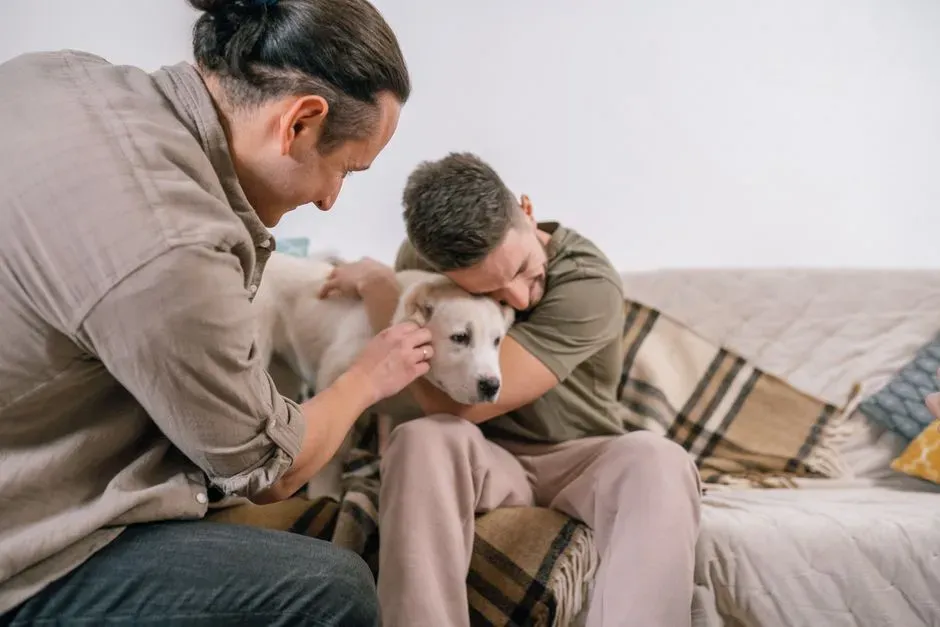
Empathy forms the foundation for these conversations. When someone addresses a pet with full sentences and emotional nuance, they demonstrate an ability to imagine the animal’s inner experience. This mental exercise strengthens the same pathways used in human interactions.
People with higher empathy scores tend to engage pets in this manner more frequently. The behavior serves as a low stakes practice ground for emotional attunement. Over time it reinforces a habit of considering others’ perspectives.
Strengthening the Human Animal Connection

Daily chats with a pet build familiarity and trust on both sides. The animal learns vocal patterns and tones while the person gains insight into subtle responses. This back and forth creates a richer shared routine than simple commands alone.
Owners who speak this way often report noticing small changes in their pet’s mood or energy more quickly. The heightened awareness comes from treating the animal as a conversational partner rather than an object of care. Bonds deepen through consistent, respectful exchange.
Impacts on Your Own Emotional Health

Expressing thoughts aloud to a pet can ease feelings of isolation during quiet moments. The act provides an outlet for processing daily events without judgment. Many find it reduces stress in a gentle, accessible manner.
Psychological research connects such interactions to improved mood regulation. The practice encourages verbalizing emotions that might otherwise stay internal. Over repeated instances it supports a steadier emotional baseline.
Addressing Common Criticisms

Some view the habit as excessive or even a sign of loneliness. Yet evidence suggests the opposite pattern in many cases. People with rich social lives still maintain these conversations because they value the unique dynamic.
Critics sometimes worry it blurs boundaries between species. In practice the behavior usually remains playful and context aware. It rarely replaces human relationships and instead complements them.
Practical Ways to Engage Thoughtfully

Start by noticing the moments when the impulse arises naturally. Keep the tone warm and the content light to match the animal’s likely experience. Short observations about the weather or the day’s events work well.
Pay attention to the pet’s reactions and adjust accordingly. Some animals respond more to tone than specific words. This feedback loop keeps the exchange genuine and enjoyable for both parties.
Why This Behavior Deserves Appreciation

Far from a harmless eccentricity, talking to pets in human terms signals emotional maturity that benefits daily life. It reflects comfort with vulnerability and a willingness to extend care beyond conventional lines. Society gains when more people cultivate this kind of openness.
The real value lies in how the habit quietly trains attention and compassion. Those who practice it often carry the same sensitivity into friendships and family ties. In a world that sometimes prizes detachment, this simple act stands as quiet evidence of emotional depth worth honoring.

- 6 US States With the Most Wild Turkey - July 29, 2026
- The World’s Deepest Oceans Harbor Creatures with Unbelievable Survival Skills - July 29, 2026
- 12 Dog Breeds That Stay Healthy Well Into Old Age - July 29, 2026