
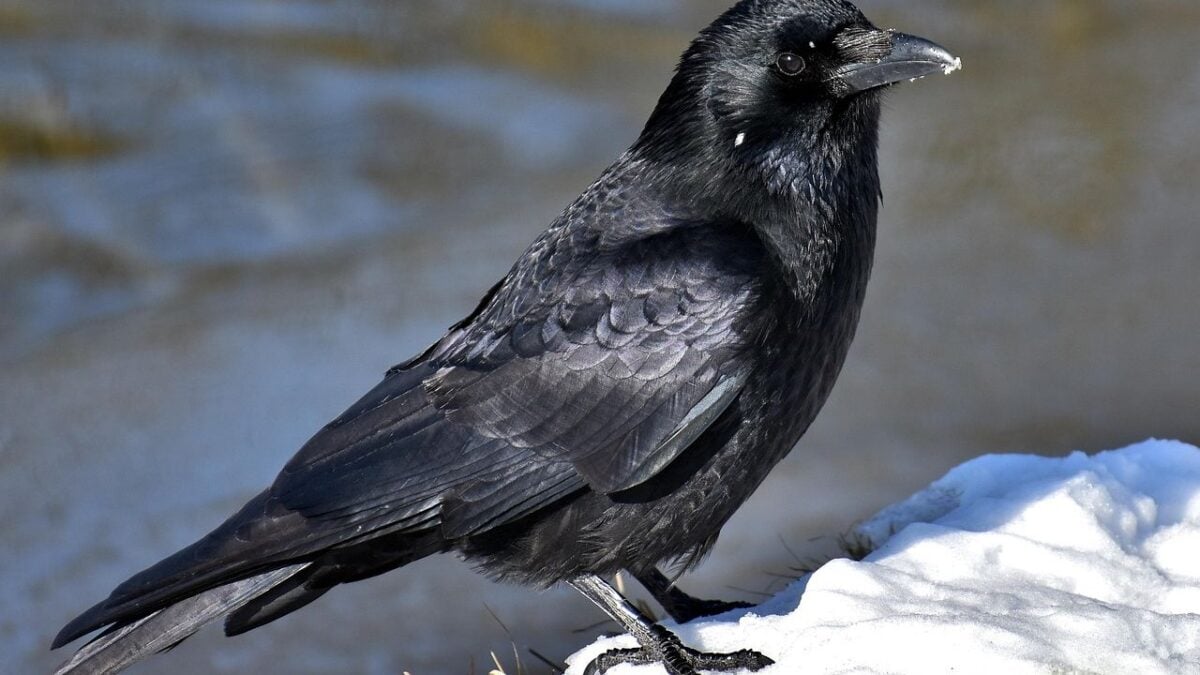
Picture this. You glance up from your morning coffee and lock eyes with a crow on the fence. It does not look away. The moment feels oddly deliberate, as if the bird is sizing you up in a way most animals never do.
Wildlife researchers who study these birds up close say such stares are rarely random. They reflect a sharp mind at work, one shaped by years of watching people come and go.
The Sharp Mind Behind the Gaze
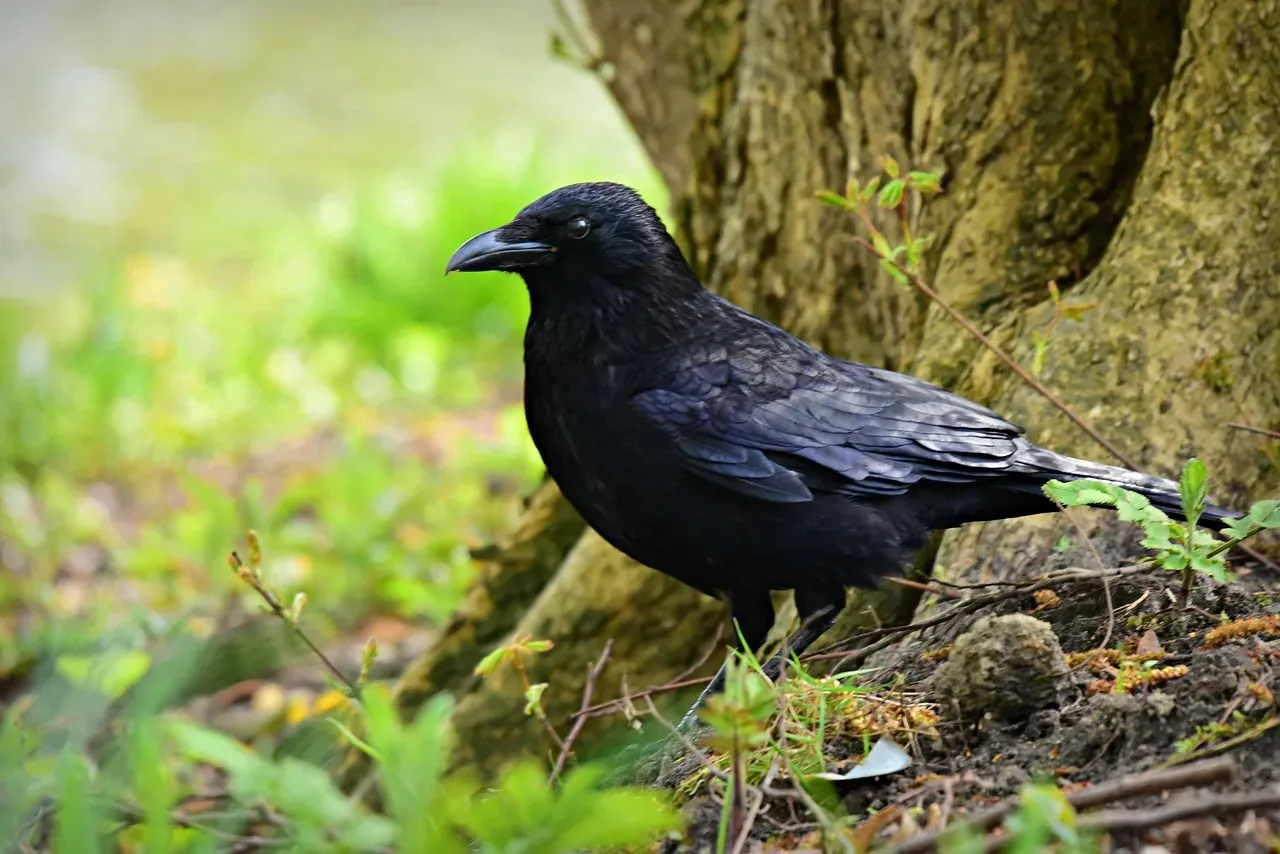
Crows rank among the most intelligent birds on the planet. Their brains are proportionately large, and they solve problems that stump many other species. When one fixes its attention on a person, it is often gathering data rather than simply resting its eyes.
Experts note that this level of focus helps the birds navigate complex environments filled with humans. They learn patterns quickly and adjust their behavior based on what they observe over time.
How Crows Remember Individual Faces
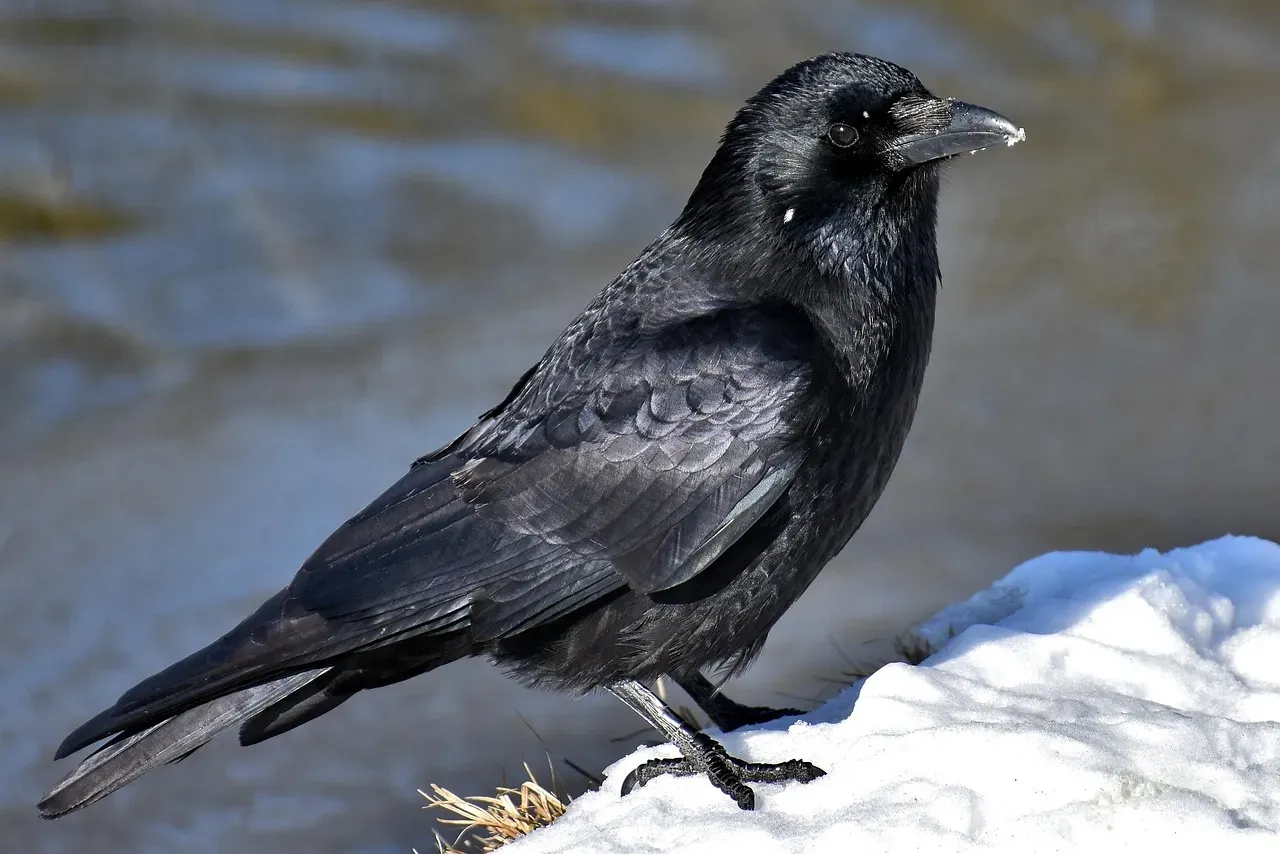
Studies have shown that crows can distinguish one human face from another with surprising accuracy. They recall these details long after a single encounter, sometimes for years. This ability lets them track who poses a risk and who tends to leave food or act calmly around them.
Researchers have tested this by wearing different masks during interactions with the birds. The crows responded differently to the same person depending on which mask they wore, proving the recognition is tied to specific features rather than general appearance.
Staring as a Way to Gather Information
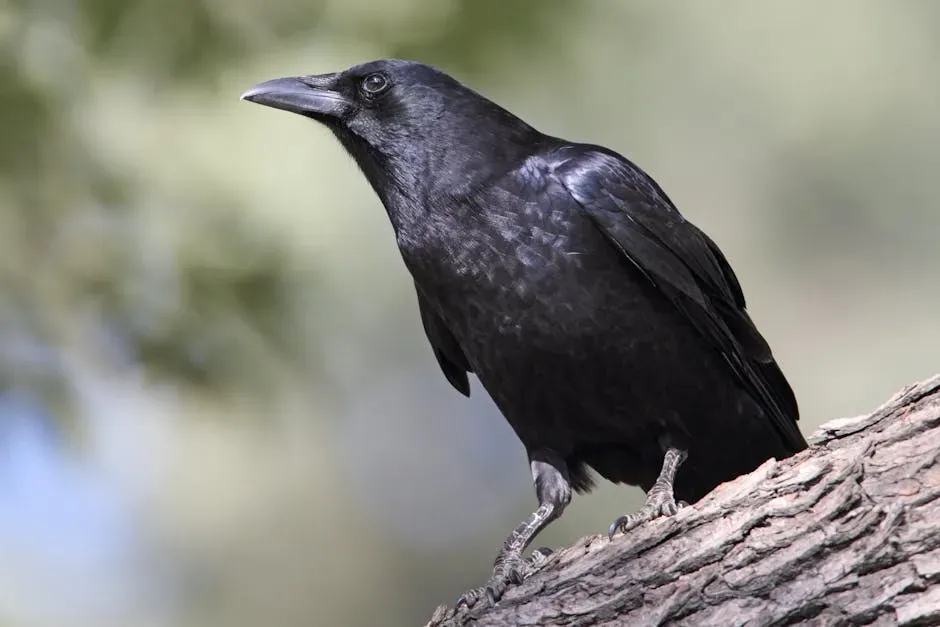
A direct stare often signals that the crow is trying to answer a few basic questions. Is this person a threat? Are their movements predictable? Might they provide something useful like scraps or safety from predators?
By holding eye contact, the bird can read subtle cues in posture and movement. This quiet observation helps them decide whether to approach, call out, or keep their distance.
Curiosity Rooted in Daily Survival
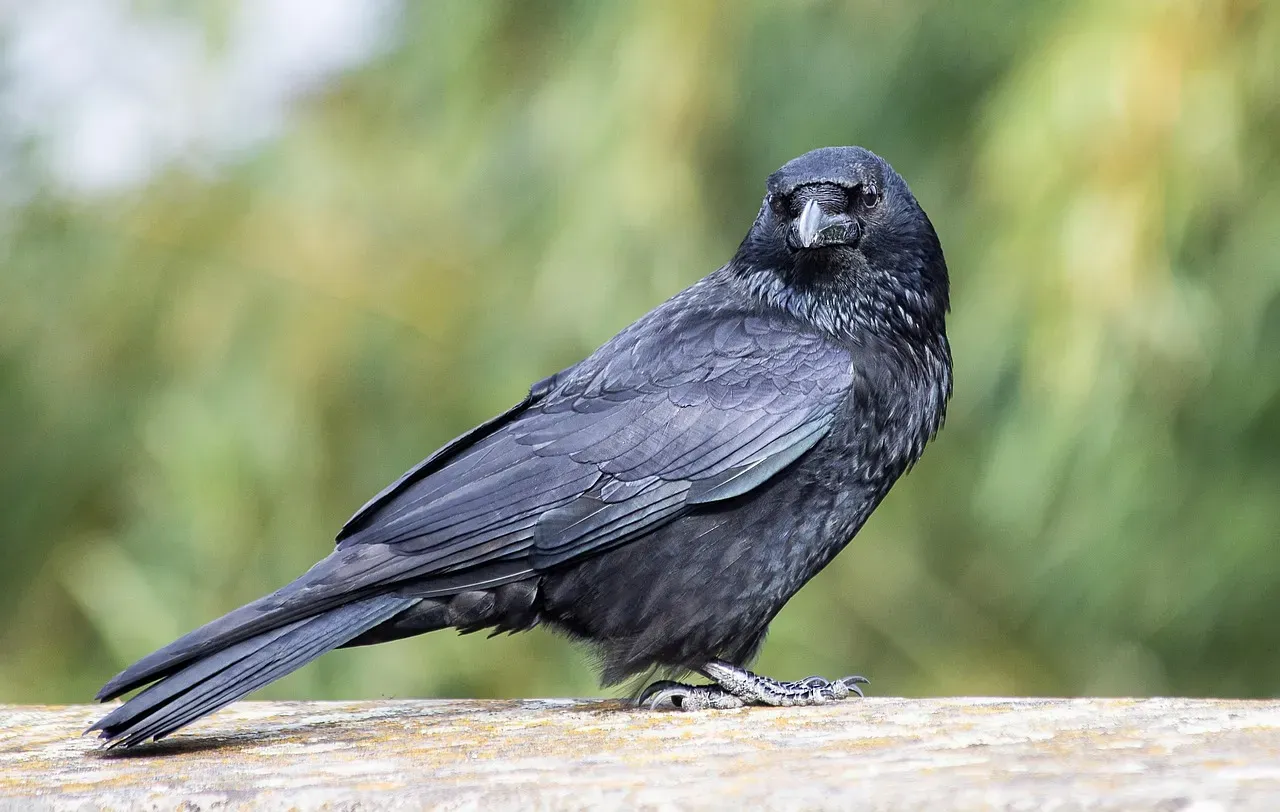
Crows live in the same spaces as people, so they have plenty of chances to watch us. Their stares can stem from simple curiosity about something new or unusual in their territory. A person who pauses and looks back becomes part of the daily landscape they monitor.
Over time, repeated sightings build a mental map of the neighborhood. The birds notice routines, such as who walks the same path each day or who tends to scatter seeds near a certain bench.
Urban Life Shapes These Encounters
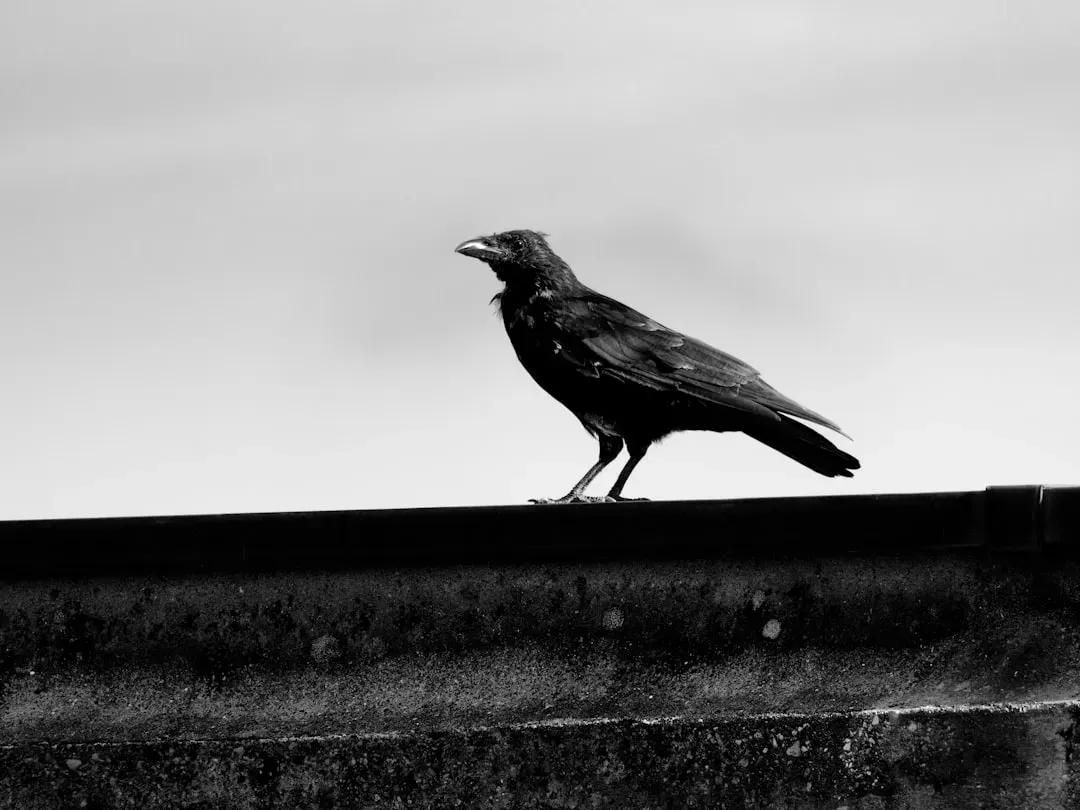
In cities and suburbs, crows encounter far more humans than their rural cousins do. This constant exposure makes them bolder and more observant. A stare in a park or backyard often reflects the bird adapting to a world where people are everywhere.
Wildlife biologists point out that these urban crows tend to be more tolerant of close human presence than those in remote areas. Their comfort level depends heavily on past experiences rather than instinct alone.
Building Associations Over Time
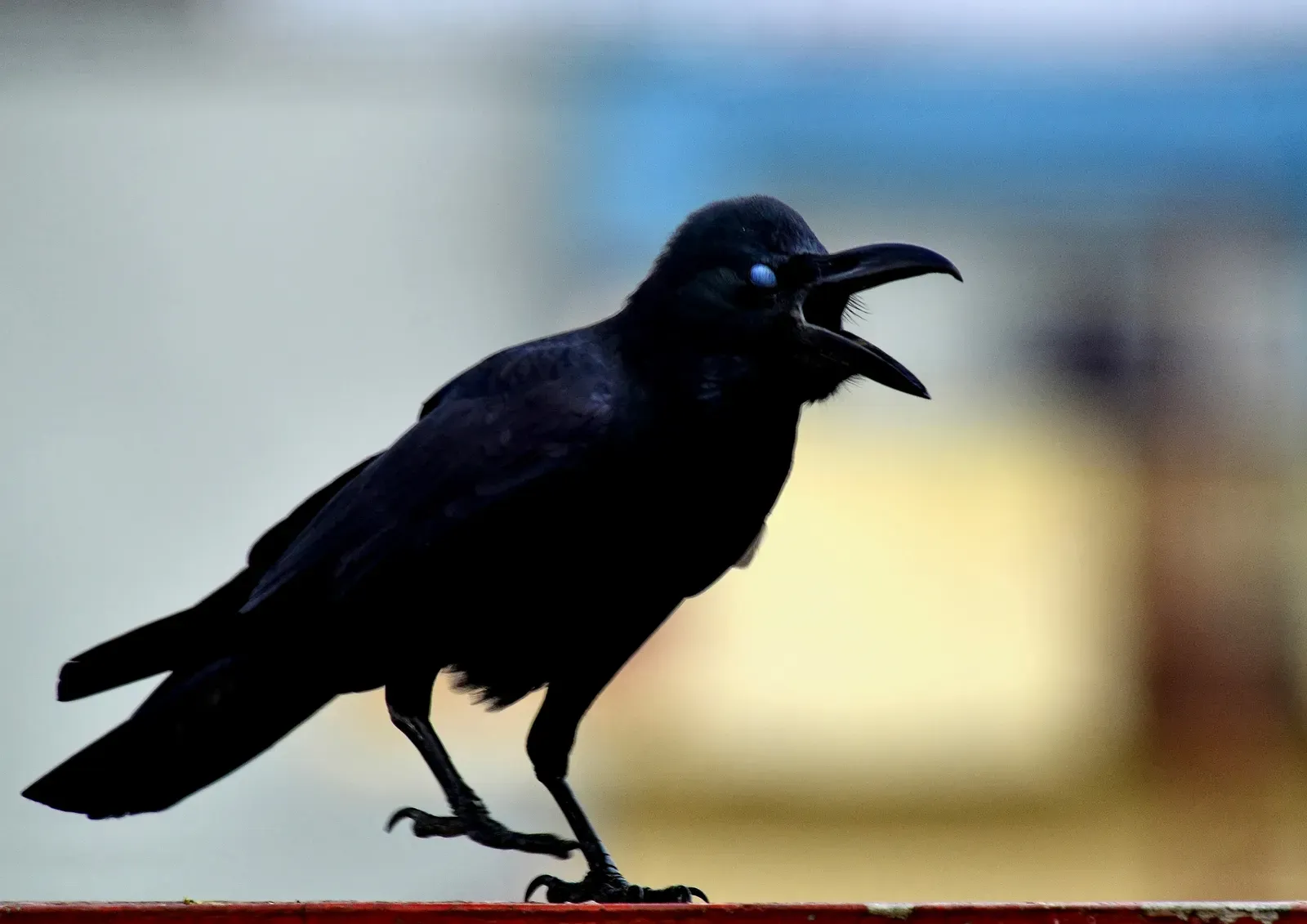
Positive interactions can lead crows to view certain people favorably. They may return to the same spot expecting a handout or simply watch from a nearby branch without alarm. Negative encounters, even brief ones, can create lasting wariness.
Because the birds share information within their groups, one crow’s assessment of a person can influence how others in the area behave. This social learning adds another layer to why a stare might feel personal.
Putting the Moment in Perspective
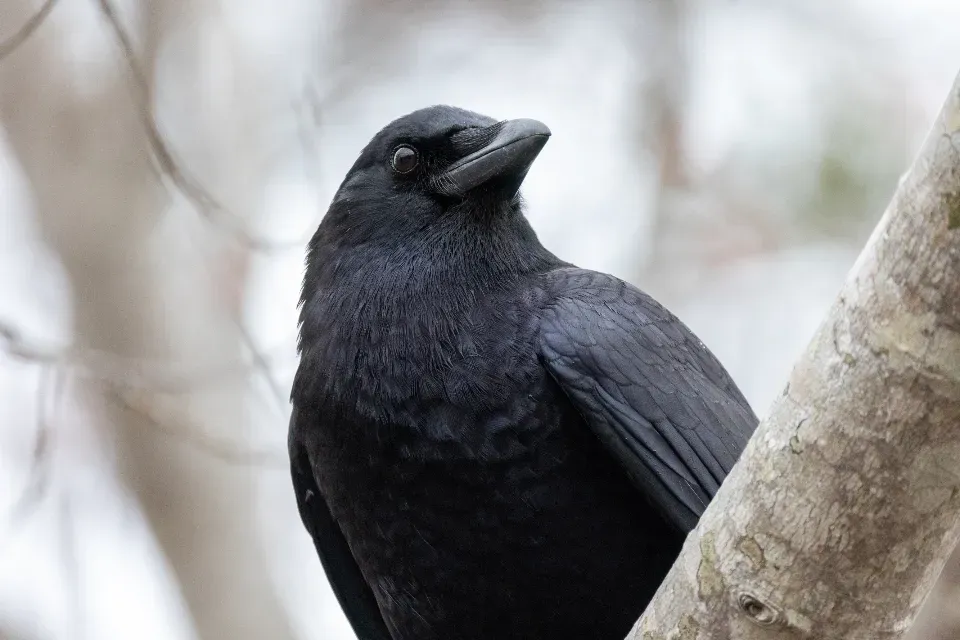
Seeing a crow stare does not carry hidden messages or omens. It usually means the bird is doing what it does best: paying close attention to its surroundings. Most of the time the encounter ends as quickly as it began once the crow gathers what it needs.
Still, these brief connections remind us how much wildlife shares our spaces and notices us in return. Paying attention back, without forcing interaction, often leads to more relaxed sightings over time. In the end, the stare is less about us and more about a clever bird making its way through a shared world.

- 7 Ways Your Dog Shows Affection Without Touch - July 30, 2026
- 11 Incredible Facts About the African Fish Eagle: Africa’s Sky Monarch - July 30, 2026
- What Horse Breed Are You According to Your Zodiac Sign - July 30, 2026