
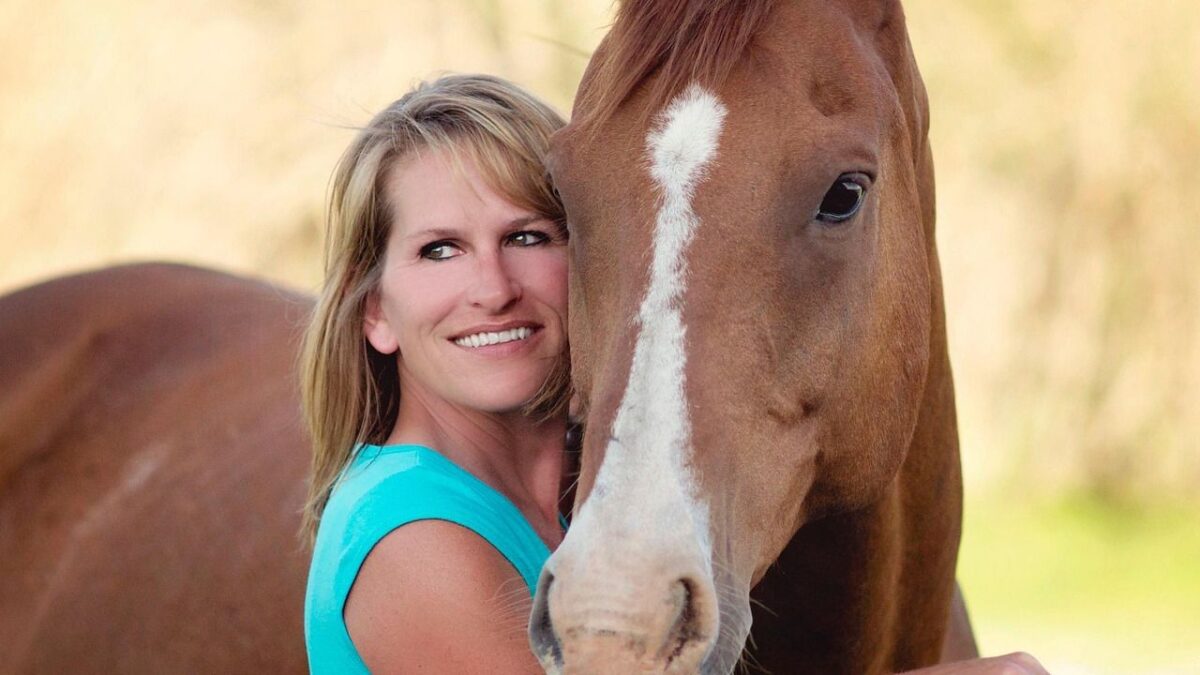
The horse’s complete veterinary history
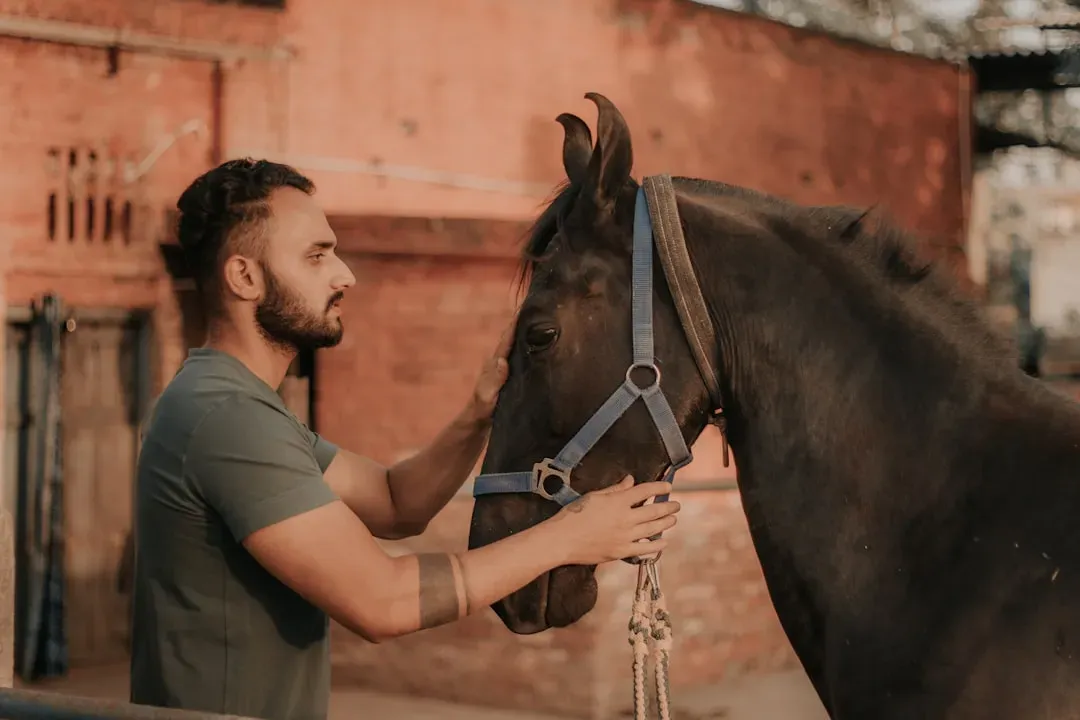
Every horse carries a story in its medical file. Breeders hope buyers will request copies of vaccination records, dental work, and any past injuries or surgeries. This information reveals patterns that might affect future care costs or riding plans.
A clean bill of health on paper does not always mean the horse is problem free today. Asking for recent bloodwork or x rays gives a clearer picture of current soundness. Owners who skip this step sometimes discover expensive issues months after the sale.
How the horse behaves in different situations
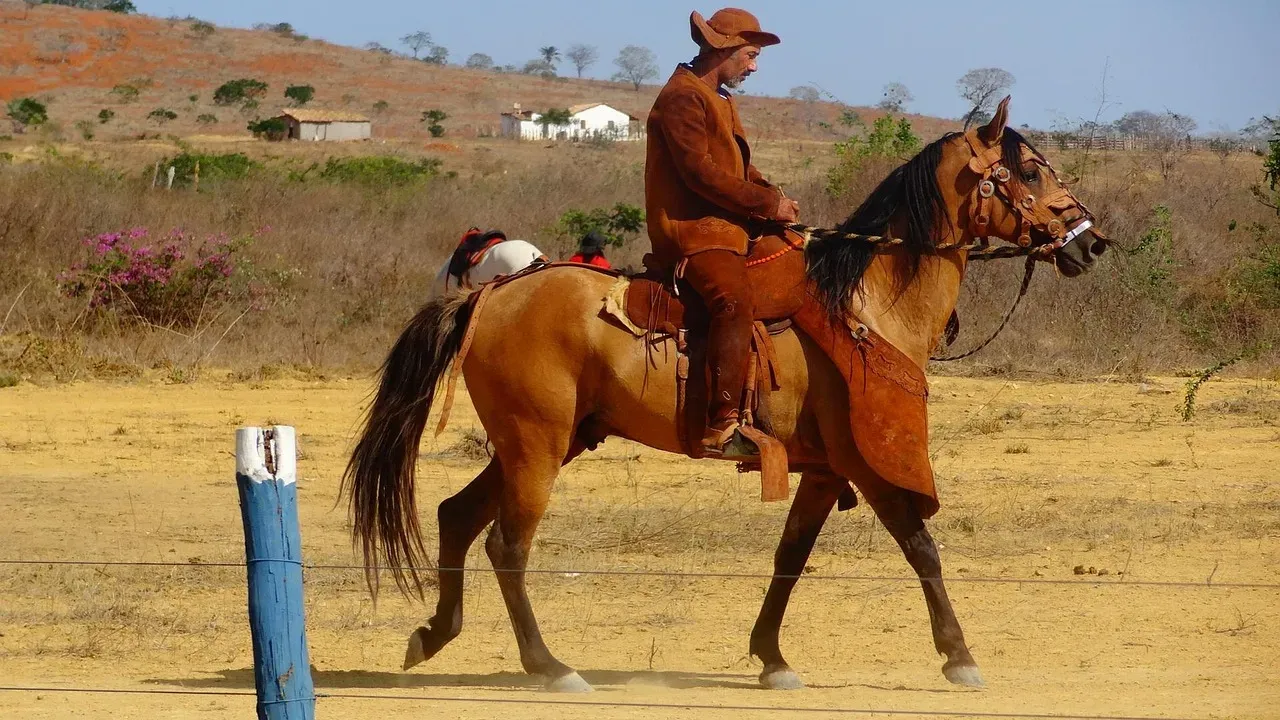
Temperament shows up in everyday handling as much as under saddle. Breeders want buyers to ask about reactions to new people, farrier visits, or trailering. A calm horse in the pasture might still spook at unexpected noises on the road.
Previous owners sometimes downplay quirks that become daily challenges. Direct questions about loading, clipping, or turnout with other horses uncover habits that matter for safety. The answers help match the animal to the right home.
The horse’s training background and experience

Training level determines how much work lies ahead for a new owner. Breeders encourage questions about what the horse has been taught and how consistently it responds to cues. A green horse needs more time and skill than many first timers realize.
Knowing the disciplines the horse has tried also matters. Some animals excel in one area yet struggle when asked to switch. Clear details prevent disappointment when the horse does not instantly fit the buyer’s goals.
Common breed specific health concerns

Every breed carries certain genetic or conformational tendencies. Breeders appreciate when buyers ask about issues like navicular disease in certain lines or metabolic conditions that run in others. This knowledge shapes long term management decisions.
Early awareness lets owners budget for specialized feed or regular monitoring. It also helps them recognize warning signs before small problems grow. The conversation builds realistic expectations from day one.
Daily care requirements and routine
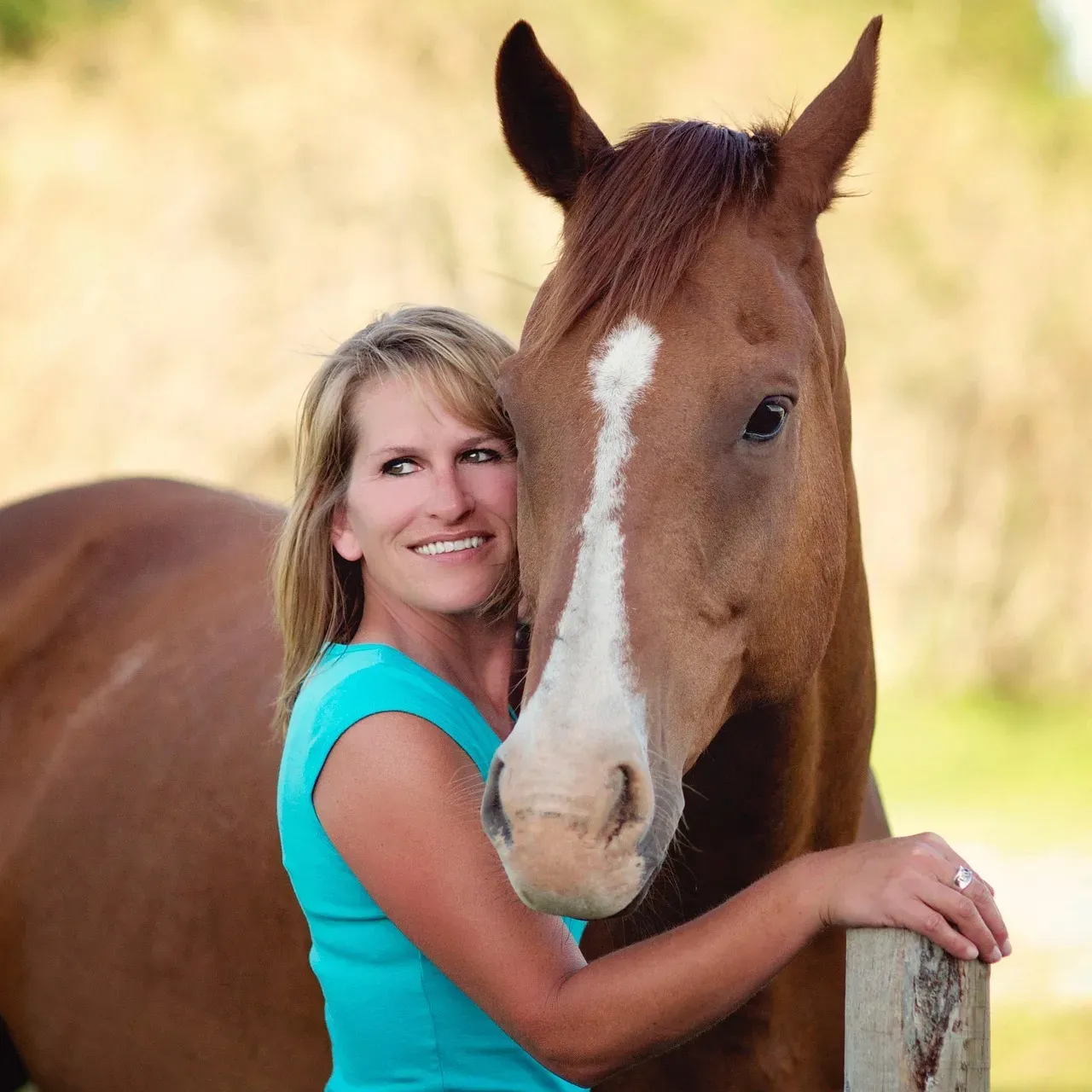
Horses need consistent feeding, turnout, and hoof care that varies by individual. Breeders wish buyers would ask exactly what schedule has worked best so far. Changes in routine can stress an animal and lead to colic or behavioral shifts.
Details about hay type, supplement use, and pasture access reveal hidden costs. Some horses require senior feeds or special bedding that add up quickly. Understanding the full picture avoids surprises after the trailer pulls away.
Why the horse is being sold
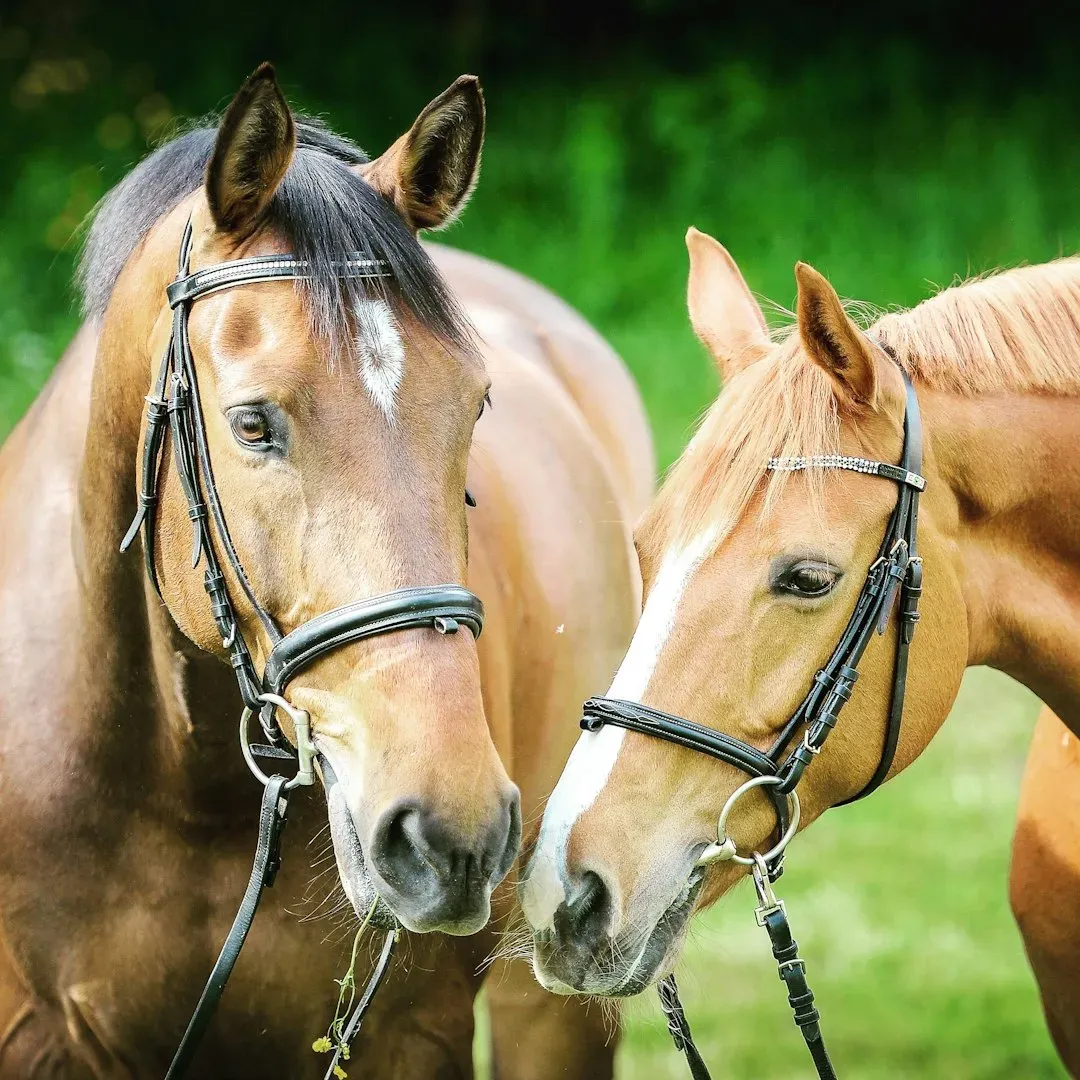
Honest reasons for sale protect both parties. Breeders hope buyers will ask directly rather than accept vague answers about the owner moving or losing interest. Sometimes the horse simply outgrew the previous rider’s skill or goals.
Knowing the full context helps assess whether the match will last. A horse sold because of repeated lameness needs different consideration than one moving on after a successful show career. The story behind the sale often predicts future needs.
Pedigree and registration details
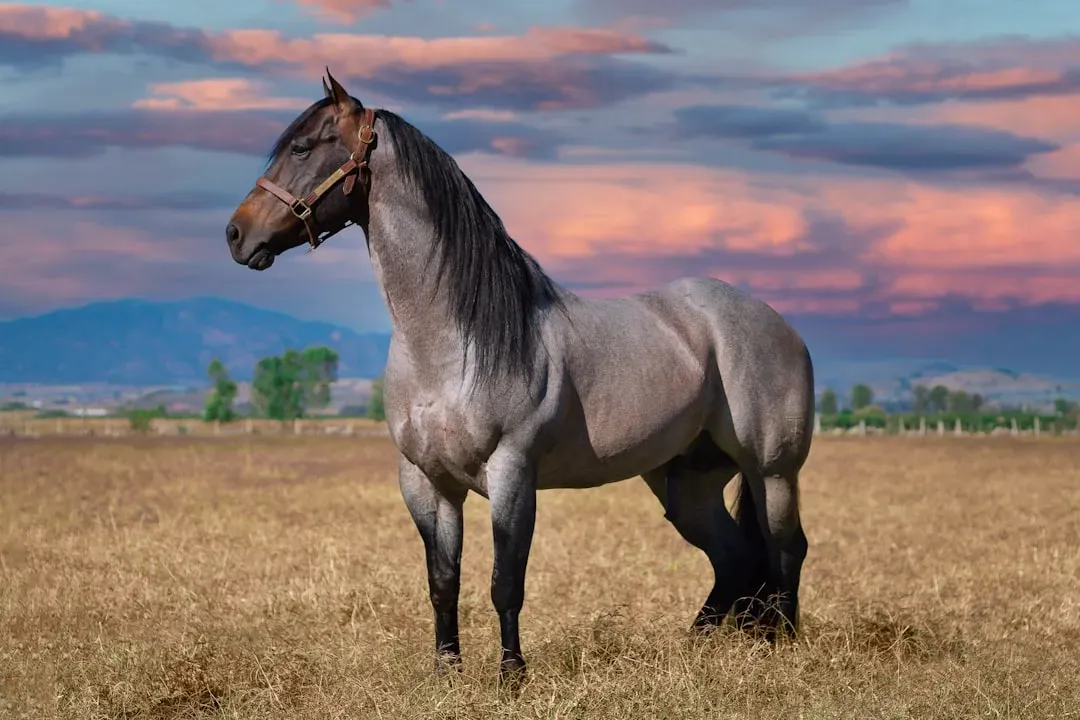
Papers confirm identity and open doors to future competitions or breeding. Breeders encourage questions about registration status and any notable ancestors that might influence traits. Missing documents can limit options later.
Even for non breeding horses, lineage sometimes explains conformation or athletic ability. Buyers who understand the background make more informed choices about training paths. The conversation also shows respect for the breeder’s work.
Expected long term costs beyond the purchase price
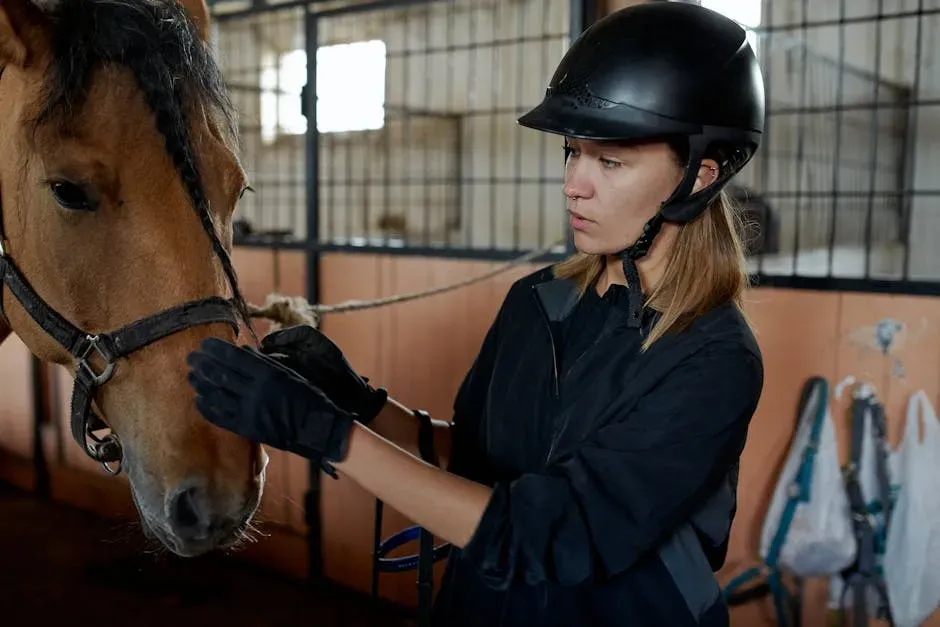
Board, farrier visits, and emergency care add up faster than most new owners anticipate. Breeders want buyers to ask about typical annual expenses for that particular horse. Honest estimates prevent financial strain that leads to rehoming.
Some animals need more frequent dental work or joint supplements. Discussing these realities upfront helps buyers plan responsibly. The goal is a sustainable partnership rather than a short lived purchase.
The horse’s suitability for the buyer’s experience level
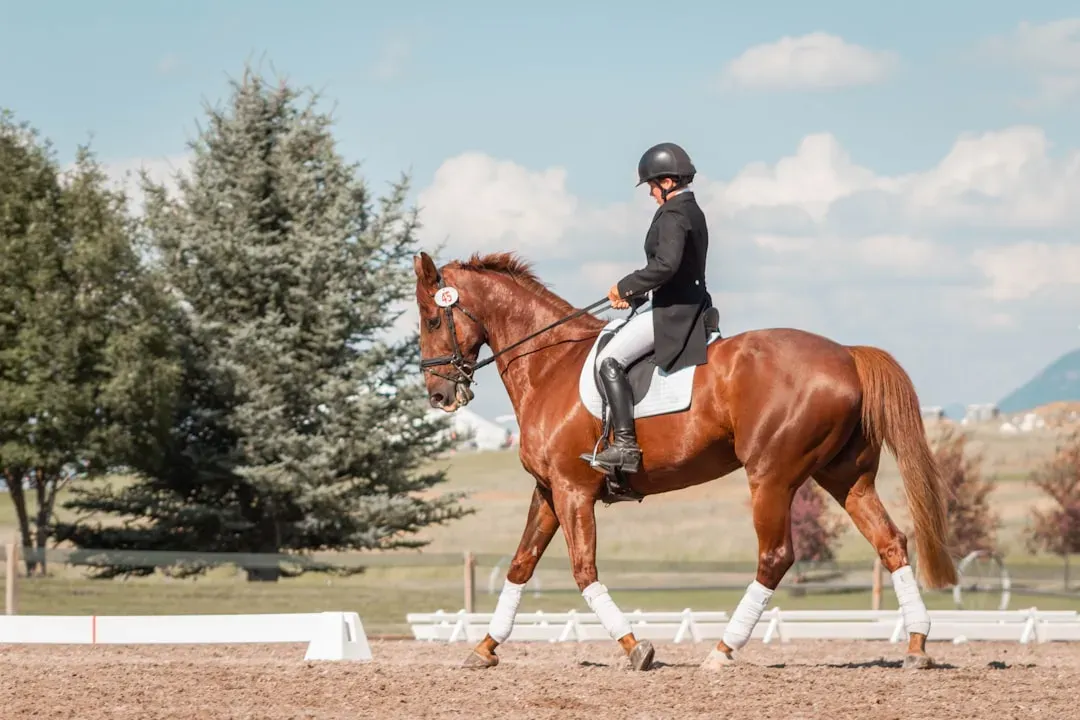
Matching horse and rider matters more than looks or price. Breeders hope buyers will describe their own riding history and goals so the right animal can be recommended. A quiet lesson horse may still overwhelm a true beginner.
Questions about height, energy level, and required strength reveal practical fit. Breeders see too many returns when enthusiasm outpaces skill. Open dialogue reduces those outcomes for everyone involved.
Conformation and physical soundness checks

Structural strengths and weaknesses affect long term comfort and performance. Breeders encourage buyers to ask for an independent pre purchase exam rather than relying on seller assurances. X rays and flexion tests provide objective data.
Even sound horses carry minor imperfections that need monitoring. Knowing the details allows owners to adjust workload or footing choices. The investment in evaluation often saves far more in future vet bills.
Turnout and social needs
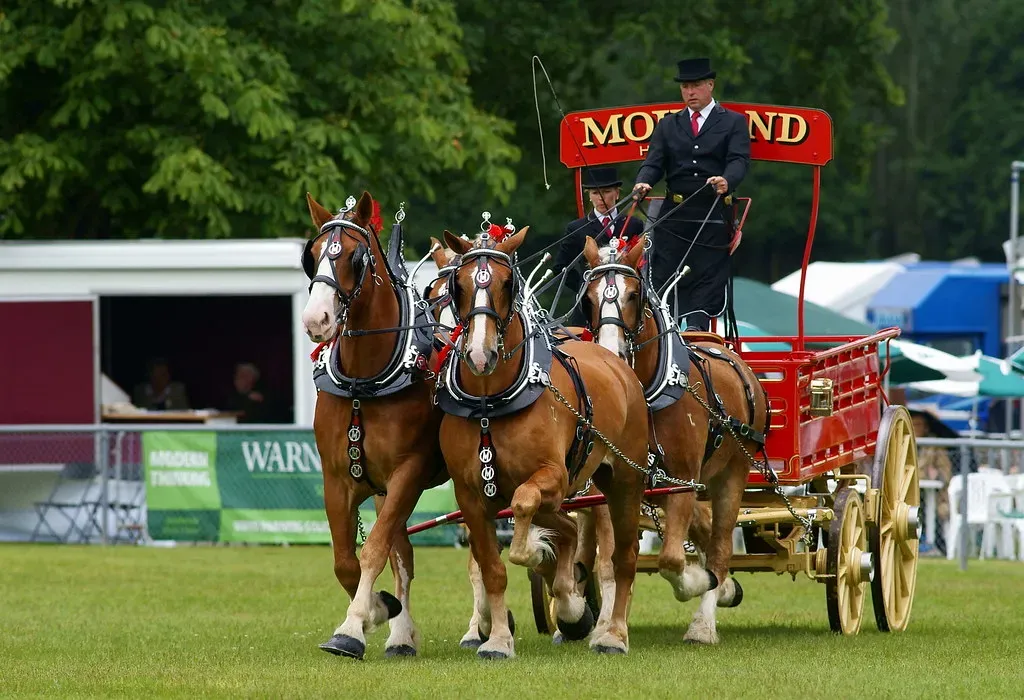
Horses are herd animals with preferences for company and space. Breeders wish buyers would ask how much turnout the horse has had and whether it prefers certain companions. Isolation can trigger stress behaviors that surprise new owners.
Some horses thrive in large groups while others need careful introductions. Understanding these patterns helps create a stable environment from the start. The answers shape decisions about fencing, shelter, and pasture mates.
Any vices or learned behaviors
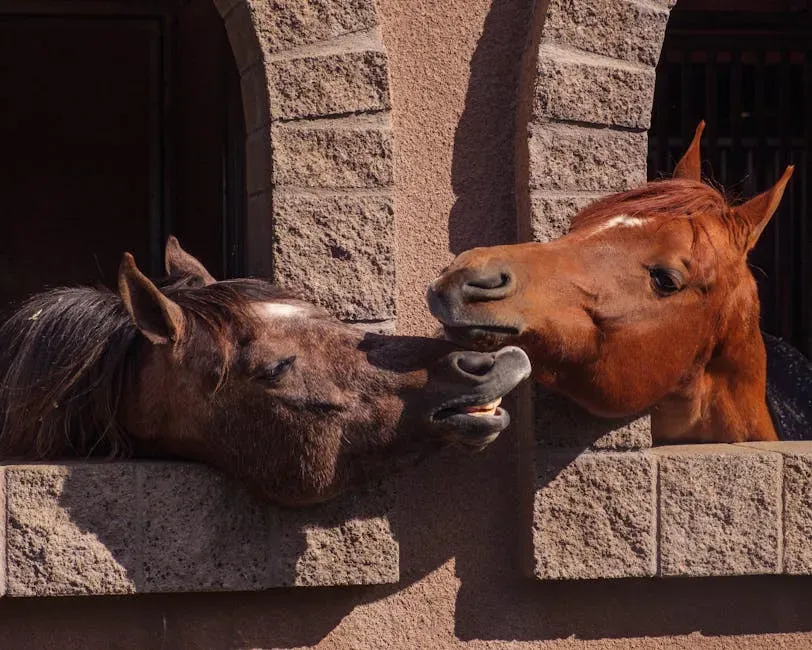
Cribbing, weaving, or wood chewing often stem from past management. Breeders hope buyers will ask directly about these habits and what has been tried to manage them. Some vices are manageable while others require ongoing vigilance.
Knowing the triggers helps owners avoid situations that worsen the behavior. Early discussion prevents frustration when the horse arrives and immediately begins a familiar pattern. Transparency builds trust between breeder and buyer.
Future goals and long term plans for the horse
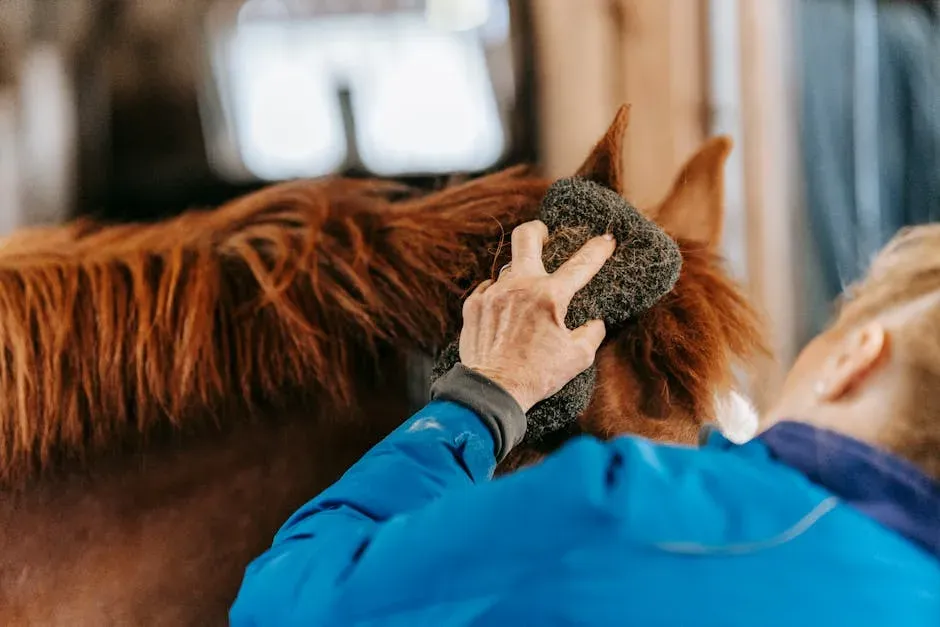
Breeders invest years in raising and training each animal. They appreciate when buyers share their intended use, whether trail riding, showing, or simply companionship. This context helps match the horse to a home where it can thrive for many years.
Discussing retirement plans or breeding intentions also matters for certain animals. Clear communication reduces the chance of mismatched expectations down the road. The conversation ultimately protects the horse’s welfare above all.
A thoughtful buyer who asks these questions demonstrates genuine care for the animal and respect for the years of work behind it. That approach leads to stronger partnerships and fewer rehoming stories. In the end, the quiet wishes of breeders boil down to one simple hope: that every horse finds a home prepared to keep it for life.
- What Is the Native American Zodiac Animal Sign for Aries? - July 30, 2026
- 15 Cutest Dog Breeds Everyone Falls In Love With - July 30, 2026
- 6 Common Plants That Attract Pollinators and Boost Your Garden’s Health - July 30, 2026