
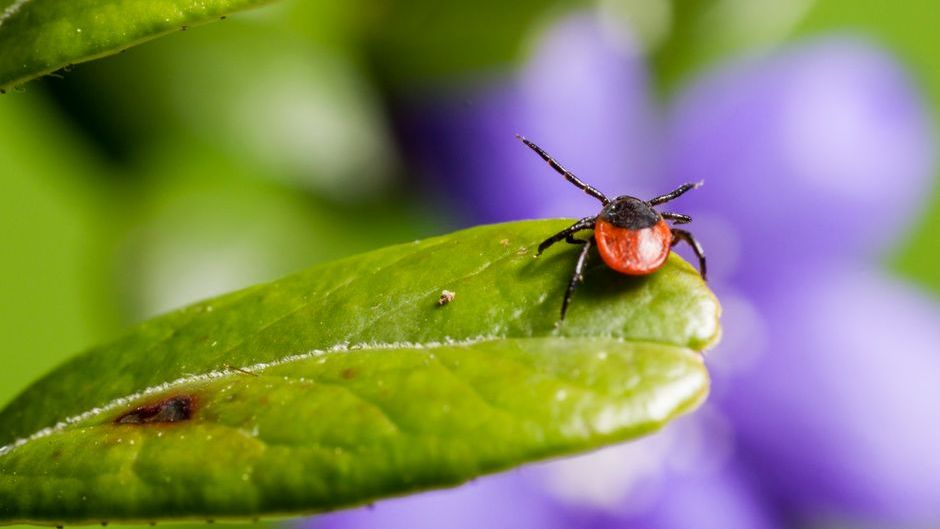
People out hiking or working in their yards have started noticing something odd. Ticks seem to show up earlier and in greater numbers than they remember from past seasons. That shift has caught the attention of ecologists who track these small creatures closely.
The pattern points beyond simple annoyance. It hints at larger changes unfolding in the environment around us. Understanding why requires looking at several connected factors that shape where ticks thrive.
Why Tick Numbers Appear to Be Climbing
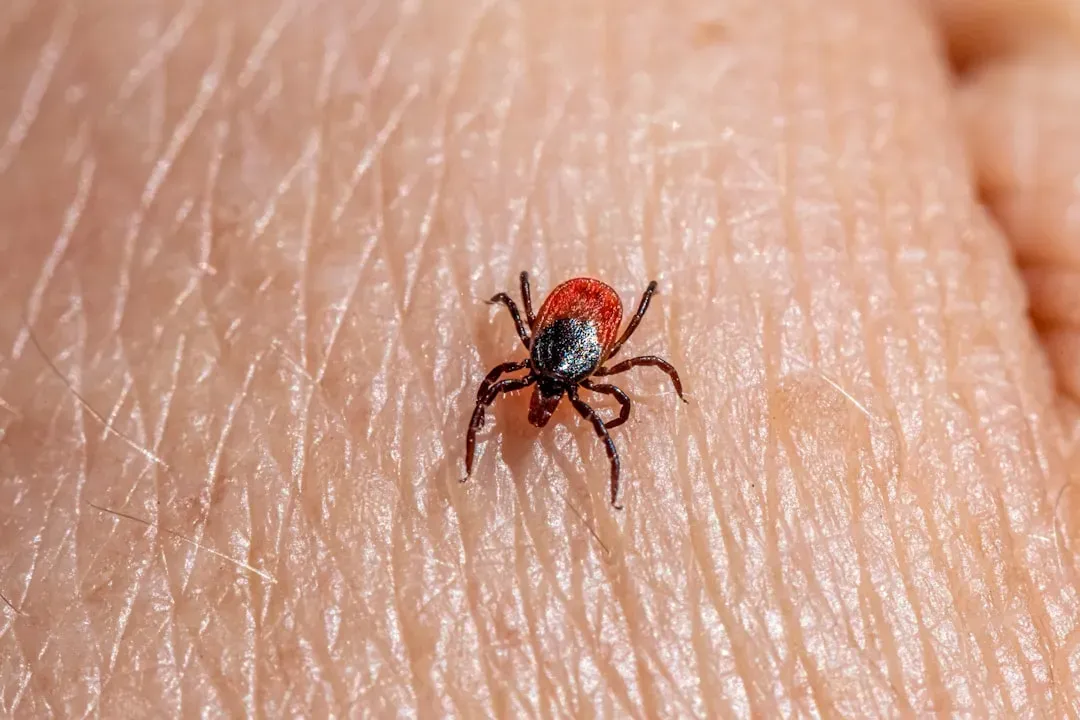
Tick populations respond quickly to small changes in temperature and moisture. Milder conditions in recent years have allowed more of them to survive through winter and become active sooner in spring. This means longer periods when they can find hosts and reproduce.
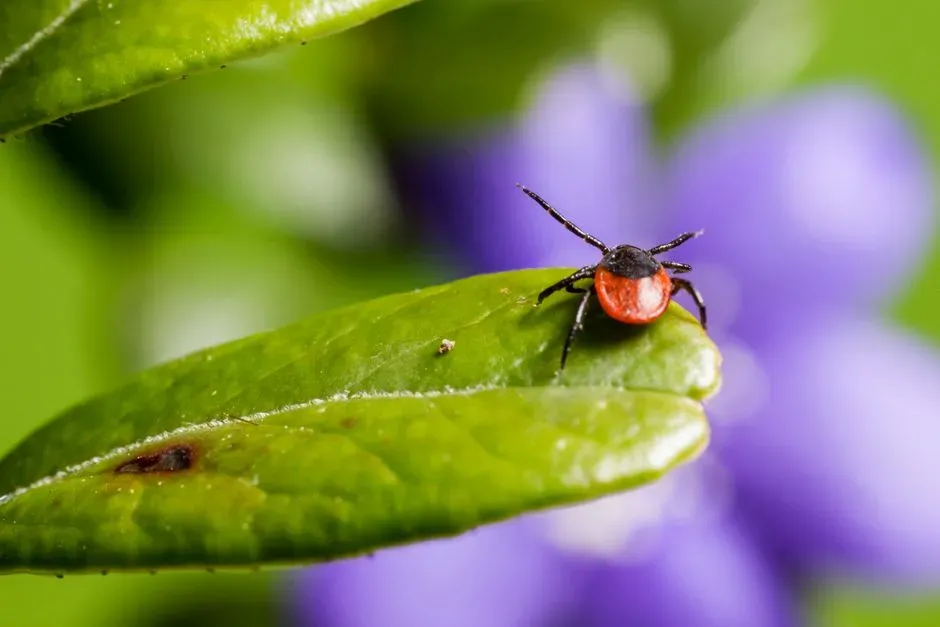
Ecologists note that certain species, like the blacklegged tick, benefit especially from these shifts. Their life cycles speed up when the ground stays warmer for extra weeks. As a result, more ticks reach adulthood and seek blood meals during the same season.
Climate Patterns Driving the Change

Warmer average temperatures extend the window for tick activity across many regions. Areas that once saw hard freezes now experience shorter cold spells, giving ticks an edge. Humidity levels also play a role, since ticks need moisture to avoid drying out.
These climate influences do not act alone. They interact with local weather events that can boost vegetation growth, creating better cover for ticks and their hosts. Over time, the cumulative effect shows up in higher encounter rates reported by residents and researchers alike.
Shifts in Deer and Small Mammal Numbers
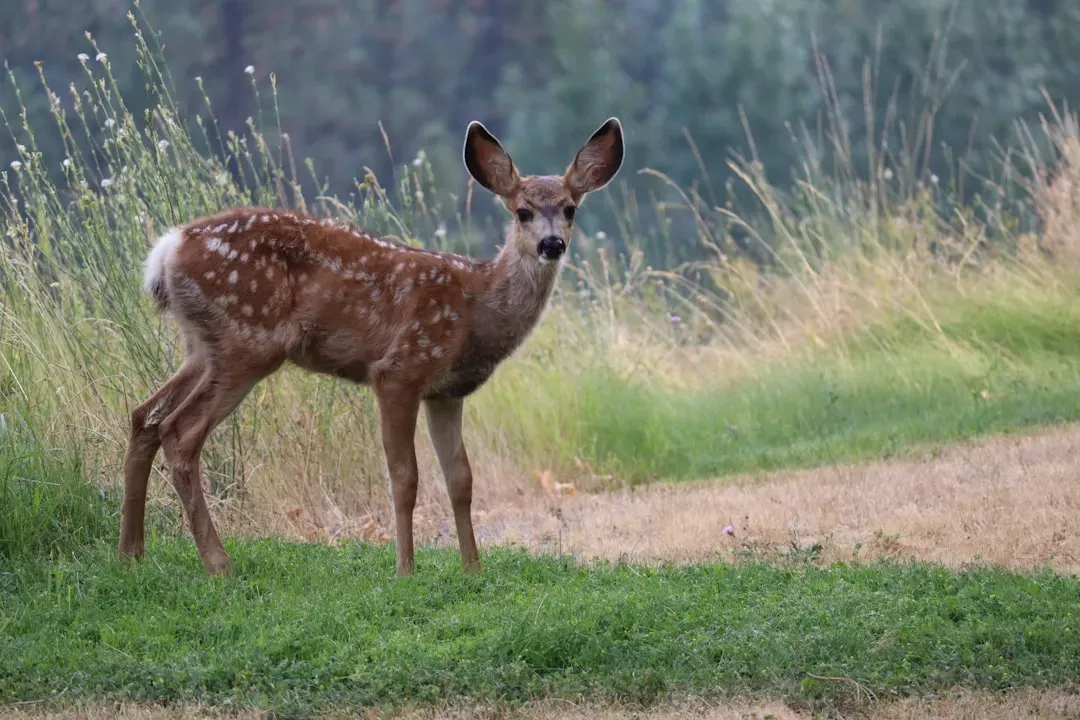
Deer serve as key hosts for adult ticks, and their populations have grown in many suburban and rural zones. More deer mean more opportunities for ticks to complete their life cycle. Small mammals like mice carry younger ticks and help spread them across the landscape.
When these host animals increase, tick numbers often follow. Ecologists track these connections through field studies that count both the animals and the parasites they carry. The relationship helps explain why some neighborhoods see sudden spikes while others do not.
Habitat Changes From Land Use

Fragmented forests and expanding edges between woods and lawns create ideal tick habitat. These transition zones offer shelter, moisture, and easy access to hosts. Development patterns that leave patches of brush and leaf litter support higher tick survival rates.
At the same time, reduced predator pressure on deer and rodents in some areas allows their numbers to rise. The result is a landscape that favors ticks without anyone intending it. Simple changes in how land is managed can alter this balance over several seasons.
Broader Ecological Signals at Work
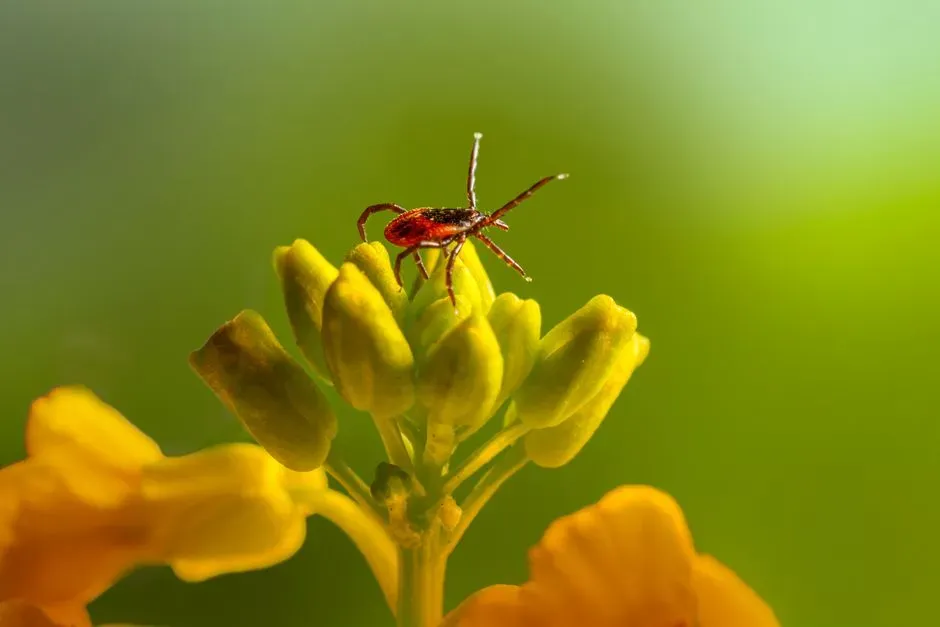
An uptick in ticks often reflects stress on the larger food web. When certain species thrive while others decline, the system loses balance. Ecologists view these insects as indicators because they respond so directly to temperature, moisture, and host availability.
Tracking ticks provides one window into how ecosystems adjust to ongoing pressures. The same conditions that help ticks can affect pollination, soil health, and bird populations. Paying attention to one small creature reveals patterns that touch many others.
Practical Steps for People in Affected Areas
Simple habits reduce personal risk without needing dramatic lifestyle changes. Wearing long sleeves and tucking pants into socks during outdoor time limits contact. Checking clothing and skin after being outside catches ticks before they attach.
Keeping yards trimmed and clearing leaf piles near play areas also helps. These steps do not eliminate ticks entirely, yet they lower the chance of encounters. Communities that coordinate on shared green spaces often see better results than individuals working alone.
What the Increase Really Signals for the Future

More ticks serve as a quiet reminder that environmental conditions are shifting in measurable ways. Ecologists see the trend as part of wider adjustments in temperature, land cover, and animal movement. Ignoring the signal leaves both people and wildlife more exposed over time.
Addressing the root drivers requires coordinated attention to habitat and climate stability. Small, consistent actions at local levels can ease pressure on the systems that support ticks. The choice comes down to whether we treat the rise as background noise or as useful information about the places we live.
