
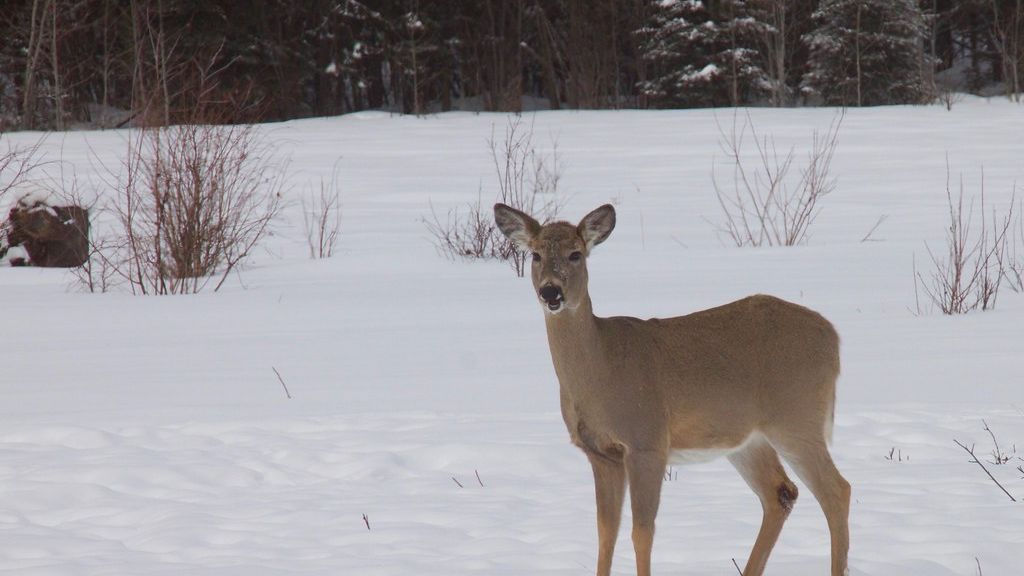
Picture this. You are moving quietly through the trees, boots barely whispering against the leaves, when a deer steps into view and holds your gaze. The moment stretches. Something about that steady eye contact feels deliberate, almost like the animal is reading you as much as you are reading it.
Hunters have passed down stories of these encounters for generations. The details vary by region and season, yet certain patterns keep surfacing in field notes and campfire talk. Those patterns point to a handful of practical meanings rather than any single dramatic explanation.
The First Moment of Recognition
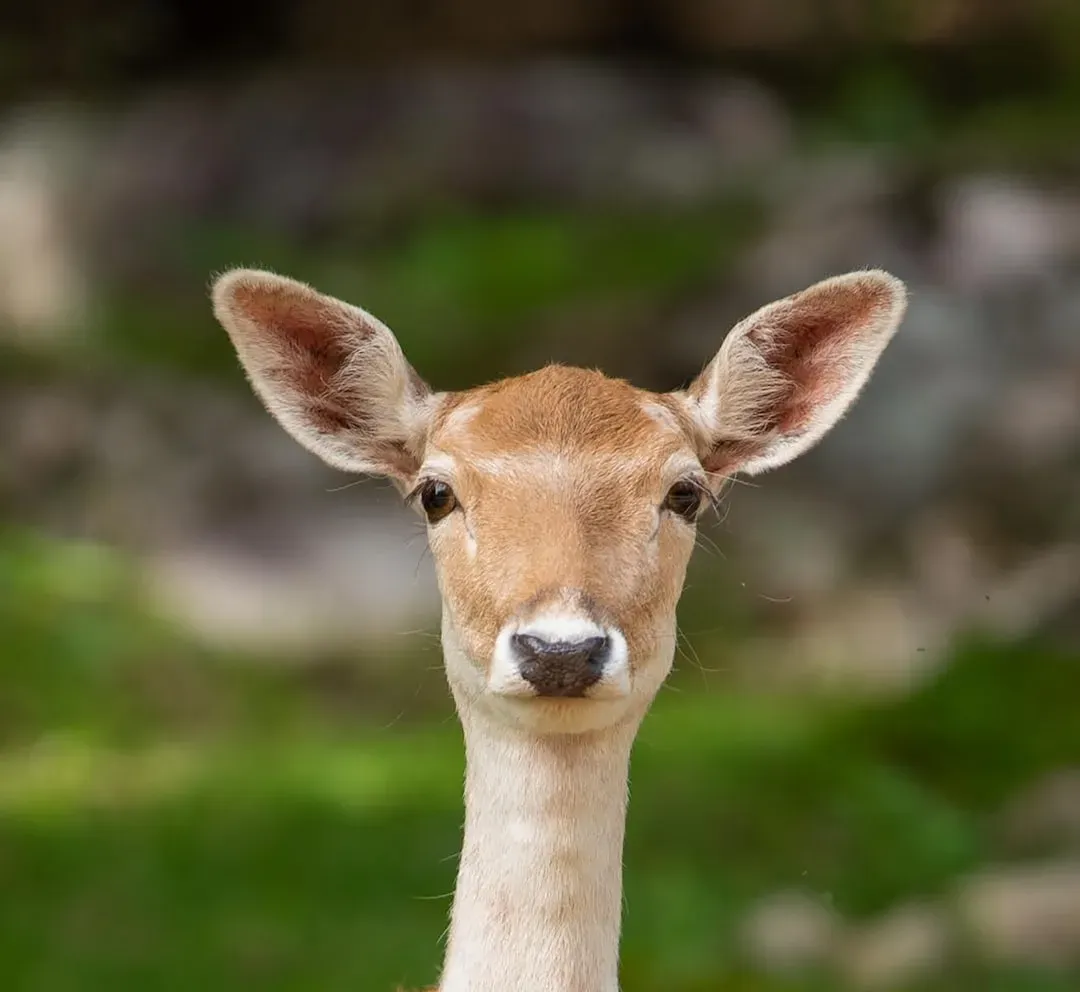
Deer rely heavily on vision to detect movement and shapes at a distance. When one stops and fixes its eyes on you, it has likely caught a shift in the light or the outline of your form against the background. This pause gives the animal time to decide whether the shape matches a known danger.
Older accounts from the late nineteenth century describe the same sequence. A buck or doe would halt mid stride, ears forward, and stare until the hunter either moved again or remained still long enough for the deer to classify the shape as harmless. The behavior has not changed much in the intervening decades.
Evaluating Distance and Escape Routes
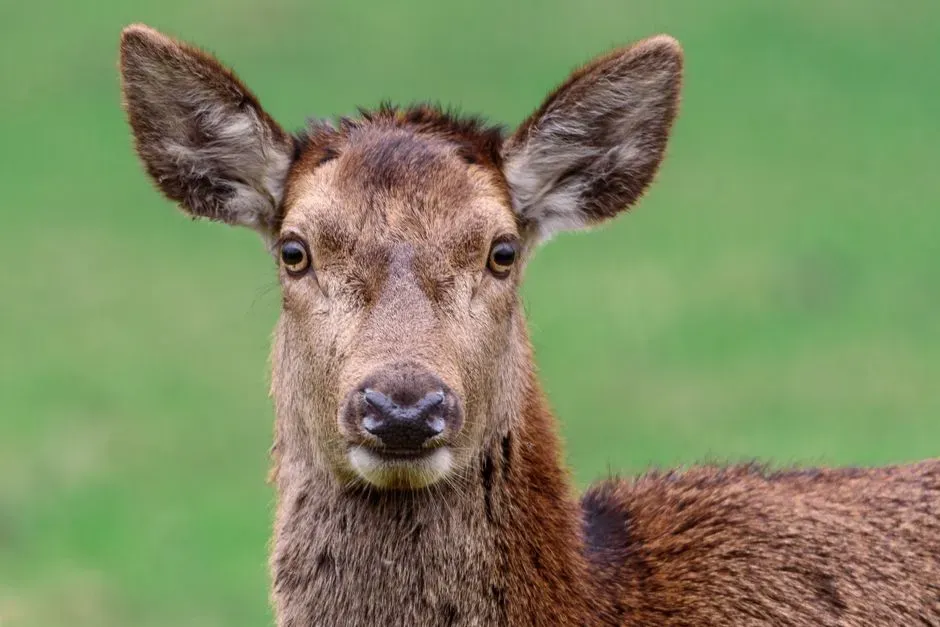
Once the deer has spotted you, the locked gaze often serves as a quick calculation. The animal measures how far away you stand and whether a clear path exists to thicker cover. Hunters note that deer in open hardwood stands tend to hold the stare longer than those already near dense brush.
This assessment happens fast. A few seconds of eye contact can reveal whether the deer feels boxed in or has an easy exit. If the terrain favors escape, the animal may simply turn and bound away without further reaction.
Testing for Movement
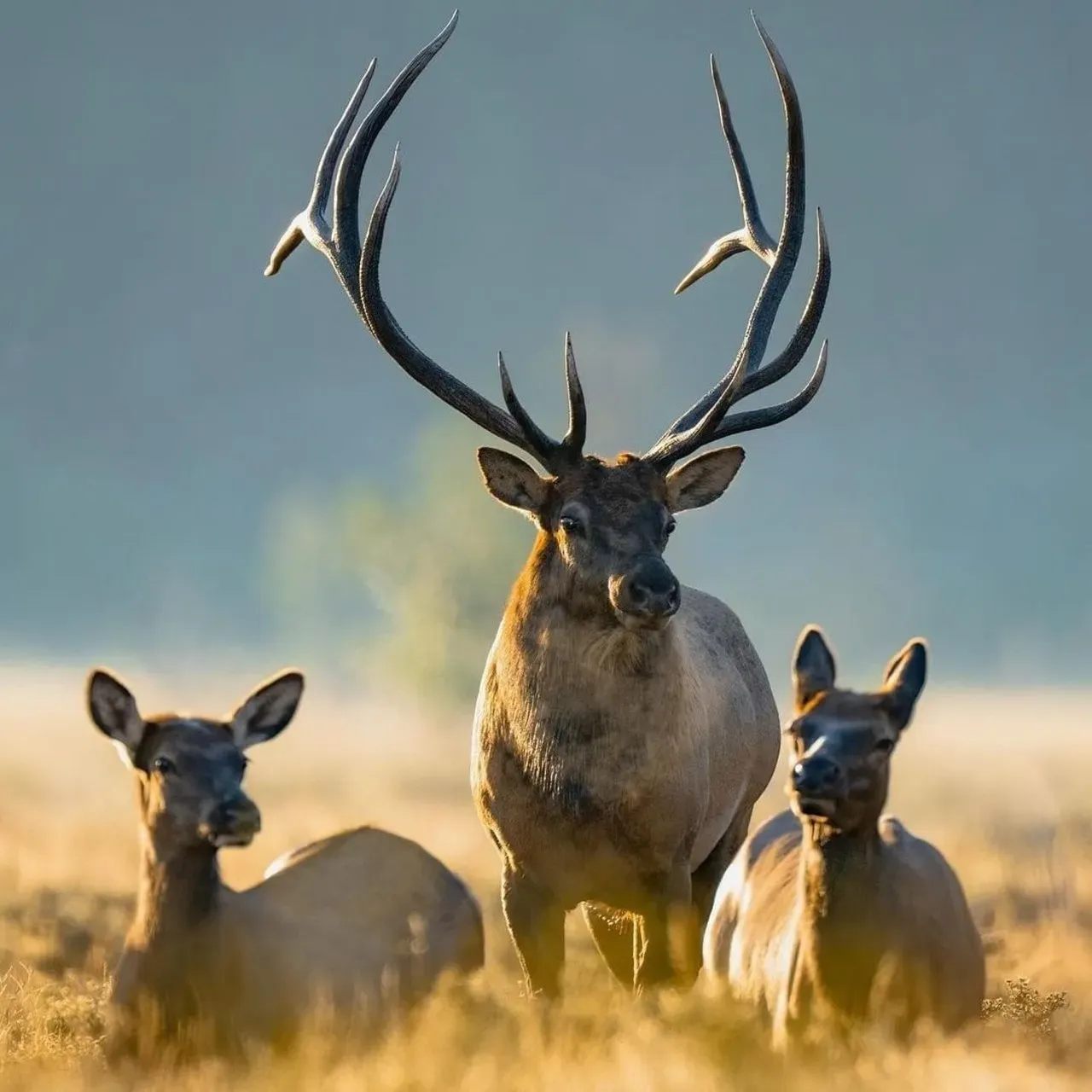
Many experienced observers report that deer use the stare to provoke a response. By remaining motionless themselves, they wait to see if the human figure will betray itself with a twitch or a step. Any motion confirms the shape as a living threat and triggers flight.
This tactic appears in journals from the early twentieth century onward. Hunters who stayed perfectly still during these tests often watched the deer eventually relax its posture and resume feeding. The contrast between motion and stillness seems to be the key detail the animal seeks.
Signs of Heightened Alertness
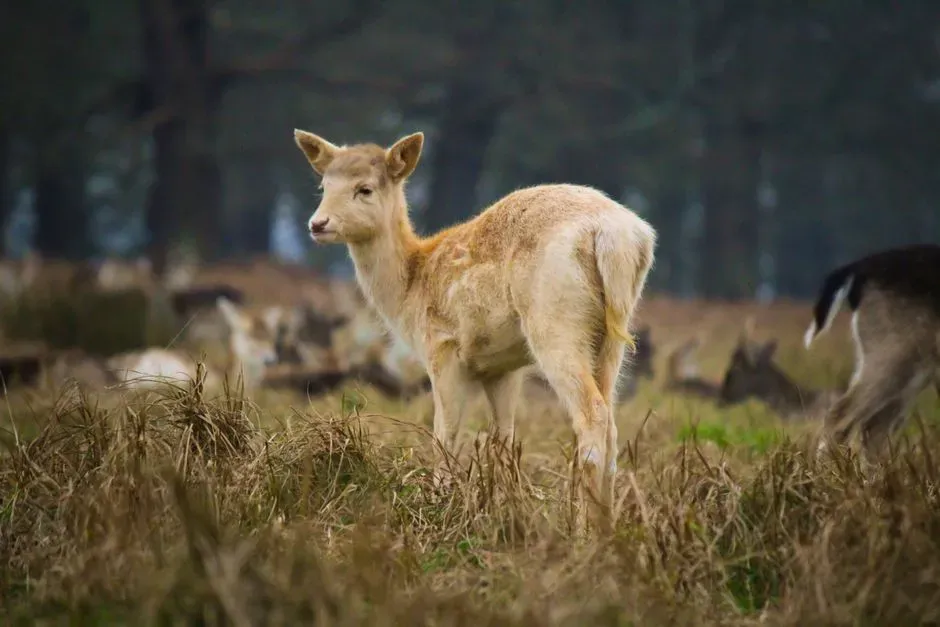
Locked eyes frequently coincide with other body language. Ears point directly forward, the tail may flick once or twice, and the neck stretches slightly. These small signals tell a nearby hunter that the deer has moved from casual scanning to focused attention.
Seasonal changes influence how long the stare lasts. During the rut, bucks sometimes hold eye contact longer while checking for rivals or does. In late winter, when food is scarce, deer may stare simply because any potential source of disturbance warrants extra scrutiny.
Curiosity Versus Caution
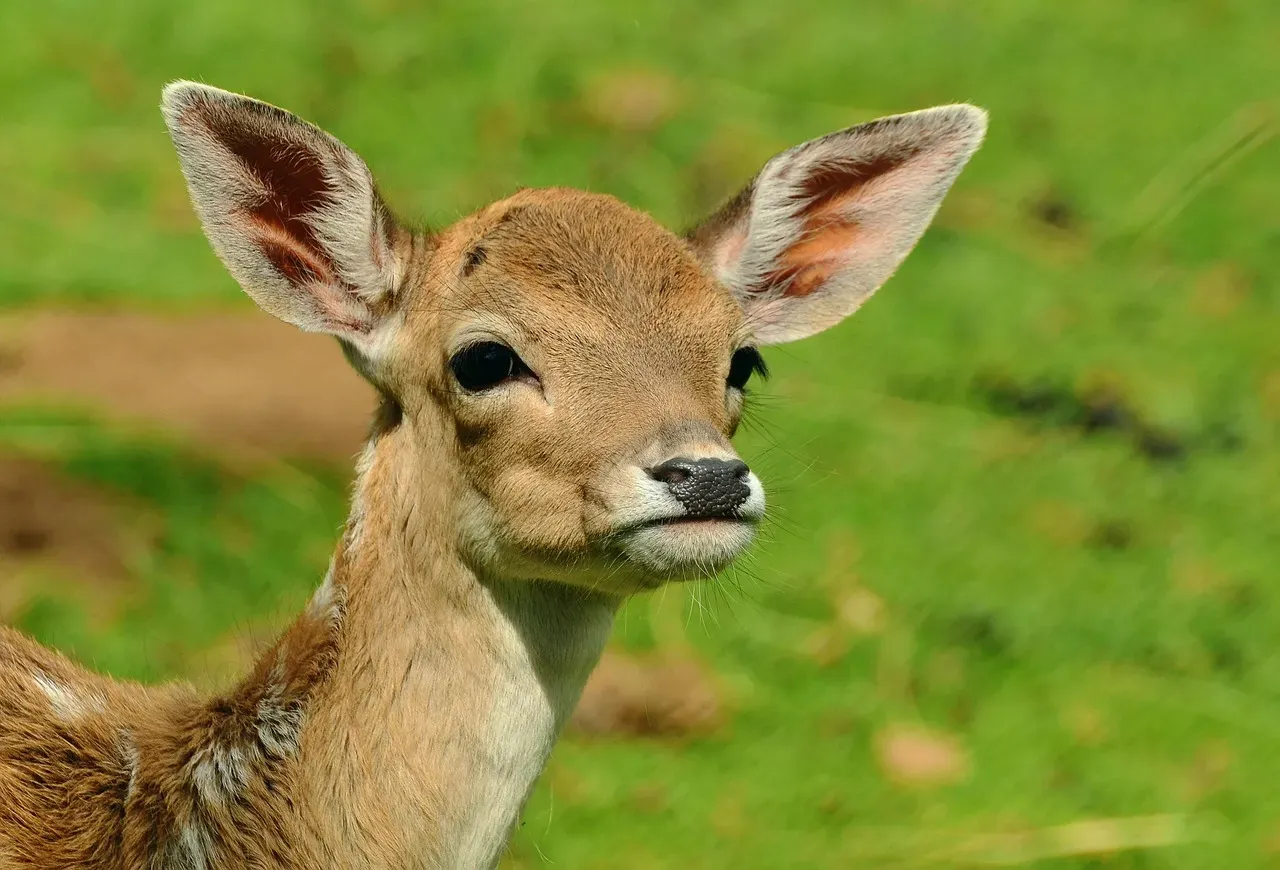
Not every prolonged look signals immediate fear. Young deer in areas with light hunting pressure sometimes appear genuinely curious. They tilt their heads or take a cautious step closer before deciding the figure is unfamiliar and best avoided.
Longtime woodsmen distinguish this from true alarm by watching the tail and ears. A relaxed tail and softly swiveling ears suggest mild interest. A stiff tail and rigid ears point to rising tension that could end in a sudden leap.
Regional and Generational Patterns
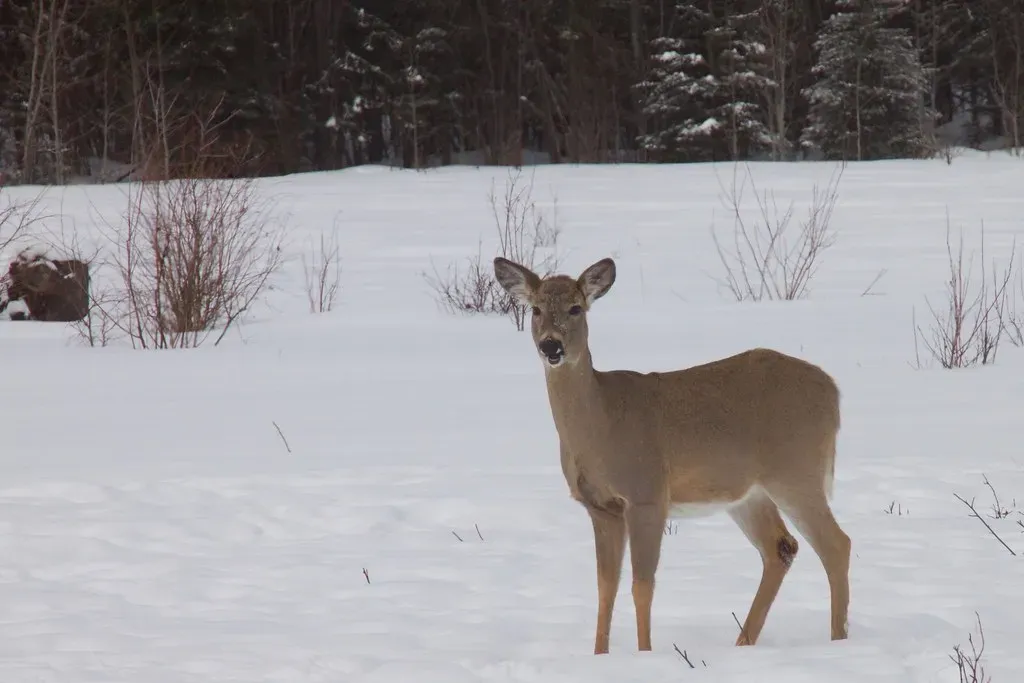
Observations collected across different states show subtle differences. In thick southern swamps, deer often break eye contact sooner because cover is close. In northern open country, the stare can last longer simply because the animal has fewer immediate options for concealment.
These patterns have been noted by successive generations of hunters using the same stands year after year. The consistency suggests the behavior is rooted in the animal’s natural survival strategy rather than learned responses to modern equipment or clothing.
Reading the Moment and Moving On
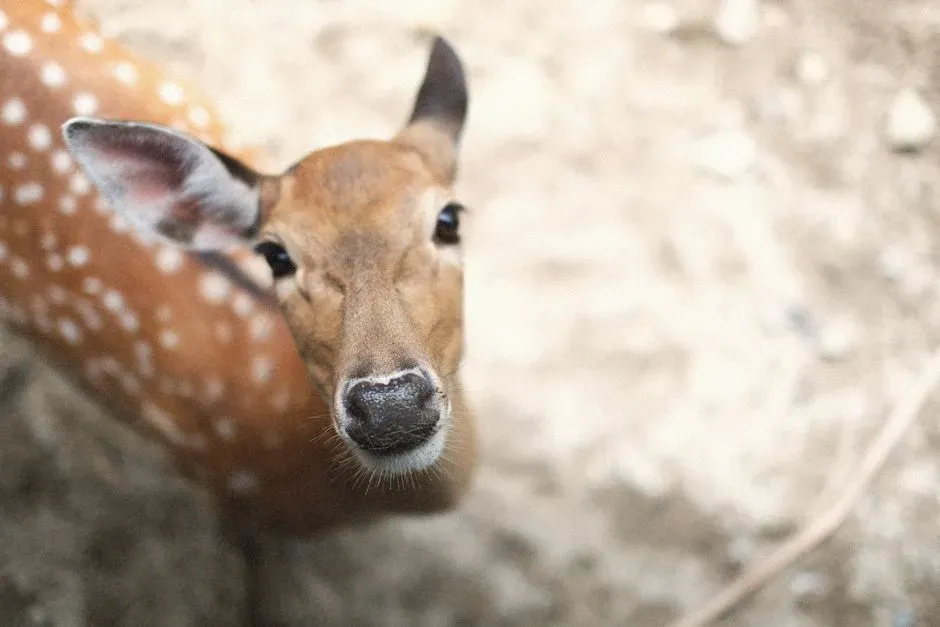
When a deer locks eyes with you, the practical response is usually to stay still and let the animal make the next decision. Sudden movement almost always ends the encounter on the deer’s terms. Quiet breathing and minimal shifting keep the odds open for a longer observation or a clean departure.
Over time these brief standoffs become part of the rhythm of the woods. They remind anyone who spends hours out there that the animals are constantly gathering information, just as the observer is. The locked gaze is simply one clear exchange in that ongoing conversation between species.
