
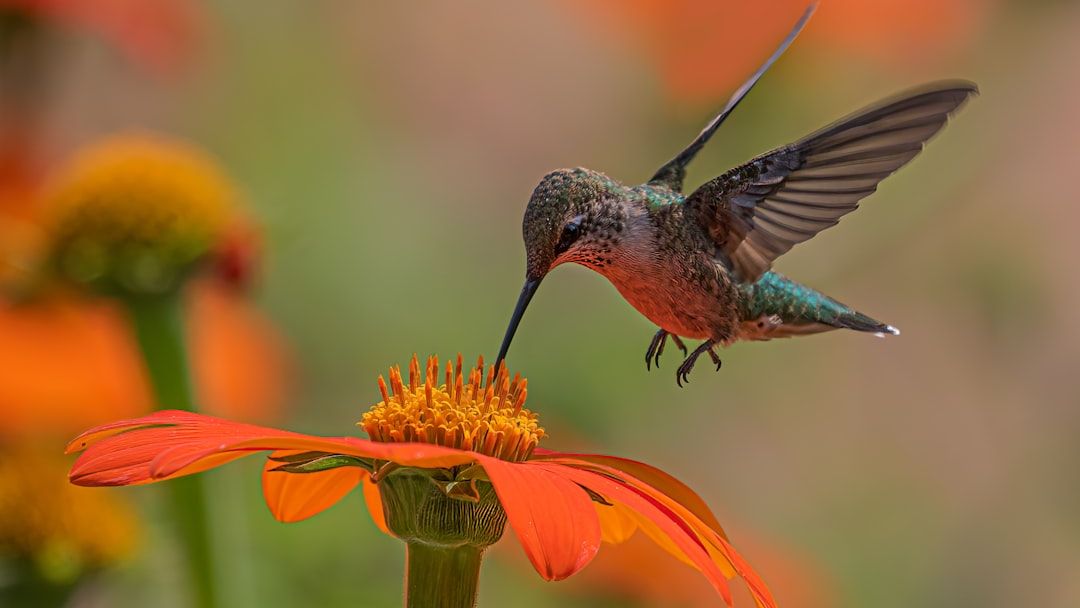
They suddenly ramp up visits to feeders
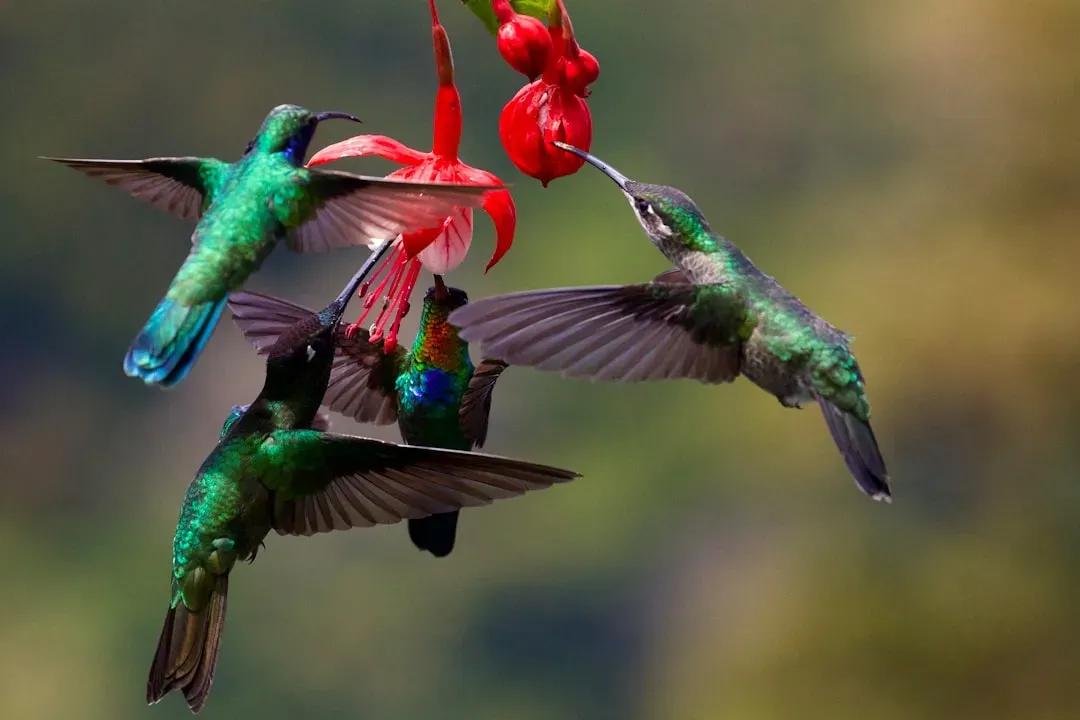
Hummingbirds normally sip nectar at a steady pace throughout the day. Minutes before a tornado threat builds, many people notice them returning to feeders far more often than usual. This extra feeding seems tied to a need to store energy quickly when conditions feel off.
The pattern shows up in backyards across tornado alley during spring and summer. Observers report the birds hovering longer at each port and sometimes chasing others away more aggressively. Such bursts of activity stand out against their typical routine and can appear well before any wind picks up.
They drop lower to the ground while flying
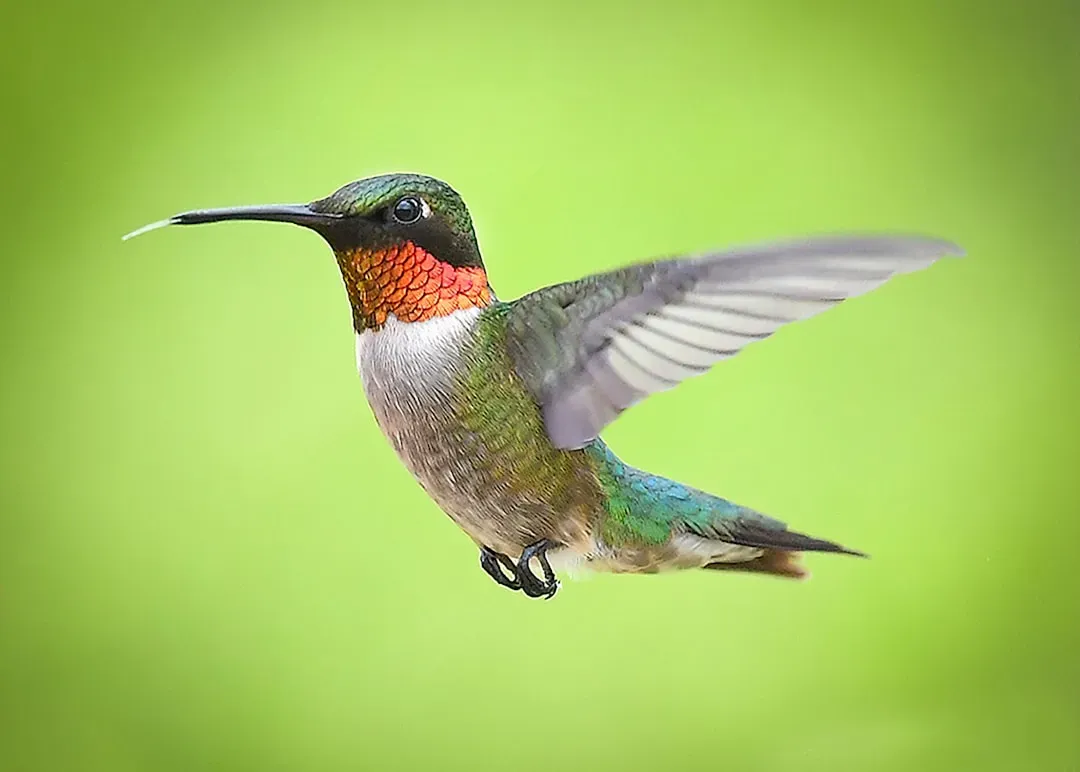
Instead of zipping through the upper branches, hummingbirds start skimming just above shrubs and grass. This lower flight path may help them avoid stronger gusts that form higher up as the storm organizes. The shift happens fast and draws attention because these birds usually prefer open air space.
Gardeners and birders have logged the behavior in the half hour leading into warnings. The change feels deliberate, almost as if the birds are testing safer routes. It pairs with other small adjustments that together paint a picture of unease in the local environment.
They tuck into dense foliage for shelter
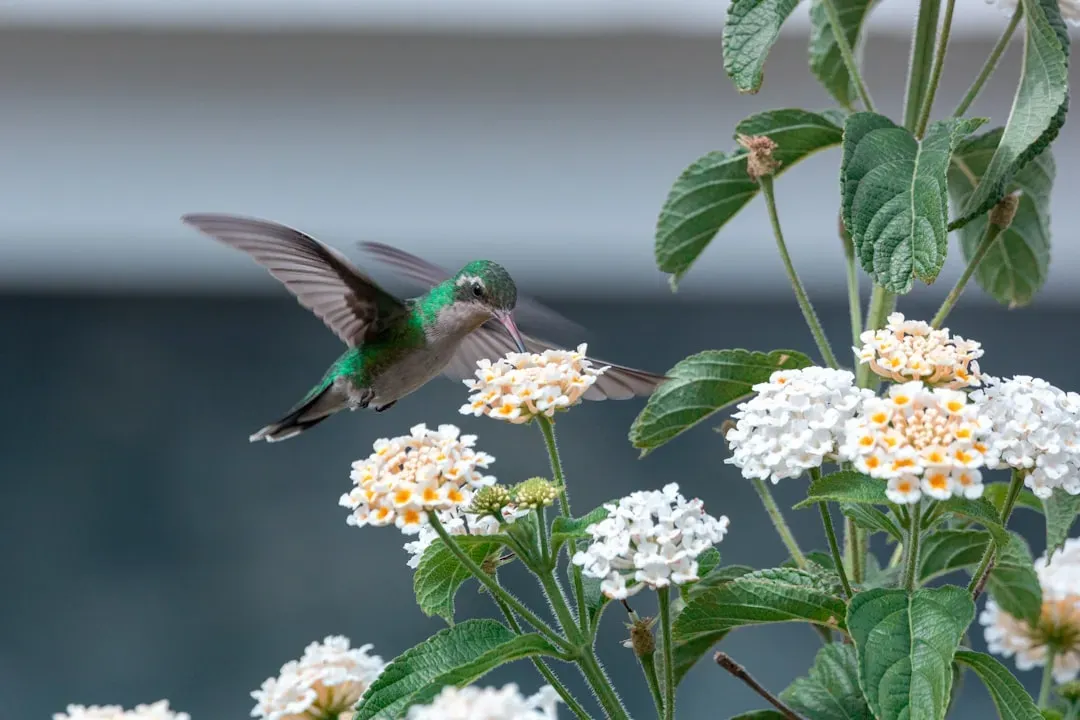
Hummingbirds normally perch in the open on thin twigs. As pressure drops and rotation begins, they move into thick leaves or the downwind side of bushes. The choice of cover provides a quick shield from the first blasts of wind.
This behavior shows up repeatedly in reports from areas hit by twisters. The birds stay still longer than normal once they settle. Their sudden preference for hidden spots contrasts with their usual visibility and gives watchers an early visual cue.
They reduce or stop their usual chirps
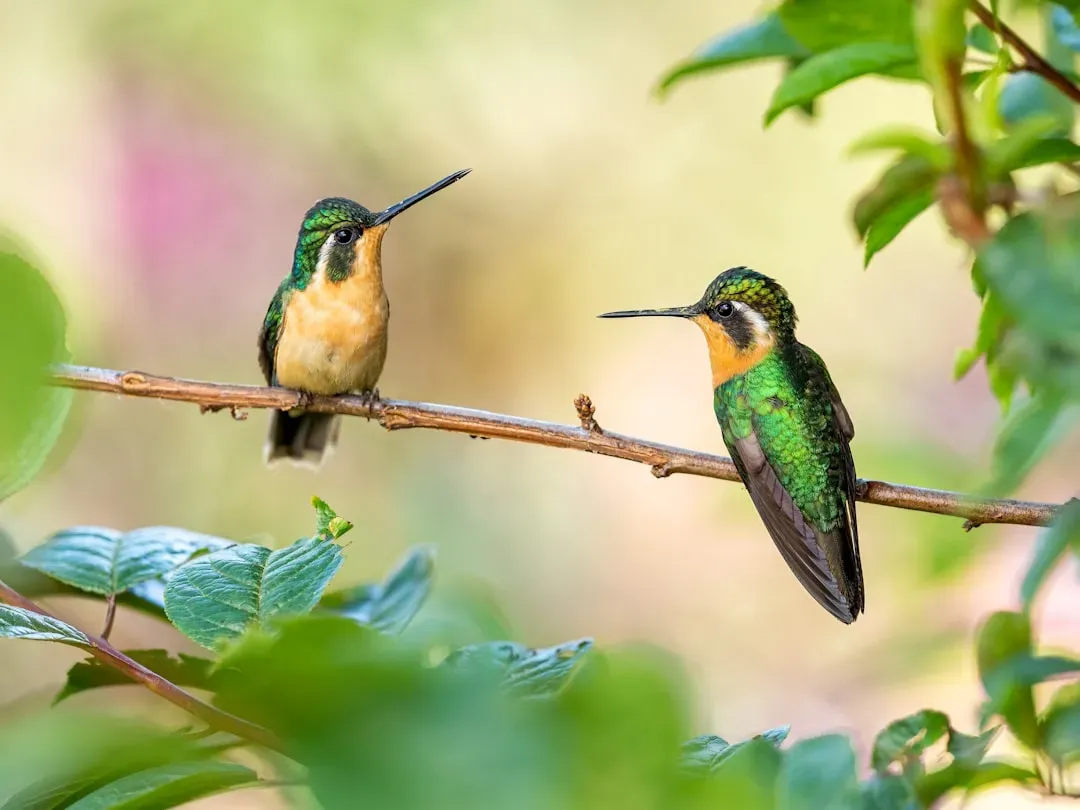
These birds produce constant high pitched sounds while feeding and defending territory. Right before severe weather, the chatter fades into near silence in many yards. The quiet feels noticeable because hummingbirds rarely go completely still vocally.
Listeners describe an odd calm settling over the garden even while other insects remain active. The drop in sound often coincides with the first subtle changes in air movement. It serves as one more layer that experienced observers track alongside official alerts.
They fly in short, agitated bursts rather than smooth paths
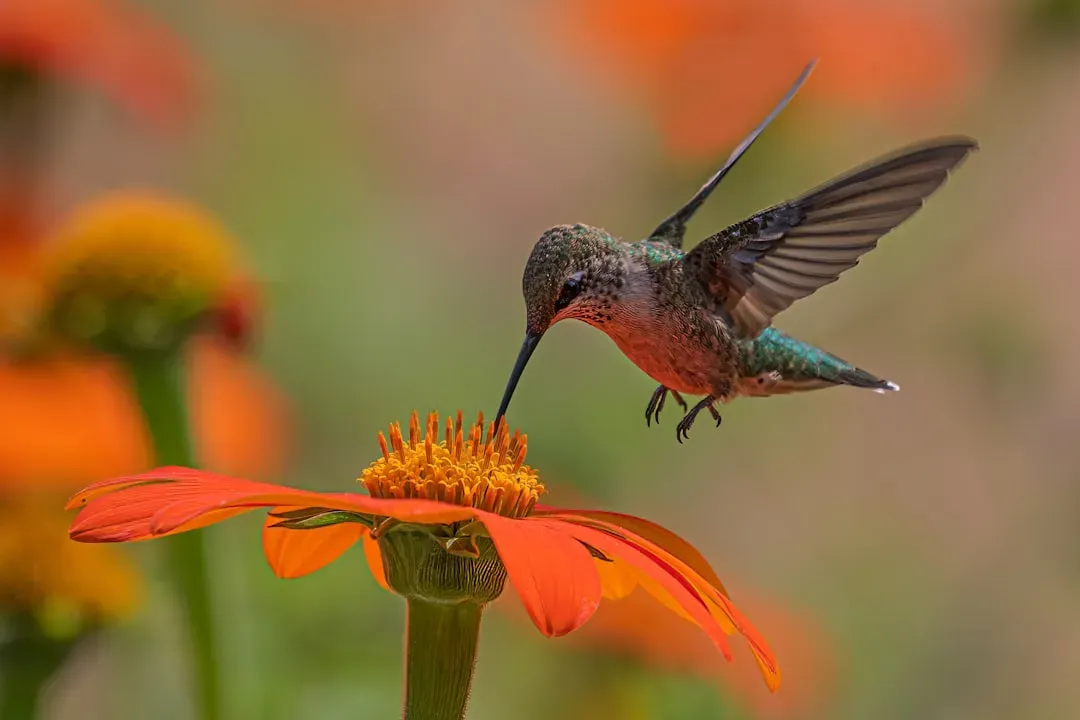
Normal hummingbird flight looks purposeful and direct. Minutes ahead of a tornado, their paths turn jerky with frequent stops and direction changes. The motion suggests they sense something unstable in the atmosphere around them.
People watching through windows notice the difference immediately because the birds cover less ground overall. The agitation stays localized to the immediate area rather than long distance travel. It adds to the sense that local conditions have shifted in ways humans cannot yet feel.
They ignore favorite perches and explore new ones
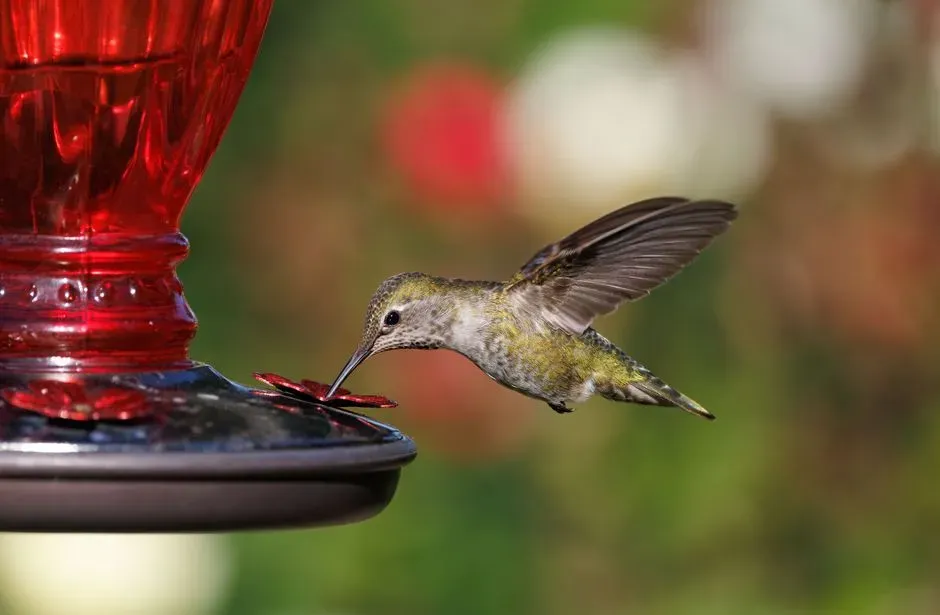
Each hummingbird tends to claim a regular resting spot near its feeder. Before the storm intensifies, they abandon those spots and test branches or wires they usually ignore. The exploration looks restless and out of character.
Backyard cameras have captured the switch in real time during several events. The birds return to old perches only after the threat passes. This temporary relocation stands out as a clear departure from established patterns.
They cluster closer together than normal
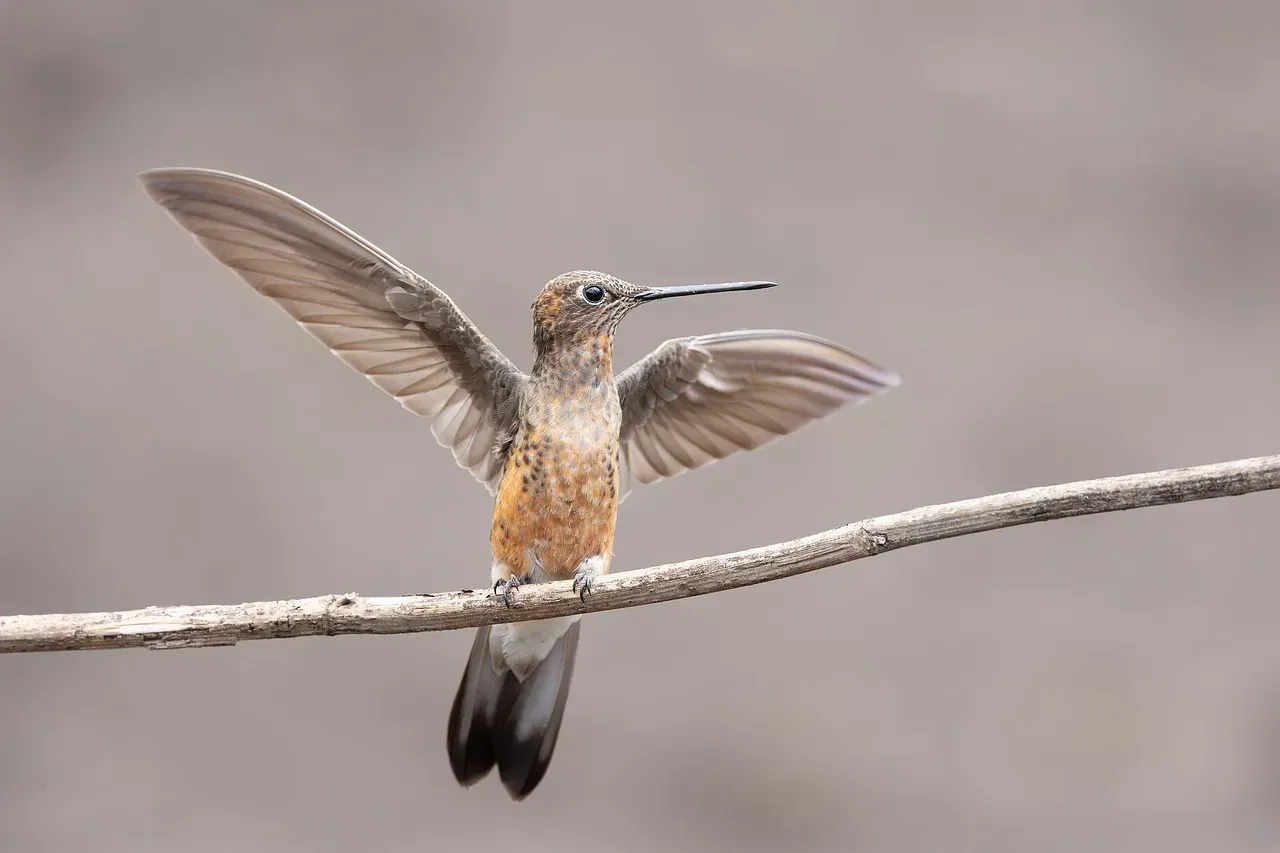
Hummingbirds are famously territorial and keep distance from one another. In the minutes before a tornado, several may share the same sheltered branch or feeder area without the usual chasing. The grouping appears driven by a shared need for security.
Observers note the clusters last only briefly before the birds scatter again once winds rise. The temporary tolerance of neighbors marks a shift from everyday competition. It offers another visible signal that something unusual is unfolding.
They preen more vigorously in quick sessions
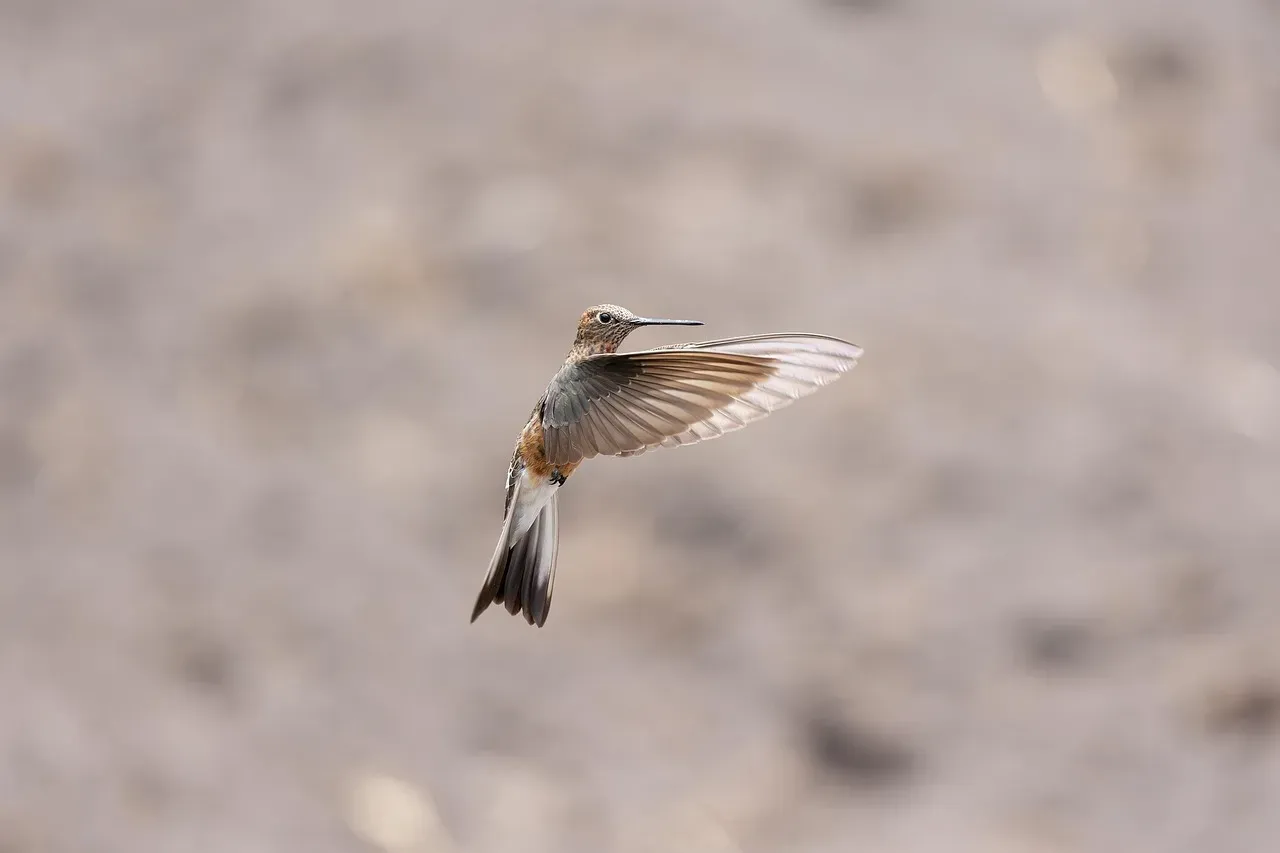
Preening keeps feathers in top shape for flight. Before severe weather arrives, hummingbirds perform faster, more intense preening bouts than their usual quick touches. The extra attention may prepare their bodies for sudden movement or sheltering.
The sessions interrupt feeding and look almost frantic compared with relaxed daily maintenance. Watchers see the difference most clearly on calm days that suddenly turn stormy. It fits into the broader set of small adjustments these birds make.
They avoid open areas and stay near structures
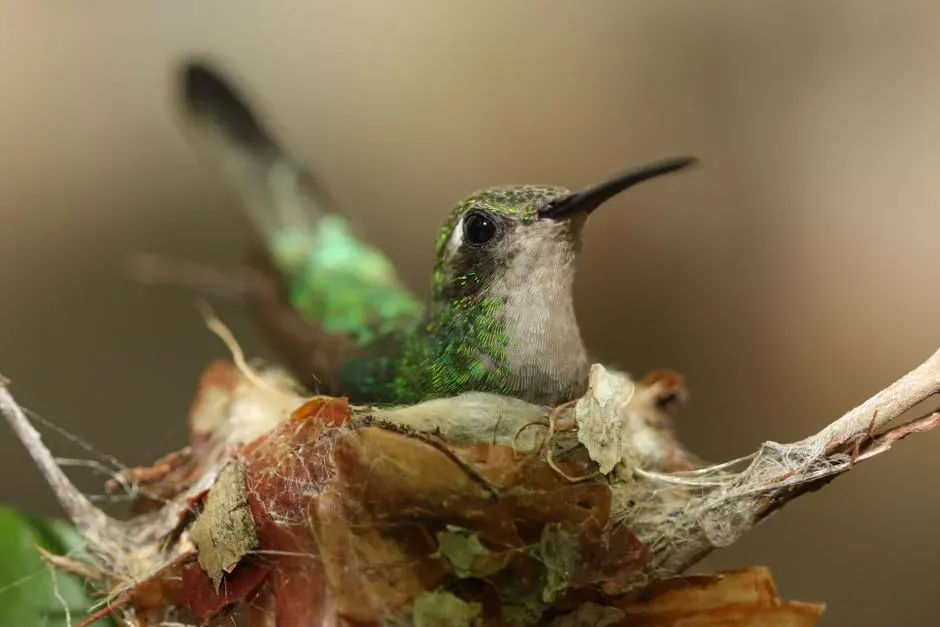
Open lawns and flower beds normally attract steady traffic from hummingbirds. As rotation develops, they hug the edges of houses, sheds, or fences instead. The preference for cover near buildings appears consistent across different regions.
The shift keeps them out of the strongest updrafts that form ahead of the funnel. People notice the birds hugging walls or eaves where they rarely linger otherwise. This choice of location adds another practical clue for those paying attention.
They show brief pauses in midair hovering
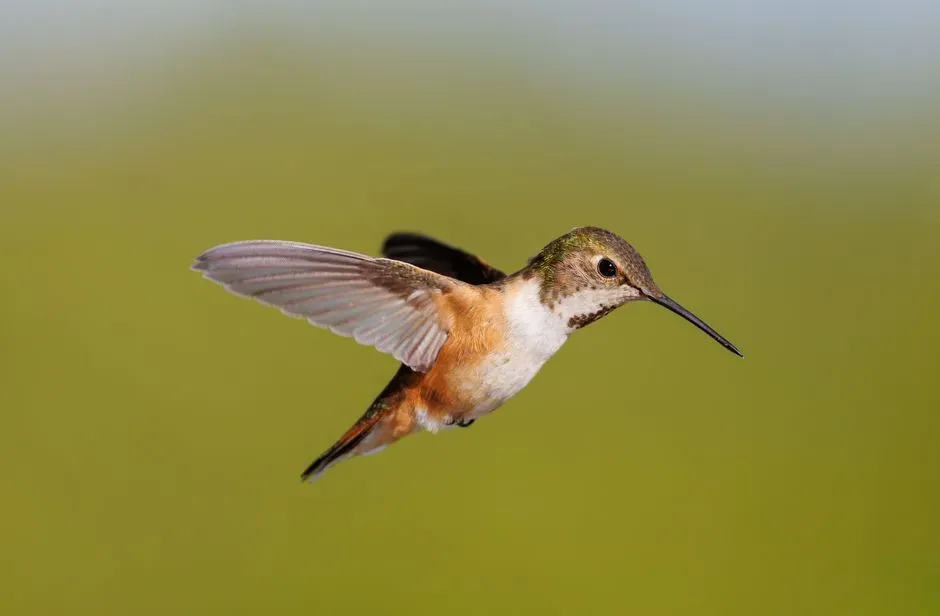
Hummingbirds excel at sustained hovering while they feed. Minutes before a tornado, their hover time shortens into quick dips and restarts. The interruptions suggest they are reacting to subtle air pressure changes.
The pauses stand out because they break the smooth rhythm these birds maintain all day. Observers describe the effect as the hummingbird checking its surroundings more often. It contributes to the overall picture of heightened alertness.
They make short directional flights away from the usual range
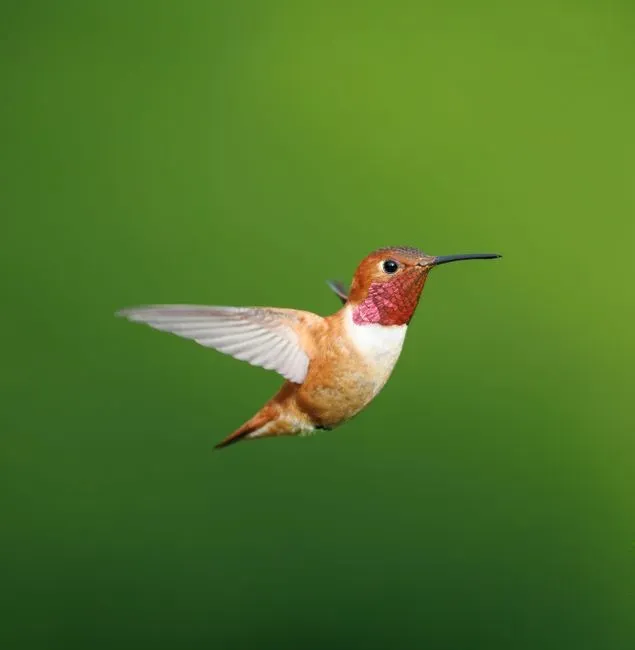
Most hummingbirds stick to a small territory around their feeder. Before the storm hits, some make quick outward flights and then return, almost testing escape routes. The short excursions differ from normal foraging loops.
These trial movements happen fast and often go unnoticed unless someone watches closely. They align with broader reports of birds sensing distant storm energy through sound or pressure. The pattern repeats enough to catch the eye of dedicated watchers.
Conclusion
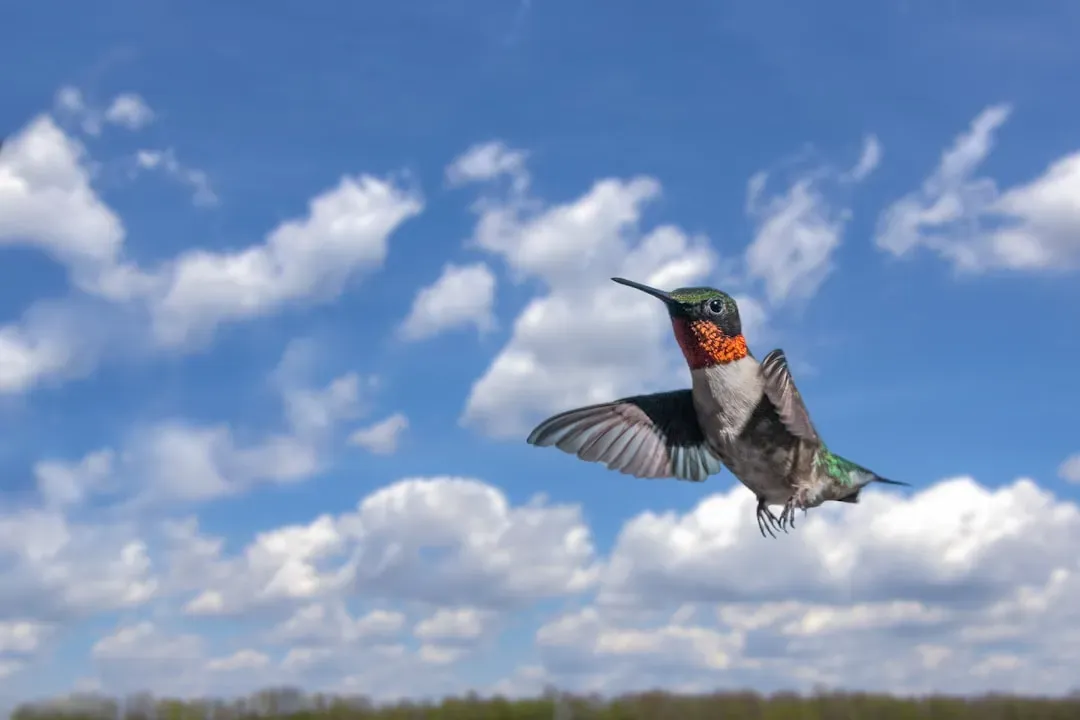
These behaviors offer a fascinating window into how small creatures respond to atmospheric shifts long before instruments register clear danger. While they add color to personal observations, they work best alongside professional forecasts rather than replacing them. Paying attention to hummingbirds can heighten awareness during tornado season without creating false confidence.
In the end, nature keeps providing quiet signals that reward patient watching, and these tiny birds remind us how connected everything feels when the air starts to turn.

- Your Dog Understands More Than Just Your Words – Here’s How - July 31, 2026
- 10 Surprising Benefits of Having Birds in Your Backyard - July 31, 2026
- The Crow’s Mind: How These Birds Use Tools Better Than Some Humans - July 31, 2026