

Distant Thunder Building on the Horizon
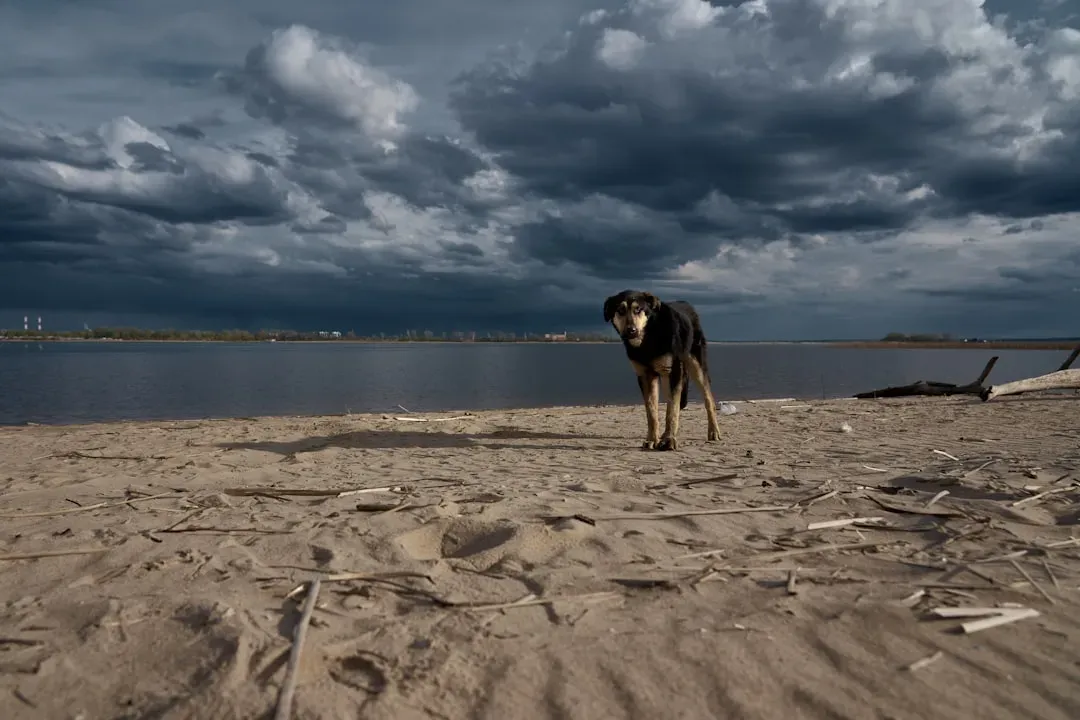
Low rumbles travel far across open land, and dogs register those vibrations well before the sky darkens overhead. The sound often arrives hours ahead of any visible clouds or wind change. Owners sometimes notice their dog pacing or staring upward while the air still feels calm and clear.
That early alert gives time to secure loose items or bring pets inside before gusts pick up. Many dogs show subtle signs like flattened ears or sudden stillness rather than outright barking. The difference in hearing range lets them track pressure shifts that humans only feel once the storm is closer.
Subtle Footsteps Approaching from the Tree Line

Soft steps on grass or gravel register clearly to a dog even when the person stays out of sight. The cadence and weight of the movement can differ from familiar neighbors or delivery drivers. Hours may pass before the same footsteps reach a human ear through an open window.
Dogs often respond with focused staring or low growls that seem unprompted at first. This sensitivity helps flag unusual visitors or wildlife edging closer to the property. The reaction gives owners a chance to check cameras or lights before anything escalates.
High Pitched Hissing from a Slow Gas Leak

Small leaks produce ultrasonic tones that travel through pipes and soil. Dogs detect these frequencies long before the smell becomes noticeable to people. The sound can persist for hours while the issue remains hidden behind fences or under decks.
Restless behavior or repeated sniffing near certain spots often signals the problem first. Early awareness prevents bigger hazards from building overnight. Regular yard checks become more useful when paired with attention to these quiet cues.
Branch Cracks Signaling an Unstable Tree

Wood under stress releases faint splitting sounds that carry across the yard. Dogs hear the micro fractures hours before a limb gives way in wind or rain. The noise stays below most human thresholds until the damage is advanced.
Alert dogs may circle the base of the tree or bark at nothing visible in the canopy. That behavior prompts a closer look at leaning trunks or heavy branches. Addressing the issue early avoids sudden falls that could damage fences or injure pets.
Water Trickling from an Underground Pipe
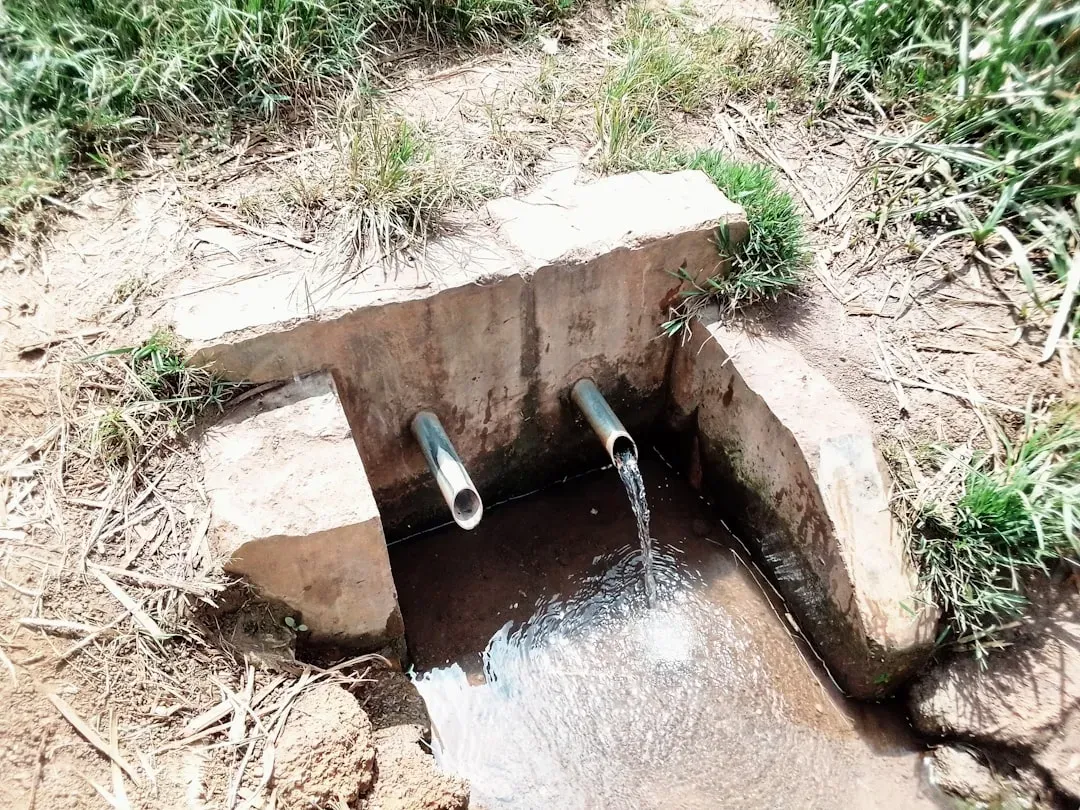
Small leaks underground create steady dripping or flowing tones that echo through soil. Dogs pick up the vibration patterns well before puddles appear on the surface. The sound can continue for hours while the water loss stays invisible from the house.
Repeated visits to one corner of the yard or sudden interest in digging often mark the spot. Catching the issue early limits erosion and water waste. The same sensitivity applies to irrigation lines that start to fail after winter freezes.
Predator Calls from Nearby Coyotes or Foxes
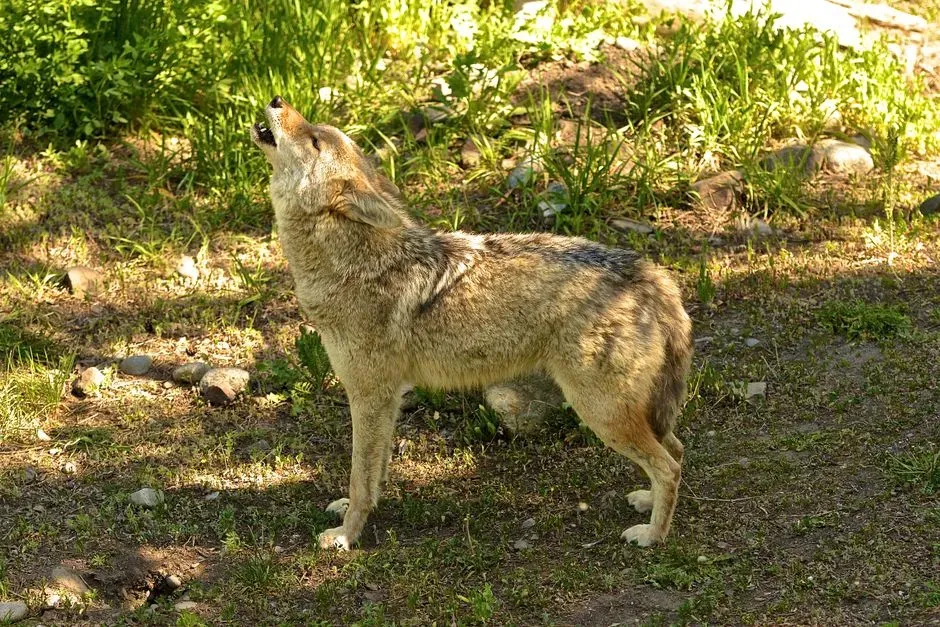
Distant yips and howls carry on frequencies that reach a dog first. These calls often signal hunting activity that moves closer to residential edges after dark. Hours can pass before the animals themselves become visible or audible to people.
Dogs may stand rigid or emit warning barks directed toward the back fence. The early notice allows time to bring smaller pets inside or check outdoor enclosures. Understanding the pattern helps owners adjust evening routines during seasons when wildlife activity rises.
Wind Shifts Indicating an Approaching Weather Front

Changes in wind direction and speed produce layered tones through leaves and fences. Dogs sense these shifts through both sound and pressure changes well ahead of temperature drops. The effect builds gradually over several hours.
Restlessness or unusual positioning near doors can reflect the incoming change. Owners gain time to secure furniture or check drainage before heavier rain arrives. The same awareness applies to sudden gusts that precede stronger storms.
Structural Creaks from Shifting Foundations
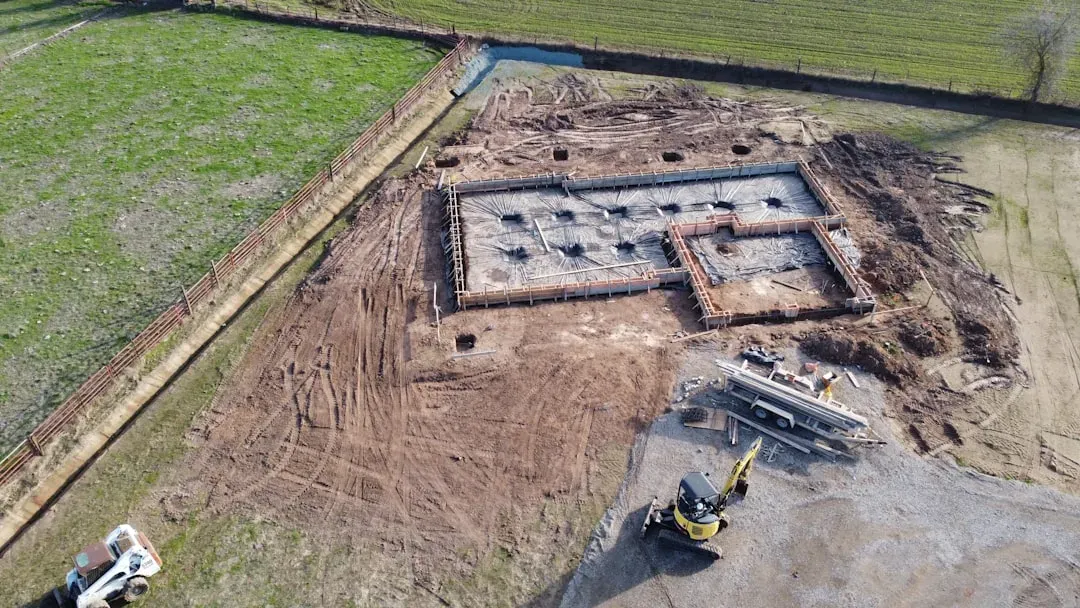
Soil movement or settling creates low frequency groans that travel through walls and decks. Dogs register these vibrations long before visible cracks appear indoors. The sounds may repeat at intervals over the course of a day or night.
Focused attention on one side of the house or repeated circling often draws attention to the area. Early detection supports timely inspections that prevent larger repairs later. Seasonal ground changes make this cue especially relevant in certain regions.
Vehicle Engines Idling Unusually Close

Engines that linger near property lines produce tones that differ from normal traffic patterns. Dogs distinguish these idle sounds even when the vehicle stays out of view. The duration can stretch for hours during suspicious activity.
Alert barking or pacing along the fence line signals the presence before anyone steps out to look. The reaction provides a window to note license details or contact neighbors. Consistent monitoring turns the dog into a reliable perimeter check.
Insect Swarms Indicating Nearby Rot or Moisture

Collective buzzing from certain insects rises in pitch when they gather around damaged wood or damp areas. Dogs hear the layered hum well before the swarm becomes obvious to the eye. The activity can build steadily over several hours.
Sudden interest in a particular post or corner of the deck often marks the location. Addressing the underlying moisture prevents further structural wear. The same cue applies to seasonal pest increases that point to hidden yard issues.
Animal Distress Calls from Trapped Wildlife

High frequency squeaks or calls from injured or trapped creatures reach dogs first. These sounds travel through brush and fences while remaining faint to human ears. The calls may continue for hours until the situation resolves or worsens.
Dogs may whine or scratch at specific fence sections in response. Checking the area promptly can prevent escalation or unnecessary suffering. Seasonal patterns make these alerts more common during migration or nesting periods.
Pressure Changes Before Minor Seismic Activity
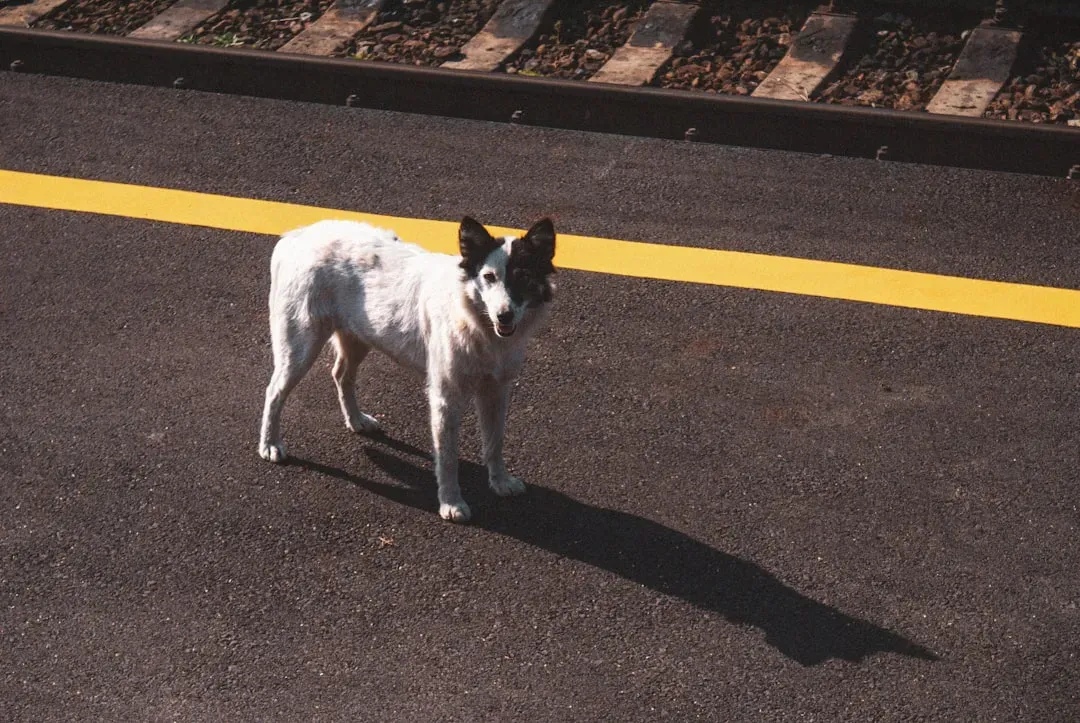
Subtle ground vibrations and air pressure shifts register to dogs well ahead of any shaking people feel. The low tones build gradually and can precede noticeable movement by several hours. Reactions vary but often include pacing or seeking higher ground.
Owners in active zones learn to watch for these patterns alongside official alerts. The sensitivity adds an extra layer of awareness during periods of known geological activity. Consistent observation helps separate normal behavior from these early signals.
Dogs already live with one foot in a world of sound that stays closed to us. Paying attention to their reactions turns that difference into practical awareness rather than mystery. Over time the habit strengthens the quiet partnership that makes a backyard feel safer for everyone involved.