

The Daily Morning Ritual

Crows often use rooftops as convenient staging points right after leaving their larger night roosts. These elevated spots give them a clear view of the surrounding area while they regroup in smaller family units or neighborhood flocks. The timing aligns with first light, when visibility improves and the birds prepare to spread out for the day ahead.
Researchers note that these assemblies serve practical purposes beyond rest. Crows exchange quick updates on overnight conditions and decide which directions look safest for foraging. The roof becomes a temporary hub where information flows before the group splits into smaller parties that head out across the neighborhood.
Recognizing Different Call Types

Crow vocalizations vary in length, pitch, and rhythm depending on the situation. Short, repeated caws often function as contact calls that keep family members aware of each other’s locations. Longer, more drawn out sounds tend to carry different weight and can signal urgency or specific context.
Behaviorists have identified that the number of repetitions and the pauses between them matter. A steady series with clear intervals might simply confirm presence, while rapid bursts suggest something more pressing. These distinctions help the birds coordinate without wasting energy on unnecessary flights.
Alerts About Potential Threats

When a crow spots a predator such as an owl or hawk, the calls shift into sharper alarm patterns that recruit others quickly. The group then engages in mobbing behavior, diving and calling loudly to drive the threat away. This collective response increases safety for everyone involved.
Studies show that crows remember individual predators and pass that knowledge along. A single alarm call can trigger a chain reaction across the flock, with birds arriving from nearby trees and roofs to join in. The morning gathering amplifies this system because more individuals are already in one place and ready to respond.
Sharing News of Food Sources

Food discoveries often prompt distinctive calls that draw attention without revealing exact locations to outsiders. Crows balance the benefit of alerting relatives against the risk of attracting competitors. The result is a selective broadcast that favors close associates.
Observations indicate that calls around abundant or reliable food tend to be more structured. Family groups use these signals to meet at productive spots later in the day. This sharing supports the survival of younger birds that still rely on experienced adults for guidance.
Maintaining Social Connections

Beyond immediate needs, morning sessions include softer exchanges that reinforce bonds within the group. These quieter vocalizations help maintain relationships across seasons when the flock is more dispersed. Crows recognize individual voices and respond differently to familiar versus unfamiliar birds.
Such interactions contribute to the stable social structure that defines crow communities. Younger birds learn the local dialect and customs during these daily meetings. Over time the roof gatherings become a classroom where knowledge about the neighborhood passes from one generation to the next.
Coordinating Group Movements
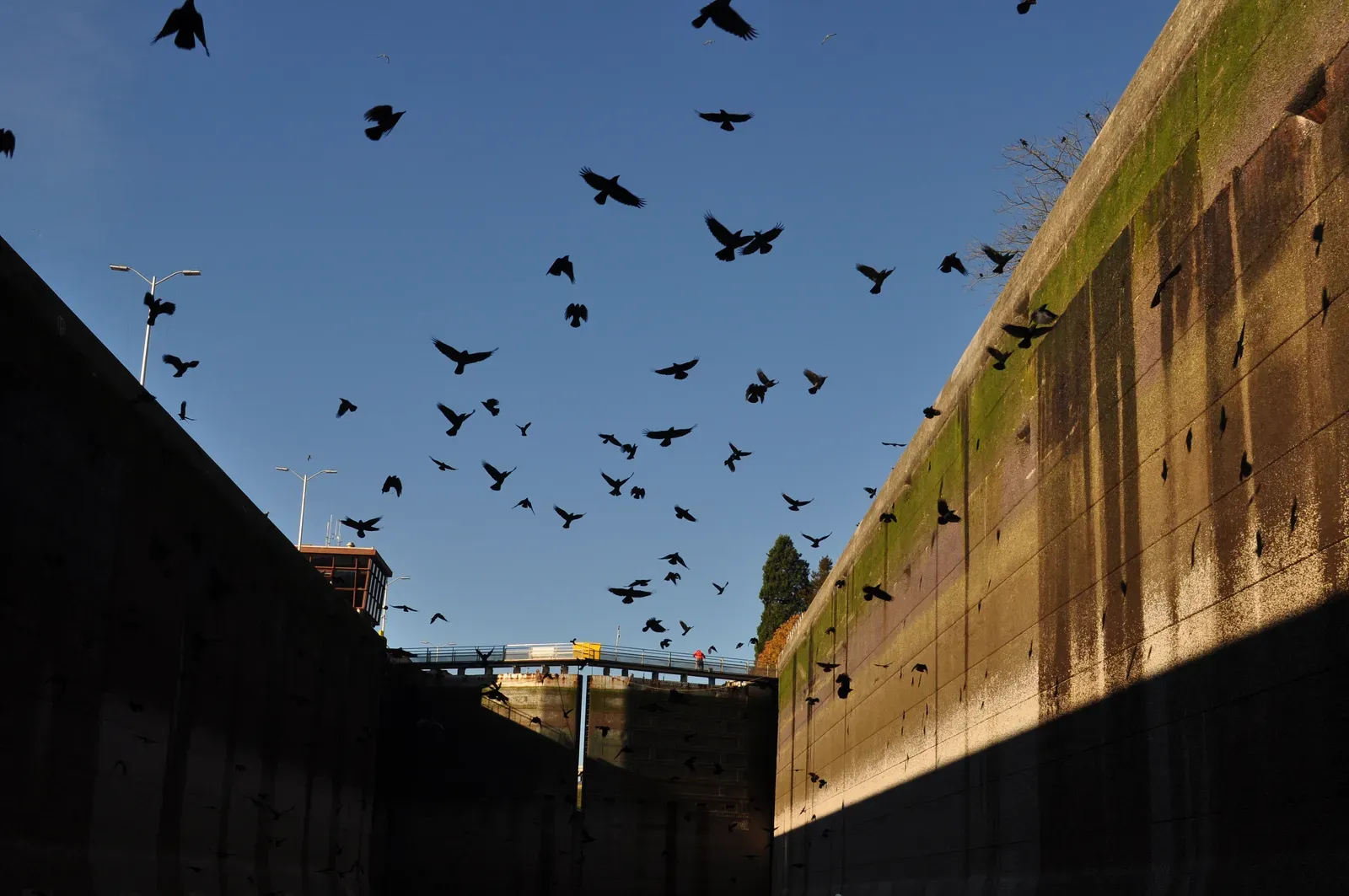
Once the initial chatter settles, crows often synchronize their departure in small waves rather than all at once. This staggered exit reduces the chance of drawing attention from predators and allows subgroups to head toward different foraging zones. The calls during this phase help keep everyone aligned.
Behaviorists have documented how certain sequences appear to function like departure signals. One bird initiates, others respond, and the group gradually lifts off in an organized fashion. The rooftop vantage point makes these coordinated exits more efficient than if the birds were scattered across trees.
Adapting to Urban Environments

City crows have adjusted their routines to take advantage of human structures like roofs and power lines. These surfaces offer warmth, visibility, and proximity to food waste that rural habitats may lack. The morning assemblies reflect this flexibility in real time.
Researchers observe that urban flocks tend to be more vocal during these periods, possibly because background noise requires louder or more repetitive signals. The birds also learn to time their movements around human activity patterns. This adaptability explains why the same roof can host gatherings day after day without the crows seeming bothered by the surroundings.
The Bigger Picture of Crow Communication

Listening to these morning exchanges reveals a species that invests heavily in social intelligence. The calls carry information about safety, resources, and relationships that support survival in changing environments. What sounds like random noise to casual observers actually forms a dynamic network of shared awareness.
Paying attention to these patterns can shift how people view the birds that share their neighborhoods. Crows demonstrate that complex communication does not require human language, only consistent attention to context and response. Their daily rooftop meetings remind us that even familiar wildlife holds layers of meaning worth noticing.

- 10 Weirdest Forests in The World - August 2, 2026
- 10 Common Myths About Wolves Debunked By Experts - August 2, 2026
- The Heartwarming Stories of Animal Rescues That Are Changing Lives Forever - August 2, 2026