
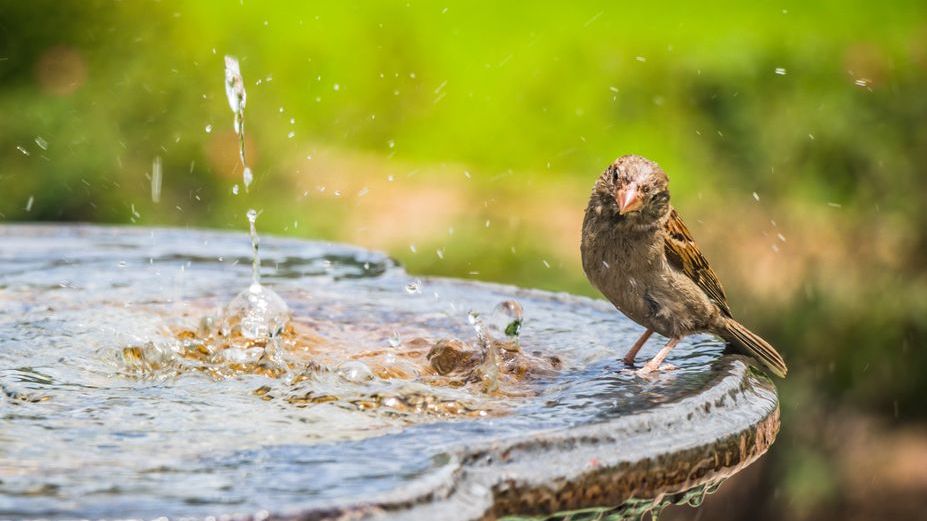
Birdbaths bring a quiet kind of life to any garden. The gentle splash of wings and the flash of color can turn an ordinary yard into something more alive. Yet a few common setup errors can quickly turn that invitation into a hazard instead of a haven.
Small choices about depth, placement, and upkeep often make the biggest difference for the birds that visit. Getting those details right helps create a safe spot rather than an unintended trap.
Overlooking Safe Water Depth
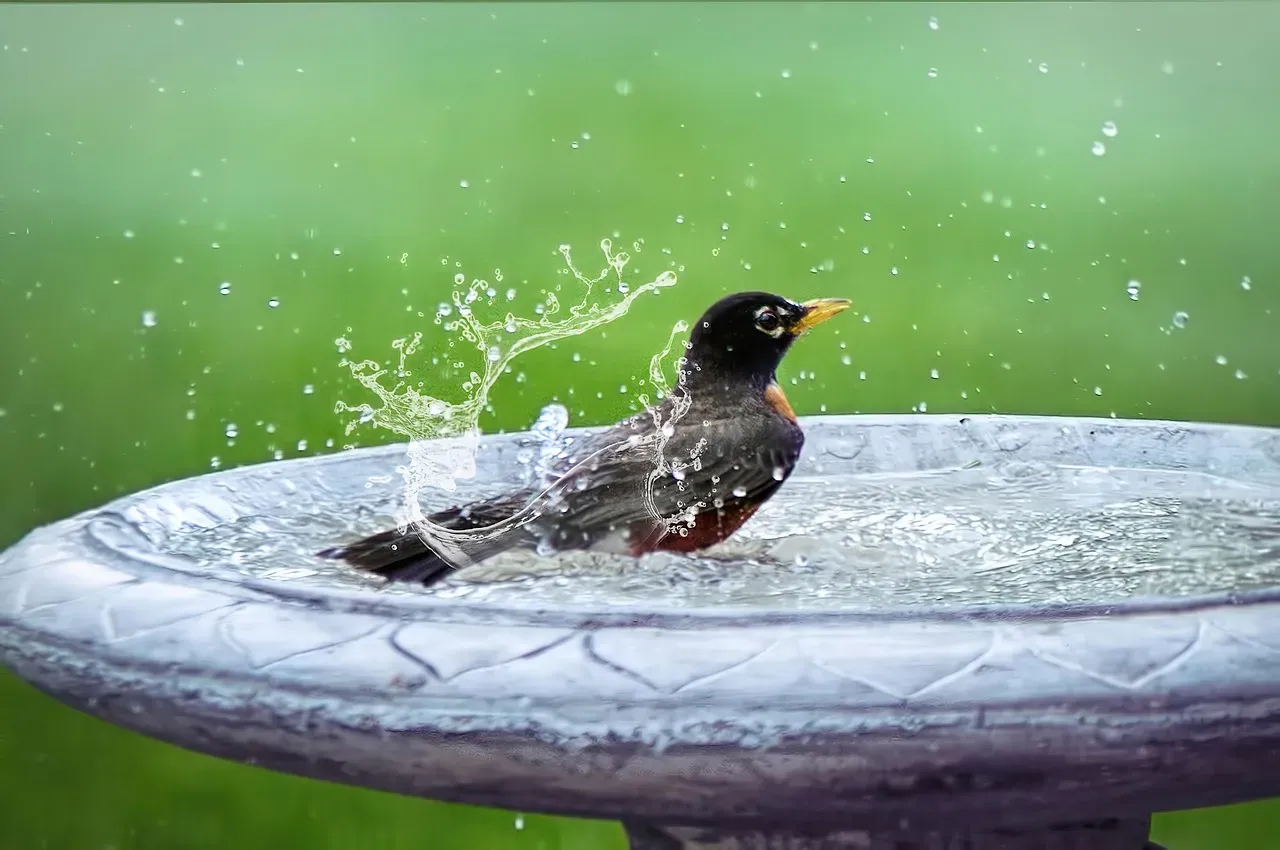
Many people fill a birdbath to the brim without thinking about how birds actually use water. Small songbirds need shallow edges where they can stand comfortably and dip their feathers without risking a slip into deeper water. A bath that stays uniformly deep forces them to struggle or avoid it altogether.
Adding a few flat stones or a gentle slope changes everything. Those simple additions create natural perches and shallow zones that let birds drink and bathe safely. Without them the feature can become a quiet danger rather than a welcome resource.
Placing the Bath in Exposed or Risky Spots
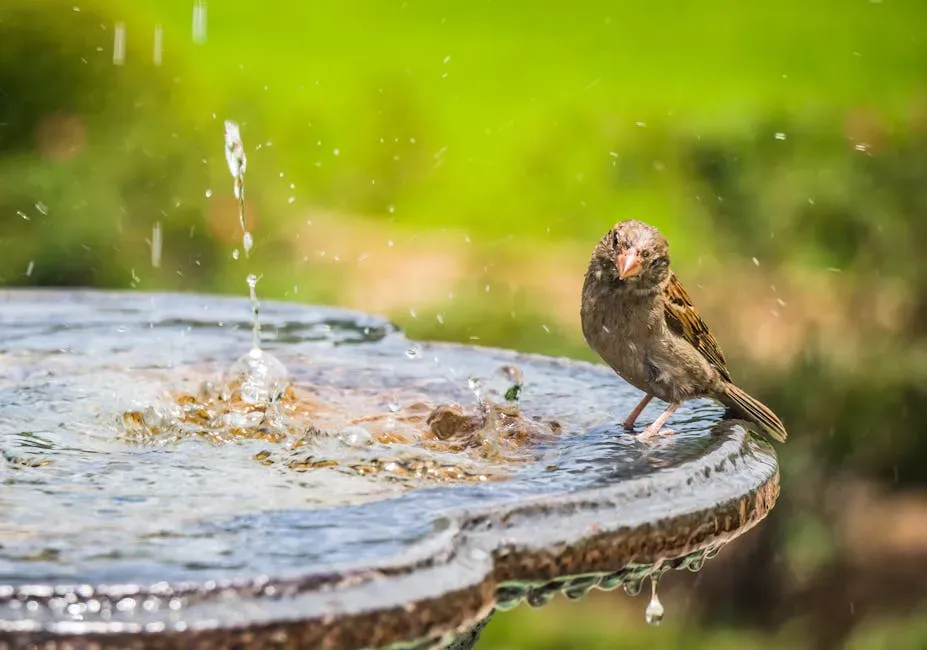
Location matters more than most realize when setting up a birdbath. An open spot in the middle of the lawn leaves birds visible to neighborhood cats and other predators that can strike without cover nearby. Similarly, positioning it too close to large windows invites collisions when startled birds take off quickly.
A better approach involves tucking the bath near shrubs or low branches that offer quick escape routes. This gives visitors a sense of security while still keeping the water accessible. Thoughtful placement turns the bath into a reliable stop rather than a stressful one.
Neglecting Regular Cleaning and Water Changes
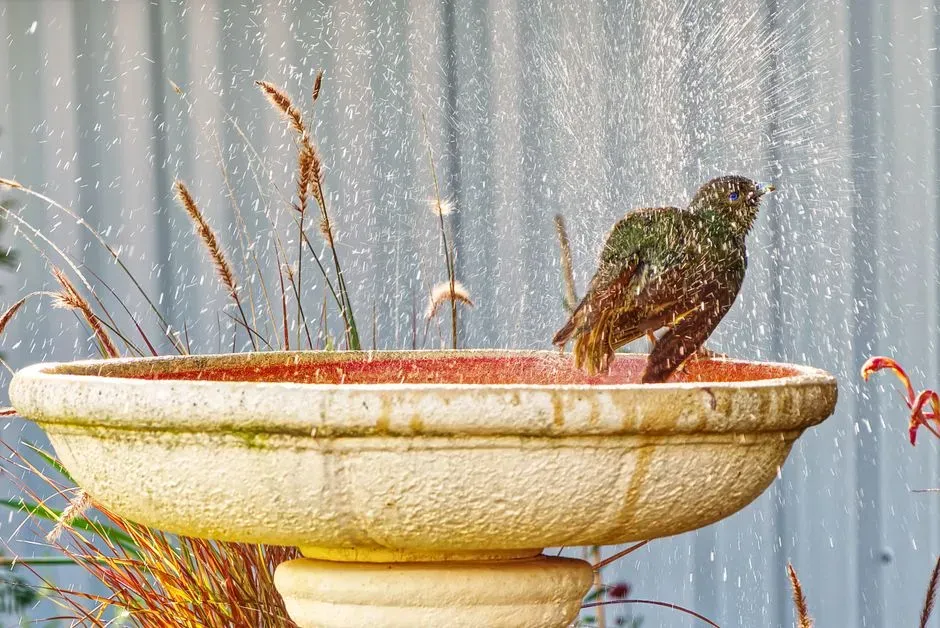
Stagnant water quickly turns into a breeding ground for bacteria and algae that can sicken birds. Mosquito larvae also thrive in neglected baths, adding another layer of problems for both wildlife and nearby humans. Skipping weekly cleanings allows these issues to build up unnoticed.
A quick scrub with a stiff brush and fresh water every few days keeps the bath inviting and healthy. Some gardeners add a small fountain or dripper to keep the surface moving, which further discourages unwanted growth. Consistent care ensures the feature stays beneficial season after season.
Getting these basics right transforms a simple garden addition into something genuinely helpful for local birds. The effort feels small once the routine settles in, yet the payoff shows up in steady visitors and fewer worries. A well set up birdbath rewards both the gardener and the wildlife that stops by.

- These 7 Historic US Battlefields Are Sacred Grounds Of Remembrance - August 2, 2026
- The JWST Found A Jekyll-and-Hyde Galaxy In The Early Universe - August 2, 2026
- 10 Heartwarming Ways A Chihuahua Shows They’ve Bonded With You - August 2, 2026