
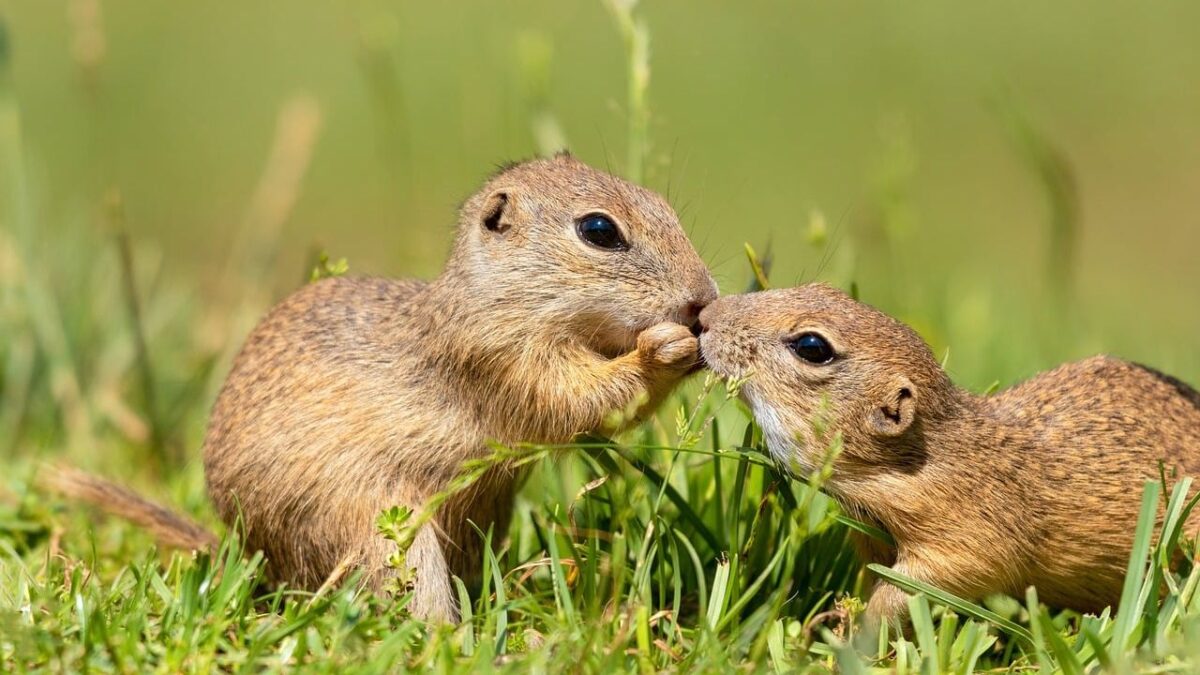
Seasonal Shifts Trigger Heightened Foraging
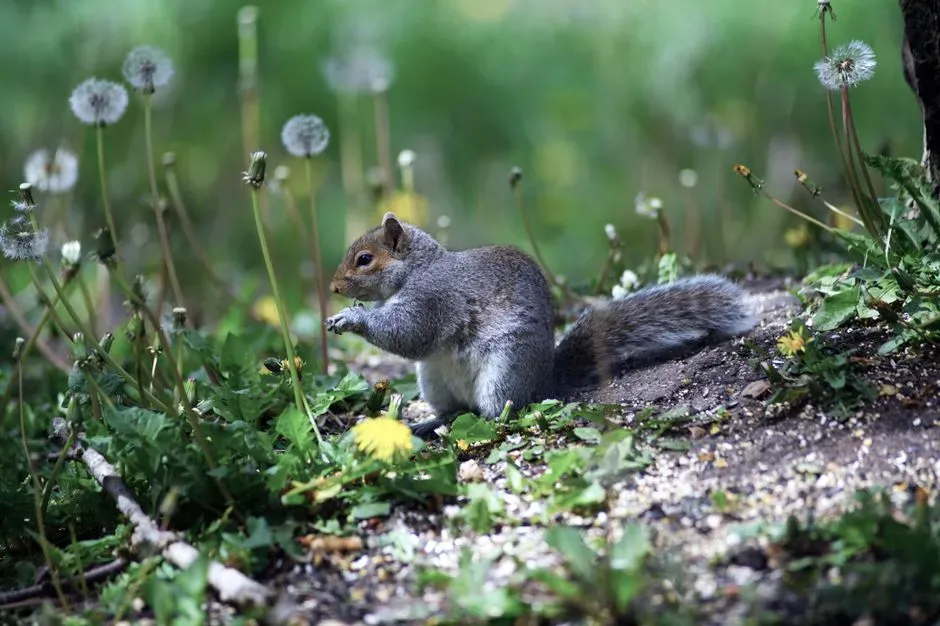
Squirrels ramp up their movements most noticeably during fall as they prepare for colder months ahead. They spend extra hours gathering and burying nuts, seeds, and other food items to create caches they can rely on when supplies grow scarce.
This behavior peaks because daylight shortens and temperatures drop, pushing them to work harder while conditions remain favorable. In spring the pattern repeats in reverse, with animals emerging hungry after winter and searching widely for fresh sources of nutrition.
Food Availability Plays a Major Role
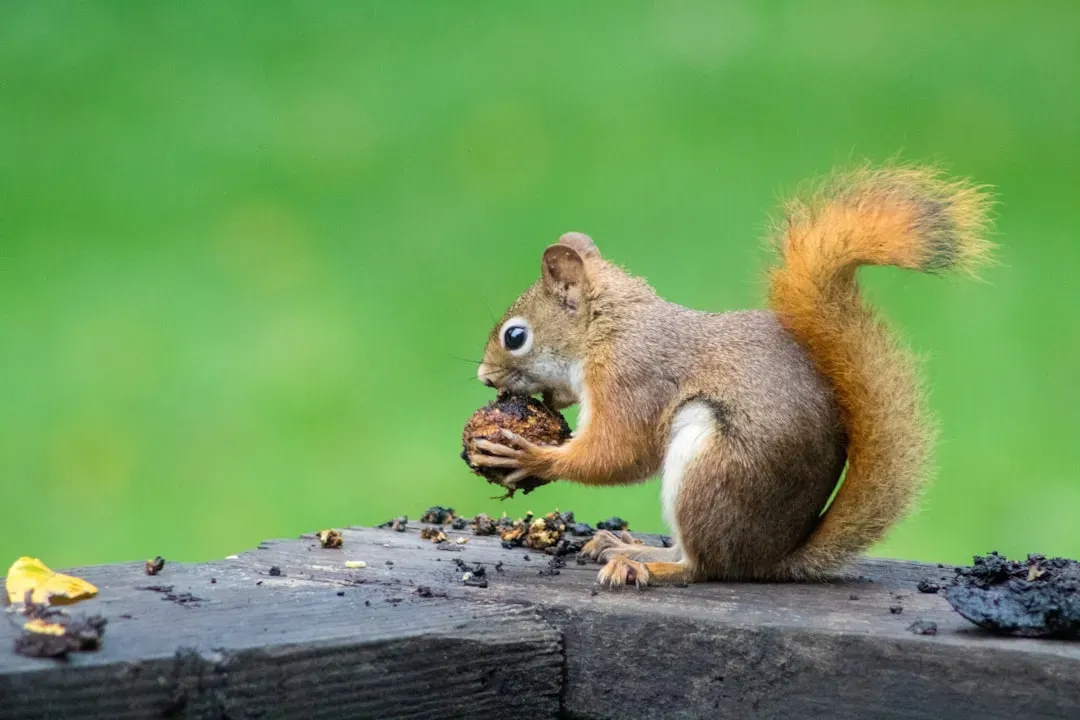
When yards offer easy meals through bird feeders, fruit trees, or garden plants, squirrels naturally congregate and stay busy longer. A sudden increase in visible activity can simply reflect a reliable new food source that draws more animals into the area over time.
Scarcity produces the opposite effect yet looks similar on the surface. Limited natural forage forces squirrels to range farther and work more visibly as they compete for whatever remains available nearby.
Breeding Cycles Increase Overall Movement
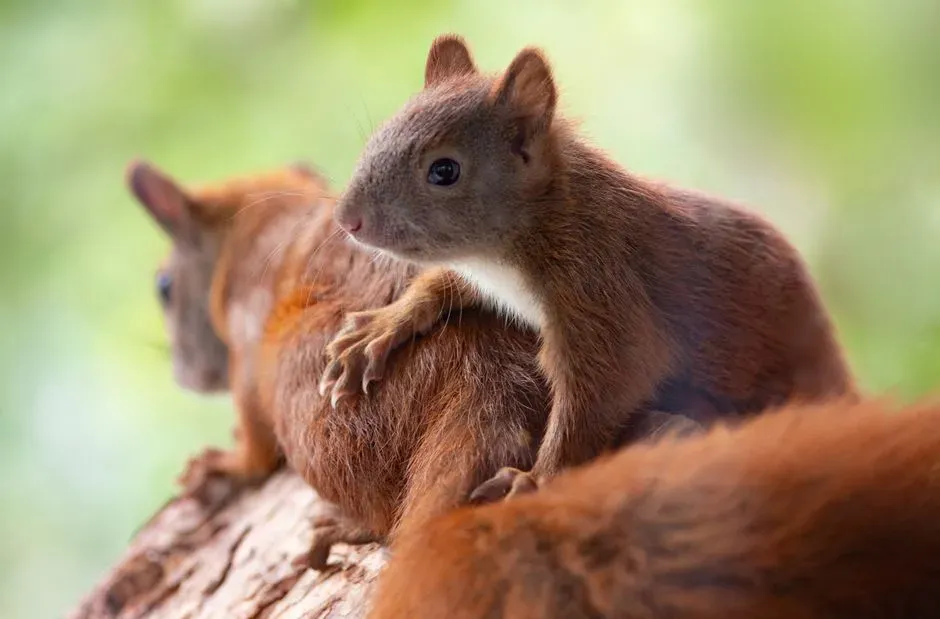
During mating seasons squirrels become far more active as they search for partners and defend territories. Males in particular cover greater distances, leading to more sightings and energetic chases across lawns and branches.
Females preparing to give birth also step up their efforts to secure safe locations and gather extra resources. These periods usually occur in late winter into early spring and again in midsummer, aligning with two main breeding windows for many common species.
Shelter Needs Drive Extra Exploration
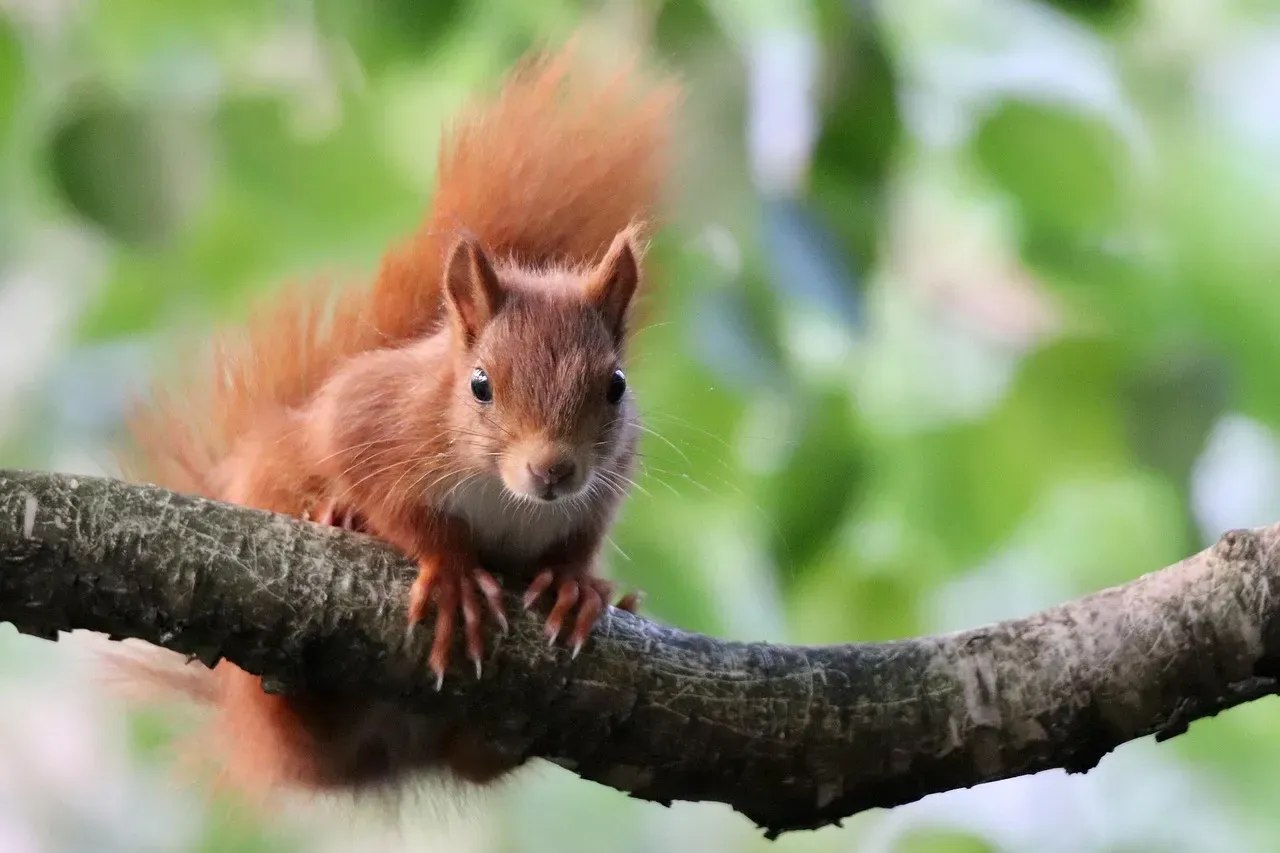
Squirrels look for secure nesting spots especially when seasons change or when existing dens face threats from weather or predators. This search sends them climbing structures, investigating eaves, and testing various trees or outbuildings around a property.
Young squirrels leaving the nest for the first time add another layer of visible busyness. They practice climbing and foraging skills while establishing their own ranges, which can make a yard feel suddenly crowded with inexperienced but energetic animals.
Local Population Changes Affect Visibility
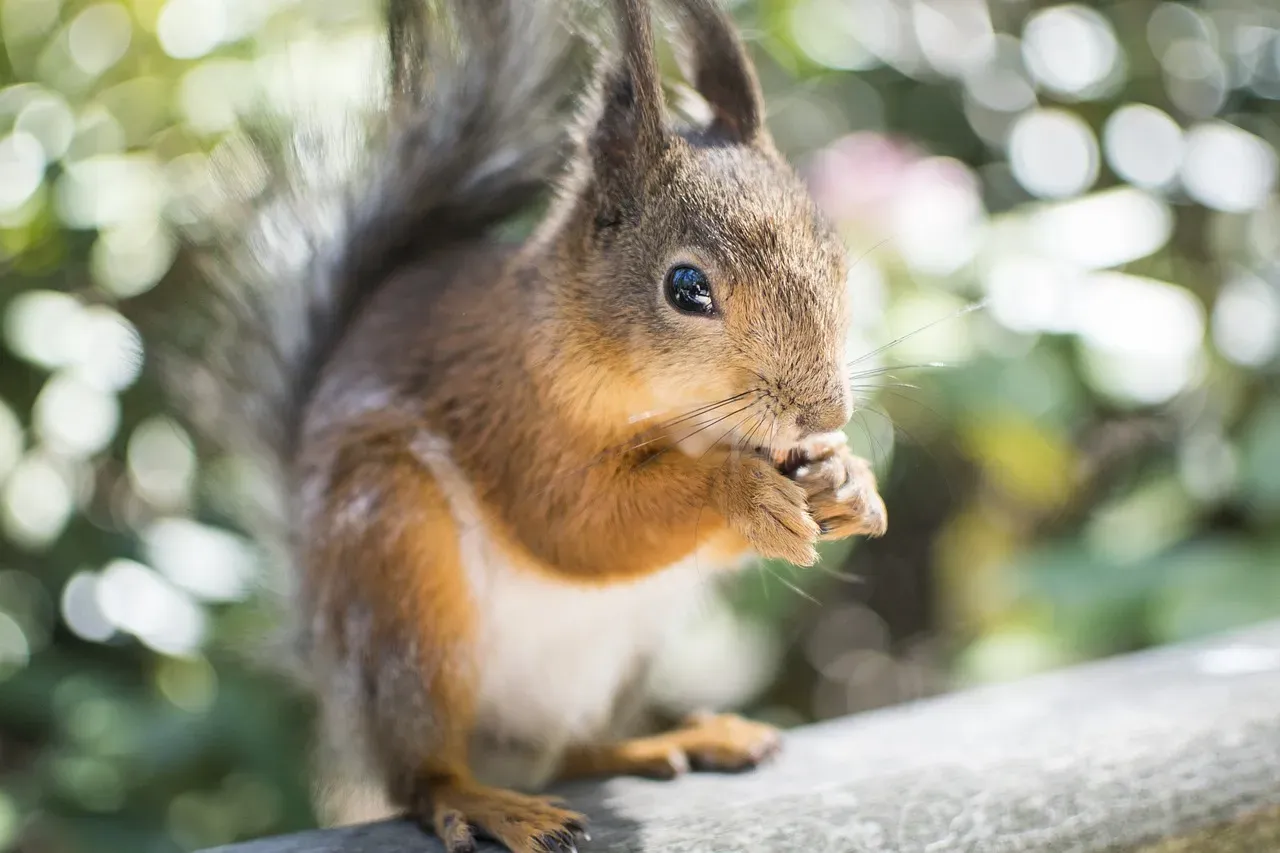
Neighborhood squirrel numbers fluctuate naturally from year to year based on food supply, disease, and predator presence. A temporary boom in births or successful survival rates can make activity levels appear dramatically higher than in previous seasons.
New arrivals from nearby areas sometimes expand into yards that previously saw fewer visitors. These shifts happen gradually yet become obvious once the animals settle in and begin their daily routines in plain sight.
Weather and Environmental Cues Matter
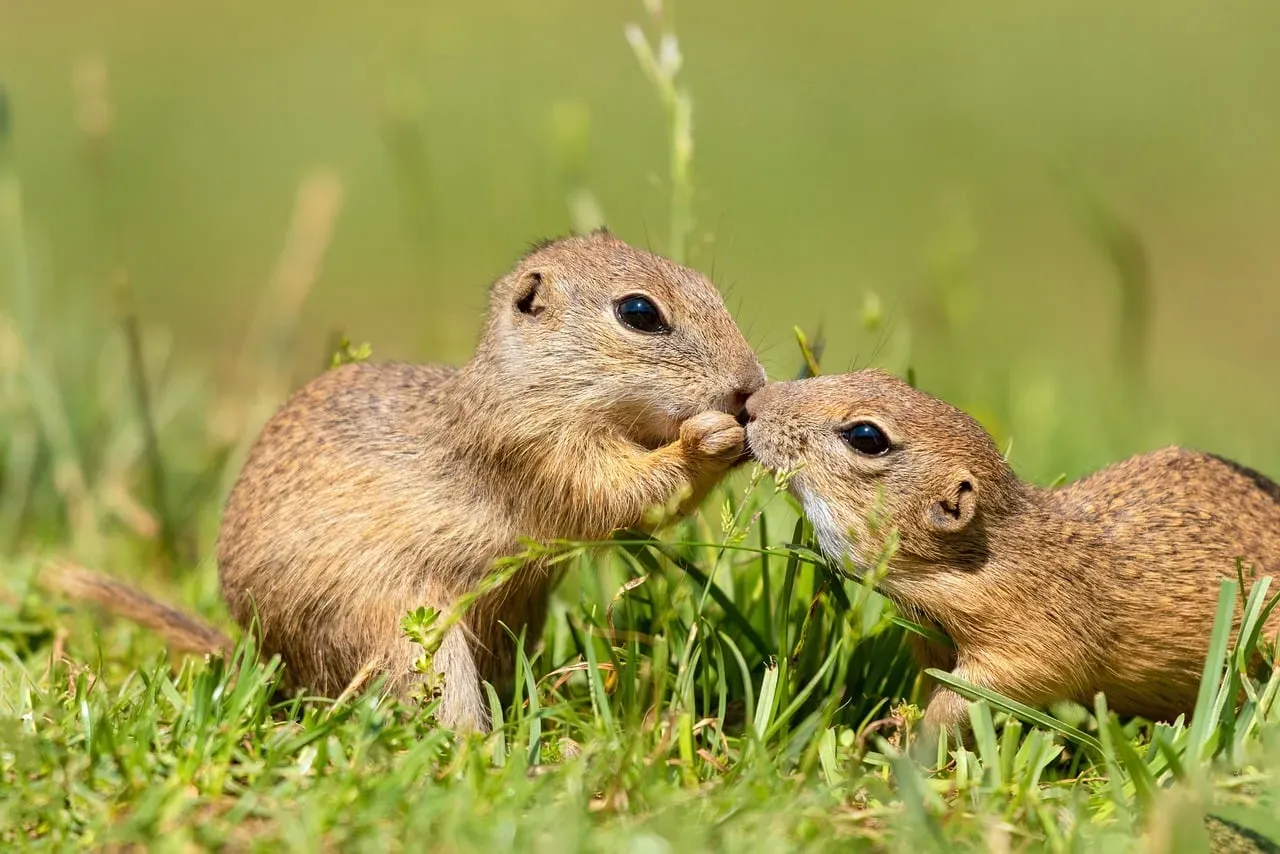
Storms, temperature swings, or unusual dryness can push squirrels to adjust their schedules and work harder during milder windows of the day. They may appear more frantic simply because they are racing to complete tasks before conditions worsen again.
Human changes to the landscape also play a part. New plantings, removed trees, or altered feeding patterns can suddenly concentrate activity in remaining suitable spots, creating the impression of a sudden population explosion.
Health or Stress Factors Occasionally Contribute
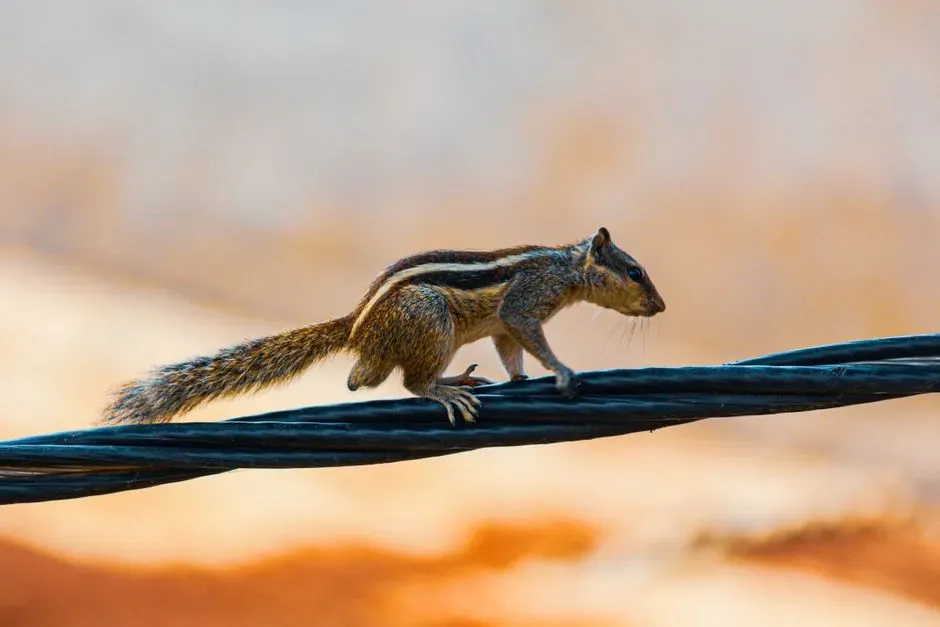
Occasional spikes in activity stem from parasites, illness, or disturbances that make individual squirrels more restless or visible during daylight hours. These cases tend to stand out because the behavior looks erratic rather than purposeful.
Most of the time, however, heightened movement reflects normal adaptations rather than problems. Watching patterns over several days usually reveals whether the activity ties to routine seasonal needs or something more unusual requiring attention.
Squirrels remind us how closely wildlife responds to the rhythms of food, shelter, and season right outside our doors. Paying attention to their patterns often reveals small shifts in the local environment long before they become obvious in other ways.
- What If You Never Groomed Your Dog? - August 1, 2026
- Why Is Dog Socialization So Crucial (Or Else)? - August 1, 2026
- Are You Your Horse’s Favorite Human? 7 Signs They’ve Truly Bonded With You - August 1, 2026