
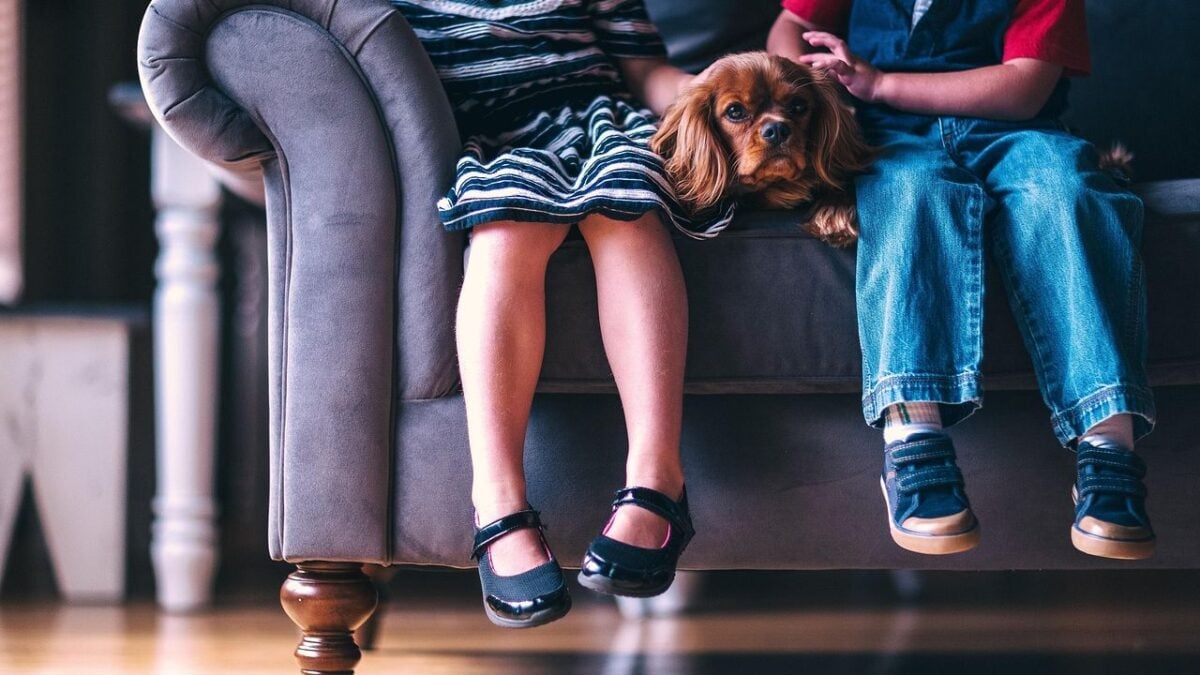
You walk into the vet, leash in hand, convinced you know exactly how your dog is feeling. Maybe a little nervous. Maybe fine. You’re watching their face for obvious signs – the wide eyes, the panting, the tail between the legs. But while you’re doing that, the veterinary nurse standing six feet away is reading an entirely different story. And it’s playing out in the flick of an ear, a barely-there muscle ripple along the flank, and a single glance back at you right before the exam room door opens.
Veterinary nurses spend thousands of hours in waiting rooms, and they’ve quietly developed a fluency in a language most owners never knew existed. These aren’t dramatic warning signs – they’re the small, fast, easy-to-miss signals that tell trained eyes which dog is heading toward a meltdown, which one is silently in pain, and which one trusts absolutely nobody in that room except you. Research confirms the gap is real: studies have found that more than half of dogs show four or more behavioral signs of stress in the waiting room – yet owners and trained behaviourists frequently disagree on which dogs are struggling. What they see in those few minutes before the exam even starts will genuinely surprise you.
#1 – The Tail Tuck That Means More Than Fear
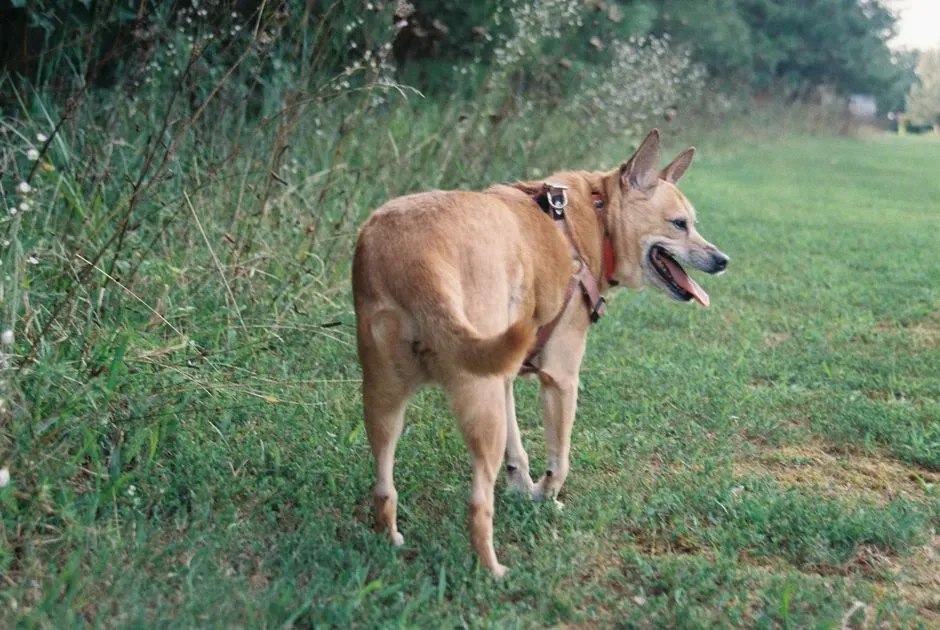
Most owners see a tail tuck and think, “Yep, they’re scared.” But veterinary nurses look deeper than that. A slight tuck combined with a slow, deliberate side-to-side movement is actually the dog actively trying to de-escalate – signaling to every other animal in that room that they are not a threat. It’s a social performance, not a simple flinch. This subtle cue appears most often in dogs from multi-pet households, where one animal has quietly become the expert at reading group tension long before humans do.
What makes this especially useful to staff is the timing. Nurses also track how the tail base stiffens the moment a new patient walks through the door – and that micro-adjustment frequently precedes visible panting or whining by several minutes. That early read gives staff the window they need to separate animals before real tension builds. Owners miss it almost every time because they’re focused on the dog’s face rather than its full body. The pattern holds across breeds, though smaller dogs display it more dramatically because everything happening on the floor is much closer to their eye level.
Fast Facts
- A tail tuck paired with a slow side-to-side sway is a calming signal – an active social message, not just a fear reflex.
- Tail base stiffening typically precedes visible panting or whining by several minutes.
- Smaller breeds display this signal more dramatically due to their proximity to floor-level activity.
- Multi-pet household dogs show the de-escalation version most consistently – they’ve had the most practice.
#2 – The Ear Flick That Quietly Flags Hidden Pain
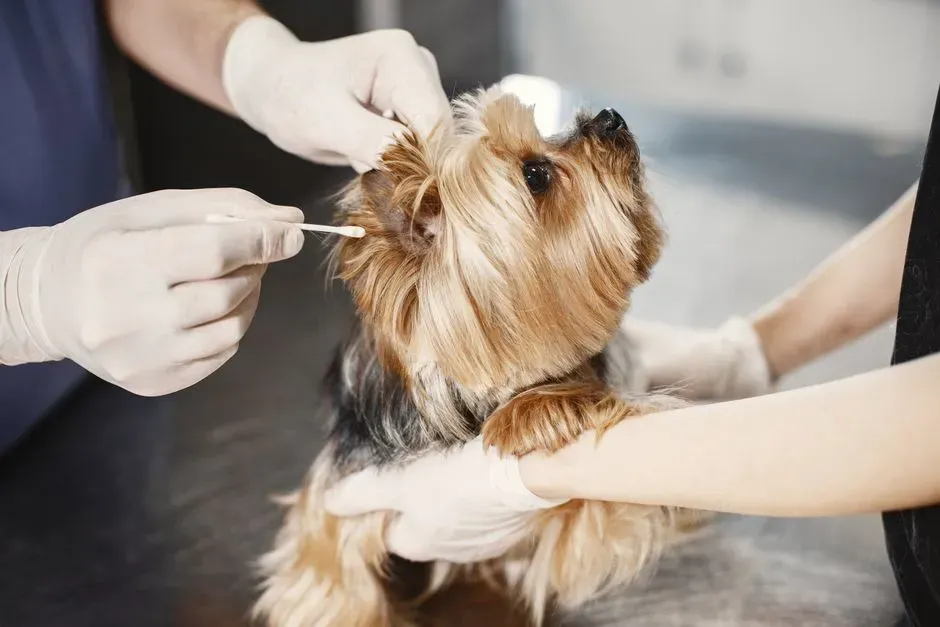
A quick ear flick in a busy waiting room looks completely unremarkable. Of course a dog’s ears move – there are sounds everywhere. But nurses watch for a very specific version: the flick that has no follow-through. No head tilt. No focused stare. Just a brief half-second swivel and then nothing, like the dog registered something uncomfortable rather than interesting. That distinction matters enormously. This pattern shows up consistently in dogs carrying low-grade ear infections or early dental pain – conditions that haven’t yet caused the obvious head shaking owners would notice at home.
Staff use this cue to quietly prioritize which patients may need a closer look before the scheduled exam even begins. It’s especially valuable in senior dogs, where pain thresholds have shifted and animals have often learned to suppress obvious reactions to discomfort they’ve been living with for months. Owners almost always interpret any ear movement as a reaction to the noisy environment, which is completely understandable – but it means a real signal gets filed away as background noise. The nurses in that room are filing it very differently.
#3 – Scent-Marking the Chair Leg Isn’t Bad Behavior
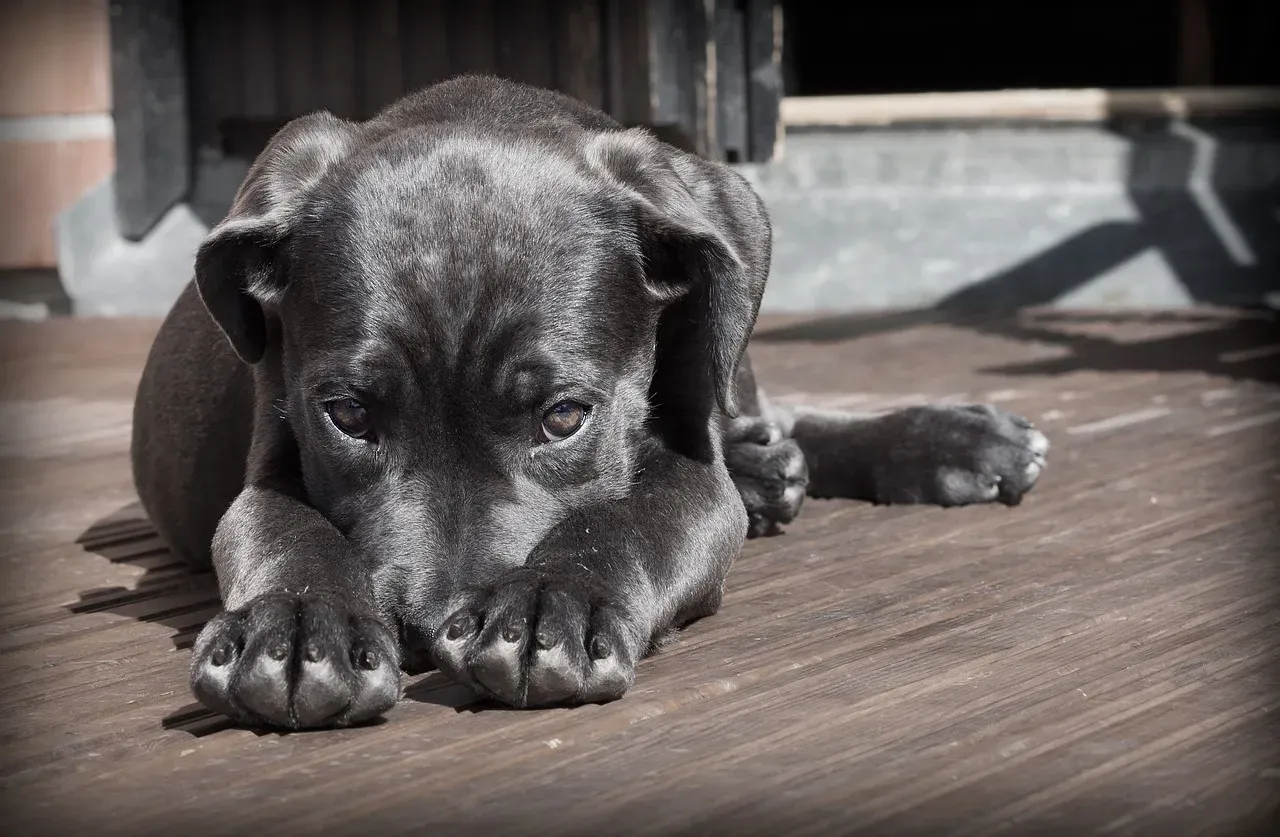
When a dog drifts toward a chair leg and lingers – or lifts a leg just slightly without actually going – owners often tighten the leash with an embarrassed look. But nurses recognize this as investigative behavior, not defiance. That dog is reading a layered chemical message left behind by every patient who sat in that spot before them. Clinics with older flooring hold these odors for hours, and some dogs become almost archive-like in the way they move through a room, pausing at specific points that carry the heaviest history.
The cases that genuinely surprise even experienced staff are the dogs that avoid certain corners of the waiting room entirely after a single sniff – apparently detecting stress pheromones from an earlier aggressive encounter that left a chemical trace invisible to every human in the building. Nurses quietly redirect these dogs to reduce secondary anxiety from spreading through the room. Owners are usually busy with intake paperwork and don’t notice any of it. But that dog just told the room something important, and at least one person heard it.
#4 – The Leash Tension Ripple Effect Owners Create Without Knowing
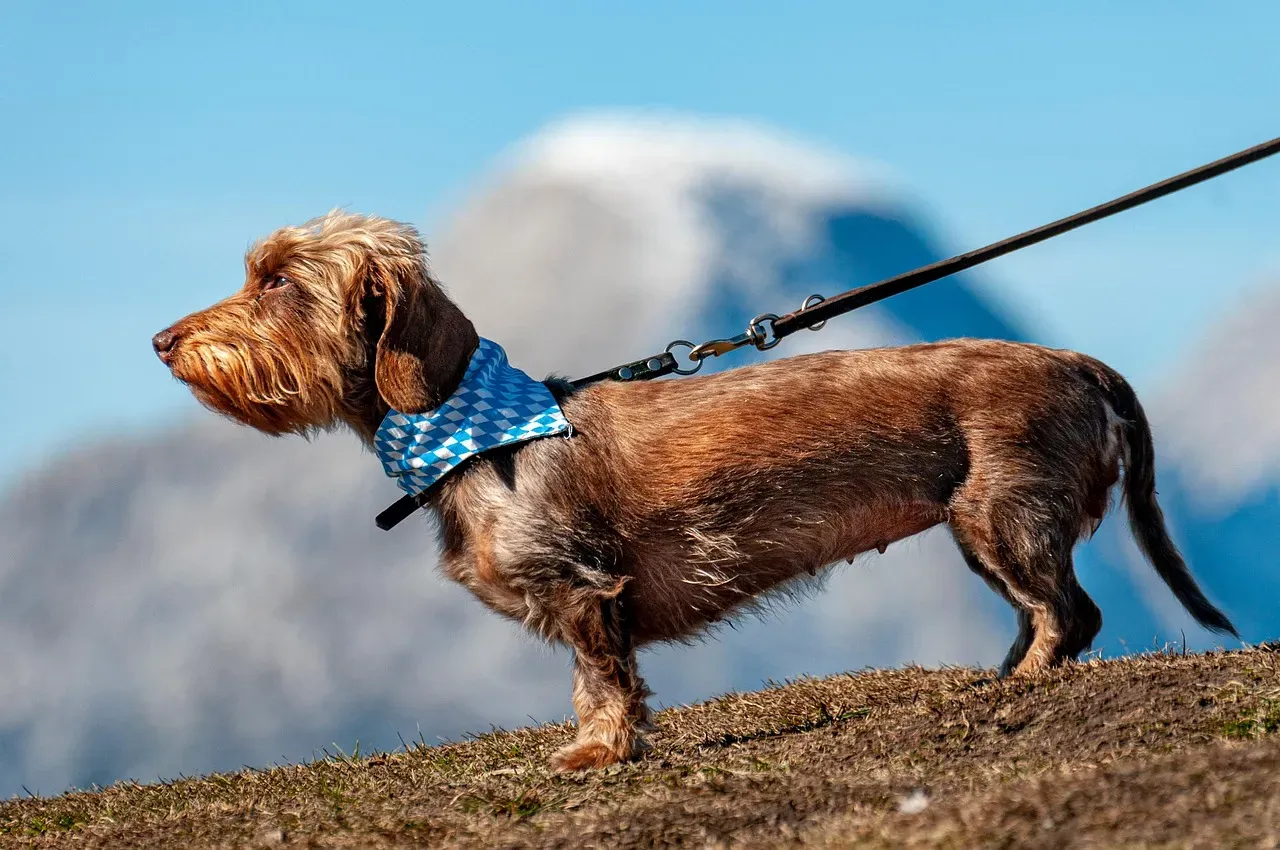
This one is hard to hear, but it’s one of the most consistent things veterinary nurses observe: a dog’s stress level often mirrors its owner’s leash grip within seconds. When an anxious owner’s hand tightens – even slightly, even involuntarily – the dog’s shoulders rise and breathing shallows almost immediately, even if that dog appeared perfectly calm a moment before. The feedback loop is fast, quiet, and completely invisible unless you know to look for it. And it starts well before anyone enters an exam room.
What makes this pattern particularly striking is how fixed it becomes over time. Long-term clients often show the exact same grip pattern visit after visit, and their dogs have learned to expect discomfort the moment that tension travels down the leash. Staff sometimes offer a simple leash adjustment that breaks the cycle faster than any calming supplement could. It’s not about blame – it’s about biology. Owners don’t connect their own body language to their dog’s sudden restlessness because they’re focused outward, watching the room. Their dog is focused entirely on them.
The single biggest thing owners can do to help their dog at the vet is to take a breath and slow down. Dogs read us before they read anything else in that room.
Common observation shared across veterinary nursing professionals
#5 – The Slow Blink That Says “I’m Trying to Trust You”
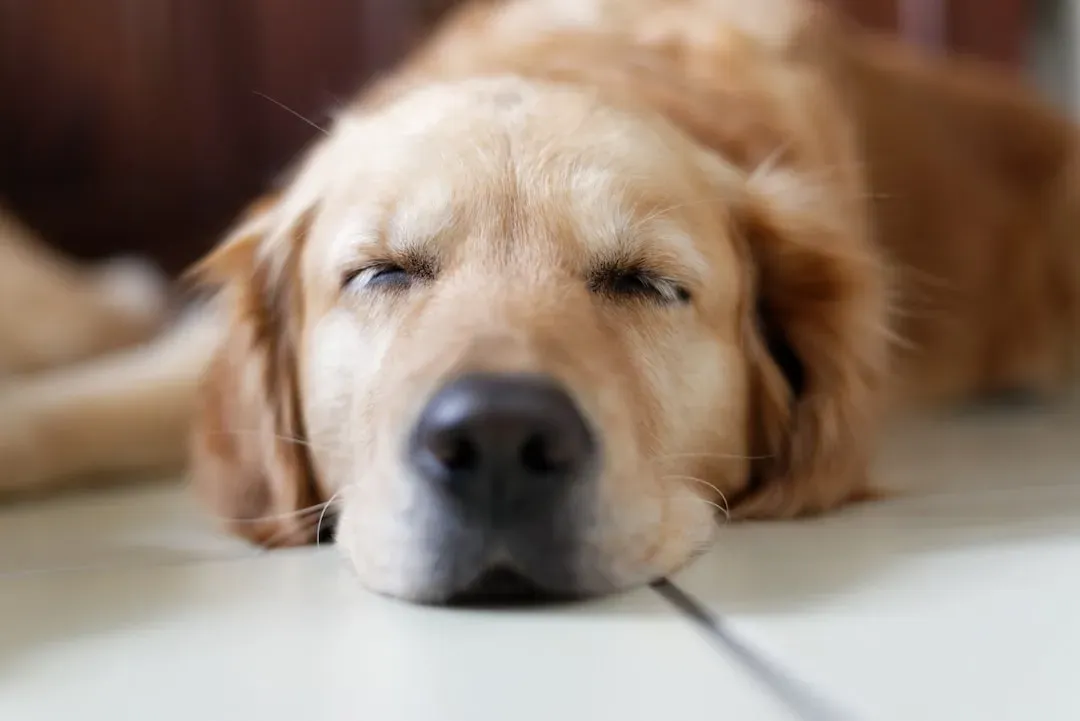
A deliberate slow blink from a dog – longer than a normal blink, often repeating in clusters of three or four – is one of the quieter forms of communication nurses watch for in the waiting room. It’s the dog actively signaling safety, reaching out socially rather than just enduring the environment. This isn’t zoning out. It’s an invitation. Nurses use this window to approach calmly with a treat or a soft greeting before the dog’s guard rises again, capitalizing on a moment of genuine openness that might last only thirty seconds.
This cue shows up most reliably in dogs that have visited the same clinic multiple times without a traumatic experience – animals that have built a fragile but real association between this place and people who handled them gently. It gives staff a reliable early read on which patients will tolerate a quick weight check or nail assessment without extra restraint, saving everyone time and stress. Owners almost never catch it because they’re watching for the more obvious signal: a tail wag. The slow blink is quieter than that, and considerably more meaningful.
#6 – Breed-Specific Waiting Room Postures That Predict Exam Difficulty
Breeds hold tension in their own specific ways, and owners often misread the signals entirely because they’re comparing their dog to dogs in general rather than to that breed’s baseline. Brachycephalic dogs – bulldogs, pugs, French bulldogs – will often widen their stance slightly when stressed, a posture nurses associate with increased breathing effort rather than territorial dominance. Herding breeds like border collies and shepherds may fixate intensely on a door or a moving child with almost no body shift at all, looking deceptively calm while their nervous system is running at full speed.
These breed-specific patterns hold remarkably consistently across different clinics and different staff, which is why experienced nurses use them as protocol triggers rather than casual observations. A brachycephalic dog taking a wide stance gets flagged for earlier oxygen monitoring. A herding breed locked onto a moving target gets quietly repositioned before the fixation escalates. Owners usually read these postures as “being alert” or “just being stubborn,” which are both technically true in the loosest sense – but they miss the medical and behavioral relevance entirely.
At a Glance: Breed Stress Signals Nurses Watch For
- Bulldogs & Pugs: Widened stance signals breathing effort, not confidence.
- Border Collies & Shepherds: Intense door or motion fixation with no visible body shift – deceptively calm exterior, high internal arousal.
- Small breeds: Exaggerated de-escalation signals; proximity to the floor amplifies every cue.
- Senior dogs of any breed: Suppressed pain reactions – trained by time to hide discomfort that’s been building for months.
#7 – The Sudden Sit That Precedes Vomiting

When a dog drops into a sudden sit with its head lowered just slightly, most owners assume the dog is finally settling in and getting comfortable. Nurses assume something very different: that dog may be seconds away from nausea. The posture is triggered most often after a car ride or when the waiting room’s scent load intensifies – a combination of antiseptic, animal fear pheromones, and commercial cleaning products that can overwhelm a sensitive stomach. The giveaway is in the details: front legs slightly tucked, no weight shift to one side, head not fully resting.
Early recognition of this cue gives staff time to move the dog to a surface that’s easier to clean, and sometimes to offer a calming distraction that interrupts the nausea cycle before it becomes inevitable. It’s especially common in puppies experiencing their first few clinic visits and in seniors whose digestive systems have become more reactive with age. The speed of the whole thing – sit, stillness, then vomiting – is what catches owners off guard every time. By the time they think something seems off, the nurse has already moved.
#8 – How Some Dogs Seem to Sense Another Patient’s Distress Across the Room
This one genuinely unsettles people the first time they hear about it. Occasionally, a dog will orient its head quietly toward another patient’s chest area – across the waiting room, through other people, past chairs – and hold that focus for a few seconds before looking away. Nurses have observed this enough times to take it seriously: these dogs appear to be detecting subtle breathing irregularities or stress odors that signal an animal in genuine distress. The behavior is short-lived and almost invisible, usually under ten seconds, and the dog doesn’t react dramatically afterward.
It appears more frequently in dogs with prior service or medical training exposure and in dogs from busy multi-pet households, where reading the health state of others has become second nature. Staff note which dogs display this behavior and sometimes use it as an informal heads-up to check on the patient being monitored. Whether it’s truly a form of canine empathy or simply extraordinary scent sensitivity, the result is the same: that dog just noticed something the humans in the room didn’t. Owners face forward and miss the whole thing.
#9 – The Paw Lift That Means “I Remember What Happened Here”
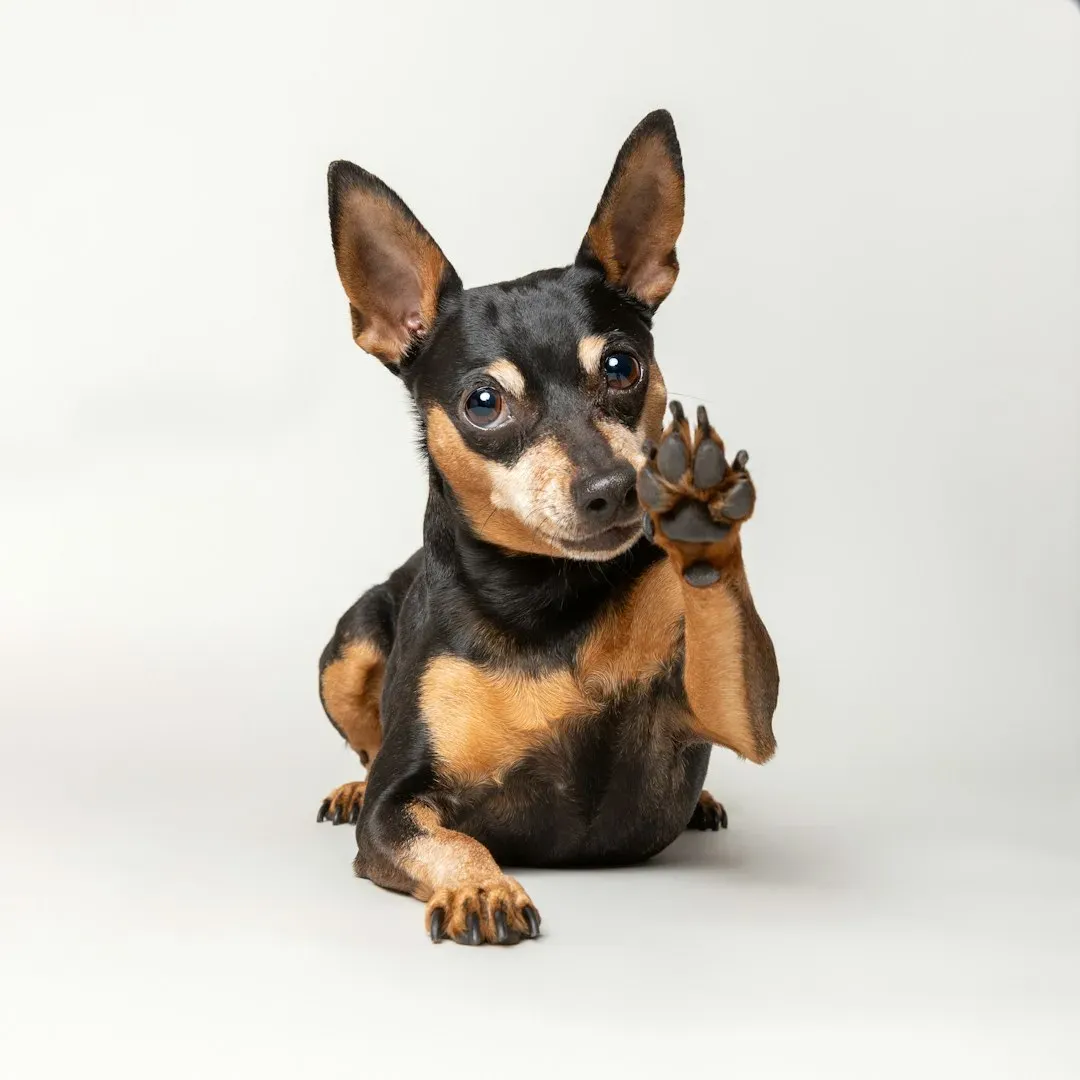
A brief paw lift – not scratching, not stepping, just a quick raise and pause – often marks something more specific than an itch. Nurses see it reliably when a dog enters the same exam hallway where something difficult happened on a previous visit, or when they approach the scale that once felt cold and unstable under their feet. The lift is fast and paired almost immediately with a head turn away from whatever triggered it, the dog’s version of flinching from a bad memory without making a scene about it.
Repeat clients show this cue most strongly on the second or third visit following a painful or frightening procedure – the injection site, the ear cleaning that went wrong, the scale where they slipped. It gives nurses a precise map of where the negative associations live in that dog’s memory, which helps staff plan calmer reintroductions to those specific trigger points. Owners see a dog pausing and assume it’s just taking a moment. It is taking a moment – but not the kind they think.
Worth Knowing: How Dogs Carry Vet Visit Memory
- Negative associations to specific spots – scales, hallways, exam tables – can strengthen visit after visit if not actively countered.
- The paw lift plus immediate head turn away is a combined memory-flinch: both happen in under two seconds.
- Treat-based reintroduction to trigger points works best when started before the dog approaches the object, not after the stress peaks.
- Research confirms that dogs rated as highly stressed in the waiting room are significantly more likely to resist walking into the exam room.
#10 – Micro-Tremors in the Flank That Hide Under Fur
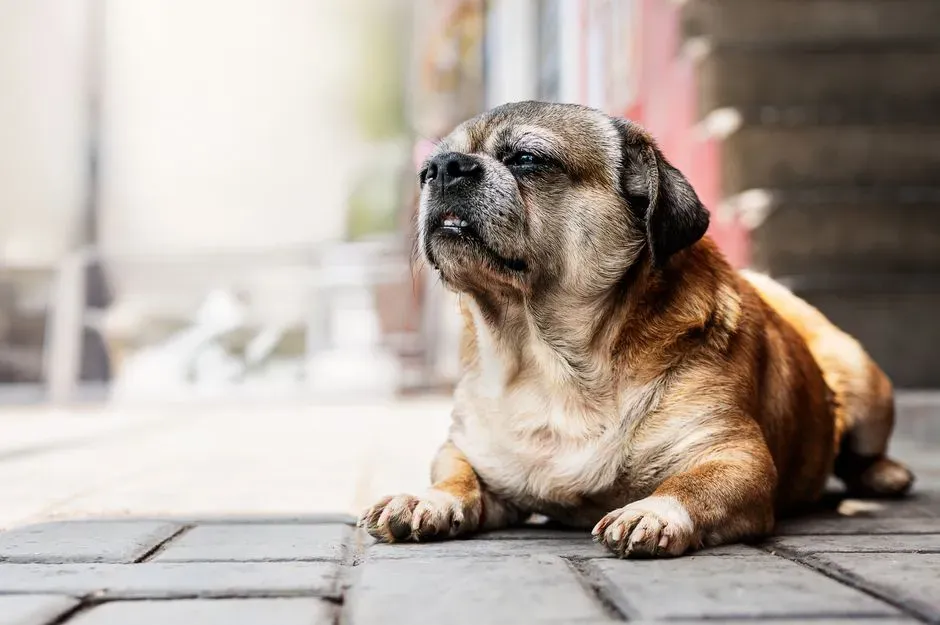
Tiny, irregular muscle ripples along the flank – visible only when a dog is standing still in reasonable light – indicate low-level adrenaline that the body hasn’t yet converted into visible shaking. These micro-tremors are easy to miss under thick coats or in the slightly dim corner lighting of most waiting areas, which is exactly why owners overlook them. Nurses catch them during the quiet intervals between patient arrivals, when the room settles and a dog’s stillness makes the subtle movement easier to track. The timing of the tremors is what separates them from normal breathing movement: they’re irregular, brief, and appear in clusters.
This sign is especially valuable because it shows up well before the obvious full-body shaking that owners eventually notice and describe as “suddenly getting really nervous.” For nurses, it’s not sudden at all – it started ten minutes ago in the flank. Recognizing it early helps staff decide whether to offer a calming aid or adjust the exam approach before the dog crosses the threshold into active distress. Short-coated breeds make this the easiest to spot, but experienced nurses can catch it through medium coats once they know what movement pattern to look for.
#11 – The Nose Work That Hints at Recent Diet Changes
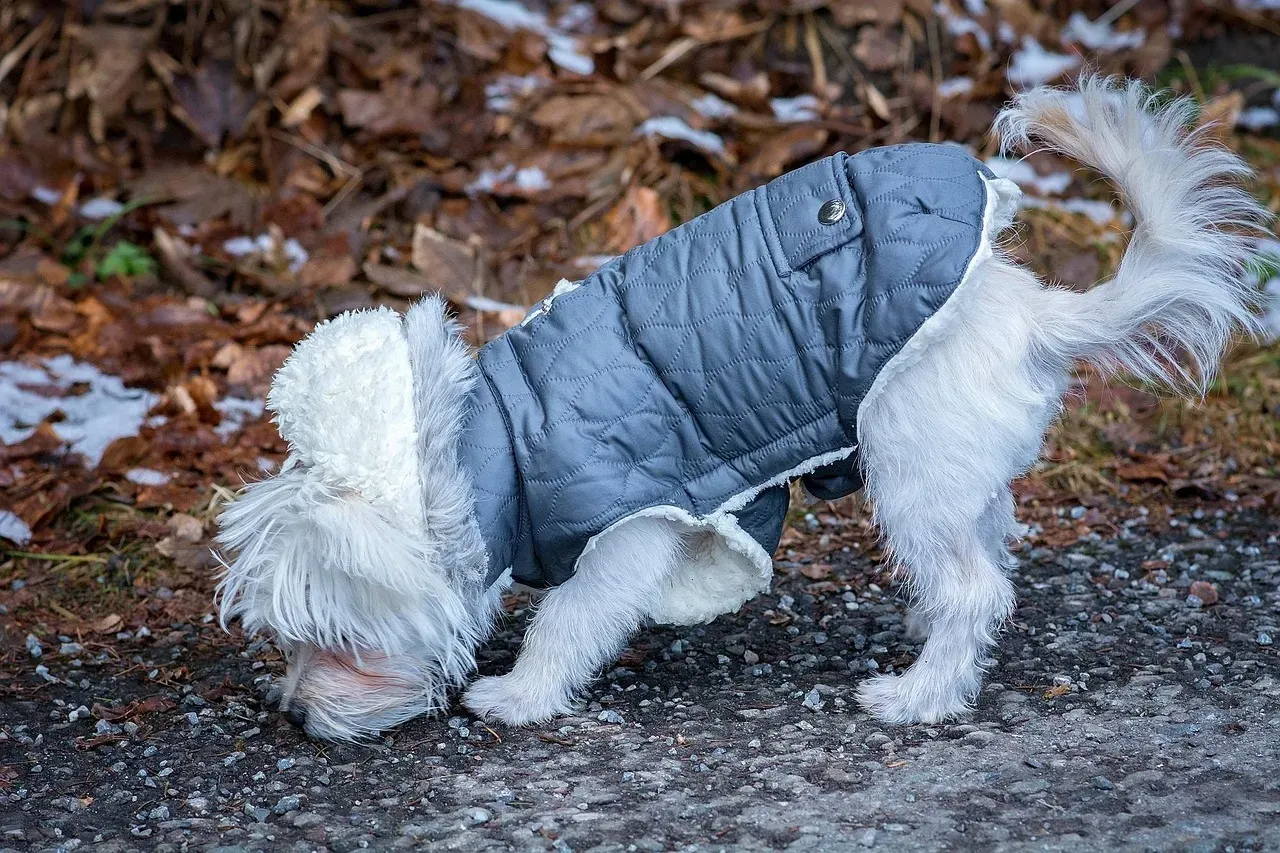
Every dog sniffs in a vet waiting room – that’s just dogs being dogs. But nurses have learned to distinguish between casual environmental sniffing and the focused, methodical floor-sweeping that signals something has changed in that dog’s digestive chemistry. Dogs reacting to a recent food switch or a new medication will often home in on the baseboards and floor near the treat jar with an intensity that looks purposeful rather than exploratory, returning to the same two or three spots in a way that catches a trained eye.
Staff use this as a prompt for targeted history questions that owners might not think to volunteer: “Have you changed their food recently? Any new supplements or medications in the last week?” The sniffing pattern frequently precedes digestive upset – vomiting or diarrhea that hasn’t appeared yet at home but is clearly brewing in the dog’s system. Owners see a curious dog doing dog things. Nurses see a diagnostic clue walking itself around the waiting room floor, pointing at the answer.
#12 – How Dogs Mirror the Energy of Specific Staff Members
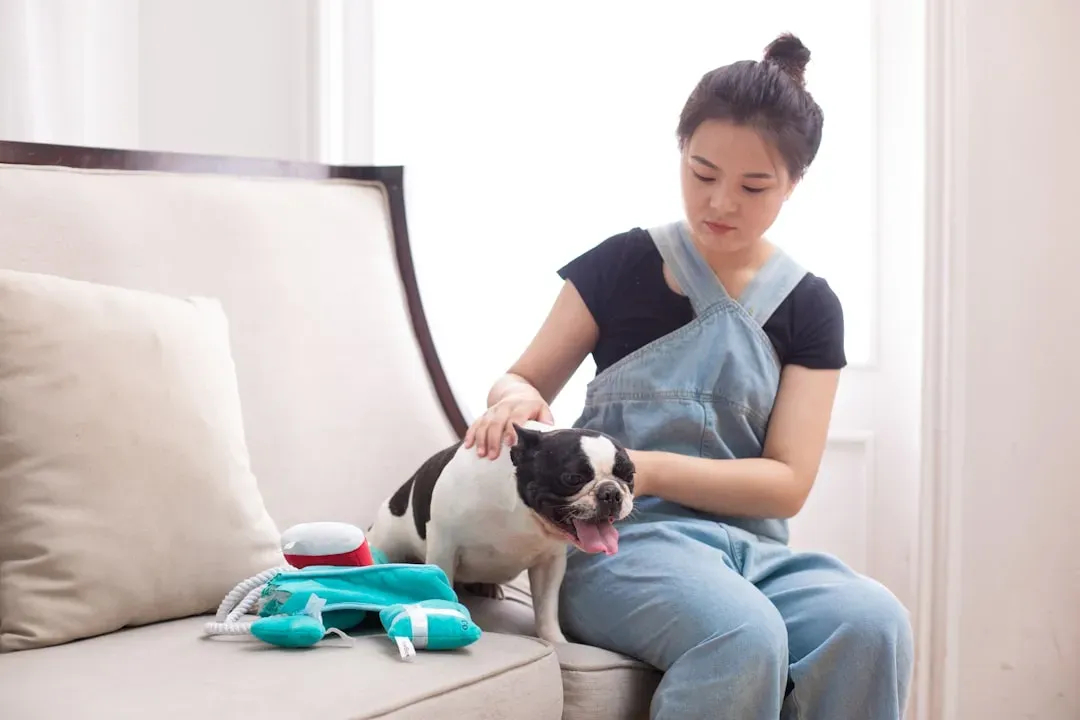
The moment a familiar nurse’s voice drops half a register and her movements slow, certain dogs across the room visibly relax. Posture softens, the head lowers slightly, breathing deepens. It happens within seconds of the staff adjustment, and it’s completely involuntary on the dog’s part – they’re not performing. They’re mirroring. Nurses notice this most strongly in dogs that have built a relationship with specific staff members over multiple visits, animals that have catalogued this particular person as safe based on every previous interaction they can remember.
This dynamic directly explains one of the most common puzzles owners describe: why their dog behaves completely differently with one vet tech than another, tolerating the same procedure easily with one person and becoming difficult with someone new. It’s not random. It’s relationship memory. The consistency of a handling team matters more than most owners realize, and veterinary nurses who’ve been at the same clinic for years often become genuinely therapeutic presences for their most anxious regulars – sometimes more calming than any medication in the cabinet.
Quick Compare: What Calms a Stressed Dog in the Waiting Room
- Familiar staff member present: Posture softens within seconds – involuntary mirroring response.
- Owner loosens leash grip: Shoulder tension drops, breathing slows – immediate feedback loop.
- Treat-based distraction offered at the right moment: Interrupts nausea or anxiety cycle before it peaks.
- Quiet corner away from door traffic: Reduces scent-pheromone overload and visual triggers simultaneously.
- Shorter wait time: Research shows measurable increases in stress markers after just 10 minutes in the waiting room versus 5.
#13 – The Waiting Room Yawn That Has Nothing to Do With Tiredness
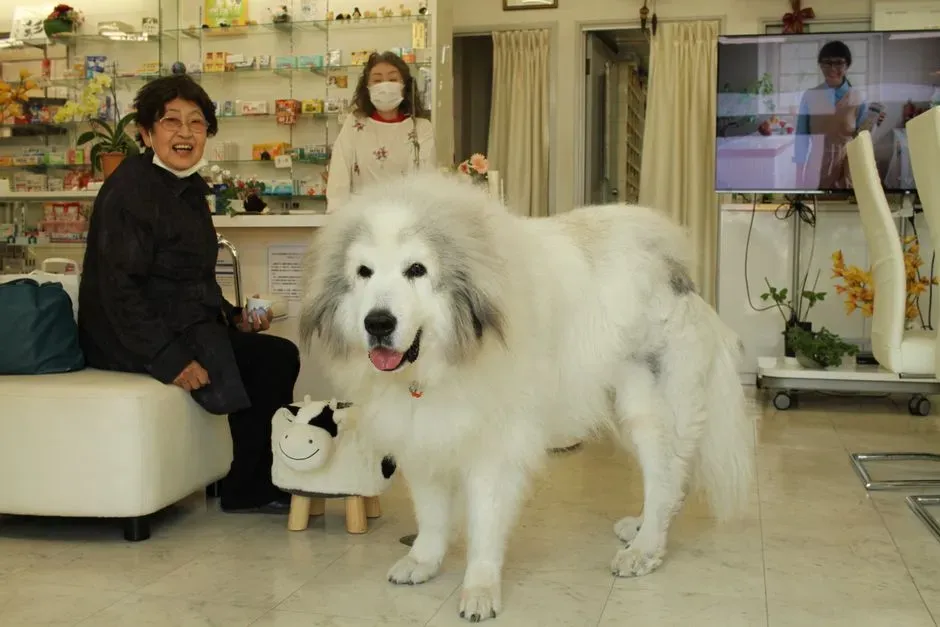
A wide, single yawn in the middle of a busy waiting room, delivered by a dog who is clearly not sleepy, is one of the most well-documented stress signals in canine body language – and one of the most consistently misread by owners. Nurses distinguish it by two details: the pronounced tongue curl at the peak of the yawn, and the fact that the dog’s eyes don’t soften or close the way they do in genuine drowsiness. The yawn is a nervous system reset, a brief pressure valve that gives the dog a few seconds of relief before the tension climbs again.
When a dog yawns repeatedly within a single waiting room visit, nurses treat it as meaningful data. Higher yawn frequency correlates with elevated cortisol readings during exams and generally predicts a more difficult handling session. Staff use it as a timing cue – a signal that this dog may need a short break, a quiet corner, or a treat-based distraction before entering the exam room. Owners almost always interpret it as boredom. It’s almost never boredom. It’s a dog telling the room, as clearly as it knows how, that it is working very hard to hold itself together.
#14 – The Weight Shift That Predicts an Escape Attempt
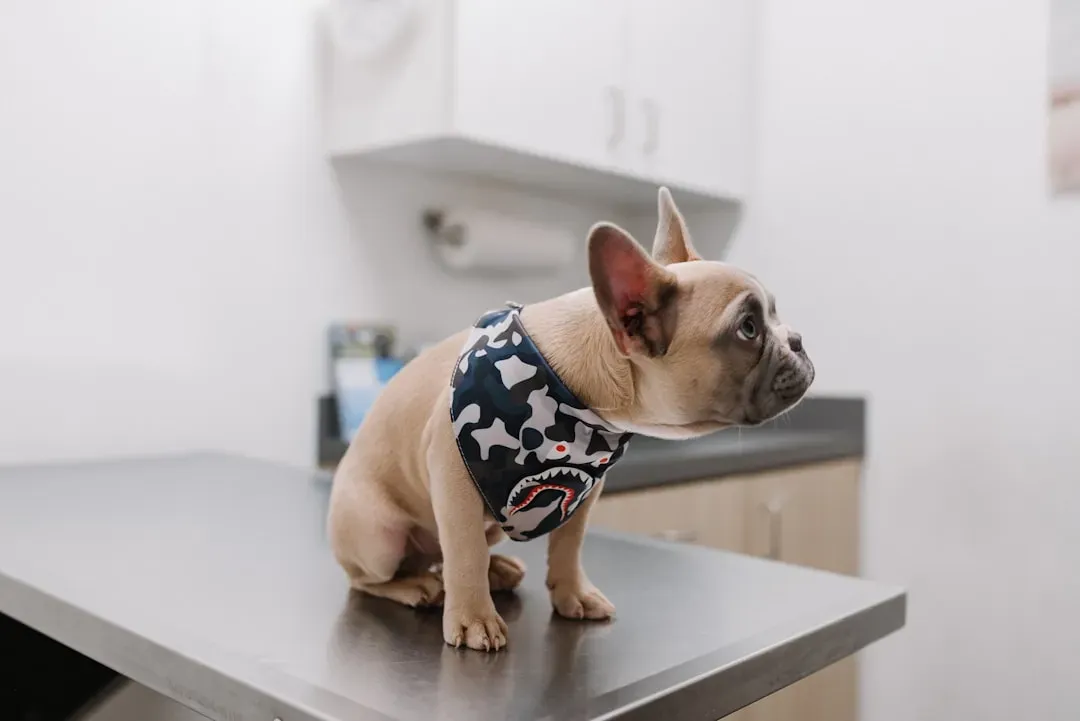
A sitting dog that rocks its weight subtly back onto its haunches, shifting balance toward its rear legs, is not getting comfortable. It’s loading up for a move toward the door. Nurses watch for this particularly in new patients and in any dog that has just been startled by a loud noise – a dropped metal tray, a sudden bark, a door slamming. The shift is small enough that it reads as a natural postural adjustment, and it typically precedes an actual lunge or dash attempt by thirty to sixty full seconds.
That window is everything. Early recognition allows staff to reposition themselves near the exit, quietly close a gate, or redirect the dog’s attention before the escape impulse converts into action. Most near-misses in veterinary waiting rooms are prevented this way – not by grabbing or restraining, but by a nurse who saw the weight shift two minutes earlier and simply closed off the option. Owners miss the preparatory movement because it looks like nothing. To the nurse who’s seen it three hundred times, it looks exactly like what it is.
#15 – The Final Glance Back at the Owner Before the Exam Room Door Closes
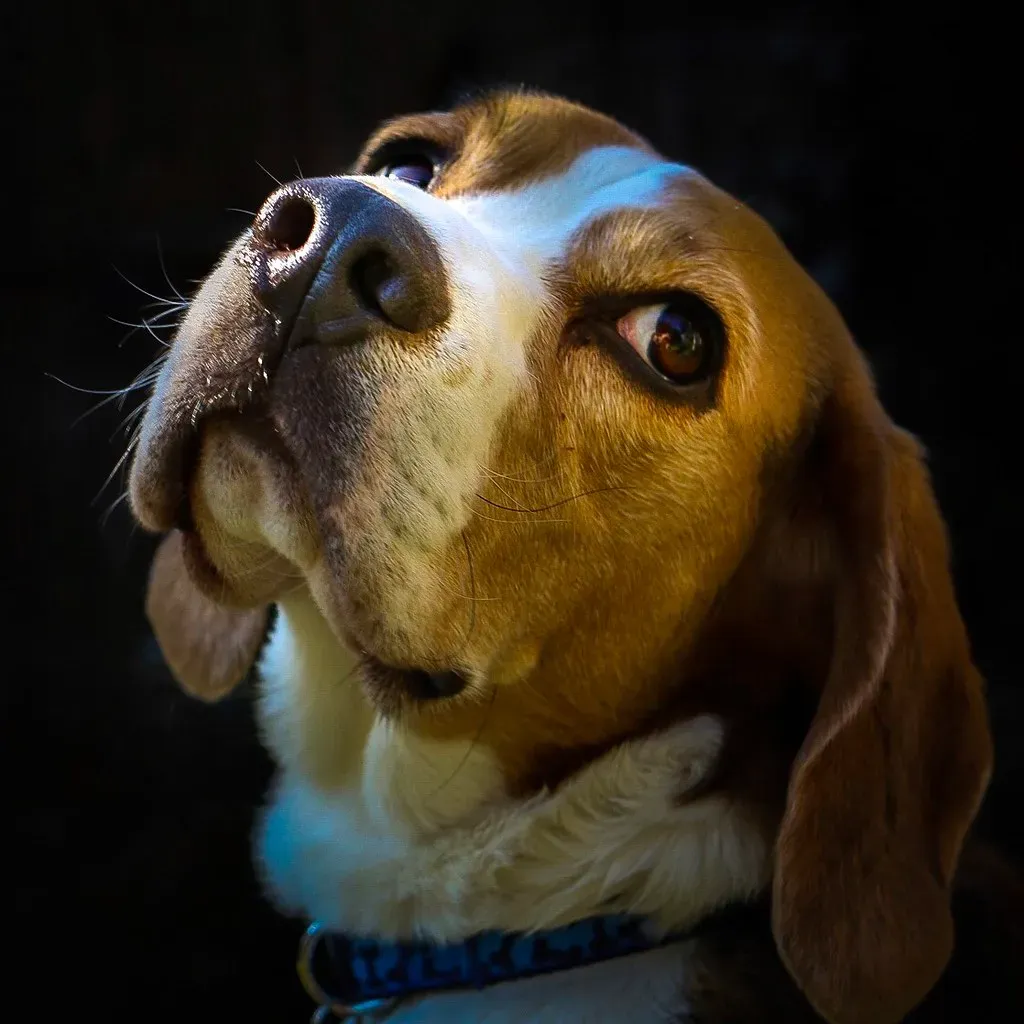
Just before crossing the threshold into the exam room, many dogs pause for a fraction of a second and look back. It’s quick – a single glance, sometimes barely a head turn – and owners almost always miss it because they’re already moving forward, adjusting the leash, talking to the nurse. But to staff watching from the other side of the door, that glance is one of the most emotionally loaded moments in the entire visit. The dog is checking in, asking for confirmation, looking for a signal that this routine is safe and that the person they trust most is still there.
Dogs that skip the glance entirely tend to show measurably higher stress once they’re separated from their owner in the exam room – as though they’ve already resolved that they’re on their own and have shifted into pure survival mode. The ones who look back and catch even a calm expression from their owner often settle faster once the door closes. It’s a tiny moment that costs nothing, and most owners walk right through it without knowing it happened. The nurse saw it. And for a few seconds, at least, so did the dog.
Why It Stands Out: The Last Glance Back
- That backward glance is the dog’s final social “check-in” before losing sight of their safe person.
- Dogs that skip the glance often enter pure self-reliance mode – and show higher stress markers during the exam.
- A calm owner expression caught in that moment can meaningfully shorten settling time on the exam table.
- It costs nothing and takes less than two seconds – and most owners never know it happened.
What All of This Actually Means for Your Dog
Here’s the uncomfortable truth: most of what veterinary nurses quietly observe in waiting rooms is a direct reflection of how much unspoken stress our dogs are managing on our behalf. These animals are not simply nervous about needles or strange smells. They are reading the room, tracking other animals’ pain, monitoring their owner’s grip on a leash, and sending out distress signals that last for several minutes before anyone with two legs notices something is wrong. That’s an enormous amount of emotional labor for a creature that can’t tell you what it needs. Research backs this up starkly – studies show that owners and trained experts frequently disagree not on how many dogs are stressed, but on which dogs, because owners tend to miss the quiet, early signals entirely.
The good news is that awareness changes everything. Slowing down before you walk through the clinic door, loosening your grip on the leash, watching your dog’s full body instead of just their face – these are not complicated things. They’re just things that require knowing what to look for. Veterinary nurses see this silent language every single day, and the more owners start learning even a fragment of it, the calmer those waiting rooms become for everyone in them. Your dog has been communicating all along. They’ve just been waiting for you to look in the right direction.
