
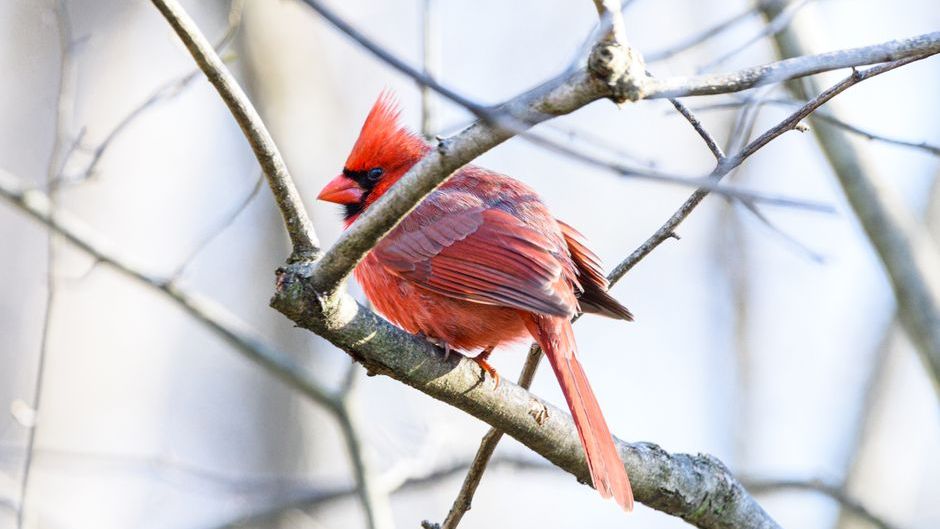
Folklore has a way of clinging to the edges of everyday life, especially when it involves the natural world and the mysteries of loss. One persistent tale centers on the northern cardinal, a flash of red that some families have long associated with impending grief. The story claims a particular action by the bird serves as a quiet warning, handed down through generations since the early nineteenth century.
Whether rooted in observation or imagination, these accounts invite reflection on how people interpret signs in moments of uncertainty. The cardinal, with its bold color and familiar presence, becomes more than a backyard visitor in this telling.
Tracing the Roots of the Tale
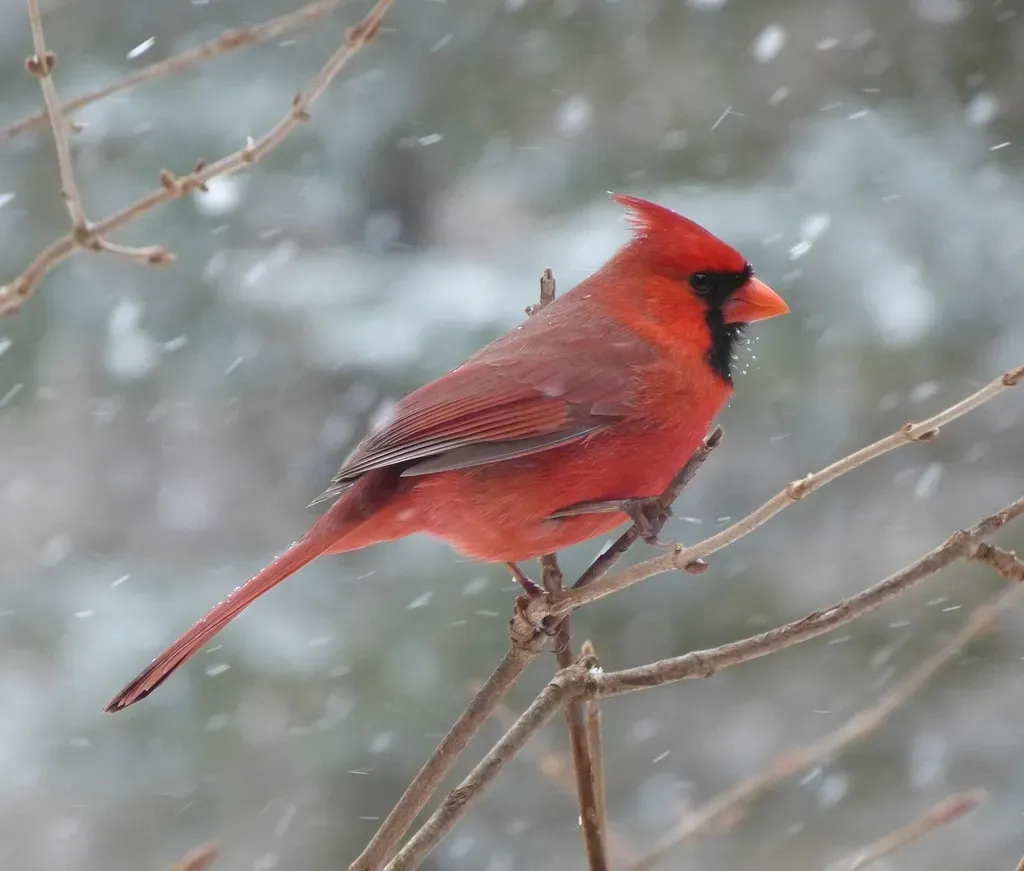
Stories about cardinals and family deaths appear in scattered oral traditions across parts of North America. They often surface in rural communities where birds were watched closely as part of daily rhythms. The specific link to 1823 surfaces in family retellings rather than printed records, suggesting it traveled through letters, diaries, and spoken accounts.
Early settlers and their descendants noted the bird’s striking appearance against winter landscapes. Over time, that visibility may have lent weight to interpretations of its presence as meaningful. The date itself anchors the narrative in a period when many households kept careful watch over health and omens alike.
The Cardinal’s Distinctive Action
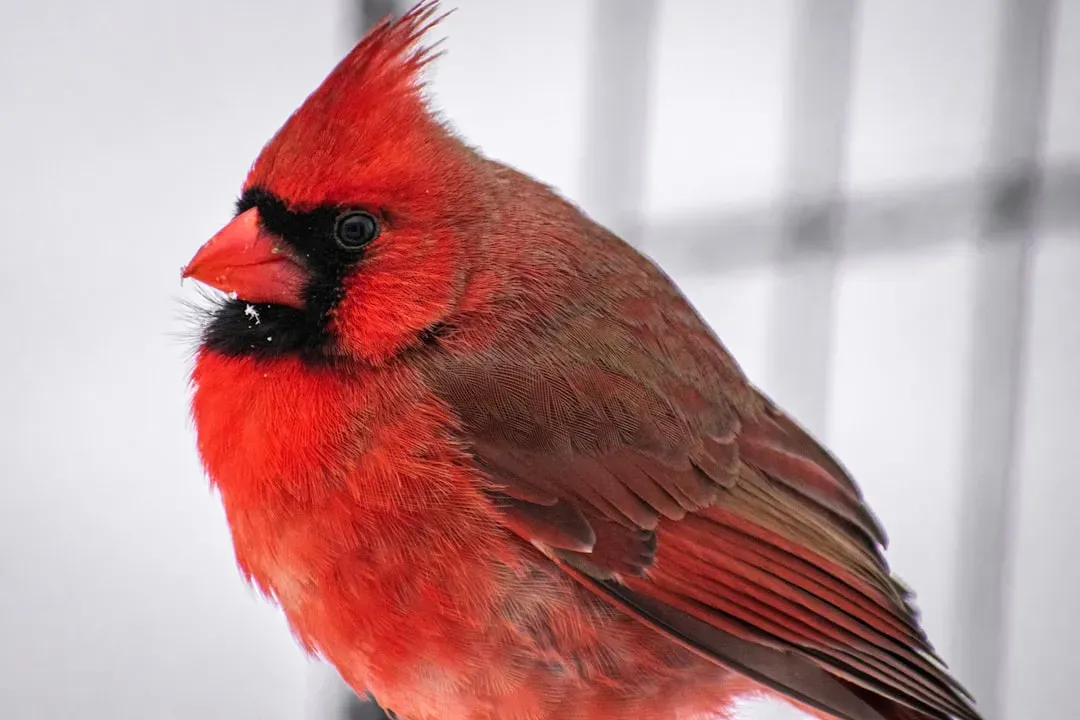
According to the lore, the one thing the cardinal does involves lingering near a family home or tapping lightly at a windowpane. This behavior stands out because the bird usually stays at a distance, yet in these accounts it draws closer than usual. Families describe the moment as unsettling because it feels deliberate rather than random.
The action repeats across different households in the stories, creating a pattern that feels consistent enough to pass along. It is not the bird’s song or its color alone that matters here, but the proximity and persistence. Such details turn an ordinary sighting into something that prompts quiet concern.
How the Warning Unfolds in Practice
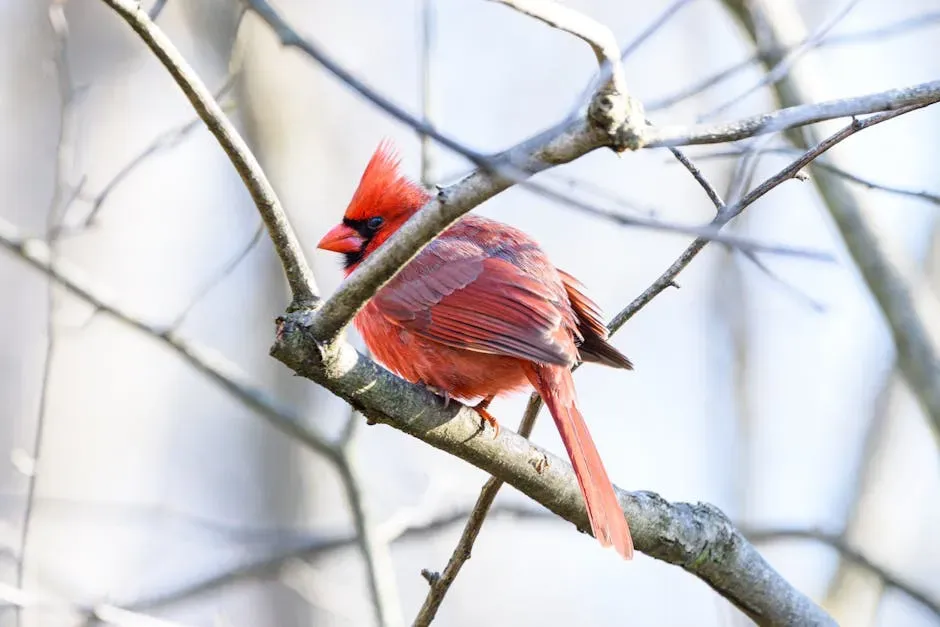
People who share these accounts often mention the cardinal arriving during ordinary afternoons or early mornings. The bird might perch on a porch rail or flutter against glass for several minutes before flying off. Relatives then recall the visit days or weeks later when illness strikes a household member.
The timing creates a narrative thread that connects the bird’s visit to later events. Listeners absorb the story as both caution and comfort, a way to prepare emotionally without panic. The repetition in family circles strengthens the memory of what to notice.
Passing the Story Through Generations

Grandparents frequently told the tale during quiet evenings or while watching birds at feeders. Children learned to pay attention to unusual cardinal behavior without being taught to fear it outright. The account served as a gentle reminder that nature sometimes mirrors human transitions.
Written versions appear in personal journals from the mid nineteenth century onward, though they remain private rather than widely published. Each retelling adds small details that keep the core message intact. Families treat the story as inherited wisdom rather than strict prediction.
Regional Twists on the Same Theme
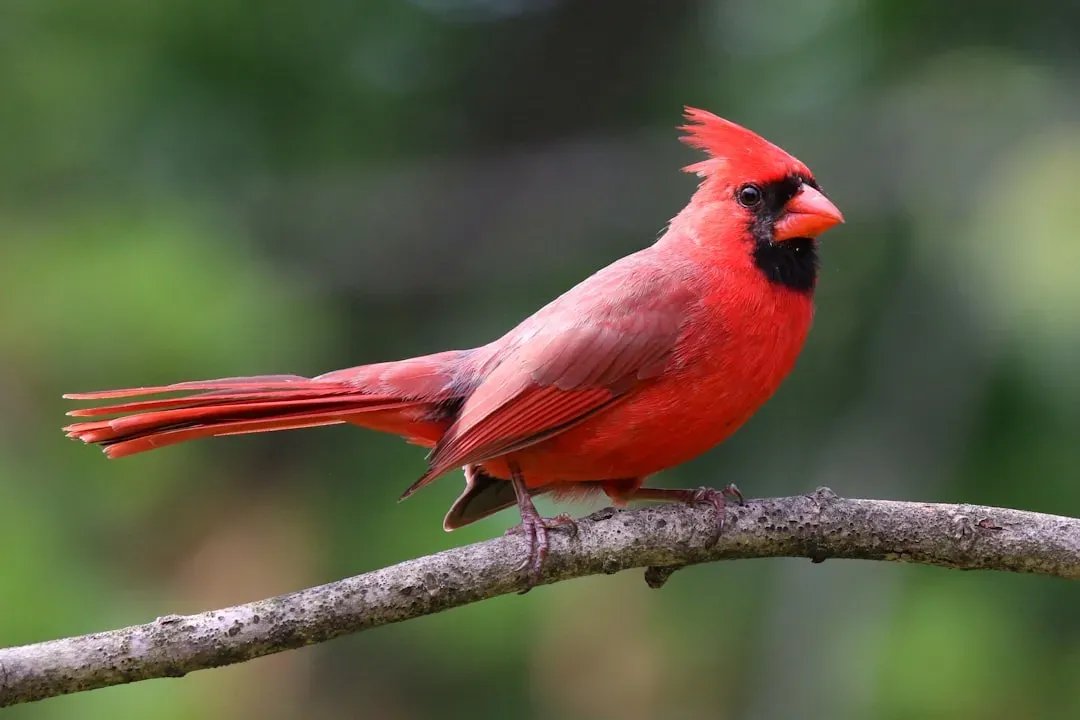
In some areas the cardinal is said to appear only before the death of an elder, while other versions extend the sign to any close relative. Southern accounts sometimes link the bird to specific seasons, whereas northern ones emphasize its contrast against snow. These differences reflect local environments and family experiences.
Native traditions in certain regions already viewed bright birds as messengers, which may have blended with settler stories over time. The result is a flexible belief that adapts without losing its central warning. Such variation helps explain why the tale survived across diverse communities.
Why the Belief Endures
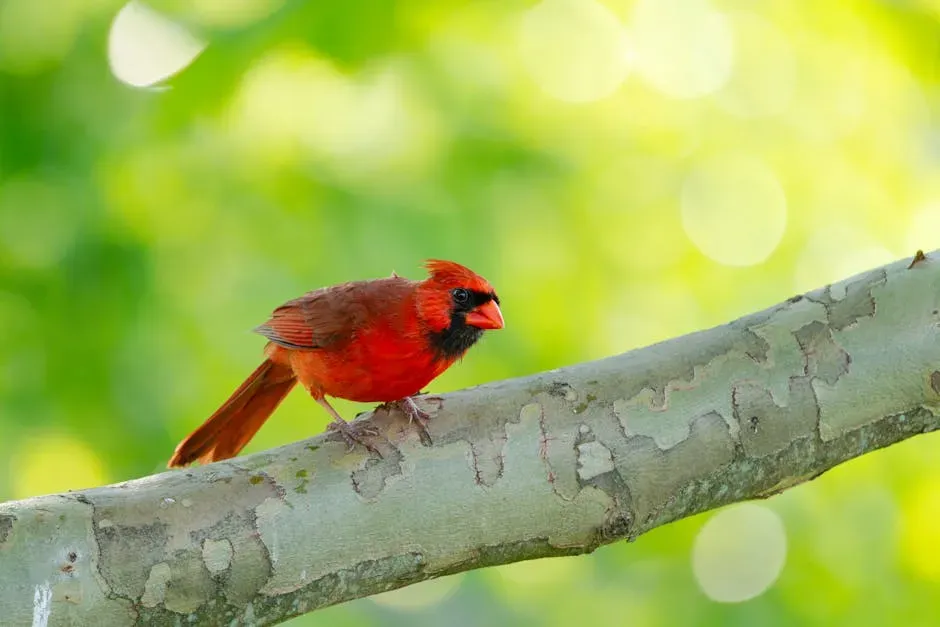
Modern families continue to mention cardinal visits when discussing loss, even if they frame the connection lightly. The bird’s year round presence and vivid color make it easy to notice during reflective periods. Grief often heightens awareness of surroundings, turning ordinary sightings into meaningful ones.
Psychologists note that humans seek patterns during stress, and birds provide a visible, recurring subject. The folklore offers a shared language for expressing unease or hope. Its persistence shows how stories help people navigate uncertainty without requiring proof.
Reading the Sign With Care Today
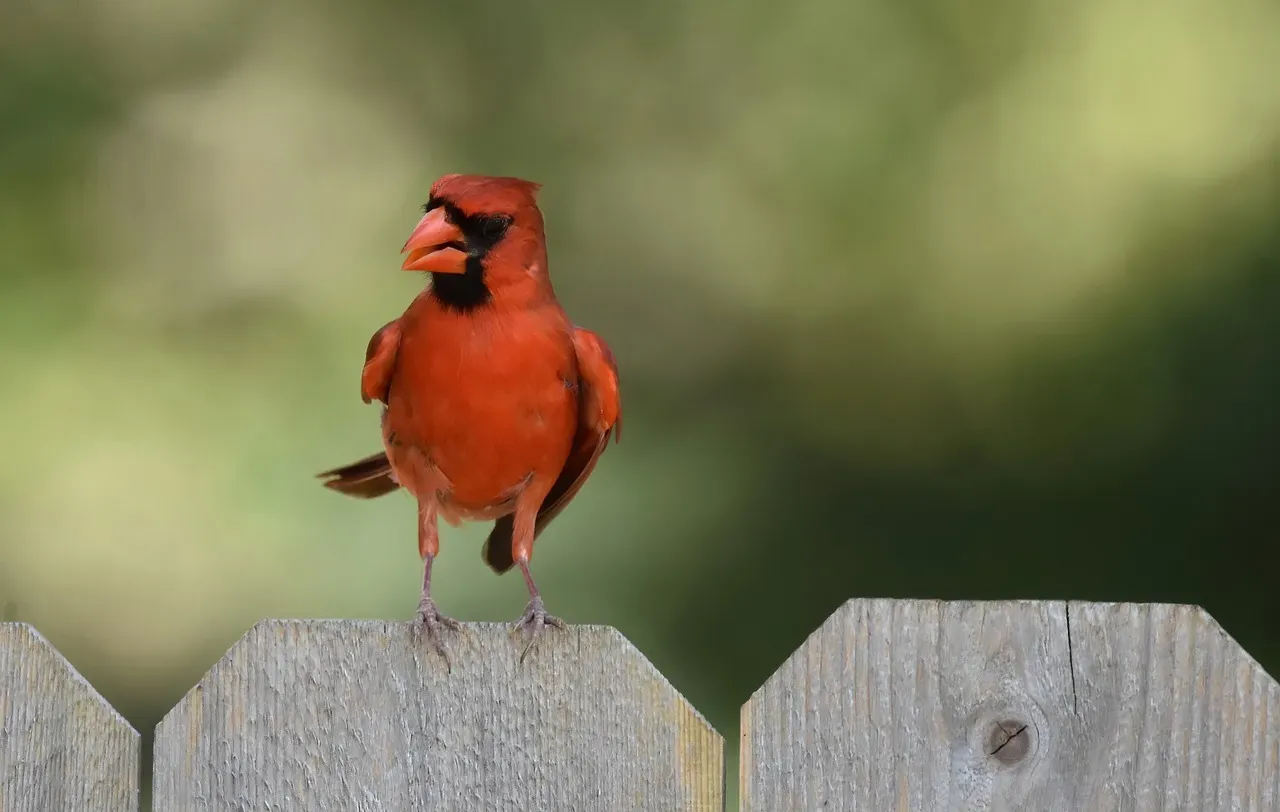
Those who encounter the tale now often weigh it against personal experience rather than treating it as absolute. A cardinal at the window might prompt a phone call to check on relatives, yet it rarely triggers alarm on its own. The value lies in the reminder to stay connected during ordinary days.
Observers can appreciate the bird’s beauty while holding space for the older interpretation. This balanced approach keeps the folklore alive without letting it overshadow practical attention to health and relationships. The story ultimately encourages mindfulness more than prediction.
In the end, the cardinal’s supposed warning invites us to notice the small signals life offers, whether they come from nature or memory. Families who keep the tale alive do so because it adds a layer of meaning to moments that might otherwise feel random. The red flash at the glass becomes less about certainty and more about the quiet ways people mark what matters.

- 6 Things Never to Do When A Shark Approaches You - August 3, 2026
- 8 Astounding Animal Migrations That Defy All Scientific Explanation - August 3, 2026
- Top 10 Animals and Wildlife in Ontario - August 3, 2026