
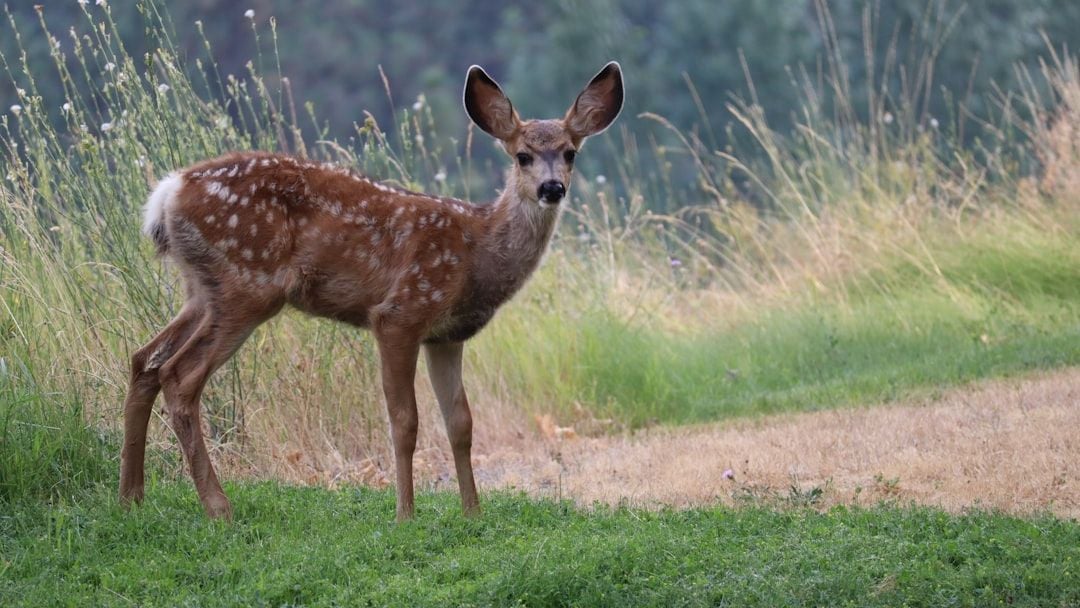
Picture a quiet morning in the woods where everything seems still until a deer suddenly locks in place. Its body goes rigid, ears twitch, and the animal seems to vanish into the landscape without moving a muscle. That reaction often traces back to something hunters have discussed quietly for years, a particular human scent that travels on the air and triggers an immediate alert.
The details behind this response sit at the intersection of animal senses and long standing field experience. Deer possess an extraordinary ability to pick up faint odors that most people never notice. What follows explores how those odors work, why the freeze happens so fast, and what generations of observers have learned along the way.
The Remarkable Reach of a Deer’s Sense of Smell
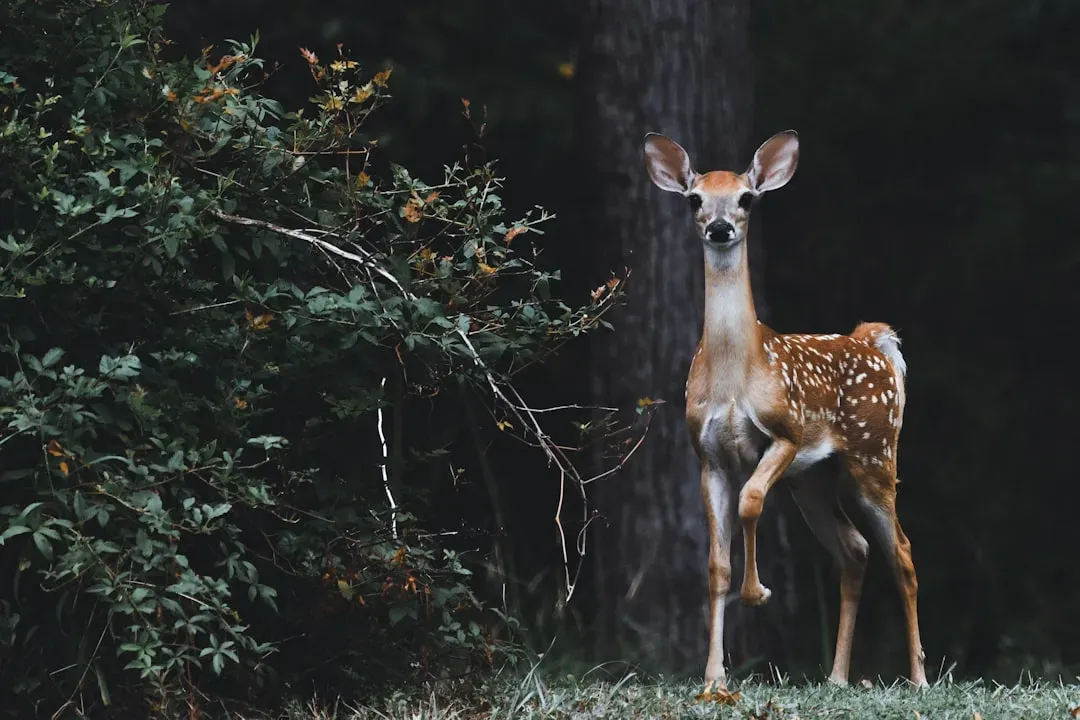
Deer depend on smell far more than sight or sound when they move through their territory. Their noses contain hundreds of millions of scent receptors that sort through layers of forest odors with precision. A single whiff of something unfamiliar can shift their entire posture in seconds.
Wind carries these molecules across surprising distances, especially on cool mornings when air stays close to the ground. Hunters have watched deer stop and test the breeze repeatedly before deciding whether to continue feeding or bolt. This constant checking keeps them alive in places where predators once roamed freely.
Human Body Odors That Travel the Farthest
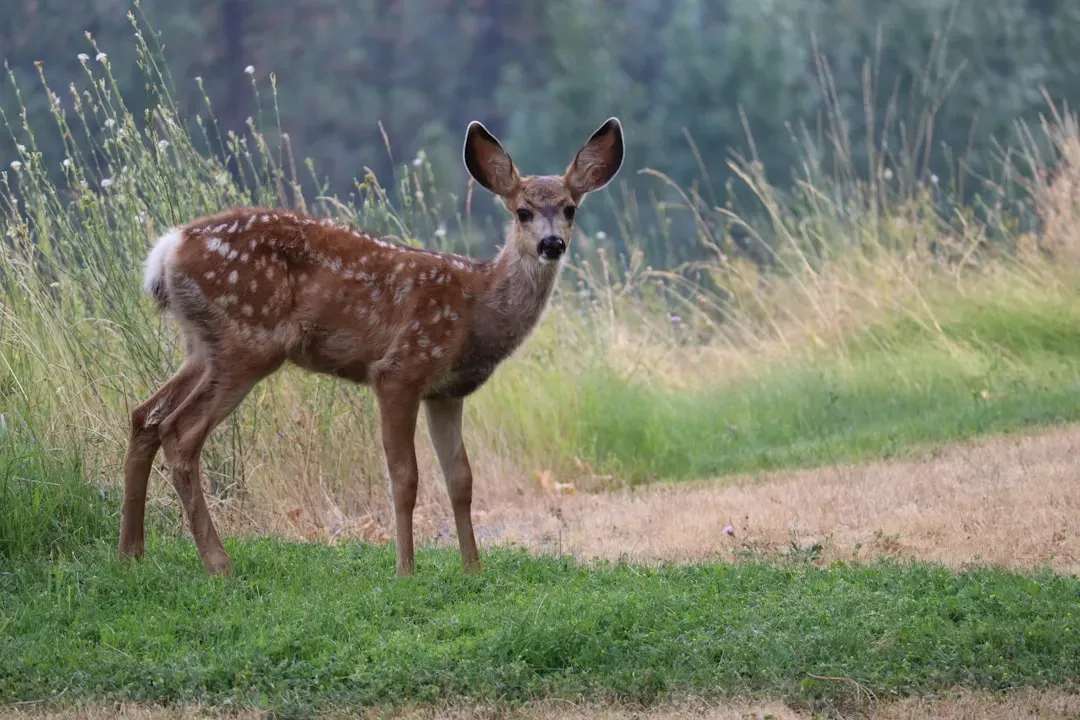
Sweat produced during physical effort carries compounds that stand out sharply against natural woodland smells. Even after washing, trace amounts remain on skin and clothing and continue to drift on air currents. Breath also releases distinctive markers that deer recognize as out of place.
Clothing that has absorbed kitchen or household scents adds another layer. These everyday residues mix with natural body chemistry and create a signature that travels farther than many realize. Field notes from long time observers consistently mention how quickly deer react once these combined odors reach them.
The Freeze Response and What Triggers It
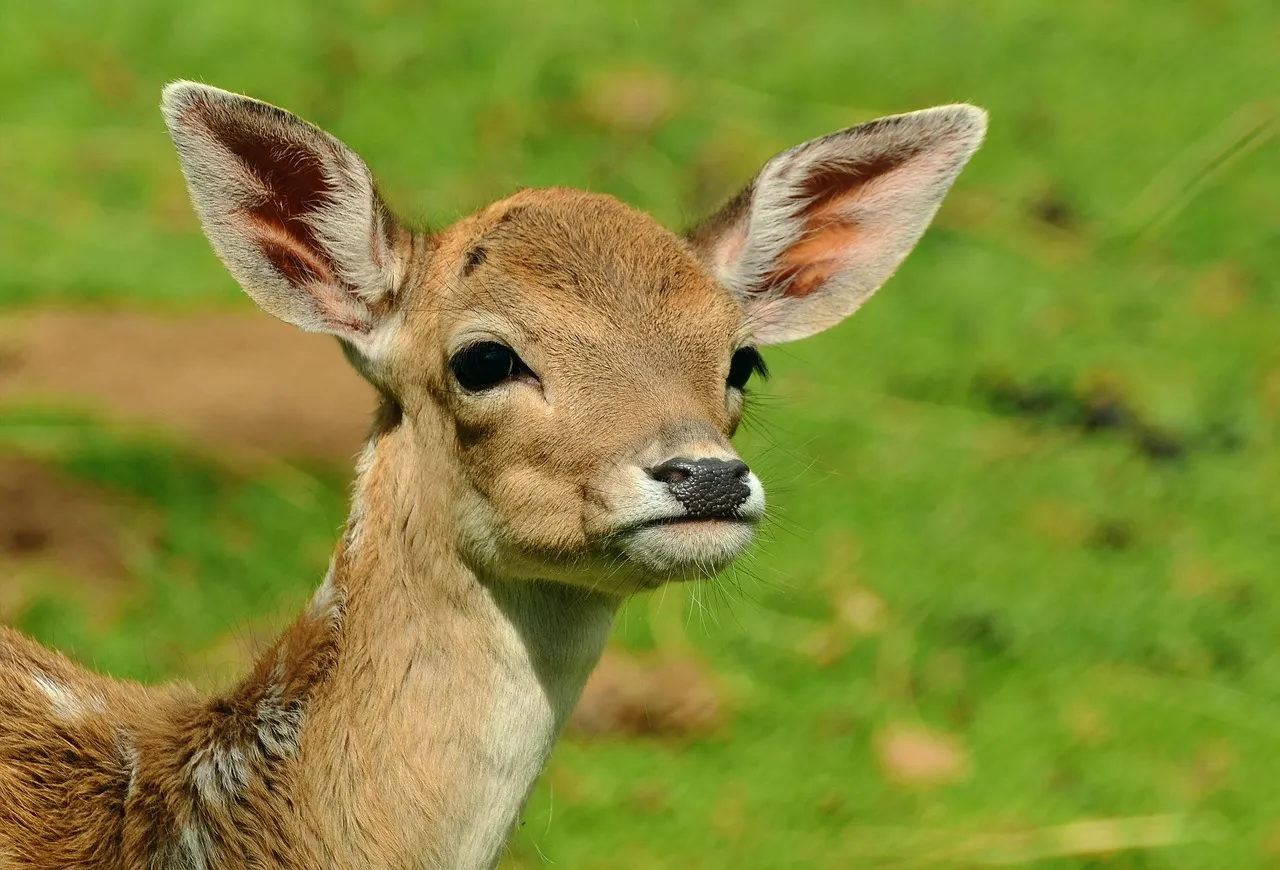
When a deer detects an unknown scent, its first move is often to become completely motionless. This pause lets the animal gather more information without revealing its location. The freeze buys time to decide whether the source poses an immediate threat.
Heart rate and breathing slow during these moments, reducing any sound that might give away position. The behavior appears across many deer populations and shows up in both young and mature animals. It serves as an early warning system refined over countless generations of survival pressure.
Knowledge Handed Down Through Hunter Stories
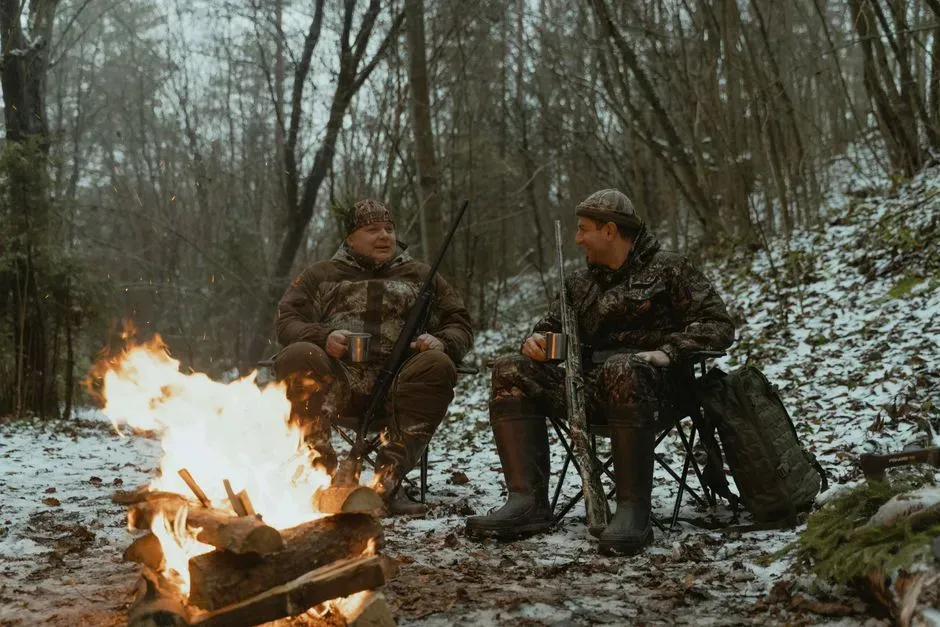
Stories shared around campfires and in hunting cabins have preserved practical observations about scent for decades. Older hunters often describe learning to approach stands from downwind after noticing how quickly deer vanished on certain days. These accounts emphasize small adjustments that make a noticeable difference in success and in the animal’s comfort level.
Many of these lessons focus on preparation before entering the woods rather than on the moment of encounter. Simple habits such as storing gear away from cooking areas or allowing clothing to air out receive repeated mention. The consistency across regions suggests the underlying observations hold steady even as equipment changes.
Weather Patterns That Carry or Hide Scents

Temperature and humidity shape how far human odors travel on any given day. Cooler air tends to hold scent molecules closer to the ground, while rising warmth can lift them higher and disperse them more quickly. Rain can wash away traces but also create new pathways for odor to move along damp surfaces.
Hunters pay close attention to shifting wind directions throughout the day because even a small change can bring their presence to a deer’s attention. These patterns explain why the same location can feel productive one morning and empty the next. Understanding the air itself becomes part of the craft.
Practical Steps That Reduce Unwanted Detection
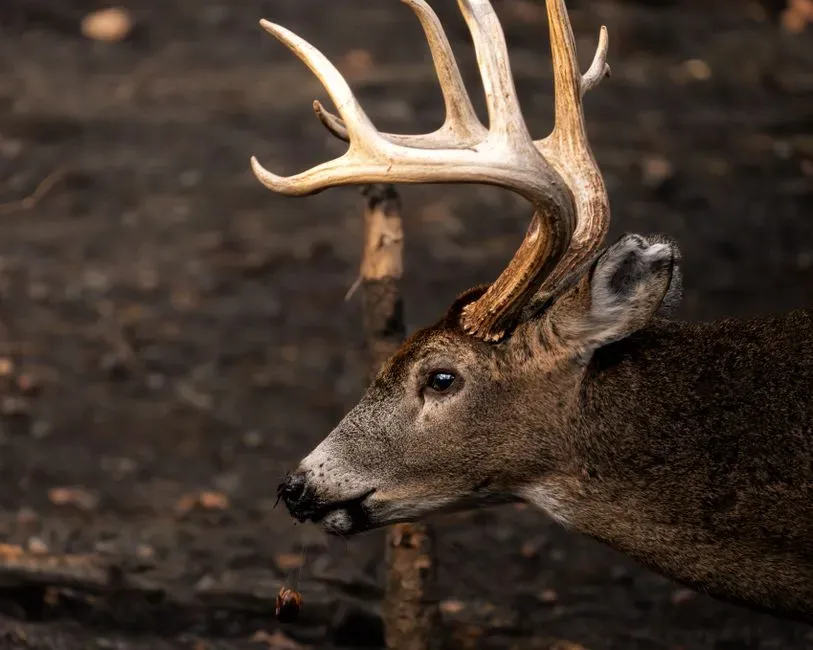
Many experienced outdoors people now combine traditional habits with newer scent control products. Washing clothing in scent free detergent and storing it in sealed containers helps limit what leaves the house. Some also choose to shower with unscented soap right before heading out.
Positioning stands or blinds with careful attention to prevailing winds remains a core practice that no product fully replaces. Small changes in route and timing add another layer of protection for both the observer and the animals. These combined approaches reflect lessons refined over many seasons.
Respecting the Balance Between Observation and Disturbance
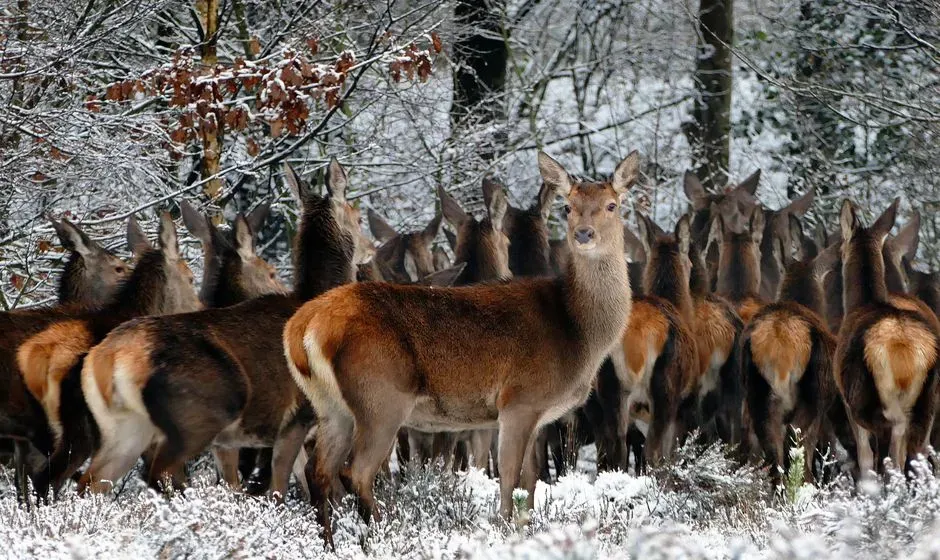
Recognizing how sensitive deer remain to human presence encourages a lighter touch in the woods. When people take time to manage their own scent, encounters often feel calmer and more natural for everyone involved. This awareness supports longer term opportunities to watch wildlife without forcing constant flight responses.
Ultimately the knowledge passed along by earlier generations points toward patience and preparation rather than dominance over the landscape. Paying attention to these details keeps the woods quieter and the animals more at ease. In the end that quiet respect may be the most lasting lesson of all.
