
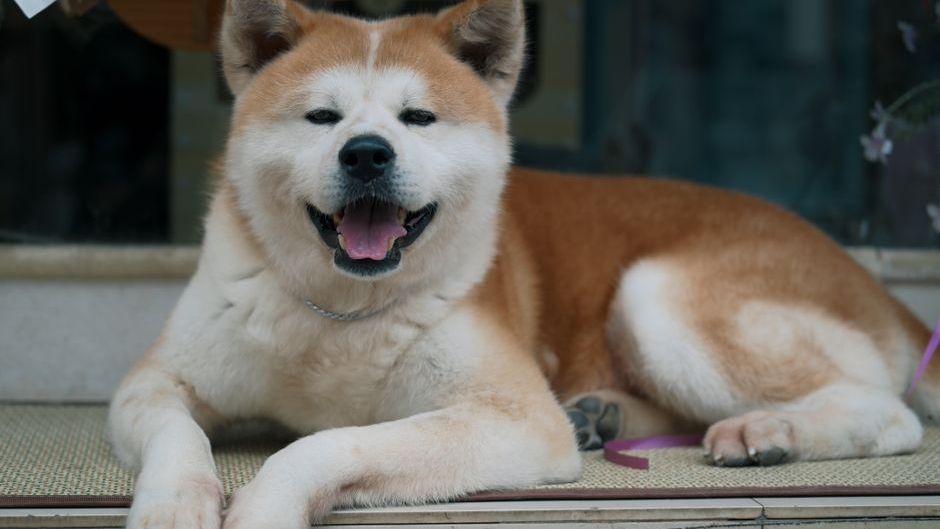
Dog owners often notice their pets reacting strongly to certain people or situations long after an event has passed. This behavior sparks plenty of conversation about whether some breeds seem to carry memories of negative experiences more persistently than others.
While scientific understanding of canine memory continues to evolve, certain breeds stand out in discussions among veterinarians and behaviorists for their temperament traits that can make past events feel more present. The following sections look at seven breeds frequently mentioned in these conversations.
Chihuahua
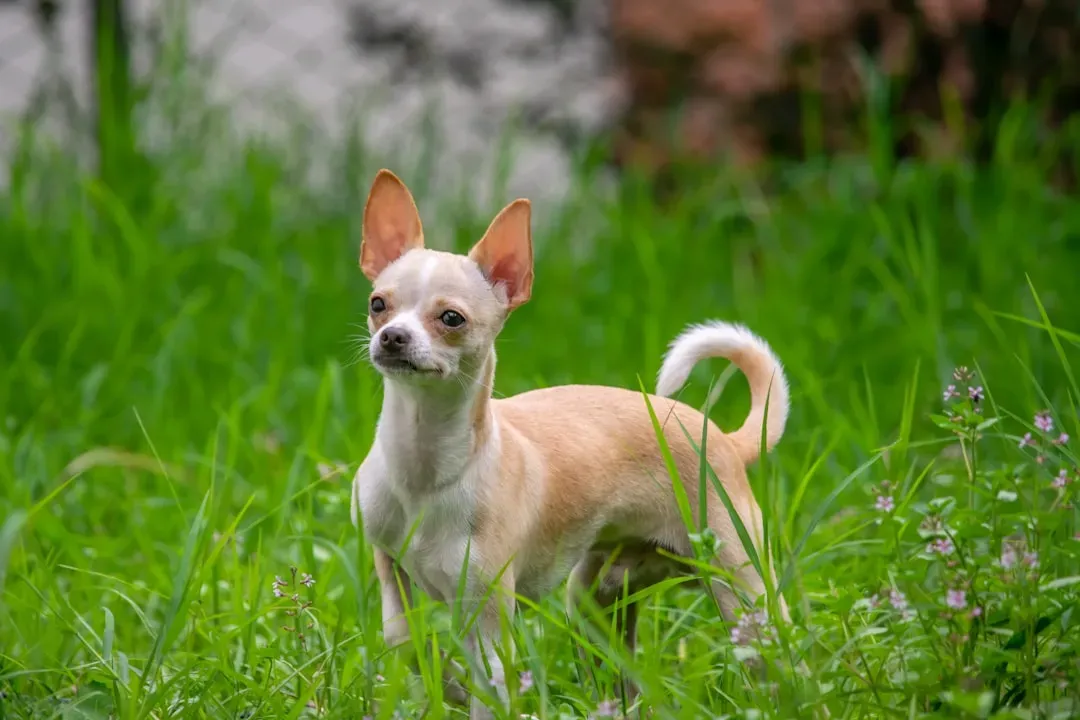
Chihuahuas often form intense bonds with their primary caregivers and can show lasting wariness toward anyone associated with discomfort. Their small size sometimes leads owners to overlook subtle signs of stress, which may reinforce certain associations over time.
Veterinarians note that these dogs frequently remember specific handling techniques or environments that once caused unease. With consistent positive reinforcement, many Chihuahuas learn to adjust their responses, though their alert nature keeps past impressions close to the surface.
Akita
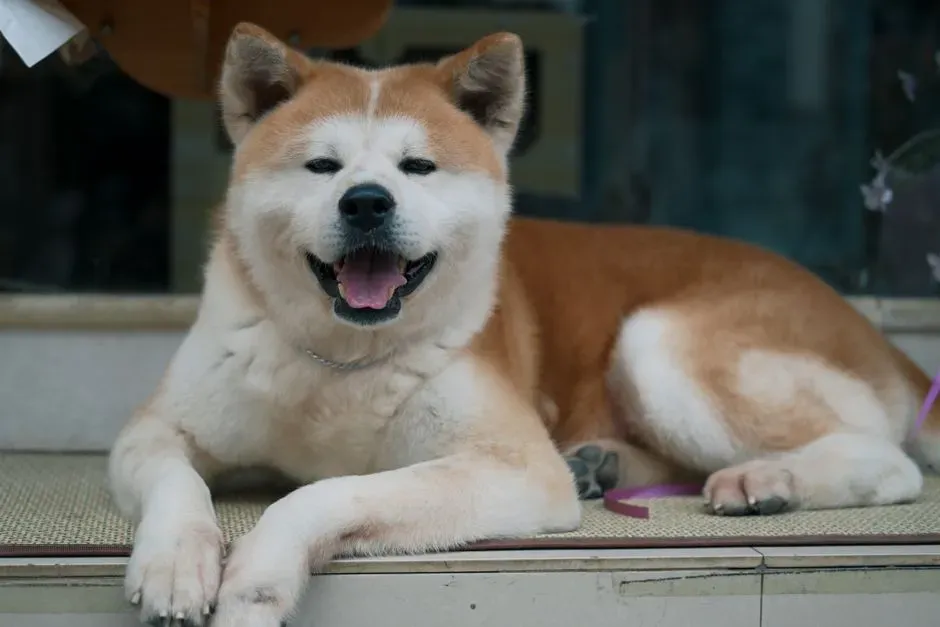
Akitas carry a reputation for loyalty paired with a strong sense of boundaries. When something disrupts their sense of security, they may maintain distance from the source for extended periods.
Behavior specialists observe that this breed processes experiences through a protective lens shaped by their history as guard dogs. Early socialization helps soften reactions, yet their independent streak means some memories linger without much external prompting.
Rottweiler
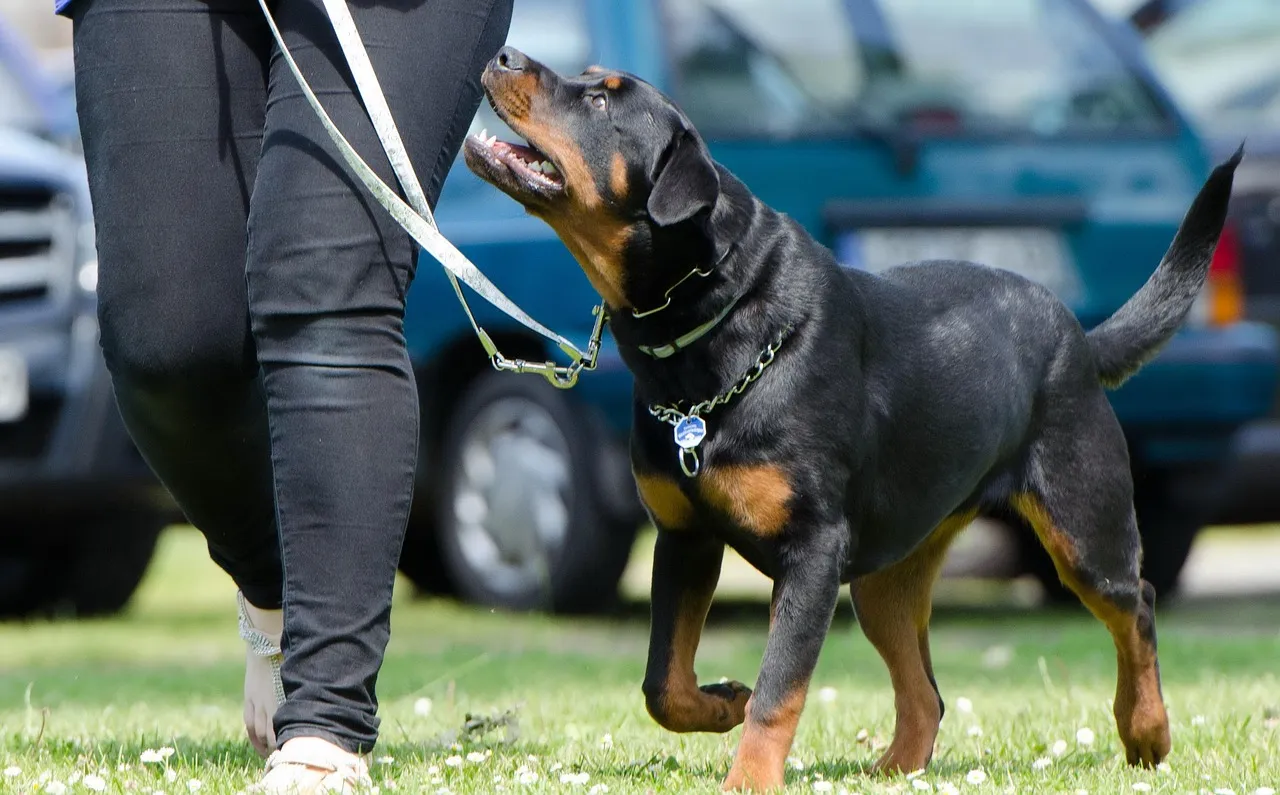
Rottweilers combine strength with sensitivity to their surroundings. Negative encounters during training or veterinary visits can influence how they approach similar situations later.
Owners and professionals alike report that these dogs benefit from patient rebuilding of trust after stressful events. Their working heritage contributes to a focused memory style that keeps certain lessons or impressions active longer than in more easygoing breeds.
Dachshund
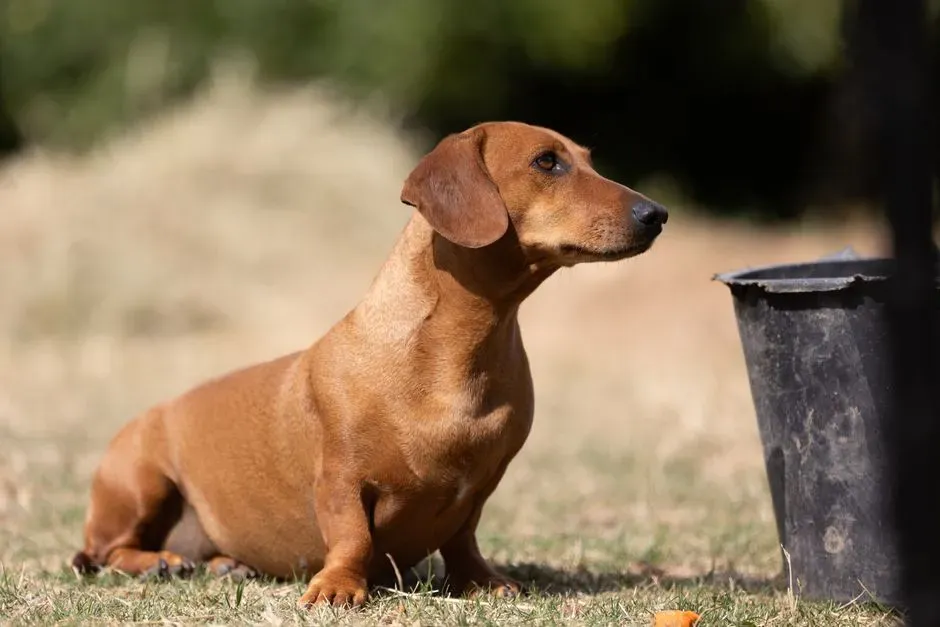
Dachshunds bring a bold personality into a compact frame. They sometimes hold onto reactions to loud noises or rough handling, showing hesitation around the people or objects involved.
Veterinary behavior consultations often highlight the value of gradual exposure for this breed. Their hunting background gives them a keen awareness of details, which can translate into prolonged caution when something feels off.
German Shepherd
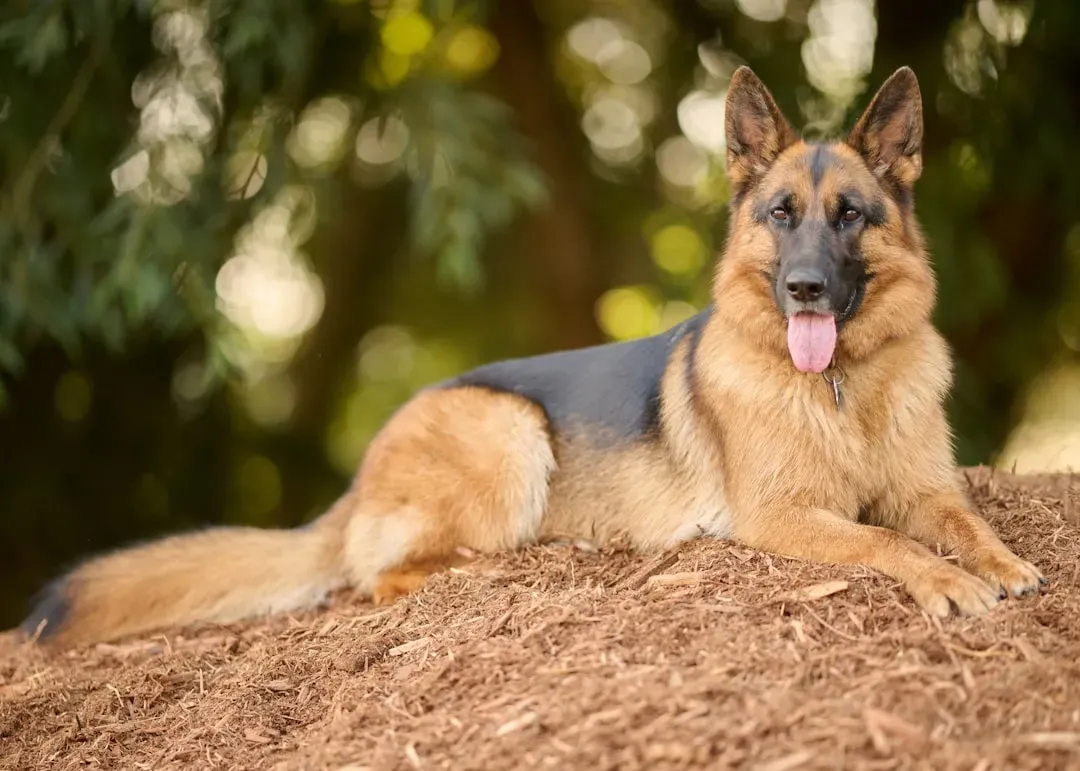
German Shepherds excel at learning routines and noticing changes within them. A single unpleasant interaction at the groomer or during travel can color their expectations for future outings.
Trainers emphasize structured positive experiences to counterbalance any lingering effects. The breed’s intelligence supports both quick learning and the retention of emotional context around past events.
Siberian Husky
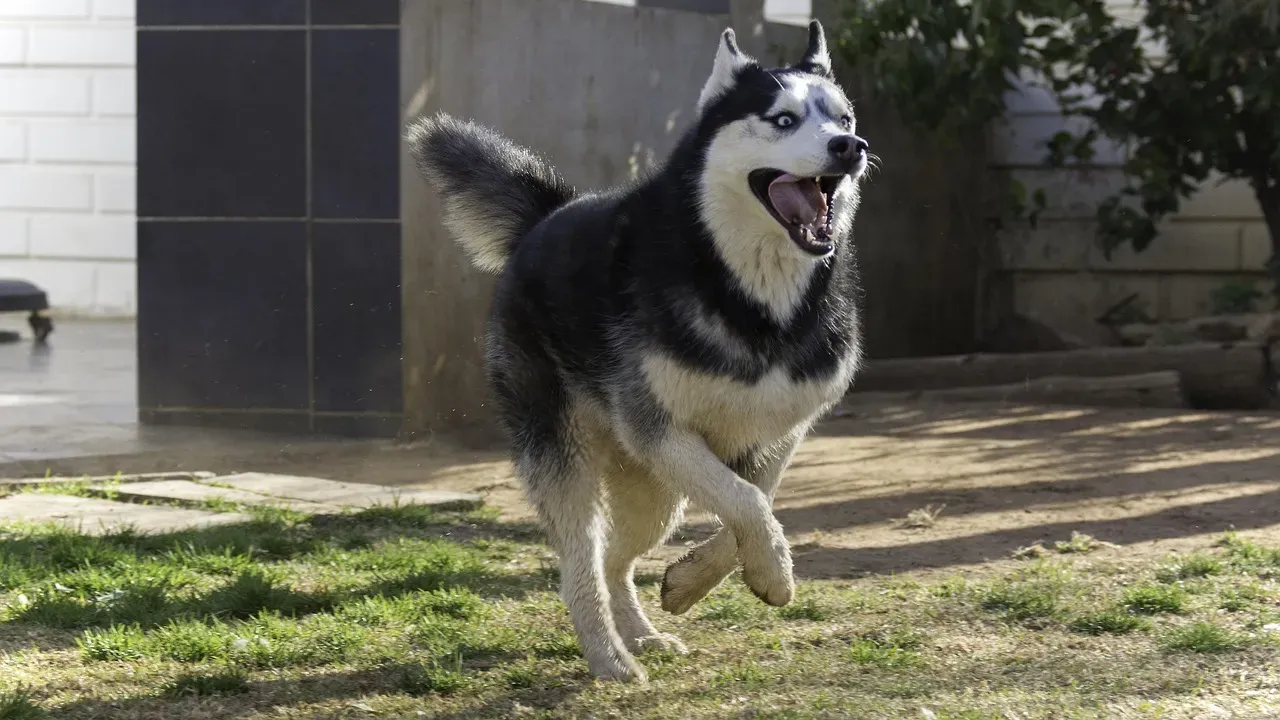
Siberian Huskies display an independent streak that sometimes extends to how they process interactions. They may avoid certain family members or activities after a perceived slight or uncomfortable moment.
Professionals recommend clear communication and plenty of mental stimulation to keep these dogs engaged. Their endurance and pack mentality mean social memories play a noticeable role in daily behavior patterns.
Border Collie
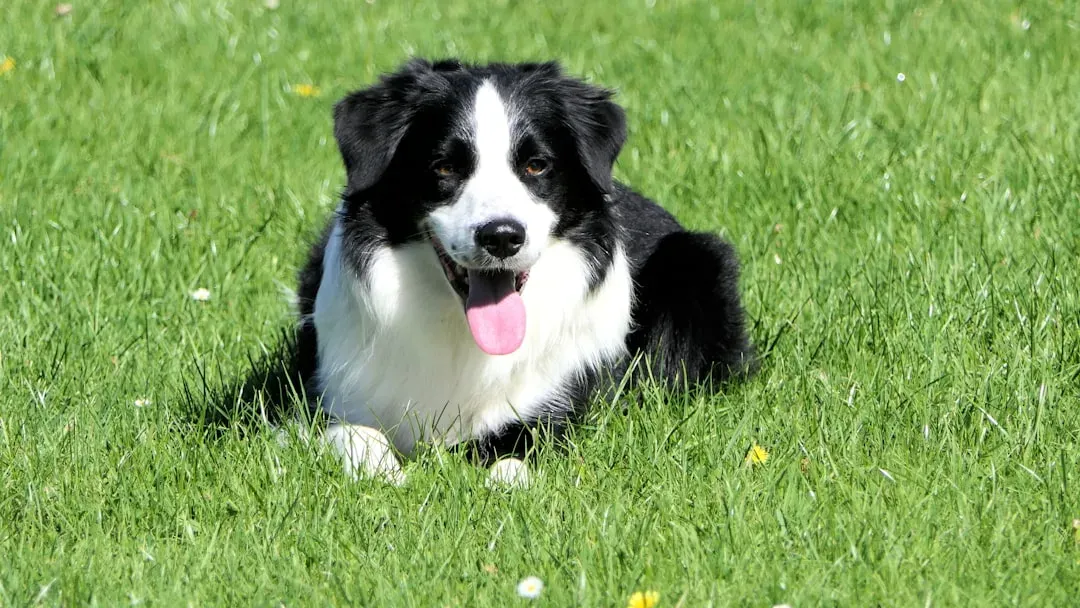
Border Collies possess remarkable focus and an ability to read subtle cues from their environment. This trait can lead to extended responses when something disrupts their sense of order or fairness in routine.
Behaviorists point out that mental enrichment helps redirect their attention toward new positive associations. The breed’s drive to work and solve problems keeps certain experiences vivid, requiring thoughtful management from owners.
Ultimately, individual personality and life experiences shape how any dog responds to the past far more than breed alone. Paying attention to each dog’s unique signals remains the most reliable way to build lasting trust.

- These 7 Historic US Battlefields Are Sacred Grounds Of Remembrance - August 2, 2026
- The JWST Found A Jekyll-and-Hyde Galaxy In The Early Universe - August 2, 2026
- 10 Heartwarming Ways A Chihuahua Shows They’ve Bonded With You - August 2, 2026