

Increased Nighttime Howling Near Property Lines
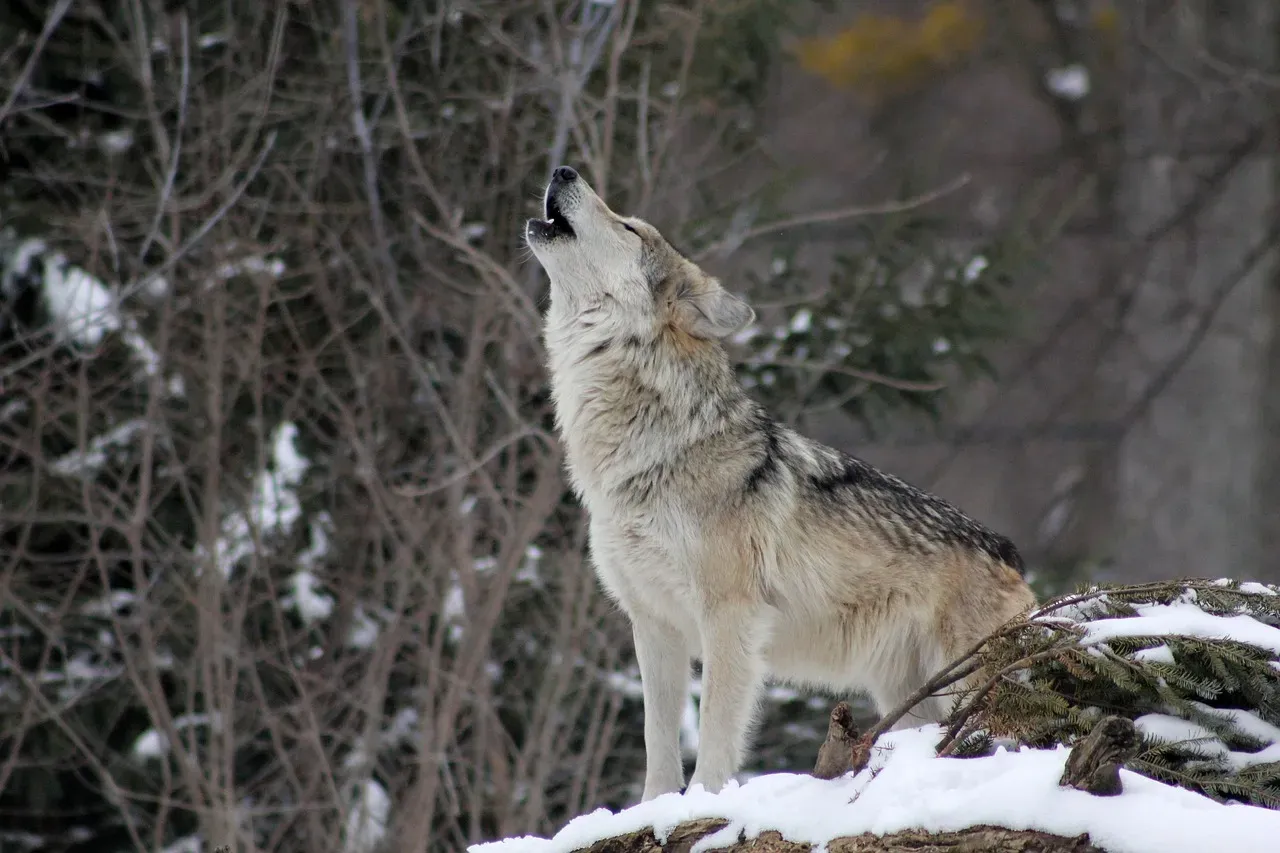
Coyotes often ramp up their vocalizations before settling into a new area. Officers report hearing more yips, barks, and howls echoing from the edges of open land or parks adjacent to homes. This serves as communication within family groups and a way to claim space.
The calls tend to come in bursts around dusk or after dark. Residents might notice the sound carrying farther than usual, especially if local prey populations have shifted. Paying attention to these changes gives a heads up that the pack is expanding its range.
Distinctive Tracks Appearing in Soft Soil or Mud
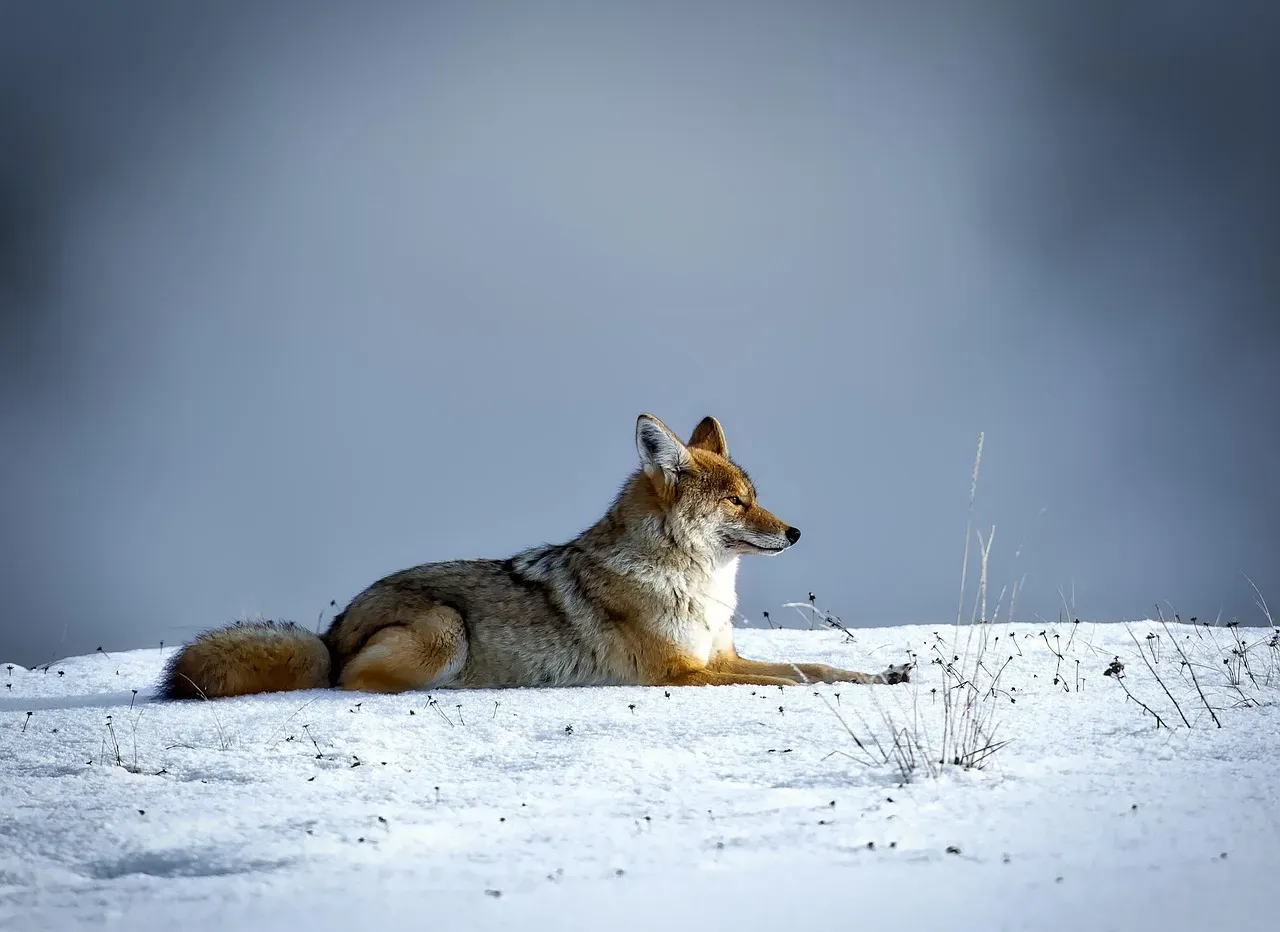
Tracks offer one of the clearest early clues. Coyote prints show a more oval shape with claw marks and a narrower heel compared to most dogs. They often show up along fence lines, garden edges, or paths leading toward backyards.
Wildlife staff recommend checking after rain when impressions last longer. Multiple sets of prints in the same direction suggest regular scouting rather than a one time pass. These signs usually precede actual sightings by days or weeks.
Scat Containing Hair, Bones, or Seeds Left in Visible Spots
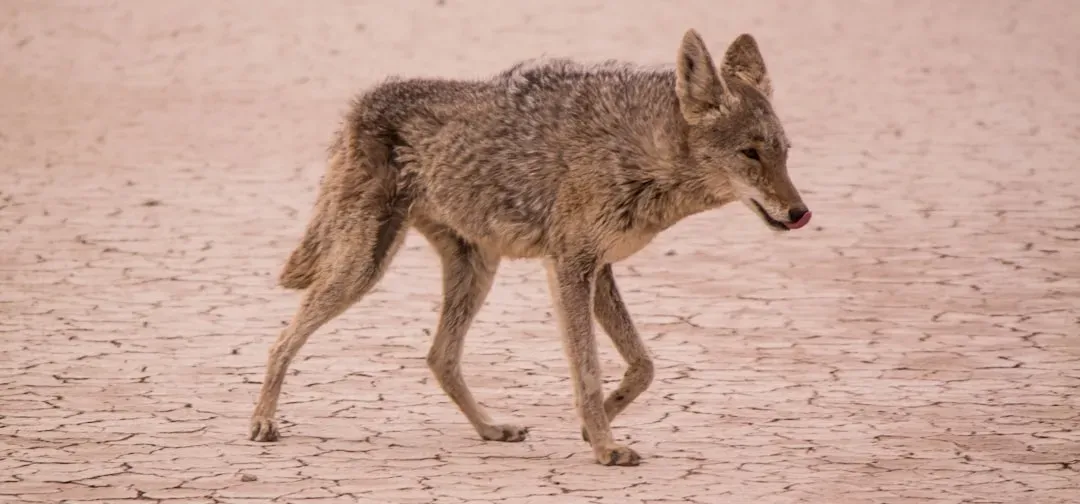
Coyote droppings frequently contain remnants of their recent meals. Look for twisted, rope like piles with fur, small bones, or bits of fruit and seeds. Placement near trails or property boundaries marks territory as they explore.
Officers note that fresh scat in increasing amounts points to repeated visits. The contents can reveal whether the animals are relying on natural prey or starting to sample human related food sources. Regular checks help track this progression.
Small Wildlife or Unattended Pets Going Missing
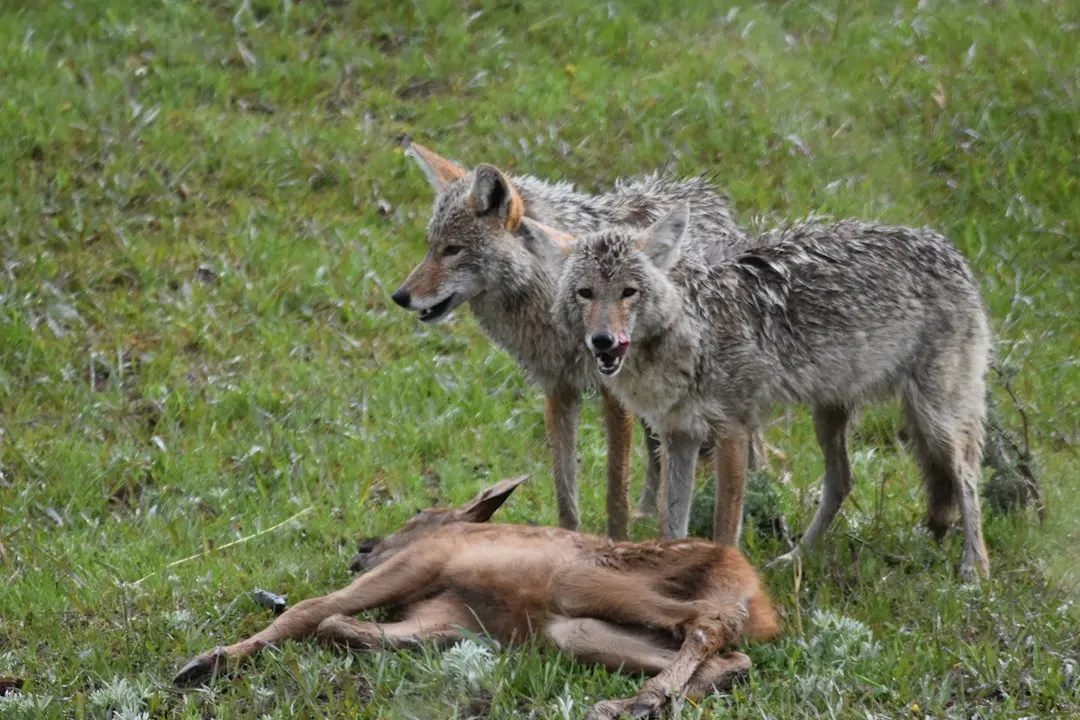
A sudden drop in local rabbits, squirrels, or outdoor cats often signals coyotes testing the neighborhood. These predators are opportunistic and will take easy meals as they move closer. Pet owners sometimes notice the pattern before realizing the cause.
Wildlife agencies advise securing small animals at night during this phase. The losses tend to cluster near the transition zones between wild land and homes. Addressing attractants early can interrupt the cycle.
More Frequent Activity at Dawn and Dusk
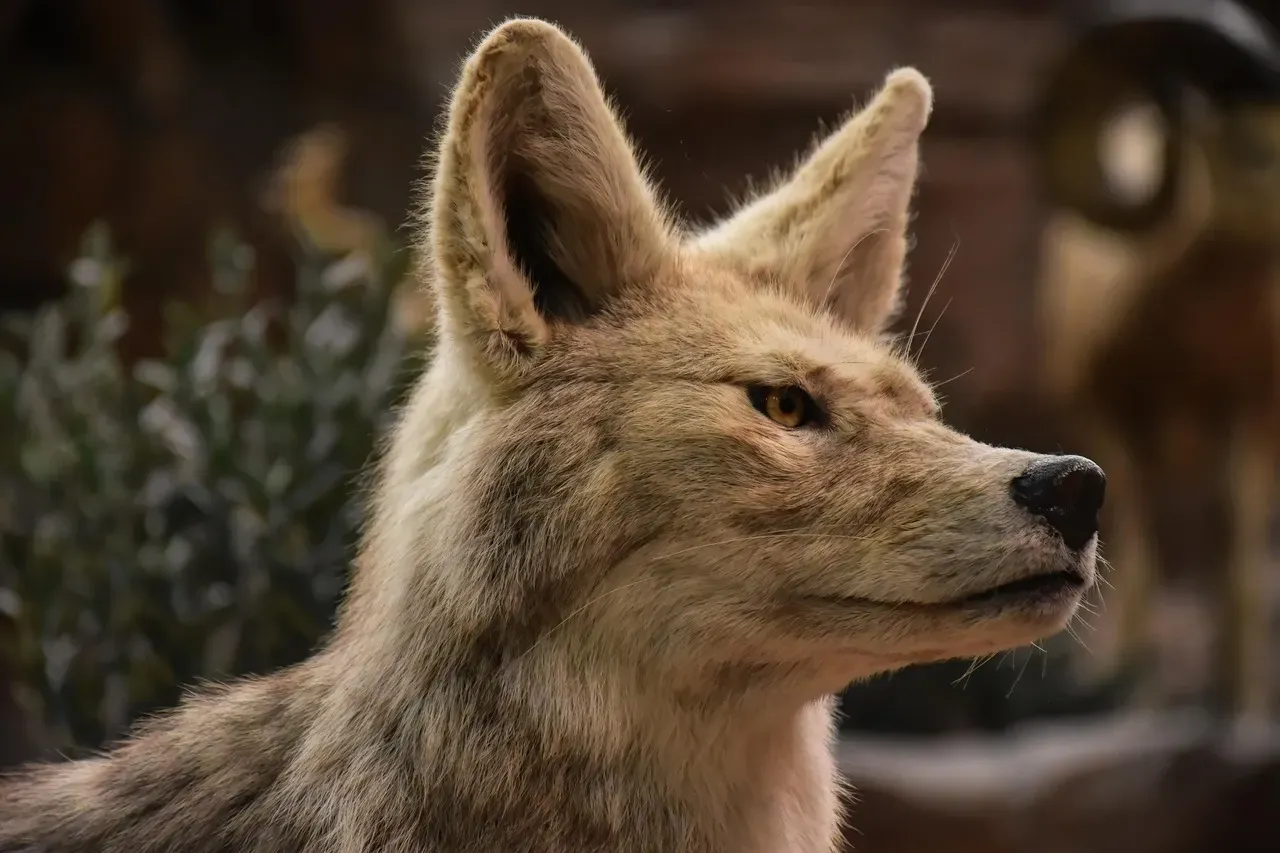
Coyotes shift their routines to overlap with quieter human hours before full entry. Sightings or sounds increase during the low light periods when they feel safer moving. This timing aligns with their natural crepuscular habits but becomes more noticeable near developed areas.
Officers suggest residents watch for silhouettes crossing roads or fields at these times. Consistent patterns over several evenings indicate the animals are mapping routes. Early awareness allows for simple deterrents like motion lights.
Following or Escorting People and Dogs from a Distance
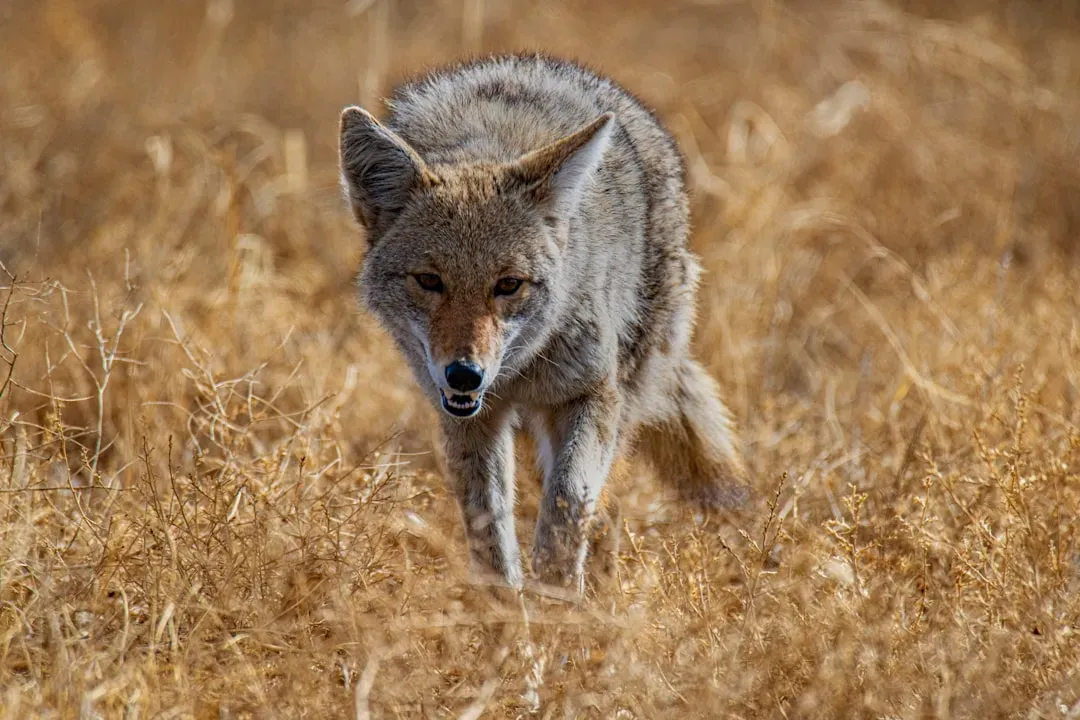
Some coyotes begin trailing walkers or pets along the perimeter before venturing inside. They maintain space yet show curiosity rather than immediate flight. This escorting behavior often appears when dens or food sources lie nearby.
Reports to wildlife offices describe the animals pausing to observe then continuing parallel movement. It differs from aggressive approaches and serves as an assessment of human routines. Noticing this helps reinforce boundaries through hazing techniques.
Investigating Yards for Food Sources Like Bird Feeders or Fallen Fruit
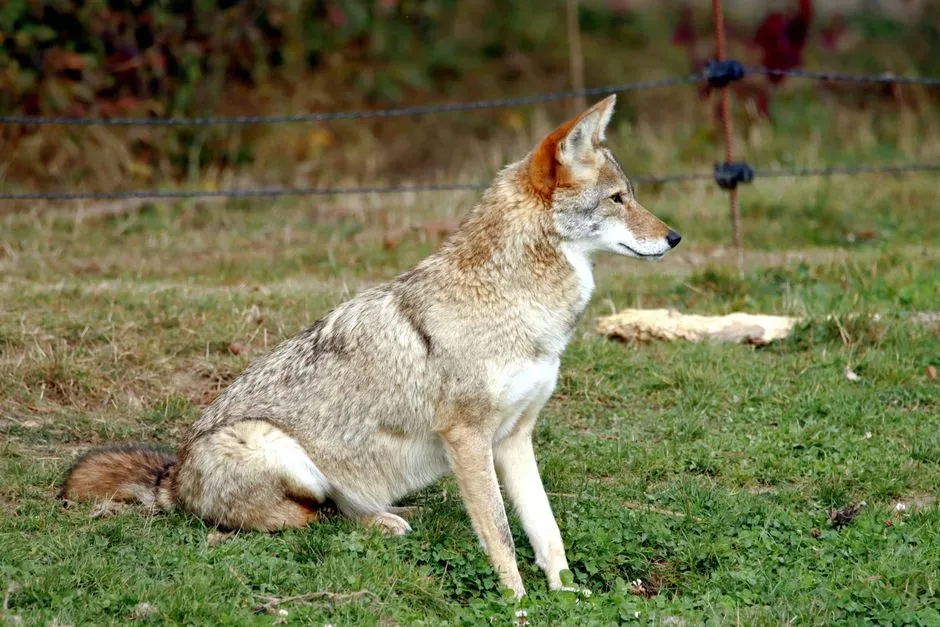
Before settling in, coyotes probe for reliable meals. They may knock over feeders, scatter seed, or clean up dropped apples and berries. These explorations leave subtle disturbances that build over time.
Staff emphasize removing such attractants promptly. The animals learn quickly which yards offer easy pickings. Consistent cleanup disrupts the incentive to cross into residential zones.
Showing Reduced Fear During Initial Encounters
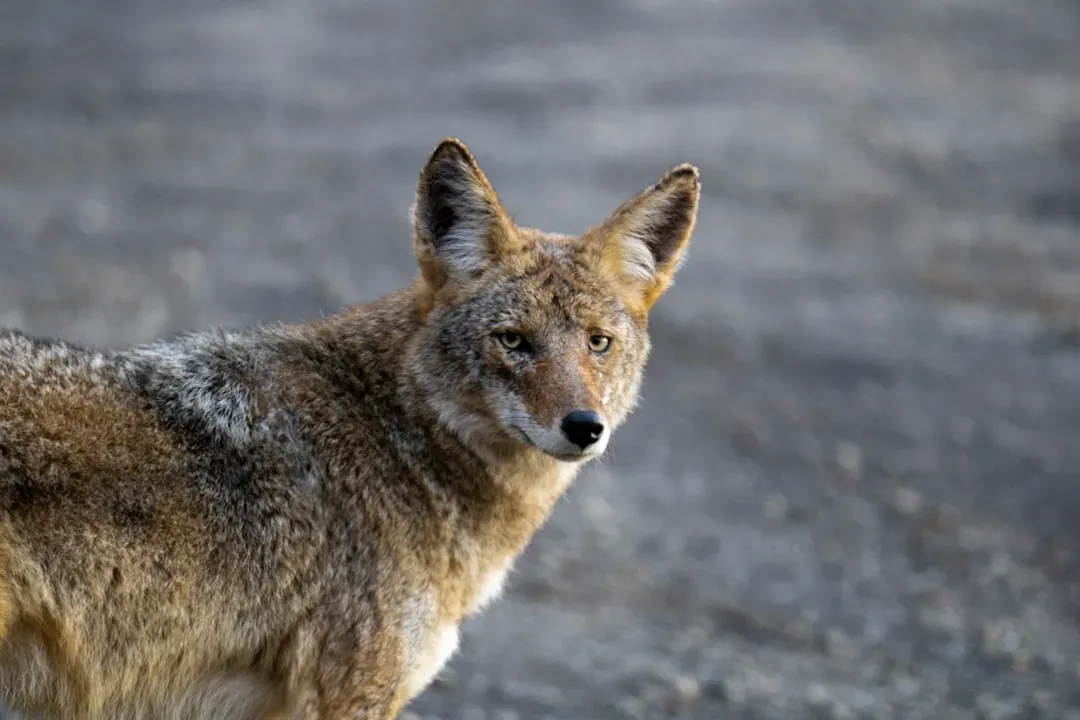
Normally wary coyotes start lingering longer when first spotted near homes. They might pause instead of bolting, testing reactions from a safe distance. This gradual habituation marks a shift in comfort level.
Wildlife officers stress responding with noise and movement to maintain wariness. Ignoring the behavior allows it to progress. Early intervention keeps most animals from advancing further.
Leaving Scent Marks or Urine Along Trails and Fences
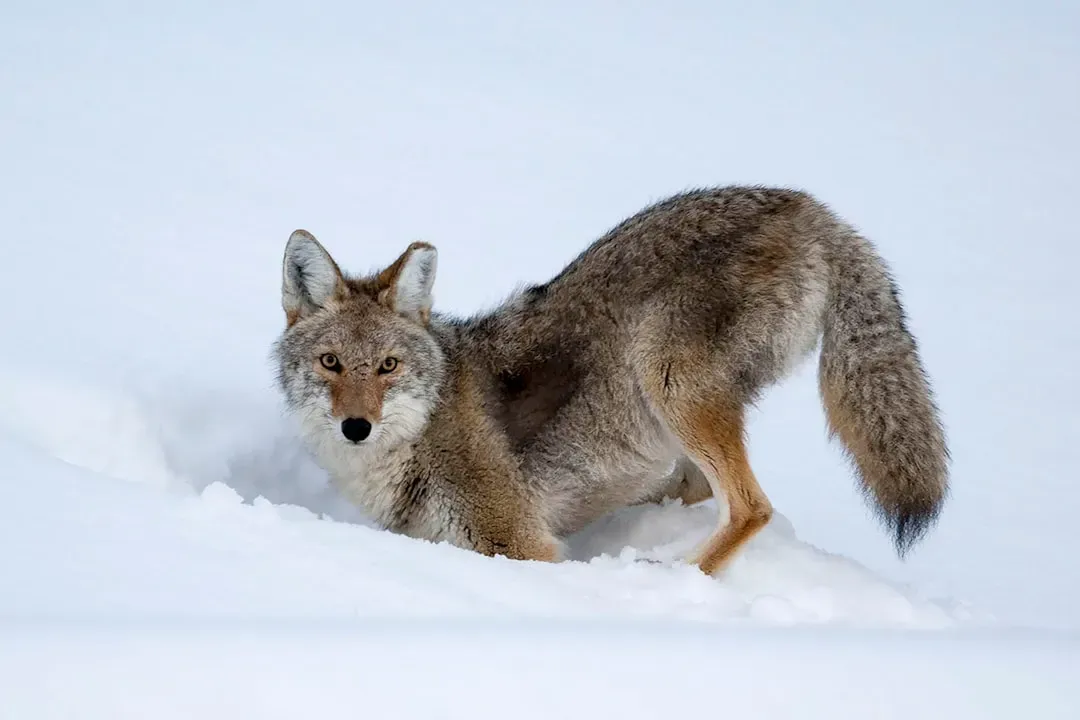
Coyotes use scent to communicate territory boundaries. Fresh urine spots or rubbed areas on posts and vegetation appear as they claim new ground. These marks often concentrate near entry points to neighborhoods.
The odor can be noticeable in the morning. Multiple locations suggest systematic mapping rather than random passage. Recognizing this helps identify where monitoring should focus.
Seeking Shelter in Overgrown Brush or Yard Edges
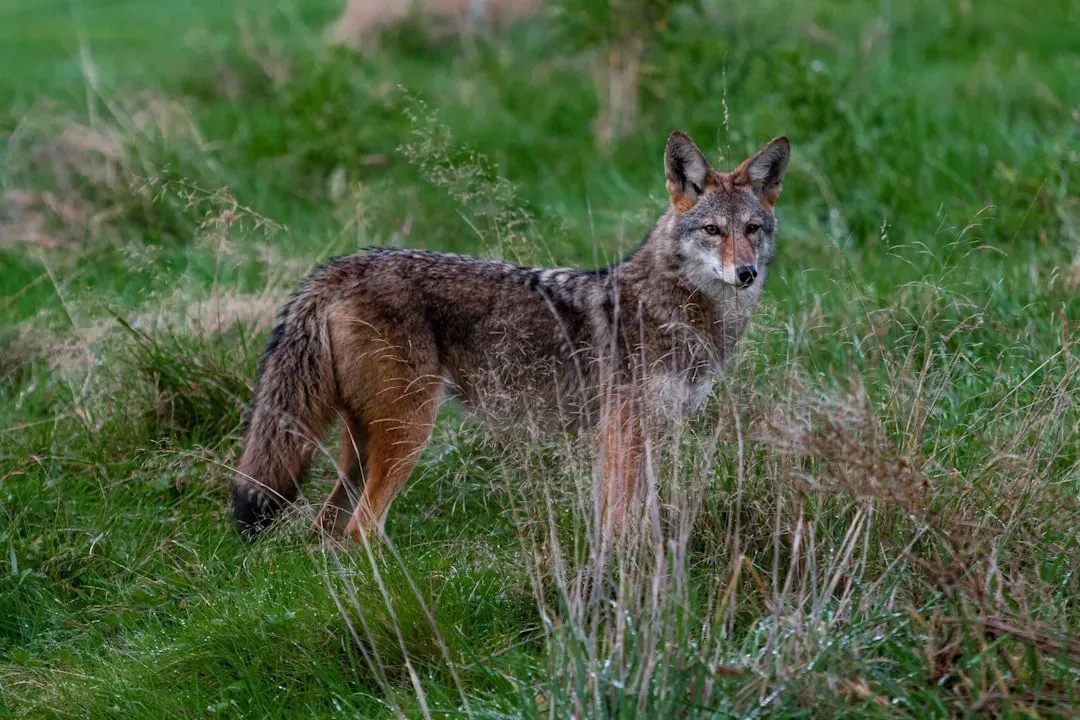
Before full commitment, coyotes scout potential den sites or resting spots. Thick shrubs, wood piles, or untended corners near homes become attractive. They test these locations quietly at first.
Officers advise trimming vegetation that provides cover right up to structures. Clearing these spots removes safe havens. The animals then look elsewhere for security.
Increasing Overall Presence in Surrounding Open Spaces
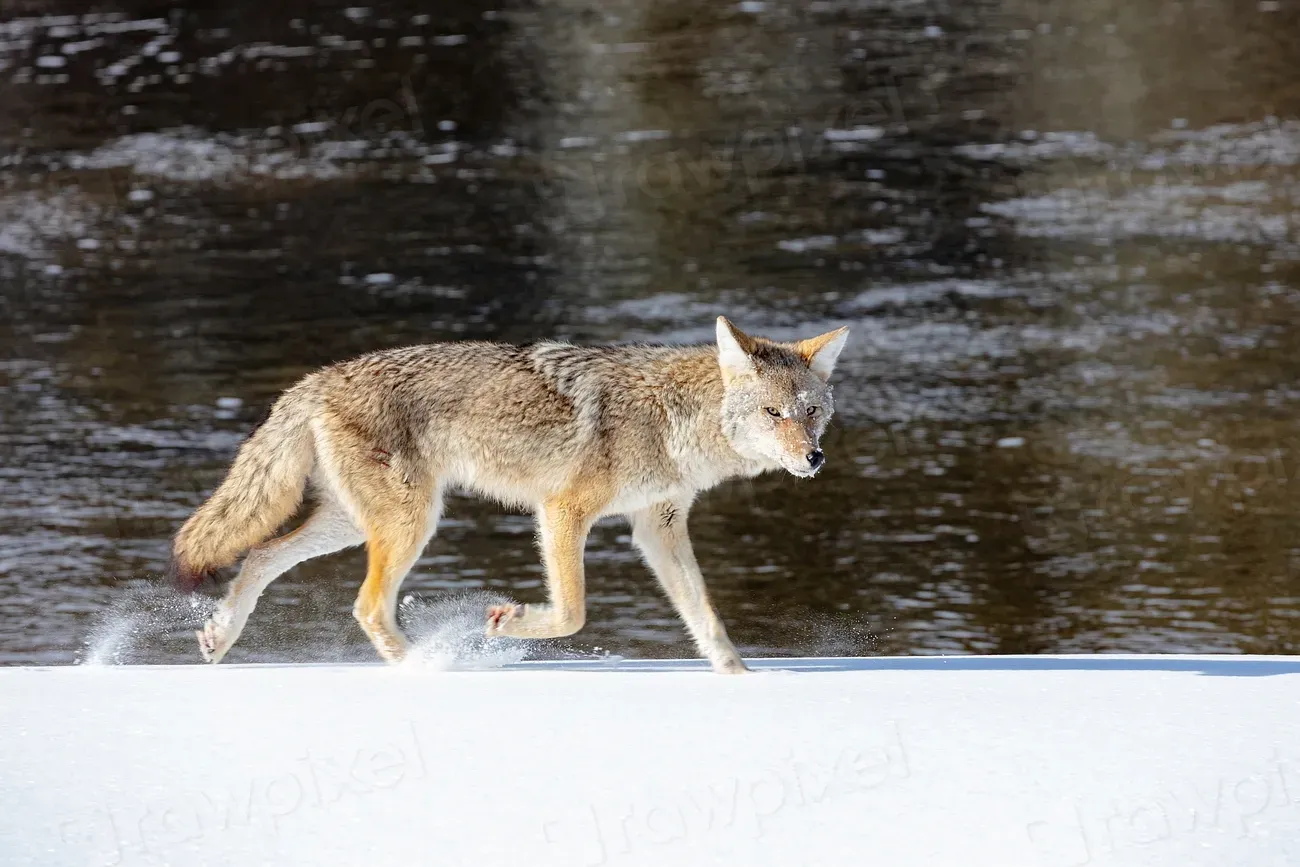
Finally, coyotes spend more time in fields, parks, or vacant lots right next to neighborhoods. Camera traps or consistent reports show them lingering rather than passing through. This buildup often precedes direct entries.
Wildlife professionals track these patterns through community reports. Sustained activity signals the pack is ready to expand. Coordinated neighborhood efforts at this stage prove most effective. Coyotes are simply doing what comes naturally when opportunities arise, yet thoughtful human choices make coexistence far smoother. Paying attention to these early signals turns potential conflicts into manageable adjustments for everyone involved.

- These 7 Historic US Battlefields Are Sacred Grounds Of Remembrance - August 2, 2026
- The JWST Found A Jekyll-and-Hyde Galaxy In The Early Universe - August 2, 2026
- 10 Heartwarming Ways A Chihuahua Shows They’ve Bonded With You - August 2, 2026